
.png?width=1200&quality=80)
La Tronera
Modern Cuisine · Villadepalos
Restaurant in Villadepalos, Spain
 Book with Pearl
The Read
Property-Rooted Tasting Menu
Price
$30–50per person
Dress
Smart Casual
Why go
A Michelin Plate-recognised tasting menu at €€ in a rural Bierzo hotel — La Tronera builds its seasonal menu around ingredients it grows and sources locally, with from nearly 400 visits confirming consistent delivery. Book it as an overnight stay rather than a standalone dinner; the village setting and tasting menu format make staying on-site the practical and rewarding choice.
About La Tronera
Verdict: A rural tasting menu that earns its Michelin recognition without the Michelin price tag
The common assumption about high-quality tasting menus in rural Spain is that you need to travel to a destination city, pay €€€€, and book months in advance. La Tronera, set inside a small rural hotel on Calle Santiago in Villadepalos, corrects that assumption directly. At a €€ price point, this is a Michelin Plate-recognised restaurant — awarded in both 2024 and 2025 — offering a single, seasonally driven tasting menu built almost entirely from ingredients the restaurant produces or sources locally. If you are travelling through the Bierzo region and care about the provenance of what lands on your plate, this is the most compelling reason to stop.
Portrait
La Tronera sits within a rural hotel in Villadepalos, a village in the Bierzo wine region of northwest Spain. The setting matters here: this is not a converted barn styled for Instagram, but a working rural property where the connection between land and table is operational rather than decorative. The restaurant produces a meaningful portion of its own ingredients, and the tasting menu changes with the seasons to reflect what is actually available, not what fits a fixed concept. For a food-focused traveller, that distinction is worth understanding before you book.
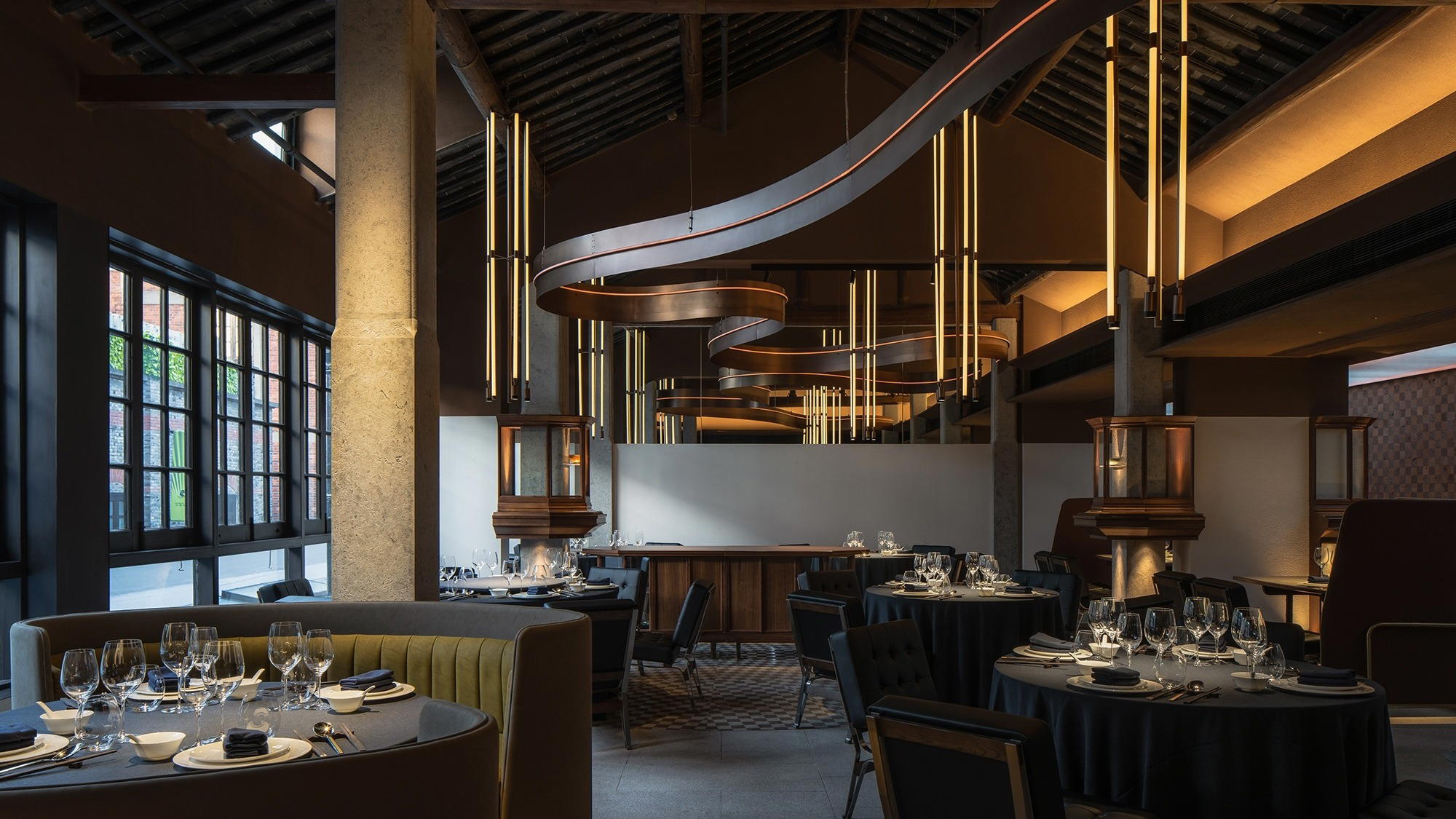
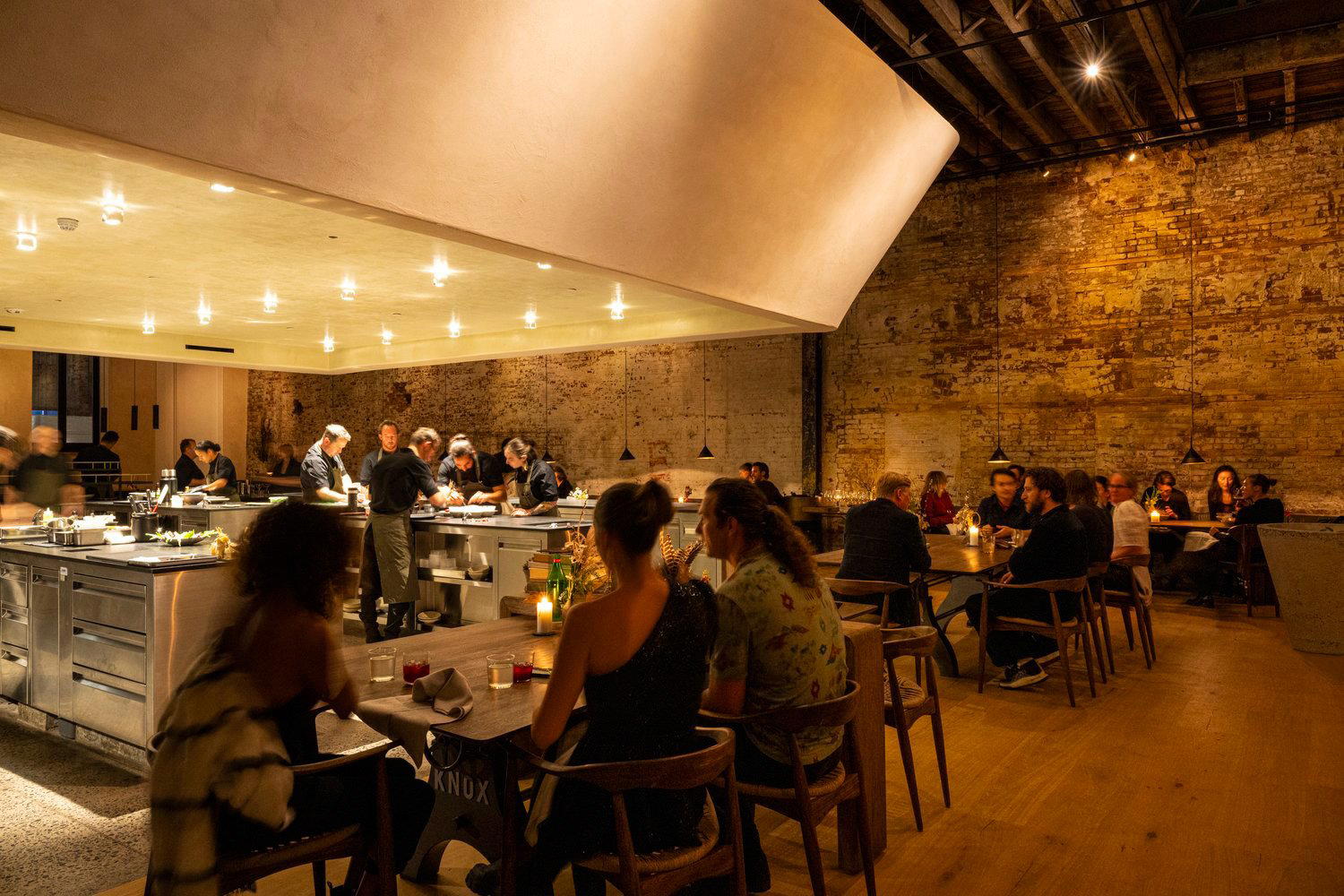
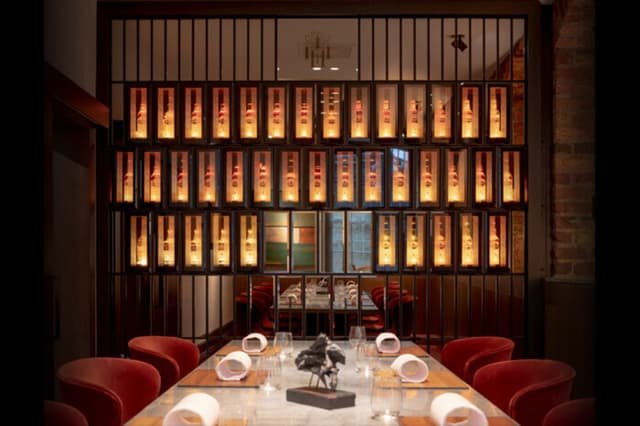
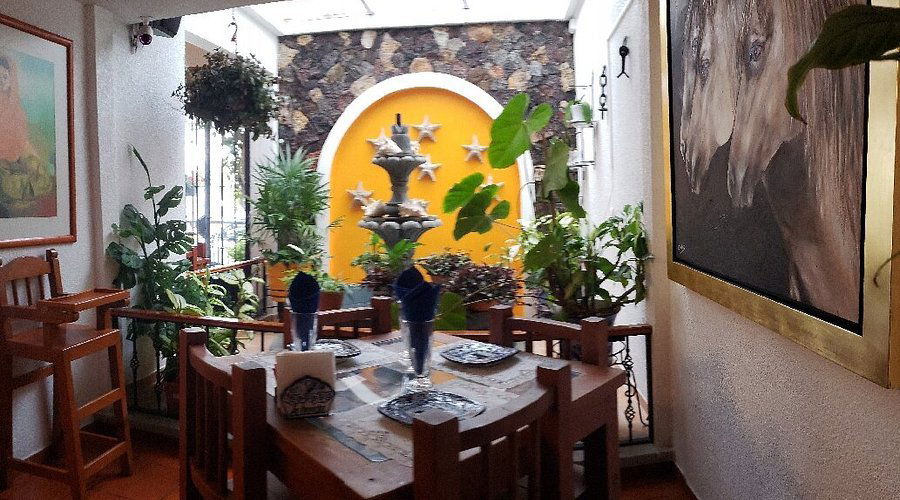
What you see on arrival is a room that matches the building: understated, grounded in its surroundings, without the performative minimalism of many contemporary tasting menus. The visual language here is one of place rather than statement. Plates reflect local produce in an updated take on traditional Leonese and Bierzo-region cuisine, which means familiar frameworks reinterpreted with genuine technical attention rather than novelty for its own sake. Michelin's Plate recognition, the guide's signal that a kitchen is producing food worth eating, below star level, confirms that the cooking delivers on that premise consistently across two consecutive years.
The ingredient sourcing model at La Tronera is the real point of difference. When a restaurant grows or controls a significant share of its own produce, the menu is not built backward from a supplier catalogue. Dishes are determined by what is ready. That produces a different kind of coherence on the plate: seasonal logic that feels earned rather than claimed. For the explorer-type diner who wants to understand a region through its food, this is a more honest expression of Bierzo than most restaurants at twice the price would offer. The local agricultural character of the region, including its chestnut forests, river fish, and the vegetables suited to the cooler meseta climate, shapes what you eat, even if specific dishes are not available in advance.
The hotel context adds a practical dimension that changes how you should think about this booking. La Tronera is not just a dinner reservation; it is a viable anchor for a short rural break. Staying on-site removes the question of transport after a tasting menu, which matters in a village with limited late-night options. It also allows you to see the property and its surroundings in daylight, which is relevant given how closely the restaurant's identity is tied to the land around it. For couples or solo travellers planning a slower trip through northern Spain, building a night around La Tronera is a sensible use of the itinerary.
4.7 from 385 ratings, which for a rural village restaurant with a tasting menu format is a meaningful signal. This is a restaurant doing the same thing well, repeatedly, which is exactly what you want when you are travelling some distance to eat there.
Villadepalos sits in the Bierzo DO wine region, one of Spain's most interesting appellations for Mencía-based red wines. While specific wine list details are not available, the regional context suggests that local wine pairings are likely available and relevant to the meal. Bierzo's wines, particularly those from older Mencía vines on slate soils, have gained serious critical attention over the past two decades, and any restaurant this embedded in local ingredient culture would be expected to reflect that. For wine-focused travellers, this adds another layer to the visit. Explore our full Villadepalos wineries guide for producers worth visiting nearby.
For context on where to eat and stay in the wider area, see our full Villadepalos restaurants guide, our full Villadepalos hotels guide, our full Villadepalos bars guide, and our full Villadepalos experiences guide.
Ratings at a Glance
- Michelin Plate: 2024 and 2025
- Price Tier: €€
Booking and Practical Details
Booking difficulty: Easy, there is no months-long queue here, which is part of the appeal at this price and quality level. Reservations: Advance booking is recommended given the tasting menu format and rural location, but availability is not typically scarce. Contact through the hotel property directly. Budget: €€, making this one of the more accessible Michelin Plate options in northwest Spain. Dress: No dress code is specified; rural hotel context suggests smart casual is appropriate. Format: Single tasting menu, seasonally set, no à la carte option is listed. Getting there: Villadepalos is in the Bierzo region of the province of León; a car is the practical choice for reaching the village. Staying over: The in-house hotel makes an overnight stay a natural extension of the booking and removes any post-dinner transport concern.
FAQ
What should I order at La Tronera?
- La Tronera runs a single, set tasting menu, there is no ordering involved. The menu changes seasonally based on what the restaurant produces and sources locally, so the specific dishes you eat will depend on when you visit. That seasonal variability is a feature, not a limitation: it means the menu reflects the actual moment of your visit rather than a fixed year-round lineup.
Can La Tronera accommodate groups?
- Specific group booking policies and seating capacity are not published. Given that La Tronera operates within a small rural hotel with a tasting menu format, groups should contact the property directly before assuming availability. Smaller groups of two to four are likely to have the most direct experience; larger parties should enquire early and confirm whether the format and space can accommodate the size.
Is La Tronera good for solo dining?
- Yes, with caveats. The tasting menu format works well for solo diners focused on the food and the experience of the place rather than a social occasion. The rural hotel setting also means that solo travellers can book a room and treat the visit as a self-contained short break rather than a standalone meal. If solo dining in a quiet rural environment appeals, this is a comfortable choice at a price point that does not penalise single occupancy the way many destination restaurants do.
Is La Tronera worth the price?
- At €€, yes, clearly. Michelin Plate recognition across two consecutive years at this price tier is unusual in Spain, where the benchmark for quality-to-price in tasting menus tends to sit considerably higher. You are not paying for a star-level production, but you are getting consistent, ingredient-led cooking with a verifiable sourcing story in a setting that justifies the journey. Compared to €€€€ restaurants like Arzak in San Sebastián or Azurmendi in Larrabetzu, La Tronera delivers a fundamentally different but genuinely worthwhile experience at a fraction of the cost.
Is La Tronera good for a special occasion?
- It works well for a certain kind of special occasion, specifically one where the emphasis is on a meaningful, place-specific experience rather than glamour or spectacle. A tasting menu in a rural hotel in a wine region, built on locally grown ingredients, is a good fit for anniversaries, milestone trips, or any occasion where the story of the place is part of the gift. It is not the choice if you want grand dining room theatre; it is the right choice if you want something quieter and more considered. For that kind of occasion, the Michelin Plate credential gives it enough weight to feel like a deliberate, well-judged choice.
Planning details
- Location
- Hotel Rural La Tronera, Calle Santiago, 24549 Villadepalos, Spain
- Website
- latroneradelbierzo.com
- Phone
- +34987546111
The take
The Take
The Vibe
La Tronera reads as a quiet, rural culinary destination where the landscape is part of the story. Set in Villadepalos amid Bierzo wine country, the restaurant occupies the dining room of a modest hotel and keeps its atmosphere intentionally restrained. The kitchen emphasizes ingredient provenance—chefs literally point to the ground outside when describing dishes—so the dining room feels considered rather than ornamental. Michelin Plate recognition in consecutive years underscores the serious, sophisticated approach: it’s a place where rustic surroundings meet rigorous, ingredient-led cooking in a low-key, refined setting.
Best For
This is a destination for diners seeking a focused, gastronomic experience—especially those who make an evening of it. The restaurant operates as the hotel’s dining room and draws both overnight guests and visitors who drive in specifically for the tasting menu, so it’s best suited to dinner and to people planning a dedicated culinary outing or weekend escape. The mood is quiet and intimate rather than rowdy, making it appropriate for couples or small groups who want to concentrate on the food and terroir rather than a bustling dining scene.
Ordering Tips
La Tronera presents a single, tasting-menu-driven format built from the property outward, so expect an ingredient-led sequence rather than an à la carte selection. The dining room serves hotel guests and outside visitors who travel in for the menu, which signals that this is destination dining tied to the estate’s produce and context. Because the kitchen foregrounds provenance and a single menu, plan around the tasting format and allow the meal to be experienced as a cohesive progression that highlights the region and the property.
Venue details
Ambiance
Cozy and welcoming rural atmosphere with open kitchen, modern presentation, and homely service.
Tags
Vibe
Best For
Experience
Sourcing
At the Table
- Dress Code
- Smart Casual
- Noise Level
- Quiet
- Service Style
- Upscale Casual
- Meal Pacing
- Leisurely
- Capacity
- Intimate
- Kitchen
- Modern
- Menu Format
- Tasting menu
- Wine Program
- Curated
- Dietary
- Gluten-free options
- Outdoor Seating
- Yes
Know before you go
Know Before You Go
- Getting there
- Hotel Rural La Tronera, Calle Santiago, 24549 Villadepalos, Spain
Planning details
Location
Hotel Rural La Tronera, Calle Santiago, 24549 Villadepalos, Spain · Directions
Recognition and awards
Also consider
Also Consider
- Quique Dacosta, Creative, €€€€
- El Celler de Can Roca, Progressive Spanish, Creative, €€€€
- Arzak, Modern Basque, Creative, €€€€
- Azurmendi, Progressive, Creative, €€€€
- Aponiente, Progressive - Seafood, Creative, €€€€
Restaurant context
La Tronera belongs to a different category from the €€€€ reference points that shape discussion of serious Spanish tasting menus. Quique Dacosta in Dénia, El Celler de Can Roca in Girona, and Arzak in San Sebastián represent the highest tier of Spanish gastronomy, with three Michelin stars, months-long booking queues, and prices to match. Choose them for a definitive Spain tasting-menu experience where budget is secondary. La Tronera makes a different proposition: genuine rural provenance, €€ pricing, and a setting rooted in a real place rather than built around destination-dining theatre.
Azurmendi in Larrabetzu and Aponiente in El Puerto de Santa María are the most relevant comparisons when ingredient sourcing and a restaurant's relationship with its landscape matter. Both are serious, award-laden operations with strong sourcing philosophies, but they cost considerably more and demand more planning. La Tronera offers the ingredient-provenance story without the €€€€ outlay or extended preparation, making it one of the cleaner Michelin-recognised options in northwest Spain for that balance.
Across modern Spanish tasting menus, La Tronera's practical appeal is its relatively straightforward booking. Mugaritz in Errenteria, DiverXO in Madrid, and Martin Berasategui in Lasarte-Oria call for significant forward planning and command substantially higher prices. La Tronera is better suited to a Bierzo wine trip, where its €€ tasting menu can sit naturally within a wider itinerary. Travellers flying in specifically for a tasting menu may prefer the more complete production of a €€€€ starred destination; those already moving through northwest Spain will find La Tronera the easier, more grounded stop.
Explore Villadepalos
Around this place
Discover more on Pearl
Unlock the full La Tronera guide in Pearl, including awards, comparisons, FAQs, planning details, and nearby places.
Compare La Tronera
| Venue | Cuisine | Price | Awards | Booking Difficulty |
|---|---|---|---|---|
| La Tronera | Modern Cuisine | €€ | Guía Repsol Soles 20262026 Michelin Plate2025 Michelin Plate2024 Michelin Plate | Easy |
| Quique Dacosta | Creative | €€€€ | 2026 OAD Top Restaurants in Europe Ranked · #12Guía Repsol Soles 20262026 Michelin 3 Stars2026 La Liste Top Restaurants2026 Falstaff Restaurant Guide2025 OAD Top Restaurants in Europe Ranked · #262025 World's 50 Best Restaurants · #652025 La Liste Top Restaurants2025 The Best Chef Three Knives | Unknown |
| El Celler de Can Roca | Progressive Spanish, Creative | €€€€ | 2026 OAD Top Restaurants in Europe Ranked · #292026 Falstaff Restaurant GuideGuía Repsol Soles 20262026 Michelin 3 Stars2026 La Liste Top Restaurants2025 OAD Top Restaurants in Europe Ranked · #572025 La Liste Top RestaurantsChef's Table Featured Restaurants · 20252025 The Best Chef Three Knives | Unknown |
| Arzak | Modern Basque, Creative | €€€€ | 2026 OAD Top Restaurants in Europe Ranked · #102Star Wine Lists 2026Guía Repsol Soles 20262026 La Liste Top Restaurants2026 Michelin 3 Stars2025 OAD Top Restaurants in Europe Ranked · #1252025 The Best Chef Two Knives2025 Michelin 3 Stars2025 La Liste Top Restaurants | Unknown |
| Azurmendi | Progressive, Creative | €€€€ | 2026 OAD Top Restaurants in Europe Ranked · #25Star Wine Lists 2026Guía Repsol Soles 20262026 La Liste Top Restaurants2026 Michelin 3 Stars2026 Falstaff Restaurant Guide2025 OAD Top Restaurants in Europe Ranked · #19We're Smart World Top Restaurants 20252025 La Liste Top Restaurants | Unknown |
| Aponiente | Progressive - Seafood, Creative | €€€€ | 2026 OAD Top Restaurants in Europe Ranked · #62Guía Repsol Soles 20262026 Michelin 3 Stars2026 La Liste Top Restaurants2025 OAD Top Restaurants in Europe Ranked · #632025 World's 50 Best Restaurants · #84Chef's Table Featured Restaurants · 20252025 Michelin 3 Stars2025 The Best Chef Three Knives | Unknown |











How La Tronera stacks up against the competition.
FAQ
Frequently Asked Questions
What should I order at La Tronera?
There is no à la carte to navigate — La Tronera runs a single, seasonally changing tasting menu built around local ingredients, many produced by the restaurant itself. That format means you eat whatever the kitchen is currently doing well, which is the point. If you want to choose individual dishes, this is not the right venue; if you trust a kitchen with a Michelin Plate in 2024 and 2025 to make those calls, you are in good hands.
Can La Tronera accommodate groups?
La Tronera shares a building with a small rural hotel in Villadepalos, which suggests limited covers rather than a large dining room. For groups, advance booking is advisable and contacting the venue directly beforehand is sensible — the single tasting menu format actually simplifies the logistics for a table, since there is no per-person ordering to coordinate.
Is La Tronera good for solo dining?
The tasting menu format works fine for solo diners — you are not ordering from a menu or waiting on a group decision. The rural hotel setting in Villadepalos gives it a relaxed, unhurried pace that suits a solo visit better than a high-pressure city restaurant. At €€ pricing, it is also a low-stakes solo experience by tasting menu standards.
Is La Tronera worth the price?
At €€, it is close to a straightforward yes — a Michelin Plate-recognised tasting menu at this price point is hard to argue against in any region of Spain. The kitchen uses local and house-produced ingredients on a seasonal menu, which justifies the format even without a premium price tag. Compare that to Michelin-starred destinations in the same country where comparable quality costs two to three times as much, and the value case is clear.
Is La Tronera good for a special occasion?
Yes, particularly if the occasion calls for something away from a city. The rural hotel setting means you can stay on-site, which turns a dinner into a short break rather than just a meal — the venue itself describes this as part of its appeal. Michelin Plate recognition for two consecutive years (2024 and 2025) gives it enough credibility to hold up as a celebration choice without the formality of a higher-tier destination.