Restaurant in València, Spain
Counter omakase, Japanese-Italian, book it.
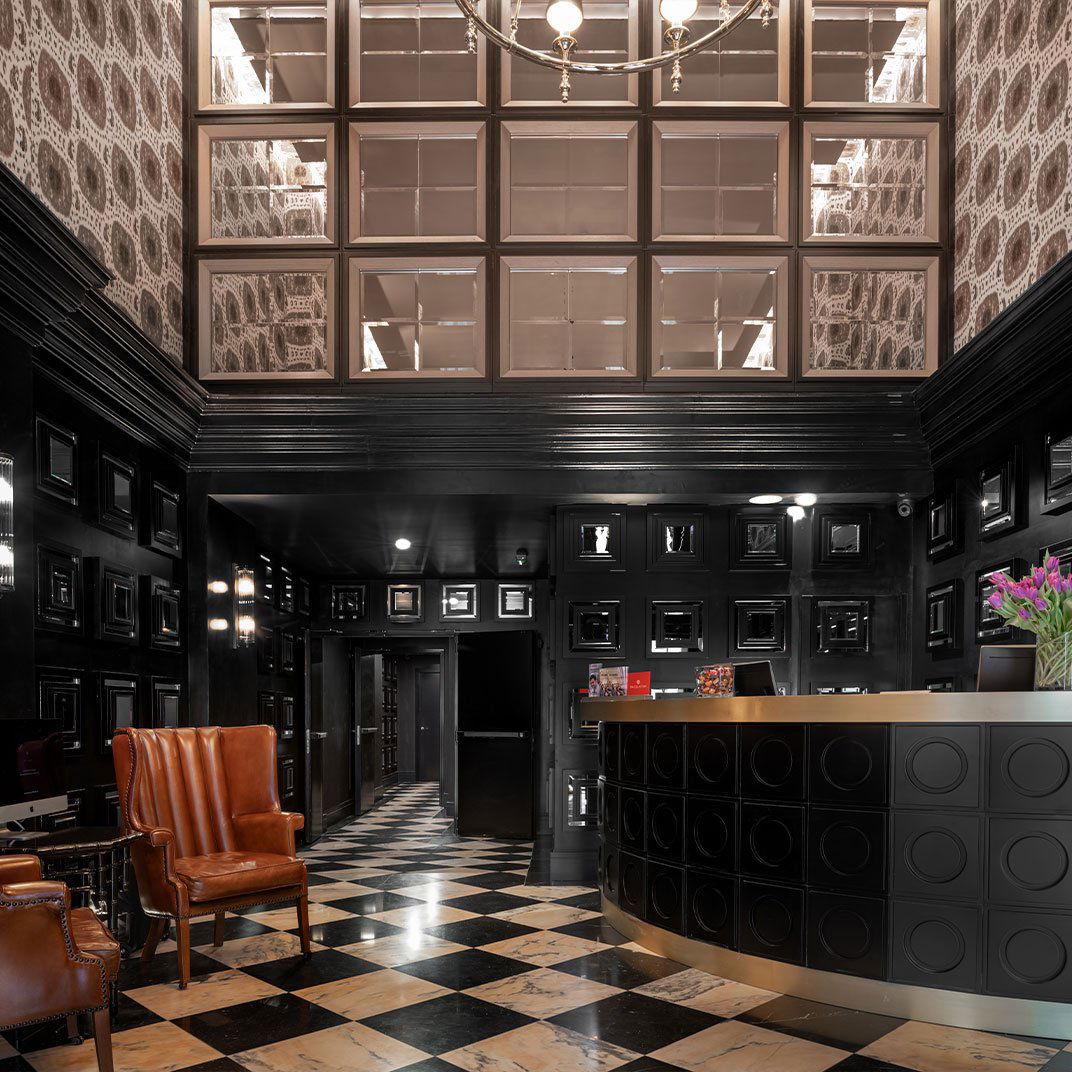
Haku holds two consecutive Michelin Plates (2024–2025) and a 4.6 Google rating across 181 reviews, making it one of the most credible creative-dining options in València at the €€€ tier. The Japanese-Italian omakase format — served from a counter in L'Eixample — suits special occasions and curious diners who want chef-led progression without a €€€€ price tag. Book it if the counter experience and Japanese-Mediterranean concept align with what you're after.
Haku sits in L'Eixample on Gran Via del Marqués del Túria and holds a 4.6 Google rating across 181 reviews — a signal that this is not a venue coasting on novelty. Two consecutive Michelin Plates (2024 and 2025) confirm that the guide's inspectors agree. At the €€€ price tier, it positions itself as the serious creative option in València that doesn't require a €€€€ budget, which is a meaningful distinction in a city where the leading tables — Ricard Camarena and El Poblet , sit one tier higher in both price and prestige.
The concept is Japanese-Italian fusion anchored in omakase philosophy , meaning the kitchen decides the sequence and composition of your meal based on market availability. Chef Bo Jimmy Zhu, who comes from Asti in Piedmont, channels that regional Italian sensibility through a Japanese structural lens. The result is a menu built around the leading available produce rather than a fixed repertoire, which makes it a more interesting proposition than a conventional tasting menu format.
Three menus are on offer: Taibo, Bohan, and Honbo. These are not detailed in the publicly available record, but the omakase structure means the specifics shift with the season and the market. What is documented: the nigiri programme uses a 50:50 blend of traditional rice vinegar and Modena balsamic vinegar , a deliberate Mediterranean inflection that sets it apart from orthodox Japanese technique and makes the Italian-Japanese fusion concept feel genuinely integrated rather than decorative. For anyone comparing this to the more direct Japanese approach at Kaido Sushi Bar in the same city, Haku is the choice when you want the Mediterranean dimension woven into the fundamentals, not just layered on leading.
Haku is a bar-counter venue at its core, and this is where the editorial angle matters for your decision. The counter seating puts you in direct view of the kitchen's work , a format that suits solo diners, couples, and small groups who want the meal to be an active experience rather than a backdrop for conversation. Omakase delivered from a counter creates a different rhythm than a dining room: courses arrive as the kitchen is ready, the pacing is tighter, and you're watching the craft unfold rather than waiting for a server to appear. If that format appeals, Haku is well-calibrated for it. The venue does also have a private space for groups seeking a more contained atmosphere , useful to know if you're planning something that requires discretion or quiet, such as a business dinner or a celebration that doesn't want to be overheard.
For special occasions, Haku is a credible choice at the €€€ tier. It offers the ritual and progression of a tasting menu without requiring a €€€€ spend, and the counter experience gives the evening a sense of occasion that a standard restaurant format doesn't replicate easily. Compare it to Fierro, which also operates in the creative-tasting-menu space in València , both are serious dining propositions, but Haku's Japanese-Italian identity makes it the more singular experience for guests who have already done the modern Spanish circuit. If you're planning a wider València trip and want context for the city's dining range, the Pearl València restaurants guide covers the full spectrum.
Spain's creative dining scene sets a high bar globally. Venues like Quique Dacosta in Dénia, Arzak in San Sebastián, Azurmendi in Larrabetzu, Martin Berasategui in Lasarte-Oria, Cocina Hermanos Torres in Barcelona, and El Celler de Can Roca in Girona define what the country can do at the apex. Haku isn't competing at that altitude , two Michelin Plates, not Stars , but within the €€€ tier in a regional capital, it punches above its category. For reference, omakase formats elsewhere in Europe at comparable quality signals , think counter-driven tasting menus in London or Paris , routinely run significantly higher per head. The Mediterranean ingredient base that Haku works with also gives it a seasonal freshness that more inland omakase concepts can't access as readily.
If you're visiting from outside Spain and mapping the country's creative dining landscape, Haku is worth a slot on a Valencia itinerary that might also include a day trip south to Quique Dacosta. The two experiences are complementary rather than redundant: one is three-Michelin-Star Spanish coastal avant-garde, the other is intimate Japanese-Italian counter dining at a fraction of the cost and commitment. Similarly, Lazy Bear in San Francisco and Le Bernardin in New York City offer reference points for what counter-driven or tasting-menu precision looks like at the leading of the market globally , Haku operates well below that tier in price, but the omakase philosophy is aligned in structure.
For planning the rest of a Valencia visit, Pearl's guides cover hotels, bars, wineries, and experiences across the city. If you're after a more casual modern venue in the same area, Fraula is worth considering for a lower-pressure evening.
Booking Difficulty: Easy , no multi-week advance window required based on available data. Budget: €€€ (mid-to-upper range for València, below the €€€€ tier of Ricard Camarena and Riff). Seating Format: Bar counter (primary), private room available. Address: Gran Via del Marqués del Túria, 62, L'Eixample, 46005 València. Dress: Not specified, but the counter omakase format at this price point warrants smart casual at minimum. Reservations: Recommended; booking difficulty is rated easy, meaning last-minute availability is more likely here than at starred venues.
At the €€€ tier, yes , particularly if the Japanese-Italian omakase format is what you're after. Two consecutive Michelin Plates and a 4.6 Google rating across 181 reviews give objective confidence that the quality is consistent. For a comparison: the top-tier creative dining in València (Ricard Camarena, Riff) sits at €€€€. Haku gives you a structured, chef-led tasting experience at a lower per-head cost, which is a real value proposition for a special occasion that doesn't need to be a full-blown splurge.
Go in knowing that the menu format is omakase , the kitchen sequences your meal, and the dishes change with the market. There are three menus (Taibo, Bohan, Honbo), so you'll be choosing between levels of length and investment rather than picking individual dishes. The counter is where the experience is leading: sitting at the bar puts you close to the kitchen's work and gives the meal its sense of progression. The venue is in L'Eixample, València's grid-plan residential and dining district, which is easy to reach from the city centre. Booking is direct compared to starred venues in the city.
If omakase is a format you respond to, yes. The documented use of Modena balsamic vinegar in the nigiri rice , a 50:50 blend with traditional vinegar , shows that the Japanese-Italian concept is applied at the ingredient level, not just as a marketing frame. Chef Bo Jimmy Zhu's Piedmontese background shapes the Mediterranean inflection in a way that makes the tasting menu more distinctive than a generic fusion format. At €€€, it's also significantly more accessible than equivalent counter-format omakase experiences in other major European cities.
No dietary restriction policy is documented in publicly available records. Because the format is omakase , a chef-led sequence built around market ingredients , dietary restrictions are worth flagging clearly at the point of reservation rather than on arrival. Call or email ahead; the counter format means the kitchen has limited flexibility to reroute a course mid-service. If serious allergies or intolerances are a factor, confirm directly with the venue before booking.
For a more affordable creative evening, Vuelve Carolina (€€) gives you modern Spanish small plates without the tasting-menu commitment. At the same €€€ tier, Llisa Negra offers farm-to-table Spanish cooking and is the better choice if you want local produce in a more conventional dining room format. If you want to step up to a more decorated experience, Ricard Camarena (€€€€) is the city's reference point for creative Spanish cuisine. Haku makes most sense when you specifically want the Japanese-Mediterranean counter experience , if that concept doesn't excite you, one of these alternatives is a safer bet.
| Venue | Cuisine | Awards | Booking Difficulty | Value |
|---|---|---|---|---|
| Haku | Creative Cuisine, Japanese Contemporary | If you enjoy fusion cuisine, this Japanese restaurant is a must as it takes its relationship with the Mediterranean one step further thanks to the unique blend of Japanese-Italian cooking that comes courtesy of young chef Bo Jimmy Zhu, who hails from the town of Asti in Italy’s Piedmont region. His dishes are based around the Omakase philosophy which only works with the very best market-inspired ingredients. These are served at the bar (there is also a private space with a more exclusive ambience) and are centred around three enticing menus: Taibo, Bohan and Honbo. The superb nigiris here are prepared with a 50:50 mix of traditional vinegar and Modena balsamic vinegar.; Michelin Plate (2025); Michelin Plate (2024) | Easy | — |
| Ricard Camarena | Modern Spanish, Creative | Michelin 2 Star, World's 50 Best | Unknown | — |
| Riff | Mediterranean, Creative | Michelin 1 Star | Unknown | — |
| Vuelve Carolina | Tapas Bar, Modern Cuisine | Unknown | — | |
| Llisa Negra | Spanish, Farm to table | Unknown | — | |
| Toshi | Chinese, Mediterranean Cuisine | Unknown | — |
Side-by-side comparison to help you decide where to book.
At €€€, Haku sits in the mid-to-upper range for València but well below the city's €€€€ tier. For that price, you get a Michelin Plate-recognised kitchen (2024 and 2025) running a Japanese-Italian omakase format with market-led ingredients — a combination that's genuinely rare in this city. If omakase sequencing and counter-driven cooking suit your style, the value case is solid. For a more conventional à la carte experience at a similar price point, Riff is the stronger fit.
The counter is the primary format here — sitting there puts you in direct contact with the kitchen's rhythm and is the intended experience. Chef Bo Jimmy Zhu structures the meal around three menus (Taibo, Bohan, Honbo), so you're choosing a tier of commitment rather than individual dishes. Haku holds a 4.6 Google rating across 181 reviews and a Michelin Plate for two consecutive years, which suggests consistent execution rather than a one-off reputation. Booking appears accessible without a multi-week lead time, so last-minute planning is viable.
The three menu tiers — Taibo, Bohan, and Honbo — are built around omakase philosophy, meaning ingredient quality and kitchen judgment drive the meal rather than a fixed script. The standout technical detail from the venue's own documentation is the nigiri preparation using a 50:50 blend of traditional rice vinegar and Modena balsamic, which reflects the Japanese-Italian integration at a dish level rather than just a concept level. If you're comparing tasting menus in the city, Quique Dacosta in nearby Dénia sets a higher ceiling (and price), but Haku competes clearly within its €€€ bracket in València itself.
Omakase formats require the kitchen to control the full sequence, which means dietary restrictions need to be communicated clearly at the point of booking. No specific dietary accommodation policy is documented for Haku, so check the venue's official channels before reserving — particularly for allergies or strict requirements. The Japanese-Italian ingredient base (seafood-forward, with nigiri as a signature element) is worth factoring in if shellfish or raw fish are off the table.
For creative Spanish cooking with serious local credibility, Ricard Camarena is the clear step up in València — Michelin-starred and technically demanding. Vuelve Carolina and Llisa Negra offer Quique Dacosta's more accessible offshoots if you want that lineage at a lower commitment level. Riff fits if you prefer a structured tasting menu in a more conventional dining room format. Toshi covers the Japanese end of the spectrum without the Italian fusion element, which is worth considering if the crossover concept isn't what you're after.
Keep this venue in your Pearl passport, rate it after you visit, and track it alongside every other place you collect.



