
Restaurant in Tokyo, Japan
unique
290ptsFine dining technique, without the fine dining bill.

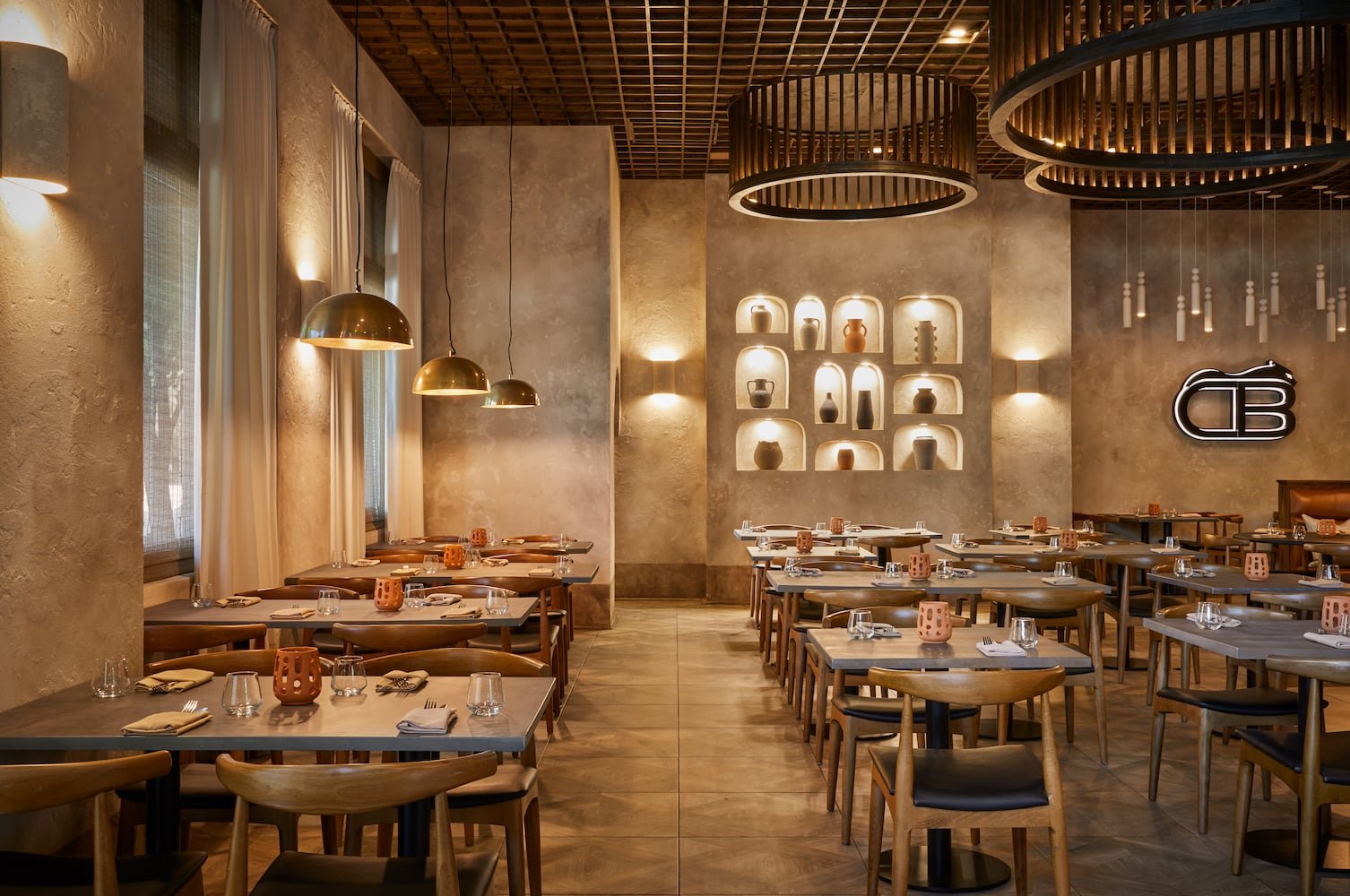
About unique
unique in Meguro earns a Michelin Plate two years running while holding a 4.6 from over 1,200 Google reviews — a reliable combination at the ¥¥¥ price tier. Chef Masaaki Nakai works classical French technique à la carte, with seasonal game and a well-aged wine list. The honest alternative to Tokyo's pricier French addresses, worth booking for a long, unhurried dinner.
A 4.6 from over 1,200 Google reviews tells you something about unique — it has been doing this long enough, and well enough, to build real trust in Meguro.
The premise at unique is direct to state but genuinely difficult to execute: French fine dining technique and presentation at a price point that does not require a corporate expense account. Michelin awarded the restaurant a Plate in both 2024 and 2025, which is the guide's signal that the kitchen is cooking to a consistently high standard even if it hasn't crossed the starred threshold. For a diner weighing where to spend ¥¥¥ on French food in Tokyo, that combination of Google volume and Michelin recognition is a reliable shortcut to confidence.
Unique sits in Meguro, a residential ward in southwest Tokyo that is not where most visitors instinctively look for serious French cooking. That geography is part of the value proposition. You are not paying for a Ginza address or a hotel lobby. Chef Masaaki Nakai interprets classical French repertoire — think smoked foie gras terrine, game birds, rabbit, and seasonal preparations built around the kind of produce that changes what's worth ordering depending on when you visit. The à la carte format means you control the spend and the pace, and the wine list leans toward well-aged bottles, which is a meaningful differentiator from restaurants at this price tier that treat wine as an afterthought.
The editorial angle worth flagging here: unique is not a delivery or takeout destination, and you should not approach it as one. French cooking at this level , terrines, game preparations finished in pastry crust, wine-paired progression , is entirely dependent on being eaten as it is intended, in the room, at the right temperature, in sequence. The smoked terrine of foie gras with orange-fleshed yam is a composed dish that makes no sense in a delivery box. If you are looking for serious French food that travels, Paris Baguette is not the answer either, but the honest recommendation is that unique's food is worth the sit-down visit precisely because it does not compromise toward convenience. Go, or skip, but do not expect a meaningful version of this food off-premise.
For the food-focused traveler building a Tokyo itinerary around depth rather than novelty, unique earns a clear yes , especially if you are already spending nights in the city and want a reliable French anchor that does not demand the ¥¥¥¥ commitment of L'Effervescence or Sézanne. The Michelin Plate two years running suggests the kitchen is consistent, not just occasionally good on a strong night. Consistency matters when you have one dinner allocated to French food in a city full of alternatives.
Seasonal timing is worth considering. Game birds, rabbit, and other seasonal proteins are listed as specialities, which means a visit in autumn or winter is likely to put the kitchen's strongest material in front of you. A summer visit will still give you the classical technique and the foie gras preparations, but the menu's character shifts with what is available. If you can choose your timing, aim for the cooler months. This is true across most French kitchens in Japan that take seasonal sourcing seriously, and unique's focus on game makes it more pronounced here than at, say, ESqUISSE, which runs a broader seasonal range.
Among Tokyo's French options, unique is one of the more interesting arguments for why Meguro deserves attention on a serious food itinerary. If you are already planning stops at Florilège for modern French or considering the full production of Château Restaurant Joël Robuchon, unique sits comfortably as the relaxed, classically grounded counterpoint , à la carte, well-priced, and built for a long evening with a good bottle rather than a performance-format tasting. Beyond Tokyo, if French-influenced fine dining in Japan interests you broadly, HAJIME in Osaka and akordu in Nara offer useful comparisons in different cities and registers.
For the explorer who wants to cross-reference unique against the broader Japanese fine dining picture, Gion Sasaki in Kyoto and Goh in Fukuoka show how Japanese kitchens approach seasonal ingredients at a comparable level of seriousness. And if your interest extends to French cooking at its most technically demanding outside Japan, Hotel de Ville Crissier and Les Amis in Singapore set the regional and global benchmarks worth knowing. Closer to home, 1000 in Yokohama and 6 in Okinawa round out the picture of what serious cooking looks like across Japan's different cities. See our full Tokyo restaurants guide, Tokyo hotels guide, Tokyo bars guide, Tokyo wineries guide, and Tokyo experiences guide for broader planning context.
Practical Details
Reservations: Booking is rated easy , this is not a venue requiring weeks of advance planning, but calling or reserving ahead is sensible for weekends. Price tier: ¥¥¥, placing it below the ¥¥¥¥ bracket occupied by most Michelin-starred French restaurants in Tokyo. Format: À la carte with a well-aged wine list. Location: Meguro City, 3 Chome-12-3, 1階 , a ground-floor address in a residential part of southwest Tokyo. Hours: Not confirmed in available data; verify directly before visiting. Google rating: 4.6 from 1,262 reviews. Awards: Michelin Plate 2024 and 2025.
How It Compares
Compare unique
| Venue | Cuisine | Price | Booking Difficulty |
|---|---|---|---|
| unique | French | ¥¥¥ | Easy |
| Harutaka | Sushi | ¥¥¥¥ | Unknown |
| RyuGin | Kaiseki, Japanese | ¥¥¥¥ | Unknown |
| L'Effervescence | French | ¥¥¥¥ | Unknown |
| HOMMAGE | Innovtive French, French | ¥¥¥¥ | Unknown |
| Florilège | French | ¥¥¥ | Unknown |
Side-by-side comparison to help you decide where to book.
Frequently Asked Questions
Can I eat at the bar at unique?
The venue data does not specify bar seating at unique. Given the address indicates a ground-floor space in a residential Meguro block, the setup is likely compact. check the venue's official channels to confirm seating options before assuming counter availability.
What should a first-timer know about unique?
The concept is French classical technique — foie gras terrines, game in pie crust, well-aged wines — at a ¥¥¥ price point that undercuts most comparable French tables in Tokyo. Chef Masaaki Nakai holds a 2025 Michelin Plate, which signals consistent quality without the ceremony or cost of a starred room. Booking is rated easy, so you are not committing months in advance, but weekends still warrant a reservation.
Is unique good for solo dining?
The à la carte format makes unique more solo-friendly than a tasting-menu-only restaurant, where solo seats can feel awkward and expensive. With booking rated as accessible and a Michelin Plate backing the quality case, it is a low-friction choice for a solo French dinner in Meguro. Confirm seating arrangements when you reserve.
Is the tasting menu worth it at unique?
unique serves à la carte, not a fixed tasting menu, which is part of the value proposition — you order to appetite rather than committing to a set course count. At ¥¥¥, the Michelin Plate-recognised kitchen is delivering foie gras terrines and game dishes at a price point well below Tokyo's starred French competition like L'Effervescence or Florilège. That flexibility and pricing is the reason to come.
What should I wear to unique?
The stated concept is fine dining in a casual setting, so the register is relaxed — polished casual is appropriate, and there is no indication of a formal dress code. Arriving overdressed for a neighbourhood Meguro restaurant would be out of step with the room. When in doubt, neat and understated works.
What should I order at unique?
The database specifically highlights the smoked terrine of foie gras and orange-fleshed yam, and Asian black bear grilled in pie crust as signature presentations. Game — fowl and rabbit — are seasonal specialities worth prioritising when available. Pair with the well-aged wine list, which the venue positions as a deliberate part of the experience.
Recognized By

More restaurants in Tokyo
- SézanneOccupying the seventh floor of the Four Seasons Hotel Tokyo at Marunouchi, Sézanne earned its first Michelin star within months of opening in July 2021 and now holds three. British chef Daniel Calvert applies French technique to Japanese ingredients, producing a prix-fixe format that Tabelog has recognised with Silver awards every year from 2023 through 2026. It ranked 4th in Asia's 50 Best Restaurants in 2025 and 15th globally in 2024.
- SazenkaSazenka is the address for Chinese cuisine in Tokyo at its most technically demanding. Chef Tomoya Kawada's wakon-kansai approach — Japanese seasonal ingredients applied through Chinese culinary technique — has earned consecutive Tabelog Gold Awards from 2019 to 2026, a #71 ranking on the World's 50 Best 2025, and 99 points from La Liste 2026. At JPY 50,000–59,999 per head, it is one of the hardest tables in the city to book and worth the effort.
- NarisawaNarisawa is Tokyo's most credentialled innovative tasting menu restaurant — two Michelin stars, Asia's 50 Best number 12, and a Tabelog Silver award — running at JPY 80,000–99,999 per head. Book for a milestone occasion, confirm vegetarian or vegan needs in advance, and reserve at least two to three months out. With 15 seats and reservation-only access, this is one of Tokyo's hardest tables to secure.
- FlorilègeFlorilège delivers two Michelin stars and an Asia's 50 Best #17 ranking at a dinner price of ¥22,000 — competitive for Tokyo at this level. Chef Hiroyasu Kawate's plant-forward tasting menus around an open-kitchen counter at Azabudai Hills make this the strongest choice for contemporary French dining in Tokyo if theatrical, produce-led cooking is what you want. Book well in advance; availability is near-impossible at short notice.
- DenDen holds two Michelin stars, a World's 50 Best top-25 Asia ranking, and a Tabelog Silver Award running back to 2017 — and it books out within hours of the two-month reservation window opening. Chef Zaiyu Hasegawa's daily-changing seasonal omakase runs JPY 30,000–39,999 at dinner in a relaxed house-restaurant setting near Gaiemmae. Book by phone only, noon–5 PM JST. Lunch is irregular; plan around dinner.
- MyojakuMyojaku is a 2-Michelin-star, 14-course French-leaning omakase in Nishiazabu holding a 4.47 Tabelog score, Tabelog Silver 2025–2026, and Asia's 50 Best #45 (2025). Chef Hidetoshi Nakamura's water-forward, no-dashi approach shifts meaningfully with the seasons — making timing your reservation as important as getting one. Budget JPY 50,000–59,999 per head plus 10% service charge; reservations only, near-impossible to secure.
Similar venues by awards
Related editorial
- Best Fine Dining Restaurants in ParisFrom three-Michelin-star icons to the next generation of Parisian chefs pushing boundaries, these are the restaurants that define fine dining in the world's culinary capital.
- Best Luxury Hotels in RomeFrom rooftop terraces overlooking ancient ruins to Michelin-starred hotel dining, these are the luxury hotels that make Rome unforgettable.
- Best Cocktail Bars in KyotoFrom sleek lounges to hidden speakeasies, Kyoto's cocktail scene blends Japanese precision with global influence in ways you won't find anywhere else.
Save or rate unique on Pearl
Keep this venue in your Pearl passport, rate it after you visit, and track it alongside every other place you collect.