Restaurant in Uda, Japan
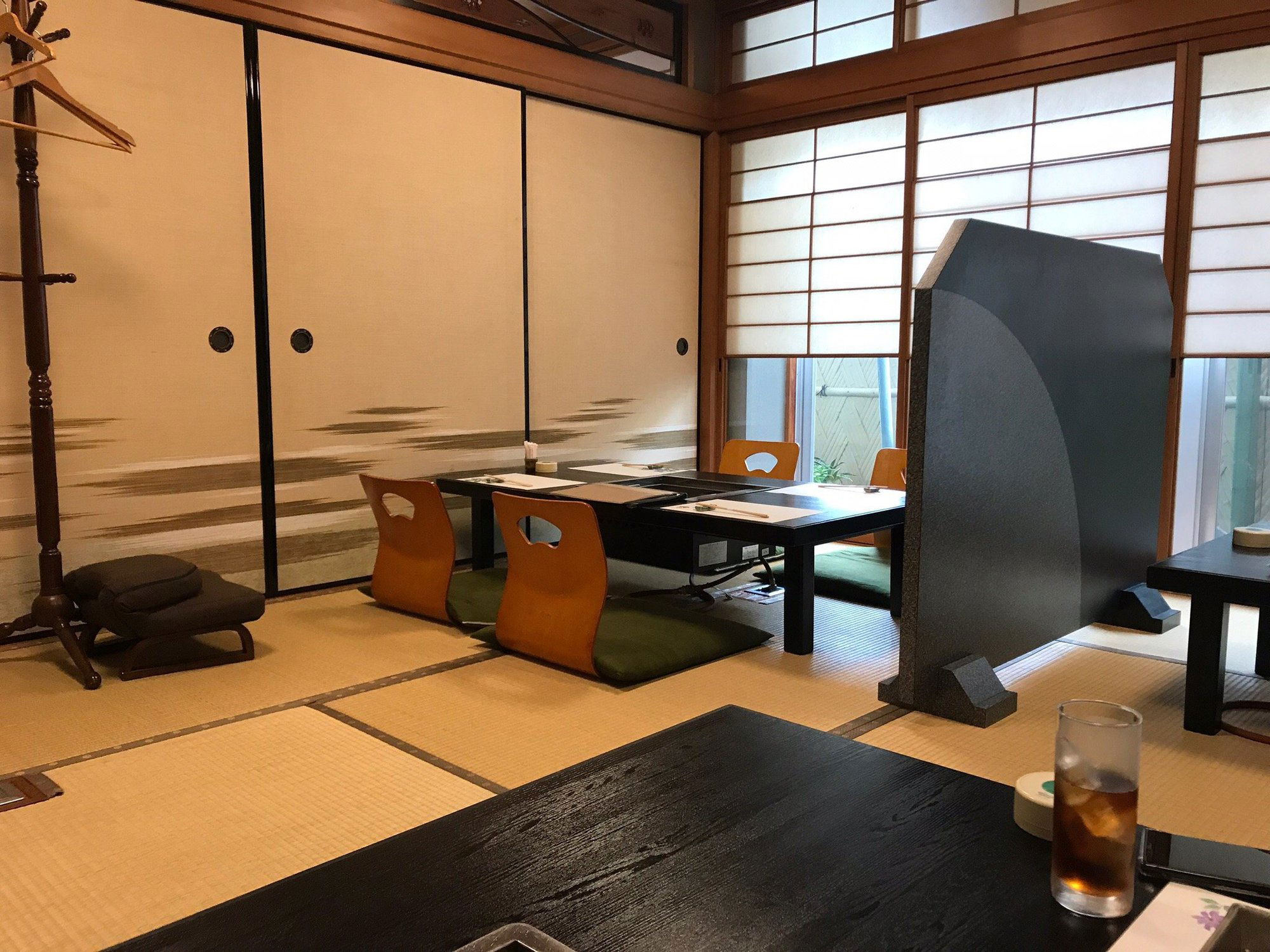
ä¸å¦åºµ is a local venue in Uda, Nara, best approached as a neighbourhood discovery rather than a destination booking. Confirmed details on cuisine, hours, and price are limited, so it suits the flexible traveller passing through rather than anyone planning a special occasion. For a documented dining anchor in the region, consider akordu in Nara or Gion Sasaki in Kyoto instead.
If you are weighing up a late-night stop in Uda against heading back toward Nara city or Yoshino, ä¸å¦åºµ sits at 1362 Haibarajimyo in a part of Nara Prefecture that sees far fewer visitors than its famous deer-park neighbour. The honest assessment: venue data for ä¸å¦åºµ is thin, which means this is a place you go into with open eyes rather than confirmed expectations. For travellers passing through Uda who want something local rather than a chain or a convenience store, that can be reason enough to try it. For anyone planning a special-occasion dinner or a long drive specifically to eat here, you would be better served by confirmed options like akordu in Nara or Gion Sasaki in Kyoto until more detail on this venue is on record.
ä¸å¦åºµ is a venue in Uda, Nara, in a prefecture known for its rural landscapes, ancient temples, and proximity to the Yoshino mountain region. Uda itself is a small city: not a dining destination in the way Osaka or Kyoto are, but a place with its own local dining culture built around the agricultural produce of the Nara basin. Venues in towns like this tend to operate as neighbourhood anchors rather than destination restaurants, which shapes what you should expect: local regulars, a quieter room than you would find in the city, and a pace that follows the town rather than a tourist calendar.
For the food-focused traveller, the wider Nara region has genuine pull. Nara Prefecture produces Yamato beef, a range of fermented foods including Narazuke pickles, and mountain vegetables from the Yoshino area. Any local venue in Uda worth visiting would likely draw on this larder in some form, though without confirmed menu data for ä¸å¦åºµ, that is context rather than a promise. The atmosphere in small Nara city venues tends toward calm and unpretentious: not the high-polish quiet of a kaiseki room, and not the noise of an Osaka izakaya strip, but something in between that suits a slower evening.
From a late-night angle, Uda is not a city with a late-night dining scene in any meaningful sense. If you are arriving late or looking for somewhere to eat after dark, options in the area are limited, and ä¸å¦åºµ may be among the few local choices rather than a selected preference. Compared to what you would find in Nara city proper, or in Osaka about 90 minutes away, the after-hours offer in Uda is minimal. Plan your timing accordingly. If your itinerary brings you through the area during standard evening hours, you are in better shape. See our full Uda restaurants guide for the current picture of what is open and when.
Explorers spending time in this part of Japan who want to build out their itinerary should also look at our Uda hotels guide, our Uda bars guide, and our Uda experiences guide for a fuller picture of what the area offers beyond the table. For wine and sake travellers, our Uda wineries guide covers the local production side.
Further afield in the region, the restaurants drawing serious diners to Japan's Kansai area include HAJIME in Osaka for boundary-pushing French-Japanese work, and Gion Sasaki in Kyoto for a kaiseki experience with a strong track record. If you are building a broader Japan dining trip, Harutaka in Tokyo and Goh in Fukuoka represent the kind of documented, award-backed options that justify a specific journey. Closer to home, Asahitei is the most direct local comparison worth checking before you commit to any Uda dinner plan.
Comparing ä¸å¦åºµ directly against Uda or Nara peers is difficult when venue data is limited, but the wider Japanese dining context is useful for setting expectations. HAJIME and Harutaka operate at the ¥¥¥¥ level in Osaka and Tokyo respectively: destinations you plan a trip around, with booking windows measured in months. RyuGin and L'Effervescence sit in the same bracket. ä¸å¦åºµ, as a local Uda venue, is almost certainly not competing in that tier, which is not a criticism: it means different value at a different price point, for a different kind of evening.
For the explorer who wants to eat well in rural Nara without the formality or cost of a high-end kaiseki room, a local venue in Uda can make sense as part of a broader itinerary. akordu in Nara is the most credible option in the prefecture if you want a confirmed-quality dinner with documented credentials. Crony in its category represents the kind of innovative approach that draws diners specifically for the cooking. ä¸å¦åºµ is better framed as a local find than a peer to those venues.
If you are in Uda and looking for the most dependable dinner option with the information currently available, Asahitei is worth comparing directly. For anyone building a Japan dining itinerary that includes a Nara stopover, the honest recommendation is to lock in your anchor meals at documented venues first, then treat ä¸å¦åºµ as a local discovery rather than a primary booking. Booking difficulty here is low, which works in your favour if you decide on the day.
Keep this venue in your Pearl passport, rate it after you visit, and track it alongside every other place you collect.
