.png?width=1200&quality=80)
Lupaia
Country cooking · Torrita di Siena
Restaurant in Torrita di Siena, Italy
 Book with Pearl
The Read
Farm-Driven Daily Tasting
Price
€€€
Dress
Smart Casual
Why go
Lupaia earns its Michelin Plate with a daily-changing farm-to-table tasting menu and a hilltop setting between Montepulciano and Montefollonico that few Tuscan restaurants can match at €€€. Booking ahead is essential and the 2km dirt-track approach is non-negotiable, but for committed country cooking in a genuinely rural atmosphere, the effort pays off.
About Lupaia
The Verdict
If your benchmark for a Tuscan dinner is a polished agriturismo with a laminated menu and a wine list built for tourists, Lupaia will recalibrate your expectations. This is country cooking taken seriously: a daily-changing tasting menu, produce from the chef's own farm, and a setting between Montepulciano and Montefollonico that requires more commitment to reach than most restaurants in Italy. At €€€ pricing, it sits a full tier below the region's headline names, and the cooking earns that positioning honestly. If you have been once and left wondering whether the menu would change, the answer is yes — it changes daily, which is reason enough to return.
Portrait
Most restaurants in this price range in Tuscany make a deal with convenience: a fixed menu, a stable of reliable dishes, and a setting designed to photograph well. Lupaia makes the opposite deal. The menu follows the farm, not the other way around, which means what arrives at your table is determined by what was harvested that morning rather than what the kitchen has rehearsed into reliability. For a returning guest, this is the most important thing to understand: you are not coming back for a dish you remember. You are coming back for the discipline that produced it.
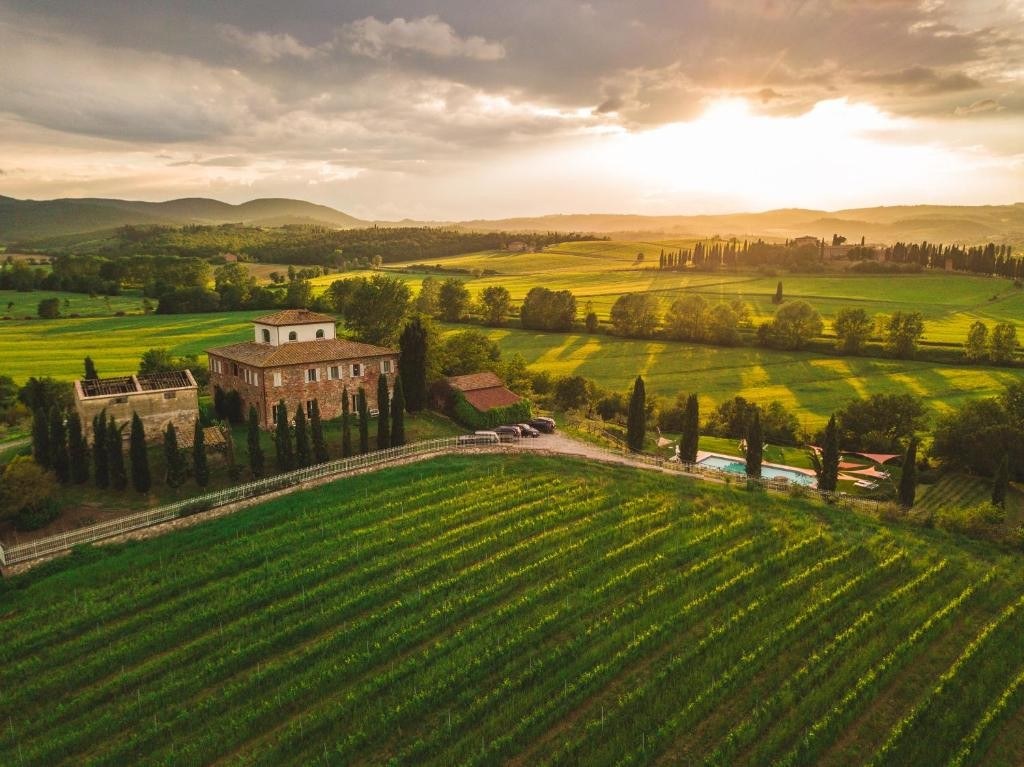
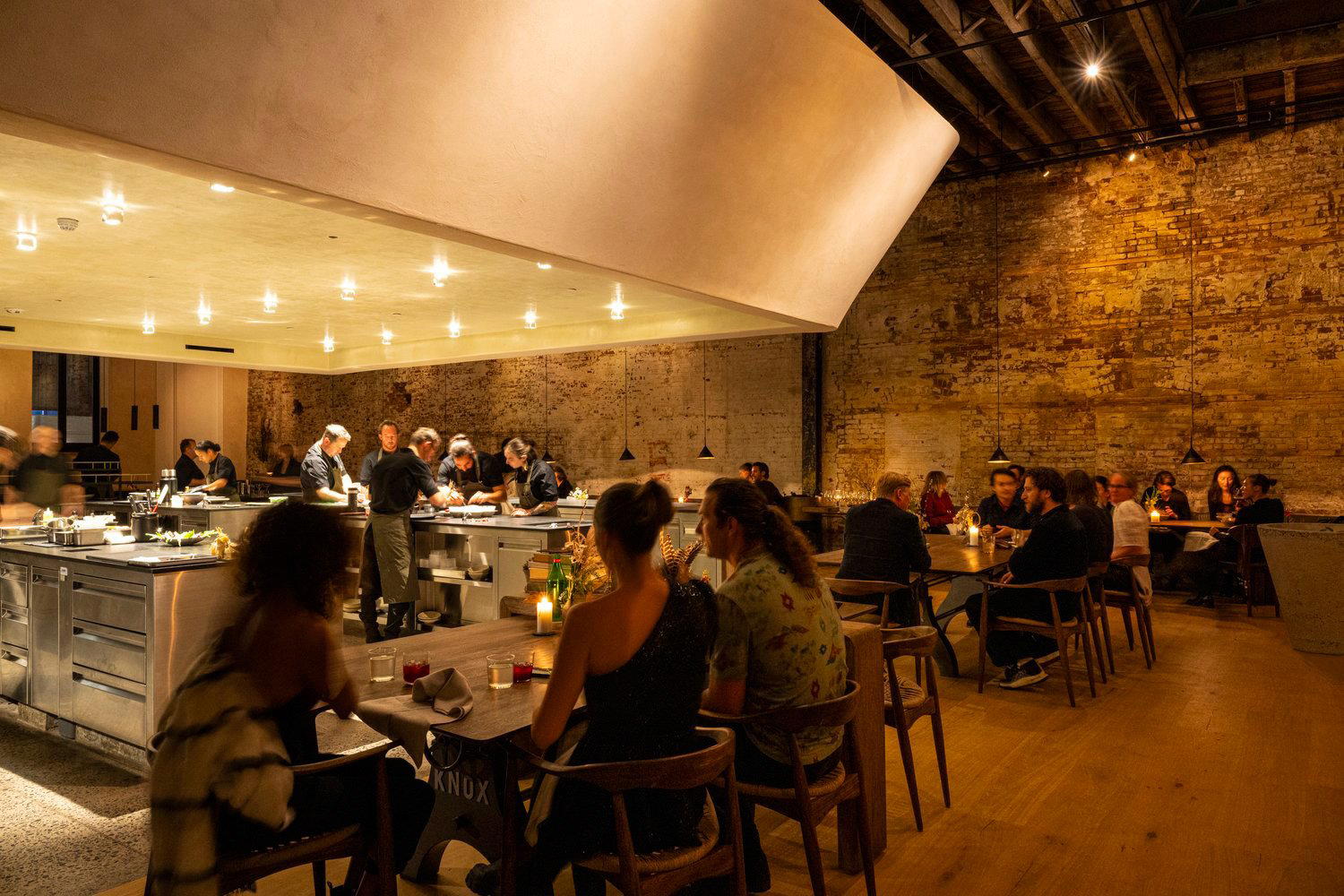
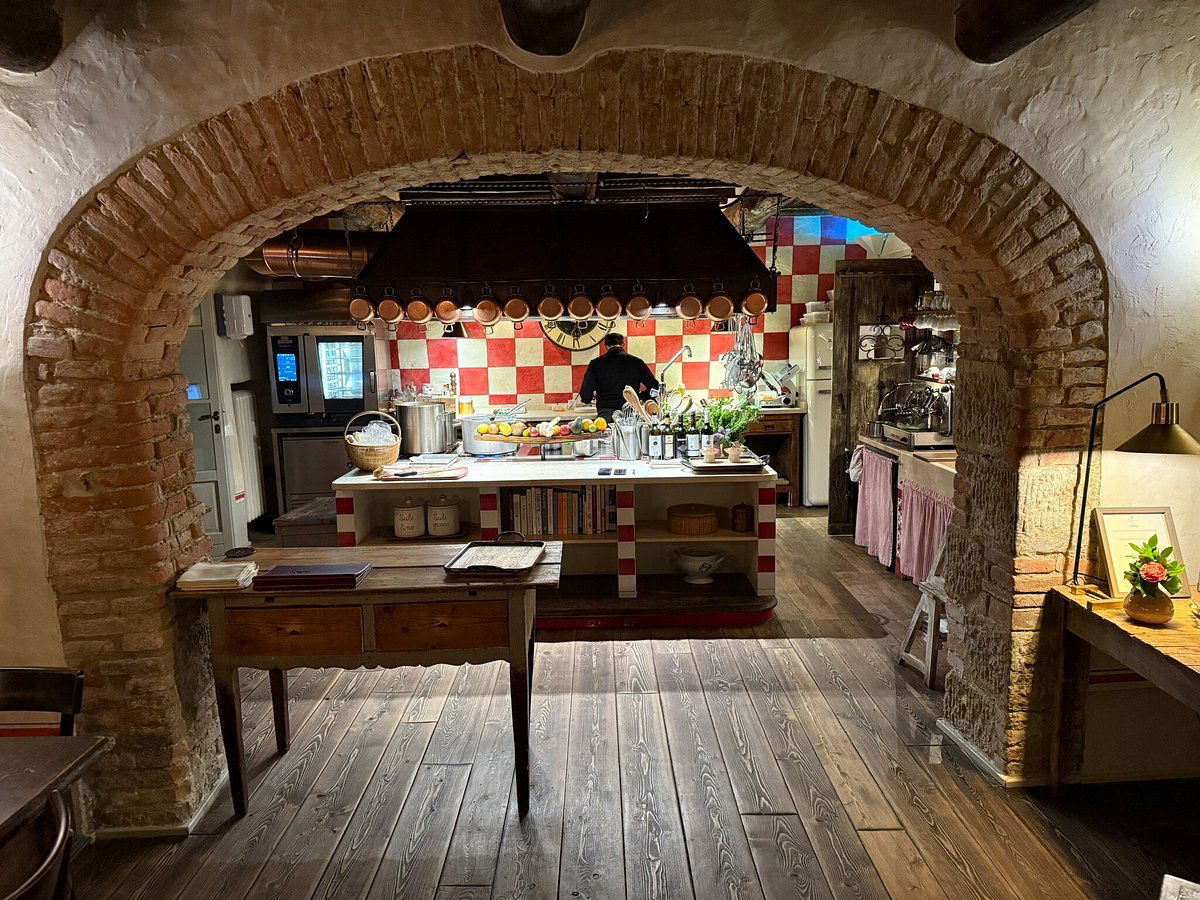
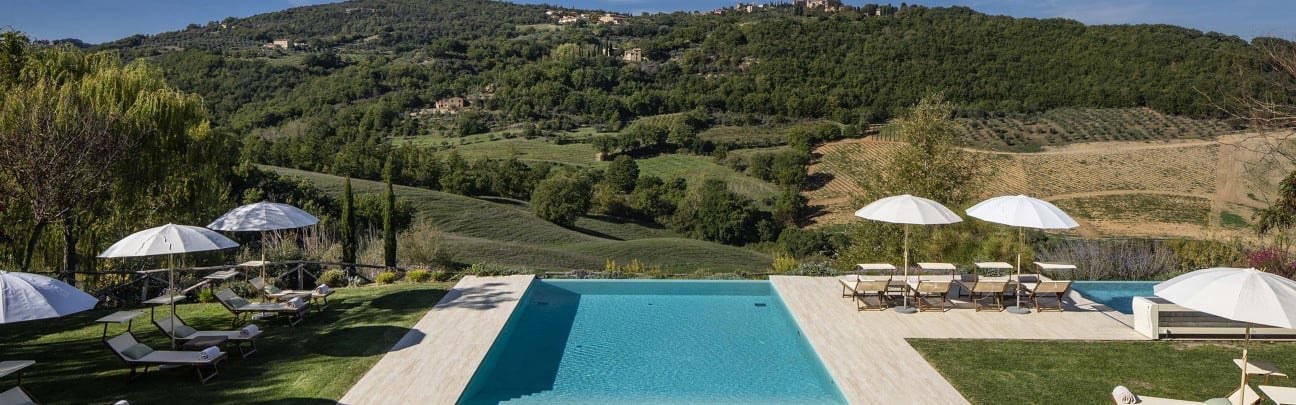
The atmosphere shifts with the seasons in a way that is worth planning around. In summer, the garden is where you want to be — the hillside position between Montepulciano and Montefollonico delivers the kind of long Tuscan sunset that takes an unhurried meal and makes it feel earned. In winter, the dining room orients itself around the open kitchen, which becomes the room's focal point and gives the meal a different intimacy: quieter, more focused, the sound of cooking audible rather than masked. Neither version is a compromise. They are simply different restaurants using the same address, and if you visited in summer, a winter return is worth considering for that reason alone.
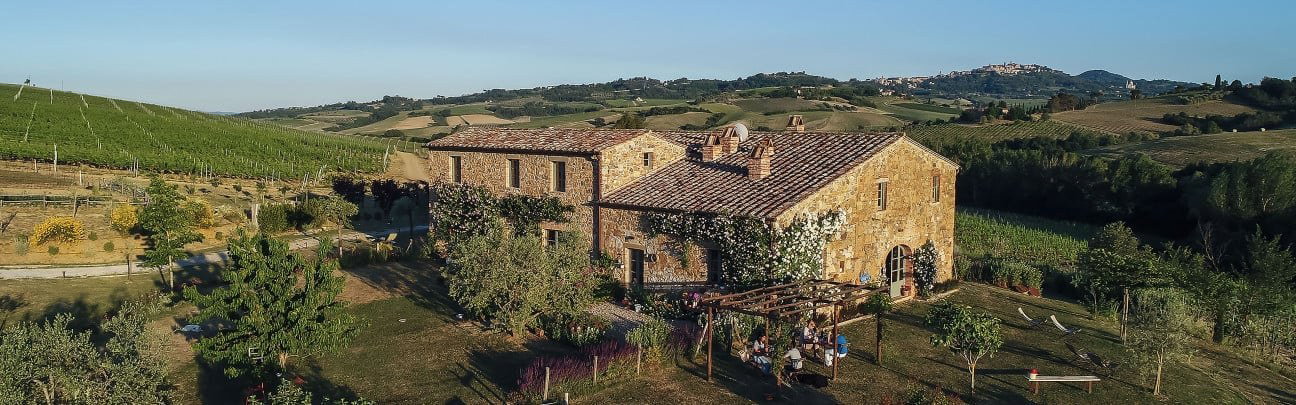
The journey here is part of the contract. A dirt track of more than 2km, which can be tortuous depending on conditions, separates Lupaia from the main road. This is not a scenic inconvenience, it is a functional filter. The guests who arrive are the guests who meant to arrive. The atmosphere that results is correspondingly calm: no walk-in traffic, no casual overflow from nearby wine bars, no one who stumbled in. For a special occasion dinner, that deliberateness in the room is worth more than most restaurants can manufacture with interior design.
Michelin Plate recognition (2025) is the honest trust signal here. A Plate means the inspectors found cooking worth noting without awarding a Star, which in practice often means a kitchen operating at Star-adjacent quality in a format that prioritises informality over precision theatre. For Lupaia, that reads accurately. The farm-to-table format is genuinely farm-led rather than marketing-led, and the tasting menu structure means the kitchen controls the pacing in a way that works in the diner's favour at a relaxed rural address like this one. Among country cooking venues in the broader Tuscan region, you can find cheaper agriturismi and you can find more decorated restaurants, but the combination of farm provenance, daily menu variation, and this setting at €€€ is a harder proposition to match. For comparable Italian country cooking in a similarly committed format, 21.9 in Piobesi d'Alba and Andrea Monesi at Locanda di Orta in Orta San Giulio are worth knowing about, but neither shares Lupaia's specific combination of hotel setting, farm sourcing, and Sienese hill positioning.
Booking is manageable but requires advance planning, particularly if you are not staying at the hotel on site. The recommendation to book ahead is explicit and practical: the format and setting do not lend themselves to walk-in flexibility. If you are staying at the hotel, the logistics simplify considerably, the restaurant becomes an extension of the stay rather than a separate expedition. For diners visiting specifically for the meal, build the booking before you plan the rest of the day. Explore our full Torrita di Siena restaurants guide if you are assembling a longer itinerary, and check our Torrita di Siena hotels guide if staying in the area. The wineries guide for Torrita di Siena is also relevant given the proximity to Montepulciano's Vino Nobile production zone.
The guests arriving via a 2km dirt track are predisposed to engagement, but a 4.9 sustained across that volume still indicates consistent delivery. The occasional dissatisfied guest at a venue like this is almost always someone who arrived expecting a different type of restaurant. If you know what Lupaia is offering, farm-driven tasting menu, daily variation, countryside setting, commitment required to get there, the score reflects genuine satisfaction with that proposition.
For bars and broader evening options in the area, our Torrita di Siena bars guide covers what is available locally. For day experiences around the visit, our experiences guide for Torrita di Siena is a useful starting point.
How It Compares
Lupaia sits at €€€, a full price tier below the Italian restaurants most commonly discussed in the same breath as serious Tuscan dining. Osteria Francescana in Modena, Dal Pescatore in Runate, and Reale in Castel di Sangro are all €€€€ and carry Michelin Stars, they are the right choice if technical ambition and formal recognition are your primary criteria. Lupaia is the right choice if you want committed farm-to-table cooking in an atmosphere those restaurants cannot replicate: genuinely rural, genuinely seasonal, and considerably easier to book than any of them.
Atelier Moessmer Norbert Niederkofler in Brunico and Quattro Passi in Marina del Cantone both operate at €€€€ with strong regional produce credentials, but neither is in Tuscany and neither offers the specific combination of hotel stay, farm sourcing, and hill-country setting that defines the Lupaia proposition. For the price difference alone, Lupaia is worth serious consideration for anyone who does not require a Star on the door.
Among the Italian restaurants where design and city access matter more than countryside immersion, Enoteca Pinchiorri in Florence, Enrico Bartolini in Milan, and Piazza Duomo in Alba are better fits. But if you are already in the Sienese hills and looking for a meal that belongs to the place rather than being imposed on it, Lupaia is the more coherent choice.
Located inside
 HotelLupaiaFull hotel guide
Planning details
- Location
- Località Lupaia, 74, 53049 Torrita di Siena SI, Italy
- Website
- lupaia.com
- Phone
- +39 0577 191 7066
The take
The Take
The Vibe
Lupaia presents a deliberately secluded Tuscan experience that begins on the road and continues through the kitchen. The final stretch of unpaved track isolates guests from the main road and places them in a small hamlet where farm rhythms set the tempo. The house runs a daily tasting menu built around whatever the estate is producing, so the meal feels rooted and immediate rather than stylised. Michelin recognition and enthusiastic reviews underline the seriousness of the cooking, but the dominant impression is pastoral and quietly charming: a serene, rural escape that privileges provenance and slow, attentive hospitality.
Best For
This is a destination for focused evening dining: think special-occasion dinners, romantic nights and weekend escapes where the journey is part of the pleasure. The restaurant’s daily tasting menu and farm-driven approach make it particularly well suited to diners who appreciate seasonal, structured meals rather than à la carte spontaneity. Lupaia sits in a mid‑to‑upper price band (€€€) that reflects its seriousness without the higher tariffs of city destination houses, and its Michelin Plate signals a culinary experience aimed at diners seeking thoughtful, ingredient-led cuisine.
Ordering Tips
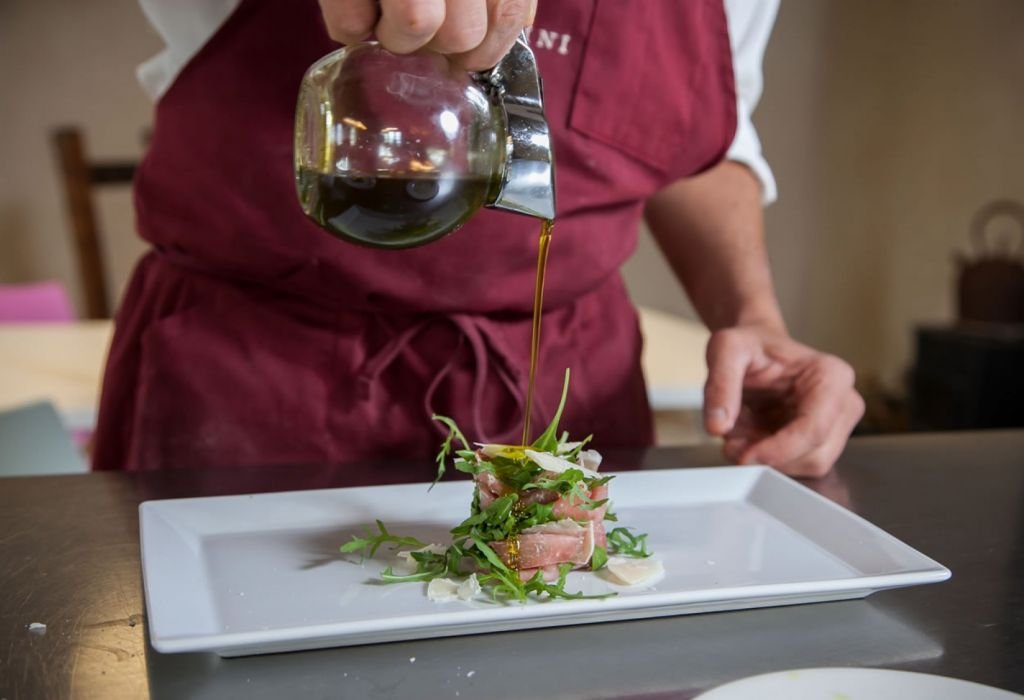
Expect a multi-course tasting that changes every day based on the farm’s produce; the kitchen’s focus is seasonal pasta, house-baked bread and house gelato among other daily highlights. Practicalities matter: the final two kilometres are unpaved, so arrive with a vehicle that can handle dust and allow time for the approach — the route is described as an intentional part of the experience. Given the restaurant’s critical recognition and loyal following, plan your visit as an intentional outing and reserve your evening around the tasting format so you can enjoy the full farm-to-table sequence.
Venue details
Ambiance
Warm, intimate dining room with exposed beams and rustic fireplaces; candlelit terrace overlooking vineyards and distant villages; soft natural light during day, romantic ambiance at night with open kitchen as focal point.
Tags
Vibe
Best For
Experience
Sourcing
View
At the Table
- Dress Code
- Smart Casual
- Noise Level
- Quiet
- Service Style
- Upscale Casual
- Meal Pacing
- Leisurely
- Capacity
- Intimate
Signature Dishes
- daily changing seasonal pasta
- homemade gelato
- fresh baked bread
Know before you go
Know Before You Go
- Getting there
- Località Lupaia, 74, 53049 Torrita di Siena SI, Italy
Planning details
Location
Recognition and awards
Also consider
Also Consider
- Atelier Moessmer Norbert Niederkofler, Italian, Creative, €€€€
- Dal Pescatore, Italian, Italian Contemporary, €€€€
- Osteria Francescana, Progressive Italian, Creative, €€€€
- Quattro Passi, Italian, Mediterranean Cuisine, €€€€
- Reale, Progressive Italian, Modern Cuisine, €€€€
Restaurant context
Lupaia sits at €€€, a full price tier below the Italian restaurants most commonly discussed alongside serious Tuscan dining. Osteria Francescana in Modena, Dal Pescatore in Runate, and Reale in Castel di Sangro are all €€€€ and carry Michelin Stars, they are the right choice if technical ambition and formal recognition are your primary criteria. Lupaia is the right choice if you want committed farm-to-table cooking in an atmosphere those restaurants cannot replicate: genuinely rural, genuinely seasonal, and considerably easier to book.
Atelier Moessmer Norbert Niederkofler in Brunico and Quattro Passi in Marina del Cantone both operate at €€€€ with strong regional produce credentials, but neither offers the specific combination of hotel stay, farm sourcing, and Sienese hill setting that defines Lupaia. For the price difference alone, Lupaia is worth serious consideration for anyone who does not require a Star on the door.
Among Italian restaurants where city access and design matter more than countryside immersion, Enoteca Pinchiorri in Florence and Piazza Duomo in Alba are stronger fits. But if you are already in the Sienese hills and want a meal that belongs to its location rather than being imposed on it, Lupaia is the more coherent booking.
Explore Torrita di Siena
Around this place
Discover more on Pearl
Unlock the full Lupaia guide in Pearl, including awards, comparisons, FAQs, planning details, and nearby places.
Compare Lupaia
| Venue | Cuisine | Price | Booking Difficulty | Awards |
|---|---|---|---|---|
| Lupaia | Country cooking | €€€ | Easy | 2026 Michelin Plate2025 Michelin Plate2024 Michelin Plate |
| Atelier Moessmer Norbert Niederkofler | Italian, Creative | €€€€ | Unknown | 2026 OAD Top Restaurants in Europe Ranked · #92026 Falstaff Restaurant Guide2026 Les Grandes Tables du Monde Members2026 Michelin 3 Stars2026 La Liste Top Restaurants2025 World's 50 Best Restaurants · #202025 OAD Top Restaurants in Europe Ranked · #362025 The Best Chef Three Knives2025 Michelin 3 Stars |
| Dal Pescatore | Italian, Italian Contemporary | €€€€ | Unknown | 2026 OAD Classical in Europe Ranked · #172026 Relais Chateaux Restaurants2026 Les Grandes Tables du Monde Members2026 La Liste Top Restaurants2026 Michelin 3 Stars2026 Falstaff Restaurant Guide2025 OAD Classical in Europe Ranked · #162025 Michelin 3 Stars2025 Relais Chateaux Award |
| Osteria Francescana | Progressive Italian, Creative | €€€€ | Unknown | 2026 OAD Top Restaurants in Europe Ranked · #212026 La Liste Top Restaurants2026 Les Grandes Tables du Monde Members2026 Michelin 3 Stars2026 Falstaff Restaurant Guide2025 OAD Top Restaurants in Europe Ranked · #27Chef's Table Featured Restaurants · 20252025 Michelin 3 Stars2025 The Best Chef Three Knives |
| Quattro Passi | Italian, Mediterranean Cuisine | €€€€ | Unknown | 2026 OAD Top Restaurants in Europe Ranked · #972026 Les Grandes Tables du Monde Members2026 La Liste Top Restaurants2026 Michelin 3 Stars2026 Falstaff Restaurant Guide2025 OAD Classical in Europe Ranked · #522025 La Liste Top Restaurants2025 Michelin 3 Stars2024 OAD Classical in Europe Ranked · #116 |
| Reale | Progressive Italian, Modern Cuisine | €€€€ | Unknown | 2026 OAD Top Restaurants in Europe Ranked · #222026 Les Grandes Tables du Monde Members2026 La Liste Top Restaurants2026 Michelin 3 Stars2026 Falstaff Restaurant Guide2025 World's 50 Best Restaurants · #182025 OAD Top Restaurants in Europe Ranked · #25We're Smart World Top 100 2025We're Smart World Top Restaurants 2025 |











Side-by-side comparison to help you decide where to book.
FAQ
Frequently Asked Questions
Is the tasting menu worth it at Lupaia?
Yes, if you want cooking driven by what the farm is producing that day rather than a static menu engineered for tourist turnover. The Michelin Plate recognition in 2025 signals a kitchen operating at a consistent standard. At €€€, it sits below the price of destination Tuscan dining at places like Osteria Francescana, and the daily-changing menu means repeat visits are less likely to feel repetitive.
What are alternatives to Lupaia in Torrita di Siena?
Torrita di Siena has limited dining options of this calibre, so the practical alternatives are in the surrounding area: Montepulciano and Montefollonico both have restaurants closer to town and easier to reach. If you want a fixed-menu farm-driven experience without the 2km dirt track, look at agriturismo restaurants across the Val d'Orcia. For a step up in formality and price, the wider Siena province offers Michelin-starred options.
Can I eat at the bar at Lupaia?
There is no bar dining documented for Lupaia. The venue operates as a hotel restaurant with a set tasting menu format — the dining room and garden terrace are the eating spaces, not a counter or bar. If you're not staying at the hotel, booking ahead is flagged as essential.
What should I order at Lupaia?
The menu changes daily, so there are no fixed dishes to target. The format is a tasting menu built around produce from the chef's own farm, meaning what's on the plate depends entirely on the season and harvest. Trust the menu as offered rather than arriving with specific expectations — that's the point of the format.
Is Lupaia good for a special occasion?
Yes, particularly for couples or small groups who want something intimate and away from tourist circuits. The setting between Montepulciano and Montefollonico, the farm-sourced daily menu, and the Michelin Plate kitchen make it a credible choice for a milestone dinner. The logistics — a 2km dirt track, essential advance booking, remote location — add friction, so factor that into planning if timing is tight.
Is Lupaia worth the price?
At €€€, Lupaia is priced below the most celebrated Tuscan restaurants and delivers a daily-changing tasting menu with Michelin Plate recognition and produce from the chef's own farm. That combination is hard to find at this price tier in the region. The access requires effort — a deliberate drive down a rough track — but if you're already in the Montepulciano area, the value case is clear.