

SUSHI YŪGEN
Financial District, Toronto
Restaurant in Toronto, Canada
 Book with Pearl
The Read
Kaiseki-Sushi Convergence
Price
$200–300per person
Dress
Smart Casual
Why go
Kyohei Igarashi's eight-seat chef's counter at 150 York St is one of Toronto's most in-demand omakase bookings, and the format earns it. A kaiseki-trained approach to ultra-seasonal Japanese ingredients produces a 20-course menu that shifts meaningfully with the seasons. The truffle preparation and abalone dish are the signatures, and the private-import sake list is the strongest in this category in the city.
About SUSHI YŪGEN
If You've Been Once, Here's What to Book Next
A return visit to Sushi Yūgen doesn't diminish what you already experienced: it sharpens it. The eight-seat chef's counter at the rear of the main dining room is one of the harder omakase bookings in Toronto, and if you've already sat there once, you already know why chef Kyohei Igarashi's roughly 20-course format holds up against anything in the city at this price tier. The question on a second visit isn't whether it's worth it. It's whether you're going at the right time of year to catch the menu at its most interesting.
Igarashi's training spans Michelin-starred sushi restaurants and kaiseki, and that dual foundation shows in how the menu is built. This is not the rigid, protocol-first omakase you find at more traditionally orthodox counters. The sushi is ultra-seasonal, and nearly everything: vegetables, fish, prepared components, is sourced directly from Japan, with the exception of truffles and caviar. That sourcing discipline is the backbone of the experience. The courses shift with what's available, which means a second visit in a different season can feel meaningfully different from the first.
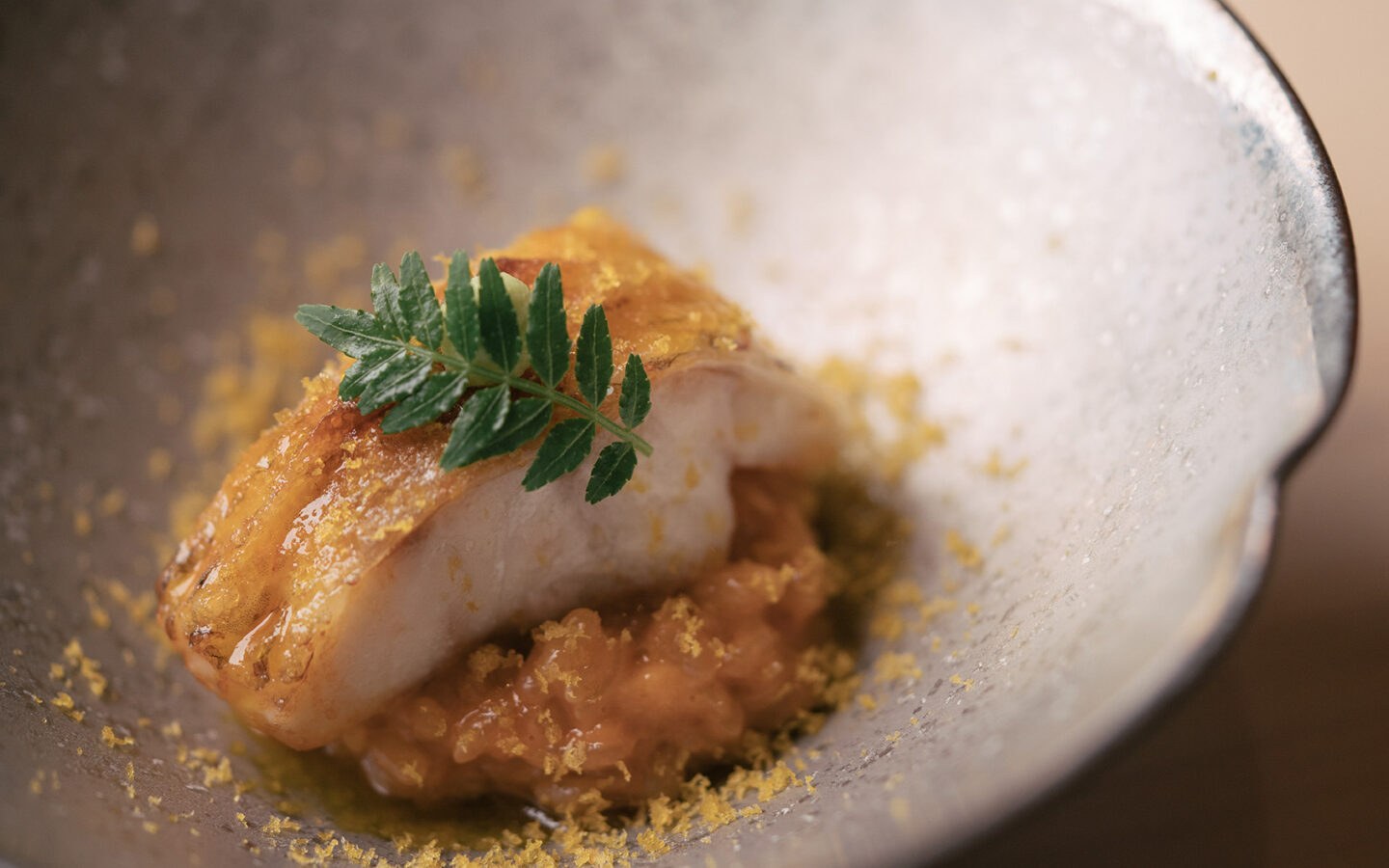
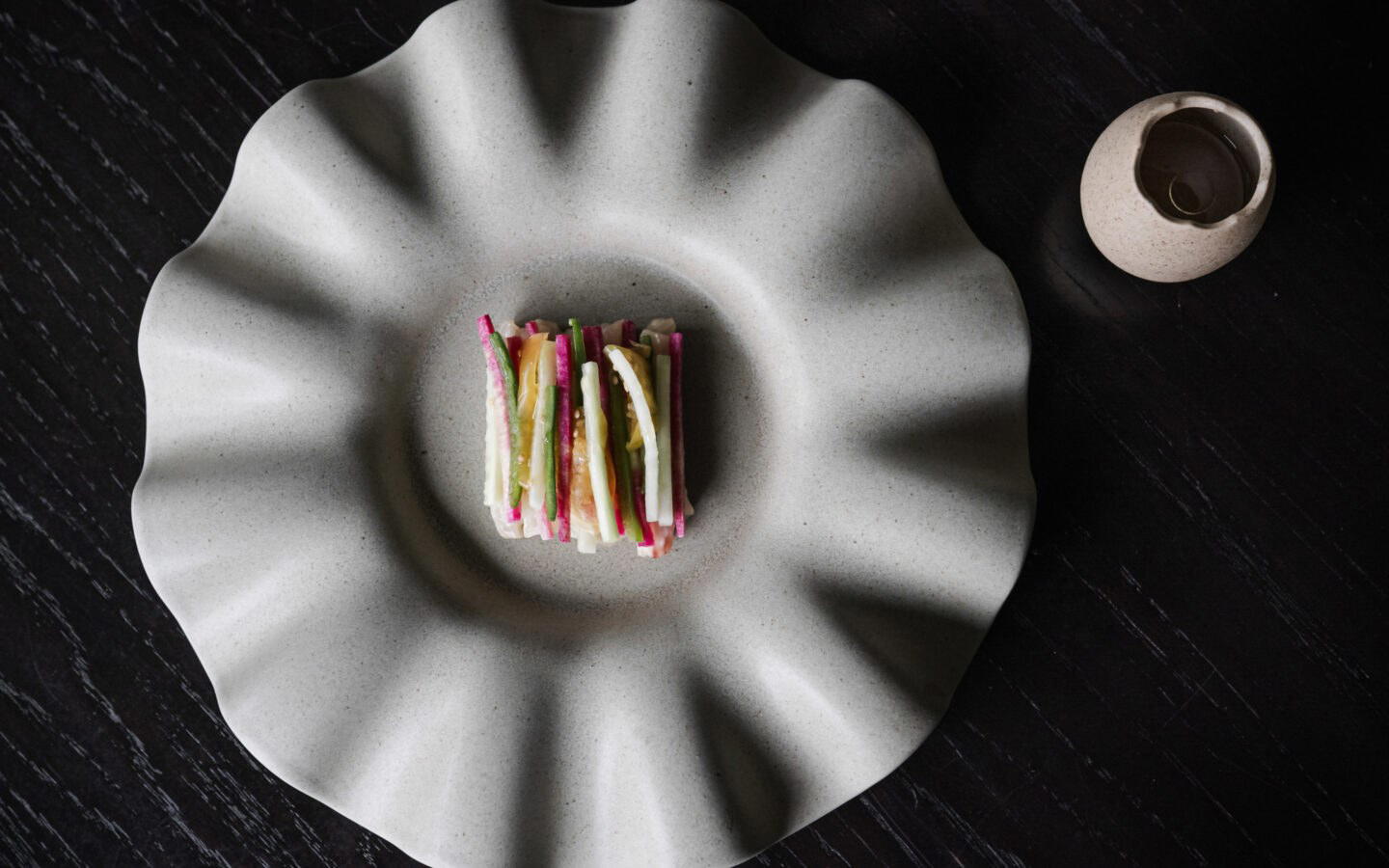
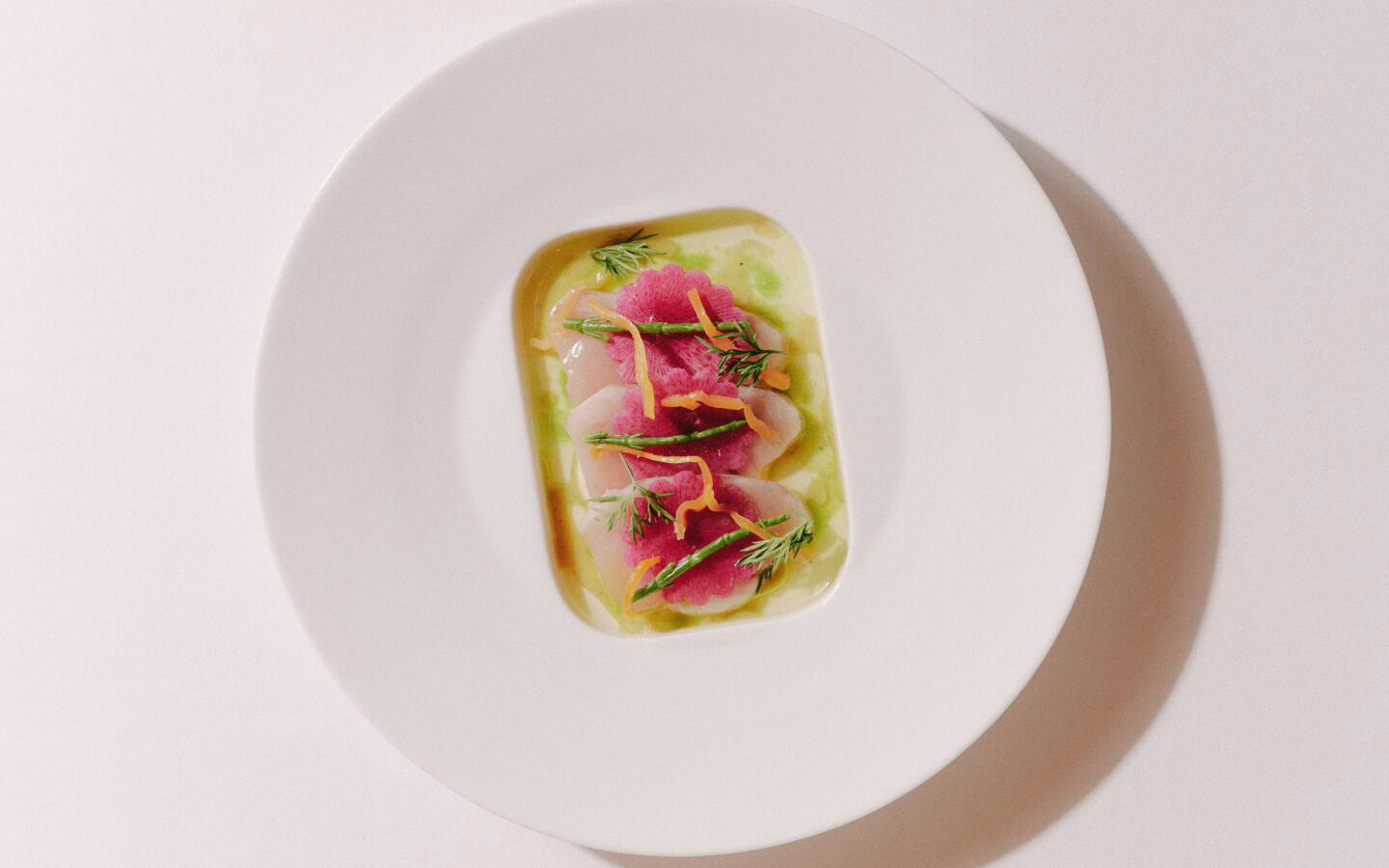
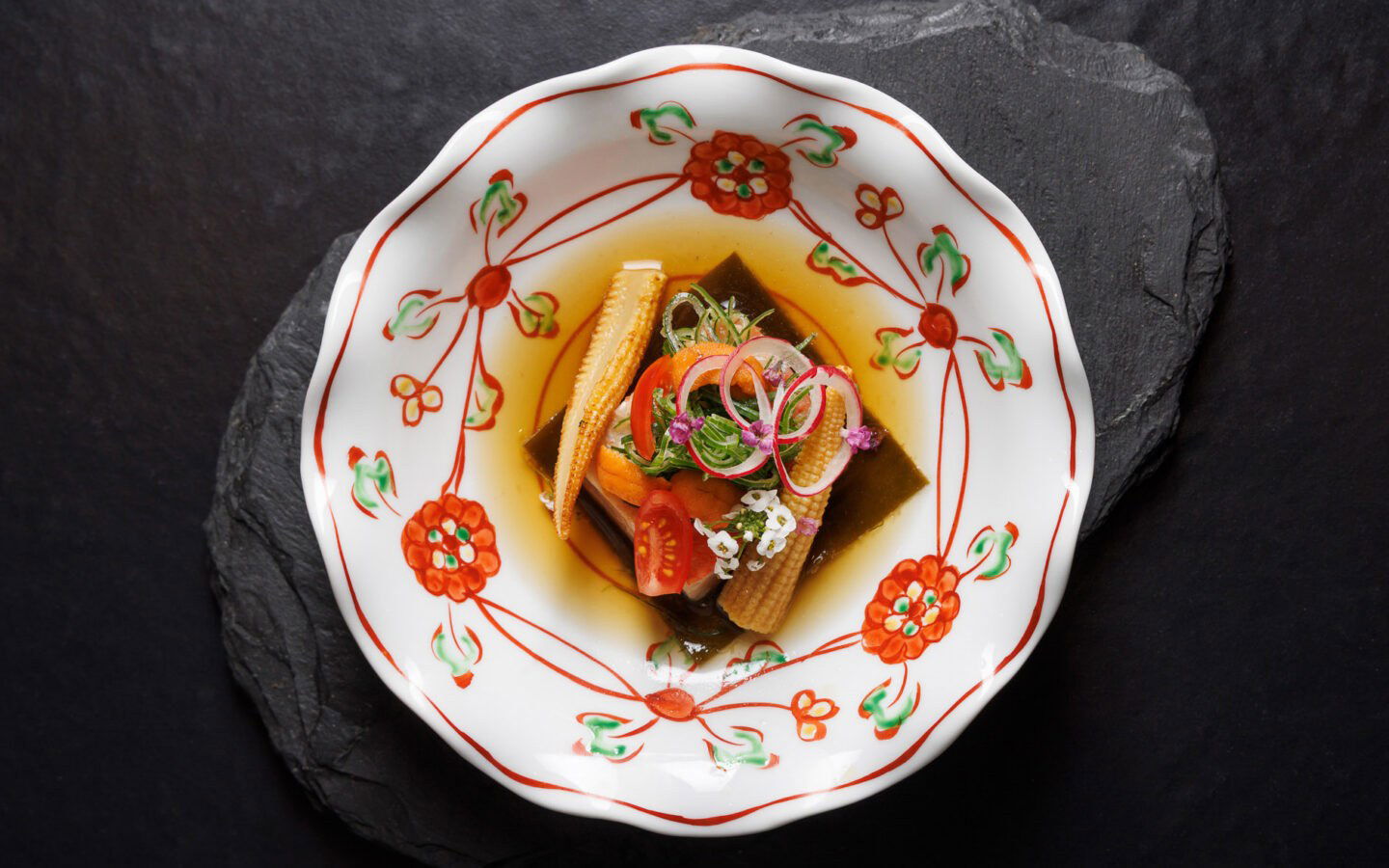
The truffle season menu is the clearest illustration of what Igarashi is doing here. Three slices of shiromi are presented in a domed bowl sculpted from ice, fanned in truffle sauce and finished with fresh truffle shavings and gold leaf. It's a dish that reads as theatrical but lands as precise: the fat in the white fish carries the truffle without competing with it. Another dish that returns reliably is steamed Japanese abalone sliced and served in a sauce made from its own puréed liver, an intense, mineral preparation that has no equivalent elsewhere in the city. Sōmen noodles in chilled dashi and madai shabu-shabu round out the kind of course progression that puts kaiseki logic inside an omakase frame.
The room itself is spare and calm, service matches that register. There's no performance here, no theatrics around the counter that aren't earned by what's on the plate. For a meal at this price point and format, that restraint in the service reads as confidence rather than indifference. If you've dined at counters where the ceremony outpaces the food, Yūgen will feel like a corrective. If sake is your category, this list alone is a reason to return.
For a second visit, the practical move is to time it around a different season than your first trip. The truffle menu is the most-discussed draw, but the broader point is that the sourcing calendar drives everything here, coming back in a different quarter is how you actually understand the range of the kitchen.
Practical Details
Reservations: Eight seats at the chef's counter, two seatings nightly, book as far ahead as possible; this is one of the more in-demand counters in Toronto. Format: Omakase, approximately 20 courses, two seatings per evening. Sourcing: Ingredients sourced from Japan with the exception of truffles and caviar. Drinks: Seasonally sake list with private imports. Address: 150 York St, Toronto, ON M5H 3S5.
How It Compares
Explore More in Toronto
Sushi Yūgen sits within a strong tier of Toronto fine dining. For the full picture of where to eat, drink, and stay, see our full Toronto restaurants guide, our full Toronto hotels guide, our full Toronto bars guide, our full Toronto wineries guide, and our full Toronto experiences guide.
If you're comparing omakase options in Canada more broadly, Kissa Tanto in Vancouver offers a Japanese-Italian counter that operates at a similar ambition level with a different format. For fine dining in other Canadian cities, Tanière³ in Quebec City and Jérôme Ferrer - Europea in Montreal are the closest equivalents in terms of ambition and sourcing seriousness. Outside the city, Restaurant Pearl Morissette in Lincoln and The Pine in Creemore are worth the drive for a different kind of seasonal tasting experience. For international reference points, Le Bernardin in New York City and Lazy Bear in San Francisco operate in a similar tier of chef-driven tasting menus.
Planning details
- Hours
- Monday: 11:30 AM–3 PM, 5:30–10:30 PM · Tuesday: 11:30 AM–3 PM, 5:30–10:30 PM
- Location
- 150 York St, Toronto, ON M5H 3S5, Canada
- Reservations
- Book on OpenTable
- Website
- sushiyugen.ca
- Phone
- +1 416-363-1888
The take
The Take
The Vibe
Sushi Yūgen presents a restrained, high‑end omakase that reads elegant and intentionally minimal. The room is concentrated around an eight‑seat chef’s counter, so the service feels intimate and exacting: courses unfold with the seasonality and compositional logic of kaiseki alongside the sourcing discipline and precision of Edomae sushi. The result is quietly authoritative rather than showy: a focused, sophisticated counter service where choreography, technique and ingredient provenance are front and center. The experience favors patient diners who appreciate ritual, refinement and the slow reveal of a multi‑hour tasting.
Best For
Yūgen is principally an evening destination for diners seeking a formal omakase: think date nights, business dinners and special occasions where the meal itself is the event. With two seatings per night at a single eight‑seat counter and a roughly 20‑course structure, it suits small parties or pairs who want an immersive, chef‑led tasting. The Financial District setting and the restaurant’s place among the city’s top counters make it a go‑to for guests who value precision, seasonal progression and a composed, sit‑down experience rather than casual or large‑group dining.
Ordering Tips
Book well in advance and be prepared for a long, structured evening: Yūgen runs two nightly seatings at an eight‑seat counter and follows a 20‑odd course format. Reservations are effectively required given the small counter and the restaurant’s hard‑to‑book reputation. Expect a set omakase rather than a la carte ordering; let the chef dictate sequencing to experience the intended kaiseki‑informed progression. If you’re excited about signature items (otoro, abalone, unagi, white fish with truffle), mention interest when booking, but allow the kitchen to manage pacing: the service is measured in hours, not courses.
Venue details
Ambiance
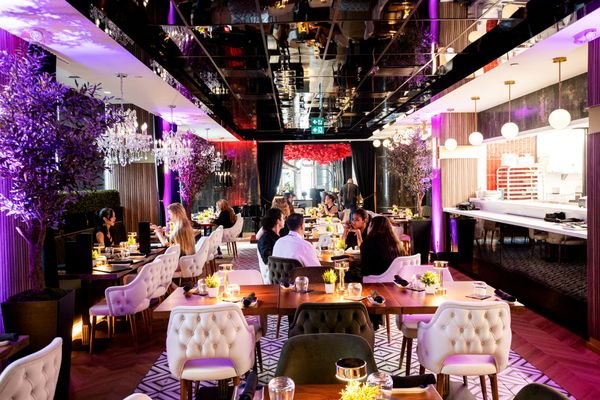
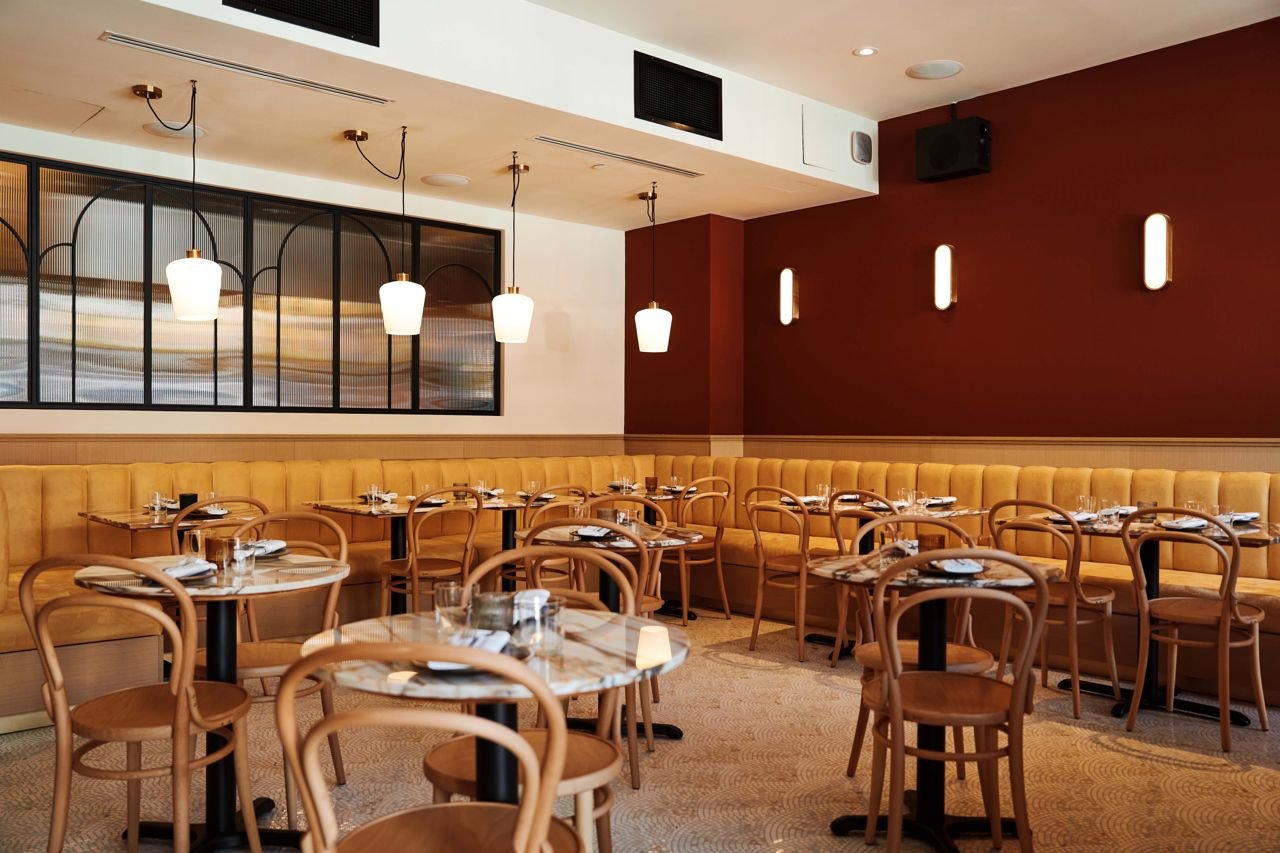
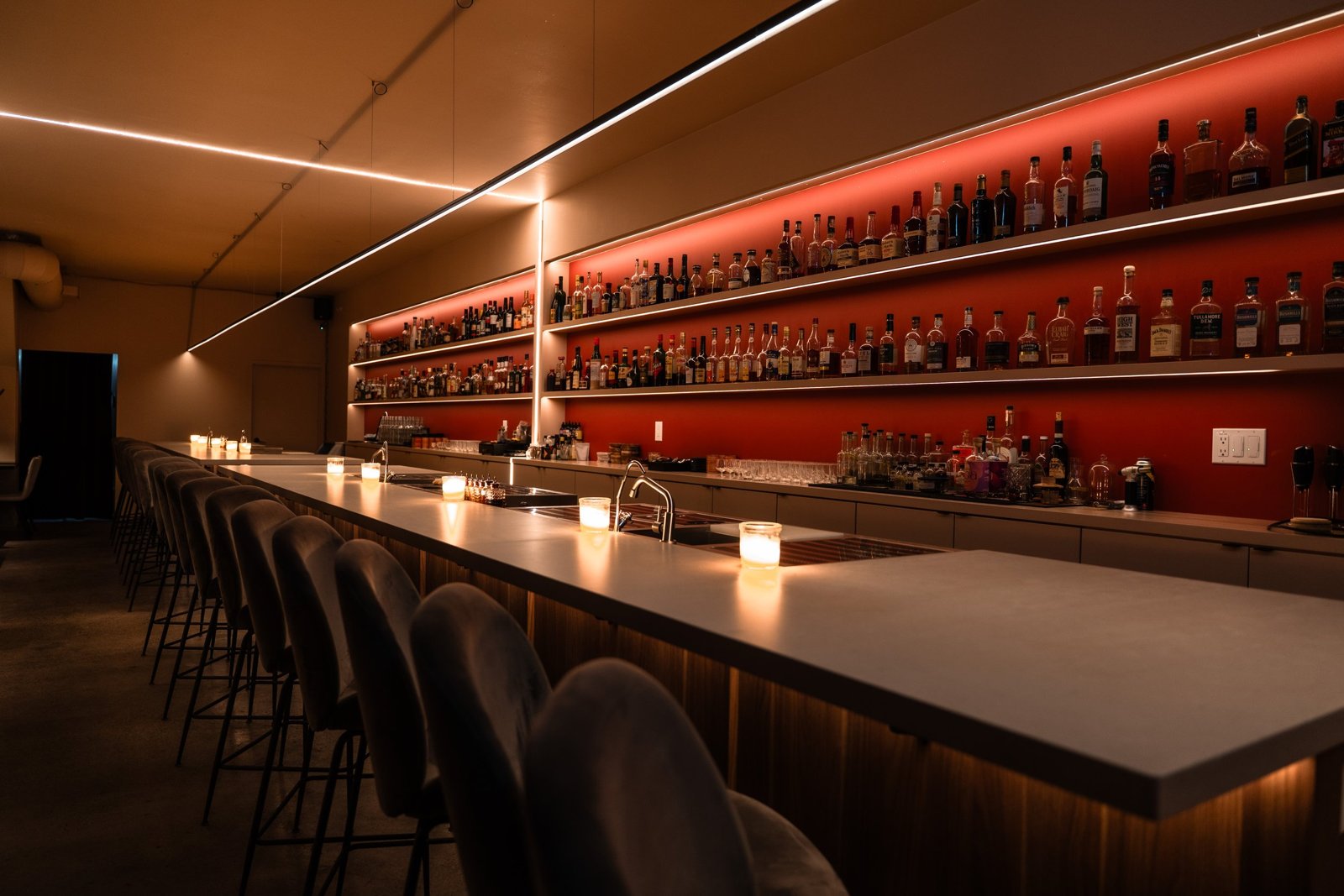
Spare, elegant room with minimalist wabi-sabi design, calm and refined Japanese atmosphere conducive to quiet conversation.
Tags
Vibe
Best For
Experience
Sourcing
At the Table
- Dress Code
- Smart Casual
- Noise Level
- Quiet
- Service Style
- Formal
- Meal Pacing
- Extended Experience
- Capacity
- Intimate
- Kitchen
- Modern
- Menu Format
- Omakase, Tasting menu, Counter dining
- Drinks Focus
- Sake
Signature Dishes
- white fish truffle
- abalone
- otoro
- unagi
Know before you go
Know Before You Go
- Getting there
- 150 York St, Toronto, ON M5H 3S5, Canada
Planning details
Hours
- Monday
- 11:30 AM–3 PM, 5:30–10:30 PM
- Tuesday
- 11:30 AM–3 PM, 5:30–10:30 PM
- Wednesday
- 11:30 AM–3 PM, 5:45–11 PM
- Thursday
- 11:30 AM–3 PM, 5:45–11 PM
- Friday
- 11:30 AM–3 PM, 5:30–11 PM
- Saturday
- 11:30 AM–3 PM, 5:45–11 PM
- Sunday
- Closed
Location


Also consider
Also Consider
- Alo: Contemporary, $$$$
- Sushi Masaki Saito: Sushi, Japanese, $$$$
- Enigma Yorkville: New Canadian, Contemporary, $$$$
- Shoushin: Japanese, $$$$
- Edulis: Canadian, Mediterranean Cuisine, $$$$
Restaurant context
If you're deciding between Toronto's top omakase options, the choice between Sushi Yūgen and Sushi Masaki Saito comes down to style preference rather than quality. Masaki Saito runs a more traditionally structured Japanese counter with a focus on sushi orthodoxy; Yūgen crosses kaiseki technique into the omakase format, which produces a more varied course progression. If you want the purest sushi counter experience in the city, Masaki Saito is the call. If you want something that moves between kaiseki and sushi with seasonal Japanese sourcing driving everything, Yūgen is the stronger choice. Both are difficult bookings at the same price tier. Aburi Hana is a third option worth considering if kaiseki in a more formal room appeals to you.
Against the broader fine-dining tier, Alo is Toronto's clearest alternative if you want a tasting menu at comparable ambition but in a contemporary French-influenced format rather than Japanese. Alo suits larger parties and occasions where table service is the priority; Yūgen's counter suits two people who want the chef's full attention. Enigma Yorkville is another tasting menu option at the same price point, with a New Canadian focus that makes it a reasonable alternative if cuisine type is flexible.
For value positioning: Sushi Yūgen, Masaki Saito, and Alo all sit in Toronto's top price tier, but Yūgen's sake list with private imports adds a dimension that the others don't match in that specific category. Shoushin and Edulis are worth considering if you want serious cooking at a slightly more approachable price point: Edulis in particular offers one of the city's strongest value arguments for a tasting menu format.
Around this place
Discover more on Pearl
Unlock the full SUSHI YŪGEN guide in Pearl, including awards, comparisons, FAQs, planning details, and nearby places.
Compare SUSHI YŪGEN
| Venue | Location | Cuisine | Awards | Price |
|---|---|---|---|---|
| SUSHI YŪGEN | Toronto | 2026 Canada's 100 Best Restaurants · #622026 OAD Top Restaurants in North America Recommended2025 Canada's 100 Best Restaurants · #43 | ||
| Alo | Toronto | Contemporary | 2026 Canada's 100 Best Restaurants · #72026 OAD Top Restaurants in North America Ranked · #24Star Wine Lists 20262026 La Liste Top RestaurantsMichelin Guide Toronto & Region 20262025 Canada's 100 Best Restaurants · #32025 Michelin 1 Star2025 La Liste Top Restaurants2025 The Best Chef One Knife | $$$$ |
| Sushi Masaki Saito | Toronto | Sushi, Japanese | 2026 Canada's 100 Best Restaurants · #522026 OAD Top Restaurants in North America Ranked · #722026 La Liste Top RestaurantsMichelin Guide Toronto & Region 20262025 Canada's 100 Best Restaurants · #162025 OAD Top Restaurants in North America Ranked · #602025 Michelin 1 Star2025 The Best Chef Two Knives2025 Michelin 2 Stars | $$$$ |
| Enigma Yorkville | Toronto | New Canadian, Contemporary | 2026 Canada's 100 Best Restaurants · #82Star Wine Lists 20262026 OAD Top Restaurants in North America RecommendedMichelin Guide Toronto & Region 20262025 Michelin 1 Star2024 Michelin 1 Star2023 OAD Top Restaurants in North America Recommended | $$$$ |
| Shoushin | Toronto | Japanese | 2026 OAD Top Restaurants in North America RecommendedMichelin Guide Toronto & Region 20262025 Canada's 100 Best Restaurants · #622025 OAD Top Restaurants in North America Ranked · #4292025 Michelin 1 Star2024 OAD Top Restaurants in North America Ranked · #5542024 Michelin 1 Star2023 OAD Top Restaurants in North America Recommended | $$$$ |
| Edulis | Toronto | Canadian, Mediterranean Cuisine | 2026 Canada's 100 Best Restaurants · #52026 North America's 50 Best Restaurants · #252026 OAD Top Restaurants in North America Ranked · #89Star Wine Lists 20262026 La Liste Top RestaurantsMichelin Guide Toronto & Region 20262025 Canada's 100 Best Restaurants · #42025 OAD Top Restaurants in North America Ranked · #792025 Michelin 1 Star | $$$$ |








How Sushi Yūgen Toronto compares with similar nearby venues.
FAQ
Frequently Asked Questions
How far ahead should I book SUSHI YŪGEN?
Book as far ahead as possible: the eight-seat chef's counter runs two seatings nightly, and demand consistently outpaces availability. This is one of the harder reservations to secure in Toronto. If you have a specific date in mind, plan at least several weeks out and check regularly for cancellations.
Is SUSHI YŪGEN good for solo dining?
Yes: the eight-seat counter format is purpose-built for solo diners. You're positioned directly in front of Kyohei Igarashi's work, which makes the 20-odd course omakase a more engaged experience than a table would allow. Solo diners also tend to find counter seats easier to secure than pairs or groups.
What are alternatives to SUSHI YŪGEN in Toronto?
Sushi Masaki Saito is the most direct comparison: another high-end omakase counter with strong Japanese sourcing credentials. Shoushin offers a more approachable price point with serious technique. If you want to step outside the omakase format entirely, Alo delivers a comparable level of ambition through a French tasting menu format.
Is SUSHI YŪGEN good for a special occasion?
It's a strong choice if the person you're celebrating appreciates precision Japanese cooking and the counter format: the 20-course omakase, the sake list with private imports unavailable elsewhere, and the spare, considered room all support a meaningful dinner. If your group prefers a more social, table-based setting, Enigma Yorkville or Alo may be a better fit.
What should I order at SUSHI YŪGEN?
There's no à la carte at the chef's counter: you're committing to Igarashi's full omakase. Documented signatures include a truffle season dish served in a bowl sculpted from ice, and sliced steamed Japanese abalone with a sauce of its own puréed liver. The sake list is worth attention: it includes private imports not available at other Toronto venues, and it's growing steadily.