
Restaurant in Toronto, Canada
SUSHI YŪGEN
175ptsEight seats. Book early. Worth it.

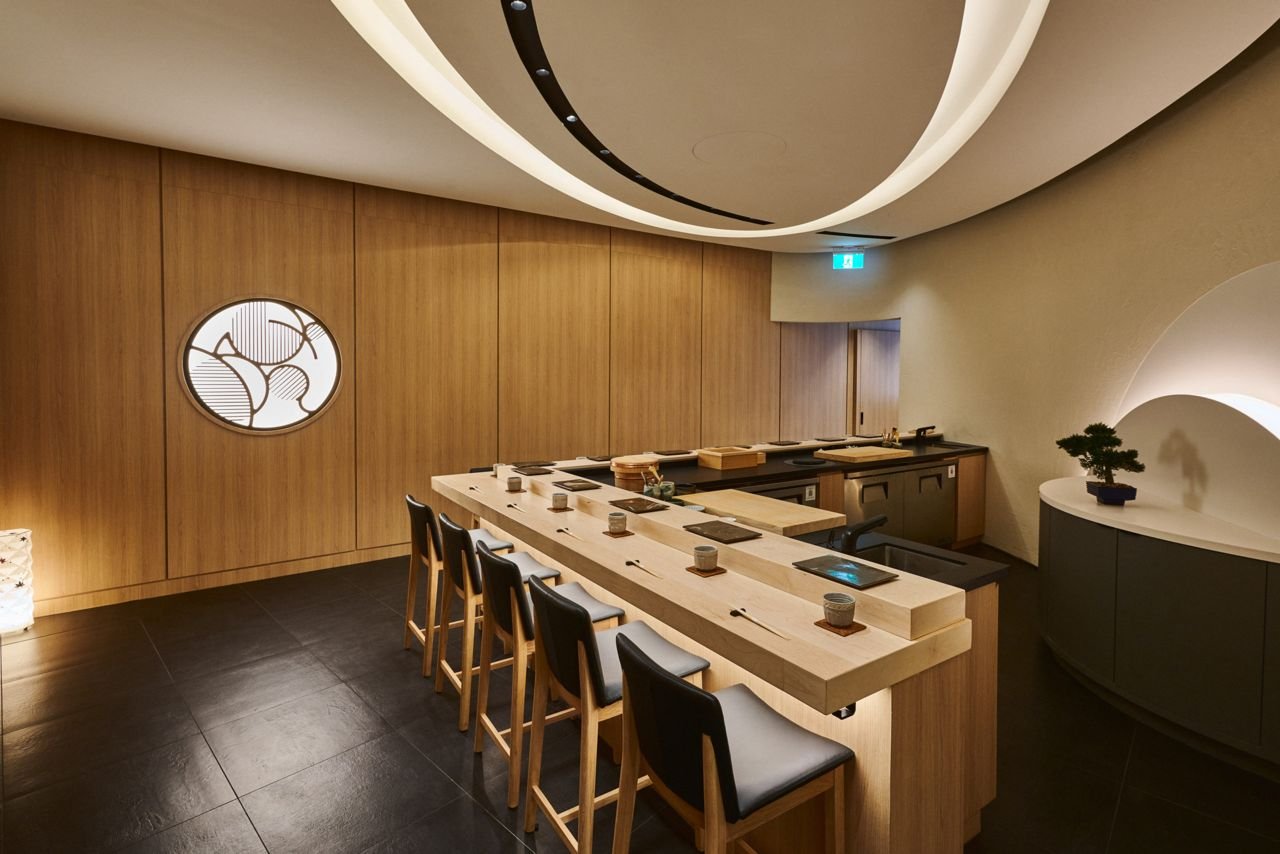
About SUSHI YŪGEN
Kyohei Igarashi's eight-seat chef's counter at 150 York St is one of Toronto's most in-demand omakase bookings, and the format earns it. A kaiseki-trained approach to ultra-seasonal Japanese ingredients produces a 20-course menu that shifts meaningfully with the seasons. The truffle preparation and abalone dish are the signatures, and the private-import sake list is the strongest in this category in the city.
If You've Been Once, Here's What to Book Next
A return visit to Sushi Yūgen doesn't diminish what you already experienced — it sharpens it. The eight-seat chef's counter at the rear of the main dining room is one of the harder omakase bookings in Toronto, and if you've already sat there once, you already know why chef Kyohei Igarashi's roughly 20-course format holds up against anything in the city at this price tier. The question on a second visit isn't whether it's worth it. It's whether you're going at the right time of year to catch the menu at its most interesting.
Igarashi's training spans Michelin-starred sushi restaurants and kaiseki, and that dual foundation shows in how the menu is built. This is not the rigid, protocol-first omakase you find at more traditionally orthodox counters. The sushi is ultra-seasonal, and nearly everything — vegetables, fish, prepared components , is sourced directly from Japan, with the exception of truffles and caviar. That sourcing discipline is the backbone of the experience. The courses shift with what's available, which means a second visit in a different season can feel meaningfully different from the first.
The truffle season menu is the clearest illustration of what Igarashi is doing here. Three slices of shiromi are presented in a domed bowl sculpted from ice, fanned in truffle sauce and finished with fresh truffle shavings and gold leaf. It's a dish that reads as theatrical but lands as precise: the fat in the white fish carries the truffle without competing with it. Another dish that returns reliably is steamed Japanese abalone sliced and served in a sauce made from its own puréed liver , an intense, mineral preparation that has no equivalent elsewhere in the city. Sōmen noodles in chilled dashi and madai shabu-shabu round out the kind of course progression that puts kaiseki logic inside an omakase frame.
The room itself is spare and calm , service matches that register. There's no performance here, no theatrics around the counter that aren't earned by what's on the plate. For a meal at this price point and format, that restraint in the service reads as confidence rather than indifference. If you've dined at counters where the ceremony outpaces the food, Yūgen will feel like a corrective. The sake list is worth serious attention: it's seasonally attuned, growing constantly, and includes private imports that aren't available through other channels in the city. If sake is your category, this list alone is a reason to return.
For a second visit, the practical move is to time it around a different season than your first trip. The truffle menu is the most-discussed draw, but the broader point is that the sourcing calendar drives everything here , coming back in a different quarter is how you actually understand the range of the kitchen.
Practical Details
Reservations: Eight seats at the chef's counter, two seatings nightly , book as far ahead as possible; this is one of the more in-demand counters in Toronto. Format: Omakase, approximately 20 courses, two seatings per evening. Sourcing: Ingredients sourced from Japan with the exception of truffles and caviar. Drinks: Seasonally curated sake list with private imports. Address: 150 York St, Toronto, ON M5H 3S5.
How It Compares
Explore More in Toronto
Sushi Yūgen sits within a strong tier of Toronto fine dining. For the full picture of where to eat, drink, and stay, see our full Toronto restaurants guide, our full Toronto hotels guide, our full Toronto bars guide, our full Toronto wineries guide, and our full Toronto experiences guide.
If you're comparing omakase options in Canada more broadly, Kissa Tanto in Vancouver offers a Japanese-Italian counter that operates at a similar ambition level with a different format. For fine dining in other Canadian cities, Tanière³ in Quebec City and Jérôme Ferrer - Europea in Montreal are the closest equivalents in terms of ambition and sourcing seriousness. Outside the city, Restaurant Pearl Morissette in Lincoln and The Pine in Creemore are worth the drive for a different kind of seasonal tasting experience. For international reference points, Le Bernardin in New York City and Lazy Bear in San Francisco operate in a similar tier of chef-driven tasting menus.
Frequently Asked Questions
- How far ahead should I book Sushi Yūgen? Book as early as you can , ideally several weeks in advance. The chef's counter has only eight seats and runs two seatings nightly, which makes it one of the tighter reservations in Toronto's fine dining tier. Demand is consistent, not just seasonal, so last-minute availability is rare.
- Is Sushi Yūgen good for solo dining? Yes, and the counter format actually suits solo diners well. An eight-seat omakase counter in Toronto is one of the better environments for eating alone at this level , you're seated with the chef's work directly in front of you, and the pacing is managed for you. If solo omakase appeals to you, this is one of the strongest options in the city. For comparison, Sushi Masaki Saito also works well solo but operates at a different price tier and style register.
- Does Sushi Yūgen handle dietary restrictions? The menu is built around ultra-seasonal Japanese sourcing with a kaiseki-influenced structure, which means it's ingredient-specific and not easily modified. If you have serious dietary restrictions, contact the restaurant directly before booking , the format makes ad hoc substitutions difficult, and it's better to flag requirements well in advance than to discover limitations at the counter.
- What are alternatives to Sushi Yūgen in Toronto? For omakase specifically, Sushi Masaki Saito and Aburi Hana are the most direct comparisons. Masaki Saito skews more traditionally orthodox in its sushi style; Yūgen's kaiseki crossover gives it a different character. For a tasting menu at the same price tier but outside Japanese cuisine, Alo is the city's strongest contemporary option, and DaNico and Don Alfonso 1890 are worth considering if the format, rather than the cuisine, is the priority.
- Is Sushi Yūgen good for a special occasion? It's well-suited to special occasions, but with a caveat: the format is intimate and counter-focused, not set up for large groups or celebratory table dynamics. Two to four people is the right size. If the occasion calls for a private room or table-service formality, look at Alo instead. If the occasion specifically calls for the leading omakase experience you can book in Toronto, Yūgen is the answer.
- What should I order at Sushi Yūgen? The format is omakase, so there's no ordering , the chef sets the menu. That said, if you're visiting during truffle season, the shiromi in the ice-domed bowl with truffle sauce is the signature preparation. The steamed Japanese abalone in its own liver sauce is another dish worth knowing about. The sake list is a genuine asset: ask for guidance on private imports, which aren't available elsewhere in the city.
Compare SUSHI YŪGEN
| Venue | Cuisine | Price | Awards | Booking Difficulty | Value |
|---|---|---|---|---|---|
| SUSHI YŪGEN | The chef’s counter at Sushi Yūgen is an eight-seat oasis at the rear of the main restaurant, where Kyohei Igarashi serves his omakase menu of 20-odd courses twice nightly. Bookings here are hard to come by. If you’re looking to understand why, consider his truffle season specialty: In a domed bowl sculpted entirely from ice, three plump slices of shiromi are fanned out in a pool of truffle sauce beneath fresh truffle shavings and glittering gold leaf — an exquisite pairing. Another signature dish features sliced steamed Japanese abalone in a sauce of its own puréed liver. Other offerings might include thin noodles (sōmen) in chilled dashi, a madai shabu-shabu. The sushi is ultra-seasonal and like the vegetables and everything else served here (except for truffles and caviar) is sourced from Japan. Igarashi’s cuisine is distinct from the expected, rigid orthodoxy of a well-trained itamae. It reflects his training in both Michelin-starred sushi restaurants and kaiseki — and his desire to bring together the best of both worlds, along with a taste of his travels. It works. The room, meanwhile, is spare and elegant. The seasonally attuned sake list is impressive and building constantly, with a slew of private imports, some unavailable elsewhere. | Easy | — | ||
| Alo | Contemporary | $$$$ | Michelin 1 Star, World's 50 Best | Unknown | — |
| Sushi Masaki Saito | Sushi, Japanese | $$$$ | Michelin 2 Star | Unknown | — |
| Enigma Yorkville | New Canadian, Contemporary | $$$$ | Michelin 1 Star | Unknown | — |
| Shoushin | Japanese | $$$$ | Michelin 1 Star | Unknown | — |
| Edulis | Canadian, Mediterranean Cuisine | $$$$ | Michelin 1 Star | Unknown | — |
Key differences to consider before you reserve.
Frequently Asked Questions
How far ahead should I book SUSHI YŪGEN?
Book as far ahead as possible — the eight-seat chef's counter runs two seatings nightly, and demand consistently outpaces availability. This is one of the harder reservations to secure in Toronto. If you have a specific date in mind, plan at least several weeks out and check regularly for cancellations.
Is SUSHI YŪGEN good for solo dining?
Yes — the eight-seat counter format is purpose-built for solo diners. You're positioned directly in front of Kyohei Igarashi's work, which makes the 20-odd course omakase a more engaged experience than a table would allow. Solo diners also tend to find counter seats easier to secure than pairs or groups.
Does SUSHI YŪGEN handle dietary restrictions?
Dietary restriction policies aren't documented in available venue data, so check the venue's official channels before booking. That said, the menu is a structured omakase of 20-plus courses built around ultra-seasonal Japanese sourcing — substitutions in a format this tightly composed are rarely straightforward, and serious restrictions may affect fit significantly.
What are alternatives to SUSHI YŪGEN in Toronto?
Sushi Masaki Saito is the most direct comparison: another high-end omakase counter with strong Japanese sourcing credentials. Shoushin offers a more approachable price point with serious technique. If you want to step outside the omakase format entirely, Alo delivers a comparable level of ambition through a French tasting menu format.
Is SUSHI YŪGEN good for a special occasion?
It's a strong choice if the person you're celebrating appreciates precision Japanese cooking and the counter format — the 20-course omakase, the sake list with private imports unavailable elsewhere, and the spare, considered room all support a meaningful dinner. If your group prefers a more social, table-based setting, Enigma Yorkville or Alo may be a better fit.
What should I order at SUSHI YŪGEN?
There's no à la carte at the chef's counter — you're committing to Igarashi's full omakase. Documented signatures include a truffle season dish served in a bowl sculpted from ice, and sliced steamed Japanese abalone with a sauce of its own puréed liver. The sake list is worth attention: it includes private imports not available at other Toronto venues, and it's growing steadily.
Recognized By

Related editorial
- Best Fine Dining Restaurants in ParisFrom three-Michelin-star icons to the next generation of Parisian chefs pushing boundaries, these are the restaurants that define fine dining in the world's culinary capital.
- Best Luxury Hotels in RomeFrom rooftop terraces overlooking ancient ruins to Michelin-starred hotel dining, these are the luxury hotels that make Rome unforgettable.
- Best Cocktail Bars in KyotoFrom sleek lounges to hidden speakeasies, Kyoto's cocktail scene blends Japanese precision with global influence in ways you won't find anywhere else.
Save or rate SUSHI YŪGEN on Pearl
Keep this venue in your Pearl passport, rate it after you visit, and track it alongside every other place you collect.