

Kaiseki Yu-zen Hashimoto
$$$$ · Japanese · North York, Toronto
Restaurant in Toronto, Canada
 Book with Pearl
The Read
Enclosed Kaiseki Sequence
Price
$200–300per person
Dress
Smart Casual
Why go
Kaiseki Yu-zen Hashimoto delivers a formal eight-course kaiseki menu in private dining rooms inside Toronto's Canadian Japanese Cultural Centre, making it the city's clearest answer for a special occasion that requires both seclusion and serious Japanese cooking. Open five evenings a week, it suits intimate dinners and business meals where privacy matters as much as the food. Book one to two weeks ahead minimum.
About Kaiseki Yu-zen Hashimoto
Verdict
If you are looking for a private, ceremony-driven kaiseki experience in Toronto, Kaiseki Yu-zen Hashimoto is the booking to make. Every guest receives their own private room, the eight-course seasonal menu is grounded in genuine Japanese kaiseki tradition, and the setting inside the Canadian Japanese Cultural Centre on Sakura Way puts you farther from the city's noise than the address suggests. This is a dinner for anniversaries, serious business meals, and any occasion where the table itself needs to disappear into the background. It is not the place for a casual night out or a spontaneous walk-in.
The Experience
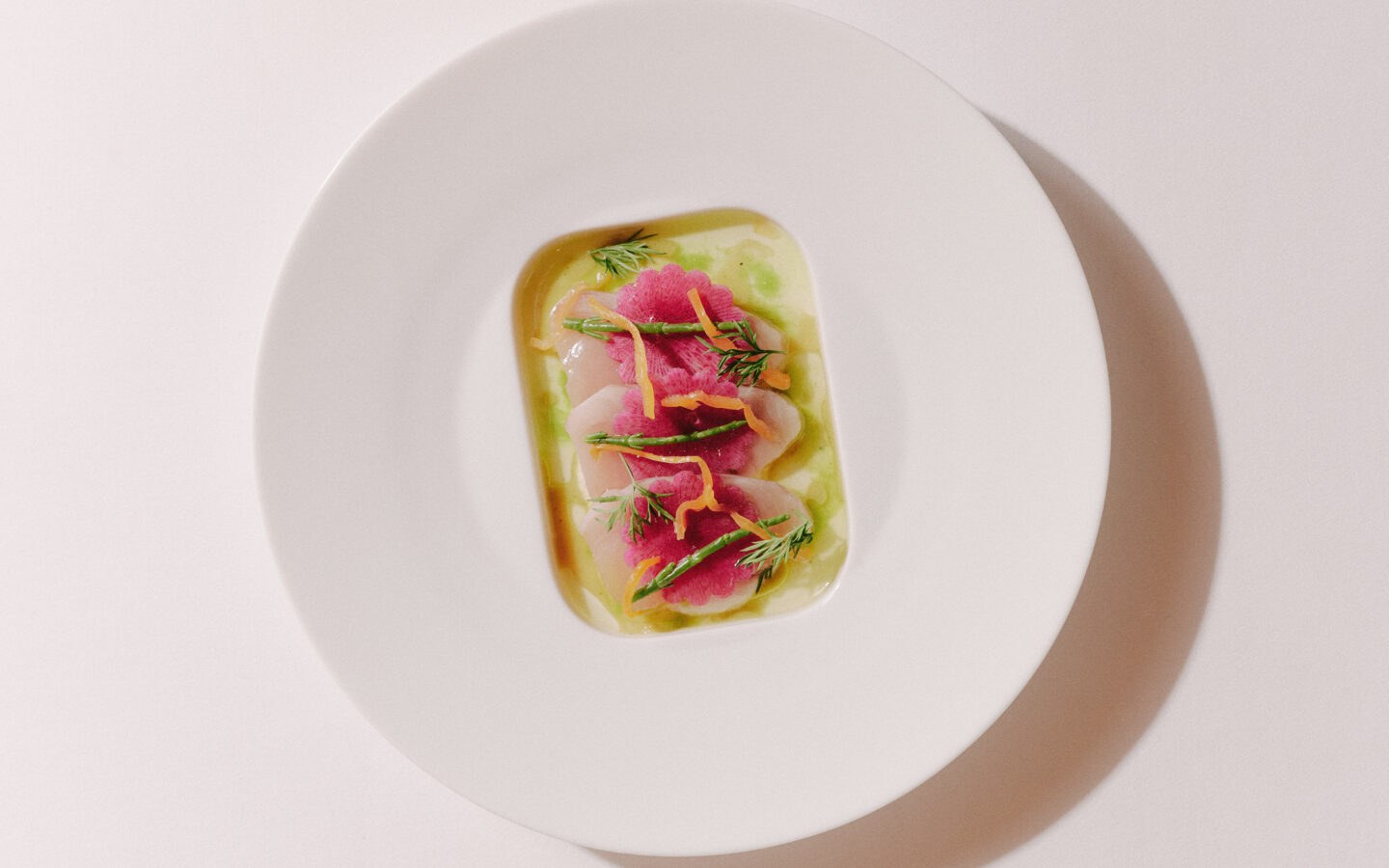
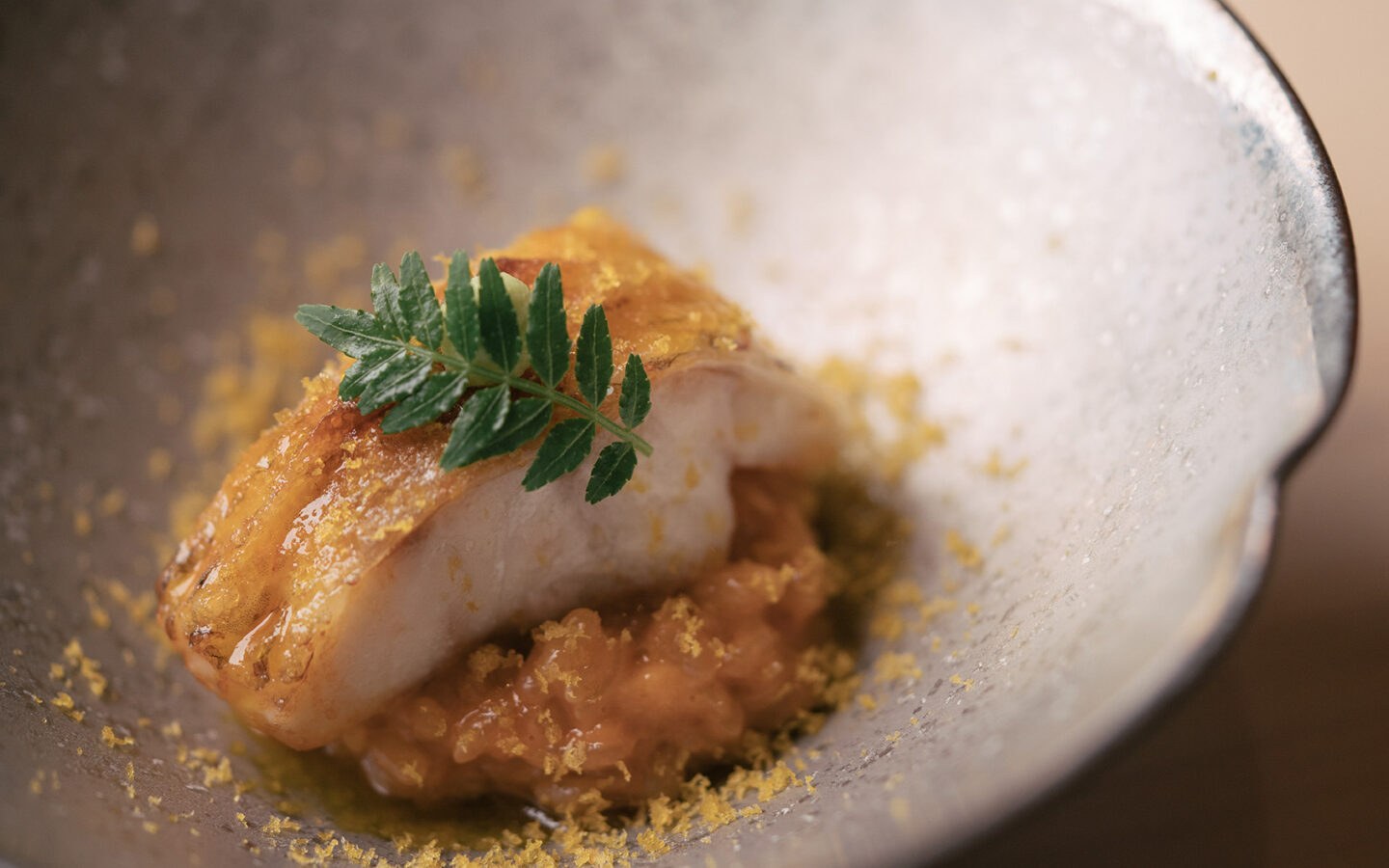
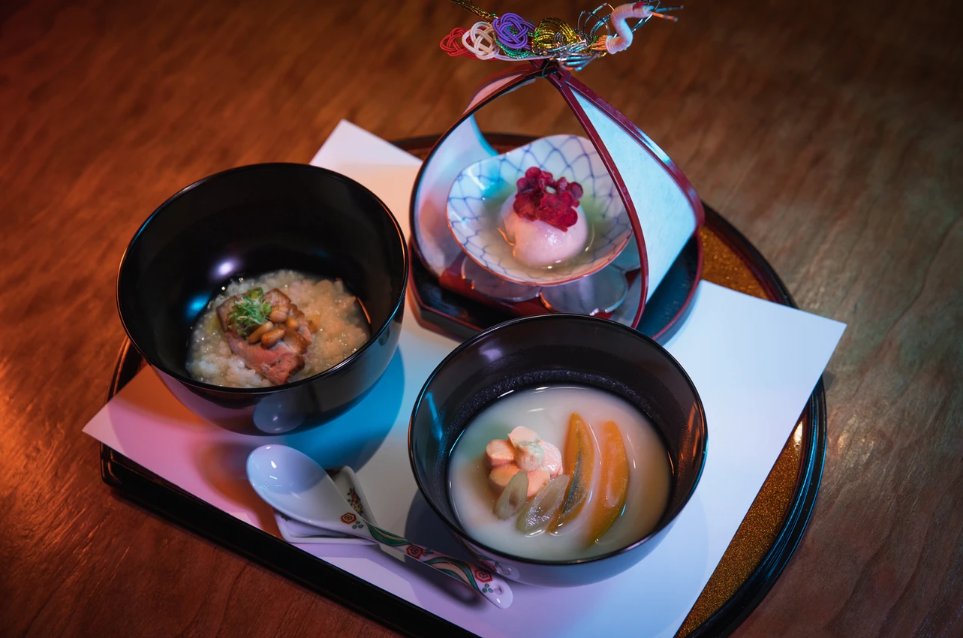
Kaiseki as a format is built around restraint and sequence: each course arrives in an order designed to carry flavour from light to rich and back again, with seasonal ingredients doing most of the work. At Hashimoto, that structure holds. The eight-course menu moves through sashimi, soup, grilled fish, and wagyu beef, tracking what is in season rather than what photographs well. The Michelin-recognized description of the kitchen notes dishes including line-caught sea bream sashimi, grilled cutlass fish, steamed jackfish, and Miyazaki wagyu — the kind of sourcing that positions this kitchen alongside Japanese fine-dining operations far larger than a restaurant tucked into a cultural centre in North York.
The private room format is the defining practical fact here. Unlike Sushi Masaki Saito, where the counter experience places you in full view of the chef and other diners, or Aburi Hana, which blends kaiseki with a more open dining room, Hashimoto gives each party complete visual and acoustic separation. That is a genuine structural advantage for business dinners and intimate celebrations, and it is rare enough in Toronto's fine-dining tier that it functions as a real differentiator rather than a marketing point.
On the drinks side, a kaiseki menu of this formality typically pairs with sake or a curated wine list selected to complement the sequential flavour logic of the courses. The venue data does not confirm specific pairings or a named sommelier program, so check directly when booking — but at the $$$$ price point and with this kitchen's evident commitment to Japanese ingredient sourcing, a sake pairing is almost certainly the strongest route through the evening if one is offered.
Who Should Book
Book Hashimoto if you need a private room without renting a private dining room as an afterthought to a larger restaurant. The format works well for two to four guests, intimate enough that the private room feels proportionate rather than cavernous. For a larger celebration group, the experience may feel more segmented, and you would want to confirm how multiple rooms are managed for parties above four. If you are planning a milestone dinner in Toronto and comparing this against Alo or Don Alfonso 1890, the decision turns on format: those restaurants offer a shared dining room energy with exceptional cooking; Hashimoto offers seclusion with comparable technical seriousness. Neither is better categorically, it depends on whether privacy or atmosphere is the priority for your occasion.
The location in North York means a deliberate trip rather than a pre-theatre detour. Plan your evening around the dinner rather than around what else is nearby. The Canadian Japanese Cultural Centre setting adds context, the labyrinthine passage to the restaurant is part of the experience, but it does mean the venue is not embedded in a walkable dining neighbourhood the way that downtown Toronto options are.
Know Before You Go
Practical Details
- Cuisine: Japanese kaiseki, eight-course seasonal menu
- Price tier: $$$$
- Hours: Monday, Thursday, Friday, Saturday, Sunday: 5 PM – 11 PM. Closed Tuesday and Wednesday.
- Address: 6 Sakura Way, North York, ON M3C 1Z5 (inside the Canadian Japanese Cultural Centre)
- Booking difficulty: Easy, this is not a high-volume operation, but reservations are strongly advised given the private-room format and limited seatings per evening
- Format: Fixed eight-course kaiseki menu; private dining room for each party
- Leading for: Couples, intimate business dinners, family celebrations requiring privacy
- Getting there: North York location, plan for driving or rideshare; not within easy walking distance of downtown Toronto hotels
- Drinks: Confirm sake pairing availability when booking
How It Compares
Against Toronto's $$$$ tier, Hashimoto occupies a specific position that the others do not: private rooms as the default, not the exception. Sushi Masaki Saito is the city's prestige Japanese counter experience and delivers extraordinary chef-facing theatre, but it is the opposite of private. Shoushin similarly centres the counter and the chef's craft as the visible performance. If that intimacy-with-the-kitchen dynamic is what you want, those two options are stronger choices. If what you need is a room to yourselves, Hashimoto has no direct competitor at this price point in Toronto.
Alo is the benchmark for modern tasting-menu ambition in Toronto, and it is genuinely world-class in its category, but it is a shared dining room with a French-leaning contemporary menu. Enigma Yorkville and Edulis both offer distinctive tasting-menu experiences in more accessible downtown locations. For a special occasion dinner where the format and cuisine style are open, those options offer easier logistics. Choose Hashimoto specifically when the kaiseki format and the private room are not negotiable requirements, because that is exactly what the kitchen has been built to deliver.
For context beyond Toronto: Japanese kaiseki at this level of formality in Canada is rare. Okeya Kyujiro and Masayoshi in Vancouver operate at a comparable price and formality tier. Hashimoto holds its own in that company, and for Toronto diners, it is the clearest answer to the question of where to find traditional kaiseki done with genuine seriousness.
Explore More in Toronto and Beyond
For more of Toronto's leading tables, see our full Toronto restaurants guide. If you are planning a broader trip, we also cover Toronto hotels, Toronto bars, Toronto wineries, and Toronto experiences. For Japanese fine dining elsewhere in Canada, Okeya Kyujiro and Masayoshi in Vancouver are the comparable reference points. For ambitious Canadian tasting menus outside Toronto, Tanière³ in Quebec City and Kissa Tanto in Vancouver are worth the detour. Closer to Toronto, Restaurant Pearl Morissette in Lincoln and The Pine in Creemore offer strong regional options if you are willing to make a day of it.
Planning details
- Hours
- Monday: 5 PM-11 PM · Tuesday: closed
- Location
- 6 Sakura Way, North York, ON M3C 1Z5, Canada
- Reservations
- Book on Tock
- Website
- kaiseki.ca
- Phone
- +1 416-444-7100
The take
The Take
The Vibe
Kaiseki Yu-zen Hashimoto delivers a deliberately restrained, ceremonial dining experience rooted in classical kaiseki tradition. Tucked inside the Japanese Canadian Cultural Centre in North York, the restaurant stages a sustained sensory transition: architecture, materials and spatial sequencing prepare you for each course. The evening feels measured and composed rather than flashy, emphasizing seasonal precision and technical control. The overall effect is serene and classical — a quietly refined alternative to downtown’s see-and-be-seen rooms, where the ritual of the meal matters as much as the food itself.
Best For
This is very much an evening destination for focused, special-occasion dining. Chef Masaki Hashimoto’s eight-course kaiseki follows a fixed, unfolding arc that moves from lighter early courses to richer later plates and a clean seasonal close, making it ideal for anniversaries, intimate celebrations, business dinners and private events. Because the meal is structured as a single sequenced experience and the setting emphasizes ceremony over spectacle, it suits parties that want a thoughtful, unhurried tasting experience rather than casual or drop-in meals.
Ordering Tips
Expect a fixed multi-course kaiseki sequence rather than à la carte choice: the menu is presented as a deliberate eight-course evening with pacing that is 'fixed, not negotiable.' The food follows a seasonal logic and a set arc of flavours and textures, so plan to experience the menu as a whole. Note too that the restaurant’s location inside the Japanese Canadian Cultural Centre frames the approach to the meal as part of the experience, so allow time for the full ritual of the evening rather than treating it like a quick dinner.
Venue details
Ambiance
Serene Japanese-inspired setting with traditional architectural elements like shoji screens, tatami mats, and meticulous attention to detail; guests dine in private rooms after removing shoes, creating an intimate and tranquil atmosphere.
Tags
Vibe
Best For
Experience
Sourcing
At the Table
- Dress Code
- Smart Casual
- Noise Level
- Quiet
- Service Style
- Formal
- Meal Pacing
- Extended Experience
- Capacity
- Intimate
- Kitchen
- Traditional
- Menu Format
- Tasting menu, Set menu
- Wine Program
- Curated
- Drinks Focus
- Sake, Matcha tea
- Dietary
- Allergy accommodating
- Private Dining
- Available
Signature Dishes
- A5 Wagyu Joshu Beef
- Tennen Madai Sashimi
- Japanese Muskmelon
Know before you go
Know Before You Go
- Getting there
- 6 Sakura Way, North York, ON M3C 1Z5, Canada
Planning details
Hours
- Monday
- 5 PM-11 PM
- Tuesday
- closed
- Wednesday
- closed
- Thursday
- 5 PM-11 PM
- Friday
- 5 PM-11 PM
- Saturday
- 5 PM-11 PM
- Sunday
- 5 PM-11 PM
Location
Recognition and awards

Also consider
Also Consider
- Alo, Contemporary, $$$$
- Sushi Masaki Saito, Sushi, Japanese, $$$$
- Enigma Yorkville, New Canadian, Contemporary, $$$$
- Shoushin, Japanese, $$$$
- Edulis, Canadian, Mediterranean Cuisine, $$$$
Restaurant context
Against Toronto's $$$$ tier, Hashimoto occupies a position the others do not: private rooms as the default, not the upgrade. Sushi Masaki Saito is the city's prestige Japanese counter experience and delivers extraordinary chef-facing theatre, but it is the opposite of private. Shoushin similarly centres the counter as the main event. If direct engagement with the chef's craft is what you are after, those two deliver it more forcefully. If what you need is a room entirely to yourselves, Hashimoto has no direct competitor at this price point in Toronto.
Alo remains the benchmark for modern tasting-menu ambition in Toronto, but it is a shared dining room with a contemporary French-leaning menu. Enigma Yorkville and Edulis both offer compelling tasting experiences in more accessible downtown locations with easier logistics. For occasions where the format and cuisine are open, those three are easier to reach and easier to book. Choose Hashimoto specifically when the kaiseki sequence and the private room are requirements, not preferences.
On value: at the $$$$ tier, all five restaurants in this comparison set ask a serious commitment from the diner. Hashimoto's case rests on the private room structure and the authenticity of its kaiseki format, two things the others do not offer in combination. If you are spending at this level and privacy is the non-negotiable, the North York location and the two-night closure per week are minor inconveniences against what the restaurant actually delivers.
Around this place
Discover more on Pearl
Unlock the full Kaiseki Yu-zen Hashimoto guide in Pearl, including awards, comparisons, FAQs, planning details, and nearby places.
Compare Kaiseki Yu-zen Hashimoto
| Venue | Location | Cuisine | Awards | Price |
|---|---|---|---|---|
| Kaiseki Yu-zen Hashimoto | Toronto | $$$$ · Japanese | 2026 OAD Top Restaurants in North America Ranked · #134Michelin Guide Toronto & Region 20262025 Michelin 1 Star | , |
| Alo | Toronto | Contemporary | 2026 Canada's 100 Best Restaurants · #72026 OAD Top Restaurants in North America Ranked · #24Star Wine Lists 20262026 La Liste Top RestaurantsMichelin Guide Toronto & Region 20262025 Canada's 100 Best Restaurants · #32025 Michelin 1 Star2025 La Liste Top Restaurants2025 The Best Chef One Knife | $$$$ |
| Sushi Masaki Saito | Toronto | Sushi, Japanese | 2026 Canada's 100 Best Restaurants · #522026 OAD Top Restaurants in North America Ranked · #722026 La Liste Top RestaurantsMichelin Guide Toronto & Region 20262025 Canada's 100 Best Restaurants · #162025 OAD Top Restaurants in North America Ranked · #602025 Michelin 1 Star2025 The Best Chef Two Knives2025 Michelin 2 Stars | $$$$ |
| Enigma Yorkville | Toronto | New Canadian, Contemporary | 2026 Canada's 100 Best Restaurants · #82Star Wine Lists 20262026 OAD Top Restaurants in North America RecommendedMichelin Guide Toronto & Region 20262025 Michelin 1 Star2024 Michelin 1 Star2023 OAD Top Restaurants in North America Recommended | $$$$ |
| Shoushin | Toronto | Japanese | 2026 OAD Top Restaurants in North America RecommendedMichelin Guide Toronto & Region 20262025 Canada's 100 Best Restaurants · #622025 OAD Top Restaurants in North America Ranked · #4292025 Michelin 1 Star2024 OAD Top Restaurants in North America Ranked · #5542024 Michelin 1 Star2023 OAD Top Restaurants in North America Recommended | $$$$ |
| Edulis | Toronto | Canadian, Mediterranean Cuisine | 2026 Canada's 100 Best Restaurants · #52026 North America's 50 Best Restaurants · #252026 OAD Top Restaurants in North America Ranked · #89Star Wine Lists 20262026 La Liste Top RestaurantsMichelin Guide Toronto & Region 20262025 Canada's 100 Best Restaurants · #42025 OAD Top Restaurants in North America Ranked · #792025 Michelin 1 Star | $$$$ |








How Kaiseki Yu-zen Hashimoto Toronto compares with similar nearby venues.
FAQ
Frequently Asked Questions
How far ahead should I book Kaiseki Yu-zen Hashimoto?
Book as early as possible — ideally several weeks out. Hashimoto operates Thursday through Monday (closed Tuesday and Wednesday), with seatings from 5 PM, and every guest receives a private room, which means total capacity is genuinely limited. The combination of a fixed kaiseki format and private dining means tables turn slowly and availability goes quickly for weekend dates and special occasions.
What should a first-timer know about Kaiseki Yu-zen Hashimoto?
This is a fixed eight-course kaiseki menu, not a la carte — you are committing to the sequence, the pace, and the format. The restaurant sits within the Canadian Japanese Cultural Centre at 6 Sakura Way in North York, and the setting leans deliberately toward ceremony over atmosphere. First-timers who want interaction with a chef at a counter, or flexibility to order around the menu, should look at Shoushin instead; Hashimoto rewards guests who want complete privacy and a structured progression.
Is Kaiseki Yu-zen Hashimoto good for a special occasion?
Yes — this is one of the cleaner cases for a special occasion in Toronto. Every table is a private room, so you are not competing with the room for conversation or atmosphere. The kaiseki format adds ceremony without requiring you to direct it. It works for intimate dinners, family milestones, and business meals where discretion matters. At the $$$$ price point, the format and setting justify the spend for occasions that need more than a good meal.
Is lunch or dinner better at Kaiseki Yu-zen Hashimoto?
Hashimoto operates dinner only, Thursday through Monday from 5 PM, so the question doesn't apply here. If lunch is a priority, you will need to look elsewhere in Toronto's Japanese fine dining options. For dinner, Thursday and Sunday seatings tend to be more accessible than Friday and Saturday for booking purposes.