
Torakuro
Japanese · Chiyoda, Tokyo
Restaurant in Tokyo, Japan
 Book with Pearl
The Read
Franco-Japanese Institutional Cooking
Price
¥¥¥¥
Dress
Smart Casual
Why go
Torakuro holds a Michelin star (2024) and a distinctive position at the ¥¥¥¥ level: a Japanese institution applying French technique — consommé, confit — to dashi-driven foundations, inside the Imperial Hotel's Chiyoda flagship. Book if the Japanese-French technical dialogue interests you; if you want pure kaiseki or sushi, look elsewhere. Advance reservation is essential.
About Torakuro
Should You Book Torakuro?
Yes, book Torakuro if you want a Michelin-starred Japanese dining experience that bridges two culinary traditions with genuine technical ambition rather than novelty. Located in the basement of the Imperial Hotel in Chiyoda, one of Tokyo's most storied addresses, this is a kitchen that applies French methods to Japanese ingredients with enough discipline to earn a Michelin star in 2024 — and enough institutional weight behind it to sustain that standard. If you are looking for pure kaiseki or a sushi counter, this is not the right room. But if the fusion of dashi and consommé, char-grilling and confit, sounds compelling rather than gimmicky, Torakuro rewards the commitment.
The Kitchen's Approach
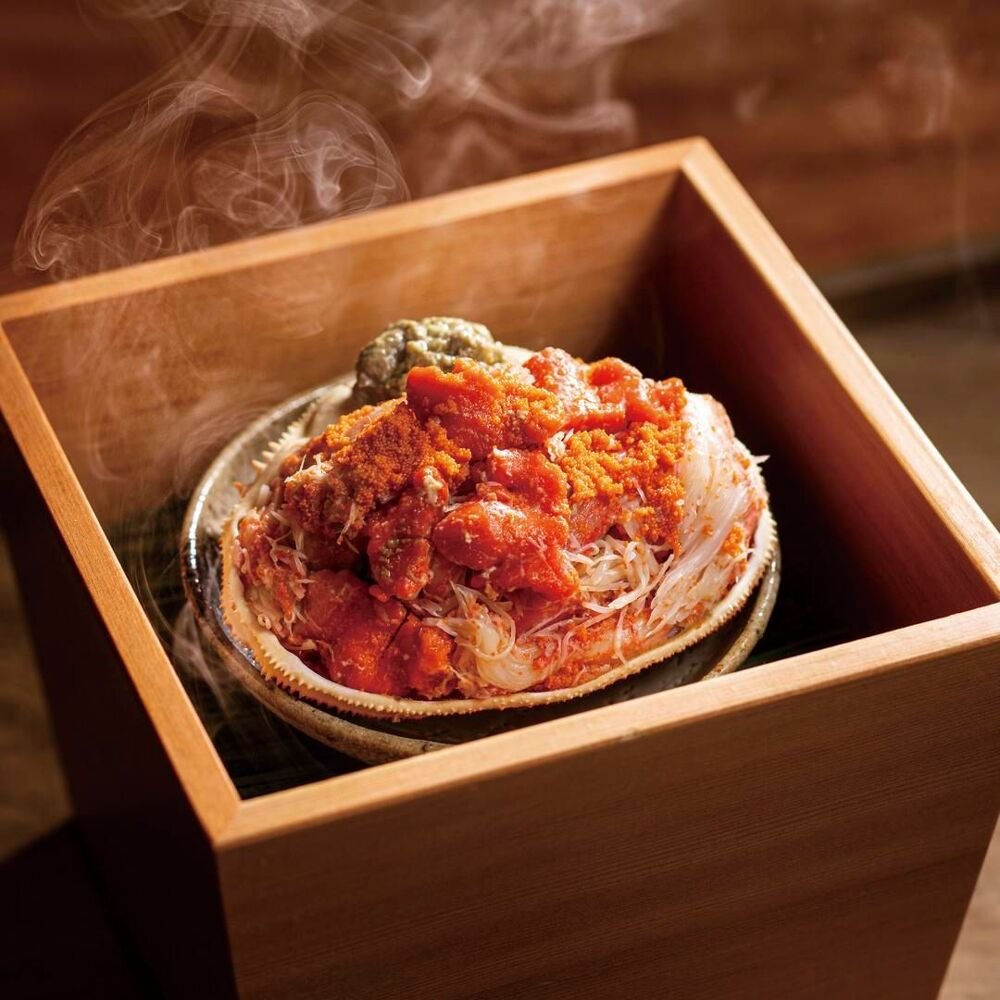
Torakuro is a joint venture between the Imperial Hotel — operating under the credo that tradition and innovation always travel together, and the Ishikawa Group, whose Tokyo restaurants include Kagurazaka Ishikawa, a kaiseki reference point in its own right. That partnership is not cosmetic branding. It shapes what comes out of the kitchen: French techniques like consommé reduction and confit applied to the logic of Japanese dashi, umami, and seasonal precision. The result is a cuisine that sits in a specific and somewhat underserved category, not French-Japanese fusion in the casual sense, but a rigorous technical dialogue between two mature cooking traditions.
The Ishikawa Group's involvement matters because it brings genuine kaiseki fluency to the French side of the equation. This is not a French chef experimenting with miso; it is a Japanese institution engaging seriously with the French canon. That distinction is worth understanding before you book. For a related angle on what the Ishikawa Group does in a more purely Japanese register, Myojaku and Azabu Kadowaki are worth comparing.
The Room and the Experience
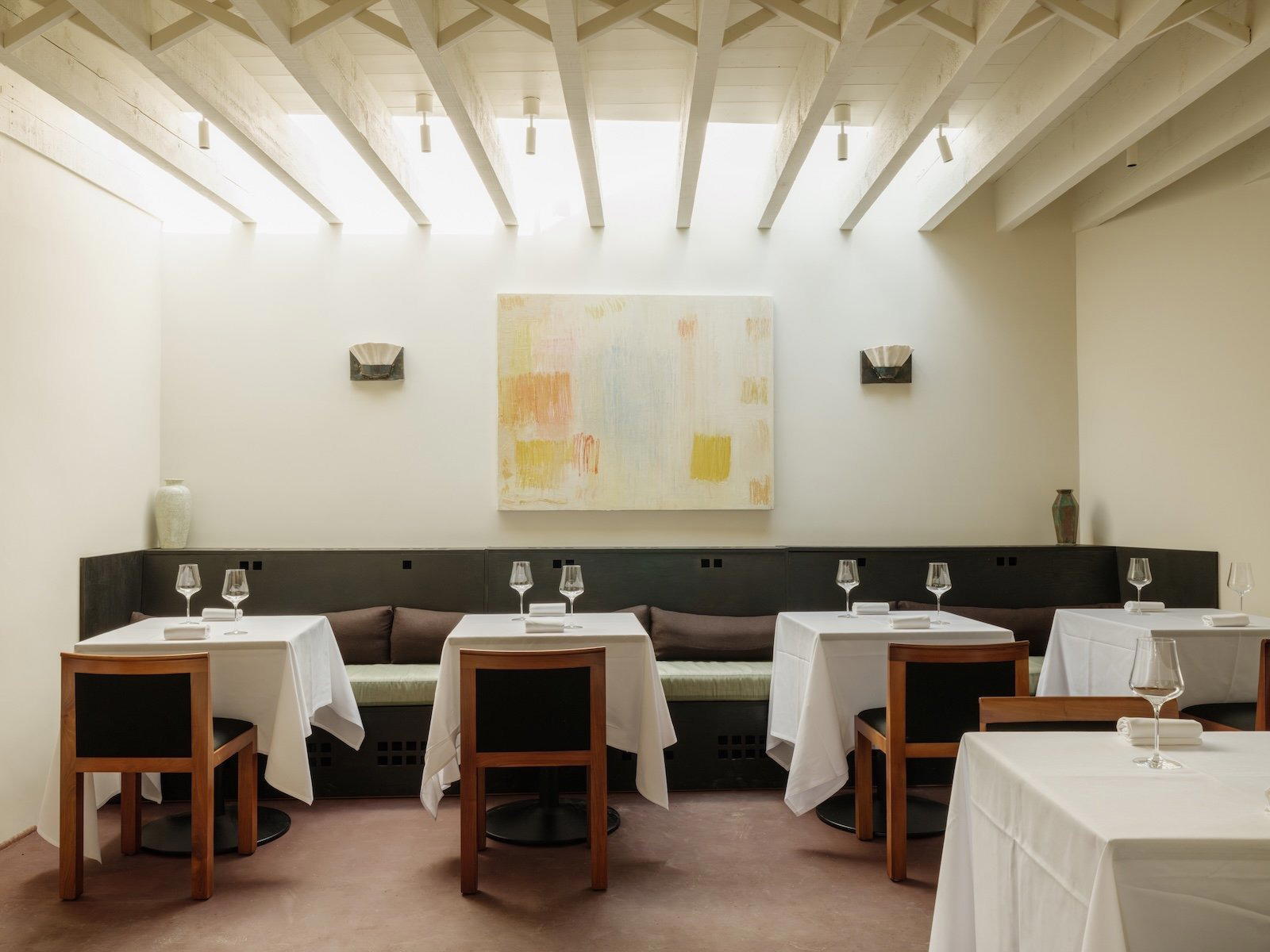
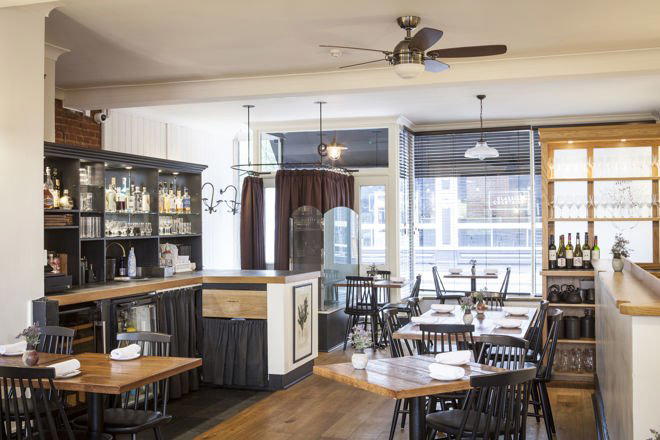
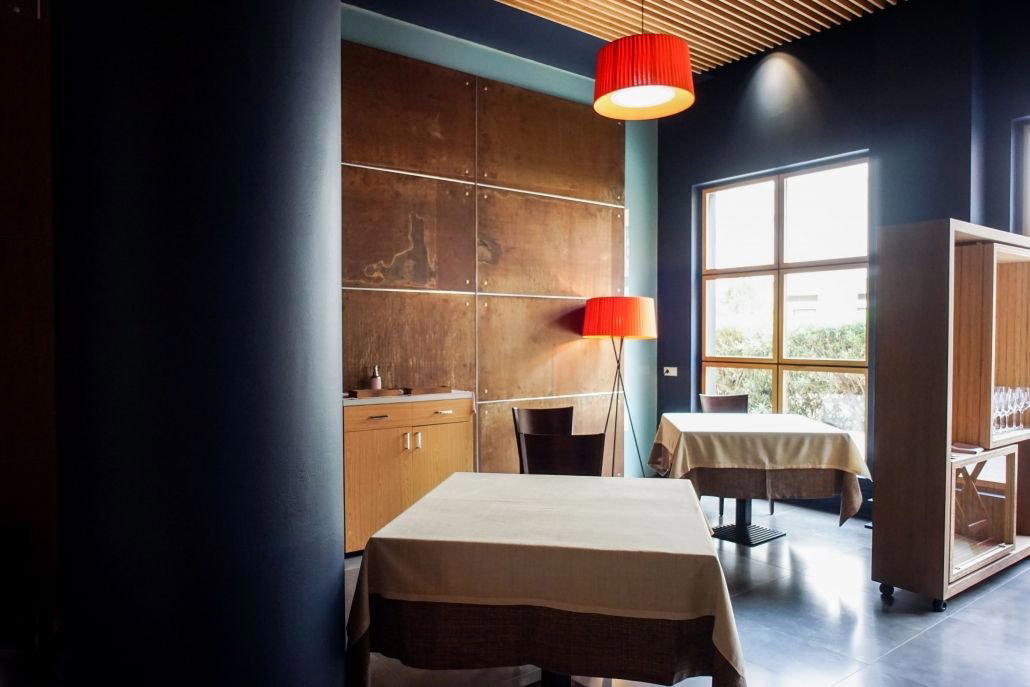
The setting is basement-level inside the Imperial Hotel's main building, which means the ambient energy skews formal and hushed rather than energetic. Expect a quiet room, measured service pacing, and the kind of controlled atmosphere that suits a long, course-driven meal over conversation. The Imperial Hotel's founding philosophy, attributed to Eiichi Shibusawa, one of its original backers, positions guest experience as the central obligation, and that ethos is legible in how the room operates. This is not a venue for a loud group dinner or a casual drop-in. The atmosphere makes it better suited to a duo or small party who want to eat slowly and talk between courses.
At the ¥¥¥¥ price point, you are in the upper band of Tokyo dining. That is not unusual for a Michelin-starred room inside a landmark hotel, but it is a commitment. Factor in that the Imperial Hotel's Chiyoda location is easily accessible by major transit lines, so logistics are not a complicating factor, the spend is the primary consideration.
How It Compares
For Tokyo diners choosing between Michelin-starred options at the ¥¥¥¥ level, the relevant question is what kind of technical achievement you want on the plate. RyuGin stays within the Japanese tradition and applies modernist technique to kaiseki; L'Effervescence and HOMMAGE approach from the French side with Japanese ingredient sensitivity. Torakuro's specific position, Japanese institution, French technique, mutual discipline, gives it a profile that none of these replicate exactly. If you want to understand how Japanese culinary logic handles the French toolkit from the inside, Torakuro is the more instructive booking than L'Effervescence or HOMMAGE, which approach the same dialogue from the opposite direction.
Know Before You Go
- Price range: ¥¥¥¥
- Awards: Michelin 1 Star (2024)
- Rating:
- Location: Imperial Hotel, 1-1-1 Uchisaiwaicho, Chiyoda, Tokyo, basement level of the main building
- Booking difficulty: Hard, advance reservation strongly recommended; walk-ins are not a reliable option at this level
- Leading for: Couples, small groups, special occasions, food-focused travelers who want to explore the Japanese-French technical dialogue
- Hours: Not confirmed, check directly with the Imperial Hotel
- Dress code: Not published, but the Imperial Hotel context and ¥¥¥¥ pricing point firmly toward smart dress at minimum
Planning Your Tokyo Trip
If Torakuro anchors your Tokyo dining itinerary, there is a strong case for booking a second meal at Ginza Fukuju or Jingumae Higuchi to cover the more purely Japanese end of the spectrum. Our full Tokyo restaurants guide covers the broader landscape, and if you are building a Japan trip beyond the capital, Michelin-caliber alternatives include HAJIME in Osaka, Gion Sasaki in Kyoto, akordu in Nara, Goh in Fukuoka, 1000 in Yokohama, and 6 in Okinawa. For Kyoto kaiseki with deep institutional roots comparable to the Ishikawa Group's pedigree, Isshisoden Nakamura and Kashiwaya Osaka Senriyama are worth adding to the comparison.
For the rest of your Tokyo stay, our guides to Tokyo hotels, Tokyo bars, Tokyo wineries, and Tokyo experiences cover the full picture.
Planning details
- Location
- Japan, 〒100-8558 Tokyo, Chiyoda City, Uchisaiwaicho, 1 Chome−1−1 本館 地下1階
- Website
- imperialhotel.co.jp/tokyo/restaurant/imperialhotel-torakuro?cid=gmap_tokyo_torakuro
- Phone
- +81 3-3539-8224
The take
The Take
The Vibe
Torakuro sits in the lower ground floor of the Imperial Hotel and reads like a study in institutional refinement. Its Meiji-era hotel setting and the collaboration with the Ishikawa Group give the room a sense of history and gravitas: this is classic Japanese hospitality updated through exacting technique. The kitchen deliberately layers French methods—consommé clarification, confit—over dashi-driven foundations and charcoal grilling, producing a composed, measured dining experience. Michelin recognition in 2024 underscores the restaurant’s seriousness; the overall mood is quietly authoritative rather than playful, driven by craft and tradition more than innovation for its own sake.
Best For
Torakuro is best suited to formal evening dining where technical precision and provenance matter. Its placement in Tokyo’s top price tier and a 2024 Michelin star make it a natural choice for special-occasion meals and business dinners that call for discreet, highly skilled hospitality. The kitchen’s focus on French techniques applied to Japanese foundations rewards diners who appreciate layered technique and composure—guests come expecting well-executed sequences rather than casual, a la carte experimentation. This is a place for deliberate dining rather than quick or informal visits.
Ordering Tips
Expect dishes that explicitly marry French technique with Japanese fundamentals: the kitchen cites consommé clarification and confit alongside dashi stock and char-grilling. When ordering, look for items or sequences that highlight those contrasts—clear consommés, confit preparations, and grilled courses rooted in dashi—so you can trace the dialogue between the two systems. Because the offering emphasizes technical depth over novelty, ask servers about the kitchen’s approach to particular courses if you want context; that framing will clarify how each dish balances French method and Japanese flavor foundations.
Venue details
Ambiance
Warm and wonderful atmosphere with excellent service in an elegant hotel basement setting.
Tags
Vibe
Best For
Experience
At the Table
- Dress Code
- Smart Casual
- Noise Level
- Quiet
- Service Style
- Formal
- Meal Pacing
- Leisurely
- Capacity
- Intimate
Know before you go
Know Before You Go
- Getting there
- Japan, 〒100-8558 Tokyo, Chiyoda City, Uchisaiwaicho, 1 Chome−1−1 本館 地下1階
Planning details
Location
Japan, 〒100-8558 Tokyo, Chiyoda City, Uchisaiwaicho, 1 Chome−1−1 本館 地下1階 · Directions
imperialhotel.co.jp/tokyo/restaurant/imperialhotel-torakuro?cid=gmap_tokyo_torakuro
Recognition and awards
Also consider
Also Consider
- Harutaka, Sushi, ¥¥¥¥
- RyuGin, Kaiseki, Japanese, ¥¥¥¥
- L'Effervescence, French, ¥¥¥¥
- HOMMAGE, Innovtive French, French, ¥¥¥¥
- Florilège, French, ¥¥¥
Restaurant context
At the ¥¥¥¥ level in Tokyo, Torakuro's closest structural peer is RyuGin, which applies modernist precision to kaiseki without French crossover. If you want to stay entirely within the Japanese tradition and experience what contemporary kaiseki technique looks like at its most controlled, RyuGin is the stronger choice. Torakuro is the better booking if the specific dialogue between French and Japanese methods, executed from a Japanese institutional base, not a French one, is the point of the meal.
For French cooking in Tokyo at the same price tier, L'Effervescence and HOMMAGE both engage seriously with Japanese seasonal ingredients, but they approach from the French side. Torakuro reverses that orientation, and that reversal produces a meaningfully different result on the plate. Diners who want to understand how Japanese culinary logic absorbs French technique will find Torakuro more instructive than either L'Effervescence or HOMMAGE. If your primary interest is French cooking excellence with Japanese accents rather than the other way around, L'Effervescence is likely the more satisfying room.
Harutaka is a different category entirely, a sushi counter, not a course-based hybrid restaurant, and is not a direct substitute. For diners where budget flexibility matters, Florilège at ¥¥¥ is the most accessible Michelin-level option among these peers, with French cooking that takes Japanese seasonality seriously. It is easier to book and costs less, but it does not replicate what Torakuro does technically. Book Torakuro when the Japanese-French synthesis is the specific reason you are going out.
Explore Tokyo
Around this place
Discover more on Pearl
Unlock the full Torakuro guide in Pearl, including awards, comparisons, FAQs, planning details, and nearby places.
Compare Torakuro
| Venue | Cuisine | Price | Booking Difficulty | Awards |
|---|---|---|---|---|
| Torakuro | Japanese | ¥¥¥¥ | Hard | 2026 Michelin 1 Star2024 Michelin 1 Star |
| Harutaka | Sushi | ¥¥¥¥ | Unknown | 2026 Tabelog Silver · #312026 OAD Top Restaurants in Japan Ranked · #1282026 Michelin 3 Stars2026 La Liste Top RestaurantsTabelog 100 - Sushi - TOKYO - 2025 · #372025 Asia's 50 Best Restaurants · #762025 OAD Top Restaurants in Japan Ranked · #1172025 La Liste Top Restaurants2025 Tabelog Bronze |
| RyuGin | Kaiseki, Japanese | ¥¥¥¥ | Unknown | 2026 OAD Top Restaurants in Japan Ranked · #802026 Tabelog Bronze · #3772026 Michelin 3 Stars2026 La Liste Top RestaurantsTabelog 100 - Japanese cuisine - TOKYO - 2025 · #212025 OAD Top Restaurants in Japan Ranked · #542025 Michelin 3 Stars2025 La Liste Top Restaurants2025 The Best Chef Three Knives |
| L'Effervescence | French | ¥¥¥¥ | Unknown | 2026 Tabelog Silver · #682026 OAD Top Restaurants in Japan Ranked · #103Star Wine Lists 20262026 Black Pearl 2 Diamond2026 Relais Chateaux Restaurants2026 La Liste Top Restaurants2026 Michelin 3 Stars2025 Asia's 50 Best Restaurants · #692025 OAD Top Restaurants in Japan Ranked · #92 |
| HOMMAGE | Innovtive French, French | ¥¥¥¥ | Unknown | 2026 Tabelog Bronze · #1232026 OAD Top Restaurants in Japan Highly Recommended2026 Michelin 2 StarsTabelog 100 - French - TOKYO - 2025 · #762025 Asia's 50 Best Restaurants · #782025 OAD Top Restaurants in Japan Ranked · #1752025 Michelin 2 Stars2025 The Best Chef One Knife2025 La Liste Top Restaurants |
| Florilège | French | ¥¥¥ | Unknown | 2026 Asia's 50 Best Restaurants · #312026 Tabelog Bronze · #712026 OAD Top Restaurants in Japan Ranked · #1242026 Black Pearl 1 Diamond2026 Michelin 2 Stars2026 La Liste Top Restaurants2025 Asia's 50 Best Restaurants · #172025 World's 50 Best Restaurants · #36Tabelog 100 - French - TOKYO - 2025 · #68 |













Side-by-side comparison to help you decide where to book.
FAQ
Frequently Asked Questions
What should I order at Torakuro?
The menu is built around French-Japanese crossover techniques, so look for dishes that show that duality clearly — preparations using consommé or confit alongside dashi or char-grilling are where the kitchen's ambition is most legible. Torakuro holds a 2024 Michelin Star, so the tasting format is the safest way to experience the range of that technique. Specific menu items are not publicly fixed, so confirm the current offering when you book.
Is Torakuro good for a special occasion?
Yes, and it is one of the stronger cases for a special-occasion booking at the ¥¥¥¥ level in Tokyo. The Imperial Hotel setting lends the meal a formal weight that suits anniversaries or client dinners, and the 2024 Michelin Star gives it a clear credential to anchor the occasion. If you want something more emotionally charged and less corporate in atmosphere, RyuGin or L'Effervescence may read better for personal celebrations.
Does Torakuro handle dietary restrictions?
No dietary policy is documented in available venue data, but the kitchen's fluency across both French and Japanese techniques suggests reasonable flexibility. Contact the Imperial Hotel directly through their main reservations desk — given the hotel's service philosophy, rooted in Eiichi Shibusawa's ethos of courteous hospitality, requests made in advance are likely to be accommodated where possible.
What should I wear to Torakuro?
The basement-level Imperial Hotel setting and ¥¥¥¥ price point signal a formal dress expectation — treat it as you would any Michelin-starred hotel dining room in Tokyo. That means jacket for men and equivalent for women; no specific dress code is stated in venue data, but arriving underdressed in this context will stand out.
What are alternatives to Torakuro in Tokyo?
At the same ¥¥¥¥ Michelin-starred tier, RyuGin delivers more theatrically modern Japanese cooking if you want the tradition-meets-technique story told with greater drama. L'Effervescence is the call if you want French technique at the centre rather than the overlay. HOMMAGE and Florilège both offer strong French-influenced menus with distinct personalities, and Harutaka is the obvious counter-recommendation if you want to stay Japanese without the French fusion framing.