.png?width=1200&quality=80)
Tachiguisushi Sushikawa
Sushi · Shibuya, Tokyo
Restaurant in Tokyo, Japan
 Book with Pearl
The Read
Edo-Style Standing Counter
Price
$50–100per person
Why go
A Michelin Bib Gourmand standup sushi bar in Sasazuka where Chef Daisuke Hayakawa serves nigiri piece by piece at a ¥¥ price point. No set menus, no ceremony — just Edomae-tradition craft at a fraction of the cost of Tokyo's omakase tier. Easy to book and genuinely good value for repeat sushi visitors who want quality without the theatre.
About Tachiguisushi Sushikawa
The Case for Booking Tachiguisushi Sushikawa
If you've been to one of Tokyo's high-end omakase counters — the kind where you're seated, attended to, and presented with a multi-course progression at a price north of ¥30,000 — Tachiguisushi Sushikawa is the deliberate antidote. Chef Shigeru Sagara runs a standup bar in Sasazuka where the format is nigiri only, ordered piece by piece, at a ¥¥ price point. That's not a compromise. That's a different argument about what sushi is supposed to be. And the 2024 Michelin Bib Gourmand says Sagara is winning that argument.
The name tells you everything: tachigui means eating while standing. Sushi in Edo-era Tokyo was street food, fast and precise, built for people who wanted something excellent without ceremony. Sushikawa is a conscious reconstruction of that format, not as nostalgia tourism, but as a genuine operating philosophy. Sagara has been public about his scepticism toward the recent trend of packaging sushi as luxury theatre. The standup counter is his answer to that trend. Whether you agree with his position is somewhat beside the point, what matters is that the conviction shows up in the food.
What to Expect on Return Visits
If you've already been once, you know the rhythm: walk in, take a spot at the counter, order from what's available that day. The format rewards repeat visits because piece-by-piece ordering means you can test different cuts and toppings across multiple sessions without repeating yourself. The approach is old-school in the leading functional sense, the chef sources with an eye toward craft rather than prestige, and the toppings reflect that. There are no tableside theatrics and no preamble. The quality comes through in the product itself.
The regulars who come back to chat with Sagara aren't doing so because the room is comfortable (it isn't designed for lingering). They return because the quality-to-price ratio holds up across visits, and because a sushi bar where the chef has a clear point of view is more interesting to eat at than one optimised for Instagram. reflects a consistent experience rather than a viral one, which is usually the more reliable signal.
Sourcing and the ¥¥ Price Point
At ¥¥, Sushikawa sits well below Tokyo's omakase tier. That price difference doesn't come from cutting corners on sourcing, it comes from stripping out the costs that have nothing to do with the fish: the tasting-menu structure, the sake pairing ceremony, the tableside performance. Sagara's stated position is that sushi's value is in the craft and the ingredient, not the occasion-dressing around it. That's an argument you can evaluate directly at the counter. The Bib Gourmand designation specifically recognises good food at moderate prices, so the Michelin committee has independently validated the quality-per-yen equation here.
For a returning visitor, the practical question is whether to order more broadly or go deeper on what you know you liked. Piece-by-piece service means both are viable. If your first visit was exploratory, a return visit is the time to focus: identify the cuts where Sagara's old-school technique is most visible and order those deliberately. That's the format working as intended.
Getting There and Booking
Sushikawa is in Sasazuka, in Shibuya, not in the dense tourist corridors around Shinjuku or Shibuya Crossing, but accessible. The address is 1 Chome-62-6 Sasazuka, Shibuya, Tokyo (Primebliss Sasazuka 1F). Booking is rated Easy, which makes this a low-friction option compared to the city's sought-after omakase counters, where availability can be weeks or months out.
Know Before You Go
- Price tier: ¥¥ (moderate; well below the city's omakase tier)
- Format: Standup bar, nigiri only, piece by piece, no set menu, no drinking snacks
- Booking difficulty: Easy, no months-long wait list
- Award: Michelin Bib Gourmand 2024
- Rating:
- Chef: Shigeru Sagara
- Address: 1 Chome-62-6 Sasazuka, Shibuya, Tokyo (Primebliss Sasazuka 1F)
- Hours: Not confirmed, check directly before visiting
- Leading for: Solo diners, sushi regulars, anyone who wants technique over theatre
How It Compares
Comparing Sushikawa to Harutaka is almost a category error, Harutaka is a ¥¥¥¥ counter where the price reflects not just the fish but the full omakase architecture. If you want the formal seated progression with seasonal kaiseki-influenced pacing, Harutaka is the right choice and worth the premium. Sushikawa is the right choice if you want to eat excellent nigiri without booking weeks ahead or paying for a format you don't need. These are two different decisions, not two different points on the same scale.
The ¥¥¥¥ comparisons in Tokyo's broader dining scene, L'Effervescence, RyuGin, HOMMAGE, and Crony, operate at a completely different price tier and in different genres. They're not competitive with Sushikawa in any practical sense. What Sushikawa competes against is the mid-tier sushi counter that charges ¥¥¥ for a set menu that buries the craft in ceremony. Against that category, Sushikawa's Bib Gourmand and its piece-by-piece freedom make a strong case.
For Tokyo sushi at other price points and formats, Sukiyabashi Jiro Roppongiten and Sushi Kanesaka represent the high-end counter experience. Edomae Sushi Hanabusa sits closer to Sushikawa's Edomae tradition, and Hiroo Ishizaka offers another reference point in the city's mid-tier sushi range. If you're planning broader, our full Tokyo restaurants guide covers the range, and our Tokyo hotels guide, bars guide, and experiences guide are worth consulting alongside it.
Beyond Sushikawa: More Pearl Picks in the Region
If you're building a broader Japan itinerary, Pearl covers HAJIME in Osaka, Gion Sasaki in Kyoto, akordu in Nara, Goh in Fukuoka, 1000 in Yokohama, and 6 in Okinawa. Our Tokyo wineries guide and Tokyo hotels guide round out the planning picture.
Planning details
- Location
- Japan, 〒151-0073 Tokyo, Shibuya, Sasazuka, 1 Chome−62−6 プライムブリス笹塚 1F
- Reservations
- Book on Omakase
- Website
- tachiguisushi-sushikawa.com
- Phone
- +81 90-9260-3611
The take
The Take
The Vibe
Tachiguisushi Sushikawa channels the pragmatic roots of Edo-era sushi in a compact, neighbourhood standup bar. The room favours economy and directness over ceremony: no tasting-menu choreography, no curated sake pairings, just a practiced hand producing single pieces of nigiri to be eaten immediately. That reductive approach reads as minimalist and quietly historic—an intentional corrective to Tokyo’s elevated omakase temples. Situated in a residential corner of Sasazuka, the place feels like a local find rather than a destination showpiece, trading formality for clarity and a clear focus on the essentials of nigiri.
Best For
This is a place built for short, purposeful visits: solo diners looking for a focused bite and neighborhood regulars seeking an unpretentious meal figure most prominently. The standup counter and piece-by-piece ordering discourage long, staged dinners; instead, the format suits quick after-work stops or low-key evenings when you want good nigiri without the ceremony of a tasting menu. Its modest price tier makes it a casual option among Tokyo’s sushi offerings, and the counter’s pace encourages a brief, efficient dining rhythm rather than an extended multi-course ritual.
Ordering Tips
Order nigiri piece by piece and eat each piece as it’s handed to you—this is the service model and the intention behind the tachigui format. There is no tasting-menu arc or supplementary courses to follow, so choose fishes you want in the moment rather than expecting a sequenced progression from the kitchen. Expect a brisk, counter-focused exchange with Chef Shigeru Sagara’s preparations front and centre; the experience rewards decisiveness and an appetite for straightforward, well-made nigiri at an approachable price point.
Venue details
Ambiance
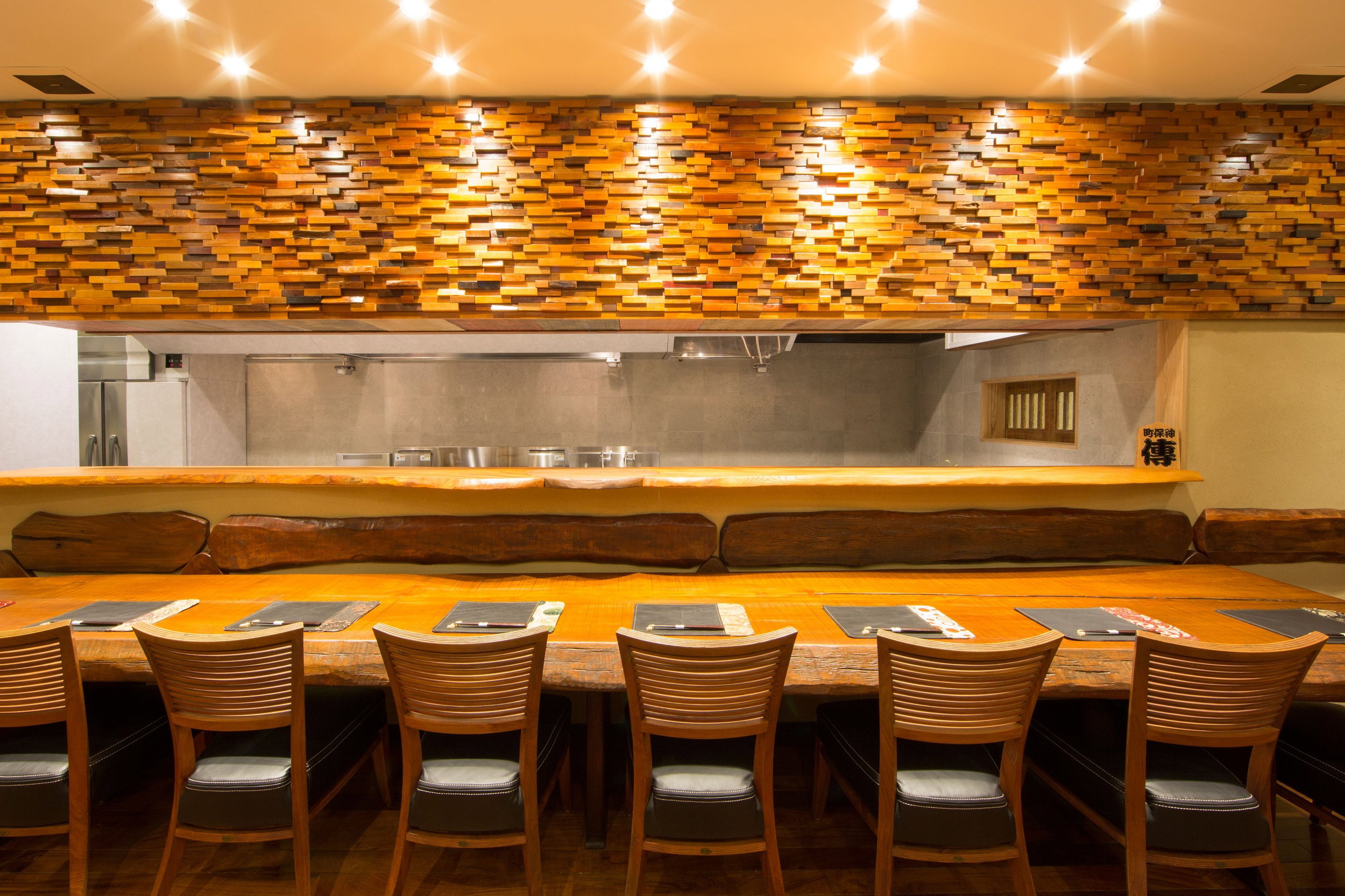
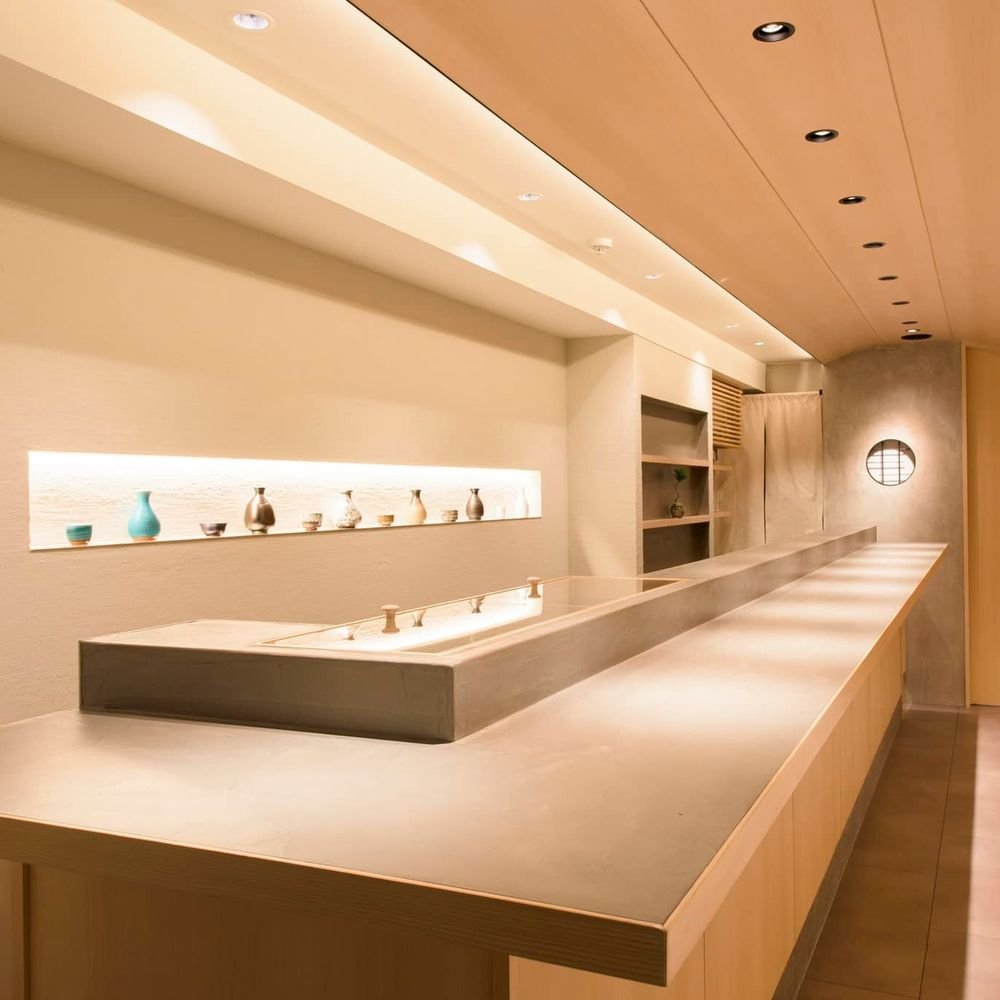
Small, cozy standing counter with a sophisticated yet relaxed modern Japanese vibe where regulars chat with the chef.
Tags
Vibe
Best For
Experience
At the Table
- Noise Level
- Conversational
- Service Style
- Counter Service
- Meal Pacing
- Standard
- Capacity
- Intimate
- Kitchen
- Traditional
- Menu Format
- A la carte, Counter dining, Omakase
- Wine Program
- Curated
Know before you go
Know Before You Go
- Getting there
- Japan, 〒151-0073 Tokyo, Shibuya, Sasazuka, 1 Chome−62−6 プライムブリス笹塚 1F
Planning details
Location
Japan, 〒151-0073 Tokyo, Shibuya, Sasazuka, 1 Chome−62−6 プライムブリス笹塚 1F · Directions
Recognition and awards
Also consider
Also Consider
- Harutaka, Sushi, ¥¥¥¥
- L'Effervescence, French, ¥¥¥¥
- RyuGin, Kaiseki, Japanese, ¥¥¥¥
- HOMMAGE, Innovtive French, French, ¥¥¥¥
- Crony, Innovative, French, ¥¥¥¥
Restaurant context
Against Harutaka at ¥¥¥¥, Sushikawa is not a cheaper version of the same experience, it's a different format entirely. Harutaka offers the full seated omakase, with the progression, the service, and the price that reflects all of it. If that's the evening you're planning, Harutaka delivers it at a high level and is worth the cost. Sushikawa is the right choice when you want the fish and the technique without the surrounding architecture. The Bib Gourmand puts both venues in Michelin's frame of reference, but they answer different questions.
At the ¥¥¥¥ end of Tokyo's broader dining scene, venues like RyuGin, L'Effervescence, HOMMAGE, and Crony are not competing with Sushikawa on any practical level, they're different cuisines, different formats, and a significantly higher price tier. What Sushikawa does compete against is the mid-range sushi counter that charges ¥¥¥ for a fixed menu with ceremony built in. Against that comparison, piece-by-piece ordering at ¥¥ with a Michelin endorsement is a strong position.
For solo diners or pairs who've already done the high-end omakase circuit and want something lower-friction on a return Tokyo trip, Sushikawa is the practical recommendation. If you're visiting for the first time and want the full theatre of Japanese sushi dining, start with Sushi Kanesaka or Sukiyabashi Jiro Roppongiten and come to Sushikawa on a subsequent visit when you have the context to appreciate what Sagara is doing and why.
Explore Tokyo
Around this place
Discover more on Pearl
Unlock the full Tachiguisushi Sushikawa guide in Pearl, including awards, comparisons, FAQs, planning details, and nearby places.
Compare Tachiguisushi Sushikawa
| Venue | Price | Awards |
|---|---|---|
| Tachiguisushi Sushikawa | ¥¥ | 2026 Bib Gourmand2024 Michelin Bib Gourmand |
| Harutaka | ¥¥¥¥ | 2026 Tabelog Silver · #312026 OAD Top Restaurants in Japan Ranked · #1282026 Michelin 3 Stars2026 La Liste Top RestaurantsTabelog 100 - Sushi - TOKYO - 2025 · #372025 Asia's 50 Best Restaurants · #762025 OAD Top Restaurants in Japan Ranked · #1172025 La Liste Top Restaurants2025 Tabelog Bronze |
| L'Effervescence | ¥¥¥¥ | 2026 Tabelog Silver · #682026 OAD Top Restaurants in Japan Ranked · #103Star Wine Lists 20262026 Black Pearl 2 Diamond2026 Relais Chateaux Restaurants2026 La Liste Top Restaurants2026 Michelin 3 Stars2025 Asia's 50 Best Restaurants · #692025 OAD Top Restaurants in Japan Ranked · #92 |
| RyuGin | ¥¥¥¥ | 2026 OAD Top Restaurants in Japan Ranked · #802026 Tabelog Bronze · #3772026 Michelin 3 Stars2026 La Liste Top RestaurantsTabelog 100 - Japanese cuisine - TOKYO - 2025 · #212025 OAD Top Restaurants in Japan Ranked · #542025 Michelin 3 Stars2025 La Liste Top Restaurants2025 The Best Chef Three Knives |
| HOMMAGE | ¥¥¥¥ | 2026 Tabelog Bronze · #1232026 OAD Top Restaurants in Japan Highly Recommended2026 Michelin 2 StarsTabelog 100 - French - TOKYO - 2025 · #762025 Asia's 50 Best Restaurants · #782025 OAD Top Restaurants in Japan Ranked · #1752025 Michelin 2 Stars2025 The Best Chef One Knife2025 La Liste Top Restaurants |
| Crony | ¥¥¥¥ | 2026 Asia's 50 Best Restaurants · #34Star Wine Lists 20262026 OAD Top Restaurants in Japan Recommended2026 Michelin 2 Stars2025 Asia's 50 Best Restaurants · #30Tabelog 100 - French - TOKYO - 2025 · #782025 OAD Top Restaurants in Japan Ranked · #227We're Smart World Top Restaurants 20252025 Michelin 2 Stars |















Side-by-side comparison to help you decide where to book.
FAQ
Frequently Asked Questions
Can Tachiguisushi Sushikawa accommodate groups?
The standup counter format is better suited to solo diners and pairs than to groups. Tachiguisushi Sushikawa is a compact, no-frills nigiri bar where you order piece by piece — there is no private room, no set menu to anchor a group experience. If you're arriving with four or more people, coordinate arrival times or consider splitting into smaller groups; don't expect the space to hold a party.
How far ahead should I book Tachiguisushi Sushikawa?
Hours and reservation policies are not published, so confirm before visiting — the standup format and walk-in culture of classic Edo-style sushi bars like this one suggest same-day or walk-in visits may be standard. That said, a 2024 Michelin Bib Gourmand has increased visibility, so arriving early or checking ahead is sensible. No phone or website is listed; your hotel concierge or Google Maps listing is the practical starting point.
What are alternatives to Tachiguisushi Sushikawa in Tokyo?
Within the casual, counter-driven sushi category in Tokyo, Sushikawa is relatively rare: Michelin-recognised at ¥¥, piece-by-piece ordering, and explicitly anti-omakase in philosophy. For a step up in formality and price, Harutaka or RyuGin represent the full counter-service progression at ¥¥¥¥. If you want craft without ceremony at a lower price point, Sushikawa is the cleaner choice.
Is Tachiguisushi Sushikawa good for solo dining?
Yes — it is close to ideal for solo diners. The standup counter, piece-by-piece ordering, and the regulars-chatting-with-the-chef atmosphere are all formats that suit one person better than they suit a table of four. At ¥¥, you can eat a focused, high-craft nigiri meal without committing to a tasting menu or a minimum spend. The Michelin Bib Gourmand (2024) confirms the quality-to-price case.
Is the tasting menu worth it at Tachiguisushi Sushikawa?
There is no tasting menu here — that is the point. Sushikawa is a piece-by-piece nigiri bar by design, and chef Shigeru Sagara's stated position is a direct pushback against the trend of formalised, high-price omakase. You order what you want, at ¥¥, and leave when you're done. If you need a set progression or a multi-course structure, this is not the venue — try RyuGin or Harutaka instead.
Is Tachiguisushi Sushikawa good for a special occasion?
Only if your version of a special occasion is a focused, no-fuss meal with excellent nigiri rather than a formal ceremony. The standup format, piece-by-piece ordering, and casual atmosphere are all intentional — the venue actively rejects the upscale omakase model. For a birthday or anniversary where setting and service are part of the occasion, L'Effervescence or RyuGin is a more appropriate call. Sushikawa is better for a personal treat than a performative celebration.