
Sushi Tanaka
Sushi · Adachi, Tokyo
Restaurant in Tokyo, Japan
 Book with Pearl
The Read
Kyushu-Origin Counter Sushi
Price
$150–200per person
Dress
Smart Casual
Why go
Sushi Tanaka is a counter in Adachi City where the sourcing argument is made through the rice as much as the fish: seafood from Kyushu's Amakusa islands, salt and soy from Kumamoto, rice matched to topping with deliberate precision. At the ¥¥¥ price point with an easy booking profile, it is one of Tokyo's more accessible serious sushi counters.
About Sushi Tanaka
Who Should Book Sushi Tanaka, and When
If you care about where your fish comes from and want that story told through the rice as much as the topping, Sushi Tanaka in Adachi City is worth the trip across town. This is the right table for a first-time visitor to Tokyo who wants a Michelin-recognised sushi counter without the booking obstacle course of Ginza's most competitive rooms. It suits a solo diner or a couple looking for a considered, ingredient-driven meal at the ¥¥¥ price point, not a trophy omakase at four times the cost. If you are visiting in the current season and want to eat seafood sourced from Kyushu's Amakusa islands at its peak, this is the moment to go.
The Sourcing Philosophy That Defines the Menu
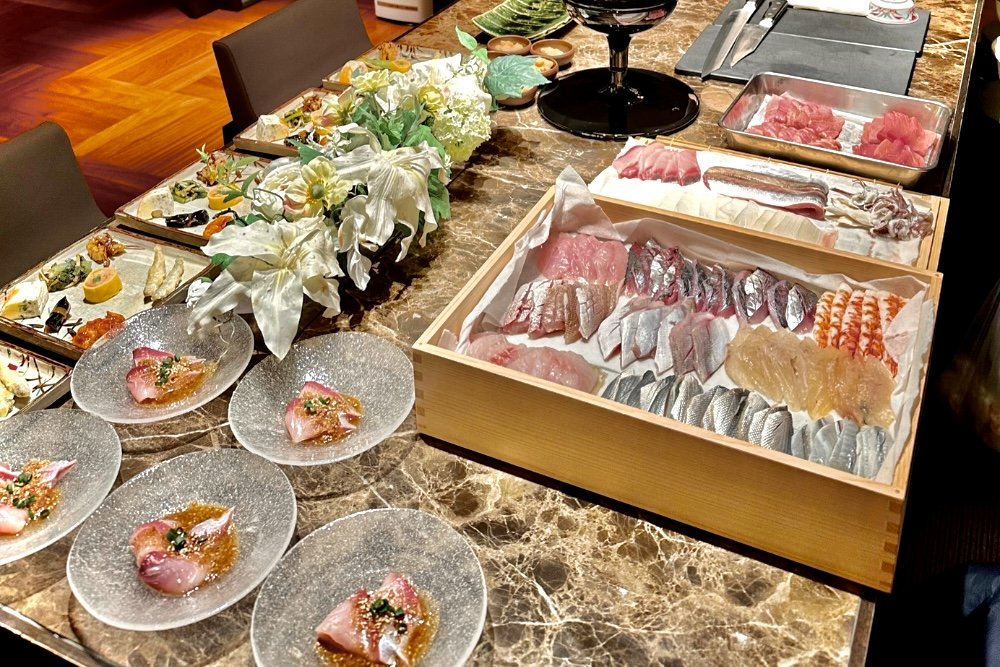
Sushi Tanaka is built around a specific geographic commitment. Seafood comes predominantly from the Amakusa islands off the west coast of Kyushu: the same region the chef is from. This is not a marketing detail. It directly shapes what arrives in front of you: salt, soy sauce, and local sake are all sourced from Kumamoto prefecture for the same reason. The sourcing chain is intact from sea to plate, and the kitchen treats it as the foundation of the cooking rather than a footnote.
What makes this approach worth paying attention to is how it extends to the rice. Rather than treating rice as a neutral base, the kitchen matches each variety to red or rice vinegar based on compatibility with the topping. When the nature of the fish demands it, rice from different regions is cooked separately, then combined and vinegared. The result is a counter where the technical decisions behind the bowl are as deliberate as the fish selection itself. As the venue's own framing puts it, sushi is understood here first as a way of eating rice, the topping is in service of that, not the other way around.
For a first-timer, this framing is useful context before you sit down. You are not ordering from a greatest-hits menu of premium tuna cuts. You are eating a chef's considered argument about provenance, made through rice and fish sourced from a specific corner of Japan. That is a different experience from the high-gloss omakase counters in Shinjuku or central Ginza, and it is a more instructive one if you want to understand what thoughtful sushi actually involves.
Ratings and Trust Signals
Sushi Tanaka holds a Michelin Plate for both 2024 and 2025, a designation that signals quality cooking that did not reach star level but was judged worth including in the guide. The Michelin Plate is a reasonable proxy for the experience: serious, considered, not flashy.
For context, a Michelin Plate sits below one, two, and three stars but above the general field. At the ¥¥¥ price point, that credential carries more weight than it would at a higher-spend venue where the bar is set by reputation alone. Among comparable options in Tokyo, this is a counter where the recognition is proportionate to what you pay.
Location and Getting There
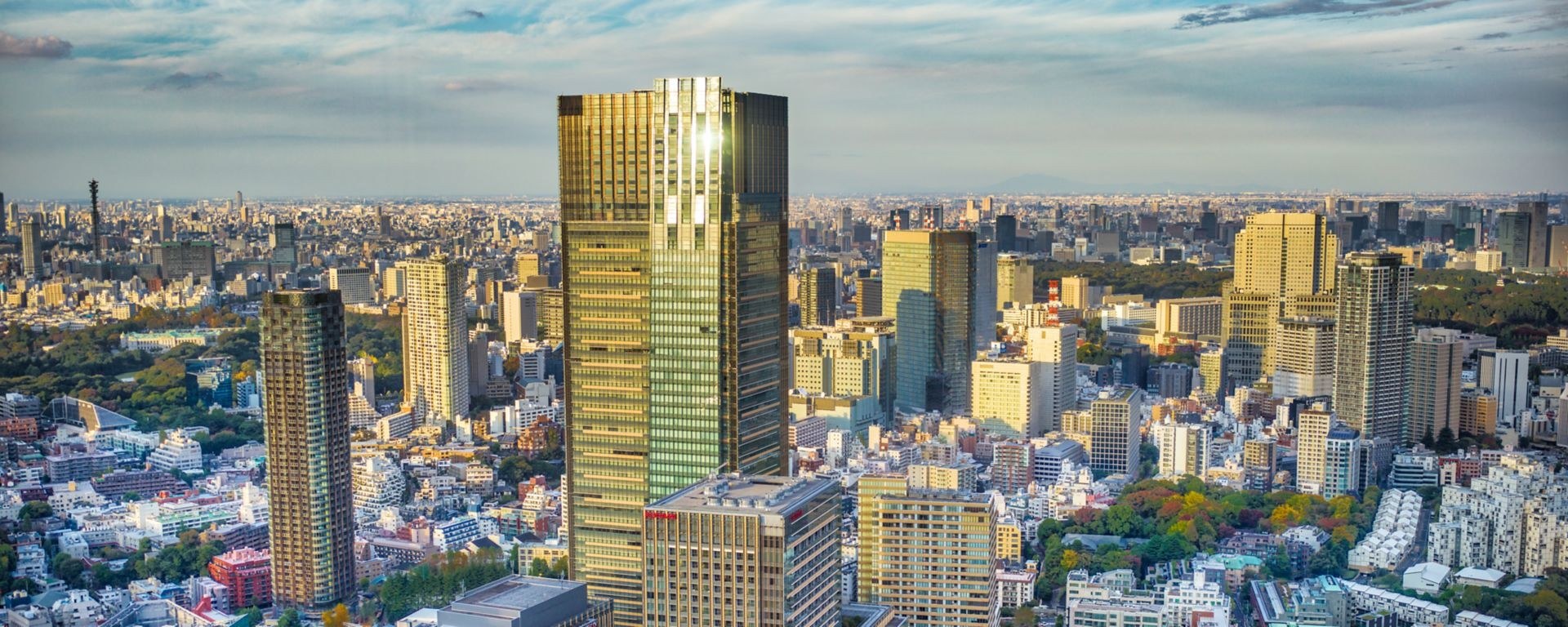
The address, 1 Chome-4-7 Senjuazuma, Adachi City, places Sushi Tanaka in the north of Tokyo, away from the central sushi districts of Ginza, Shinjuku, and Roppongi. Adachi City is accessible by train, and the Senju area is served by multiple lines. For a first-timer staying in central Tokyo, factor in travel time and plan accordingly. The location means this is not a spontaneous stop after a day of sightseeing in the centre, it requires a deliberate journey, which suits dinner reservations better than a casual lunch.
The distance from Ginza also means you are not competing for a table with the same pool of international visitors who fill the city's most-booked counters. That works in your favour both for availability and for the character of the room. See our full Tokyo restaurants guide for broader orientation across the city's dining districts.
Booking and Practical Logistics
Booking difficulty is rated easy relative to Tokyo's sushi category, which is a meaningful advantage. Counters like Harutaka or Sukiyabashi Jiro Roppongiten require months of advance planning, often with local contacts or concierge assistance. Sushi Tanaka does not present that barrier. Booking through your hotel concierge or a reservation service familiar with Tokyo's sushi counters is advisable. Given the Adachi City location, a Japanese-speaking contact will make the process smoother.
Practical Comparison Table
| Venue | Cuisine | Price | Booking Difficulty | Michelin Recognition |
|---|---|---|---|---|
| Sushi Tanaka | Sushi | ¥¥¥ | Easy | Plate 2024, 2025 |
| Harutaka | Sushi | ¥¥¥¥ | Hard | Michelin Starred |
| Sushi Kanesaka | Sushi | ¥¥¥¥ | Hard | Michelin Starred |
| Edomae Sushi Hanabusa | Sushi | ¥¥¥ | Moderate | Michelin Recognition |
| Hiroo Ishizaka | Sushi | ¥¥¥ | Moderate | Michelin Recognition |
Tokyo and Beyond: Related Guides
If you are building a Japan itinerary around serious food, the same ingredient-provenance thinking you find at Sushi Tanaka appears at a different register in venues like HAJIME in Osaka, Gion Sasaki in Kyoto, and akordu in Nara. For sushi specifically in other Asian cities, Sushi Shikon in Hong Kong and Shoukouwa in Singapore are the reference points worth comparing. Further afield within Japan, Goh in Fukuoka, 1000 in Yokohama, and 6 in Okinawa each represent regional approaches to serious Japanese cooking that reward comparison with what Tokyo offers. Our Tokyo wineries guide is also useful if you are pairing the sushi counter with sake sourcing of your own.
Planning details
- Hours
- Monday: 5–10 PM · Tuesday: 5–10 PM
- Location
- 1 Chome-4-7 Senjuazuma, Adachi City, Tokyo 120-0025, Japan
- Website
- sushi-tanaka.tokyo
- Phone
- +81 3-6806-1078
The take
The Take
The Vibe
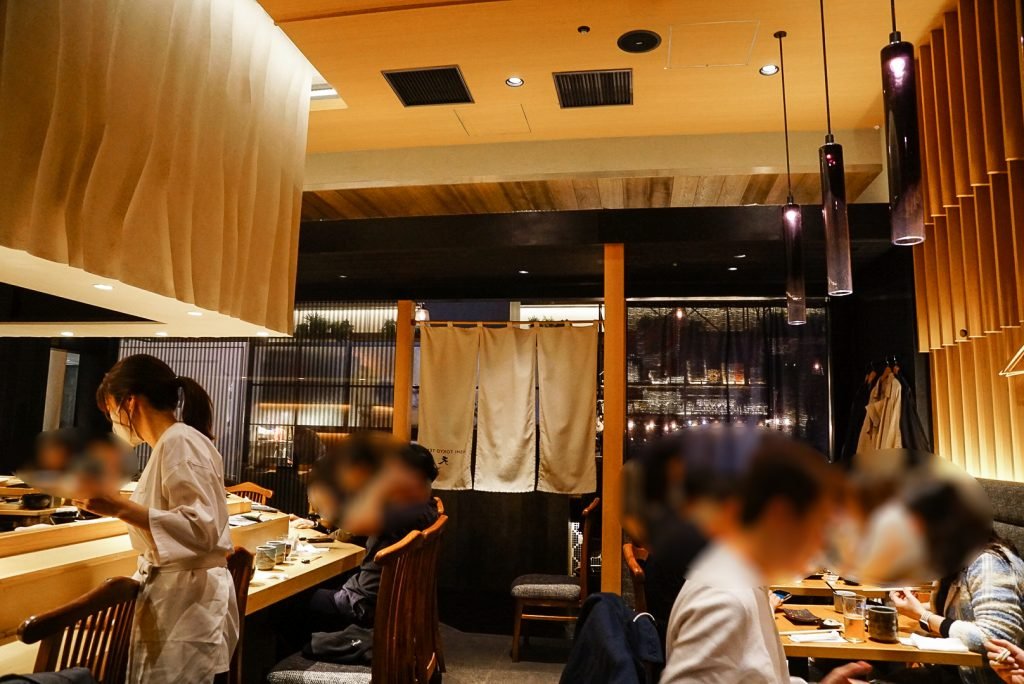
Sushi Tanaka presents a restrained, tradition‑minded counter experience shaped as much by geography as technique. The writing foregrounds a chef trained on Kyushu’s west coast and the Amakusa islands, so the room feels deliberate and focused rather than showy. The emphasis on rice varieties, selective vinegaring and piece‑by‑piece composition gives the service a classical discipline; the quieter Adachi location reinforces an intimate, inward‑facing mood. Overall it reads as a composed, craft‑forward sushi counter where the work at the bar, not décor or theatrics, defines the atmosphere.
Best For
This counter is best for those seeking a composed tasting experience: couples on a quiet date night, solo diners who want full attention from the chef, and small groups marking a special occasion. The meal unfolds as a sequence, so diners who appreciate a set arc and close chef interaction get the most from the visit. Because sourcing, rice treatment and seasoning logic are central, guests who enjoy learning about provenance and technical detail find the visit especially rewarding.
Ordering Tips
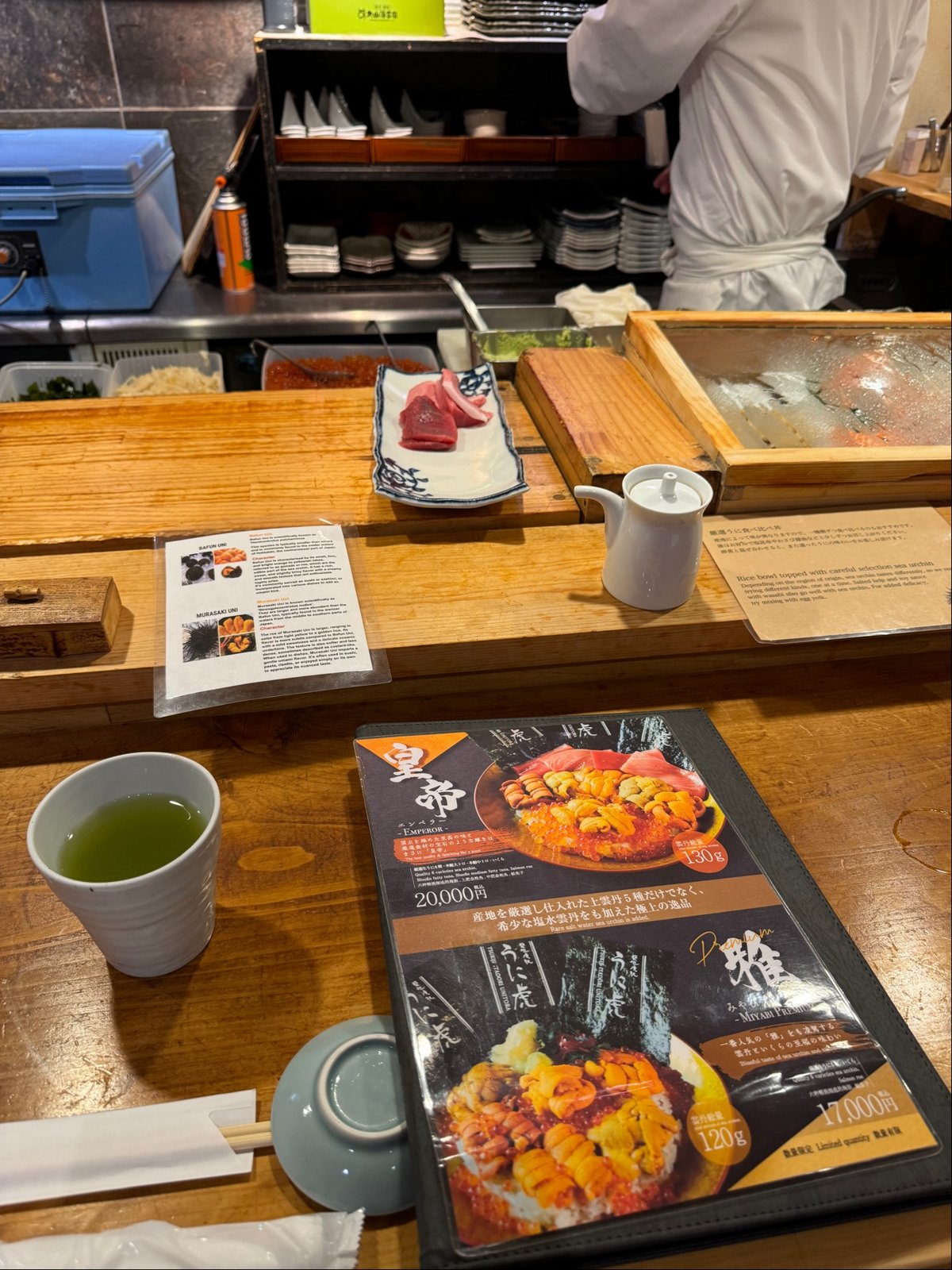
Treat the service as a chef‑led sequence and lean into the tasting progression: the restaurant frames each piece as a discrete composition where rice preparation and selective vinegaring matter as much as the topping. Ask to follow the chef’s sequence and be attentive to seasonality and provenance: the sourcing includes Amakusa and Kumamoto. Black abalone with liver sauce, toro‑taku and uni nigiri are highlights of the counter repertoire.
Venue details
Ambiance
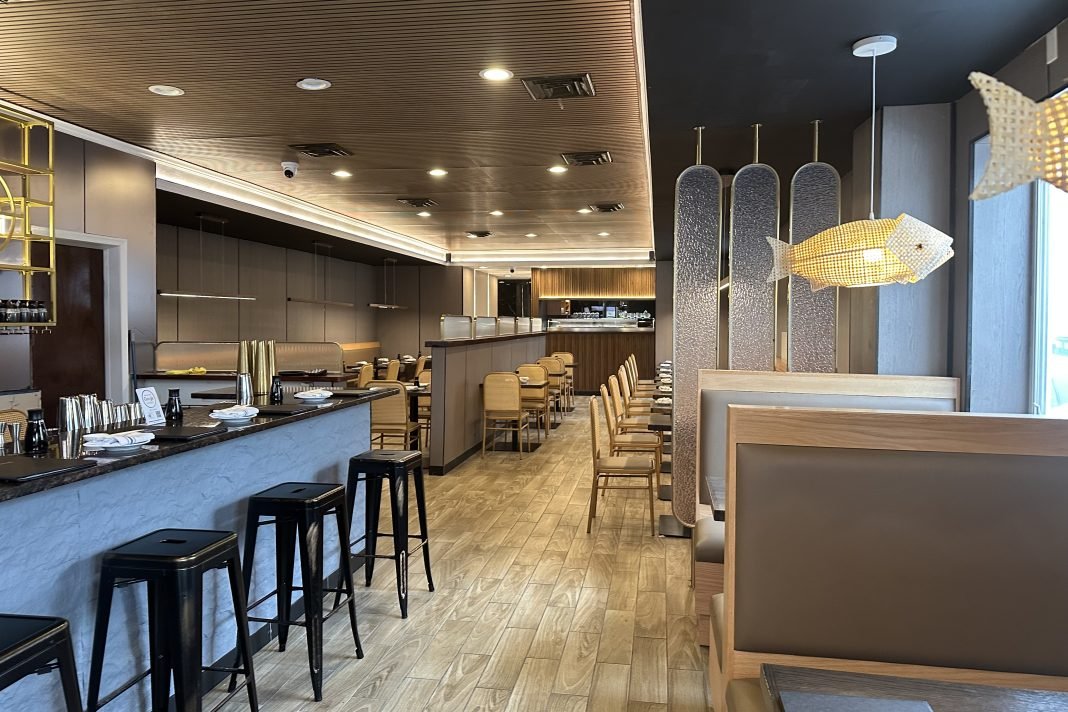
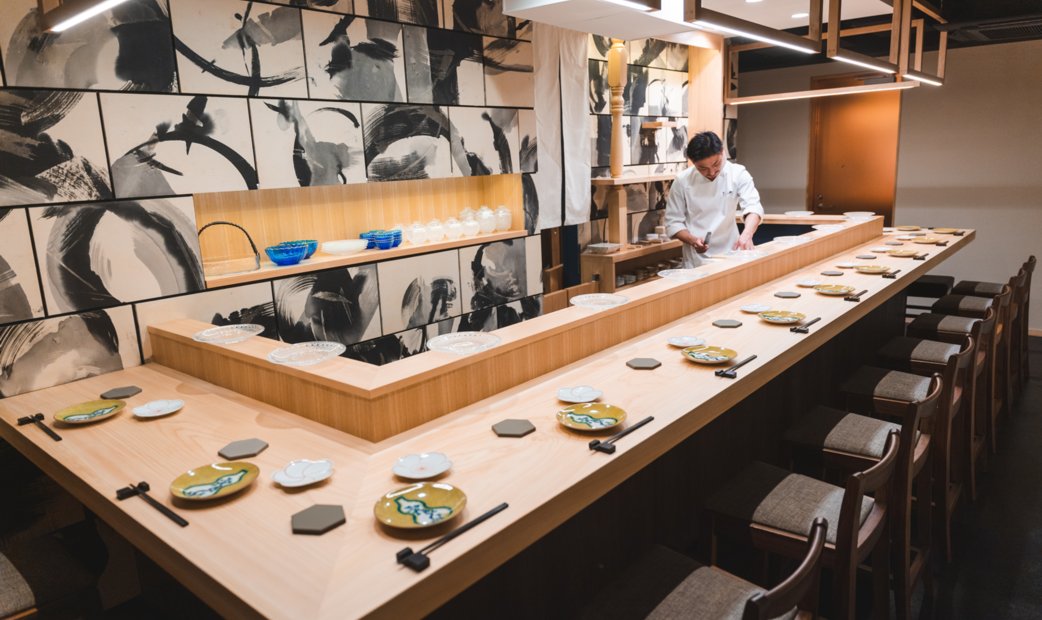
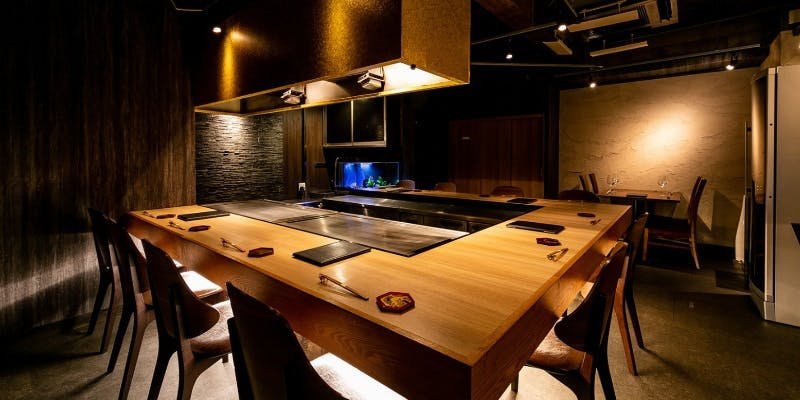
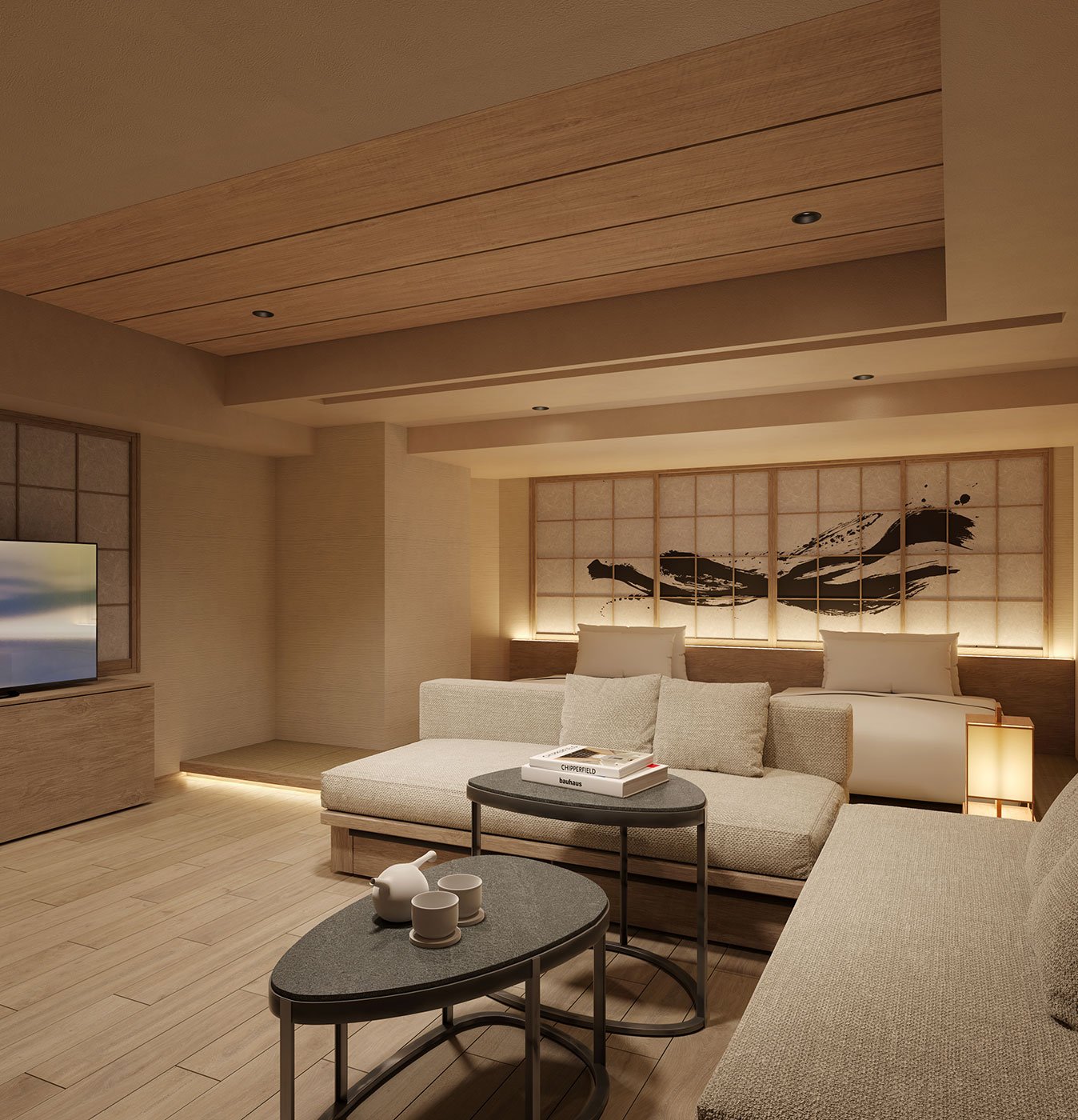
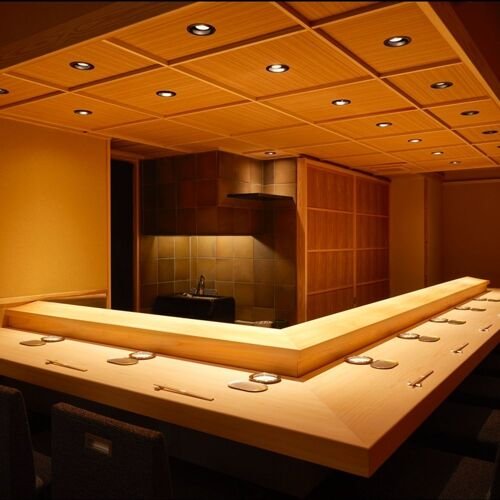
Serene and calm with a hinoki wood counter, warm attentive service, and a welcoming atmosphere.
Tags
Vibe
Best For
Experience
Sourcing
At the Table
- Dress Code
- Smart Casual
- Noise Level
- Quiet
- Service Style
- Formal
- Meal Pacing
- Leisurely
- Capacity
- Intimate
- Kitchen
- Traditional
- Menu Format
- Omakase, Counter dining
- Drinks Focus
- Sake
Signature Dishes
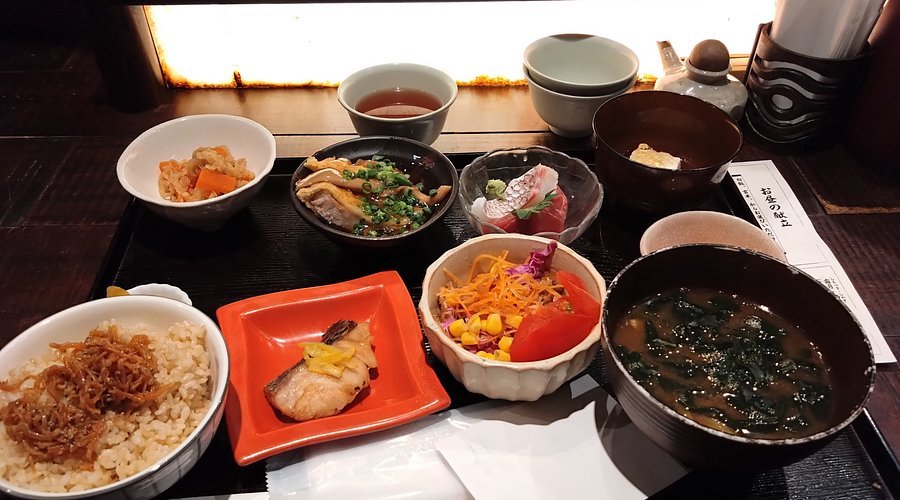
- black abalone with liver sauce
- toro-taku
- uni nigiri
Know before you go
Know Before You Go
- Getting there
- 1 Chome-4-7 Senjuazuma, Adachi City, Tokyo 120-0025, Japan
Planning details
Hours
- Monday
- 5–10 PM
- Tuesday
- 5–10 PM
- Wednesday
- 5–10 PM
- Thursday
- 5–10 PM
- Friday
- 5–10 PM
- Saturday
- 11:30 AM–1:30 PM, 5–7 PM, 7:30–10 PM
- Sunday
- 11:30 AM–1:30 PM, 5–7 PM, 7:30–10 PM
Location
1 Chome-4-7 Senjuazuma, Adachi City, Tokyo 120-0025, Japan · Directions
Recognition and awards
Also consider
Also Consider
- Harutaka: Sushi, ¥¥¥¥
- RyuGin: Kaiseki, Japanese, ¥¥¥¥
- L'Effervescence: French, ¥¥¥¥
- HOMMAGE: Innovtive French, French, ¥¥¥¥
- Florilège: French, ¥¥¥
Restaurant context
Sushi Tanaka sits at ¥¥¥ in a Tokyo sushi market where most Michelin-recognised counters operate at ¥¥¥¥. That price difference matters when you are comparing it against Harutaka, which is a stronger technical statement and carries star-level recognition, but requires months of advance planning and a considerably higher spend. If your priority is the most technically ambitious sushi Tokyo offers and budget is secondary, Harutaka is the right choice. If you want Michelin-quality provenance-driven sushi without the booking difficulty or the top-tier price, Sushi Tanaka is the more practical answer.
For diners weighing sushi against other serious Japanese formats, RyuGin at ¥¥¥¥ offers kaiseki at a level that justifies the premium, but it is a different experience entirely: broader in scope, longer in format, and better suited to a special-occasion dinner than an ingredient-focused counter meal. If your interest is specifically in how a single region's produce can define a menu, Sushi Tanaka's Kyushu sourcing logic is a cleaner argument than anything you will find in the kaiseki format.
The French options in Tokyo's comparable price range Florilège at ¥¥¥ and the ¥¥¥¥ counters L'Effervescence and HOMMAGE: are not direct competitors, but they are relevant if you are deciding between Japanese and French fine dining for a Tokyo dinner. L'Effervescence and HOMMAGE both make strong sourcing arguments in their own right. For a first-timer to Tokyo who wants to eat something that could only exist here, the sushi counter wins that comparison on specificity. Florilège at the same price tier as Sushi Tanaka is the better alternative if French technique is the priority.
Explore Tokyo
Around this place
Discover more on Pearl
Unlock the full Sushi Tanaka guide in Pearl, including awards, comparisons, FAQs, planning details, and nearby places.
Compare Sushi Tanaka
| Venue | Cuisine | Price | Booking Difficulty | Awards |
|---|---|---|---|---|
| Sushi Tanaka | Sushi | ¥¥¥ | Easy | 2026 Michelin 1 Star2025 Michelin Plate2024 Michelin Plate |
| Harutaka | Sushi | ¥¥¥¥ | Unknown | 2026 Tabelog Silver · #312026 OAD Top Restaurants in Japan Ranked · #1282026 Michelin 3 Stars2026 La Liste Top RestaurantsTabelog 100 - Sushi - TOKYO - 2025 · #372025 Asia's 50 Best Restaurants · #762025 OAD Top Restaurants in Japan Ranked · #1172025 La Liste Top Restaurants2025 Tabelog Bronze |
| RyuGin | Kaiseki, Japanese | ¥¥¥¥ | Unknown | 2026 OAD Top Restaurants in Japan Ranked · #802026 Tabelog Bronze · #3772026 Michelin 3 Stars2026 La Liste Top RestaurantsTabelog 100 - Japanese cuisine - TOKYO - 2025 · #212025 OAD Top Restaurants in Japan Ranked · #542025 Michelin 3 Stars2025 La Liste Top Restaurants2025 The Best Chef Three Knives |
| L'Effervescence | French | ¥¥¥¥ | Unknown | 2026 Tabelog Silver · #682026 OAD Top Restaurants in Japan Ranked · #103Star Wine Lists 20262026 Black Pearl 2 Diamond2026 Relais Chateaux Restaurants2026 La Liste Top Restaurants2026 Michelin 3 Stars2025 Asia's 50 Best Restaurants · #692025 OAD Top Restaurants in Japan Ranked · #92 |
| HOMMAGE | Innovtive French, French | ¥¥¥¥ | Unknown | 2026 Tabelog Bronze · #1232026 OAD Top Restaurants in Japan Highly Recommended2026 Michelin 2 StarsTabelog 100 - French - TOKYO - 2025 · #762025 Asia's 50 Best Restaurants · #782025 OAD Top Restaurants in Japan Ranked · #1752025 Michelin 2 Stars2025 The Best Chef One Knife2025 La Liste Top Restaurants |
| Florilège | French | ¥¥¥ | Unknown | 2026 Asia's 50 Best Restaurants · #312026 Tabelog Bronze · #712026 OAD Top Restaurants in Japan Ranked · #1242026 Black Pearl 1 Diamond2026 Michelin 2 Stars2026 La Liste Top RestaurantsJapan's Best Restaurant 20262025 Asia's 50 Best Restaurants · #172025 World's 50 Best Restaurants · #36 |
.png?width=1200&quality=80)














Comparing your options in Tokyo for this tier.
FAQ
Frequently Asked Questions
Is the tasting menu worth it at Sushi Tanaka?
For the right diner, yes. The menu is structured around a specific sourcing philosophy, seafood from the Amakusa islands, rice vinegared and matched to each topping individually, so what you are paying for is coherence, not just fish. At ¥¥¥ pricing, it sits below Tokyo's top-tier omakase counters, and the Michelin Plate recognition for both 2024 and 2025 confirms the cooking is taken seriously. If you want a technically ambitious tasting format without the six-month waitlist, this works.
Is Sushi Tanaka good for solo dining?
Yes, and it is one of the stronger cases for booking solo. Sushi counter formats are built for single diners: you eat at the chef's pace, and the provenance-focused approach at Tanaka rewards the attention you can give it alone. Booking difficulty is rated easy relative to the Tokyo sushi category, so a solo seat is far less competitive to secure here than at counters like Harutaka.
Is Sushi Tanaka worth the price?
At ¥¥¥, yes: particularly given the booking accessibility. The Michelin Plate for 2024 and 2025 signals cooking that cleared a meaningful quality threshold, and the sourcing story (Amakusa seafood, Kumamoto salt and soy, regionally matched rice) adds substance to what you are spending. It is not in the same tier as a Michelin-starred counter, so set expectations accordingly, but for ingredient-driven sushi without the top-tier price or waitlist, the value proposition is real.
What are alternatives to Sushi Tanaka in Tokyo?
Harutaka in Ginza is the natural step up in prestige and price, with a harder booking process to match. If provenance and chef philosophy matter more to you than location or star count, Sushi Tanaka compares favourably for accessibility. For a different cuisine format at a similar commitment level, L'Effervescence and Florilège both apply ingredient-first thinking in a French idiom. RyuGin and HOMMAGE sit at a higher price and formality tier and serve different purposes entirely.
What should I order at Sushi Tanaka?
The menu is omakase-format, so ordering is not the decision: showing up is. The kitchen leads with seafood sourced from the Amakusa islands off Kyushu, with rice vinegared specifically to complement each topping. The sake programme draws from Kumamoto, which makes it worth pairing if you drink.
What should I wear to Sushi Tanaka?
No dress code is documented for Sushi Tanaka. For a ¥¥¥ sushi counter in Tokyo, neat, understated clothing is appropriate: avoid strong fragrances, which interfere with the experience at any serious sushi counter. The Adachi City location and accessible booking difficulty suggest a less formal atmosphere than Ginza-area rivals, but dressing down too casually would read as out of place.