.png?width=1200&quality=80)
RISTORANTE Al Porto
Italian · Minato, Tokyo
Restaurant in Tokyo, Japan
 Book with Pearl
The Read
Pioneer-Era Seafood Pasta
Price
¥¥¥
Dress
Smart Casual
Why go
Al Porto is a Nishiazabu institution serving seafood-forward Italian cooking under Michelin Plate recognition (2024, 2025). At ¥¥¥, it is one of Tokyo's most accessible serious Italian addresses, built around decades of sourcing discipline and a signature clam and shrimp pasta. Booking is easy, making it a practical alternative to the city's harder-to-reserve starred rooms.
About RISTORANTE Al Porto
Verdict: A Nishiazabu Anchor Worth Revisiting
If you have been to Al Porto before, the question is not whether it holds up — it does. The real question on a return visit is whether the kitchen's commitment to seafood-forward Italian cooking still feels as deliberate as it did the first time. It does. Mamoru Kataoka's decades-long focus on clams, shrimp, and the broader produce of the sea gives this basement room in Nishiazabu a coherence that many newer Italian openings in Tokyo lack. At ¥¥¥ pricing, it sits below the ¥¥¥¥ tier occupied by Aroma Fresca and Gucci Osteria da Massimo Bottura Tokyo, which makes it one of the more accessible serious Italian addresses in the city. Two consecutive Michelin Plate recognitions (2024, 2025) confirm it is on the guide's radar without carrying the booking pressure of a starred room.
The Room and the Atmosphere
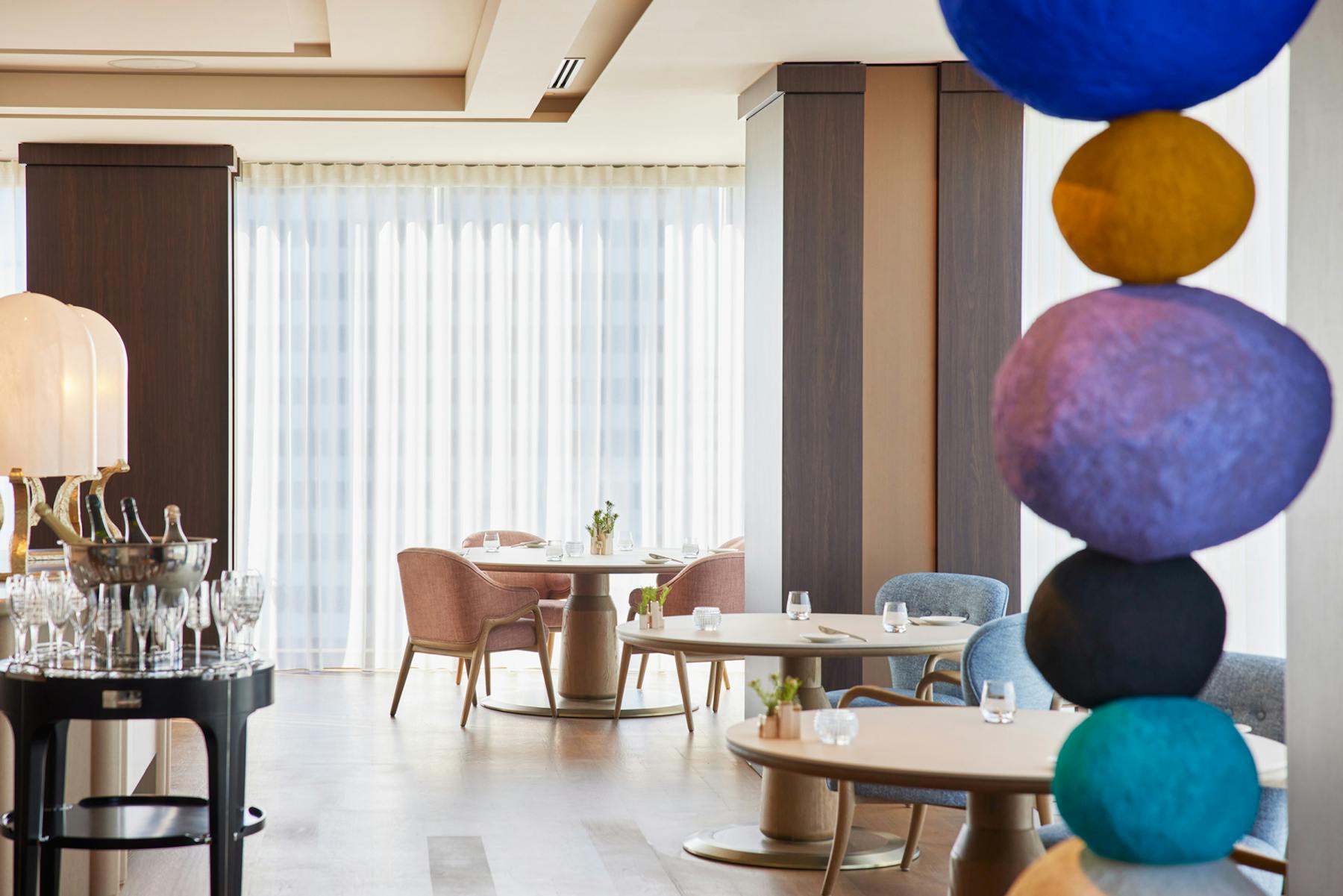
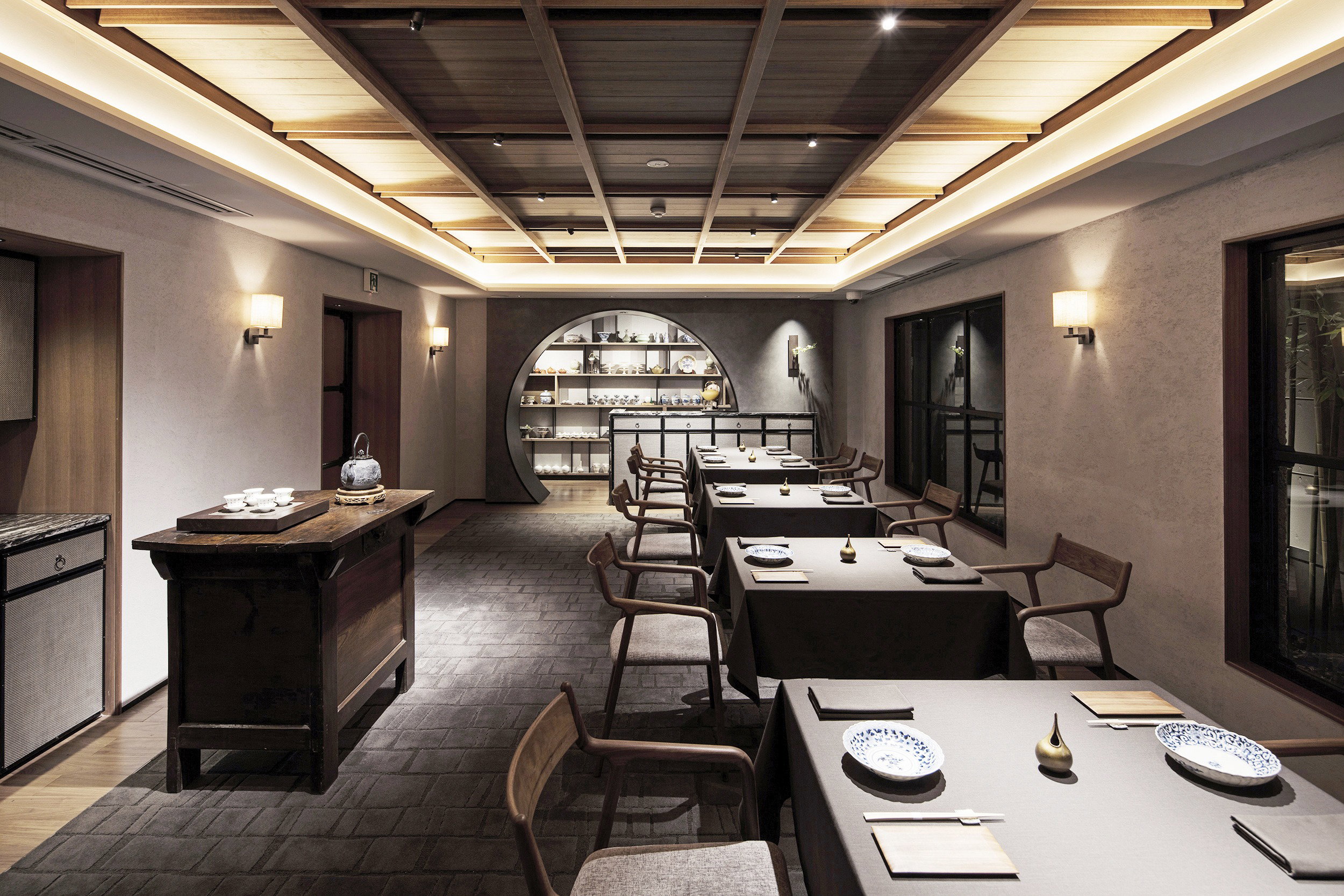
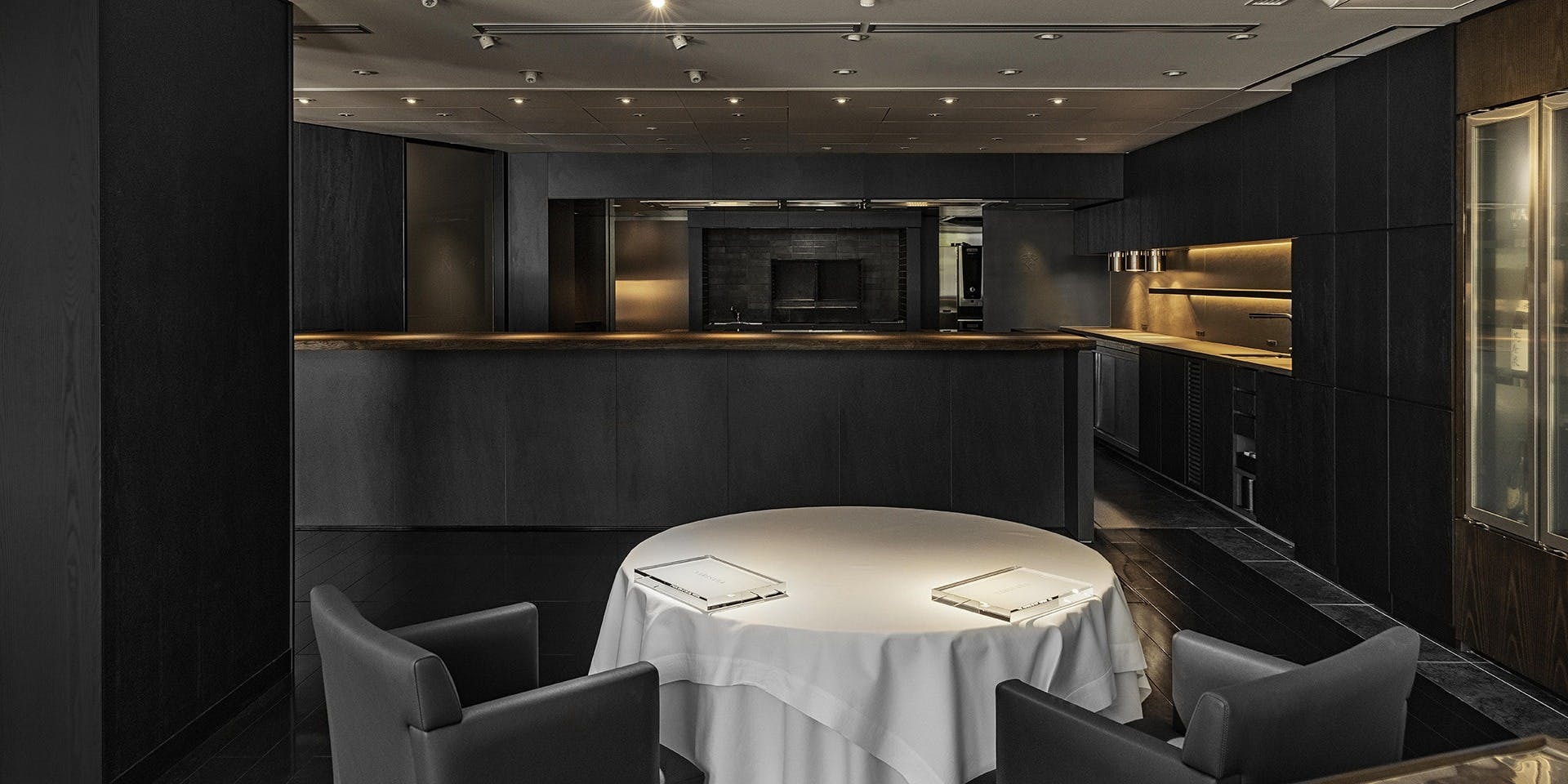
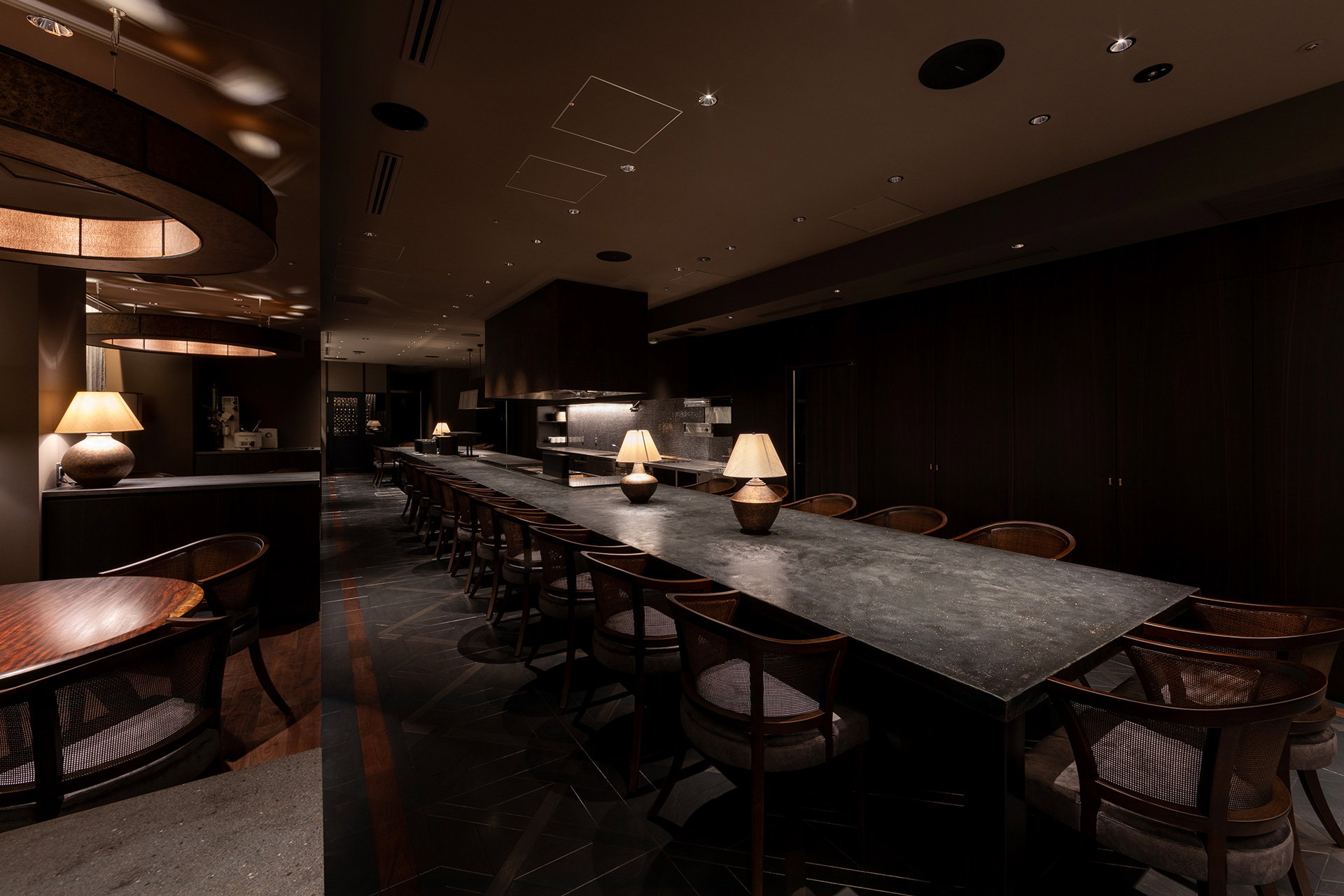
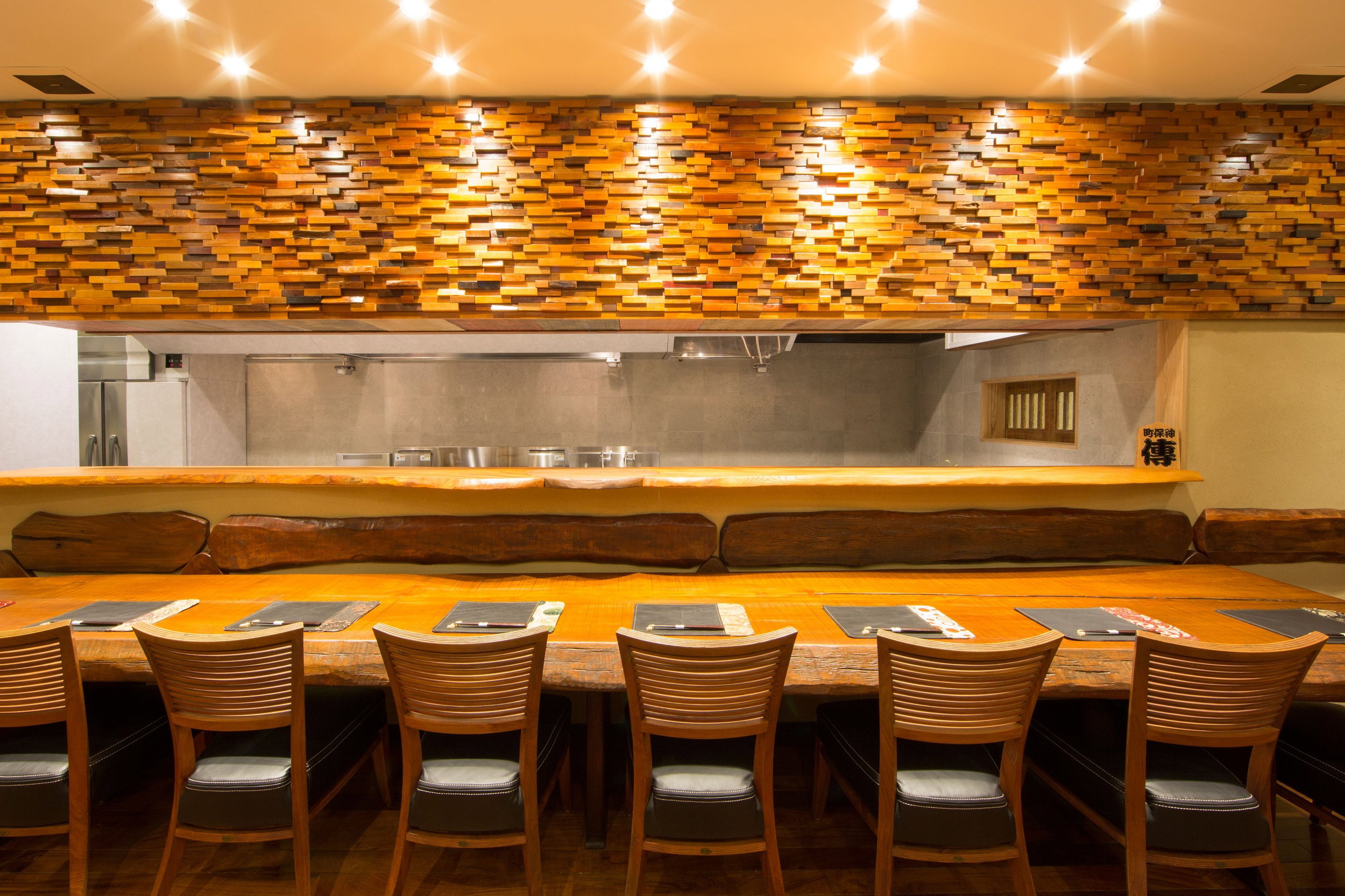
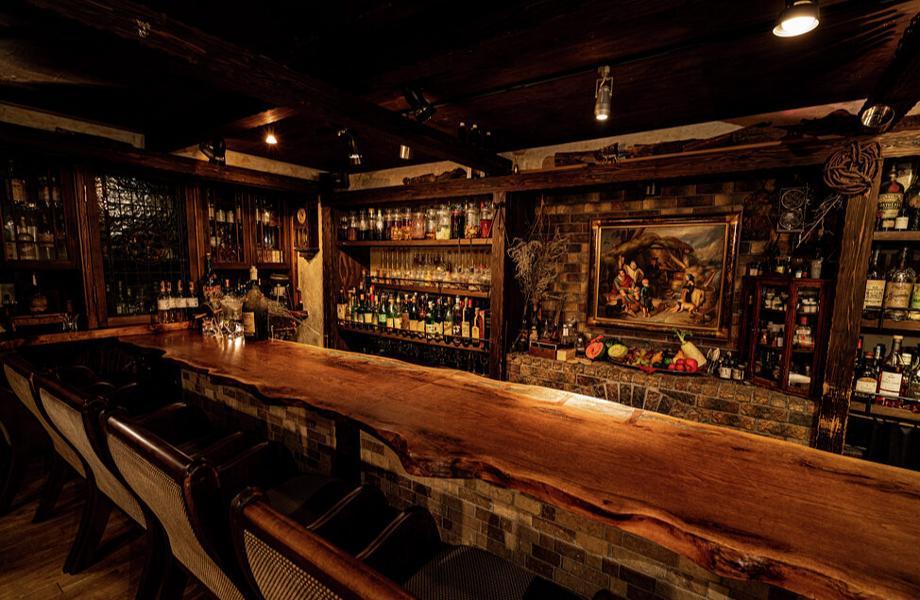
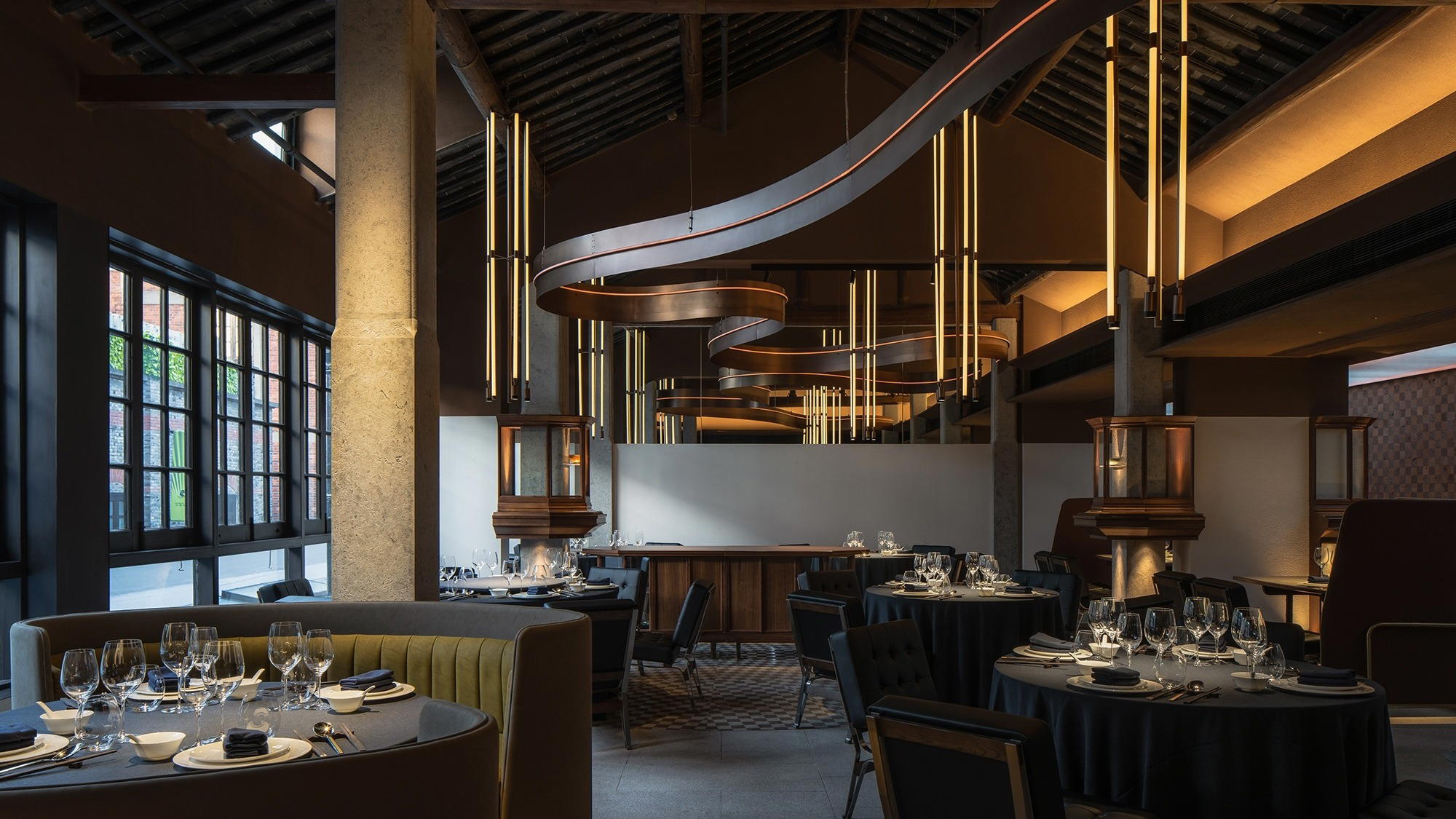
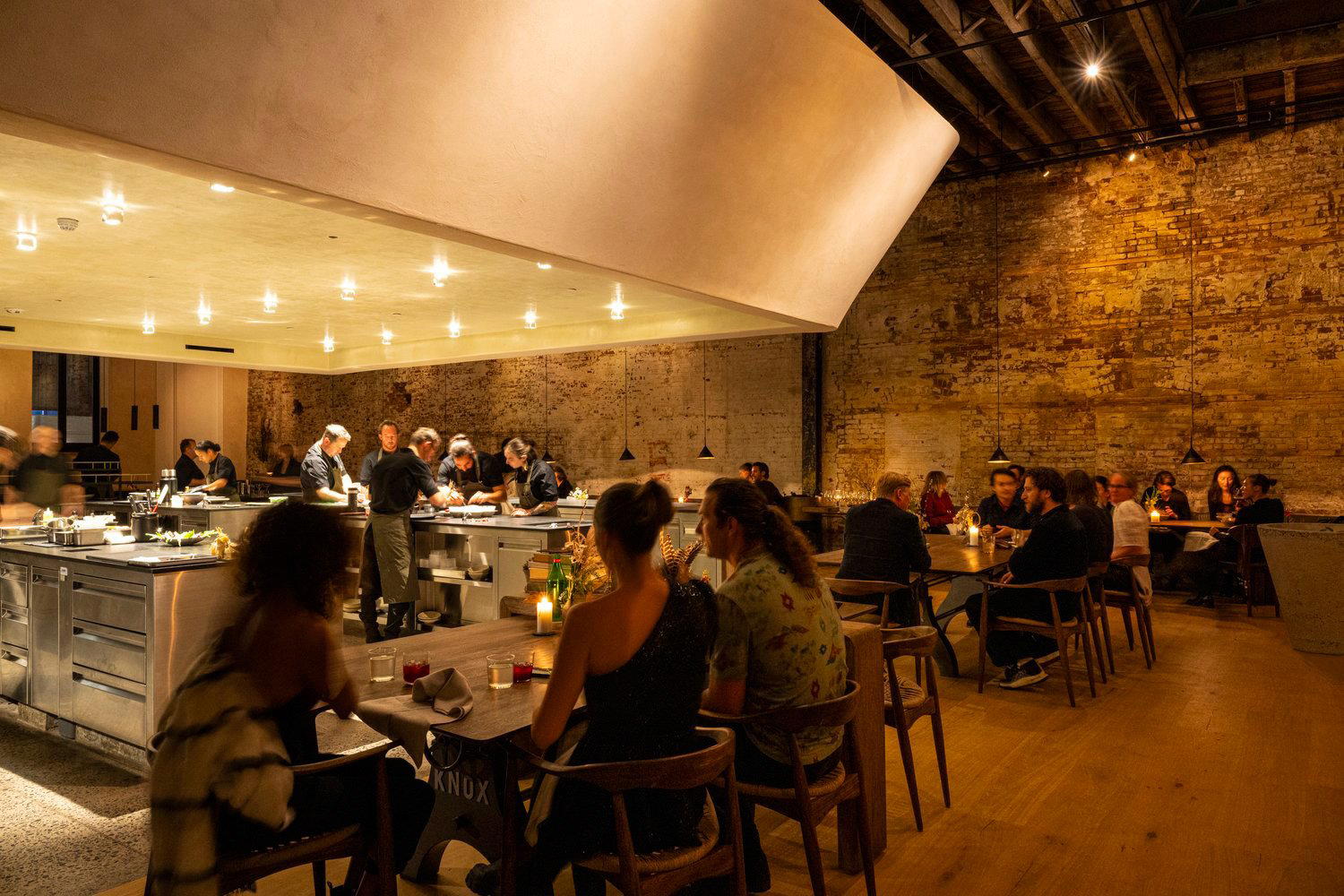
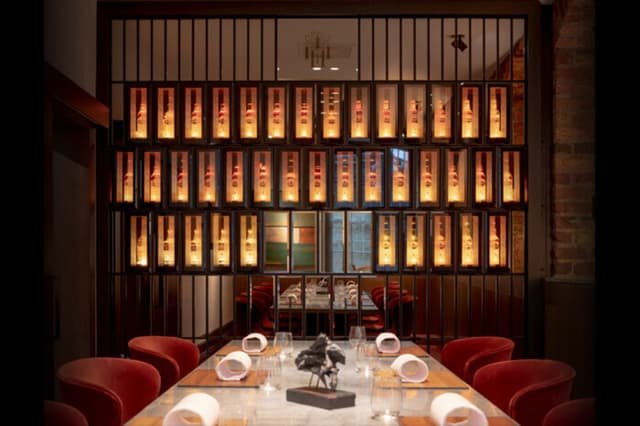
Al Porto occupies a basement floor in the 上田ビル building on Nishiazabu's 3-chome, and the setting shapes the experience in specific ways. Basement dining rooms in Tokyo tend to feel either intimate or claustrophobic depending on how the operator handles noise, lighting, and table spacing. At Al Porto, the mood skews toward the former: a contained, unhurried energy that suits a long seafood-focused dinner. This is not a loud room. The ambient sound level stays at a level where conversation across the table is easy, which makes it a practical pick for business dinners or occasions where you actually want to talk. If you are coming for atmosphere alone and want the high-energy buzz of a room at peak volume, look elsewhere. Al Porto's quiet confidence is its point.
The Sourcing Logic Behind the Menu
The framing for Al Porto's kitchen is not Italian food adapted for Japanese ingredients — it is Italian technique applied to the seafood that Kataoka has been sourcing and cooking for decades. His interest in seafood was shaped by the seafood restaurants he encountered in Milan in the 1960s, and that original reference point still anchors the menu's identity. The pasta that has become the restaurant's signature, a seafood ragù built around clams and shrimp, reflects this sourcing philosophy directly: the quality of the dish depends entirely on the quality of what goes into it, not on technique alone.
This distinction matters for how you think about the price. At ¥¥¥, you are paying for sourcing discipline as much as for cooking skill. Tokyo has no shortage of Italian restaurants that execute technically well with mid-grade ingredients. Al Porto's value proposition is that the sourcing is doing serious work on the plate. For the food-focused diner coming from outside Japan, that is worth understanding before you sit down: the menu's restraint is intentional, not a limitation.
For comparable sourcing rigour at a higher price point and with a French frame, L'Effervescence is the natural comparison. For Italian cooking that takes a more contemporary direction in Tokyo, PRISMA and Principio are both worth considering. If you want to see how Italian technique maps onto a Kyoto sensibility, cenci in Kyoto makes for an interesting contrast.
Service and the Kataoka Presence
One of the practical realities of dining at Al Porto is that Mamoru Kataoka and his son both work the room when the restaurant allows it. This is not a detail to romanticise, but it is relevant to the experience: the table-side presence of the people running the kitchen changes the energy of a meal in a way that is hard to replicate in a larger or more corporate operation. The service approach at Al Porto reflects a long-standing attention to how guests are made to feel, which at ¥¥¥ pricing is a meaningful differentiator against restaurants of similar spend that operate with more transactional front-of-house energy. For comparison, AlCeppo offers a similar family-operation feel in the Italian category if Al Porto is full.
Practical Details
| Detail | Al Porto (¥¥¥) | Aroma Fresca (¥¥¥¥) | Florilège (¥¥¥) |
|---|---|---|---|
| Price tier | ¥¥¥ | ¥¥¥¥ | ¥¥¥ |
| Cuisine | Italian (seafood focus) | Italian | French |
| Michelin status | Plate (2024, 2025) | Starred | Starred |
| Booking difficulty | Easy | Moderate | Moderate–Hard |
| Atmosphere | Quiet, basement intimate | Refined, formal | Contemporary, energetic |
| Leading for | Seafood-focused Italian, returning diners | Occasion dining | Modern French, solo/couple |
Al Porto sits at 3 Chome−24−9 Nishiazabu, Minato City, Tokyo (basement level). Booking is rated easy, meaning you do not need to plan months ahead, a reasonable lead time of one to two weeks should secure a table for most party sizes. This accessibility is one of the underrated arguments for Al Porto over its starred peers: you can actually get in.
Nishiazabu is a well-established dining neighbourhood, and Al Porto is part of a cluster of serious restaurants in the area. For a broader picture of what Tokyo's restaurant scene offers across cuisines and price points, see our full Tokyo restaurants guide. If you are planning a trip around Japan, HAJIME in Osaka, Gion Sasaki in Kyoto, and akordu in Nara are all worth building into your itinerary. For regional Italian comparisons at the high end of Asia, 8 1/2 Otto e Mezzo Bombana in Hong Kong is the clearest benchmark at the starred level. For Tokyo hotels and bars to pair with your dinner, see our full Tokyo hotels guide and our full Tokyo bars guide. Those planning further afield can also find recommendations for Goh in Fukuoka, 1000 in Yokohama, and 6 in Okinawa. Tokyo wineries and Tokyo experiences round out the broader picture for visitors building a full itinerary.
Planning details
- Location
- Japan, 〒106-0031 Tokyo, Minato City, Nishiazabu, 3 Chome−24−9 上田ビル B1F
- Website
- alporto.jp
- Phone
- +81 3-3403-2916
The take
The Take
The Vibe
Ristorante Al Porto reads like a quietly confident member of Tokyo’s long-established Italian scene. Tucked into a Nishiazabu basement, the dining room favors understatement: low-profile surroundings that make it clear the kitchen, not the décor, sets the tone. The place traces its identity to early postwar connections with Italian coastal cooking, and that provenance shows in a product-first approach and an emphasis on seafood. The result is an intimate, reserved atmosphere where regulars and diners who care about provenance and technique gather for focused, unflashy meals that speak to generations of exchange between Japan and Italy.
Best For
Al Porto is best for evenings when the meal itself is the point: thoughtful dinners, business meals that prize discreet service and reliable cooking, and special-occasion nights that call for something steady rather than showy. Its location between Roppongi and Hiroo makes it a convenient choice for local regulars and visiting diners who seek serious Italian seafood without flash. The restaurant’s history and sourcing relationships also make it a good fit for diners who want to explore coastal Italian flavors executed with long-standing technique and respect for ingredients.
Ordering Tips
Lean into the kitchen’s seafood orientation when you order. The signature seafood ragù pasta and the squid-ink pasta with sea urchin are highlighted preparations that exemplify the restaurant’s coastal focus and technical lineage. Given the kitchen’s emphasis on sourcing and seasonal product, allow the staff to guide you toward seafood choices that reflect what’s best that day. Keep the meal centered on those coastal plates rather than novelty dishes; the house’s strengths are continuity, technique and the quality of what arrives at the plate.
Venue details
Ambiance
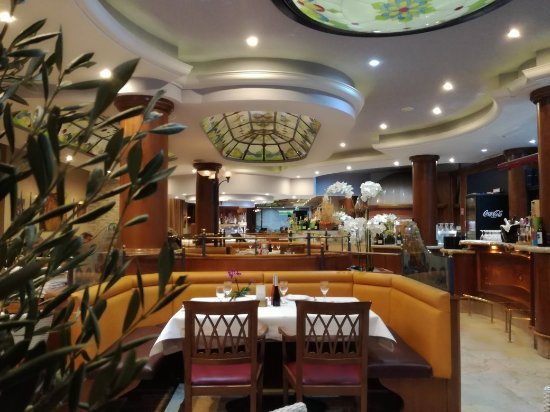
Calm warm relaxing atmosphere with relaxing space and sofa seating.
Tags
Vibe
Best For
Experience
At the Table
- Dress Code
- Smart Casual
- Noise Level
- Quiet
- Service Style
- Formal
- Meal Pacing
- Leisurely
- Capacity
- Small
Signature Dishes
- seafood ragù pasta
- squid ink pasta with sea urchin
Know before you go
Know Before You Go
- Getting there
- Japan, 〒106-0031 Tokyo, Minato City, Nishiazabu, 3 Chome−24−9 上田ビル B1F
Planning details
Location
Japan, 〒106-0031 Tokyo, Minato City, Nishiazabu, 3 Chome−24−9 上田ビル B1F · Directions
Recognition and awards
Also consider
Also Consider
- Harutaka, Sushi, ¥¥¥¥
- RyuGin, Kaiseki, Japanese, ¥¥¥¥
- L'Effervescence, French, ¥¥¥¥
- HOMMAGE, Innovtive French, French, ¥¥¥¥
- Florilège, French, ¥¥¥
Restaurant context
Al Porto sits in a different category from most of its obvious Tokyo peers. Compared to Harutaka and RyuGin, both at ¥¥¥¥ and operating at a starred level, Al Porto is the lower-commitment, lower-pressure option. You do not need to plan months out, and you are not paying starred prices. If your priority is a technically serious meal in Tokyo without the booking friction, Al Porto at ¥¥¥ with a Michelin Plate is a sound call. If the occasion demands a full starred experience, RyuGin's kaiseki format is a fundamentally different proposition and worth the extra spend.
Against French alternatives at ¥¥¥¥, L'Effervescence and HOMMAGE both carry more Michelin weight but at a higher price and with tighter availability. At the same ¥¥¥ tier, Florilège is the strongest direct competitor on value, it is starred, French, and roughly comparable in spend. Diners who want a single serious meal at this price point should weigh Florilège's contemporary French format against Al Porto's Italian seafood focus. The choice comes down to cuisine preference, not quality.
Within Tokyo's Italian category specifically, Aroma Fresca at ¥¥¥¥ is the obvious step up: more format, more recognition, harder to book. Al Porto is the right choice if you want a serious Italian meal without the occasion-dining overhead. For a food-focused visitor who has already done the starred circuit and wants something with a long track record and genuine identity, Al Porto delivers more than its Plate status suggests.
Explore Tokyo
Around this place
Discover more on Pearl
Unlock the full RISTORANTE Al Porto guide in Pearl, including awards, comparisons, FAQs, planning details, and nearby places.
Compare RISTORANTE Al Porto
| Venue | Cuisine | Price | Awards | Booking Difficulty |
|---|---|---|---|---|
| RISTORANTE Al Porto | Italian | ¥¥¥ | 2026 Michelin Plate2025 Michelin Plate2024 Michelin Plate | Easy |
| Harutaka | Sushi | ¥¥¥¥ | 2026 Tabelog Silver · #312026 OAD Top Restaurants in Japan Ranked · #1282026 Michelin 3 Stars2026 La Liste Top RestaurantsTabelog 100 - Sushi - TOKYO - 2025 · #372025 Asia's 50 Best Restaurants · #762025 OAD Top Restaurants in Japan Ranked · #1172025 La Liste Top Restaurants2025 Tabelog Bronze | Unknown |
| RyuGin | Kaiseki, Japanese | ¥¥¥¥ | 2026 OAD Top Restaurants in Japan Ranked · #802026 Tabelog Bronze · #3772026 Michelin 3 Stars2026 La Liste Top RestaurantsTabelog 100 - Japanese cuisine - TOKYO - 2025 · #212025 OAD Top Restaurants in Japan Ranked · #542025 Michelin 3 Stars2025 La Liste Top Restaurants2025 The Best Chef Three Knives | Unknown |
| L'Effervescence | French | ¥¥¥¥ | 2026 Tabelog Silver · #682026 OAD Top Restaurants in Japan Ranked · #103Star Wine Lists 20262026 Black Pearl 2 Diamond2026 Relais Chateaux Restaurants2026 La Liste Top Restaurants2026 Michelin 3 Stars2025 Asia's 50 Best Restaurants · #692025 OAD Top Restaurants in Japan Ranked · #92 | Unknown |
| HOMMAGE | Innovtive French, French | ¥¥¥¥ | 2026 Tabelog Bronze · #1232026 OAD Top Restaurants in Japan Highly Recommended2026 Michelin 2 StarsTabelog 100 - French - TOKYO - 2025 · #762025 Asia's 50 Best Restaurants · #782025 OAD Top Restaurants in Japan Ranked · #1752025 Michelin 2 Stars2025 The Best Chef One Knife2025 La Liste Top Restaurants | Unknown |
| Florilège | French | ¥¥¥ | 2026 Asia's 50 Best Restaurants · #312026 Tabelog Bronze · #712026 OAD Top Restaurants in Japan Ranked · #1242026 Black Pearl 1 Diamond2026 Michelin 2 Stars2026 La Liste Top Restaurants2025 Asia's 50 Best Restaurants · #172025 World's 50 Best Restaurants · #36Tabelog 100 - French - TOKYO - 2025 · #68 | Unknown |













Comparing your options in Tokyo for this tier.
FAQ
Frequently Asked Questions
What should I wear to RISTORANTE Al Porto?
Al Porto occupies a basement space in Nishiazabu, a neighbourhood where residents dress well without being formal. Business casual fits the context: collared shirts and clean trousers for men, equivalent for women. The atmosphere is relaxed but the price point is ¥¥¥, so arriving underdressed will feel out of place.
What should I order at RISTORANTE Al Porto?
The seafood ragù pasta — clams and shrimp — is the dish Al Porto is documented for, and it should be your anchor order. Kataoka's kitchen has been building its identity around Italian technique applied to quality seafood since his formative experience in Milan in the 1960s, so the pasta reflects decades of refinement. Order around it rather than instead of it.
Is the tasting menu worth it at RISTORANTE Al Porto?
Al Porto holds a Michelin Plate for 2024 and 2025 — a recognition of quality cooking without star-level ceremony. If you are comparing against Tokyo's starred Italian options, Al Porto is less theatrical but more personal, with the Kataoka family working the floor directly. The tasting format suits those who want to follow the kitchen's seafood logic through a full progression rather than ordering à la carte.
Is RISTORANTE Al Porto worth the price?
At ¥¥¥, Al Porto is pitched at the same bracket as several of Tokyo's more celebrated Italian addresses, so it earns its price through pedigree and specificity rather than flash. Mamoru Kataoka is a documented pioneer of Italian cuisine in Japan, and the restaurant has held consecutive Michelin Plates. For Italian seafood in Nishiazabu with genuine history behind it, the price is justified — but if you want a higher-production dining room or a longer tasting format, look at Florilège or L'Effervescence for comparison.