

Piao-Xiang
Chinese · Minato, Tokyo
Restaurant in Tokyo, Japan
 Book with Pearl
The Read
Historical Sichuan Reinterpretation
Price
$200–300per person
Dress
Smart Casual
Why go
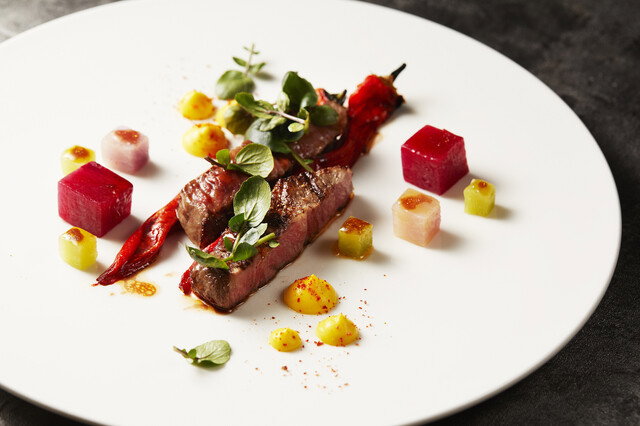
A 2024 Michelin one-star Chinese restaurant in Roppongi Hills, Piao-Xiang builds its tasting menu around historical Sichuan cuisine: dish names drawn from Tang-dynasty figures, explained tableside by the manager. At the ¥¥¥ price tier, it is one of the more accessible starred Chinese restaurants in Tokyo. Book four to six weeks out minimum; this is a hard reservation.
About Piao-Xiang
Verdict
If you have already eaten your way through Tokyo's French and kaiseki tasting menus and want to understand what a Michelin-starred Sichuan kitchen looks like when it takes Chinese culinary history as seriously as technique, Piao-Xiang is worth the difficulty of getting a table. A 2024 Michelin one-star at the ¥¥¥ price tier makes this one of the more accessible starred Chinese restaurants in the city. Book at least four to six weeks out: this is a hard reservation.
The Space
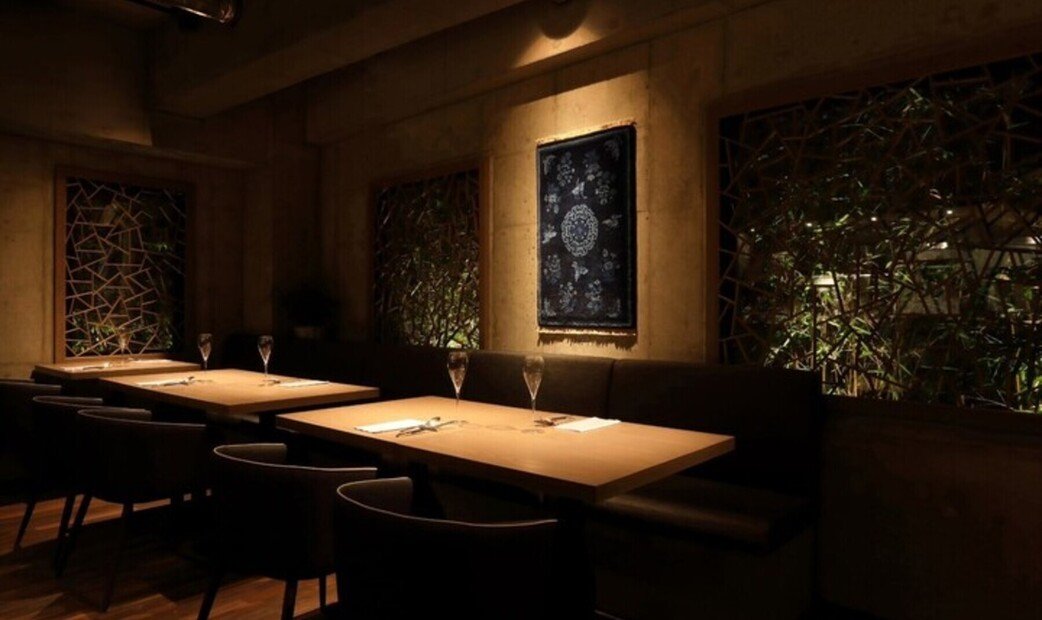
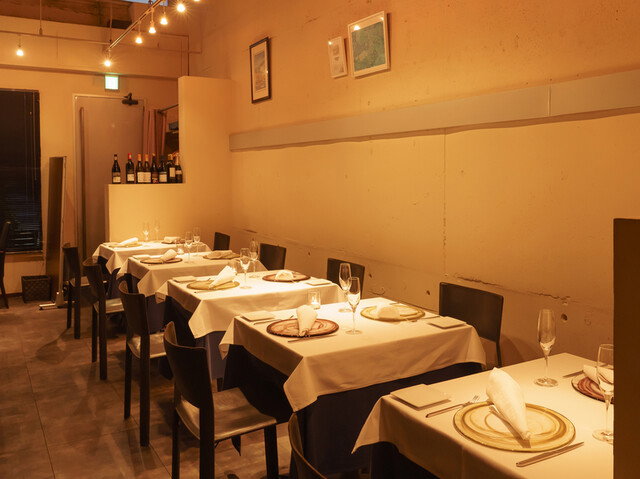
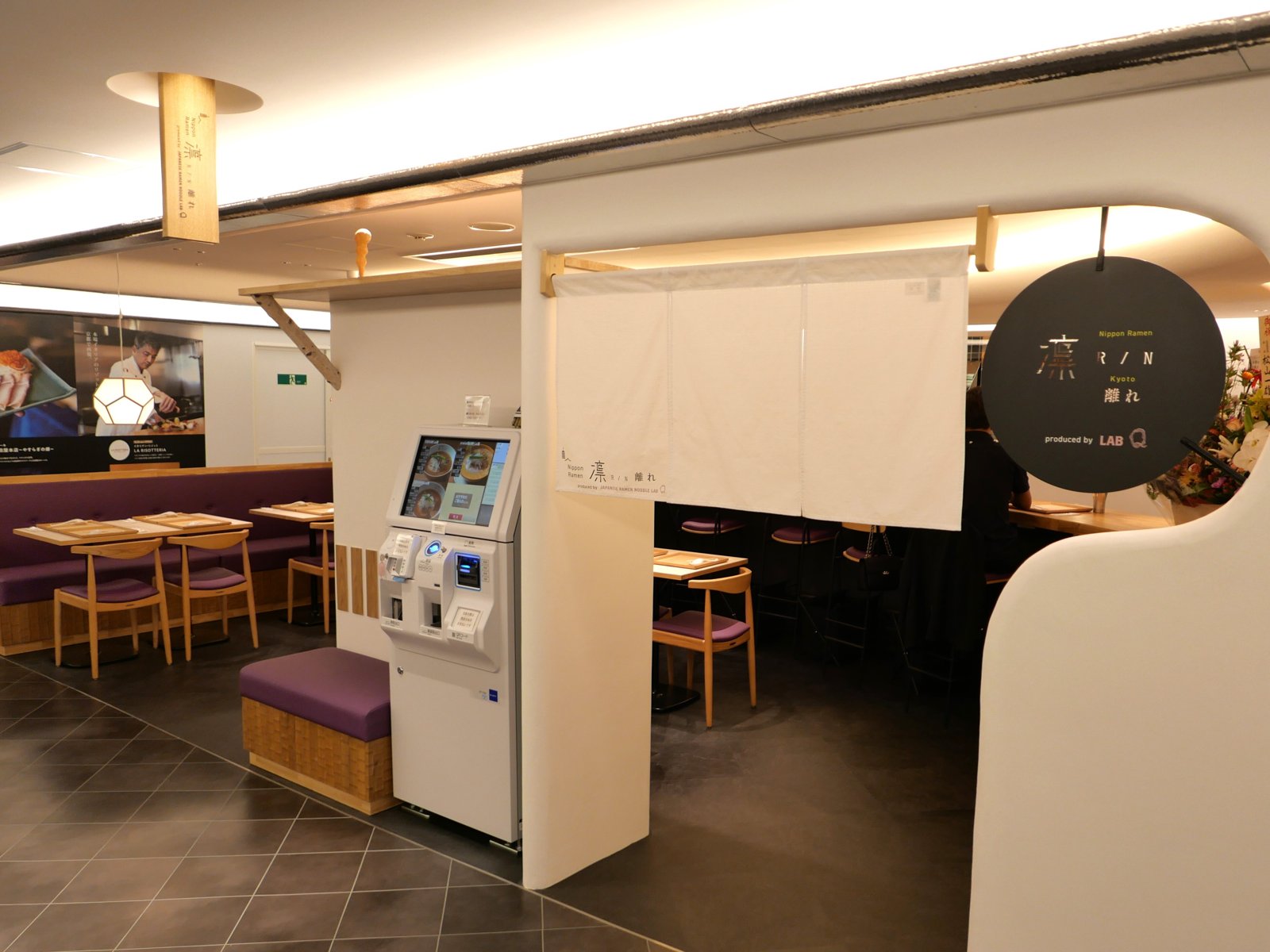
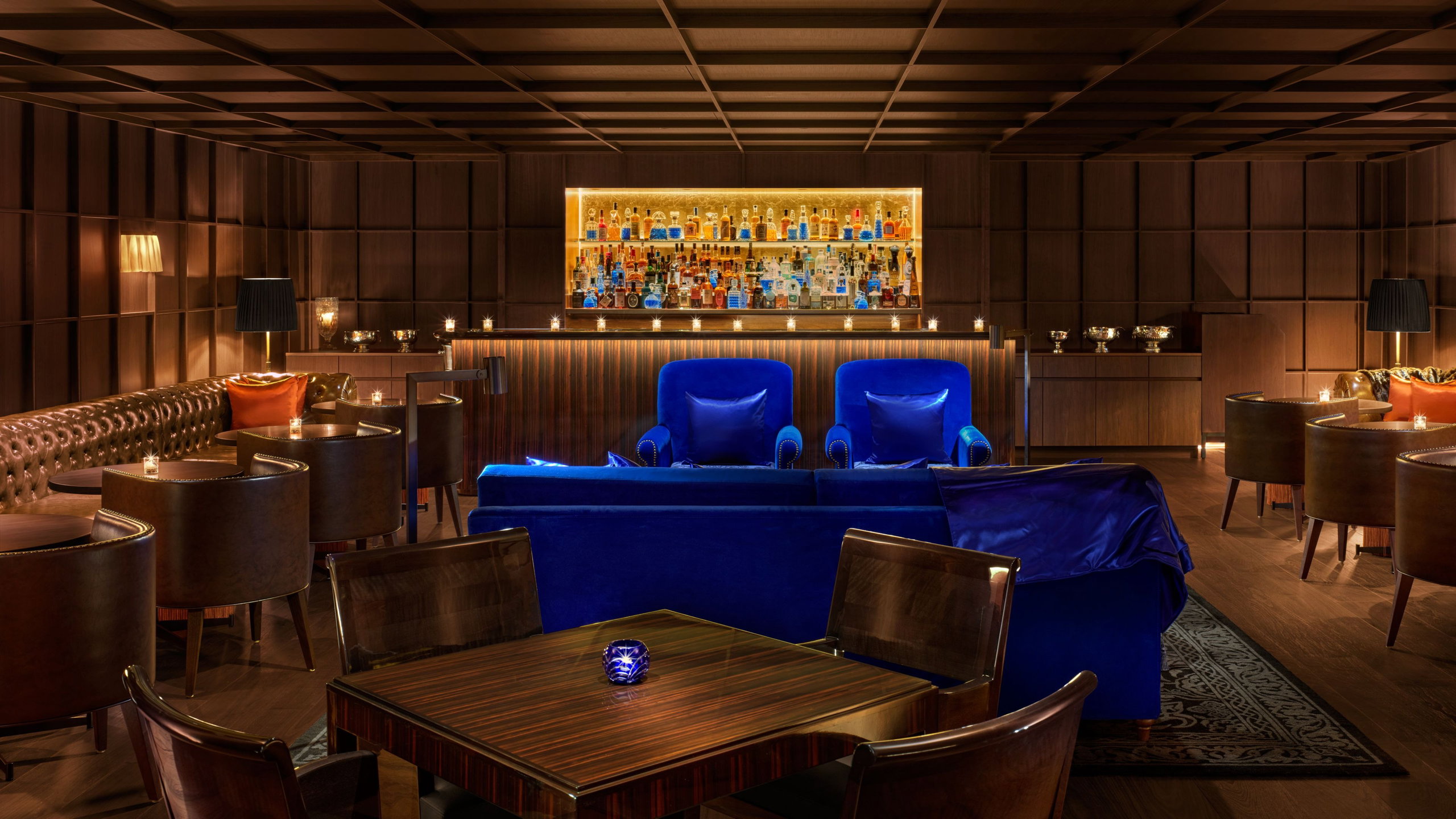
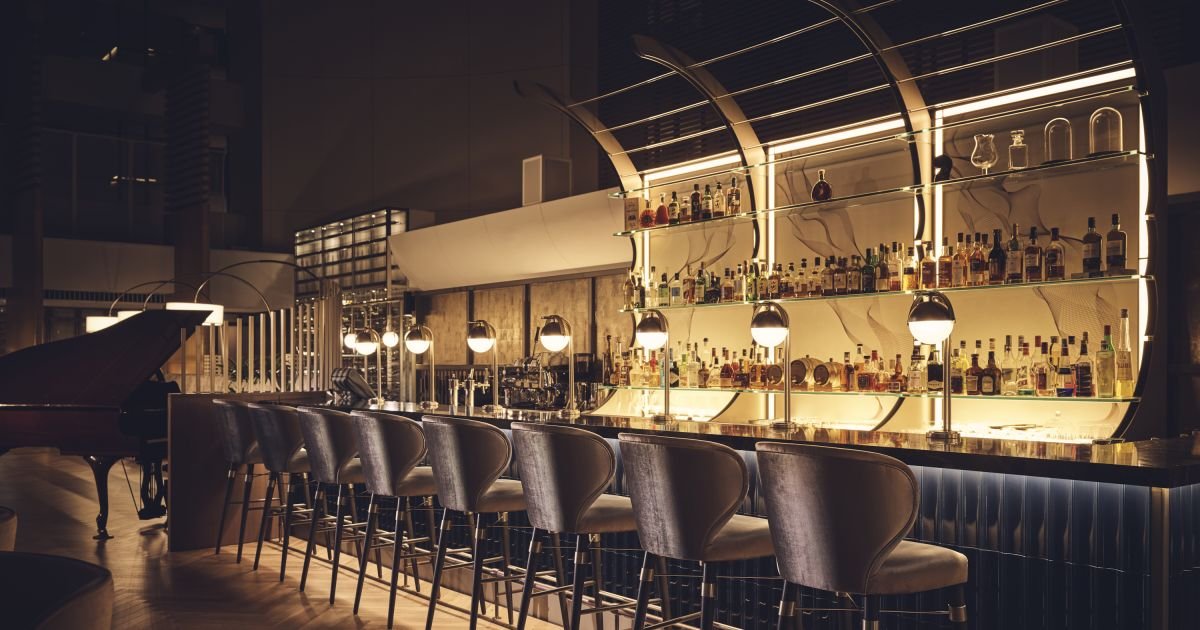
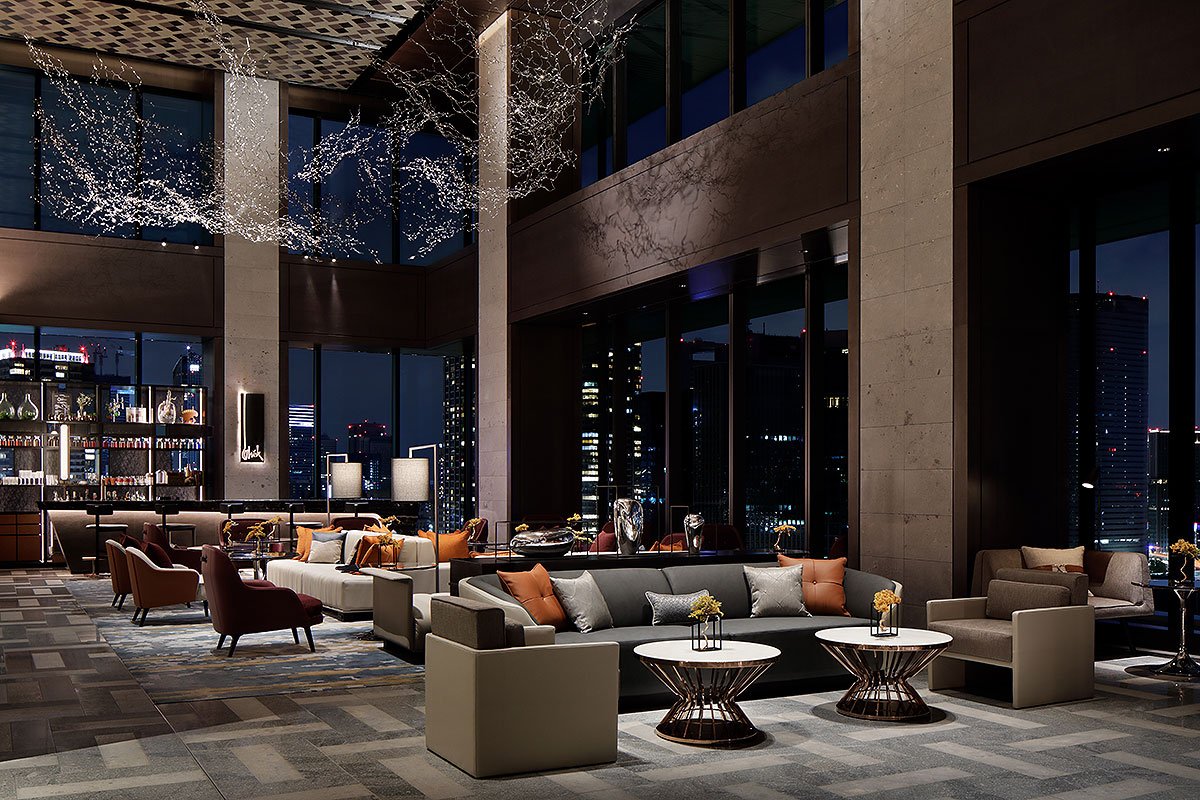
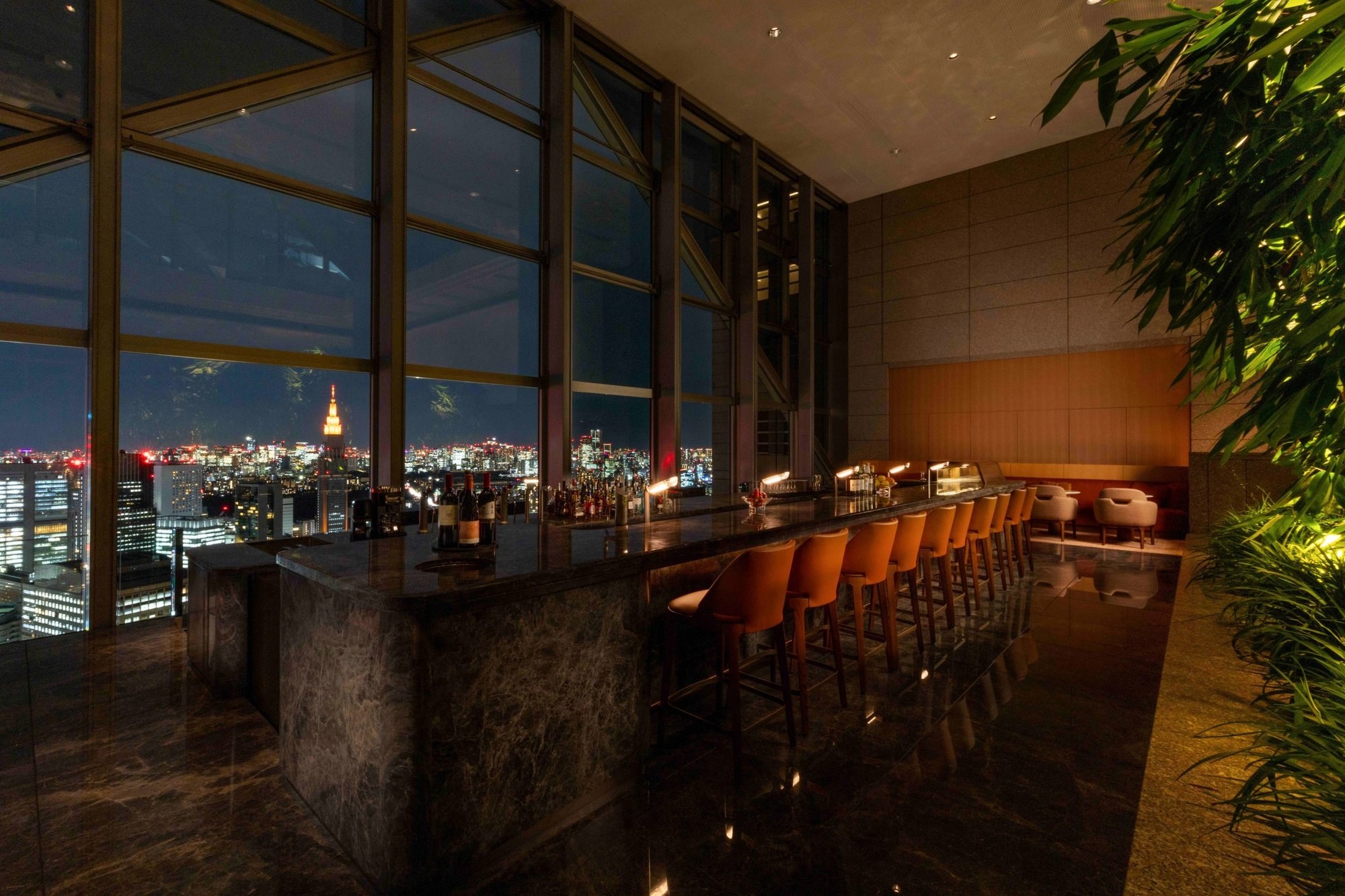
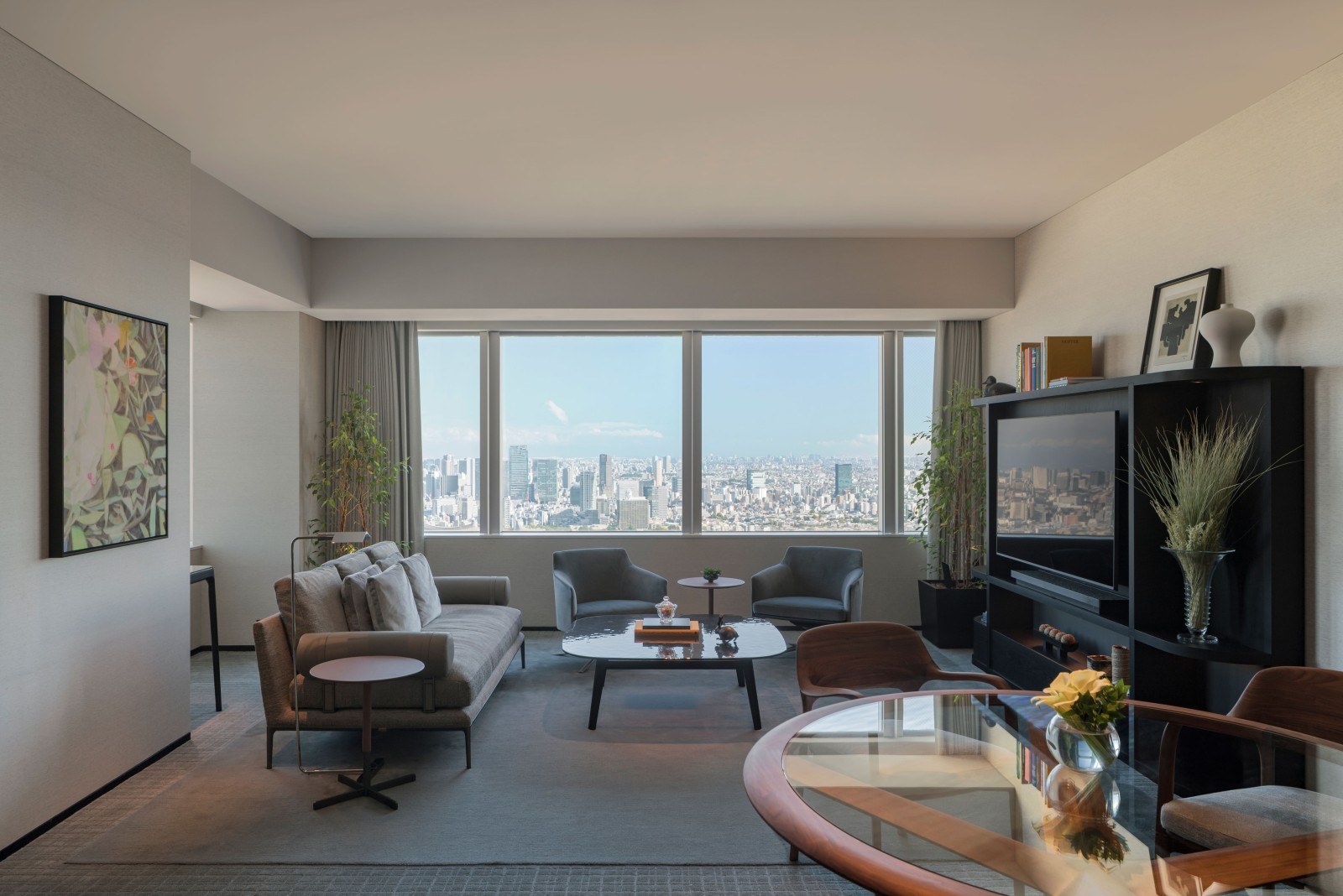
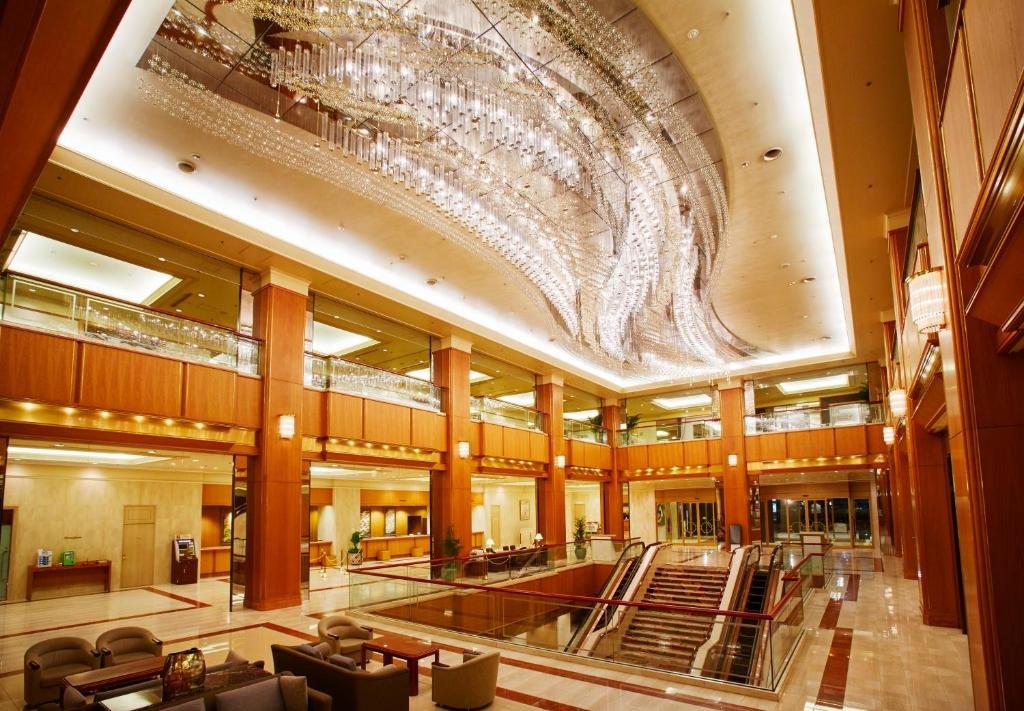
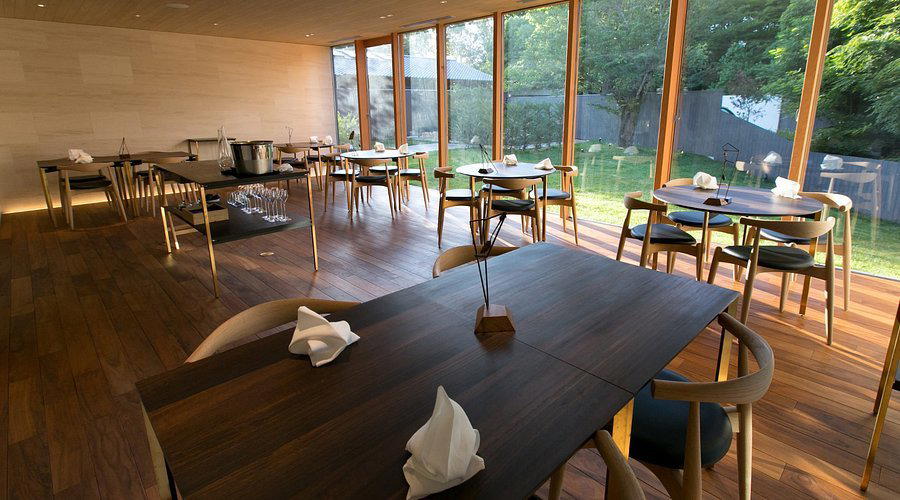
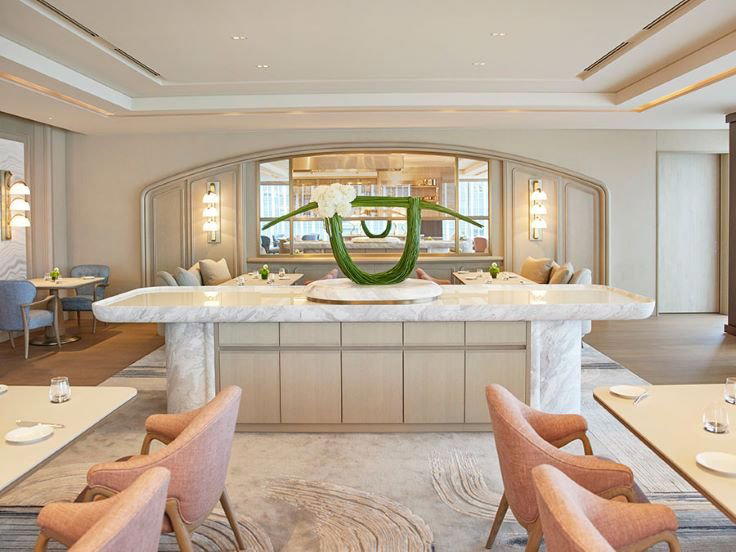
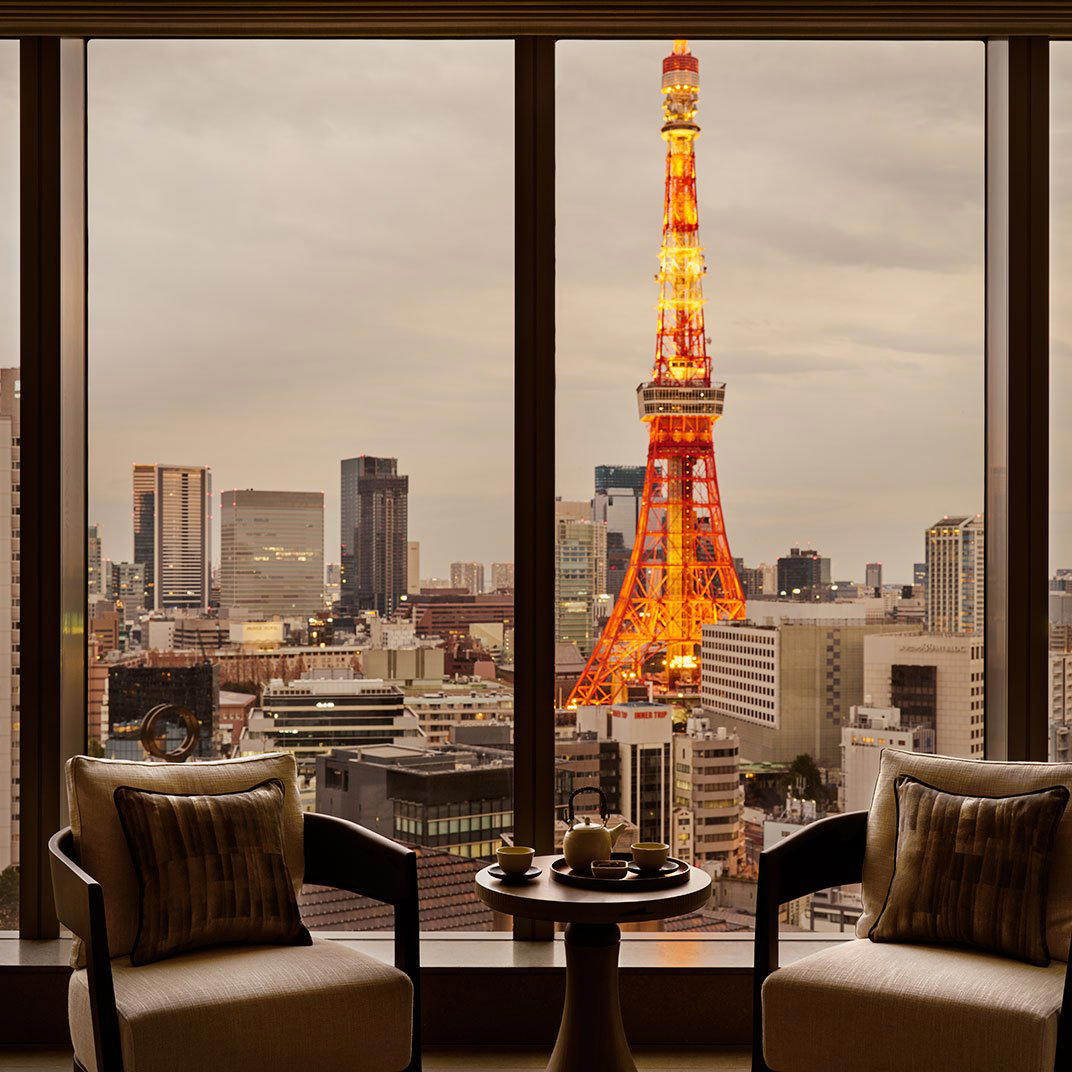
Piao-Xiang sits on the fifth floor of Roppongi Hills West Walk, which puts it inside one of Tokyo's most navigated luxury retail and dining complexes. The address is legible: 6-10-1 Roppongi, Minato City, and the building has direct connections to Roppongi Station, which removes any ambiguity about arrival. The setting is not a hidden neighbourhood room; it is a polished urban dining floor with the calm and contained feel that Tokyo's better Chinese restaurants tend to favour. For a special occasion or a business dinner, the environment signals intent without being theatrical. If you want the charged atmosphere of a big Roppongi basement bar, this is not that; the room is composed and deliberate, which works in its favour for conversation-heavy meals.
What the Kitchen Is Doing
The guiding concept is described in the venue's own framing as 'Old Sichuan', a reinterpretation of historical Sichuan flavours rather than a contemporary fusion exercise. Each course takes its name from Chinese history: 'Furong' references the hibiscus, the official flower of Chengdu; 'Guifei' is built around the wine associated with Yang Guifei, the Tang-dynasty figure. Dish names are presented in two kanji characters, inviting the diner to work through what the flavour might be before it arrives. That is a deliberate structural choice, and it shapes the pace of the meal. The chef's thinking is communicated through the manager's tableside explanations, which means the narrative of the menu is a spoken one. If that kind of contextual service adds value for you, and for a special occasion or a first visit to serious Sichuan, it does, Piao-Xiang delivers it well.
Drinks
Restaurants at this level in Tokyo's Chinese dining tier typically work with Chinese baijiu, sake, and a focused wine list. If a specific pairing matters to your occasion, baijiu with Sichuan spice, for instance, which is historically grounded and genuinely effective, contact the restaurant directly to confirm what is available before you book.
Booking
This is a hard reservation. The 2024 Michelin star will have compressed availability significantly. Four to six weeks minimum is a realistic planning window; closer to eight weeks for weekend tables or larger groups. Walk-ins are not a realistic option at this level.
Is It Right for Your Occasion?
For a date or a celebratory dinner where you want something genuinely different from Tokyo's French or Japanese tasting menu circuit, Piao-Xiang makes a strong case. The historical framing gives the meal a structure that generates conversation, and the ¥¥¥ pricing means you are not paying ¥¥¥¥ rates for the privilege. For a business dinner where the other party may not know Sichuan cuisine, the tableside explanation format actually works in your favour, it gives the meal a natural narrative without requiring the host to carry it. For groups with dietary restrictions, contact ahead: Sichuan cooking at this level of precision tends to have limited substitution flexibility, and confirming this before arrival avoids problems on the night.
How It Compares
See the comparison section below for how Piao-Xiang sits against Tokyo's broader starred dining field.
For other serious Chinese restaurants in Tokyo, Chugoku Hanten Fureika and Chugoku Hanten Kohakukyu (Amber Palace) are the direct peer comparisons. Ippei Hanten, itsuka, and Koshikiryori Koki round out the broader Tokyo special-occasion tier worth considering alongside this booking.
If you are planning a wider Japan trip, the starred dining tier extends well beyond Tokyo. HAJIME in Osaka, Gion Sasaki in Kyoto, akordu in Nara, Goh in Fukuoka, 1000 in Yokohama, and 6 in Okinawa are all worth building into a broader itinerary. For context on how serious Chinese cooking is being done in other cities, Restaurant Tim Raue in Berlin and Mister Jiu's in San Francisco are the clearest international reference points.
For full Tokyo planning: Tokyo restaurants guide, Tokyo hotels guide, Tokyo bars guide, Tokyo wineries guide, Tokyo experiences guide.
Planning details
- Hours
- Monday: 11 AM–3 PM, 5–10 PM · Tuesday: 11 AM–3 PM, 5–10 PM
- Location
- Japan, 〒106-6105 Tokyo, Minato City, Roppongi, 6 Chome−10−1 ヒルズ ウェストウォーク 5F
- Reservations
- Book on TableCheck
- Website
- piao-xiang.com/roppongi
- Phone
- +81 3-6804-2848
The take
The Take
The Vibe
Piao-Xiang presents a scholarly, historically minded approach to Sichuan cooking that reads as refined rather than rustic. The kitchen foregrounds 'Old Sichuan' techniques, pre-modern flavour grammars built on Sichuan peppercorn, ginger and fermented pastes, and treats archival research as an active part of menu-making. Located on the fifth floor of Roppongi Hills West Walk and awarded a Michelin star in 2024, the restaurant feels like a considered study of regional tradition elevated to fine dining. The overall mood is contemplative and exacting: a space where technique and history quietly steer each dish.
Best For
This is a destination for evening dining and special plans: think date nights, business dinners and milestone meals. The Michelin recognition and the kitchen’s kaiseki-adjacent, research-driven practice position the restaurant for occasions that reward deliberation and tasting, where guests expect carefully composed plates and an intellectual framing of regional Chinese cuisine. Parties seeking a polished, intimate setting and a menu framed around historical flavours will find Piao-Xiang well suited to formal evenings rather than casual drop-ins.
Ordering Tips
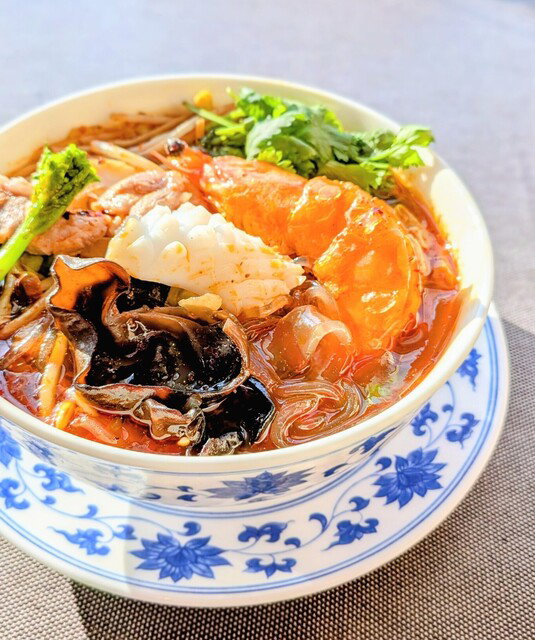
Lean into the restaurant’s stated focus on 'Old Sichuan' and order dishes that showcase its pre-modern flavour grammar: expect prominence of Sichuan peppercorn, ginger and fermented pastes rather than modern chilli heat. The signature Ma Po Tofu is an obvious starting point; beyond that, ask servers which preparations emphasize the archival techniques and fermented elements the kitchen is reviving. Because the menu is research-led, allow the staff to guide selections that highlight seasonal and historical expressions of Sichuan tradition.
Venue details
Ambiance
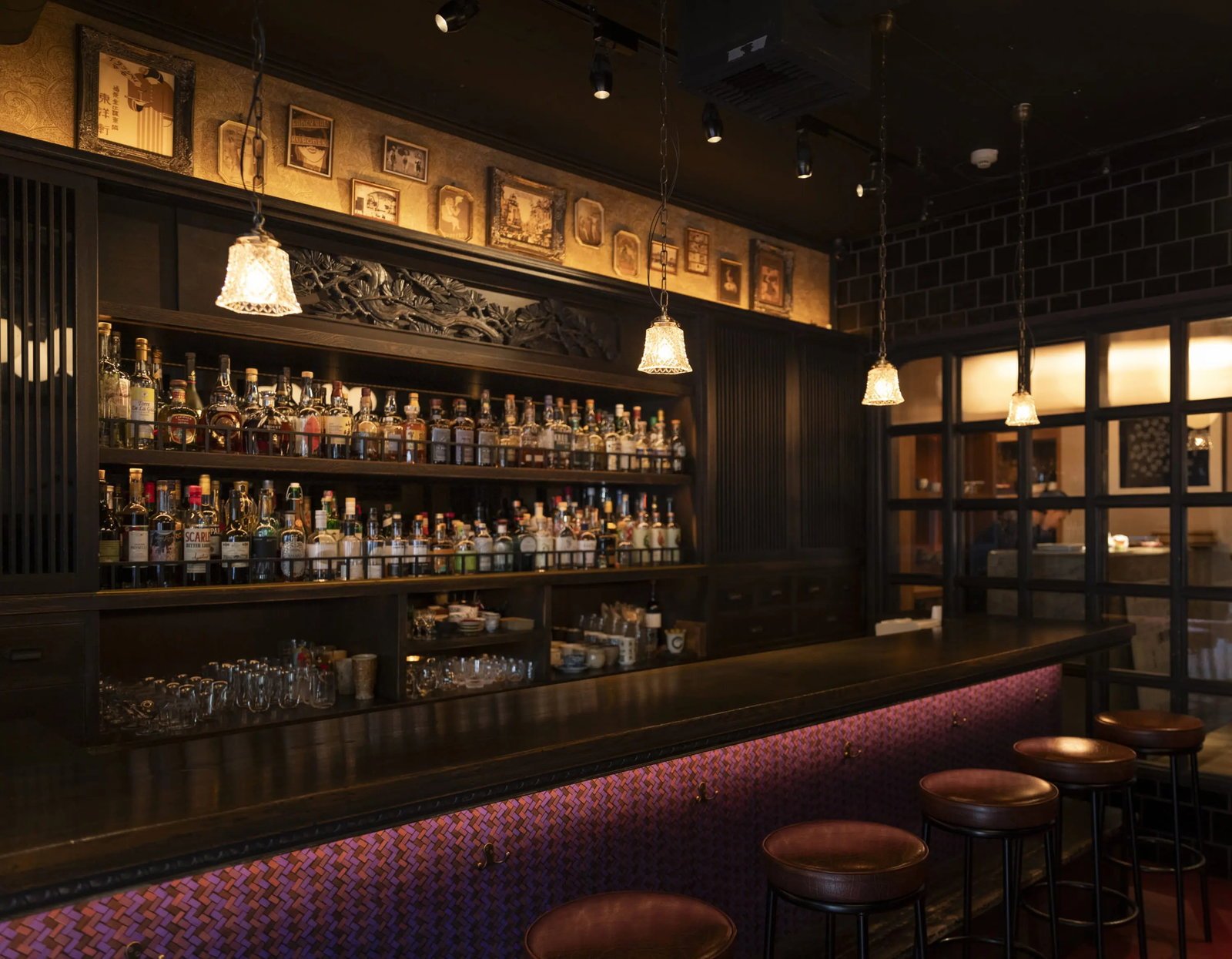
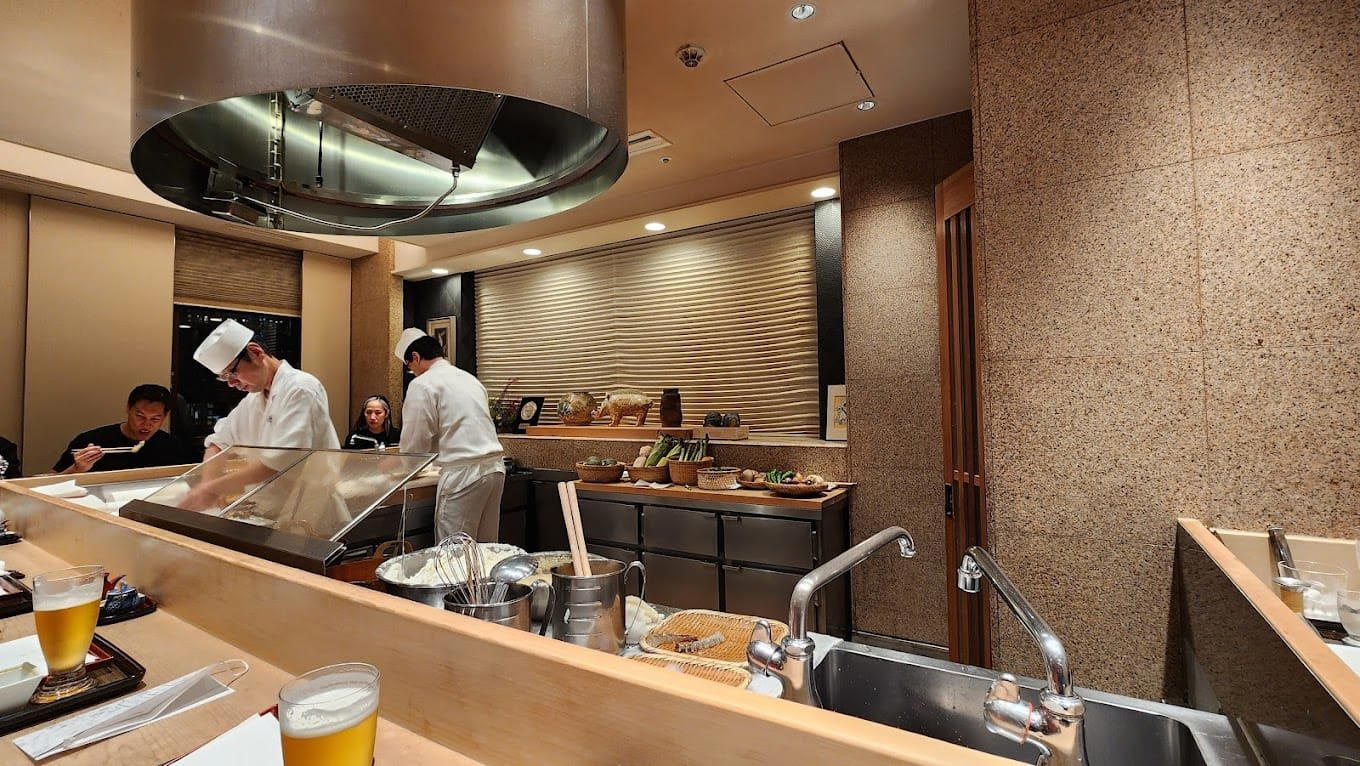
Elegant and refined with open kitchen views, polished Tokyo ambiance, and sophisticated lighting fostering an intimate dining experience.
Tags
Vibe
Best For
Experience
Sourcing
View
At the Table
- Dress Code
- Smart Casual
- Noise Level
- Quiet
- Service Style
- Formal
- Meal Pacing
- Leisurely
- Capacity
- Small
- Kitchen
- Modern
- Menu Format
- Prix fixe, Tasting menu
- Dietary
- Vegetarian friendly
Signature Dishes
Ma Po Tofu
Know before you go
Know Before You Go
- Getting there
- Japan, 〒106-6105 Tokyo, Minato City, Roppongi, 6 Chome−10−1 ヒルズ ウェストウォーク 5F
Planning details
Hours
- Monday
- 11 AM–3 PM, 5–10 PM
- Tuesday
- 11 AM–3 PM, 5–10 PM
- Wednesday
- 11 AM–3 PM, 5–10 PM
- Thursday
- 11 AM–3 PM, 5–10 PM
- Friday
- 11 AM–3 PM, 5–10 PM
- Saturday
- 11 AM–3 PM, 5–10 PM
- Sunday
- 11 AM–3 PM, 5–10 PM
Location
Japan, 〒106-6105 Tokyo, Minato City, Roppongi, 6 Chome−10−1 ヒルズ ウェストウォーク 5F · Directions
Recognition and awards

Also consider
Also Consider
- Harutaka: Sushi, ¥¥¥¥
- RyuGin: Kaiseki, Japanese, ¥¥¥¥
- L'Effervescence: French, ¥¥¥¥
- HOMMAGE: Innovtive French, French, ¥¥¥¥
- Florilège: French, ¥¥¥
Restaurant context
Piao-Xiang is the only ¥¥¥ option among Tokyo's current roster of Michelin-starred special-occasion restaurants, which matters if you want a serious tasting menu without committing to ¥¥¥¥ pricing. Florilège matches on price tier and is arguably easier to book, but it is a French kitchen: a very different proposition if your reason for choosing Piao-Xiang is the Sichuan cuisine itself. At the ¥¥¥¥ level, RyuGin and Harutaka both deliver exceptional tasting experiences in their respective formats, but neither is Chinese, and both cost meaningfully more.
L'Effervescence and HOMMAGE are the two ¥¥¥¥ French alternatives worth comparing if the occasion demands maximum service polish rather than a specific cuisine. Both are harder to book than Piao-Xiang and come at a higher cost. For a business dinner where the food concept needs to carry the conversation, Piao-Xiang's historical Sichuan framing, with tableside narrative from the manager, is a stronger choice than a French tasting menu that most guests will have experienced in some form before.
If the decision is purely about value for the starred tasting menu format in Tokyo, Piao-Xiang at ¥¥¥ with a 2024 Michelin star is the clearest answer for anyone who wants something outside the Japanese and French tasting menu mainstream. For Chinese cuisine specifically, cross-reference Chugoku Hanten Fureika and Chugoku Hanten Kohakukyu to understand where Piao-Xiang sits in Tokyo's Chinese dining tier before you book.
Explore Tokyo
Around this place
Discover more on Pearl
Unlock the full Piao-Xiang guide in Pearl, including awards, comparisons, FAQs, planning details, and nearby places.
Compare Piao-Xiang
| Venue | Awards | Price |
|---|---|---|
| Piao-Xiang | 2026 OAD Top Restaurants in Japan Recommended2026 Michelin 1 Star2024 Michelin 1 Star | ¥¥¥ |
| Harutaka | 2026 Tabelog Silver · #312026 OAD Top Restaurants in Japan Ranked · #1282026 Michelin 3 Stars2026 La Liste Top RestaurantsTabelog 100 - Sushi - TOKYO - 2025 · #372025 Asia's 50 Best Restaurants · #762025 OAD Top Restaurants in Japan Ranked · #1172025 La Liste Top Restaurants2025 Tabelog Bronze | ¥¥¥¥ |
| RyuGin | 2026 OAD Top Restaurants in Japan Ranked · #802026 Tabelog Bronze · #3772026 Michelin 3 Stars2026 La Liste Top RestaurantsTabelog 100 - Japanese cuisine - TOKYO - 2025 · #212025 OAD Top Restaurants in Japan Ranked · #542025 Michelin 3 Stars2025 La Liste Top Restaurants2025 The Best Chef Three Knives | ¥¥¥¥ |
| L'Effervescence | 2026 Tabelog Silver · #682026 OAD Top Restaurants in Japan Ranked · #103Star Wine Lists 20262026 Black Pearl 2 Diamond2026 Relais Chateaux Restaurants2026 La Liste Top Restaurants2026 Michelin 3 Stars2025 Asia's 50 Best Restaurants · #692025 OAD Top Restaurants in Japan Ranked · #92 | ¥¥¥¥ |
| HOMMAGE | 2026 Tabelog Bronze · #1232026 OAD Top Restaurants in Japan Highly Recommended2026 Michelin 2 StarsTabelog 100 - French - TOKYO - 2025 · #762025 Asia's 50 Best Restaurants · #782025 OAD Top Restaurants in Japan Ranked · #1752025 Michelin 2 Stars2025 The Best Chef One Knife2025 La Liste Top Restaurants | ¥¥¥¥ |
| Florilège | 2026 Asia's 50 Best Restaurants · #312026 Tabelog Bronze · #712026 OAD Top Restaurants in Japan Ranked · #1242026 Black Pearl 1 Diamond2026 Michelin 2 Stars2026 La Liste Top RestaurantsJapan's Best Restaurant 20262025 Asia's 50 Best Restaurants · #172025 World's 50 Best Restaurants · #36 | ¥¥¥ |













Side-by-side comparison to help you decide where to book.
FAQ
Frequently Asked Questions
What should a first-timer know about Piao-Xiang?
Go in expecting a structured tasting menu built around historical Sichuan concepts, not a contemporary Chinese à la carte experience. The 2024 Michelin star means availability is tight: book four to six weeks ahead minimum. The kitchen sits at ¥¥¥ pricing, and the manager's tableside explanations of each dish's historical reference are part of how the meal works, so engage with that rather than treating it as background noise.
Is the tasting menu worth it at Piao-Xiang?
If you are looking for something outside Tokyo's French and kaiseki circuit, yes. The Michelin 1-star recognition in 2024 validates the kitchen's execution, and the Old Sichuan historical concept gives the meal a clear identity rather than generic prestige tasting-menu structure. If you want recognisable Sichuan dishes rather than reinterpreted historical ones, a more conventional Sichuan restaurant will suit you better.
Can Piao-Xiang accommodate groups?
Given its fifth-floor Roppongi Hills West Walk location and Michelin-starred concept format, this is more likely suited to small groups of two to four than large parties. For groups of six or more, call ahead to check seating arrangements before assuming it will work.
Is Piao-Xiang good for a special occasion?
Yes, specifically if the occasion calls for something genuinely different from Tokyo's standard celebration circuit. The historically framed Sichuan menu, with dish names drawn from Tang-era figures and Chengdu symbolism, gives a dinner here a narrative that kaiseki and French tasting menus do not offer. At ¥¥¥ with a Michelin star, it lands at the right price tier for a celebratory meal without tipping into the ultra-premium bracket.
Is Piao-Xiang worth the price?
At ¥¥¥ with a 2024 Michelin 1-star, the price-to-recognition ratio is reasonable by Tokyo's starred dining standards. The value depends on whether the Old Sichuan concept, historical flavour reinterpretation with kanji dish names and literary references, genuinely interests you. If you want Sichuan heat and bold portions, you will find better value elsewhere. If you want a researched, concept-led Chinese tasting menu, the pricing is justified.
What are alternatives to Piao-Xiang in Tokyo?
For a Japanese tasting menu with comparable Michelin credentials, Harutaka (sushi) and RyuGin (Japanese kaiseki) are the reference points. For French tasting menus at a similar philosophical depth, L'Effervescence and Florilège both offer concept-driven cooking at comparable price tiers. None of those give you Michelin-starred Sichuan, which is where Piao-Xiang has the field largely to itself in Tokyo.