

MANOIR
French · Shibuya, Tokyo
Restaurant in Tokyo, Japan
 Book with Pearl
The Read
Manor-House French, Wild Game Focus
Price
¥¥¥
Dress
Smart Casual
Why go
A Michelin Plate-recognised French restaurant in Hiroo, Tokyo, where the owner serves as sommelier and the kitchen builds light, fermentation-led cuisine around game sourced from Hokkaido hunters. At ¥¥¥, it sits below the price tier of Tokyo's starred French rooms and is significantly easier to book — the right choice if an intimate, wine-driven dinner matters more than ceremony.
About MANOIR
Verdict
MANOIR is a small, owner-led French restaurant in Hiroo, Tokyo, where the wine program is as central to the experience as the food. The owner-sommelier serves guests personally, the room is styled after an English manor house, and the kitchen builds light French cuisine around fermented, salt-pickled, and game-driven flavours. At ¥¥¥, it sits a price tier below Tokyo's Michelin-starred French heavyweights, and it earned a Michelin Plate in 2025, which signals consistent quality without the booking pressure of a starred room. If you want an intimate, wine-forward French dinner in Tokyo without fighting for a reservation at L'Effervescence or Sézanne, MANOIR is worth serious consideration.
Portrait
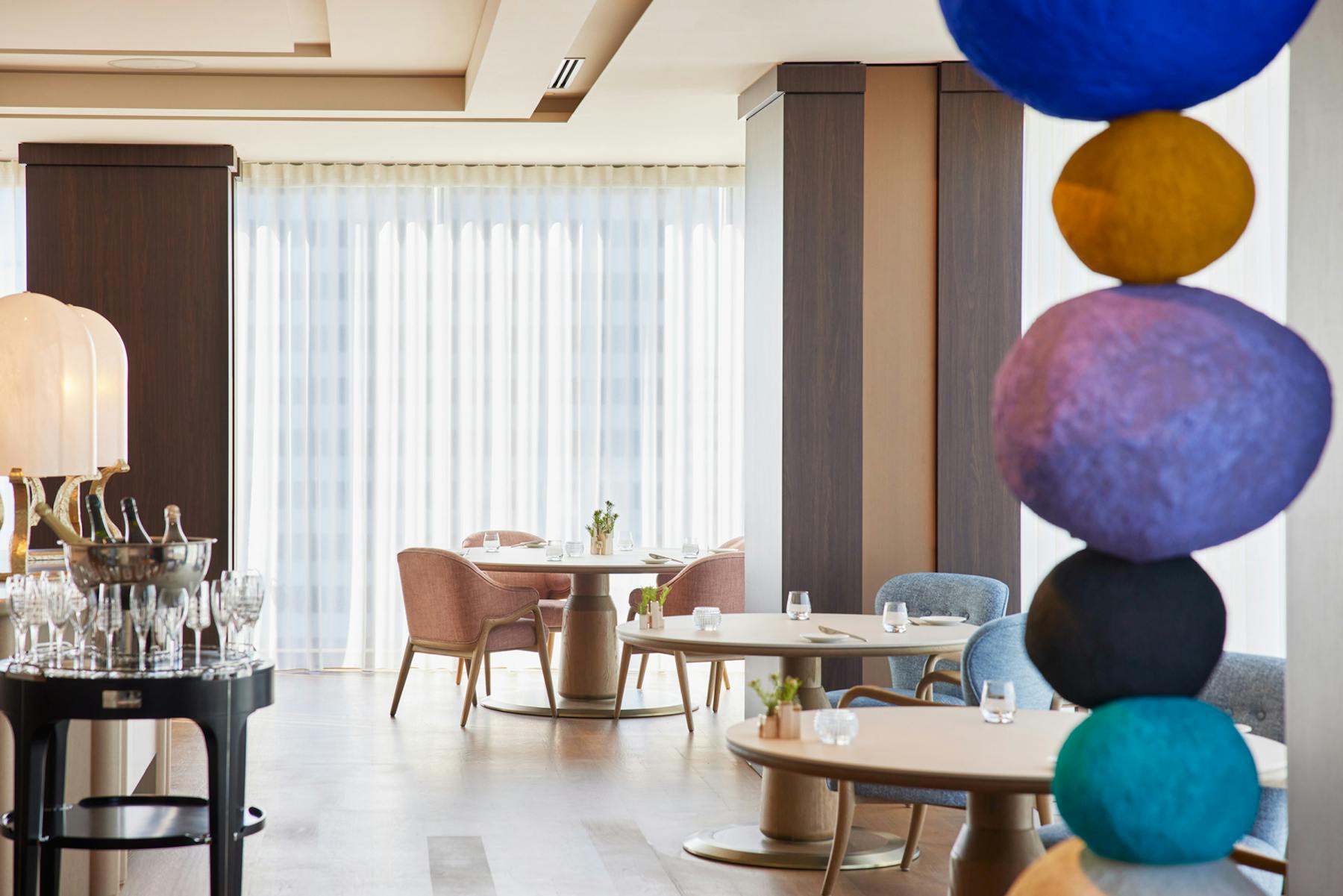
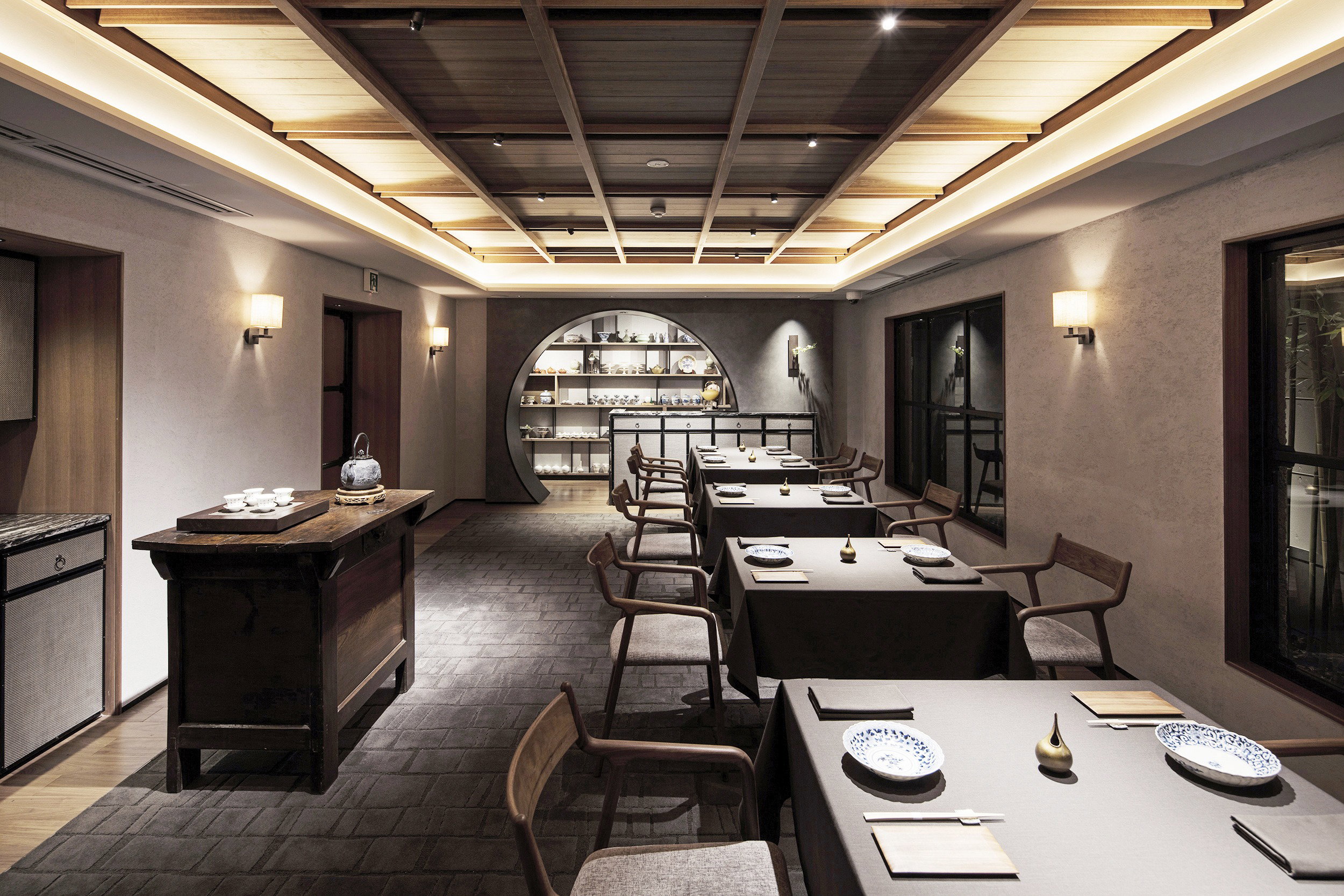
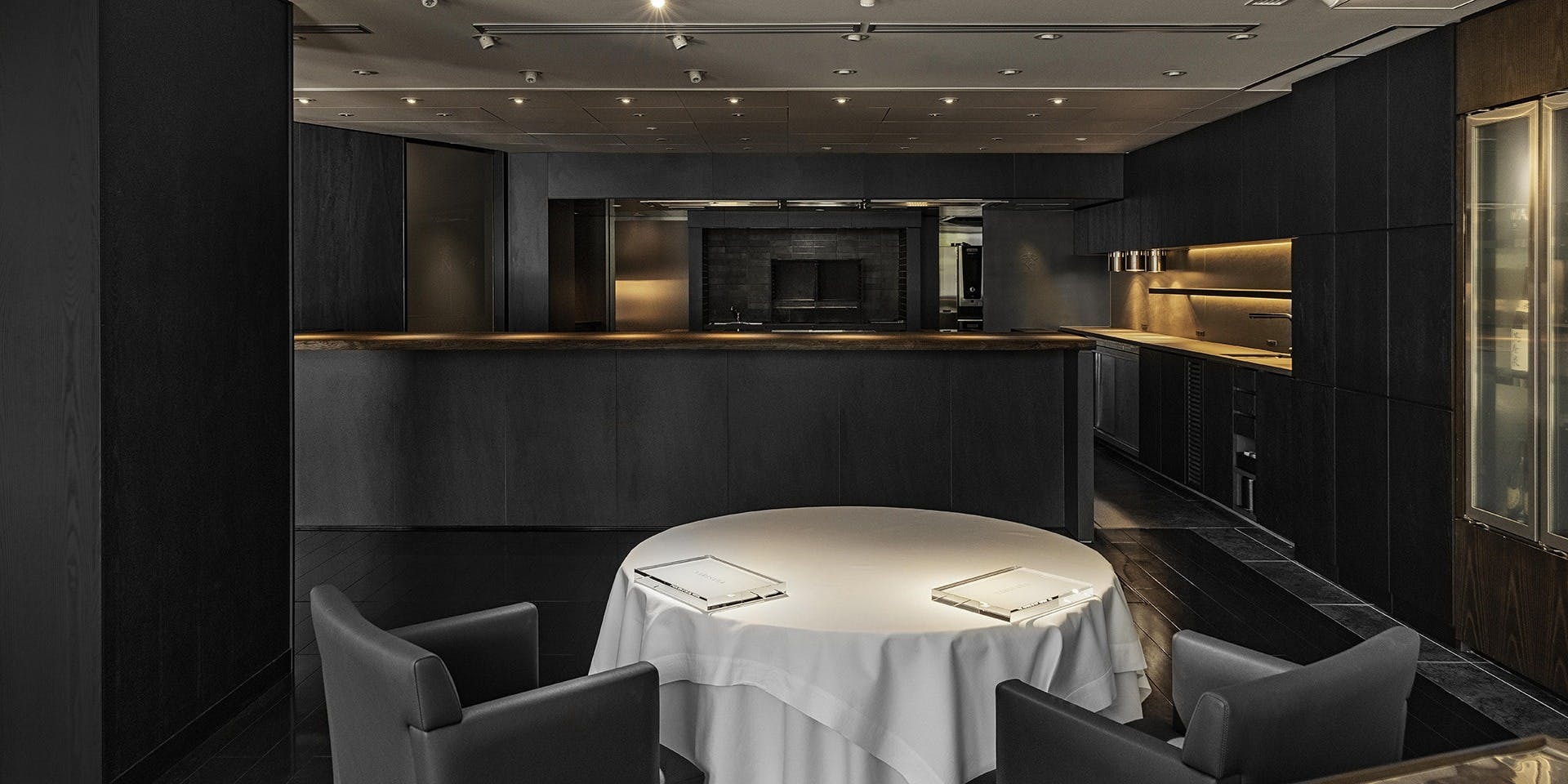
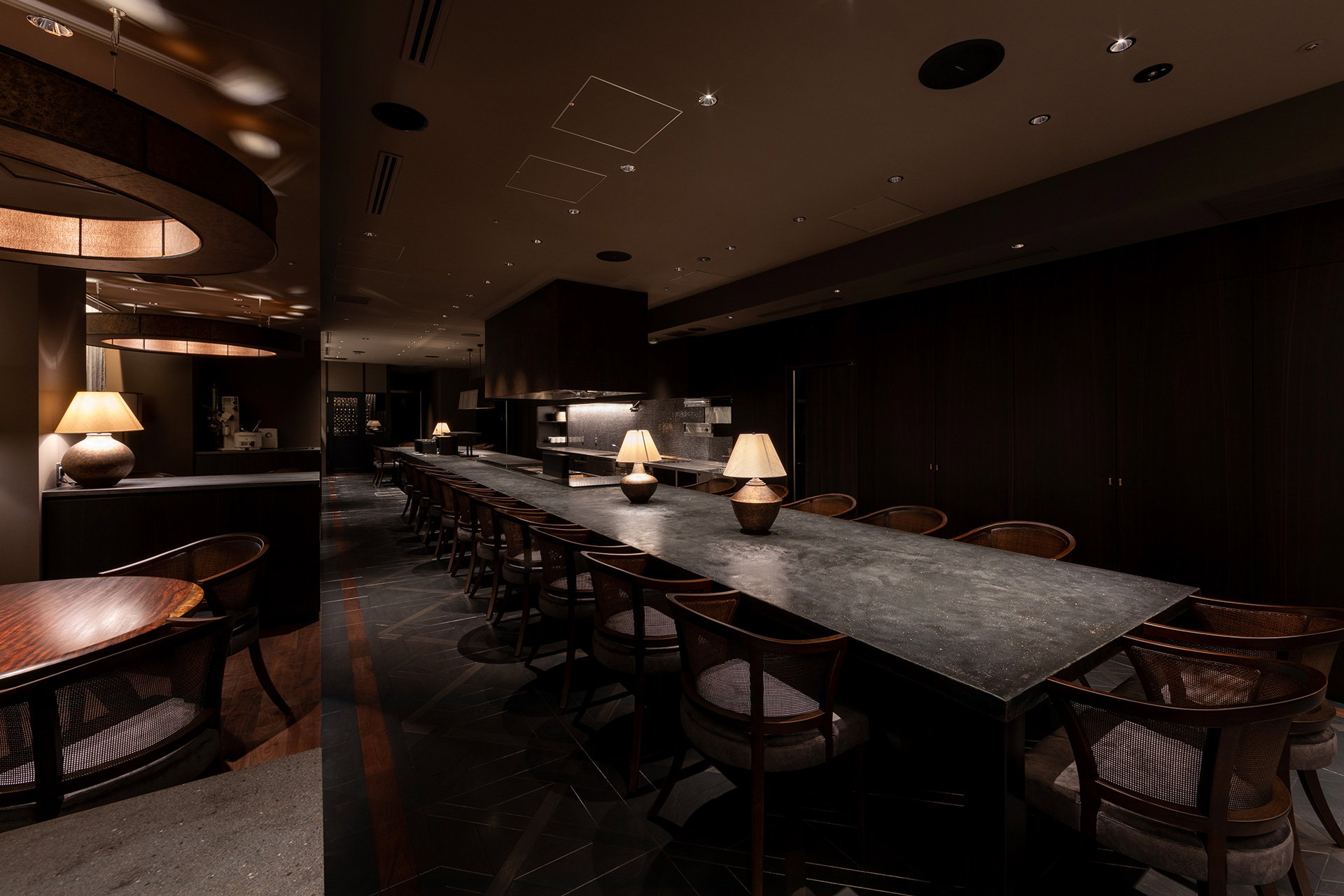
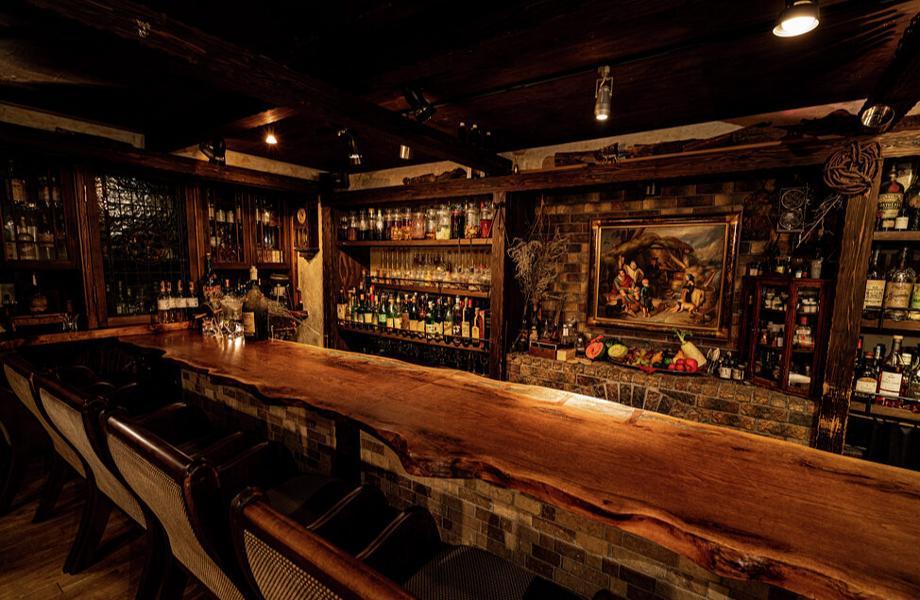
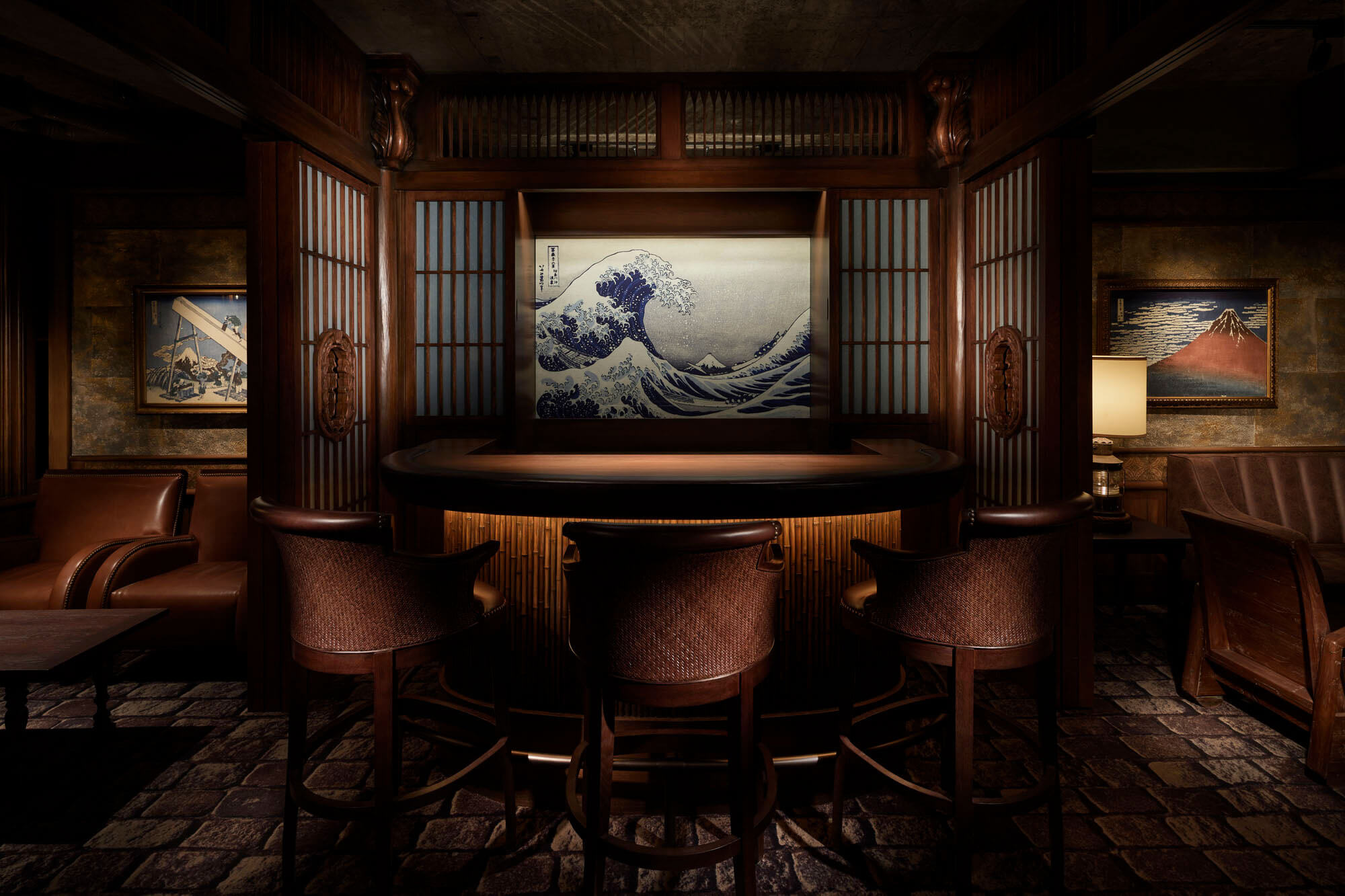
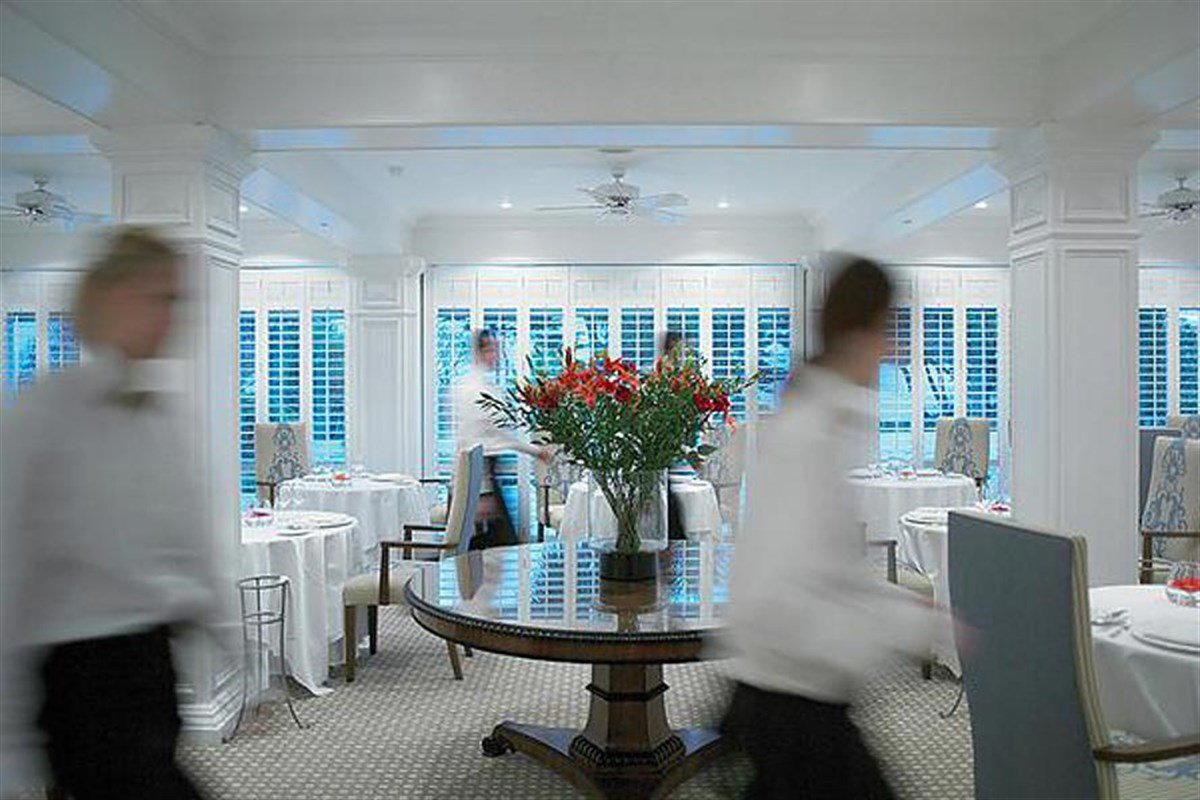
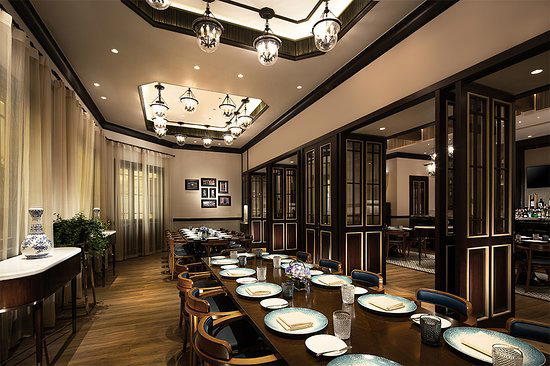
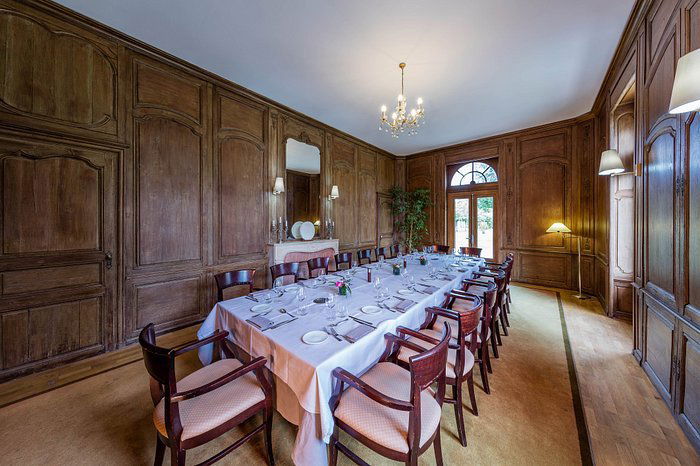
Walk into MANOIR and the atmosphere is deliberately unhurried. The room is fitted out like an English country house — think dark wood, settled furniture, and a mood that signals you are meant to slow down. The noise level is low, the energy is calm, and the space reads as private rather than performative. For a first-timer, this matters: MANOIR is not a place that rewards energy or spectacle-seeking. It rewards the diner who wants to actually talk across the table and pay attention to what is in the glass.
The wine program here is not a list bolted onto the back of the menu. The owner is the sommelier, and that structural choice defines the whole experience. When the person pouring your wine is also the person who decided which bottles to buy, who has arranged the room, and who is greeting you at the door, the service dynamic shifts. You are not dealing with a floor team relaying information up a chain — you are in direct conversation with someone who has staked their identity on the pairing in front of you. For a wine-forward diner, this is one of the more honest formats available in Tokyo's French dining scene. The focus is on French wine, which pairs logically with a kitchen that draws on classical French technique and fermentation-led seasoning.
The food philosophy deserves attention because it is specific: light French cuisine where fruit acidity and fermented umami do the structural work that cream and butter do elsewhere. The kitchen sources game directly from hunters in Hokkaido and across Japan, which is not standard practice at this price point. That supply relationship gives the menu a seasonal specificity that changes what is available depending on when you visit. For a first-timer coming in autumn or winter, this is the reason to order whatever game dish is on the menu rather than defaulting to safer choices. The wild flavours here are the point of difference from the more polished, butter-led registers you will find at ESqUISSE or Château Restaurant Joël Robuchon.
Michelin Plate recognition in 2025 is a calibration tool. It tells you the inspectors found the cooking consistent and the experience worth recommending, without awarding the star that would signal technical ambition at the highest level. Compared to Florilège, which carries a star and operates with a more developed tasting menu architecture, MANOIR sits in a different register: more personal, less ceremonial, and more dependent on the owner's presence making the evening work. That is a strength on nights when the room is full and the host is engaged. It is something to factor in if you are booking for a large group or an occasion that needs institutional consistency rather than individual warmth.
Booking is direct. MANOIR does not carry the reservation difficulty of Tokyo's starred French rooms, and the booking process should be manageable compared to the weeks-out waits typical at venues like L'Effervescence. The address is in Hiroo, Shibuya, a neighbourhood with good transit access. Phone and website details are not publicly listed in available sources, so booking through a hotel concierge or a reservation platform is the practical route for visitors. For those exploring beyond Tokyo, the owner-led intimacy at MANOIR has parallels in the approach at akordu in Nara, which similarly combines a wine-led identity with small-room cooking.
That is consistent with the Hiroo location, a neighbourhood that draws a more residential and expatriate crowd than tourist-heavy Shinjuku or Ginza.
For context within Japan's French dining scene, MANOIR occupies a niche that sits apart from the technically ambitious rooms at HAJIME in Osaka or the refined kaiseki-adjacent French at Gion Sasaki in Kyoto. It is closer in spirit to the intimate owner-operated format, where the value proposition is access to a host who knows their wine list intimately and sources with genuine specificity. If that is the dinner you are after, the ¥¥¥ price tier makes MANOIR one of the more accessible entry points into serious French dining in Tokyo. See our full Tokyo restaurants guide for broader context, and our Tokyo hotels guide, Tokyo bars guide, and Tokyo experiences guide for planning the rest of your trip.
Ratings & Recognition
- Michelin Plate, 2025
- Price tier: ¥¥¥
Booking & Practical Details
MANOIR is in Hiroo, Shibuya (1 Chome-10-6, Hiroo, 広尾ピア寿々 1F). Booking difficulty is low relative to Tokyo's Michelin-starred French rooms, if you cannot locate a direct booking channel, a hotel concierge or Japanese restaurant reservation platform is the most reliable route. Dress smart-casual at minimum; the manor-house setting and owner-sommelier format suggest the room expects a degree of care in how you arrive. Hours are not publicly confirmed in available sources, so verify before travelling.
How It Compares
See the comparison section below for how MANOIR sits against its peers in Tokyo's French and fine dining scene.
FAQ
Is MANOIR good for solo dining?
- Yes, and arguably more so than many French rooms at this price tier. The owner-sommelier serves personally, which means solo diners get direct conversation with someone who knows the wine list and the menu in depth. The calm, low-noise atmosphere makes it a comfortable solo environment rather than an isolating one. Compare this to busier French rooms where solo diners can feel peripheral.
What should I wear to MANOIR?
- Smart casual is the floor. The room is styled after an English manor house and the owner greets guests personally, so arriving in casual streetwear will feel out of register. You do not need a jacket to dine here, but the ¥¥¥ price point and Michelin Plate recognition suggest treating it as you would a serious dinner reservation rather than a neighbourhood bistro.
Is the tasting menu worth it at MANOIR?
- The menu format is not confirmed in available sources, but the combination of game sourced from Hokkaido hunters, a fermentation-led French kitchen, and an owner-sommelier who selects and pours the wine personally makes the full experience the right way to approach MANOIR. Ordering selectively to cut cost would miss the wine-pairing dimension, which is where much of the value sits at this venue. Verify current menu format directly when booking.
Does MANOIR handle dietary restrictions?
- No specific dietary accommodation policy is confirmed in available sources. Given the game-forward, fermentation-led menu and the small, owner-operated format, strict dietary requirements (vegan, severe allergies) should be communicated well in advance. Contact the venue directly before booking to confirm what is possible rather than assuming flexibility.
What are alternatives to MANOIR in Tokyo?
- For French at a higher price tier with Michelin stars, L'Effervescence and Sézanne are the benchmark options. For innovative French at ¥¥¥¥, Florilège offers a more technically developed tasting menu. For something closer in spirit, intimate, wine-led, owner-operated, look at ESqUISSE. If you want to broaden the search to other Japanese cities, HAJIME in Osaka and Goh in Fukuoka operate at similar price positioning with strong regional identities. For global French comparisons, Les Amis in Singapore and Hotel de Ville Crissier in Switzerland set the wider benchmark.
Is MANOIR good for a special occasion?
- Yes, with a caveat. The intimate room, personal service from the owner-sommelier, and the quiet atmosphere make it well-suited to dinners where conversation and a sense of occasion matter. It works better for two than for larger groups, given the small, personal format. For a milestone birthday or anniversary dinner, the manor-house setting and wine-led experience create a coherent mood without the formal ceremony of a starred room.
Is MANOIR worth the price?
- At ¥¥¥, MANOIR sits a tier below Tokyo's Michelin-starred French competition and delivers a Michelin Plate-recognised experience with an owner-sommelier format that you will not find at restaurants operating with larger floor teams. The game sourcing from Hokkaido hunters and the fermentation-led cooking give the menu genuine specificity. For the price point and the intimacy on offer, the value proposition is strong, particularly if French wine pairing is central to what you want from the evening.
Planning details
- Location
- Japan, 〒150-0012 Tokyo, Shibuya, Hiroo, 1 Chome−10−6 広尾ピア寿々 1階
- Website
- manoir-restaurant.jp
- Phone
- +81 3-6432-5015
The take
The Take
The Vibe
MANOIR lives quietly on Hiroo's residential edge, offering a measured, mid-tier take on French dining that prioritizes sequence and sourcing over flash. The room is calm and closely attended by an owner-sommelier who personally guides the experience; the kitchen leans on light French technique while layering fermented fruit accents and umami to build momentum across courses. It reads as a classic, quietly confident spot—less about theatricality and more about the cumulative clarity of flavors across a paced tasting. The overall effect is intimate and restrained rather than loud or showy.
Best For
MANOIR works best for evening, prix-fixe dining where structure and pacing matter—think date nights, special occasions and anyone keen on a considered wine pairing. Its focus on seasonal, often irregular ingredients like Hokkaido wild game and fermentation-driven flavors rewards diners who commit to a full sitting rather than a la carte sampling. The owner-sommelier presence and a genuine wine program make it appealing for guests who appreciate guided wine choices and a restaurant that prioritizes repeat visits at an accessible price point within Tokyo’s French scene.
Ordering Tips
Accept the prix-fixe format: the kitchen designs dishes to arrive in sequence so contrasts in sweetness, tartness and umami register properly. Expect seasonality—wild game and fermented components appear when available—so be flexible and ask the sommelier about pairings and the provenance of ingredients. Because the owner-sommelier works the room, solicit their guidance on wine selections to complement the menu’s layered flavors. Avoid treating it like a bistro à la carte stop; the experience rewards diners who commit to the structured sitting.
Venue details
Ambiance
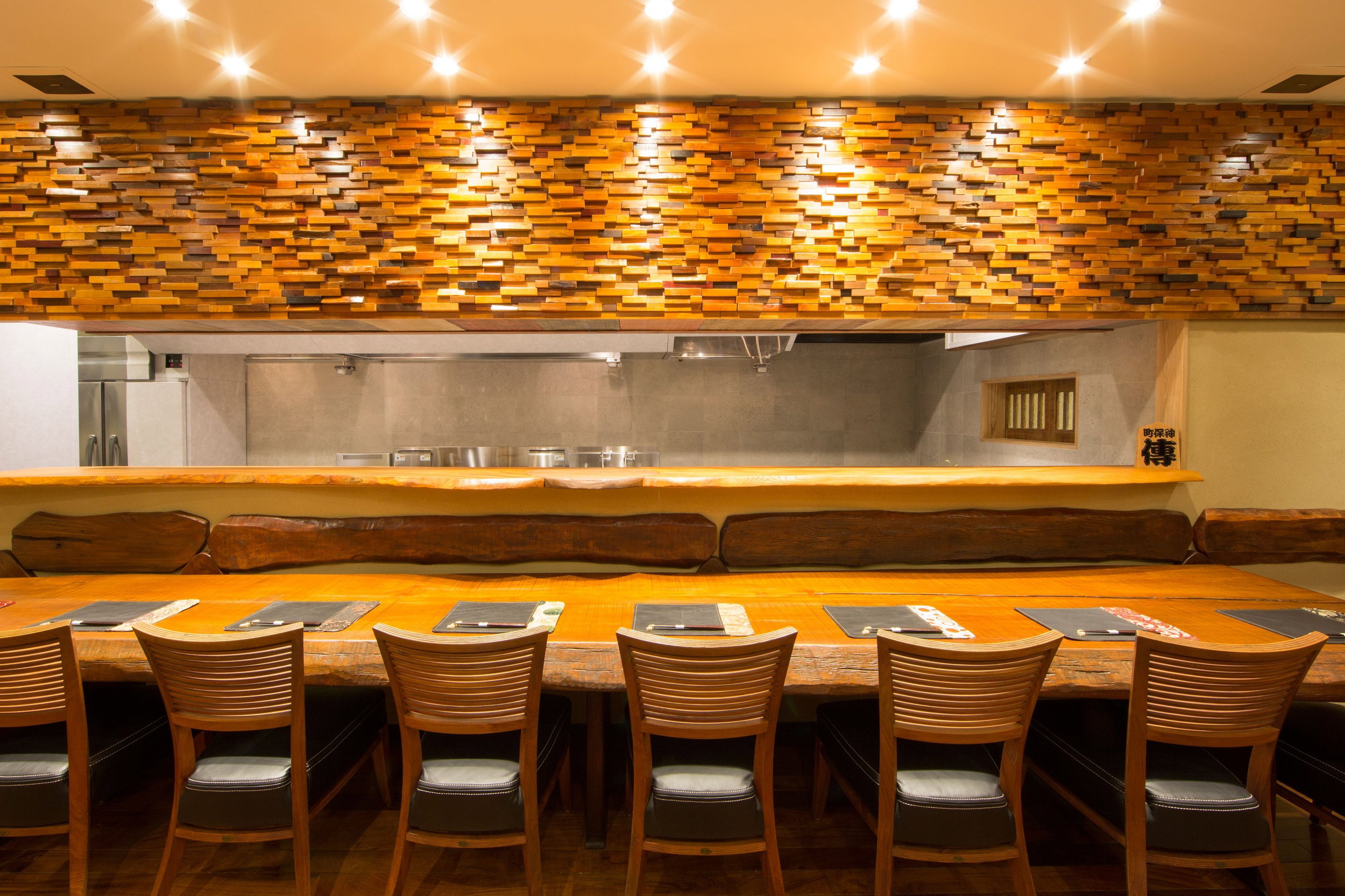
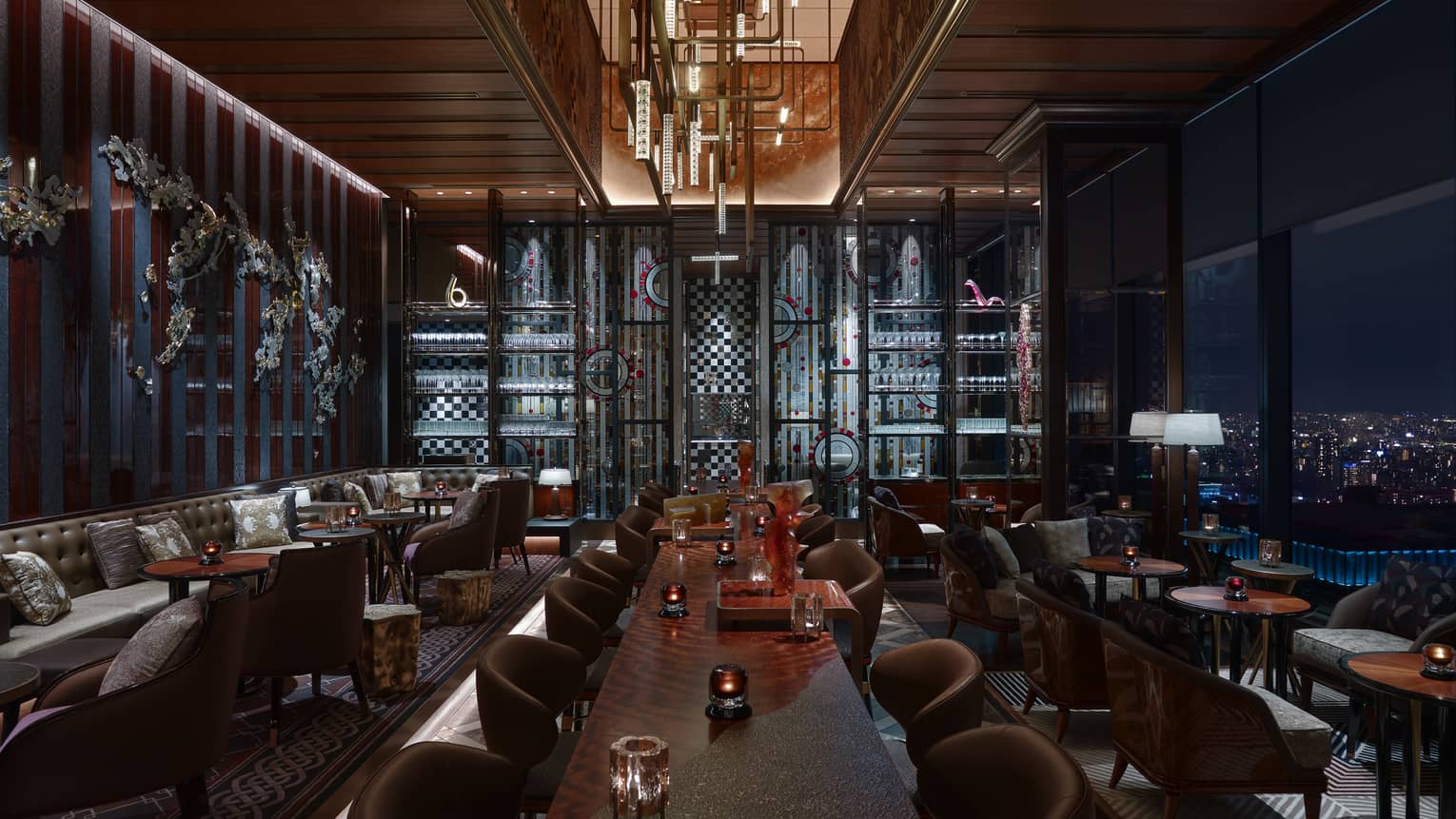
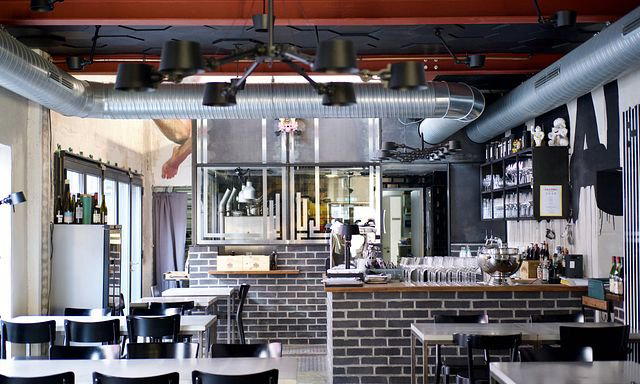
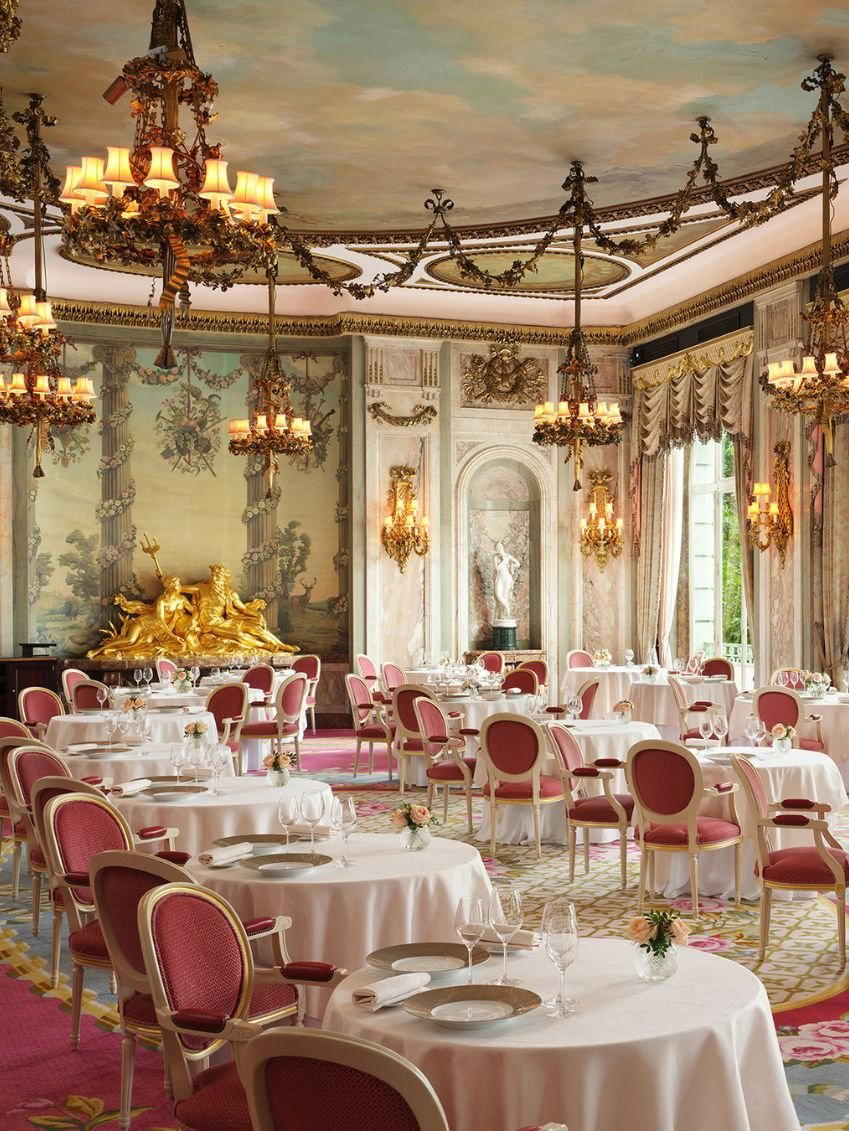
Panelled warmth with soft lamplight, wooden accents, chandelier, and a serene, relaxing atmosphere like an English manor.
Tags
Vibe
Best For
Experience
Sourcing
At the Table
- Dress Code
- Smart Casual
- Noise Level
- Quiet
- Service Style
- Formal
- Meal Pacing
- Leisurely
- Capacity
- Intimate
Know before you go
Know Before You Go
- Getting there
- Japan, 〒150-0012 Tokyo, Shibuya, Hiroo, 1 Chome−10−6 広尾ピア寿々 1階
Planning details
Location
Japan, 〒150-0012 Tokyo, Shibuya, Hiroo, 1 Chome−10−6 広尾ピア寿々 1階 · Directions
Recognition and awards
Also consider
Also Consider
- Harutaka, Sushi, ¥¥¥¥
- L'Effervescence, French, ¥¥¥¥
- RyuGin, Kaiseki, Japanese, ¥¥¥¥
- HOMMAGE, Innovtive French, French, ¥¥¥¥
- Crony, Innovative, French, ¥¥¥¥
Restaurant context
MANOIR's most direct price-tier comparison is with Tokyo's ¥¥¥¥ French rooms, where it comes out ahead on accessibility and intimacy while conceding on technical ambition. L'Effervescence carries two Michelin stars and a more developed kitchen philosophy; if you want the full technical statement of Tokyo's French fine dining, book there instead. HOMMAGE and Crony both operate at ¥¥¥¥ with innovative French menus and more formal tasting structures. MANOIR's advantage over all three is the owner-sommelier format and the lower price point: you get direct, personal wine guidance without paying the premium that starred rooms require.
For diners choosing between MANOIR and Harutaka, the decision is really about cuisine preference. Harutaka is among Tokyo's most serious sushi counters at ¥¥¥¥; if you want omakase sushi rather than French, go there. If French cuisine with a wine-led identity is the brief, MANOIR at ¥¥¥ is the more accessible and more personal option. RyuGin at ¥¥¥¥ is the kaiseki option for diners who want Japanese seasonality over French technique, a different experience entirely rather than a direct competitor.
The practical booking difference is real: MANOIR is rated easy to book, while L'Effervescence, Sézanne, and the ¥¥¥¥ French and sushi rooms in Tokyo typically require planning weeks or months out. If you are making a last-minute Tokyo reservation and want a serious French dinner with genuine wine depth, MANOIR is the most realistic option in this competitive set. For diners who have already secured a starred room for one night and want a second, quieter French dinner without repeating the same format, MANOIR is the right complementary booking.
Explore Tokyo
Around this place
Discover more on Pearl
Unlock the full MANOIR guide in Pearl, including awards, comparisons, FAQs, planning details, and nearby places.
Compare MANOIR
| Venue | Price | Awards |
|---|---|---|
| MANOIR | ¥¥¥ | 2026 Michelin 1 StarTabelog 100 - French - TOKYO - 2025 · #622025 Michelin Plate |
| Harutaka | ¥¥¥¥ | 2026 Tabelog Silver · #312026 OAD Top Restaurants in Japan Ranked · #1282026 Michelin 3 Stars2026 La Liste Top RestaurantsTabelog 100 - Sushi - TOKYO - 2025 · #372025 Asia's 50 Best Restaurants · #762025 OAD Top Restaurants in Japan Ranked · #1172025 La Liste Top Restaurants2025 Tabelog Bronze |
| L'Effervescence | ¥¥¥¥ | 2026 Tabelog Silver · #682026 OAD Top Restaurants in Japan Ranked · #103Star Wine Lists 20262026 Black Pearl 2 Diamond2026 Relais Chateaux Restaurants2026 La Liste Top Restaurants2026 Michelin 3 Stars2025 Asia's 50 Best Restaurants · #692025 OAD Top Restaurants in Japan Ranked · #92 |
| RyuGin | ¥¥¥¥ | 2026 OAD Top Restaurants in Japan Ranked · #802026 Tabelog Bronze · #3772026 Michelin 3 Stars2026 La Liste Top RestaurantsTabelog 100 - Japanese cuisine - TOKYO - 2025 · #212025 OAD Top Restaurants in Japan Ranked · #542025 Michelin 3 Stars2025 La Liste Top Restaurants2025 The Best Chef Three Knives |
| HOMMAGE | ¥¥¥¥ | 2026 Tabelog Bronze · #1232026 OAD Top Restaurants in Japan Highly Recommended2026 Michelin 2 StarsTabelog 100 - French - TOKYO - 2025 · #762025 Asia's 50 Best Restaurants · #782025 OAD Top Restaurants in Japan Ranked · #1752025 Michelin 2 Stars2025 The Best Chef One Knife2025 La Liste Top Restaurants |
| Crony | ¥¥¥¥ | 2026 Asia's 50 Best Restaurants · #34Star Wine Lists 20262026 OAD Top Restaurants in Japan Recommended2026 Michelin 2 Stars2025 Asia's 50 Best Restaurants · #30Tabelog 100 - French - TOKYO - 2025 · #782025 OAD Top Restaurants in Japan Ranked · #227We're Smart World Top Restaurants 20252025 Michelin 2 Stars |
.png?width=1200&quality=80)













Key differences to consider before you reserve.
FAQ
Frequently Asked Questions
Is MANOIR good for solo dining?
Yes — the owner-sommelier serves guests personally, which makes solo dining less transactional than at larger French rooms. The intimate, unhurried format suits a single diner who wants to engage with the wine program. At ¥¥¥, it's a considered spend solo, but the attention-to-guest ratio works in your favour.
What should I wear to MANOIR?
The English manor house interior and French fine dining format point toward polished casual at minimum — think collared shirts or a neat blouse rather than jeans and trainers. Tokyo's French dining rooms generally hold guests to a higher standard than casual Western equivalents, and an owner-led room with a serious wine list is no exception.
Is the tasting menu worth it at MANOIR?
If game is your draw, yes. The kitchen sources wild game from hunters in Hokkaido and across Japan, and the French technique applies fermentation and salt-pickling to that produce in a way that's harder to find at comparable Tokyo French addresses. At ¥¥¥ pricing, it sits below Tokyo's starred French rooms, so the value case is real if the format fits.
What are alternatives to MANOIR in Tokyo?
For a more formally awarded French experience, L'Effervescence (Michelin-starred, ingredient-led) or HOMMAGE are the natural comparisons. If you want something less French and more chef-driven Japanese fine dining, RyuGin covers similar price territory with much higher booking difficulty. MANOIR's specific appeal — owner sommelier, game cuisine, relaxed pacing — doesn't map directly onto any single alternative.
Is MANOIR good for a special occasion?
Yes, with the right expectations. The owner-sommelier serving guests personally and the English manor house room create a deliberately settled, personal atmosphere that works well for a dinner for two or a small group. It's not a buzzy celebration venue — it's better suited to occasions where the conversation and the wine matter more than the spectacle.
Is MANOIR worth the price?
At ¥¥¥, MANOIR holds its value against Tokyo's French competition — you're paying for Hokkaido game, a personal wine service from the owner-sommelier, and a Michelin Plate-recognised kitchen at a price point below the city's starred French rooms. If you want the wild flavour profile of Japanese game expressed through French technique, this is one of the few places in Tokyo structured around exactly that.