

L'ARGENT
French · Chiyoda, Tokyo
Restaurant in Tokyo, Japan
 Book with Pearl
The Read
Scandinavian-French-Japanese Convergence
Price
¥¥¥
Dress
Smart Casual
Why go
L'ARGENT earned a 2024 Michelin star with a Franco-Scandinavian approach to Japanese ingredients — think fermented Shizuoka mushroom soup and foie gras torchon paired with Kakegawa tea. At the ¥¥¥ tier, it is one of Tokyo's better value entries into serious modern French tasting menus. Booking is hard; plan well ahead and treat this as a destination dinner rather than a spontaneous one.
About L'ARGENT
Verdict: Worth the effort to book — but you need to plan ahead
Getting a table at L'ARGENT is not direct. This Michelin one-star French restaurant in Kasumigaseki fills quickly, and with no booking method confirmed on the public record, you should treat this as a venue that rewards advance research and persistence. If you are serious about coming, act early. The difficulty is warranted: L'ARGENT earned its 2024 Michelin star by doing something genuinely specific — layering Scandinavian technique onto Japanese ingredients through a French culinary framework, a combination that produces a menu with a clear identity rather than the blurry pan-Asian-French fusion that clogs too many Tokyo tasting menus.
At the ¥¥¥ price tier, L'ARGENT sits one bracket below the premium ceiling occupied by L'Effervescence and Sézanne, which makes it one of the more accessible entry points into serious modern French dining in Tokyo. That pricing, combined with a 2024 Michelin star, positions it as a strong value proposition relative to its immediate peers.
What L'ARGENT is actually doing
The culinary direction here draws on the chef's formative time in Paris and Copenhagen. That Copenhagen influence is the differentiator: Scandinavian kitchens trained the chef in fermentation, restraint, and the elevation of produce-forward cooking, and those habits show up consistently in the menu's construction. The foie gras torchon paired with Kakegawa tea, sourced from the chef's hometown, is the kind of dish that only happens when a cook has a real relationship with their ingredients rather than a supplier catalogue. Kakegawa, in Shizuoka Prefecture, is known for producing some of Japan's finest green teas; using it against the fatty richness of foie gras torchon is a technically considered contrast that works on paper and, given the Michelin recognition, clearly works on the plate.
The fermented mushroom soup made from Shizuoka Prefecture producers is another signal of how seriously this kitchen treats its sourcing. Fermentation as a technique requires patience and precision, it is not a flourish but a commitment to a particular flavour philosophy. For diners who follow the modern French and Nordic movements closely, these details confirm that L'ARGENT is operating with genuine intention, not borrowed aesthetics.
The room and the atmosphere
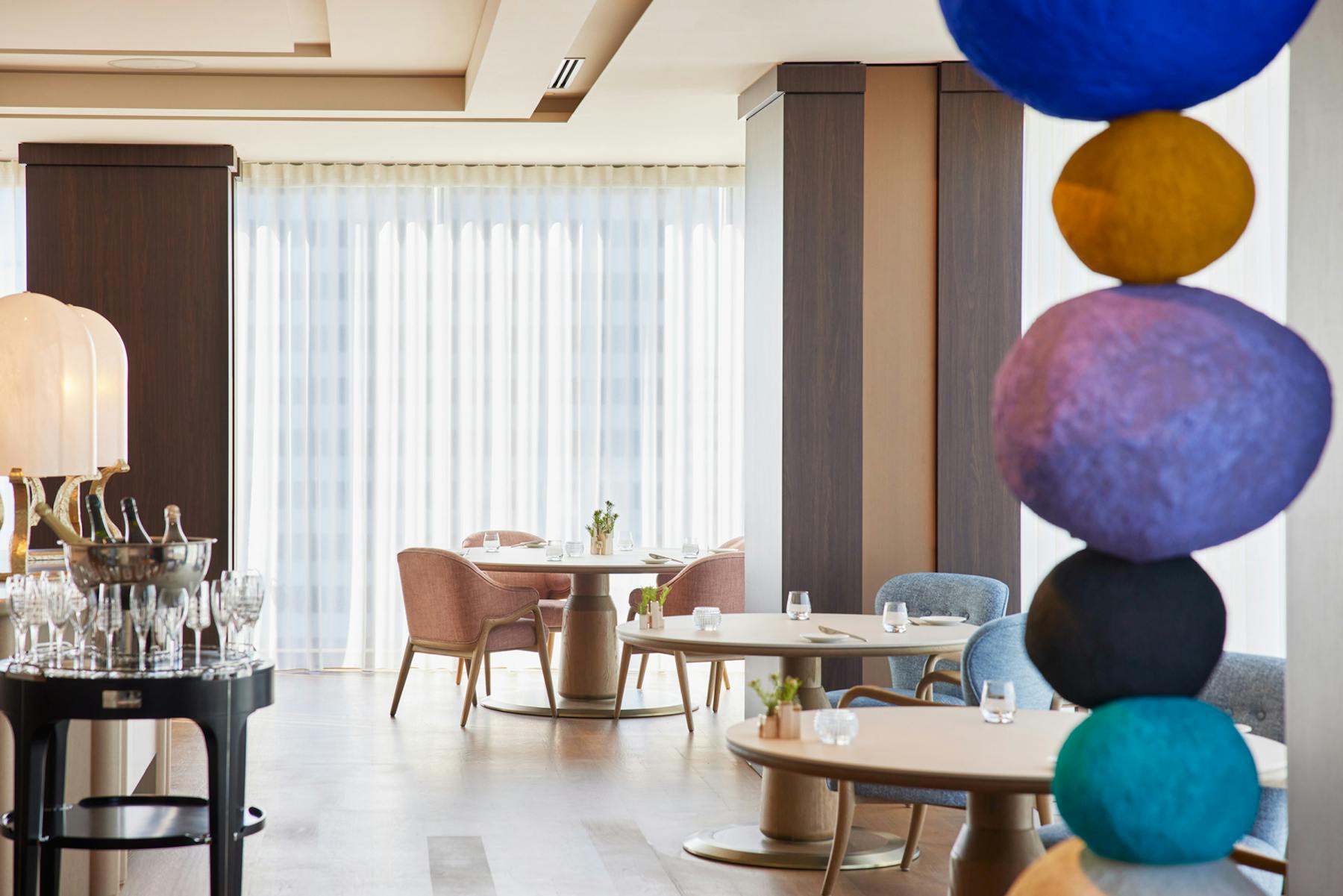
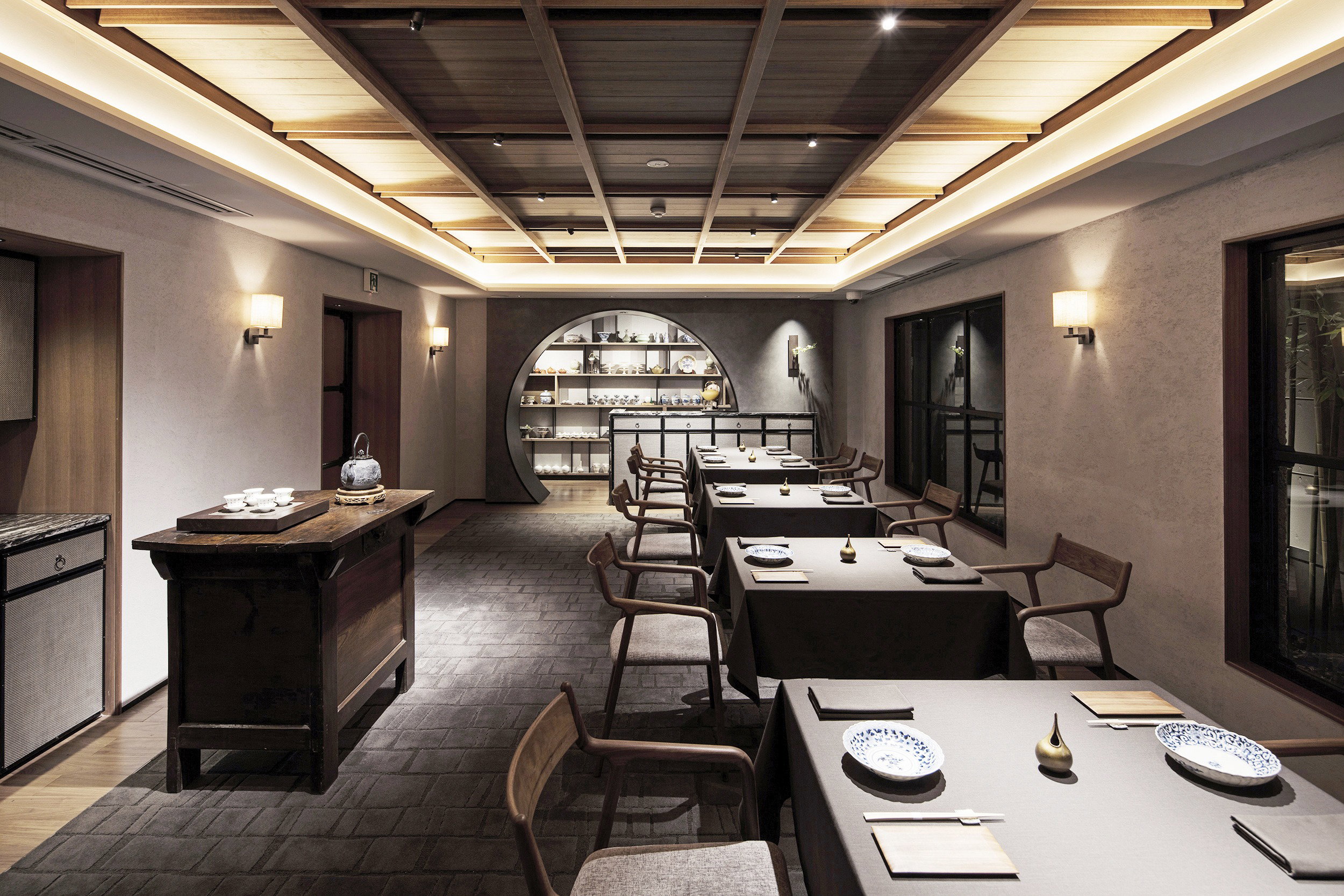
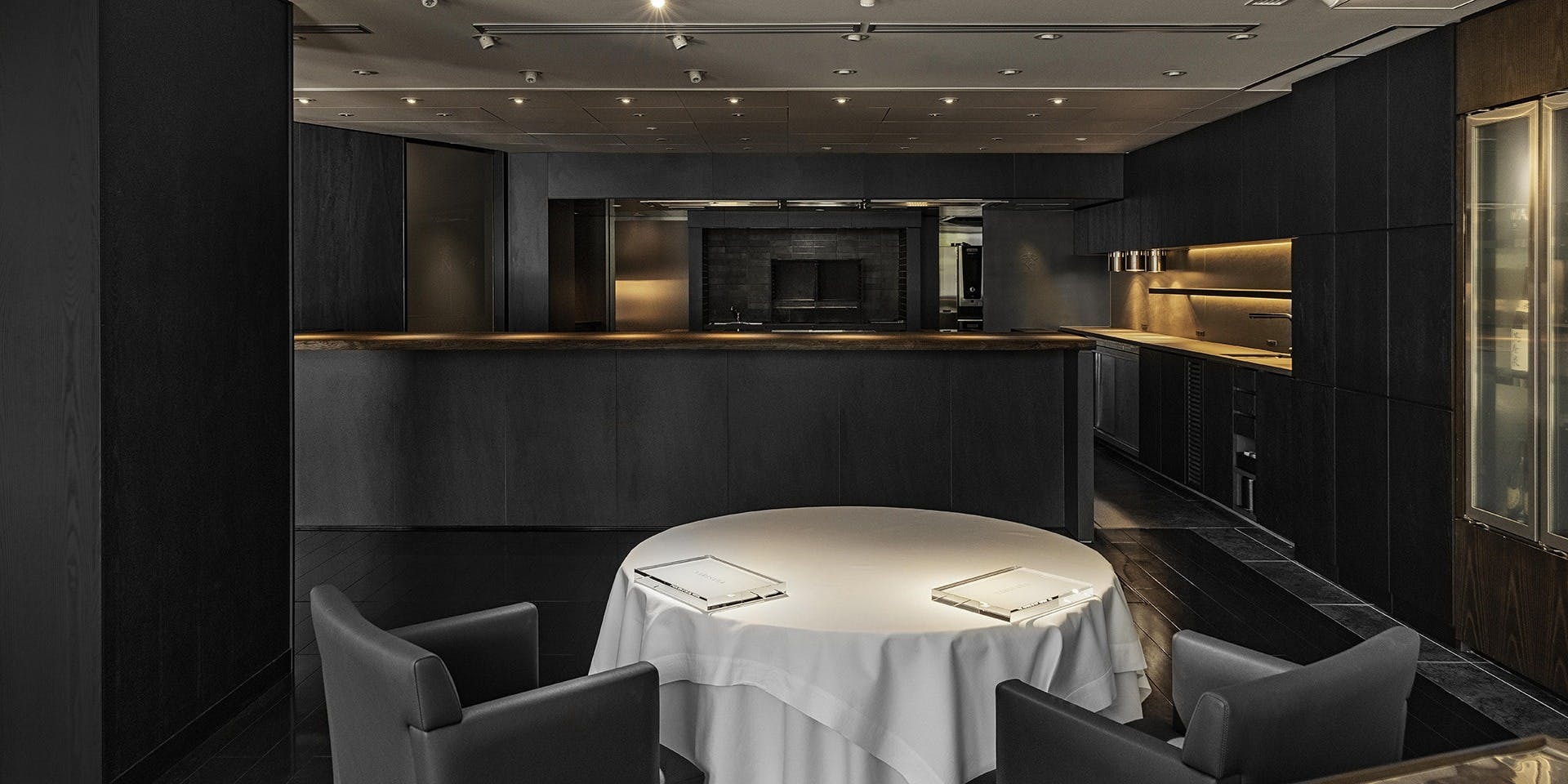
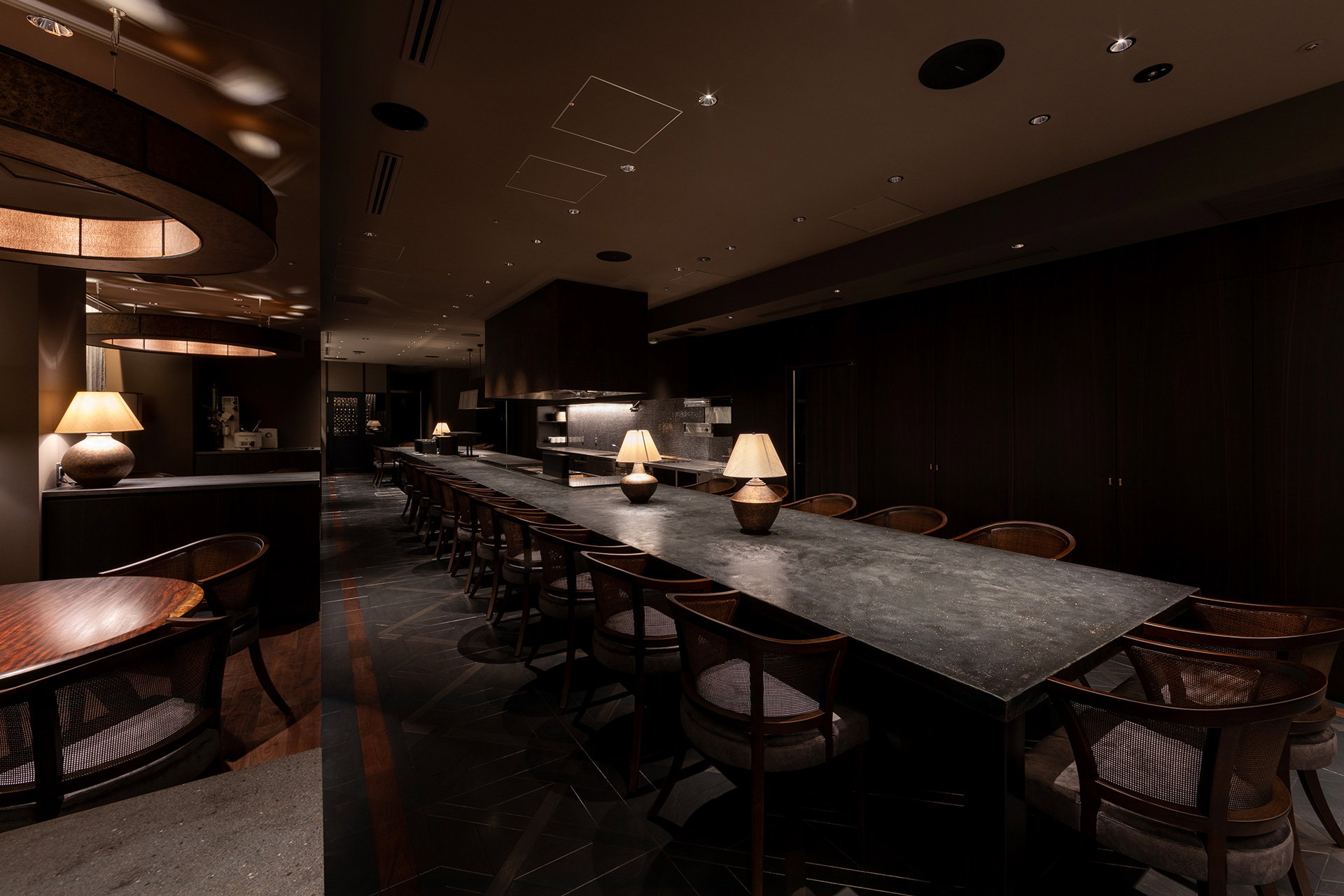
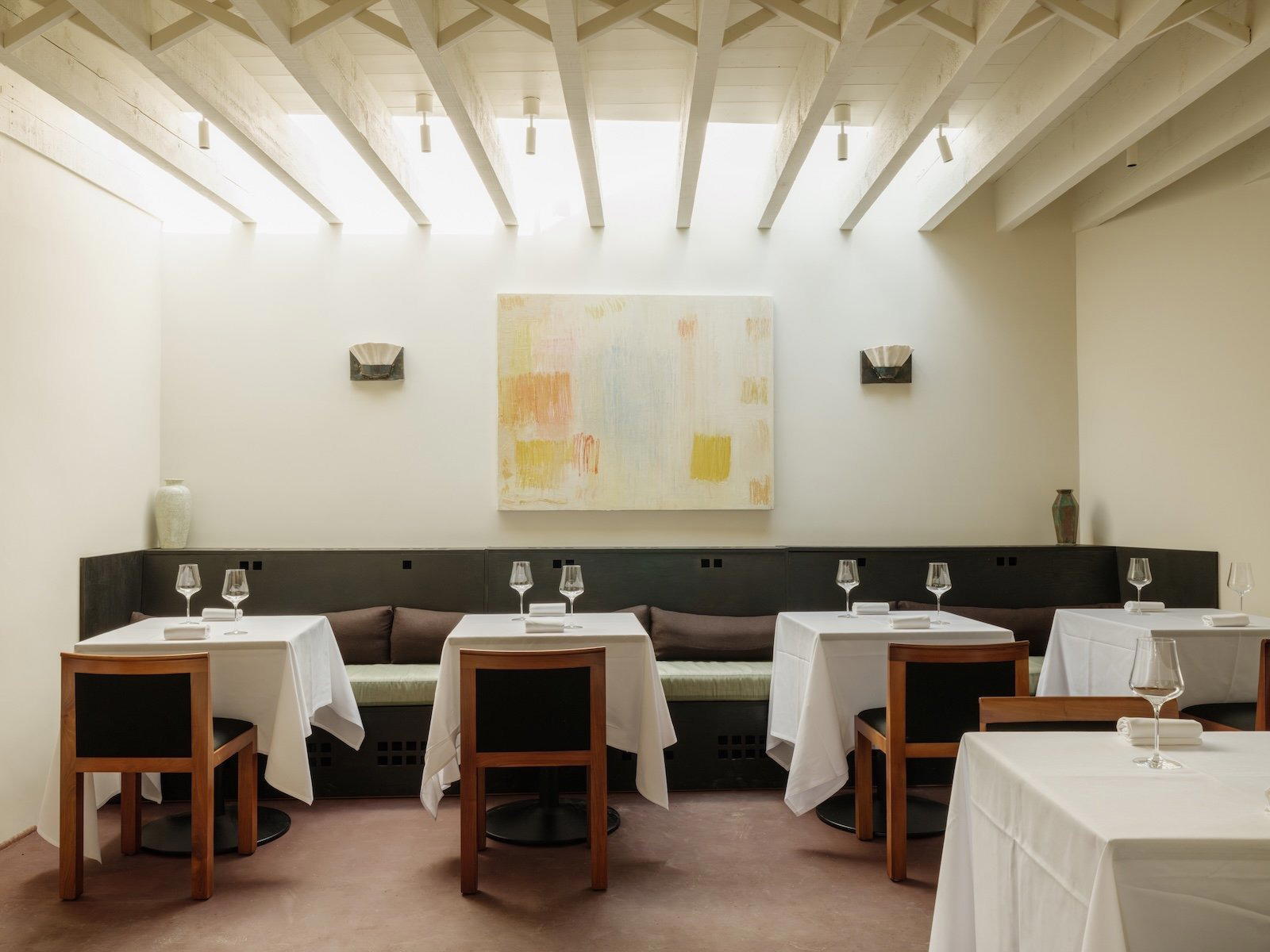
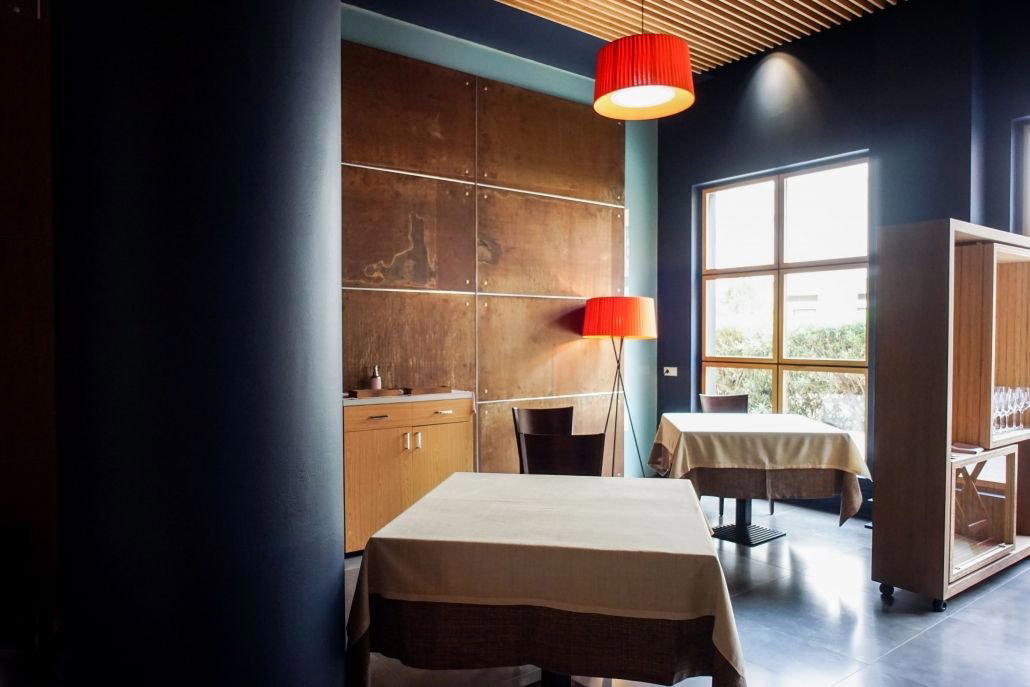
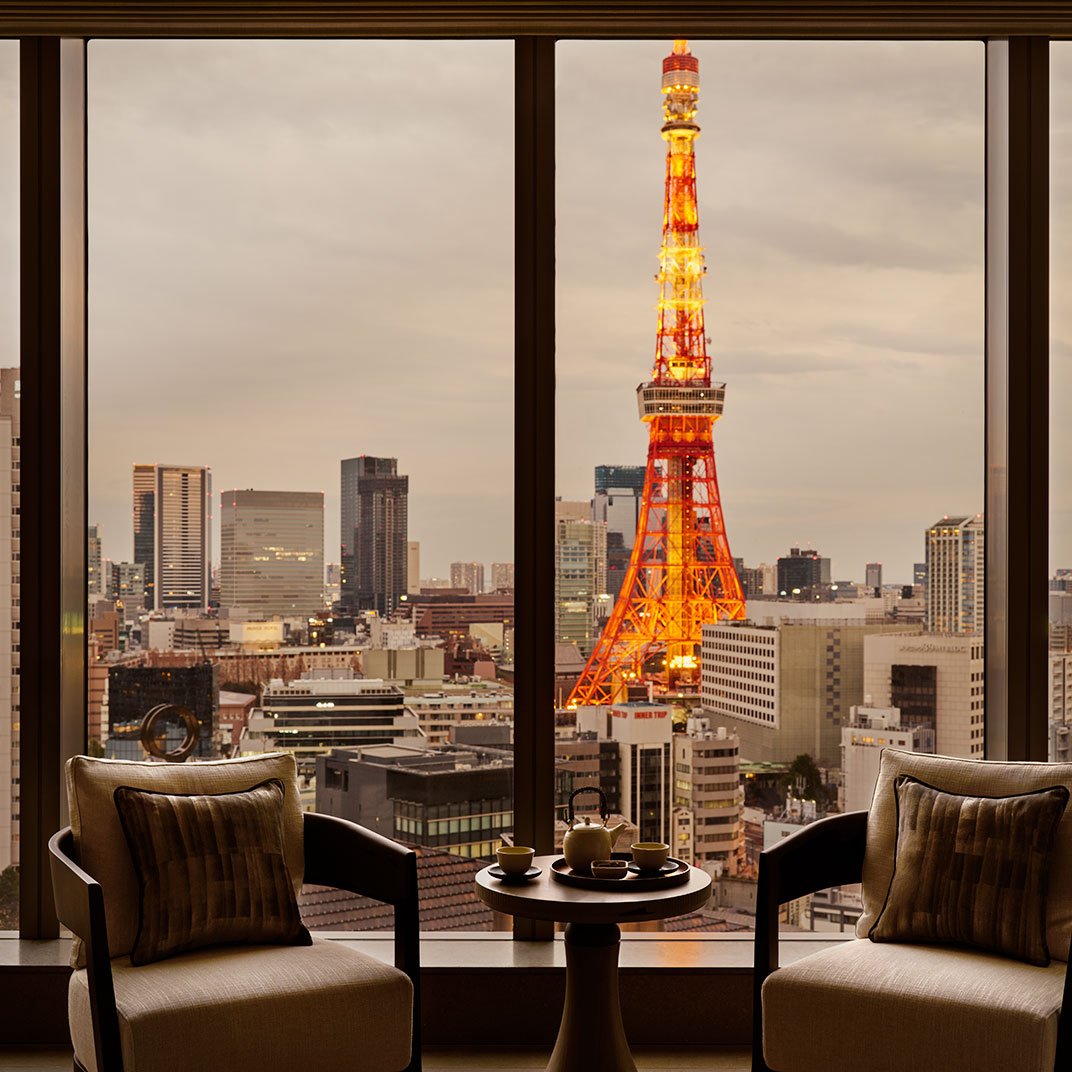
L'ARGENT operates from the second floor of a building in Kasumigaseki, a district better known for government ministries than restaurant destinations. That address works in your favour atmospherically: the area empties out in the evening, and dinner here carries a quieter, more focused energy than you would find in Ginza or Nishi-Azabu. For a special-occasion dinner where you want conversation and focus rather than a scene, the low-noise Kasumigaseki setting is an asset. If you want the full theatrical Tokyo dining experience with a glamorous address, consider Château Restaurant Joël Robuchon instead.
The wine angle: a gap worth flagging
Given the Franco-Scandinavian culinary philosophy at work here, the wine program has real potential as a complement to the food. French kitchens operating at this level typically maintain lists that prioritise classical French regions with selective natural and biodynamic producers, a pairing philosophy that would suit the fermentation-led, produce-forward cooking. However, specific wine list details are not confirmed in the public record for L'ARGENT, and this is worth clarifying directly when you book. For diners who treat the wine pairing as integral to the tasting menu experience, not optional, this is one question to ask before you commit. If wine depth is your primary driver, ESqUISSE in Ginza has a documented, extensively curated cellar that might serve that appetite more reliably.
Who should book
L'ARGENT is the right choice for food-focused diners who want a modern French tasting menu with a clear point of view, at a price point that does not yet reflect its Michelin standing. The ¥¥¥ bracket for a starred kitchen in Tokyo is still relatively rare, most comparable venues have moved to ¥¥¥¥ on the back of recognition. Book here before the pricing catches up with the reputation.
Solo diners should note that counter or smaller-format seating arrangements often suit this style of restaurant, but seat configuration is not confirmed, check at the time of booking. For groups of four or more, confirm availability in advance given the venue's likely limited capacity on the second floor of a Kasumigaseki building. For a broader picture of where L'ARGENT fits in the city's dining offer, see our full Tokyo restaurants guide. If you are building a wider trip itinerary, our Tokyo hotels guide, bars guide, and experiences guide are worth reviewing alongside.
For comparable modern French ambition elsewhere in Japan, HAJIME in Osaka operates at a different price ceiling but represents what this style of cooking looks like at its most fully realised. akordu in Nara offers a quieter, more intimate take on European cooking with Japanese ingredients for those travelling beyond Tokyo. Goh in Fukuoka and 1000 in Yokohama round out the regional picture for Japan-based itinerary planning. If you are interested in how this style of Franco-Japanese cooking translates in Southeast Asia, Les Amis in Singapore is the regional benchmark, while Hotel de Ville Crissier provides the European classical reference point for the French tradition L'ARGENT is working within.
Quick reference:
FAQ
Is L'ARGENT good for solo dining?
- Likely yes, but confirm seating format when booking. Modern French tasting menus at this scale often work well for solo diners, the kitchen's rhythm and pacing suit individual focus. At ¥¥¥, the per-head cost is accessible for a solo splurge. If you want a confirmed counter experience for solo dining, Florilège has a documented counter setup that suits single diners well.
Can L'ARGENT accommodate groups?
- Groups of four or more should verify capacity directly, the second-floor address in Kasumigaseki suggests a compact dining room, which often means limited flexibility for larger parties. For Tokyo modern French dining that more reliably handles groups, L'Effervescence has a slightly larger footprint. Call or email well ahead; do not leave group bookings to the last minute at venues of this type.
What should I order at L'ARGENT?
- The foie gras torchon with Kakegawa tea and the fermented mushroom soup from Shizuoka producers are the two dishes confirmed as representative of the kitchen's approach. Beyond those, the menu structure is not documented in detail, this is almost certainly a tasting menu format, so ordering is generally guided by the kitchen. Let the chef's sourcing philosophy lead; this is not a venue where you should be steering around the menu's intent.
Is L'ARGENT good for a special occasion?
- Yes, with caveats. The combination of Michelin recognition, a composed tasting menu format, and a quieter Kasumigaseki atmosphere makes it well suited to dinners where focus and quality matter more than spectacle. At ¥¥¥, it also does not carry the financial pressure of the ¥¥¥¥ tier. If the occasion calls for more theatrical surrounds, Château Restaurant Joël Robuchon delivers more room drama. If it calls for serious modern cooking without formality, L'ARGENT is the better call.
What are alternatives to L'ARGENT in Tokyo?
- At the same price tier: Florilège (French, ¥¥¥) is the most direct comparison, also starred, also modern, slightly more documented in terms of booking process. One tier up: L'Effervescence and Sézanne offer more celebrated rooms and deeper wine programs. For a completely different format at ¥¥¥¥, HOMMAGE takes innovative French cooking in a different direction. See our full Tokyo restaurants guide for a broader view.
Is L'ARGENT worth the price?
- At ¥¥¥ with a 2024 Michelin star, yes. This is one of the better value propositions in Tokyo's starred French dining tier. Most venues at this quality level have already moved to ¥¥¥¥. The sourcing philosophy, Shizuoka producers, hometown tea, fermentation-led technique, justifies the spend for diners who value ingredient provenance and culinary specificity over room luxury.
Is the tasting menu worth it at L'ARGENT?
- The Franco-Scandinavian-Japanese construction of the menu gives it more internal logic than most fusion tasting menus at this price point. Compared to ESqUISSE or Sézanne at higher price tiers, you are giving up some room presence and wine list depth, but the cooking holds up on its own terms.
Does L'ARGENT handle dietary restrictions?
- No confirmed policy is available on the public record. For tasting menu restaurants of this type in Tokyo, the standard practice is to communicate dietary requirements at the time of booking, not on arrival. Given the kitchen's reliance on specific sourced ingredients (foie gras, fermented mushroom, Shizuoka produce), last-minute substitution requests will be difficult to accommodate. Contact the venue in advance and be specific about any restrictions. Strict vegetarian or vegan requirements may be challenging given the menu's construction around animal-based luxury ingredients.
Planning details
- Location
- Japan, 〒100-0013 Tokyo, Chiyoda City, Kasumigaseki, 3 Chome−2−6 2F Kasumi Dining
- Website
- largent.tokyo
- Phone
- +81 3-6268-8427
The take
The Take
The Vibe
L'ARGENT occupies a small, second-floor room in Kasumigaseki and cultivates a measured, restrained atmosphere shaped by the district’s after-hours quiet. The kitchen’s Michelin-starred voice folds French classical technique together with Japanese ingredient discipline and a Scandinavian sensibility that emphasizes fermentation and foraging. Service and plating favor subtlety: courses arrive as studied combinations of texture and layered umami rather than overtly dramatic gestures. The overall mood is contemplative and precise, rewarding attentive diners who appreciate quietly rigorous cooking more than spectacle.
Best For
This Michelin-starred restaurant is tailored to date nights, special occasions and business dinners: its discreet second-floor location in a government-and-office neighborhood makes for an undisturbed, serious meal. The cuisine’s emphasis on classical technique, fermentation and foraged ingredients creates composed courses that suit celebratory or formal evenings where time and focus are part of the plan. Expect a refined, ingredient-forward progression—signature moments such as the foie gras terrine with green tea, fermented mushroom soup and wagyu beef underscore why the room is a choice spot for important dinners.
Ordering Tips
Focus on dishes that illustrate the kitchen’s three-way approach: French technique, Japanese ingredient discipline and Scandinavian innovation. The listed signatures—the foie gras terrine with green tea, fermented mushroom soup and wagyu beef—are reliable touchpoints for that identity; ask the staff which current courses highlight fermentation or foraging. Because the cooking favors restraint and layered umami over overt seasoning, prioritize items that showcase texture and progression. Request server recommendations to connect the Scandinavian influence with the Japanese ingredients and French foundations for a coherent sense of the restaurant’s point of view.
Venue details
Ambiance
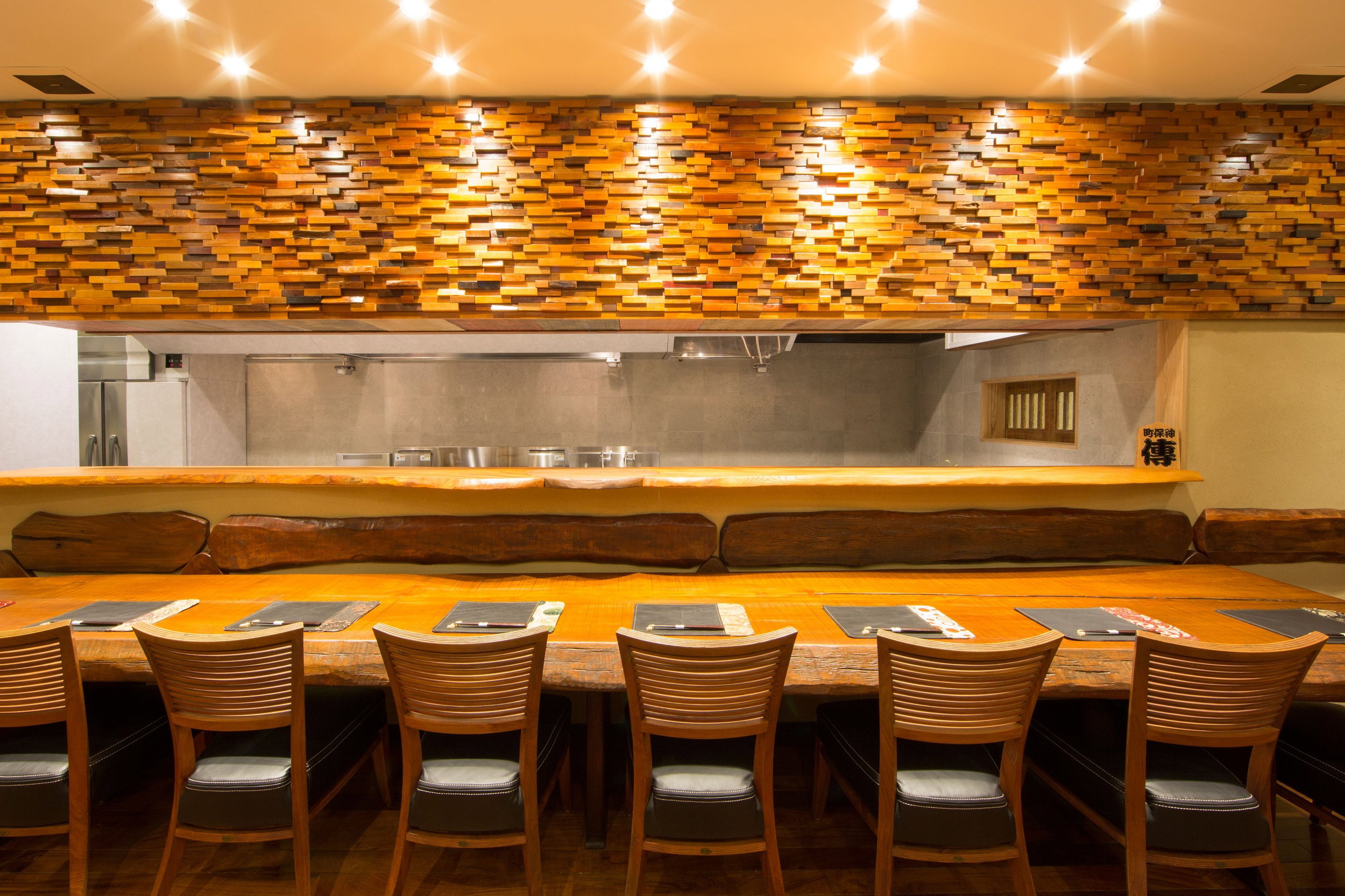
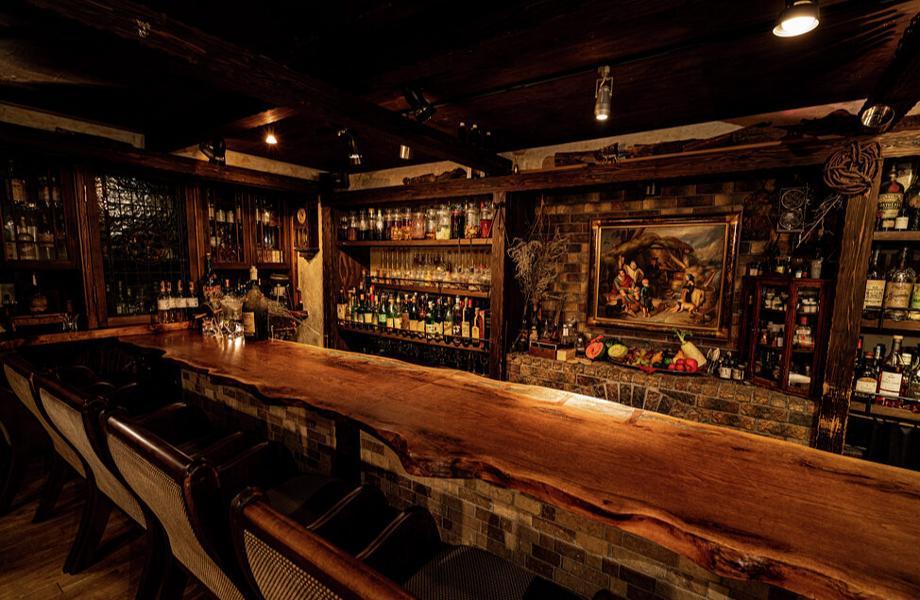
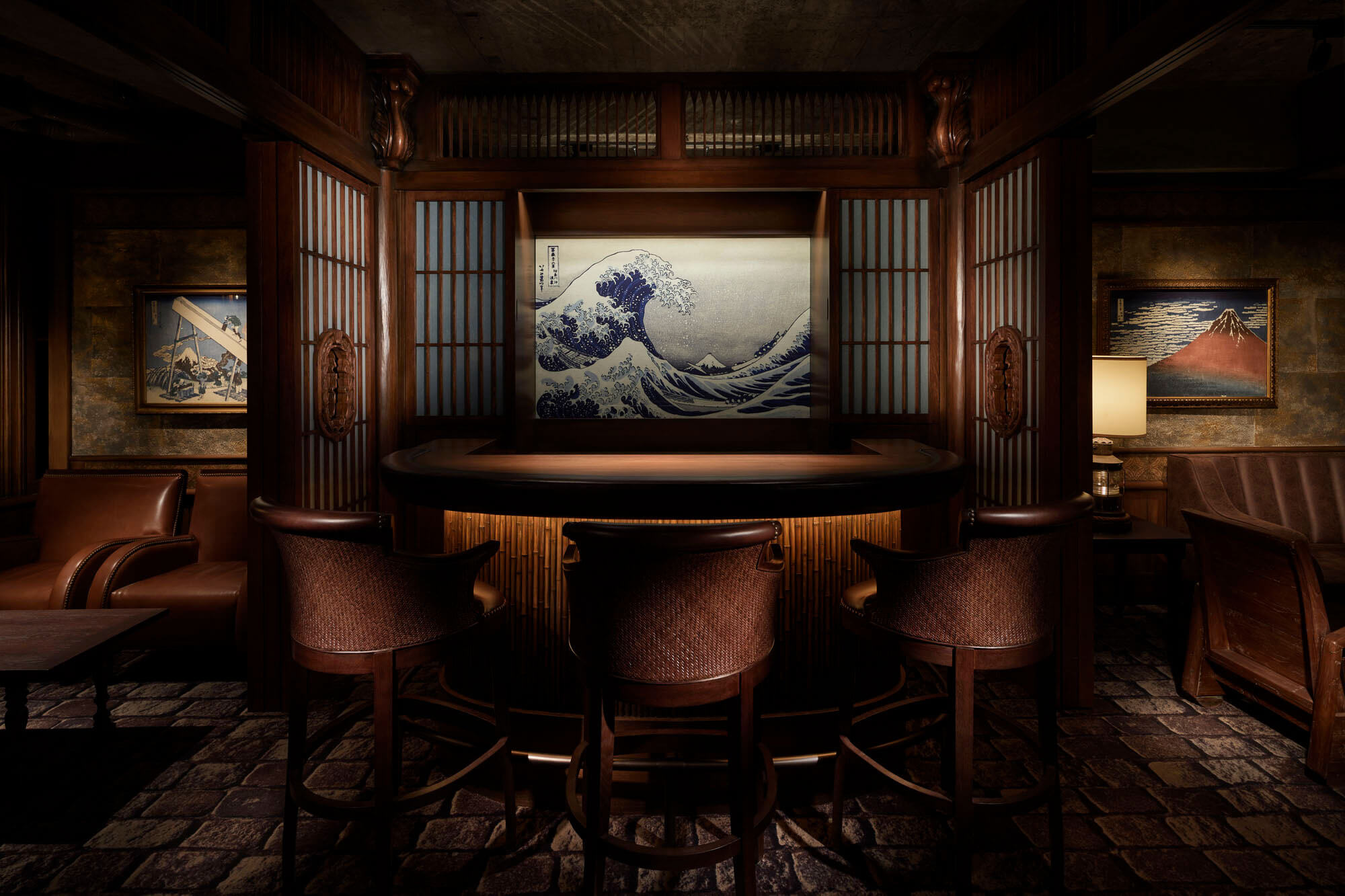
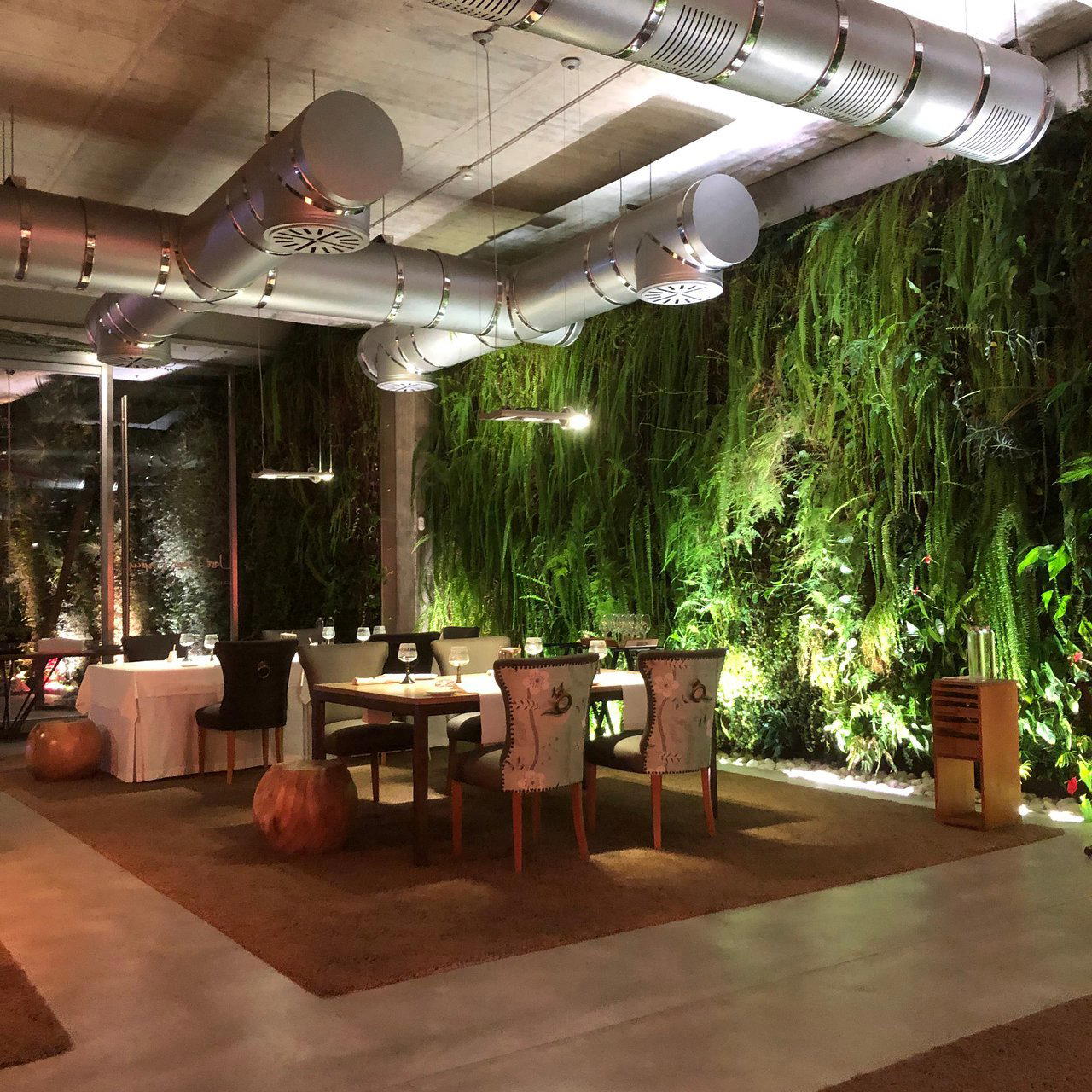
Cool silver-toned urban interior with lively counter seating for watching chefs and moody elegant table areas.
Tags
Vibe
Best For
Experience
Sourcing
Accessibility
At the Table
- Dress Code
- Smart Casual
- Noise Level
- Conversational
- Service Style
- Formal
- Meal Pacing
- Leisurely
- Capacity
- Intimate
Signature Dishes
- foie gras terrine with green tea
- fermented mushroom soup
- wagyu beef
Know before you go
Know Before You Go
- Getting there
- Japan, 〒100-0013 Tokyo, Chiyoda City, Kasumigaseki, 3 Chome−2−6 2F Kasumi Dining
Planning details
Location
Japan, 〒100-0013 Tokyo, Chiyoda City, Kasumigaseki, 3 Chome−2−6 2F Kasumi Dining · Directions
Recognition and awards
Also consider
Also Consider
- Harutaka, Sushi, ¥¥¥¥
- RyuGin, Kaiseki, Japanese, ¥¥¥¥
- L'Effervescence, French, ¥¥¥¥
- HOMMAGE, Innovtive French, French, ¥¥¥¥
- Florilège, French, ¥¥¥
Restaurant context
L'ARGENT sits at ¥¥¥ in a Tokyo modern French field where most of its peers have settled at ¥¥¥¥. That price gap matters. Florilège (¥¥¥) is the most direct like-for-like comparison, both are starred, both operate in the modern French idiom, and both offer a tasting menu format at the same price tier. The difference is focus: Florilège is more documented and easier to research in advance, while L'ARGENT's distinctive Scandinavian-Japanese-French layering gives it a more specific culinary identity. If you want the booking process to be less opaque, Florilège is the lower-friction choice. If the cooking concept matters more to you than the logistics, L'ARGENT has the edge in originality.
One tier up, L'Effervescence and HOMMAGE both operate at ¥¥¥¥ and offer more room presence and, typically, deeper wine programs. L'Effervescence in particular is the benchmark for refined modern French dining in Tokyo with strong ingredient provenance credentials, if wine pairing depth and dining room atmosphere are your primary criteria, the additional spend there is justified. HOMMAGE takes a more overtly innovative approach to French cooking; diners who want the most experimental end of the Tokyo French spectrum should lean that way. For the same ¥¥¥¥ spend in a completely different format, RyuGin (kaiseki) offers the most compelling argument for why you might leave French dining behind entirely while in Tokyo.
The verdict by diner profile: book L'ARGENT if you want a Michelin-starred modern French tasting menu at a price that has not yet caught up with its recognition, and you are willing to work harder on the booking. Book Florilège if you want the same tier with a smoother reservation process. Book L'Effervescence if budget is secondary and you want the full package, room, wine, and cooking at the highest documented level. For the broadest view of what Tokyo has to offer across all formats and price points, start with our full Tokyo restaurants guide.
Explore Tokyo
Around this place
Discover more on Pearl
Unlock the full L'ARGENT guide in Pearl, including awards, comparisons, FAQs, planning details, and nearby places.
Compare L'ARGENT
| Venue | Cuisine | Price | Booking Difficulty | Awards |
|---|---|---|---|---|
| L'ARGENT | French | ¥¥¥ | Hard | 2026 Michelin 1 StarTabelog 100 - French - TOKYO - 2025 · #262024 Michelin 1 Star |
| Harutaka | Sushi | ¥¥¥¥ | Unknown | 2026 Tabelog Silver · #312026 OAD Top Restaurants in Japan Ranked · #1282026 Michelin 3 Stars2026 La Liste Top RestaurantsTabelog 100 - Sushi - TOKYO - 2025 · #372025 Asia's 50 Best Restaurants · #762025 OAD Top Restaurants in Japan Ranked · #1172025 La Liste Top Restaurants2025 Tabelog Bronze |
| RyuGin | Kaiseki, Japanese | ¥¥¥¥ | Unknown | 2026 OAD Top Restaurants in Japan Ranked · #802026 Tabelog Bronze · #3772026 Michelin 3 Stars2026 La Liste Top RestaurantsTabelog 100 - Japanese cuisine - TOKYO - 2025 · #212025 OAD Top Restaurants in Japan Ranked · #542025 Michelin 3 Stars2025 La Liste Top Restaurants2025 The Best Chef Three Knives |
| L'Effervescence | French | ¥¥¥¥ | Unknown | 2026 Tabelog Silver · #682026 OAD Top Restaurants in Japan Ranked · #103Star Wine Lists 20262026 Black Pearl 2 Diamond2026 Relais Chateaux Restaurants2026 La Liste Top Restaurants2026 Michelin 3 Stars2025 Asia's 50 Best Restaurants · #692025 OAD Top Restaurants in Japan Ranked · #92 |
| HOMMAGE | Innovtive French, French | ¥¥¥¥ | Unknown | 2026 Tabelog Bronze · #1232026 OAD Top Restaurants in Japan Highly Recommended2026 Michelin 2 StarsTabelog 100 - French - TOKYO - 2025 · #762025 Asia's 50 Best Restaurants · #782025 OAD Top Restaurants in Japan Ranked · #1752025 Michelin 2 Stars2025 The Best Chef One Knife2025 La Liste Top Restaurants |
| Florilège | French | ¥¥¥ | Unknown | 2026 Asia's 50 Best Restaurants · #312026 Tabelog Bronze · #712026 OAD Top Restaurants in Japan Ranked · #1242026 Black Pearl 1 Diamond2026 Michelin 2 Stars2026 La Liste Top Restaurants2025 Asia's 50 Best Restaurants · #172025 World's 50 Best Restaurants · #36Tabelog 100 - French - TOKYO - 2025 · #68 |












Side-by-side comparison to help you decide where to book.
FAQ
Frequently Asked Questions
Is L'ARGENT good for solo dining?
Solo diners with a serious interest in modern French cooking will find L'ARGENT a focused, rewarding experience. The tasting menu format suits a single diner comfortable eating at their own pace. At ¥¥¥ pricing with a Michelin star behind it, the per-head spend is justified by the kitchen's creativity rather than the social spectacle of the meal.
What should I order at L'ARGENT?
L'ARGENT runs a tasting menu format, so ordering à la carte is not the expectation here. The kitchen's signature approach involves dishes like the foie gras torchon with Kakegawa tea and fermented Shizuoka mushroom soup — both illustrate the chef's Paris-Copenhagen-Japan axis. Trust the menu; that is the point of the experience.
Is L'ARGENT good for a special occasion?
Yes, provided the occasion suits a food-forward setting rather than a high-energy celebratory room. A Michelin one-star restaurant in a quieter Kasumigaseki address means the focus is on the plate, not the atmosphere. For milestone dinners where the cooking is the event, L'ARGENT delivers a clear point of view at ¥¥¥ pricing.
What are alternatives to L'ARGENT in Tokyo?
For modern French with comparable ambition, Florilège offers a more counter-forward format with strong local sourcing credentials. L'Effervescence leans into seasonal Japanese produce within a French framework and has a longer track record in Tokyo. If the Franco-Scandinavian angle is specifically what draws you to L'ARGENT, no direct peer in the city replicates that combination.
Is L'ARGENT worth the price?
At ¥¥¥ and Michelin one-star level, L'ARGENT sits in a competitive bracket in Tokyo. The case for booking it over peers is the chef's specific culinary identity: Scandinavian technique applied to Japanese ingredients within a French structure is a genuinely distinct approach, not a generic luxury French menu. If that specificity appeals to you, the price is justified.
Is the tasting menu worth it at L'ARGENT?
The tasting menu is how L'ARGENT makes its argument, and the dishes on record — foie gras torchon with regional tea, fermented Shizuoka mushroom soup — suggest a kitchen with a real perspective rather than a formulaic progression. For diners who engage with the story behind the sourcing and technique, it holds up at ¥¥¥. If you want flexibility to order around a menu, look at Florilège or HOMMAGE instead.