.png?width=1200&quality=80)
Kushiage Ryori Kawata
Kushiage · Minato, Tokyo
Restaurant in Tokyo, Japan
 Book with Pearl
The Read
Egg-Free High-Temp Kushiage
Price
$100–150per person
Why go
Kushiage Ryori Kawata in Azabujuban delivers Michelin-selected kushiage at ¥¥¥ pricing: a strong choice for food-focused travellers who want technically precise, lighter-than-expected deep-fried skewer cooking without the cost of a ¥¥¥¥ omakase. Book one to two weeks ahead; solo diners and couples will find the counter format works especially well here.
About Kushiage Ryori Kawata
Who Should Book Kushiage Ryori Kawata: and When
If you are travelling to Tokyo specifically to eat well and want a meal that sits outside the standard omakase-sushi-kaiseki circuit, Kushiage Ryori Kawata in Azabujuban is worth your attention. This is the right booking for a food-focused traveller who wants technical cooking at a ¥¥¥ price point: considerably more accessible than the ¥¥¥¥ tier that dominates serious Tokyo dining, and who appreciates when a kitchen has a clear, committed point of view. A Michelin Plate recognition in 2025 confirms it is on the radar of people who track these things. For solo diners, couples, or a pair of food-curious friends, this format works well. Large groups should read the private dining note below before booking.
The Space and the Format
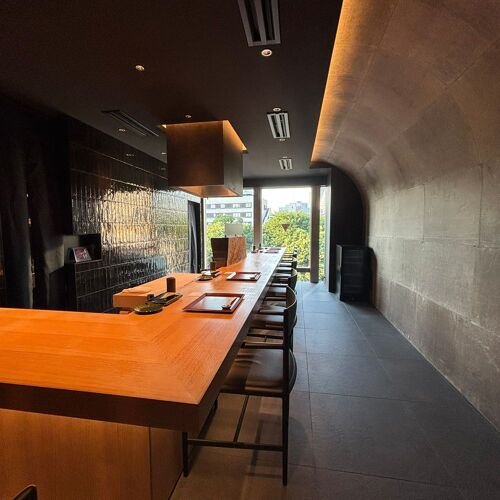
Kawata sits on the seventh floor of the ARUGA22 building in Azabujuban, one of Tokyo's quieter, more residential upscale neighbourhoods, the kind of area where locals eat rather than tourists congregate. Arriving on the seventh floor means the room already feels removed from street level, and that physical separation tends to translate into a more focused, intimate atmosphere than ground-floor restaurants in the same city. Azabujuban itself is a neighbourhood worth knowing: it has strong access to Roppongi and Hiroo without the noise, and the dining scene there rewards explorers who do their homework rather than defaulting to the well-trodden Ginza and Shinjuku corridors.
The format is kushiage, which means skewered and deep-fried ingredients served in sequence, closer in spirit to an omakase experience than to a casual izakaya, even if the technique involves a fryer rather than a knife. What distinguishes Kawata's approach is the deliberate lightness of the cooking: batter is thin and made without eggs or milk, only plant-based oils are used, and frying temperatures are kept high to minimise residual oil in the finished product. The result is kushiage that does not sit heavily, which matters if you are eating eight to twelve courses rather than a few skewers at a counter bar. Tiger prawns, soft-boiled quail eggs, and pork shoulder are part of the core repertoire, while the kitchen also moves into more composed territory: buttered potatoes with truffle, and egg yolk wrapped in wagyu beef. The meal closes with fried rice finished with nori and hot broth, a grounding, satisfying endpoint that avoids the abruptness of some tasting formats.
Private Dining and Group Bookings
This is where the booking decision gets more specific. Kushiage as a format is naturally suited to counter dining, where the rhythm of the meal, skewer by skewer, course by course, is managed by the kitchen directly. If the venue offers a private room or separated seating area (which the seventh-floor layout of ARUGA22 makes plausible, though the specific configuration is not confirmed in available data), a group booking here could work well for a business dinner or a small celebration where you want an experience that feels considered without requiring the formality of a kaiseki setting or the price outlay of a Michelin two- or three-star room. At ¥¥¥ pricing, a private or semi-private arrangement becomes significantly more cost-efficient than comparable formats at ¥¥¥¥ venues. For groups larger than four, contact the restaurant directly before assuming the main counter can accommodate everyone comfortably. If counter seating is the primary configuration, groups of two or three will have the leading experience here.
How It Compares
Relative to the broader Tokyo fine-dining set, Kawata occupies a useful middle position. It is not competing directly with RyuGin or L'Effervescence, both of which operate at ¥¥¥¥ and carry heavier Michelin recognition, those are different price tiers and different culinary ambitions. Kawata is better understood as a specialist venue doing one thing with care and technical discipline, at a price that allows you to eat there mid-trip without reshuffling your budget. If you are building a Tokyo itinerary and have already allocated one or two ¥¥¥¥ bookings, say, Harutaka for sushi or Sézanne for French, Kawata fits naturally as a different-format dinner that does not duplicate what those meals deliver. For a comparable kushiage experience in a different Japanese city, Ahbon in Kyoto is worth knowing, and if you are travelling through other parts of Asia, Hidden Kitchen in Hong Kong handles a comparable fried-skewer format. For broader planning, see our full Tokyo restaurants guide.
Booking Kawata
Booking difficulty is rated Easy. This is not a venue where you need to set calendar reminders for a reservation window opening three months out. That said, a Michelin Plate designation in 2025, combined with a small room on the seventh floor of a residential-neighbourhood building, means availability is not unlimited. Booking one to two weeks ahead should be sufficient for most dates, but if you have a fixed travel itinerary, locking in the reservation as soon as your dates are confirmed is always the sensible approach. There is no confirmed online booking method in the available data, so reaching out through the venue directly, or through your hotel concierge if you are staying somewhere with a strong Tokyo contact network, is the most reliable path. For hotels in the area with strong concierge infrastructure, see our full Tokyo hotels guide.
Tokyo Context and Other Options
Azabujuban is well-positioned for an evening out. The neighbourhood has its own character separate from the louder Roppongi dining strip nearby, and a meal at Kawata pairs naturally with a post-dinner drink at one of the quieter bars in the area. For bar recommendations, see our full Tokyo bars guide. If you are building a wider Japan itinerary beyond Tokyo, consider HAJIME in Osaka, Gion Sasaki in Kyoto, akordu in Nara, Goh in Fukuoka, 1000 in Yokohama, or 6 in Okinawa depending on your route. For Tokyo experiences beyond restaurants, our experiences guide and wineries guide have further options.
Quick reference:
Planning details
- Location
- Japan, 〒106-0045 Tokyo, Minato City, Azabujuban, 1 Chome−6−9 ARUGA22 7階
- Reservations
- Book on TableCheck
- Website
- tablecheck.com/shops/kushiageryori-kawata/reserve
- Phone
- +81 3-6721-0600
The take
The Take
The Vibe
Kushiage Ryori Kawata presents a modern, refined take on Osaka’s working‑class kushikatsu tradition, transposed into an intimate Tokyo counter setting. The restaurant frames skewered frying with French‑influenced Japanese fine‑dining rigor, thin, egg‑free batter, light plant oils and high‑temperature technique, so the food reads lighter than its method implies. The tone is restrained and precise rather than flashy: service and plating foreground technical control and the rhythm of the counter. Michelin Plate recognition reinforces the restaurant’s position as a measured, contemporary interpretation of a familiar format aimed at diners who value craftsmanship over gimmickry.
Best For
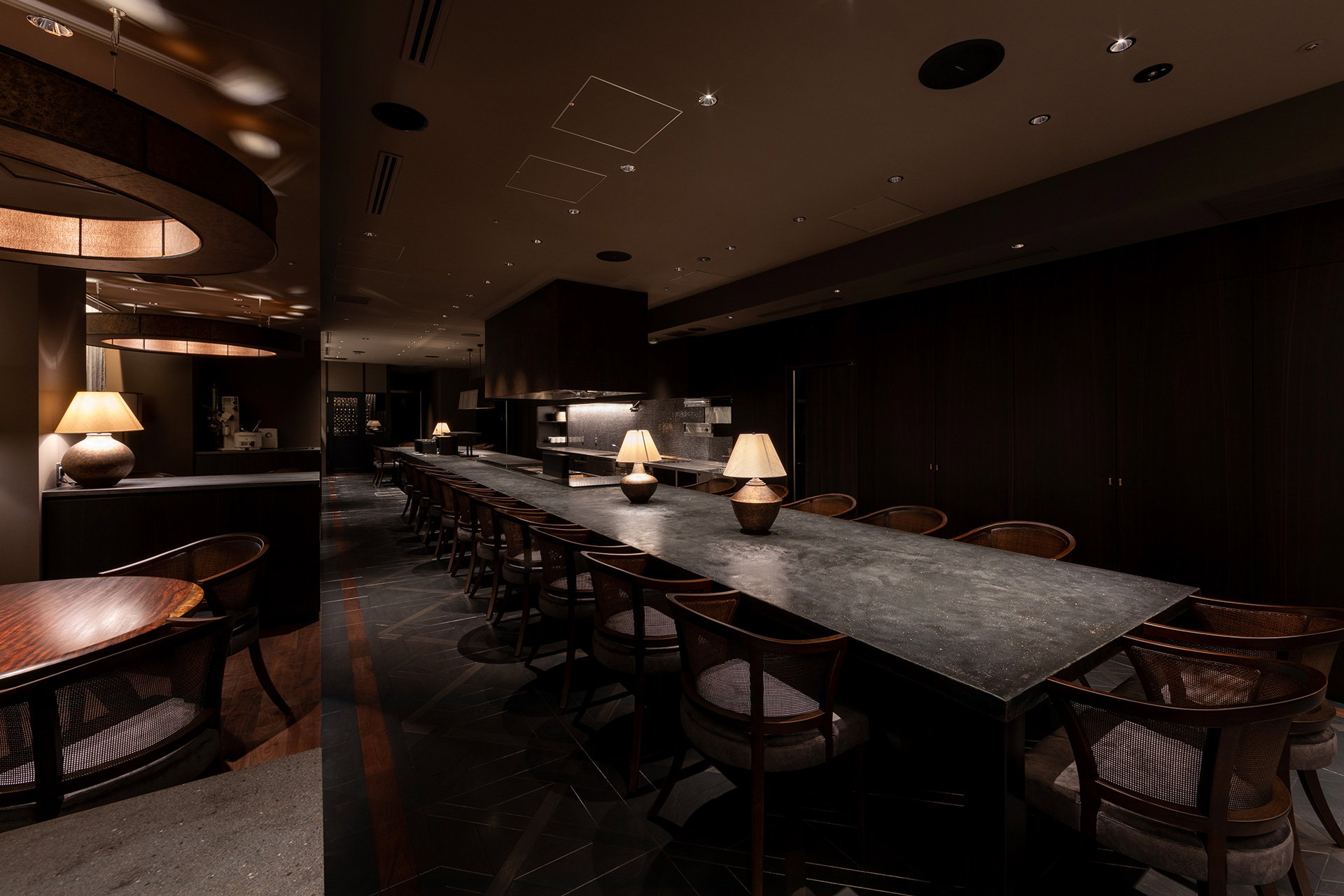
Kawata suits occasions that favor focused, high‑attention dining: date nights, business dinners and special‑occasion meals where conversation and proximity to the chef are part of the appeal. The counter layout foregrounds the cooking process and makes the meal feel like a shared, framed performance rather than casual grazing. Michelin recognition and the restaurant’s technical emphasis make it a comfortable choice for diners seeking an elevated single‑format experience in Azabu‑Juban, especially for an evening meal where pacing and sequence matter.
Ordering Tips
Approach the meal with the restaurant’s standard progression in mind: the menu moves through reference skewers, tiger prawns, soft‑boiled quail eggs and pork shoulder roast, that test batter and technique. Expect a lighter‑reading fry thanks to the thin, egg‑and‑milk‑free batter, exclusive use of light plant oils and calibrated high frying temperatures. If available, sample Kawata’s signature extensions of the repertoire, such as Wagyu‑wrapped egg yolk and truffle‑buttered potatoes, to experience how the kitchen stretches the format while staying true to its frying philosophy.
Venue details
Ambiance
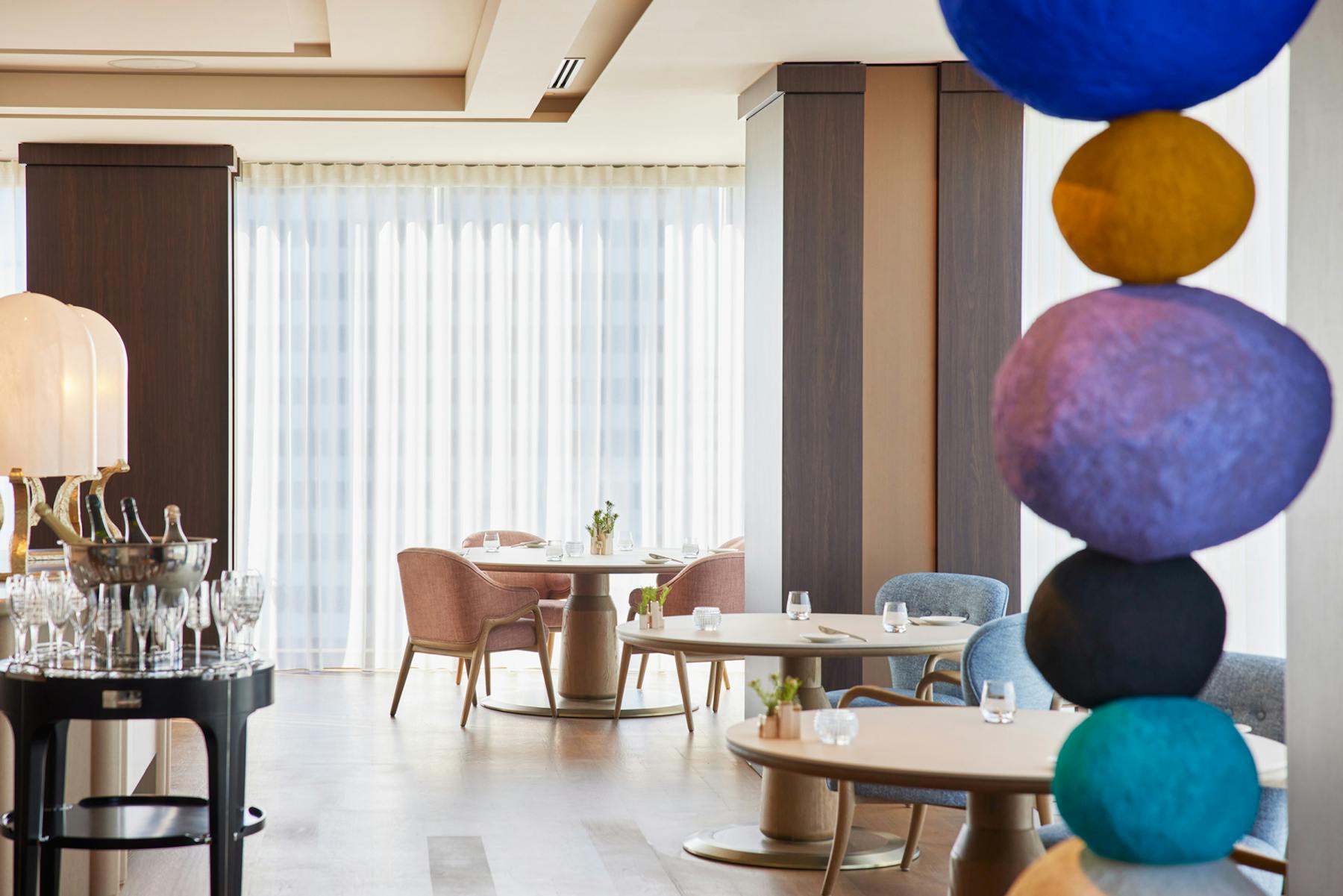
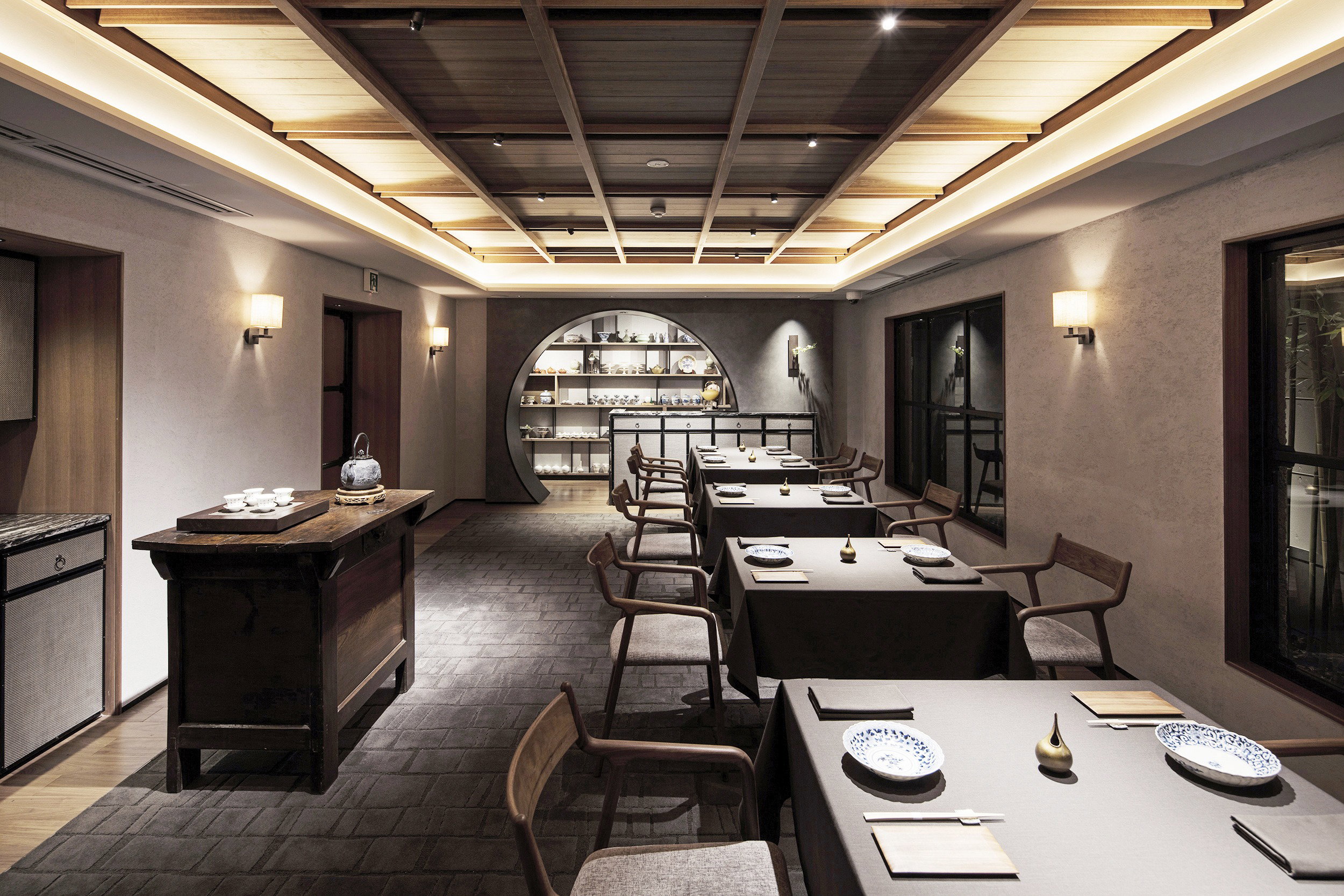
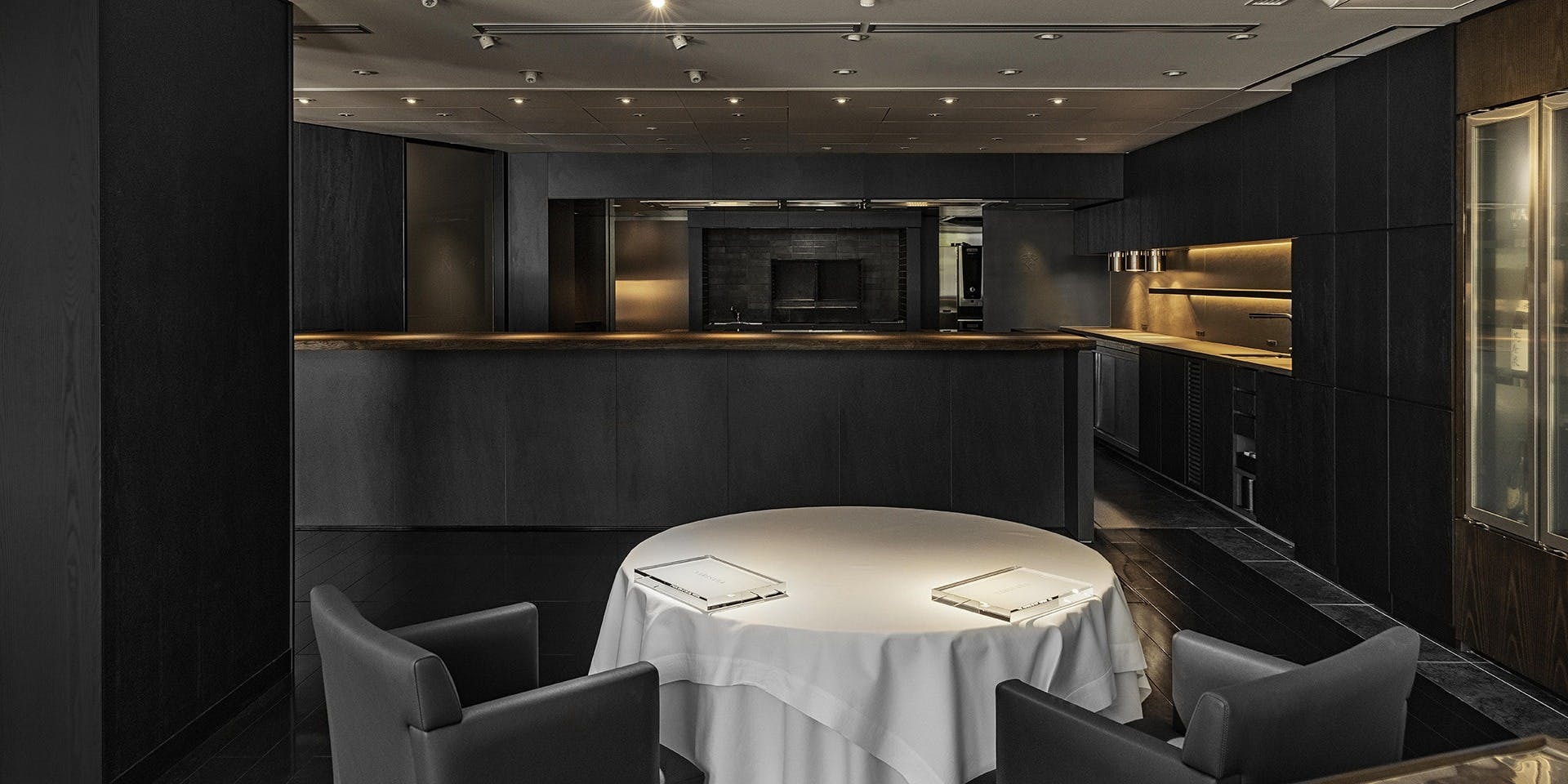
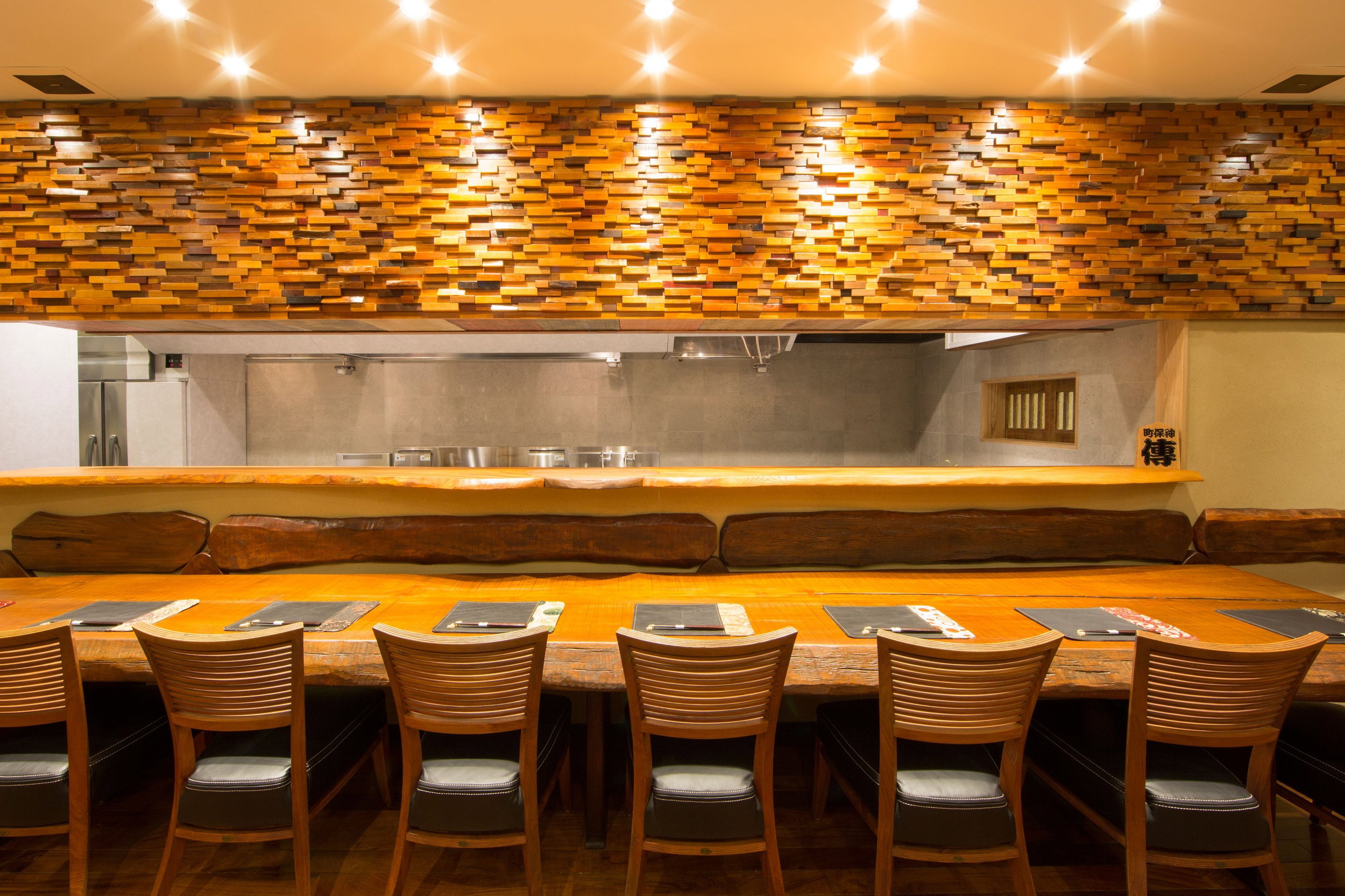
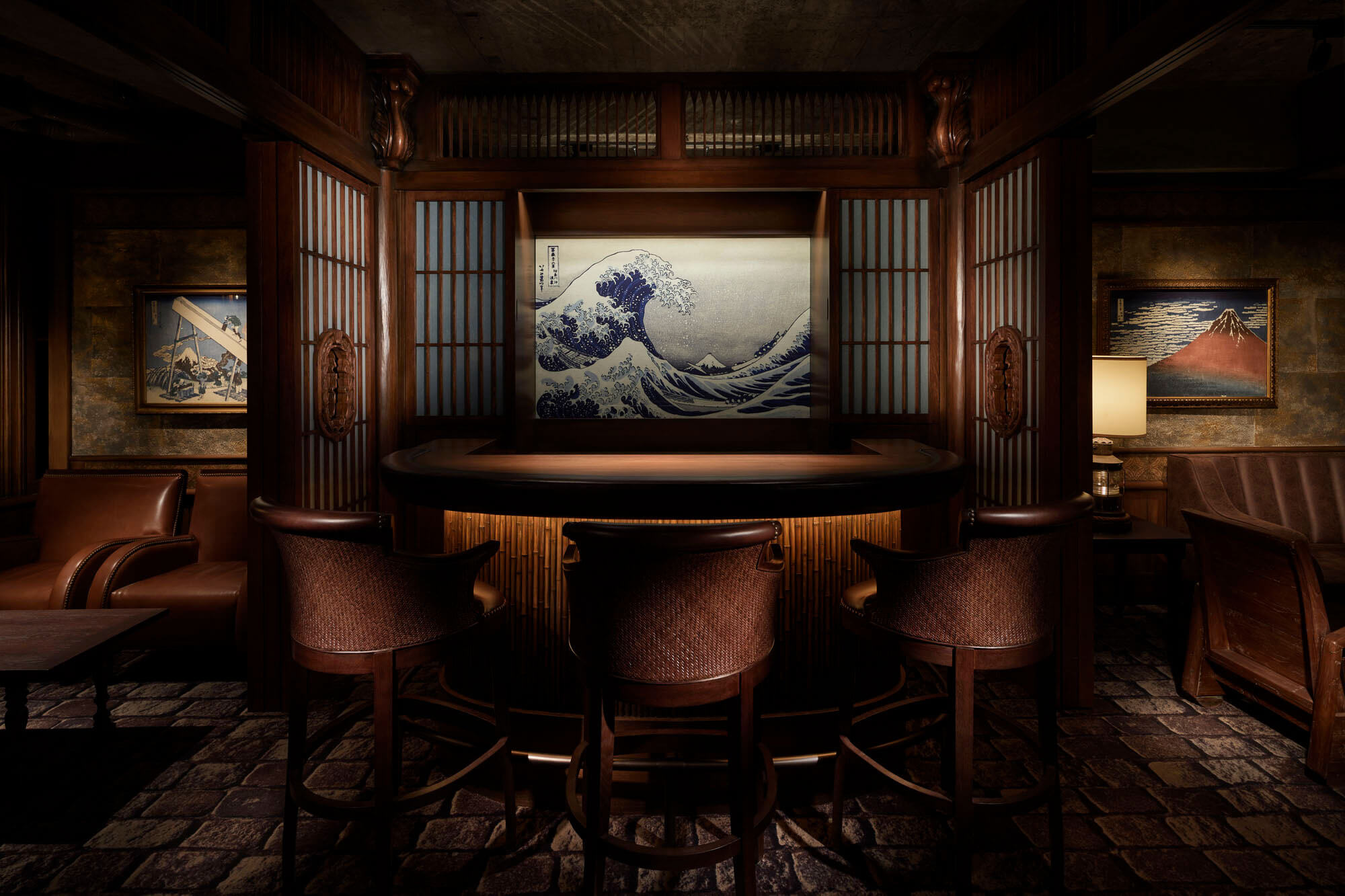
Understated elegance with warm woods, measured lighting, and a counter theater fostering unhurried, intimate attention in a sophisticated adult space.
Tags
Vibe
Best For
Experience
View
At the Table
- Noise Level
- Quiet
- Service Style
- Upscale Casual
- Meal Pacing
- Leisurely
- Capacity
- Intimate
- Kitchen
- Modern
- Menu Format
- Omakase, Counter dining, Small plates
- Drinks Focus
- Sake
Signature Dishes
- Tiger Prawn Kushiage
- Quail Egg Kushiage
- Wagyu-Wrapped Egg Yolk
- Truffle Buttered Potatoes
Know before you go
Know Before You Go
- Getting there
- Japan, 〒106-0045 Tokyo, Minato City, Azabujuban, 1 Chome−6−9 ARUGA22 7階
Planning details
Location
Japan, 〒106-0045 Tokyo, Minato City, Azabujuban, 1 Chome−6−9 ARUGA22 7階 · Directions
Recognition and awards
Also consider
Also Consider
- Harutaka: Sushi, ¥¥¥¥
- L'Effervescence: French, ¥¥¥¥
- RyuGin: Kaiseki, Japanese, ¥¥¥¥
- HOMMAGE: Innovtive French, French, ¥¥¥¥
- Crony: Innovative, French, ¥¥¥¥
Restaurant context
Kawata's most direct competitors in Tokyo are not the venues most people compare it to. RyuGin and L'Effervescence both operate at ¥¥¥¥ with multi-Michelin recognition: they are a different tier in price, ambition, and booking difficulty. If your question is where to spend serious money on one landmark Tokyo meal, those venues deserve consideration. If your question is where to find technically disciplined, Michelin-recognised cooking at a price that does not force a budget reallocation, Kawata answers that question more usefully than either of them.
Against Harutaka and Crony, the comparison is less about quality and more about format and cuisine type. Harutaka is sushi at ¥¥¥¥: a harder reservation and a higher spend for a different culinary experience. Crony is innovative French at ¥¥¥¥, with a different flavour profile and a different room atmosphere. HOMMAGE sits in the same price tier as Crony and similarly serves French-influenced cooking. None of them do what Kawata does. The practical recommendation: if you are building a multi-night Tokyo dining itinerary, Kawata functions as the specialist Japanese format dinner that sits alongside rather than competing with those French or sushi bookings.
For travellers who want the most accessible entry point into serious Tokyo dining, Kawata's combination of ¥¥¥ pricing, easy booking, and Michelin Plate recognition makes it the lower-friction choice in this comparison set. The trade-off is that it lacks the star-level prestige of RyuGin or L'Effervescence: but if a technically focused, format-driven dinner in a quieter neighbourhood is what you are after, the case for Kawata over its ¥¥¥¥ peers on a given night is straightforward.
Explore Tokyo
Around this place
Discover more on Pearl
Unlock the full Kushiage Ryori Kawata guide in Pearl, including awards, comparisons, FAQs, planning details, and nearby places.
Compare Kushiage Ryori Kawata
| Venue | Cuisine | Price | Booking Difficulty | Awards |
|---|---|---|---|---|
| Kushiage Ryori Kawata | Kushiage | ¥¥¥ | Easy | 2026 Michelin Plate2025 Michelin Plate |
| Harutaka | Sushi | ¥¥¥¥ | Unknown | 2026 Tabelog Silver · #312026 OAD Top Restaurants in Japan Ranked · #1282026 Michelin 3 Stars2026 La Liste Top RestaurantsTabelog 100 - Sushi - TOKYO - 2025 · #372025 Asia's 50 Best Restaurants · #762025 OAD Top Restaurants in Japan Ranked · #1172025 La Liste Top Restaurants2025 Tabelog Bronze |
| L'Effervescence | French | ¥¥¥¥ | Unknown | 2026 Tabelog Silver · #682026 OAD Top Restaurants in Japan Ranked · #103Star Wine Lists 20262026 Black Pearl 2 Diamond2026 Relais Chateaux Restaurants2026 La Liste Top Restaurants2026 Michelin 3 Stars2025 Asia's 50 Best Restaurants · #692025 OAD Top Restaurants in Japan Ranked · #92 |
| RyuGin | Kaiseki, Japanese | ¥¥¥¥ | Unknown | 2026 OAD Top Restaurants in Japan Ranked · #802026 Tabelog Bronze · #3772026 Michelin 3 Stars2026 La Liste Top RestaurantsTabelog 100 - Japanese cuisine - TOKYO - 2025 · #212025 OAD Top Restaurants in Japan Ranked · #542025 Michelin 3 Stars2025 La Liste Top Restaurants2025 The Best Chef Three Knives |
| HOMMAGE | Innovtive French, French | ¥¥¥¥ | Unknown | 2026 Tabelog Bronze · #1232026 OAD Top Restaurants in Japan Highly Recommended2026 Michelin 2 StarsTabelog 100 - French - TOKYO - 2025 · #762025 Asia's 50 Best Restaurants · #782025 OAD Top Restaurants in Japan Ranked · #1752025 Michelin 2 Stars2025 The Best Chef One Knife2025 La Liste Top Restaurants |
| Crony | Innovative, French | ¥¥¥¥ | Unknown | 2026 Asia's 50 Best Restaurants · #34Star Wine Lists 20262026 OAD Top Restaurants in Japan Recommended2026 Michelin 2 Stars2025 Asia's 50 Best Restaurants · #30Tabelog 100 - French - TOKYO - 2025 · #782025 OAD Top Restaurants in Japan Ranked · #227We're Smart World Top Restaurants 20252025 Michelin 2 Stars |














Comparing your options in Tokyo for this tier.
FAQ
Frequently Asked Questions
What should a first-timer know about Kushiage Ryori Kawata?
The format is sequential kushiage: skewers of meat, seafood, and vegetables deep-fried in light, plant-based oil and served one by one. This is not a share-plates-at-your-own-pace meal; the kitchen controls the rhythm. The 2025 Michelin Plate recognition signals consistent quality, and dishes like wagyu-wrapped egg yolk and buttered potato with truffle show the kitchen is doing more than pub-style karaage. Come with an appetite, no particular expectations about a la carte, and an interest in kushiage as a serious format rather than a casual snack.
Is Kushiage Ryori Kawata good for solo dining?
Yes: counter-format kushiage is one of the better solo dining structures in Tokyo. The sequential service keeps the meal moving without the awkward pace of eating alone from shared dishes, and the Azabujuban address at ARUGA22 is easy to get to without the tourist density of Shinjuku or Shibuya. At a ¥¥¥ price point, a solo dinner here is a reasonable spend for a Michelin-recognised meal in the city.
Can I eat at the bar at Kushiage Ryori Kawata?
Counter seating is the natural format for kushiage, and Kawata's setup at ARUGA22 in Azabujuban is built around that dynamic. Whether walk-in bar seats are available is not confirmed in the booking data, so reserve in advance rather than arriving and hoping for a spot. Booking difficulty is rated Easy, so securing a seat should not require weeks of lead time.
How far ahead should I book Kushiage Ryori Kawata?
Booking difficulty is rated Easy, which puts this well below the multi-month waits required for venues like RyuGin or Harutaka. A week's notice is likely sufficient for most dates, though weekend reservations in peak travel months warrant a bit more lead time. Book through a hotel concierge if you do not read Japanese, as the venue does not list an English-language website in the database.