.png?width=1200&quality=80)

Keichitsu
French · Shibuya, Tokyo
Restaurant in Tokyo, Japan
 Book with Pearl
The Read
Vegetable-Centred French Precision
Price
¥¥¥
Dress
Smart Casual
Why go
Keichitsu is a vegetable-forward French restaurant in Shibuya's quiet Shoto neighbourhood, recognised with a Michelin Plate in both 2024 and 2025. Chef Yuki Matsumoto, trained at La Grenouillère in France, builds seasonal menus around a handful of ingredients prepared multiple ways. At ¥¥¥ with easy booking, it offers a serious, intimate dinner for a special occasion without the friction or price of Tokyo's top-tier French rooms.
About Keichitsu
Pearl Verdict
Keichitsu is worth booking for a special occasion dinner in Shibuya if vegetable-forward French cuisine appeals to you and you want something more personal than the city's bigger-name French rooms. The Michelin Plate recognition (2024 and 2025) puts it in the credible-but-accessible tier: this is not a three-star production, but the cooking is serious and the price point at ¥¥¥ makes it easier to justify than the ¥¥¥¥ French options across Tokyo. Booking is rated Easy, which is a genuine advantage in a city where the leading rooms are locked weeks out.
About Keichitsu
The restaurant takes its name from a Japanese micro-season: the brief period in early March when insects emerge from winter hiding. That framing matters because it tells you what the chef is interested in. The cooking at Keichitsu orbits the natural world closely, using a small number of main ingredients and presenting each in several preparations on a single plate. A vegetable might appear roasted, as a puree, and as a sauce simultaneously, building depth without multiplying the ingredient count. Yuzu and Japanese pepper appear as seasonal counterpoints rather than decoration.
Chef Yuki Matsumoto trained at La Grenouillère in northern France, a We're Smart 5 Radishes restaurant led by chef Alexandre Gauthier, where vegetables are treated with the same technical rigour normally reserved for protein. That background is visible in the approach here: fermentation, purées, and precise saucing are tools applied to plant matter rather than afterthoughts. If you are planning a dinner around a guest with dietary requirements, the chef will construct a fully plant-based menu on request, which is a practical advantage that many tasting-menu restaurants in Tokyo do not offer with the same flexibility.
The address is 2 Chome-13-12 Shoto, Shibuya, a residential pocket that sits away from the main commercial drag. Shoto is one of the quieter corners of Shibuya, and the low-traffic setting makes Keichitsu a reasonable choice when the occasion calls for an intimate room rather than a high-energy dining room. For a date dinner or a small group celebration, the spatial register here is closer to a private meal than a night out, which is either exactly what you want or a signal to look elsewhere if your party needs noise and energy. Compare it to Florilège, which shares the ¥¥¥ French tier but operates in a more counter-focused, open-kitchen format with a different energy entirely.
For groups considering a private or semi-private arrangement, the small-scale nature of Keichitsu works in your favour. The room is not a large-format restaurant, so the entire space can feel like it belongs to a small party. If you are organising a business dinner or a milestone celebration and want the cooking to reflect the season you are actually in, the micro-seasonal framing of the menu makes that connection legible to guests without requiring explanation. That said, the absence of a confirmed seat count in available data means you should contact the restaurant directly to confirm capacity before building a group booking around it.
Compared to the ¥¥¥¥ French options in Tokyo, Keichitsu asks less of your budget while still delivering technically grounded cooking with a clear point of view. L'Effervescence and Sézanne operate at a higher production level and carry heavier Michelin credentials, but if the occasion does not require that tier, Keichitsu gets you into a serious French kitchen at a lower per-head cost. ESqUISSE and Château Restaurant Joël Robuchon sit at different points on the formality and price spectrum and are worth considering if the occasion calls for a grander room.
Weight the Michelin Plate recognition more heavily as a signal of consistency. Two consecutive plates (2024 and 2025) indicate the kitchen is holding its standard rather than coasting on an early mention.
For broader trip planning, see our full Tokyo restaurants guide, our full Tokyo hotels guide, and our full Tokyo bars guide. If you are building a wider Japan itinerary, comparable fine-dining options include HAJIME in Osaka, Gion Sasaki in Kyoto, and akordu in Nara. Further afield in the region, Les Amis in Singapore and Hotel de Ville Crissier represent how vegetable-aware French cooking plays at different price and prestige levels.
Know Before You Go
- Cuisine
- French, vegetable-forward with seasonal micro-season framing
- Price
- ¥¥¥
- Location
- 2 Chome-13-12 Shoto, Shibuya, Tokyo 150-0046
- Awards
- Michelin Plate 2024, Michelin Plate 2025
- Booking difficulty
- Easy — no multi-week advance booking required, but confirm directly for group sittings
- Dietary flexibility
- Full plant-based menu available on request
- Leading for
- Date dinner, small group celebration, business meal in a quiet setting
Explore More in Tokyo and Beyond
- Our full Tokyo restaurants guide
- Our full Tokyo hotels guide
- Our full Tokyo bars guide
- Our full Tokyo wineries guide
- Our full Tokyo experiences guide
- Goh in Fukuoka
- 1000 in Yokohama
- 6 in Okinawa
Planning details
- Location
- 2 Chome-13-12 Shoto, Shibuya, Tokyo 150-0046, Japan
- Website
- instagram.com/restaurant_keichitsu
- Phone
- +81 3-5738-8970
The take
The Take
The Vibe
Keichitsu sits quietly in Shoto’s low-rise, tree-lined streets and deliberately avoids theatrical gestures. The room favors restraint over showmanship: no marquee, no queue, just a concentrated focus on cooking. The name—drawn from a Japanese solar term—signals a seasonal, attentive approach; dishes are calibrated to the agricultural calendar and use a tight palette of ingredients treated in multiple registers. The atmosphere reads as serious and refined rather than flashy, with an emphasis on the craft of the kitchen and the subtle aromatics of yuzu and Japanese pepper. It feels like a measured, sophisticated escape from Tokyo’s more ostentatious dining rooms.
Best For
This is a place for low-key, high-quality French dining—well suited to quiet date nights and special occasions where the point of the evening is the food itself. Keichitsu’s chef-driven, seasonal approach rewards diners who are looking for thoughtful, ingredient-led courses rather than spectacle. The residential Shoto setting and the restaurant’s restrained presentation make it a strong option for couples and small groups seeking an intimate, contemplative meal. It sits within Tokyo’s fine-dining tier in spirit, so expectations should tilt toward refinement, careful technique, and a menu that reflects the moment.
Ordering Tips
Expect a focused, seasonal menu that concentrates on a few principal ingredients treated in multiple ways; the kitchen prefers compression over proliferation. Take note of the Japanese touches—yuzu citrus and Japanese pepper are mentioned as recurring aromatic counterpoints—and look for dishes that layer roasted, pureed and reduced preparations together. Because the cooking is the primary voice here, lean into the kitchen’s seasonal choices and let the composition of plates guide your meal. The restaurant’s ethos rewards diners who appreciate subtlety, discipline, and close attention to ingredient timing.
Venue details
Ambiance
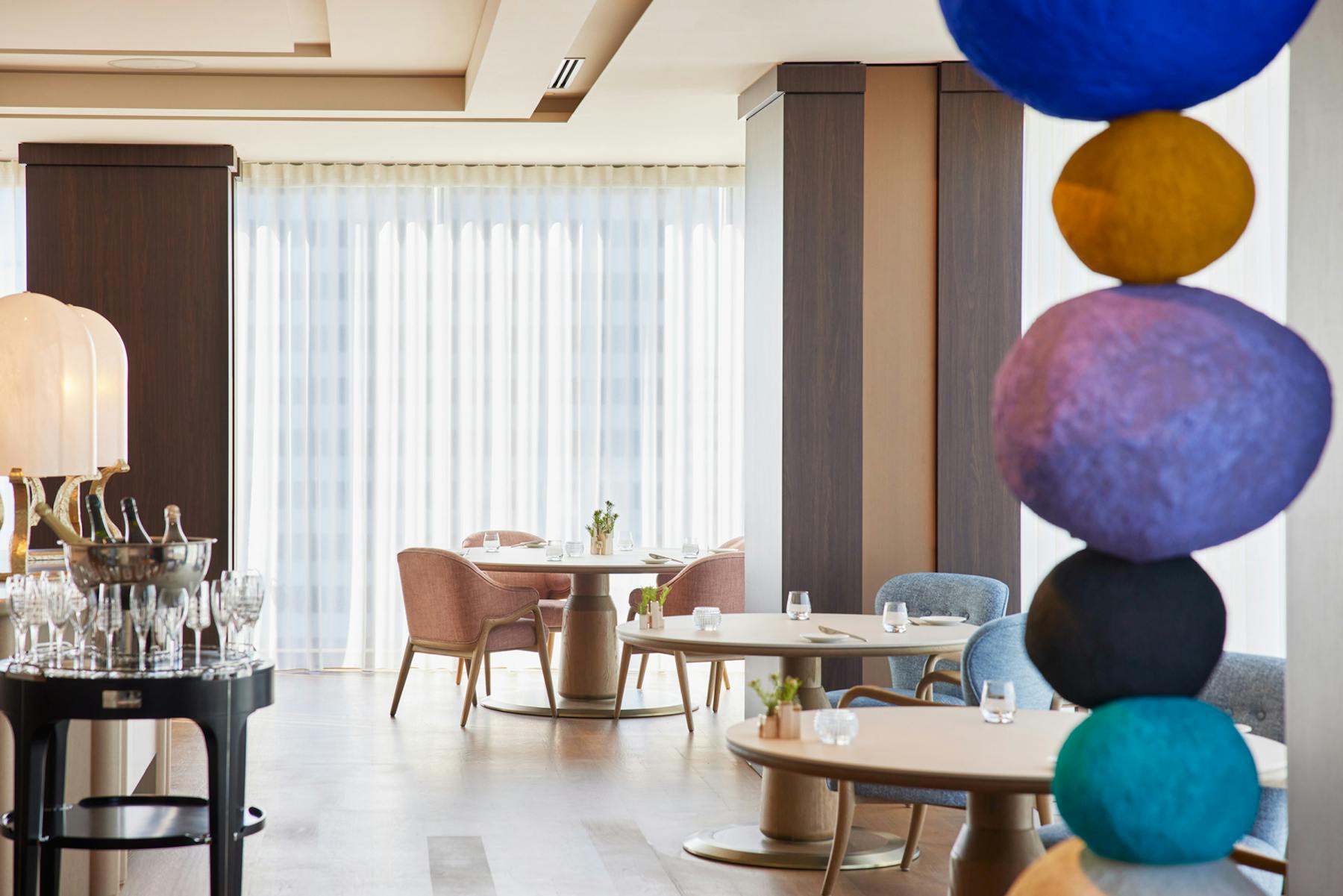
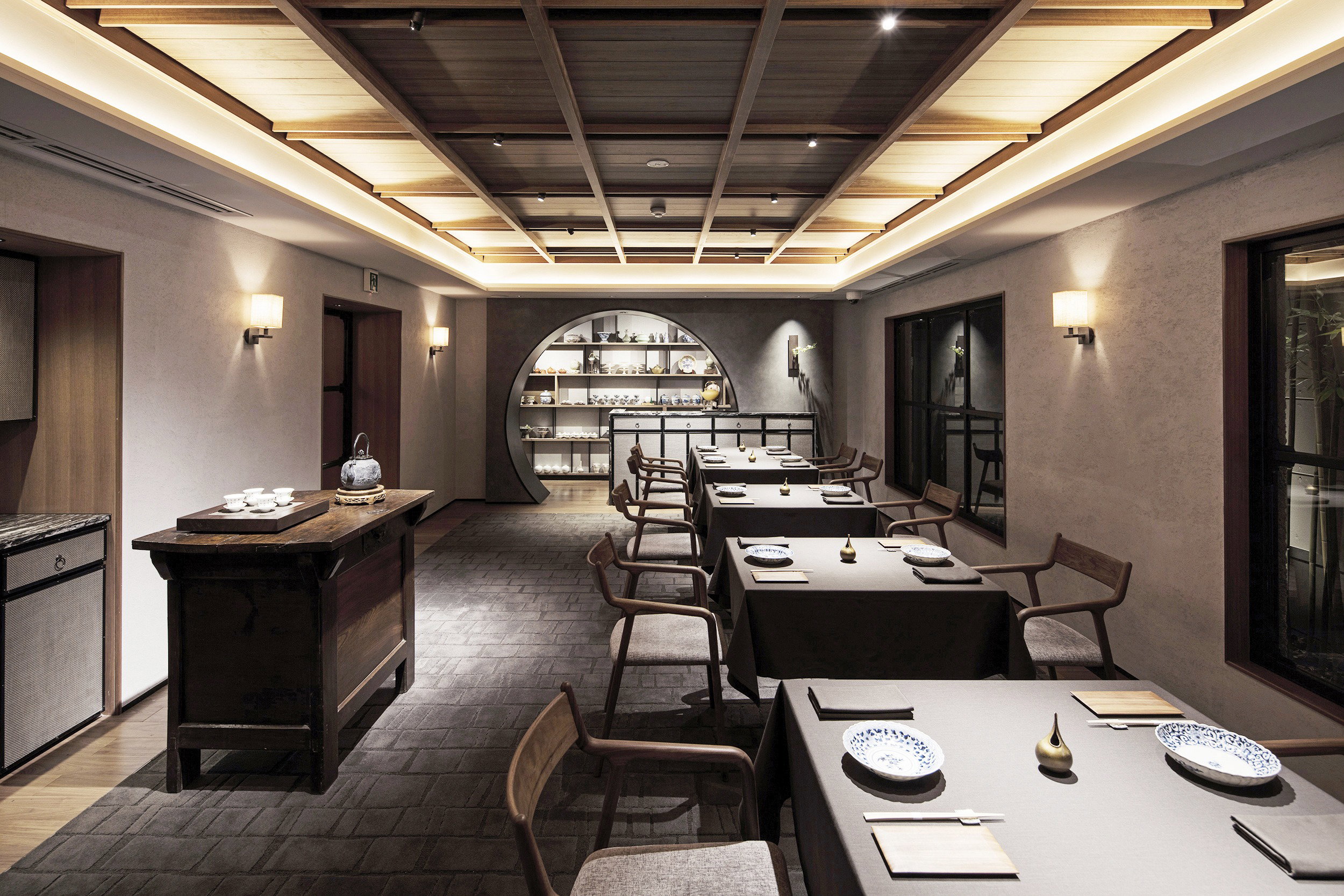
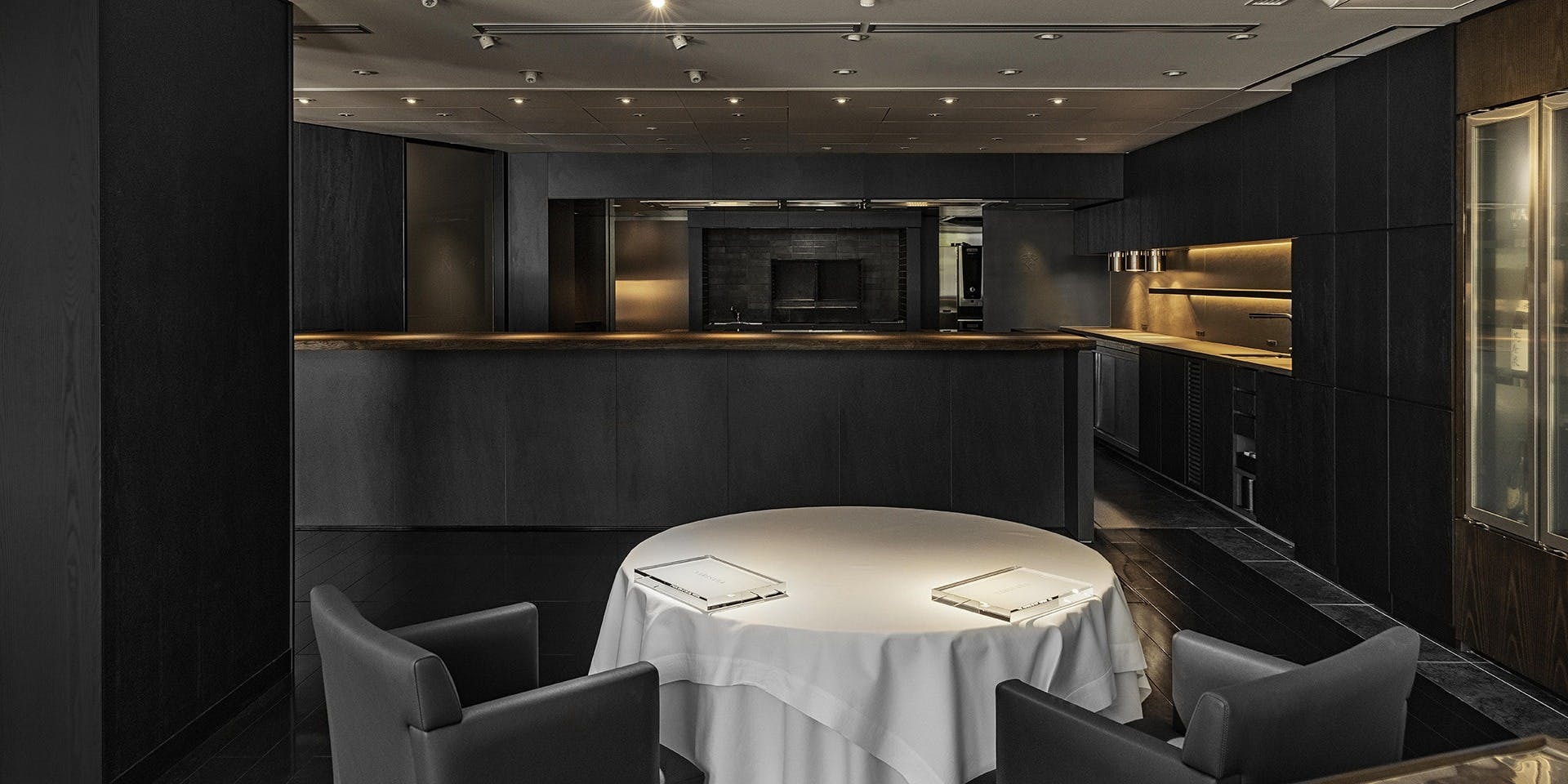
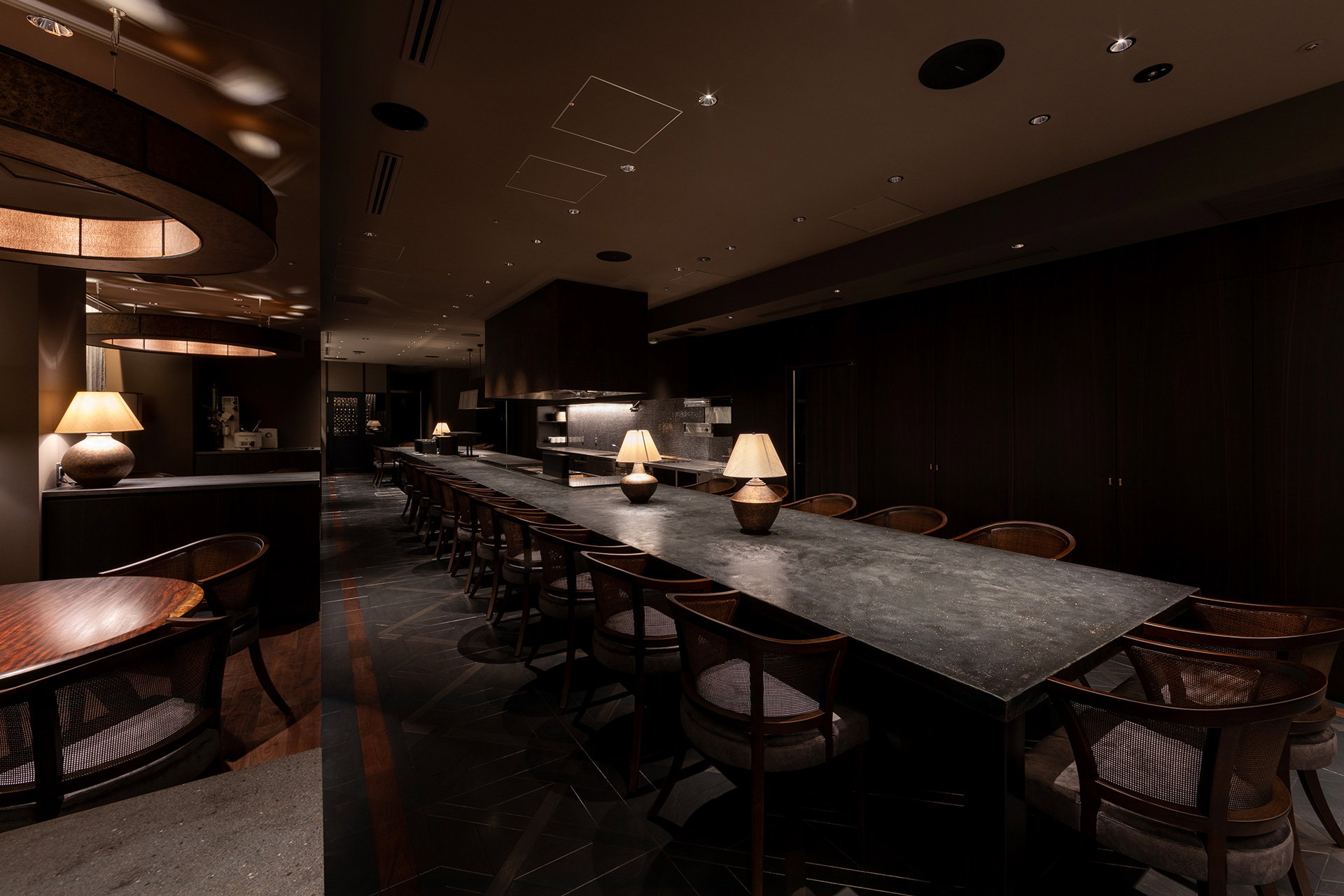
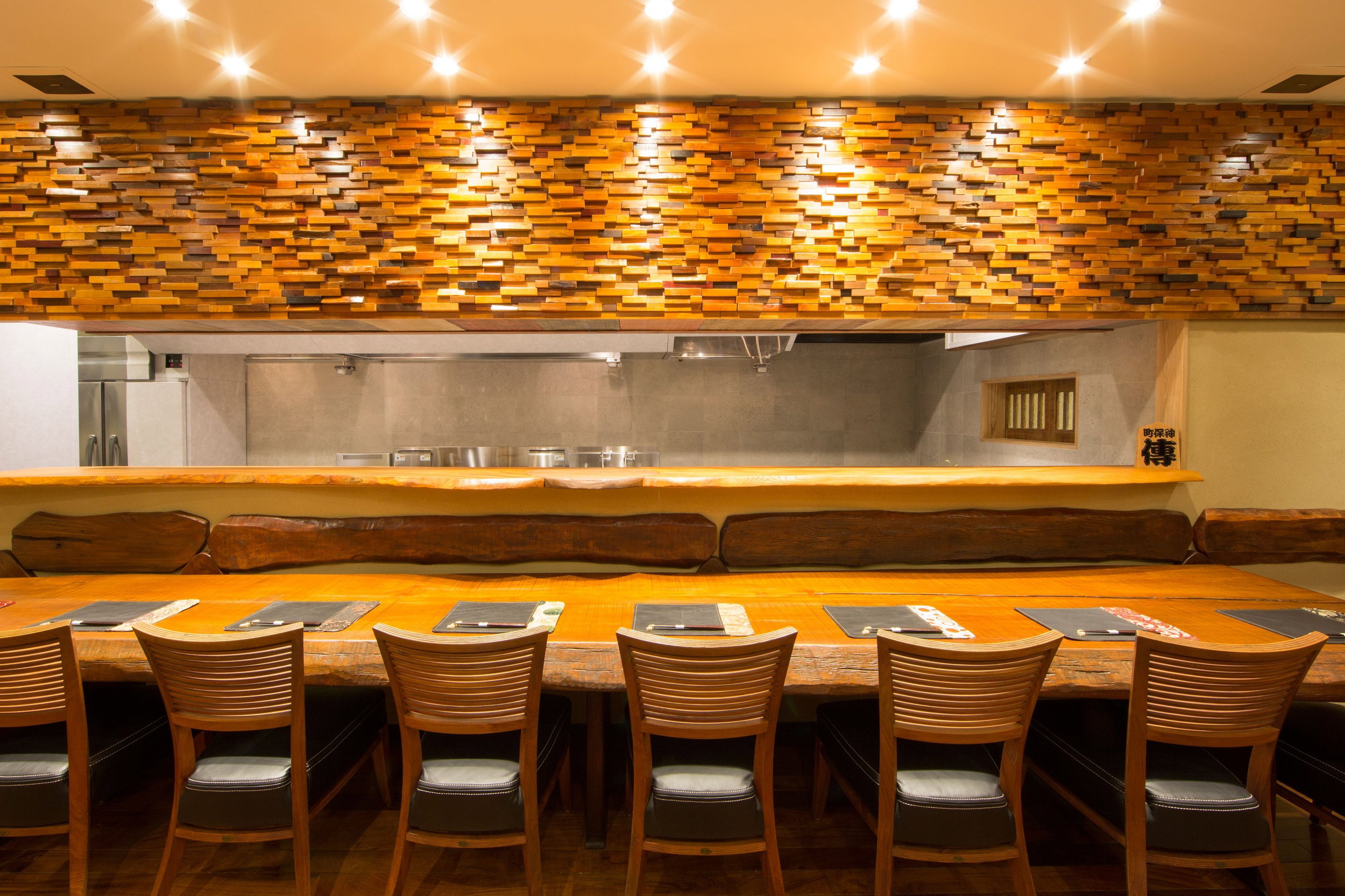
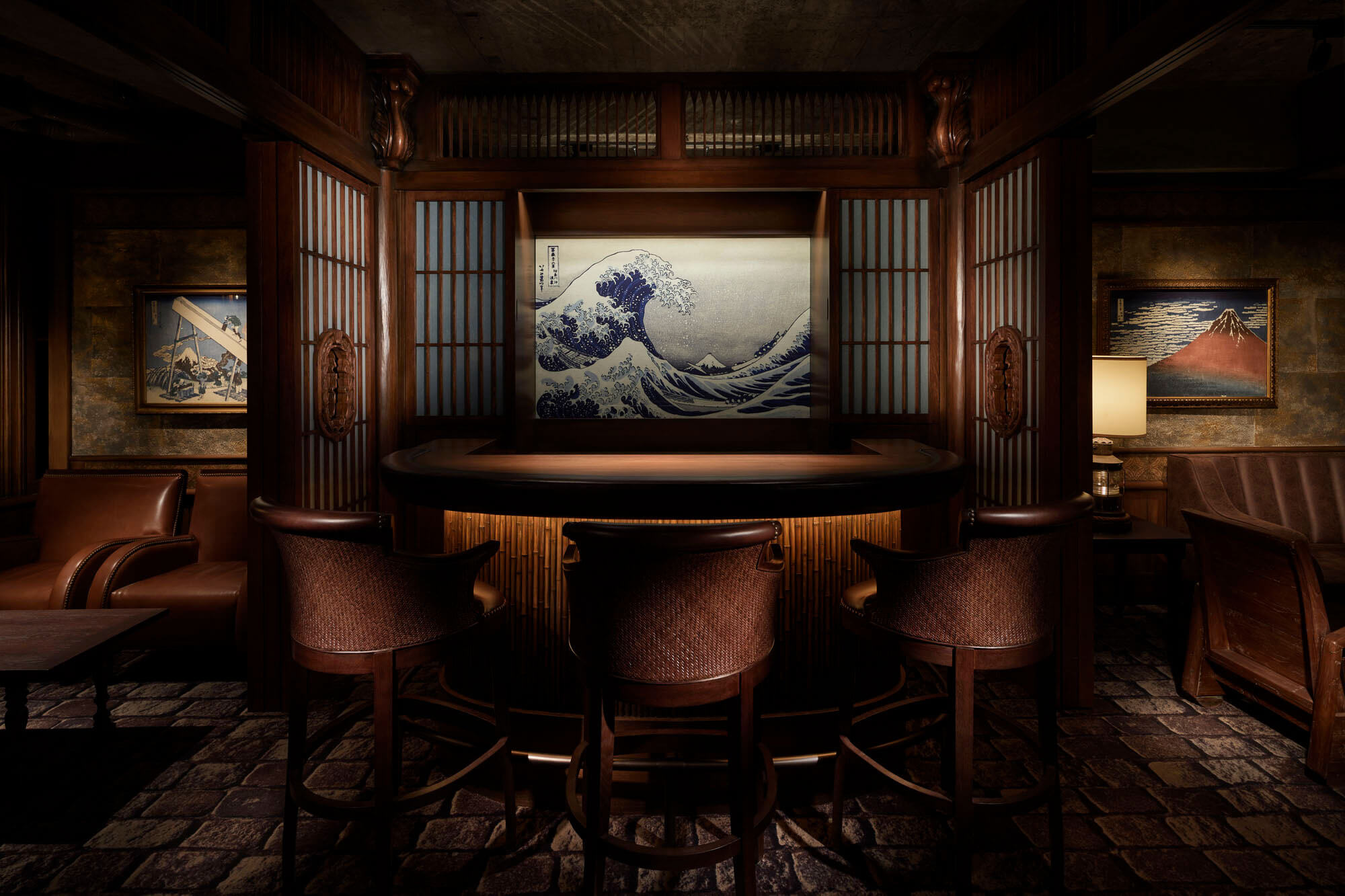
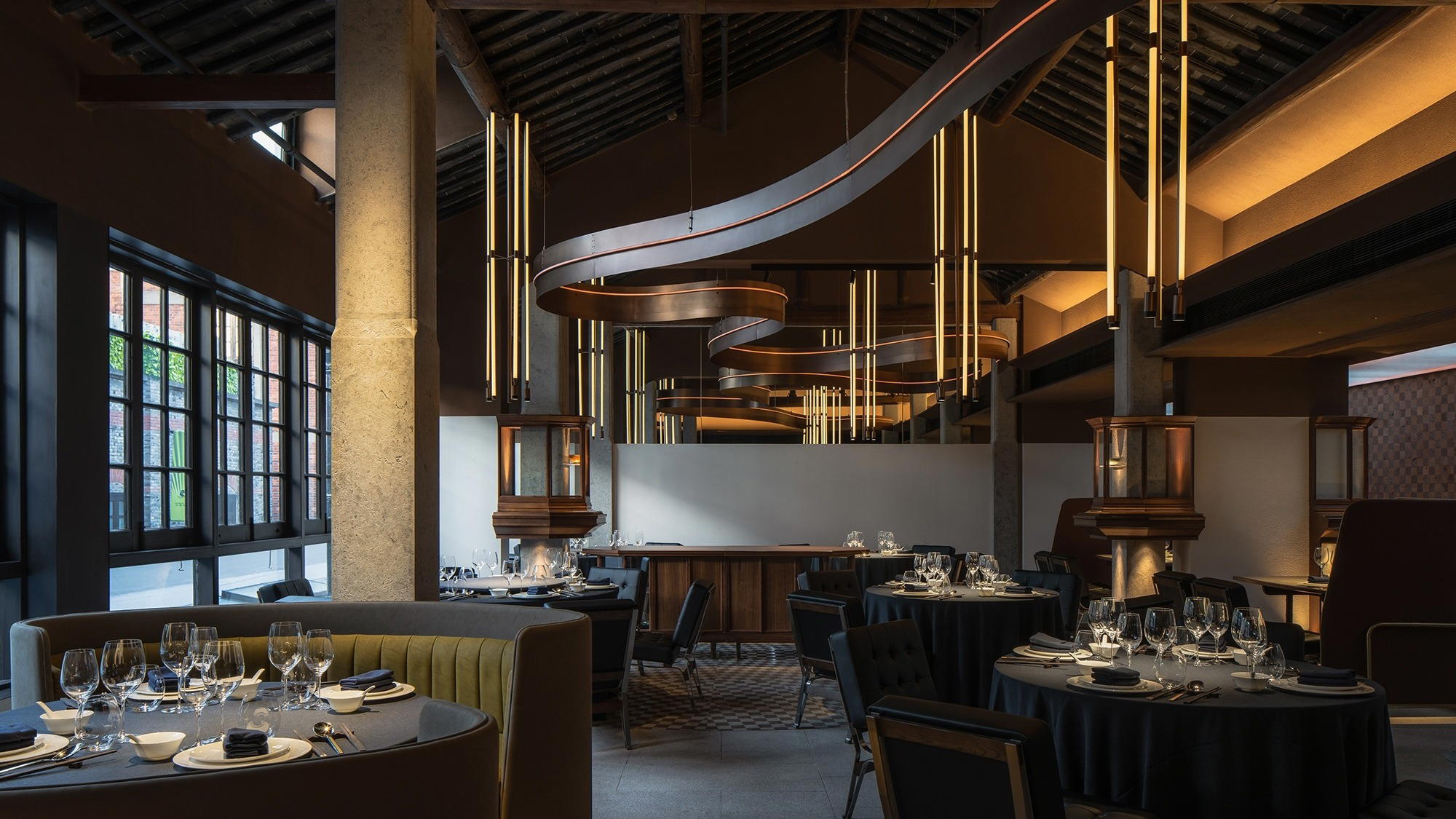
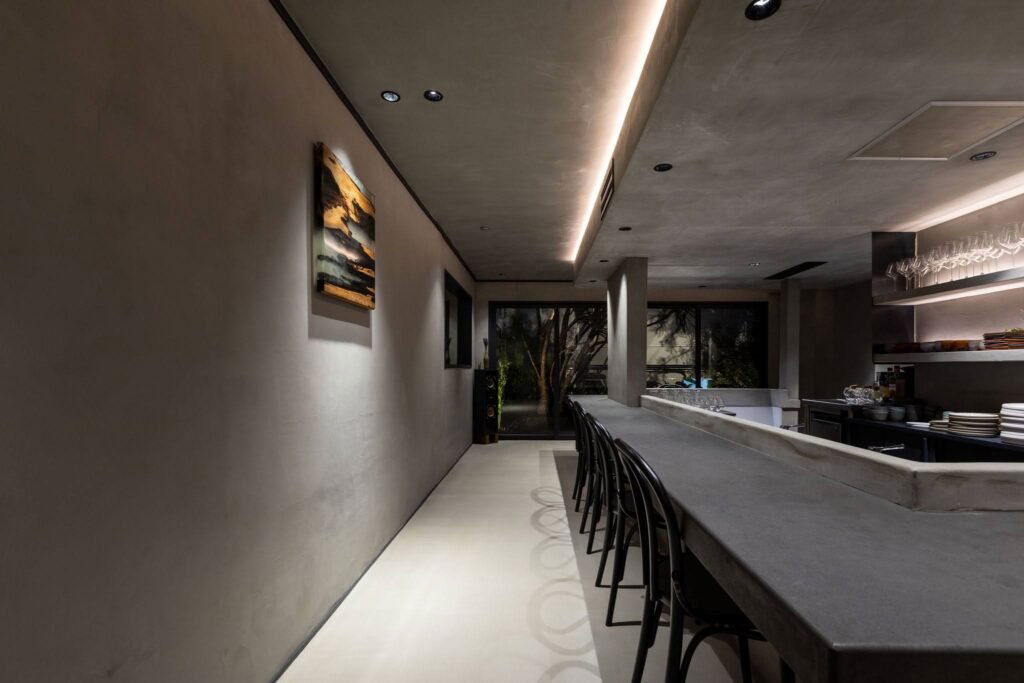
Serene and intimate ambiance in a cozy, relaxing space with counter seating, evoking tranquility in a residential area.
Tags
Vibe
Best For
Experience
At the Table
- Dress Code
- Smart Casual
- Noise Level
- Quiet
- Service Style
- Upscale Casual
- Meal Pacing
- Leisurely
- Capacity
- Intimate
Know before you go
Know Before You Go
- Getting there
- 2 Chome-13-12 Shoto, Shibuya, Tokyo 150-0046, Japan
Planning details
Location
2 Chome-13-12 Shoto, Shibuya, Tokyo 150-0046, Japan · Directions
Recognition and awards
Also consider
Also Consider
- Harutaka, Sushi, ¥¥¥¥
- RyuGin, Kaiseki, Japanese, ¥¥¥¥
- L'Effervescence, French, ¥¥¥¥
- HOMMAGE, Innovtive French, French, ¥¥¥¥
- Florilège, French, ¥¥¥
Restaurant context
Keichitsu sits in the ¥¥¥ French tier alongside Florilège, and that pairing is the most useful one for a decision. Both restaurants take French technique seriously and both hold Michelin recognition, but the experiences diverge in format and energy. Florilège runs a counter-focused open kitchen with a more kinetic, chef-forward dynamic. Keichitsu is quieter and more enclosed, better suited to an occasion where the conversation matters as much as the cooking. If you want theatrical proximity to the kitchen, Florilège wins. If you want a room that feels private, Keichitsu is the stronger call.
Step up to ¥¥¥¥ and the field shifts considerably. L'Effervescence and HOMMAGE both operate with more production depth and carry heavier accolades. L'Effervescence in particular is the benchmark for nature-driven French cooking in Tokyo at the upper end, so if budget is not a constraint and the occasion calls for the most accomplished version of this cuisine style, book there instead. Keichitsu is the right choice when you want a similar sensibility at a lower cost and without the booking difficulty that comes with the top-tier rooms.
RyuGin and Harutaka are different formats entirely, kaiseki and sushi respectively, and represent the alternative question: should this meal be French at all? If the guest of honour wants Japanese cuisine at the same occasion-appropriate level, RyuGin at ¥¥¥¥ is the stronger recommendation. But if French is the brief and the budget is ¥¥¥, Keichitsu is the most distinctive option in that tier in Shibuya.
Explore Tokyo
Around this place
Discover more on Pearl
Unlock the full Keichitsu guide in Pearl, including awards, comparisons, FAQs, planning details, and nearby places.
Compare Keichitsu
| Venue | Cuisine | Price | Booking Difficulty | Awards |
|---|---|---|---|---|
| Keichitsu | French | ¥¥¥ | Easy | 2026 Michelin PlateWe're Smart World Top Restaurants 20252025 Michelin Plate2024 Michelin Plate |
| Harutaka | Sushi | ¥¥¥¥ | Unknown | 2026 Tabelog Silver · #312026 OAD Top Restaurants in Japan Ranked · #1282026 Michelin 3 Stars2026 La Liste Top RestaurantsTabelog 100 - Sushi - TOKYO - 2025 · #372025 Asia's 50 Best Restaurants · #762025 OAD Top Restaurants in Japan Ranked · #1172025 La Liste Top Restaurants2025 Tabelog Bronze |
| RyuGin | Kaiseki, Japanese | ¥¥¥¥ | Unknown | 2026 OAD Top Restaurants in Japan Ranked · #802026 Tabelog Bronze · #3772026 Michelin 3 Stars2026 La Liste Top RestaurantsTabelog 100 - Japanese cuisine - TOKYO - 2025 · #212025 OAD Top Restaurants in Japan Ranked · #542025 Michelin 3 Stars2025 La Liste Top Restaurants2025 The Best Chef Three Knives |
| L'Effervescence | French | ¥¥¥¥ | Unknown | 2026 Tabelog Silver · #682026 OAD Top Restaurants in Japan Ranked · #103Star Wine Lists 20262026 Black Pearl 2 Diamond2026 Relais Chateaux Restaurants2026 La Liste Top Restaurants2026 Michelin 3 Stars2025 Asia's 50 Best Restaurants · #692025 OAD Top Restaurants in Japan Ranked · #92 |
| HOMMAGE | Innovtive French, French | ¥¥¥¥ | Unknown | 2026 Tabelog Bronze · #1232026 OAD Top Restaurants in Japan Highly Recommended2026 Michelin 2 StarsTabelog 100 - French - TOKYO - 2025 · #762025 Asia's 50 Best Restaurants · #782025 OAD Top Restaurants in Japan Ranked · #1752025 Michelin 2 Stars2025 The Best Chef One Knife2025 La Liste Top Restaurants |
| Florilège | French | ¥¥¥ | Unknown | 2026 Asia's 50 Best Restaurants · #312026 Tabelog Bronze · #712026 OAD Top Restaurants in Japan Ranked · #1242026 Black Pearl 1 Diamond2026 Michelin 2 Stars2026 La Liste Top Restaurants2025 Asia's 50 Best Restaurants · #172025 World's 50 Best Restaurants · #36Tabelog 100 - French - TOKYO - 2025 · #68 |













Key differences to consider before you reserve.
FAQ
Frequently Asked Questions
Is Keichitsu good for solo dining?
Yes, solo dining works well here. The vegetable-focused tasting format is designed around a single plate showcasing one main ingredient prepared multiple ways, which suits an attentive solo diner better than a group splitting attention. Shibuya's Shoto address is also easy to reach solo. If counter seating is available, request it when booking.
What should I wear to Keichitsu?
Keichitsu is a ¥¥¥ French restaurant in Shoto, one of Tokyo's quieter, more residential upmarket districts. Dress as you would for a serious French dinner: neat, considered clothing is appropriate. There is no evidence of a formal dress code, but turning up in casual streetwear would feel out of place given the price point and format.
Is Keichitsu worth the price?
At ¥¥¥, Keichitsu sits in Tokyo's serious-dinner tier and holds a Michelin Plate for 2024 and 2025. Chef Yuki Matsumoto trained at La Grenouillère in northern France, a We're Smart 5 Radishes restaurant, which anchors the technical credibility. If vegetable-forward French cuisine is what you want, the price is justified. If you prioritise protein-led omakase or broad à la carte choice, look at RyuGin or Harutaka instead.
Is the tasting menu worth it at Keichitsu?
The tasting format is the point here. Chef Matsumoto builds dishes around a small number of ingredients, presenting each through roasting, purée, sauce, and fermentation on a single plate. That kind of focused, technique-driven approach only pays off if you engage with it fully. If you want a more varied multi-protein progression, L'Effervescence or Florilège offer broader tasting structures.
What should I order at Keichitsu?
There is no à la carte menu confirmed in available data. The kitchen focuses on a small number of featured ingredients prepared in multiple ways, so the menu is the chef's call. Arrive ready to eat what is in season. If you have a preference for the pure plant menu, request it at booking — Chef Matsumoto offers it willingly.
Does Keichitsu handle dietary restrictions?
Yes, and more readily than most. Chef Matsumoto offers a fully plant-based menu on request, which is a direct reflection of the kitchen's vegetable-first philosophy rather than a compromise. Flag dietary needs when booking. Given the French technique involved, it is worth noting specific allergens clearly rather than relying on a general request.