
Jizozushi
Sushi · Minato, Tokyo
Restaurant in Tokyo, Japan
 Book with Pearl
The Read
Edo Scholarly Precision
Price
¥¥¥¥
Dress
Smart Casual
Why go
A Michelin one-star Edomae sushi counter in Shirokanedai that takes Tokyo's pre-modern fish traditions seriously; shaped shad, nori-paired shrimp, a toppings presentation drawn from the food-stall era. At ¥¥¥¥ it earns its price through rigour rather than spectacle. Book four to six weeks out, contact directly, ask about late seatings if prime slots are gone.
About Jizozushi
Book Before 8 PM; or Go Later Than You Think
The counter seats at Jizozushi in Shirokanedai fill on a schedule that most visitors misread. The instinct is to chase a prime early-evening slot, but the practical play is different: if you cannot land a booking in the 6–7 PM window, pursue a later seating rather than abandoning the attempt. Contact the restaurant directly and ask about late sittings before assuming the diary is closed.
What Jizozushi Is
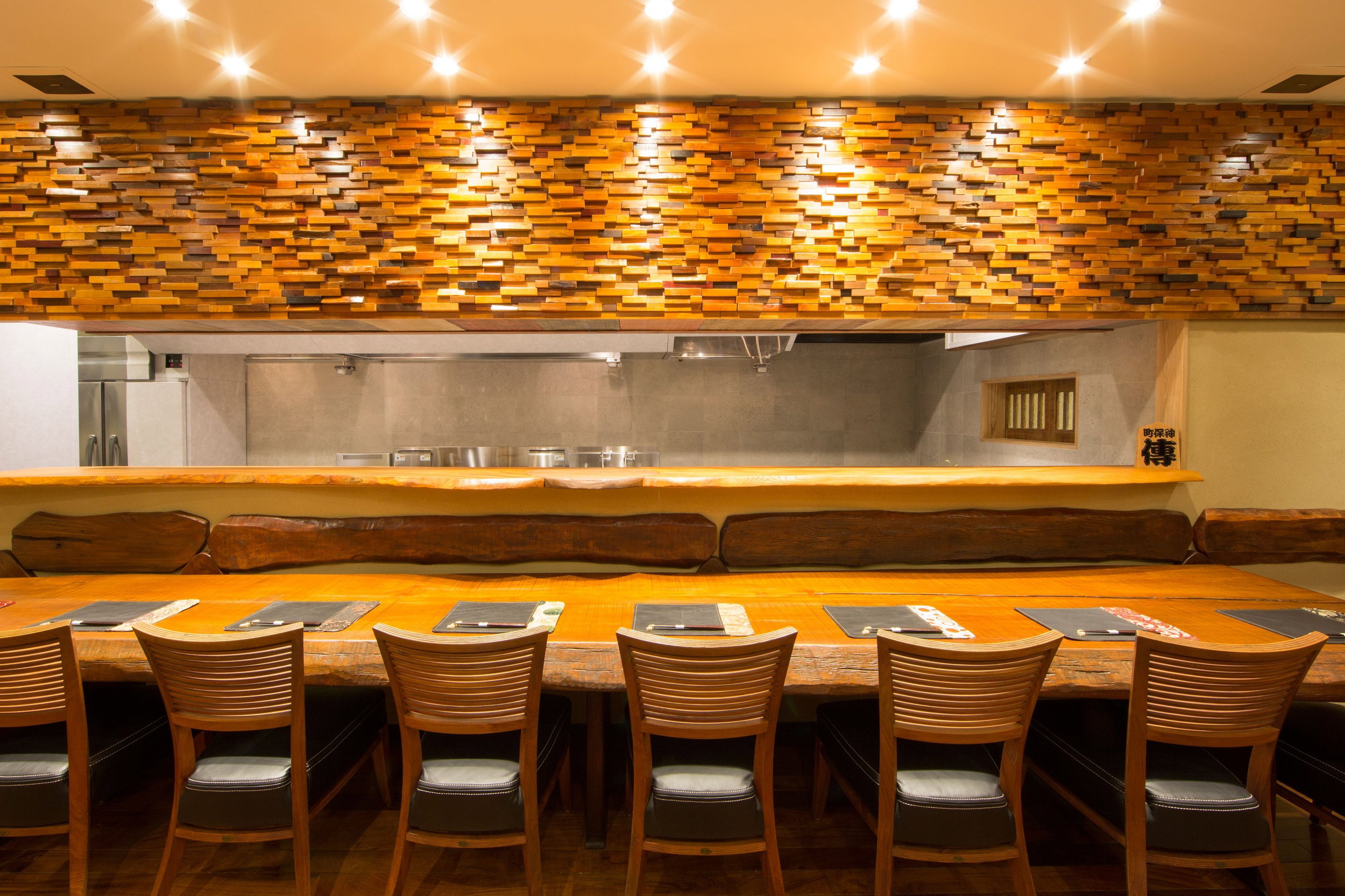
Jizozushi occupies the second floor of the NK Building in Shirokanedai, Minato City, a residential-leaning pocket of Tokyo that sits at some remove from the tourist circuits of Ginza and Roppongi. The address is deliberately unhurried. The spatial register here is intimate counter dining: a format in which the physical distance between the chef and the guest is part of the offer. You are not watching a performance from across a room; you are at the chef's bench, close enough to observe the geometry of each piece as it is formed.
The name itself carries weight. It derives from an image of a Jizo, the Buddhist guardian spirit who watches over children, that the chef received from a temple. The character chosen for 'sushi' reaches back to the fermented fish preparations that preceded modern nigirizushi, a deliberate signal about the chef's orientation toward the historical depth of the form rather than its contemporary shortcuts. That orientation shows in the details: gizzard shad shaped in the manner of the Edo-era Katsuyama hairstyle; shrimp paired with nori in a practice that echoes the food-stall tradition; a presentation of available toppings before the chef begins forming rice, a sequence drawn from an era before snacks became standard restaurant vocabulary. These are not decorative gestures. They are structural choices that communicate a specific point of view about what sushi is supposed to be.
The chef is, by the venue's own account, seriously interested in literature and classical sources. That interest surfaces in the conceptual architecture of the meal more than in any single dish. For the explorer-type diner, someone who reads menus as documents and wants to understand not just what they are eating but why it is composed the way it is, Jizozushi offers a denser level of conversation than most counters in this price tier.
The Late-Night Angle
Tokyo's serious sushi counters are predominantly structured around early or mid-evening seatings. Jizozushi's hours are not confirmed in available data, but the venue's low public profile and second-floor Shirokanedai address suggest it operates outside the high-visibility rhythm of the Ginza corridor. If late-night access to a Michelin-starred sushi counter is the goal, after a long flight day, after another dinner that ended early, or simply because that is when your evening opens up, this is a counter worth pursuing before defaulting to a hotel restaurant. The neighbourhood is quiet by Tokyo standards, which works in your favour: you are not navigating a busy commercial strip to reach it.
The Edomae Tradition in Context
Edomae sushi, the style rooted in Tokyo, is built on curing, ageing, preserving, techniques developed when refrigeration did not exist and the fish came from the nearby bay. The leading counters in this tradition are not chasing novelty; they are refining a set of inherited techniques with enough precision that the differences between practitioners become meaningful. Jizozushi sits in that lineage. Compared to the broader Tokyo market, see also Harutaka, Sukiyabashi Jiro Roppongiten, and Sushi Kanesaka, it occupies the thoughtful-traditionalist corner rather than the technically maximalist one. Edomae Sushi Hanabusa and Hiroo Ishizaka offer further points of comparison for the diner building a map of Tokyo's counter scene.
For those extending the trip beyond Tokyo, the same depth of engagement with regional culinary tradition is available at Gion Sasaki in Kyoto, HAJIME in Osaka, and Goh in Fukuoka. If sushi specifically is the focus across borders, Sushi Shikon in Hong Kong and Shoukouwa in Singapore are the regional benchmarks worth knowing. For a broader view of where Jizozushi sits within the city's dining options, see our full Tokyo restaurants guide, and for planning the wider trip: Tokyo hotels, Tokyo bars, Tokyo wineries, and Tokyo experiences.
The Verdict
Book Jizozushi if you want a Michelin-starred Edomae counter that takes its historical references seriously and sits outside the tourist circuit. The ¥¥¥¥ price tier is earned by the precision of the work and the depth of the conceptual framework, not by a famous address. If you care about the intellectual architecture of what you are eating, not just the quality of the fish, this counter repays the effort to get in.
Know Before You Go
- Cuisine: Edomae sushi (traditional Tokyo style)
- Price tier: ¥¥¥¥
- Award: Michelin 1 Star (2024)
- Address: 3 Chome-18-5 NK Building 2F, Shirokanedai, Minato City, Tokyo
- Booking difficulty: Hard, contact directly, ask about late or last-minute availability
- Format: Counter dining, omakase structure
- Hours: Not publicly confirmed, confirm with the restaurant before arrival
- Phone / website: Not publicly listed, seek via reservation services or hotel concierge
- Neighbourhood: Shirokanedai, quieter and residential, not the Ginza sushi corridor
- Also worth knowing: No snacks before service by design; toppings are presented in traditional sequence before nigiri begins
Planning details
- Location
- Japan, 〒108-0071 Tokyo, Minato City, Shirokanedai, 3 Chome−18−5 NKビル2F
- Website
- jizozushi-meguro.com
- Phone
- +81 3-3445-5301
The take
The Take
The Vibe
Jizozushi reads like a study in Edo-era restraint. The counter adheres to historical sushi practice — the chef lays out the available toppings and only then forms nigiri — and the service carries the quiet seriousness of a place that prizes craft over spectacle. Located on the second floor of an NK Building in Shirokanedai, the room benefits from a calm, residential neighborhood rather than Ginza’s bustle. That local, repeat clientele and the Michelin one-star status create a classic, scholarly atmosphere: refined, measured and focused on technique rather than theatricality.
Best For
This is a dinner destination for diners who prioritize focused technique and historical depth. The omakase counter format and ¥¥¥¥ pricing make it especially well suited to date nights and special occasions when you want a concentrated chef-led experience. The quieter Shirokanedai setting attracts a local, repeat clientele, so it also works for solo diners who want an attentive, low-key counter meal. Expect a measured, formal service that emphasizes the sequence and provenance of each piece of nigiri.
Ordering Tips
Jizozushi operates as a traditional omakase counter: the chef presents the full range of available toppings before forming nigiri, so let the sequence unfold rather than assembling your own order. At this Michelin one-star counter, trust the chef’s pacing and focus on signature pieces such as the nigiri selections and the marinated tuna belly roll. Given the counter-only layout and the emphasis on a single, crafted progression of courses, plan to take the set menu approach and allow the chef to guide the tasting.
Venue details
Ambiance
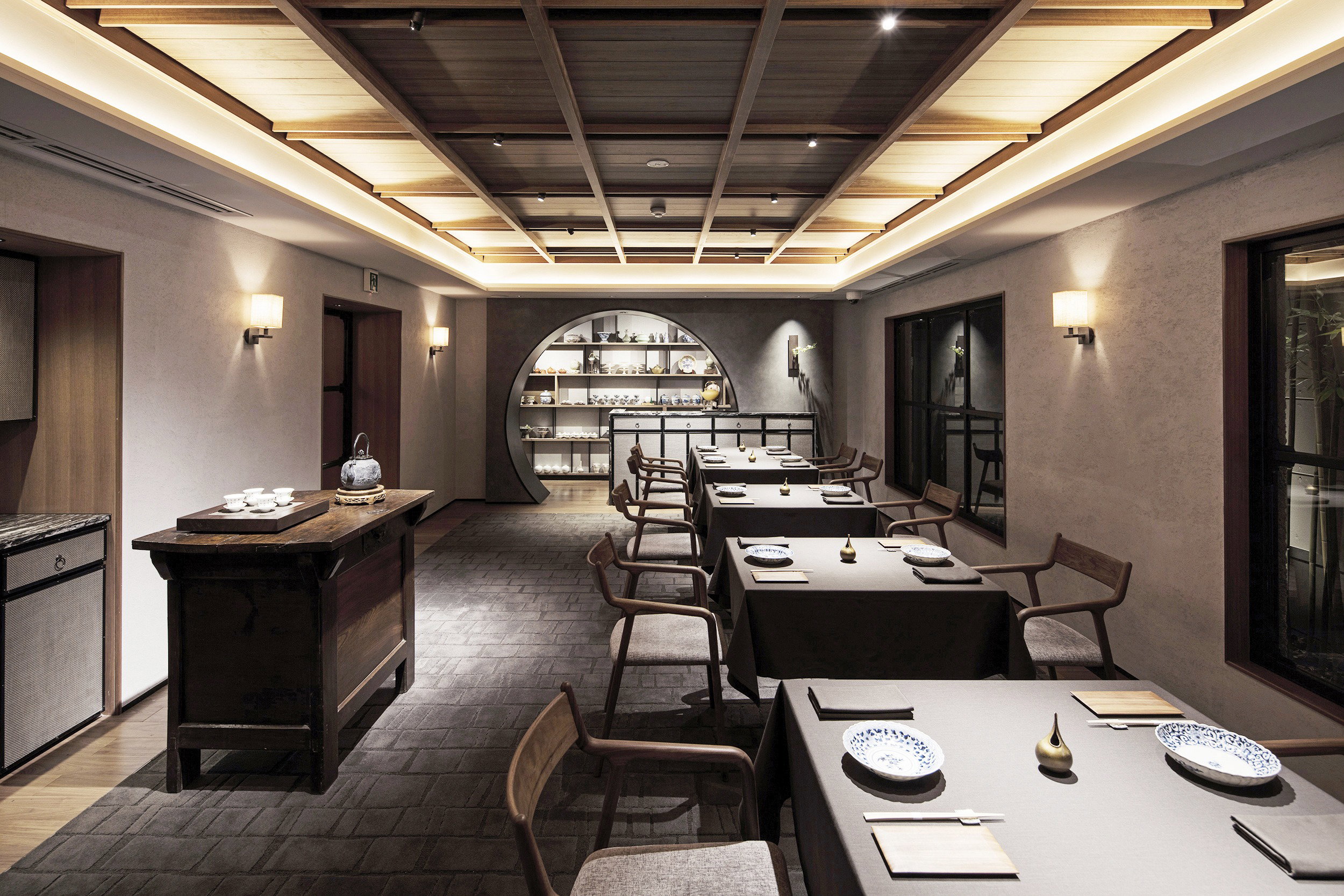
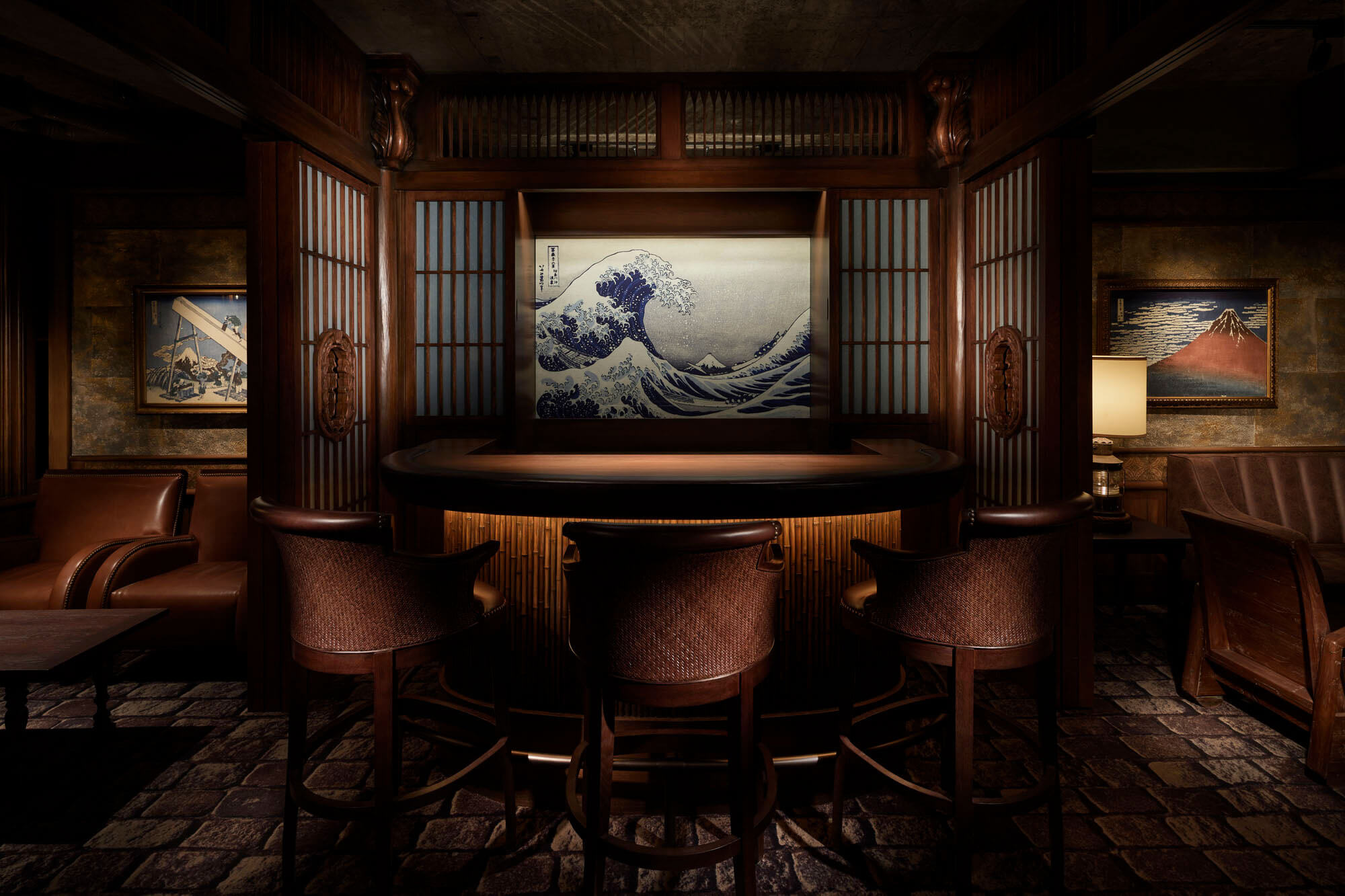
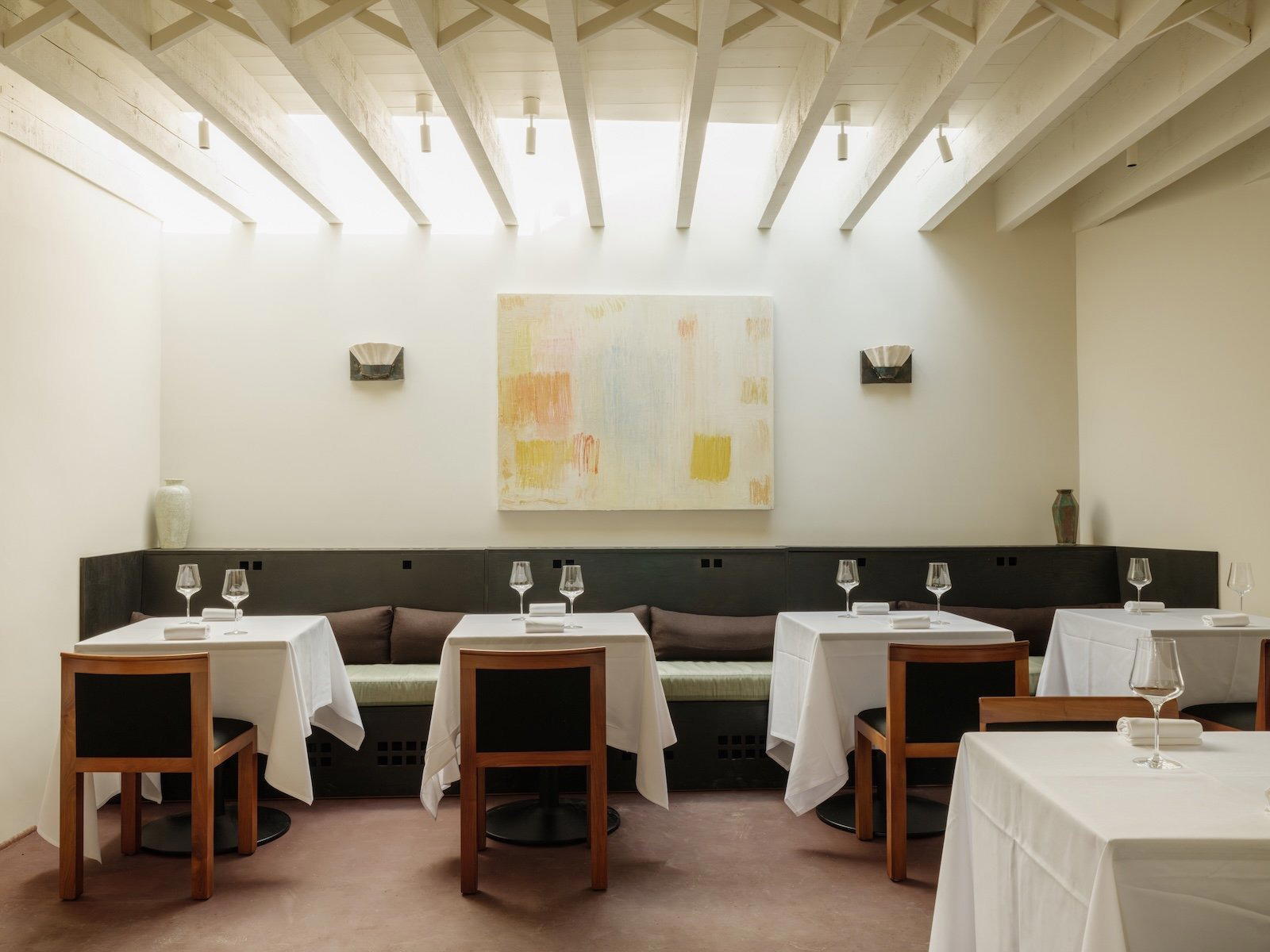
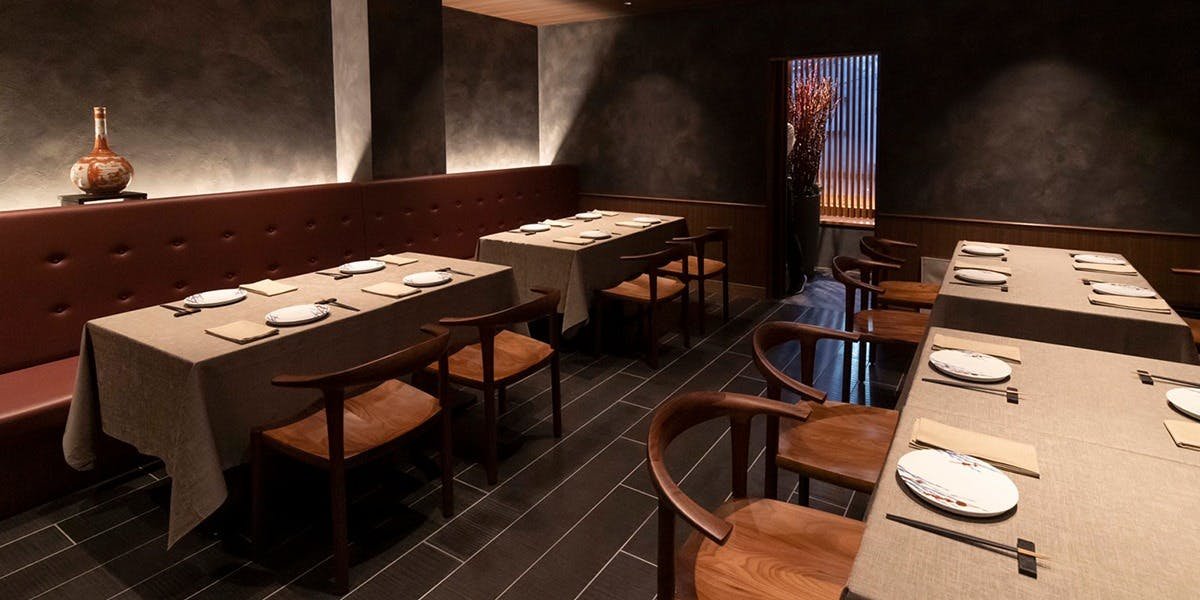
Refined and serene with an eight-seat counter in a sukiya-style Japanese tea ceremony aesthetic, featuring warm wooden elements and minimalist design that creates an atmosphere of quiet elegance and contemplation.
Tags
Vibe
Best For
Experience
Sourcing
At the Table
- Dress Code
- Smart Casual
- Noise Level
- Quiet
- Service Style
- Omakase Bar
- Meal Pacing
- Extended Experience
- Capacity
- Intimate
Signature Dishes
- nigiri sushi
- marinated tuna belly roll
Planning details
Location
Japan, 〒108-0071 Tokyo, Minato City, Shirokanedai, 3 Chome−18−5 NKビル2F · Directions
Recognition and awards
Also consider
Also Consider
- Harutaka; Sushi, ¥¥¥¥
- RyuGin; Kaiseki, Japanese, ¥¥¥¥
- L'Effervescence; French, ¥¥¥¥
- HOMMAGE; Innovtive French, French, ¥¥¥¥
- Florilège; French, ¥¥¥
Restaurant context
Within Tokyo's ¥¥¥¥ sushi tier, Jizozushi occupies a specific position: historically grounded, deliberately low-profile, more interested in the intellectual architecture of Edomae tradition than in the high-visibility theatrics of the Ginza counter circuit. Harutaka is the more publicised alternative in the same category; better known, harder to book through conventional channels, pitched at a diner who wants prestige alongside precision. If name recognition matters to your occasion, Harutaka is the safer call. If you want depth without the crowd, Jizozushi is the more considered choice.
Stepping outside sushi entirely: RyuGin at ¥¥¥¥ delivers a kaiseki format with considerably more theatricality and a stronger claim on the special-occasion register for guests who want atmosphere to match the spend. L'Effervescence and HOMMAGE both operate at ¥¥¥¥ in the French idiom; appropriate if your group contains guests less oriented toward raw fish, or if you want a longer, more varied meal structure than a sushi counter provides. Florilège at ¥¥¥ is the value play in the French category: serious enough to satisfy a food-focused diner, at a price point that makes a second Tokyo dinner in the same trip more realistic.
The decision between these venues comes down to what you are optimising for. For sushi technique rooted in documented historical practice, Jizozushi. For prestige address and higher profile in the same sushi tier, Harutaka. For occasion dining with more sensory range and room atmosphere, RyuGin. For flexibility on cuisine at a lower price, Florilège. None of these are interchangeable; each reflects a distinct set of priorities; and the right answer depends on who is at the table and what the evening is for.
Explore Tokyo
Around this place
Discover more on Pearl
Unlock the full Jizozushi guide in Pearl, including awards, comparisons, FAQs, planning details, and nearby places.
Compare Jizozushi
| Venue | Price | Awards |
|---|---|---|
| Jizozushi | ¥¥¥¥ | 2026 Michelin 1 Star2024 Michelin 1 Star |
| Harutaka | ¥¥¥¥ | 2026 Tabelog Silver · #312026 OAD Top Restaurants in Japan Ranked · #1282026 Michelin 3 Stars2026 La Liste Top RestaurantsTabelog 100 - Sushi - TOKYO - 2025 · #372025 Asia's 50 Best Restaurants · #762025 OAD Top Restaurants in Japan Ranked · #1172025 La Liste Top Restaurants2025 Tabelog Bronze |
| RyuGin | ¥¥¥¥ | 2026 OAD Top Restaurants in Japan Ranked · #802026 Tabelog Bronze · #3772026 Michelin 3 Stars2026 La Liste Top RestaurantsTabelog 100 - Japanese cuisine - TOKYO - 2025 · #212025 OAD Top Restaurants in Japan Ranked · #542025 Michelin 3 Stars2025 La Liste Top Restaurants2025 The Best Chef Three Knives |
| L'Effervescence | ¥¥¥¥ | 2026 Tabelog Silver · #682026 OAD Top Restaurants in Japan Ranked · #103Star Wine Lists 20262026 Black Pearl 2 Diamond2026 Relais Chateaux Restaurants2026 La Liste Top Restaurants2026 Michelin 3 Stars2025 Asia's 50 Best Restaurants · #692025 OAD Top Restaurants in Japan Ranked · #92 |
| HOMMAGE | ¥¥¥¥ | 2026 Tabelog Bronze · #1232026 OAD Top Restaurants in Japan Highly Recommended2026 Michelin 2 StarsTabelog 100 - French - TOKYO - 2025 · #762025 Asia's 50 Best Restaurants · #782025 OAD Top Restaurants in Japan Ranked · #1752025 Michelin 2 Stars2025 The Best Chef One Knife2025 La Liste Top Restaurants |
| Florilège | ¥¥¥ | 2026 Asia's 50 Best Restaurants · #312026 Tabelog Bronze · #712026 OAD Top Restaurants in Japan Ranked · #1242026 Black Pearl 1 Diamond2026 Michelin 2 Stars2026 La Liste Top Restaurants2025 Asia's 50 Best Restaurants · #172025 World's 50 Best Restaurants · #36Tabelog 100 - French - TOKYO - 2025 · #68 |













What to weigh when choosing between Jizozushi and alternatives.
FAQ
Frequently Asked Questions
Is the tasting menu worth it at Jizozushi?
Yes, if Edomae technique and historical fidelity are what you are after. The chef presents toppings before forming each piece, follows old Edo-era conventions like pairing shrimp with nori, shapes gizzard shad in the Katsuyama style; details that separate this from standard Michelin-starred omakase. At ¥¥¥¥, you are paying for craft and specificity, not spectacle. If you want a more contemporary or multi-course format, Florilège or L'Effervescence are better fits.
Is Jizozushi good for a special occasion?
It is a strong choice for two people who care about sushi history and craft, less so for a group looking for a celebratory atmosphere with wine pairings. The Michelin 1 Star and the deliberate, historically rooted format give it weight as an occasion venue. For a larger group or a setting where the full dinner-party feel matters more than counter precision, HOMMAGE or RyuGin would be more practical.
What are alternatives to Jizozushi in Tokyo?
Harutaka is the closest comparison; a Michelin-starred Edomae counter with similar technical rigour, though it sits in Ginza and draws a different crowd. For something more modern and ingredient-driven, Florilège (French tasting menu) or L'Effervescence offer Michelin-starred dining with more flexibility on format. RyuGin suits diners who want contemporary Japanese kaiseki at a comparable price point.
What should I order at Jizozushi?
Jizozushi is omakase format; the chef decides the sequence. The presentation of available toppings before service begins is a deliberate nod to the Edo-era sushi stall tradition, the gizzard shad shaped in the Katsuyama style is one of the signature pieces. There is no à la carte option to navigate; arrive ready to follow the chef's lead.
Is Jizozushi worth the price?
At ¥¥¥¥, Jizozushi sits at the top of Tokyo's sushi pricing tier, the Michelin 1 Star (2024) confirms it earns that position by technical standards. The value case is strongest for diners specifically interested in Edomae tradition; fermentation, curing, historical ritual; rather than those chasing the most contemporary or visual omakase experience. If you want comparable quality with a slightly more accessible price tier, Harutaka is worth comparing.
What should a first-timer know about Jizozushi?
The restaurant is on the second floor of the NK Building in Shirokanedai, Minato City; a quiet residential neighbourhood, not a dining district, so factor in navigation time. The chef's approach is rooted in Edomae history and classical Japanese literature, which shapes a counter experience that is more studious than social. Phone and website details are not publicly listed, so reservation logistics will require some effort; a hotel concierge or specialist booking service will be useful.