
Hortensia
French · Chūō, Tokyo
Restaurant in Tokyo, Japan
 Book with Pearl
The Read
Seasonal Harmony French
Price
¥¥¥
Dress
Smart Casual
Why go
At ¥¥¥, it sits below the ¥¥¥¥ tier of L'Effervescence and Sézanne and is worth booking for a special occasion if you can secure a counter seat.
About Hortensia
A Michelin-starred French table in Chuo that earns its ¥¥¥ price point — if you book in time
That combination — star recognition plus near-universal guest satisfaction, makes it one of the more reliable bookings in Tokyo's competitive French category. The question is not whether the cooking is good. The question is whether the format, location, and access conditions suit your trip.
What Hortensia Actually Is
Hortensia sits on the second floor of a building in Shintomi, Chuo City, a low-key commercial pocket of central Tokyo that lacks the immediate prestige address of Minami-Aoyama or Ginza. Do not let that put you off. The physical remove from Tokyo's restaurant clusters is part of why the room feels considered rather than scenographic. You are not competing with pedestrian traffic or adjacent hype. The space is designed for concentration on the meal itself.
The cuisine is French, but the kitchen's declared approach runs through Japanese material: kombu kelp enriches the stock base, seasonal Japanese produce drives the menu calendar, and traditional craftwork, lacquerware, ceramic, handmade cutlery, frames every course. Michelin's own notes on the restaurant describe three governing principles: harmony with the seasons, harmony of flavours, and gentleness of flavour. In practice, this means presentations that are colourful without being aggressive, and flavours that are layered without being heavy. For guests coming from a high-intensity French fine dining register, lots of butter, lots of reduction, high salt, the register here will read lighter and more restrained. That is a virtue for some diners and a mild disappointment for others. Know your preference before you book.
The Counter Dimension
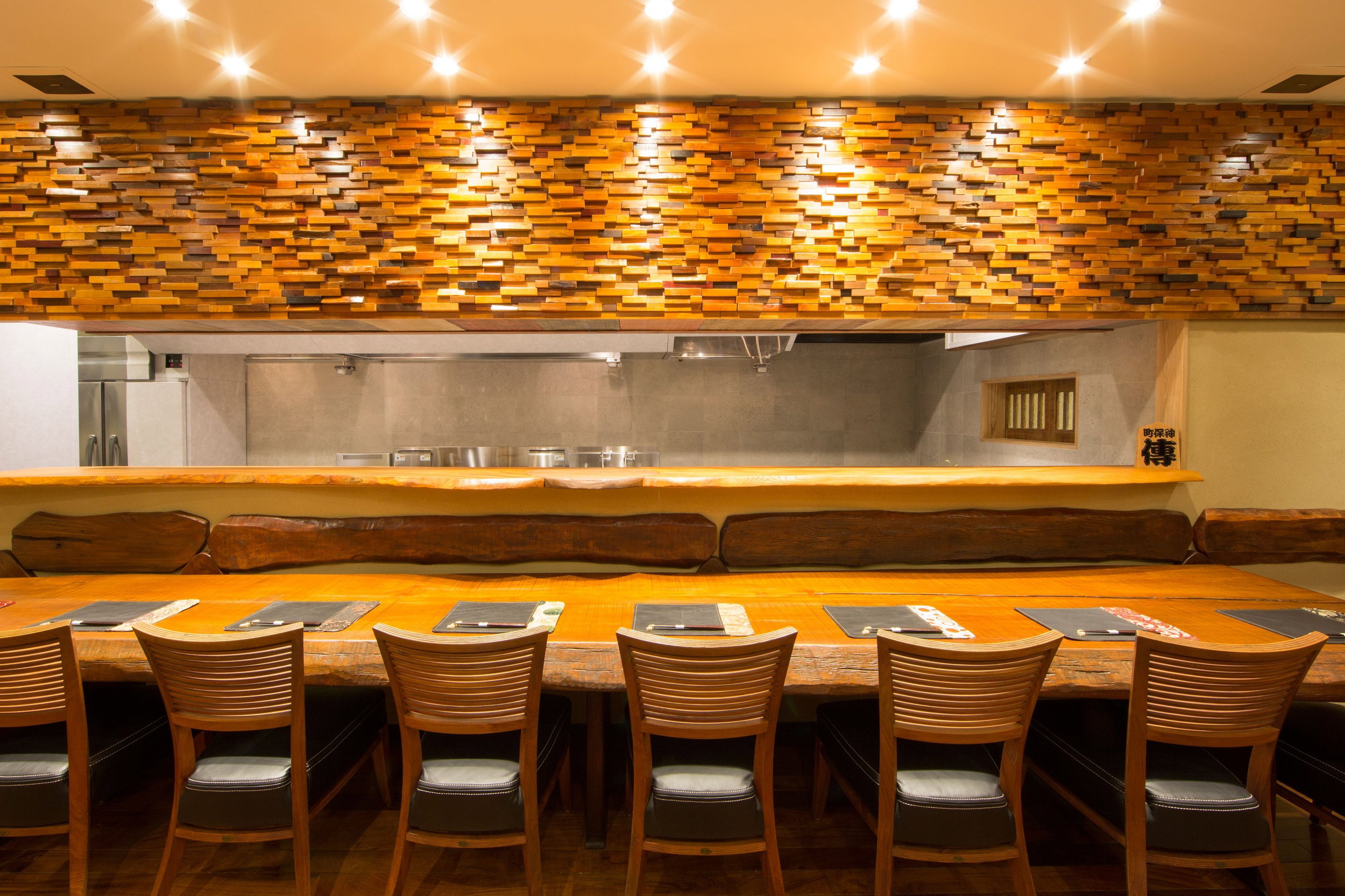
Given the editorial focus on what counter or bar seating adds to a meal, it is worth addressing directly: at a restaurant of this profile and size, counter positions typically place you within direct sightline of the kitchen's final plating and garnishing work. In French-Japanese hybrid formats like Hortensia's, that proximity matters more than it would at a conventional French table. Watching how a dish is assembled, and seeing how traditional serving vessels are handled before they reach you, adds a layer of engagement that table seating in a larger room simply does not replicate. If counter seats are available when you book, request them. The database does not confirm seat count, but at a single-star operation of this intimate profile, the counter is typically where the most direct kitchen access sits.
For a special occasion, counter seating also removes the ambient awkwardness of a formal dining room, you have a natural point of focus, a reason to look ahead, and an implicit structure for the evening that conversation alone does not always provide. A first anniversary dinner, a career milestone, a visiting client who appreciates craft: all of these land better when the physical environment is doing some of the work.
Recent Evolution
The 2024 Michelin star is the most recent and meaningful signal of where this restaurant sits right now. Stars at this level are not legacy awards, they reflect current cooking and service standards assessed in the recent cycle. If you are comparing Hortensia against longer-established one-star addresses in Tokyo, the 2024 confirmation means the kitchen is performing at standard today, not coasting on a historical reputation. That matters for booking confidence.
Practical Context: How It Fits Tokyo's French Category
Tokyo's French dining tier spans everything from accessible bistro formats to full multi-star tasting menus running above ¥50,000 per head. Hortensia's ¥¥¥ pricing sits in the committed mid-to-upper range, expect a serious tasting menu investment, but not at the ceiling of the category. For comparison: L'Effervescence and Sézanne operate at ¥¥¥¥, and both carry heavier international name recognition. Florilège shares the ¥¥¥ tier and is arguably the most discussed French address in Tokyo at this price point right now. Hortensia differentiates through its Japanese material sourcing and craft-object presentation rather than through chef celebrity or media profile. If you want a French meal that feels grounded in Japanese culture rather than imported French culture, Hortensia is the more coherent choice at this price.
For guests who have already eaten at ESqUISSE or Château Restaurant Joël Robuchon and are looking for something quieter and less production-heavy, Hortensia fills that slot well. It is not a destination for guests who want the spectacle of a grand French room. It is a destination for guests who want precision cooking in a focused, unhurried environment.
If you are building a longer Japan itinerary and want comparable benchmark experiences in other cities: HAJIME in Osaka is the reference point for French technique applied to Japanese philosophy at the highest level, and Gion Sasaki in Kyoto is the kaiseki equivalent. For regional contrast, akordu in Nara, Goh in Fukuoka, 1000 in Yokohama, and 6 in Okinawa are each worth noting depending on your route. And if you're planning the broader Tokyo trip, see our full Tokyo restaurants guide, hotels guide, bars guide, wineries guide, and experiences guide.
For a French fine dining comparison outside Japan: Les Amis in Singapore is the regional peer with the most similar philosophy of French technique meeting Asian produce, and Hotel de Ville Crissier in Crissier is the European reference for classically grounded French cooking at this level of seriousness.
Know Before You Go
- Cuisine: French with Japanese produce and craft integration
- Price tier: ¥¥¥ (mid-to-upper fine dining range)
- Awards: Michelin 1 Star (2024)
- Location: 2F, Espacio Building, 1-5-12 Shintomi, Chuo City, Tokyo
- Booking difficulty: Hard, plan at minimum 4–6 weeks ahead; Michelin recognition at this price tier fills quickly in Tokyo
- Leading for: Special occasions, date nights, client dinners, solo counter dining
- Format note: Tasting menu format expected at this level; confirm menu structure and dietary requirements at time of booking
- Counter seating: Request at time of reservation if available, adds kitchen visibility and engagement to the meal
- Phone / website: Not publicly listed, book via reservation platform or direct inquiry through the building address
Planning details
- Location
- Japan, 〒104-0041 Tokyo, Chuo City, Shintomi, 1 Chome−5−12 エスパシオ 2階
- Website
- hortensiatokyo.com
- Phone
- +81 3-6262-8987
The take
The Take
The Vibe
Hortensia trades the theatrics of Tokyo’s three-star rooms for a quieter, more contemplative form of French fine dining. The restaurant sits on a second-floor landing above a modest street entrance; the staircase functions as a decompression from city noise into a composed dining room. The kitchen’s stated commitment to the 'three harmonies'—seasonal alignment, course-sequence balance and a deliberate gentleness of flavour—reinforces a restrained, serene mood. Service and cooking prioritize precision over pomp, making the space feel like a discreet, classic address: polished and quietly confident rather than showy.
Best For
This is a destination for evenings when focus and calm matter: Michelin-starred tasting menus and a ¥¥¥ price point make Hortensia well suited to date nights, business dinners and small celebratory meals that value craft over spectacle. The room’s second-floor setting and measured ambience encourage long, attentive dinners rather than loud group gatherings. Diners who appreciate seasonal restraint, careful sequencing and thoughtful service find the experience particularly rewarding; expect an intimate, formal rhythm rather than a casual or bustling dining scene.
Ordering Tips
Hortensia structures its meal as a tasting sequence centered on the kitchen’s 'three harmonies,' so opt for the full tasting menu to experience the intended progression and the house’s lighter, stock-based openings. The dining narrative emphasizes gentleness of flavour and seasonal interplay, so order with an eye to progression rather than heavy single dishes. If available, include the signature Hida wagyu course to sample the restaurant’s approach to premium product within its restrained framework. Be prepared for a formal, multi-course service at a mid‑to‑high price point.
Venue details
Ambiance
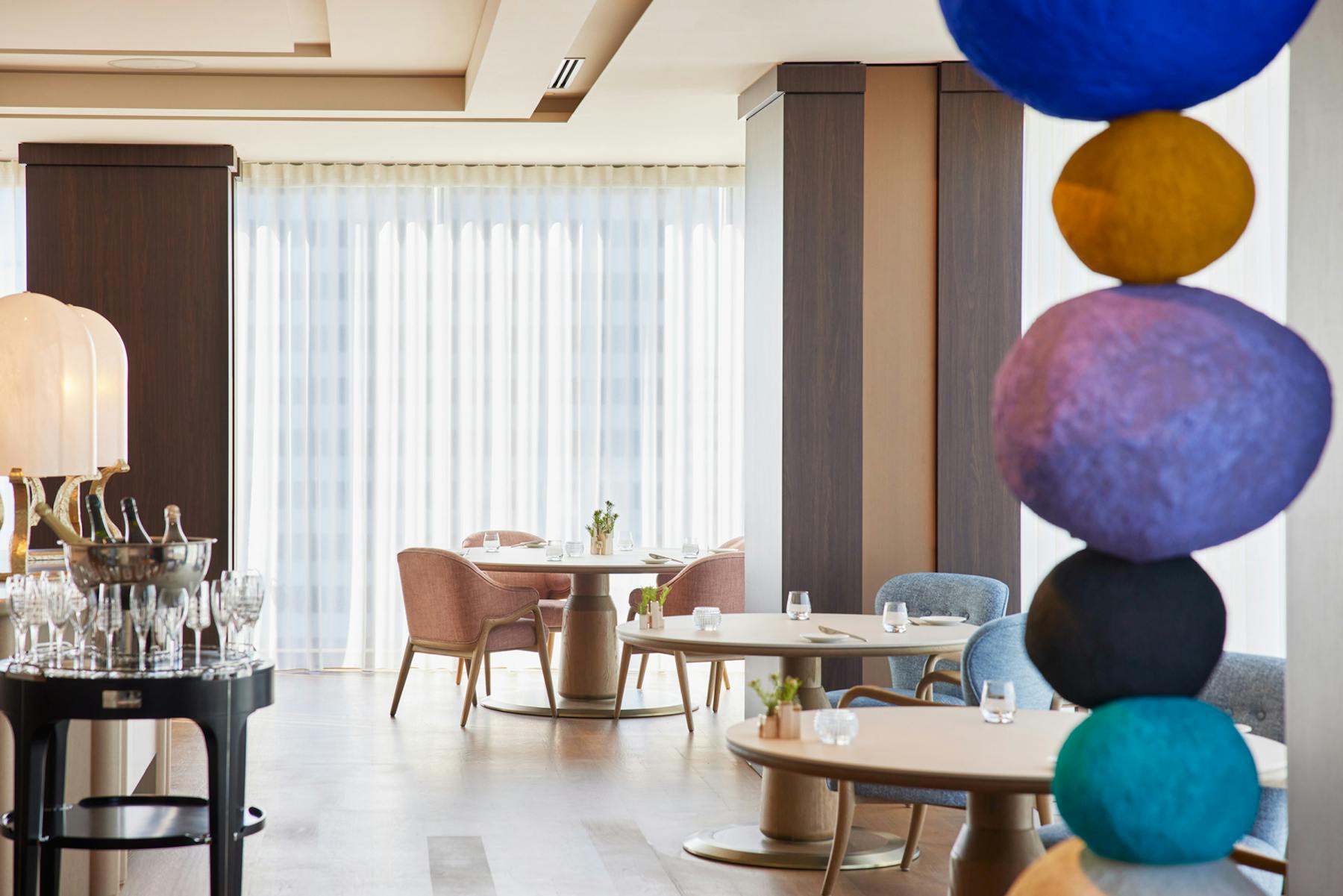
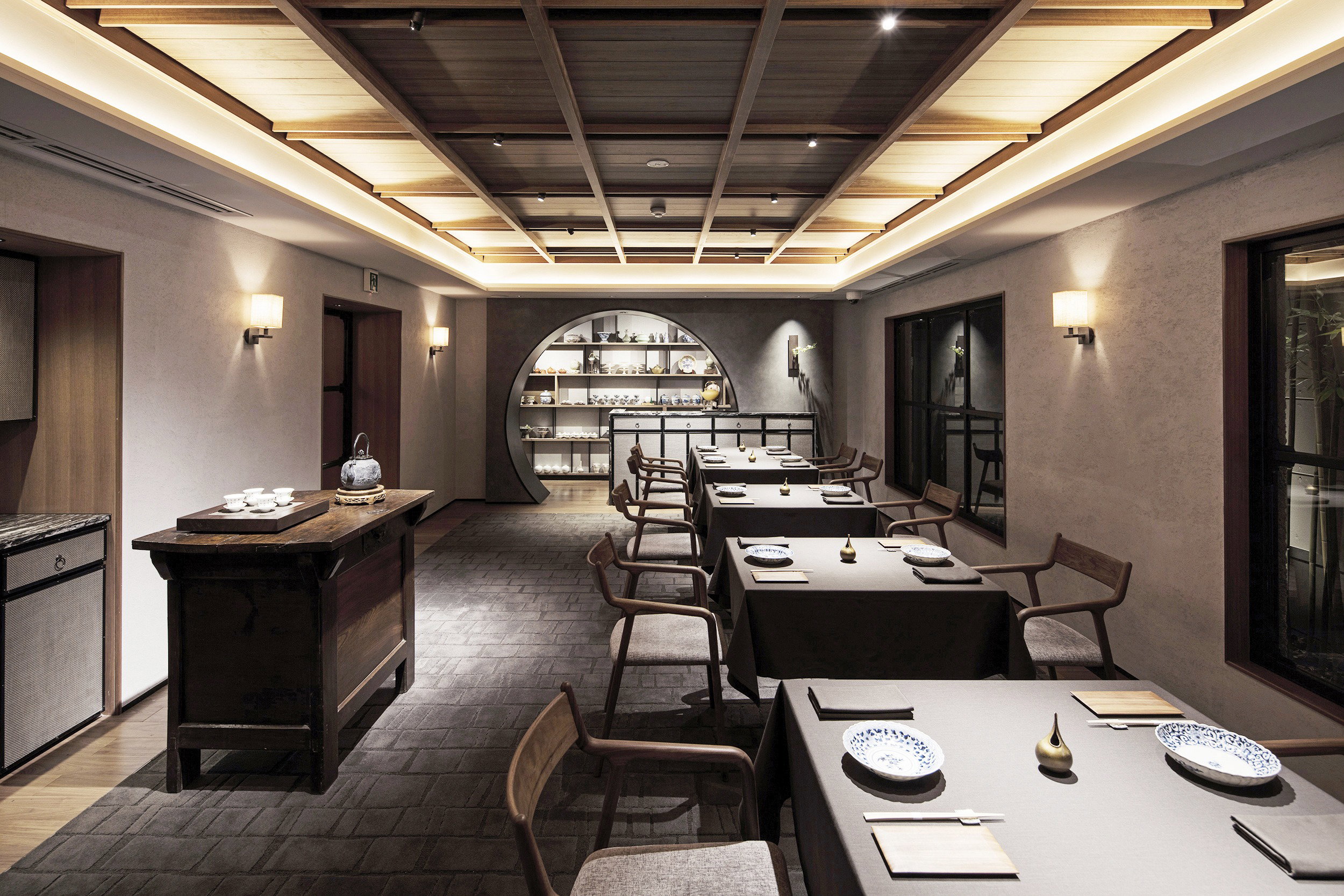
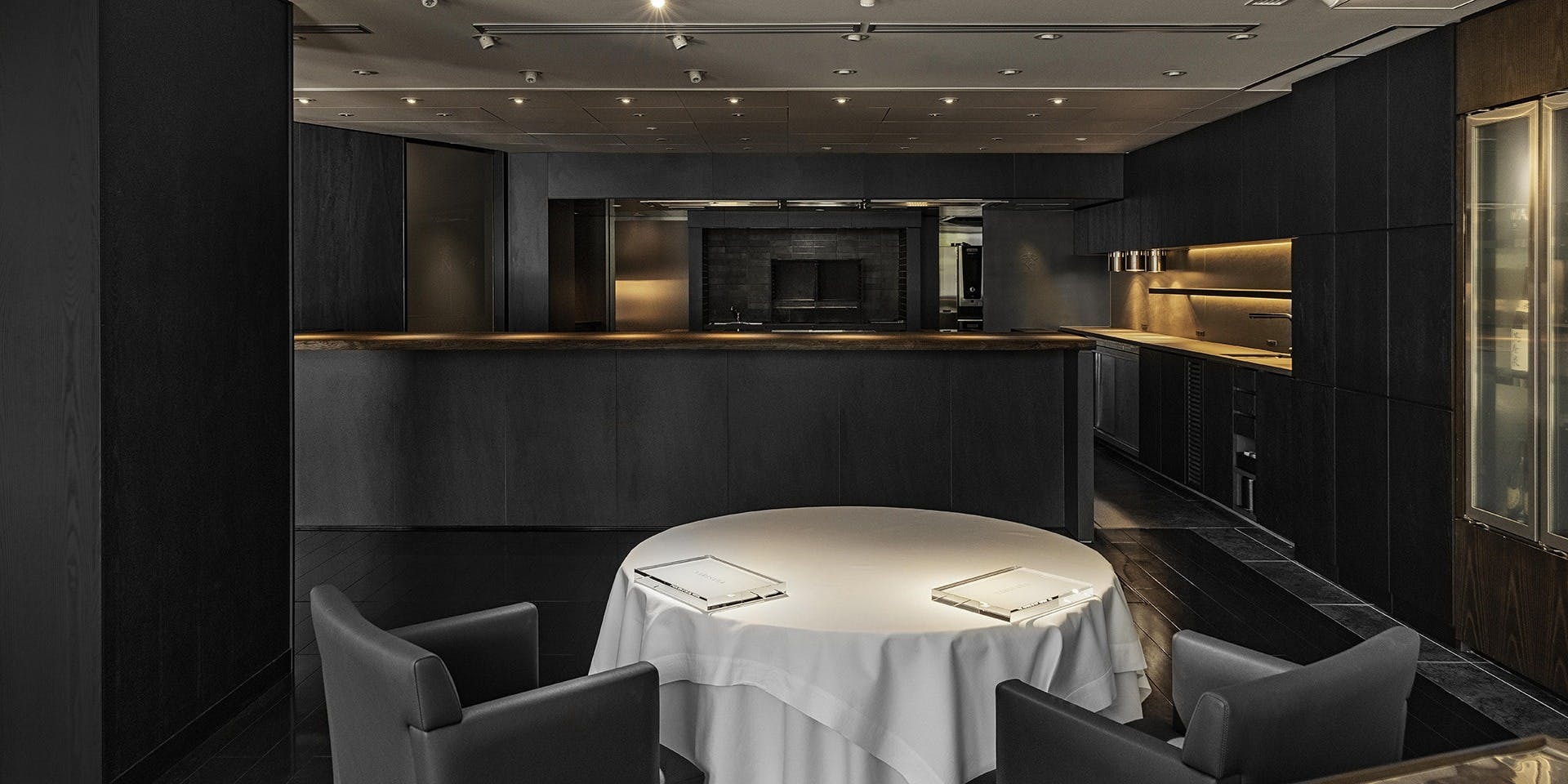
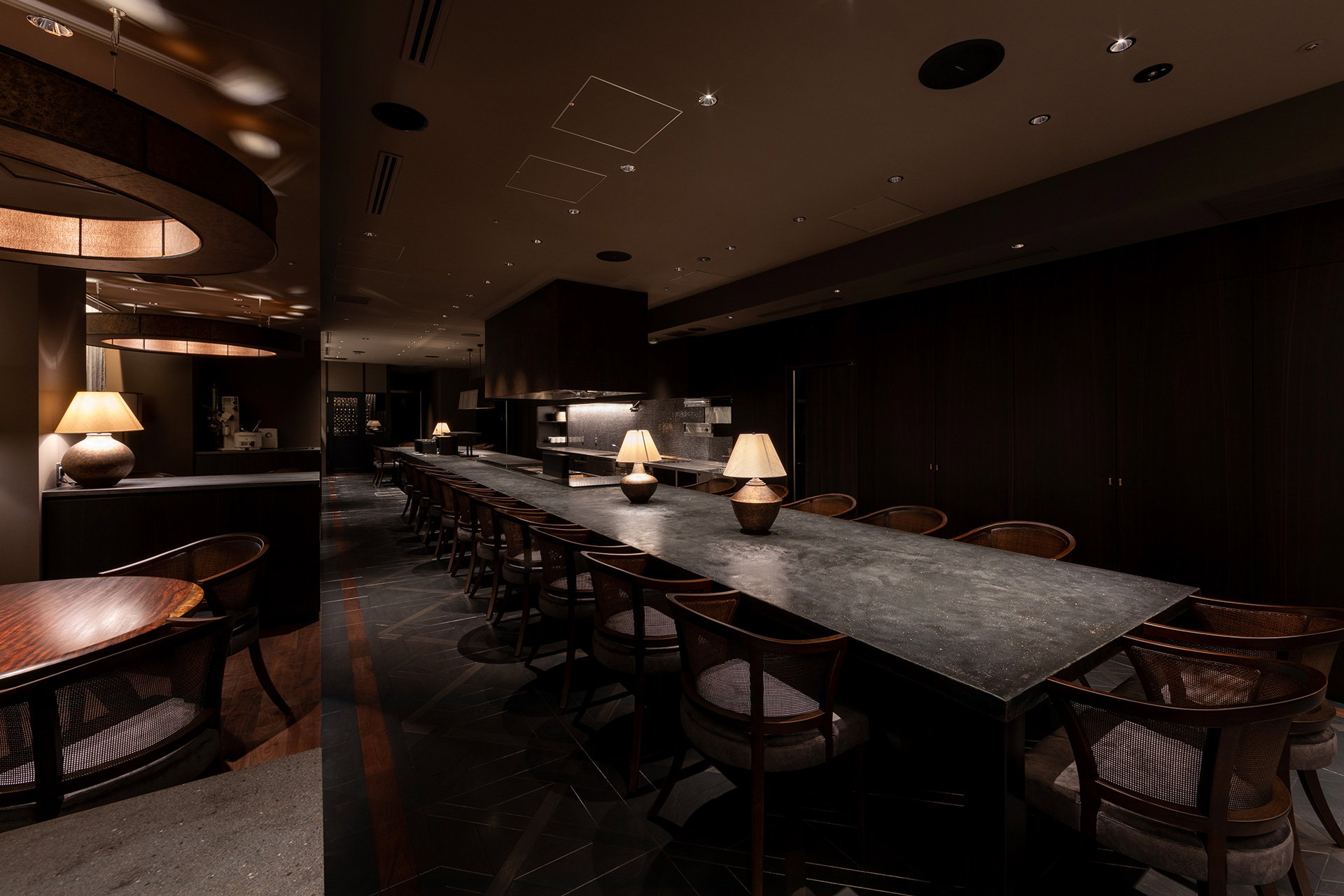
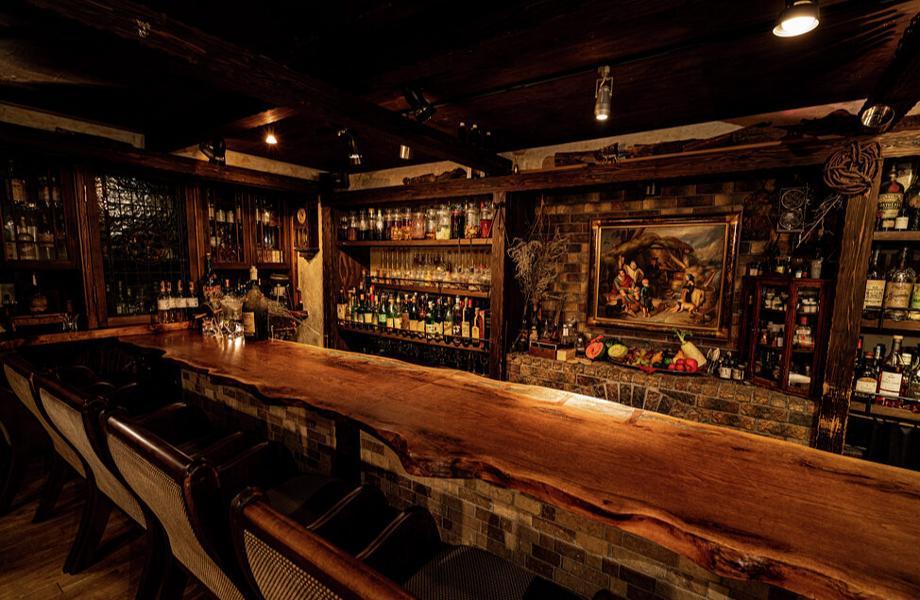
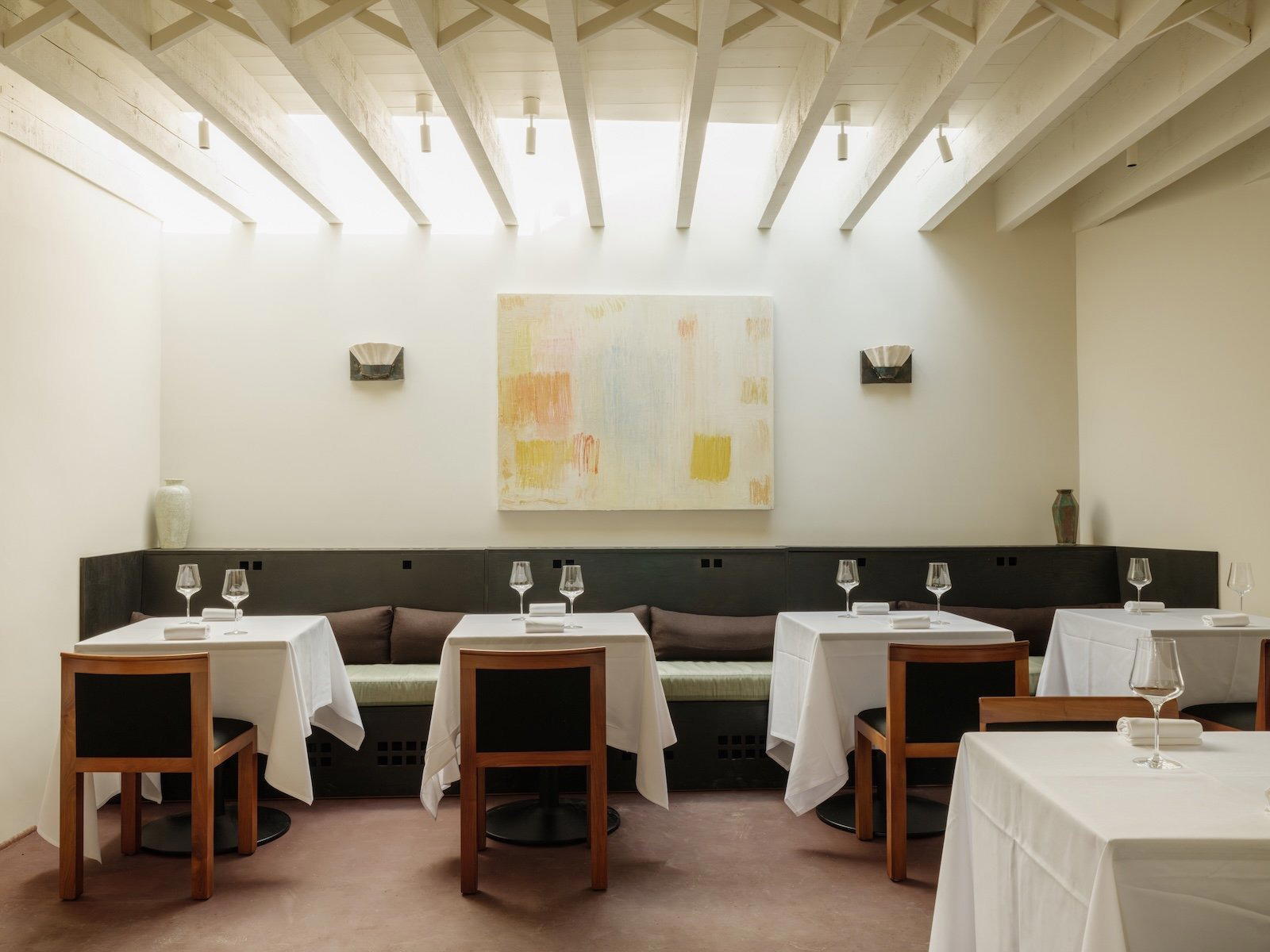
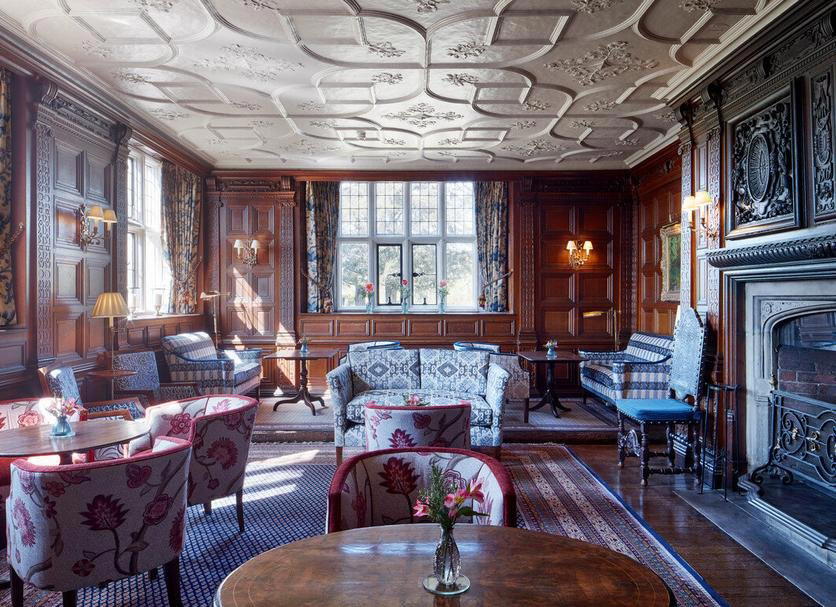
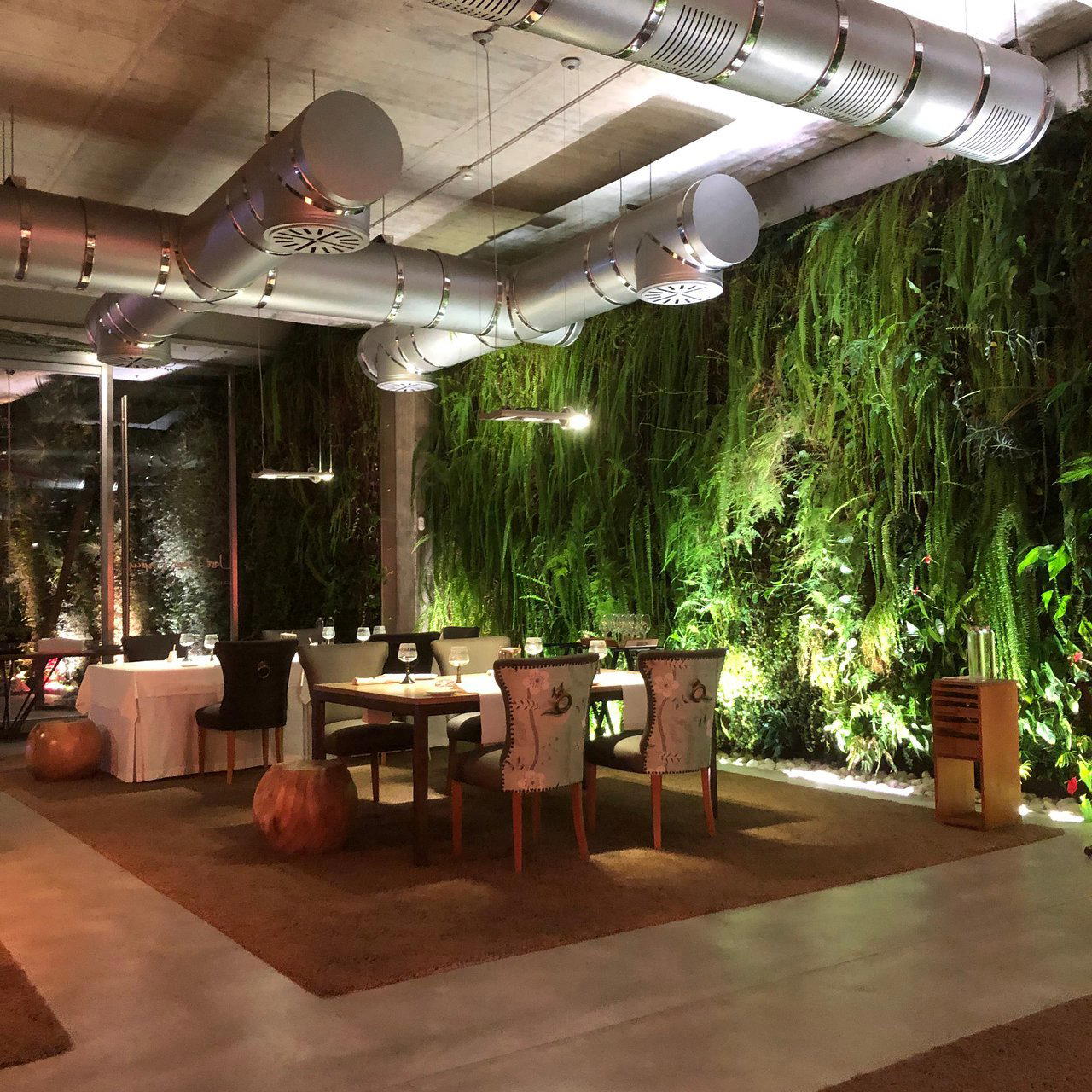
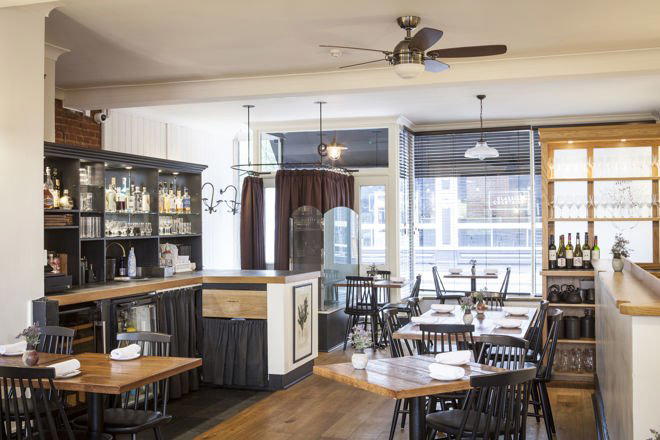
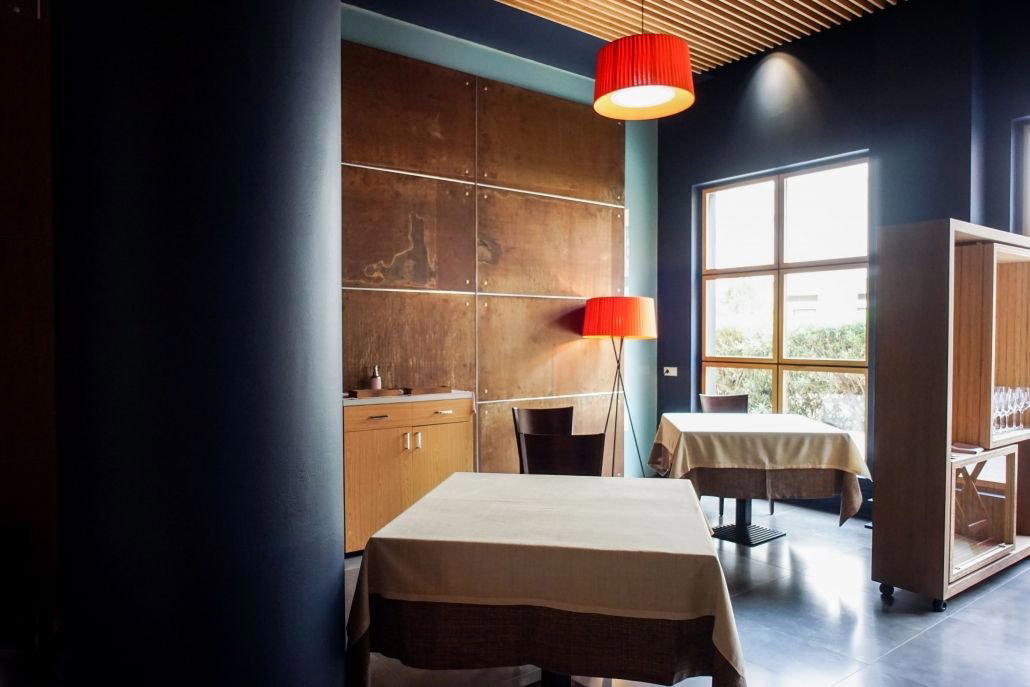
Modern interior with wooden counter facing open kitchen, calm brown tones, flower arrangements, wood and stone elements creating a gentle, homey yet elegant atmosphere.
Tags
Vibe
Best For
Experience
Accessibility
At the Table
- Dress Code
- Smart Casual
- Noise Level
- Quiet
- Service Style
- Formal
- Meal Pacing
- Leisurely
- Capacity
- Intimate
Signature Dishes
Hida_wagyu_beef
Know before you go
Know Before You Go
- Getting there
- Japan, 〒104-0041 Tokyo, Chuo City, Shintomi, 1 Chome−5−12 エスパシオ 2階
Planning details
Location
Japan, 〒104-0041 Tokyo, Chuo City, Shintomi, 1 Chome−5−12 エスパシオ 2階 · Directions
Recognition and awards
Also consider
Also Consider
- Harutaka, Sushi, ¥¥¥¥
- RyuGin, Kaiseki, Japanese, ¥¥¥¥
- L'Effervescence, French, ¥¥¥¥
- HOMMAGE, Innovtive French, French, ¥¥¥¥
- Florilège, French, ¥¥¥
Restaurant context
Hortensia's closest direct competitor at the same price tier is Florilège (¥¥¥, French). Florilège has higher media visibility and a more assertive culinary identity, but Hortensia's Japanese material integration and craft-object presentation offer a distinctly different experience, quieter in register, more culturally grounded. If you want the more talked-about room, book Florilège. If you want a French meal that feels like it belongs in Tokyo rather than a transplanted Paris, Hortensia is the stronger choice at equivalent spend.
Moving up a tier: L'Effervescence and HOMMAGE (both ¥¥¥¥, French) carry more established reputations and a higher per-head cost. L'Effervescence is the pick if prestige address and international recognition matter to your occasion. HOMMAGE offers innovative French technique with less of the Japanese philosophical overlay. Neither is automatically better than Hortensia, the right call depends on whether the price step is justified by your occasion and whether you prefer a more experimental or more composed cooking style.
RyuGin (¥¥¥¥, kaiseki) and Harutaka (¥¥¥¥, sushi) are not direct substitutes for Hortensia, but they compete for the same special-occasion budget. If your guest values Japanese culinary tradition in its own form rather than through a French lens, RyuGin is the superior choice and operates at multi-star level. Harutaka is the counter-seating benchmark for Tokyo at the top sushi tier. Hortensia is the right answer when the brief is specifically French cooking done with Japanese sensibility, at a price point that does not require ¥¥¥¥ commitment.
Explore Tokyo
Around this place
Discover more on Pearl
Unlock the full Hortensia guide in Pearl, including awards, comparisons, FAQs, planning details, and nearby places.
Compare Hortensia
| Venue | Price | Awards |
|---|---|---|
| hortensia | ¥¥¥ | No published awards |
| Harutaka | ¥¥¥¥ | 2026 Tabelog Silver · #312026 OAD Top Restaurants in Japan Ranked · #1282026 Michelin 3 Stars2026 La Liste Top RestaurantsTabelog 100 - Sushi - TOKYO - 2025 · #372025 Asia's 50 Best Restaurants · #762025 OAD Top Restaurants in Japan Ranked · #1172025 La Liste Top Restaurants2025 Tabelog Bronze |
| RyuGin | ¥¥¥¥ | 2026 OAD Top Restaurants in Japan Ranked · #802026 Tabelog Bronze · #3772026 Michelin 3 Stars2026 La Liste Top RestaurantsTabelog 100 - Japanese cuisine - TOKYO - 2025 · #212025 OAD Top Restaurants in Japan Ranked · #542025 Michelin 3 Stars2025 La Liste Top Restaurants2025 The Best Chef Three Knives |
| L'Effervescence | ¥¥¥¥ | 2026 Tabelog Silver · #682026 OAD Top Restaurants in Japan Ranked · #103Star Wine Lists 20262026 Black Pearl 2 Diamond2026 Relais Chateaux Restaurants2026 La Liste Top Restaurants2026 Michelin 3 Stars2025 Asia's 50 Best Restaurants · #692025 OAD Top Restaurants in Japan Ranked · #92 |
| HOMMAGE | ¥¥¥¥ | 2026 Tabelog Bronze · #1232026 OAD Top Restaurants in Japan Highly Recommended2026 Michelin 2 StarsTabelog 100 - French - TOKYO - 2025 · #762025 Asia's 50 Best Restaurants · #782025 OAD Top Restaurants in Japan Ranked · #1752025 Michelin 2 Stars2025 The Best Chef One Knife2025 La Liste Top Restaurants |
| Florilège | ¥¥¥ | 2026 Asia's 50 Best Restaurants · #312026 Tabelog Bronze · #712026 OAD Top Restaurants in Japan Ranked · #1242026 Black Pearl 1 Diamond2026 Michelin 2 Stars2026 La Liste Top Restaurants2025 Asia's 50 Best Restaurants · #172025 World's 50 Best Restaurants · #36Tabelog 100 - French - TOKYO - 2025 · #68 |













A quick look at how hortensia measures up.
FAQ
Frequently Asked Questions
Is hortensia worth the price?
At ¥¥¥ and with a 2024 Michelin one star, Hortensia sits at a price point that is justified by the award and the approach: French technique applied to Japanese seasonal ingredients, with traditional craftwork used as serving vessels. If you want French-Japanese synergy at a mid-high price without going to a two- or three-star room, this is a strong case.
What should I order at hortensia?
Specific menu items are not available in current documentation, so ordering advice cannot be given with confidence. What is known is that the kitchen builds around kombu kelp stock, seasonal Japanese produce, and the 'three harmonies' framework — so expect dishes that are lighter and more produce-led than classic French butter-heavy formats. Follow the chef's lead rather than asking for substitutions.
What are alternatives to hortensia in Tokyo?
L'Effervescence and Florilège are the two most direct comparisons: both are Tokyo French restaurants with serious award pedigree that apply local ingredients to French structure. Florilège skews more avant-garde and is better for guests who want a more progressive format. L'Effervescence is closer in spirit to Hortensia's seasonal, product-led approach. HOMMAGE is a quieter option at a similar tier if Shintomi's low-key setting appeals.
How far ahead should I book hortensia?
Book at least three to four weeks out as a baseline — Michelin one-star restaurants in central Tokyo at this price tier fill quickly, particularly on weekends. The second-floor Shintomi location means walk-in chances are low; this is not a casual drop-in venue. If you have a fixed travel date, book the day reservations open.
Is the tasting menu worth it at hortensia?
Given the Michelin one-star (2024) and the kitchen's documented focus on seasonal harmony and ingredient-led French cooking, a tasting menu format is the logical way to experience the full arc of the chef's approach. At ¥¥¥, it is not the most expensive entry point in Tokyo's French tier, where multi-star rooms can run above ¥50,000 per head. The value case is real, assuming tasting menus are your format.
Is hortensia good for a special occasion?
Yes, with caveats on group size. The Shintomi, Chuo City setting is quiet and low-profile, which works for celebrations where the meal itself is the event rather than the neighbourhood atmosphere. Traditional Japanese craftwork as serving vessels adds a considered visual dimension. Confirm table configuration for groups larger than two before booking — smaller parties will get more from the experience.