
Hiroo Ishizaka
Sushi · Shibuya, Tokyo
Restaurant in Tokyo, Japan
 Book with Pearl
The Read
Residential Counter Precision
Price
$300–500per person
Dress
Smart Casual
Why go
A Michelin one-star sushi counter in Hiroo, Shibuya, Hiroo Ishizaka delivers a precisely structured omakase at the ¥¥¥ tier: one of Tokyo's better value positions for verified craft. The sequence moves from sashimi through vegetarian courses into nigiri, with sourcing choices that signal genuine kitchen intent. Book at least a month ahead; this is not a walk-in counter.
About Hiroo Ishizaka
Verdict
Hiroo Ishizaka earns its Michelin star honestly. This is a sushi counter in Shibuya's Hiroo district that rewards the effort of securing a seat: the omakase sequence is technically precise, the pacing is deliberate, and the menu shows enough creative confidence, botan shrimp, shiitake from Minamiuonuma, to distinguish it from the many competent-but-interchangeable counters filling Tokyo's ¥¥¥ sushi tier. If you are a food-focused traveller who wants Michelin-craft without paying ¥¥¥¥ prices, book here. If you want the maximum prestige of Tokyo's upper sushi tier, look at Harutaka instead.
Portrait
The first piece of tuna arrives early in the meal at Hiroo Ishizaka, and that is not incidental. In Tokyo's sushi culture, the opening tuna is a statement of intent, the cut and temperature reveal where a chef's standards sit before a word is exchanged. Here, the sequence is structured to make that declaration clearly. The omakase begins with side dishes and sashimi, moves through bar snacks, then shifts register with a run of vegetarian preparations before the nigiri counter takes over. It is a format that builds anticipation rather than front-loading it, and it reflects the kind of architectural thinking that separates a considered omakase from a rote one.
The kitchen's signal strengths are in sourcing and restraint. Botan shrimp, prized for their sweetness and soft texture, appear alongside shiitake mushrooms from Minamiuonuma, a production region in Niigata Prefecture known for the quality of its mountain-grown fungi. These are not the kinds of ingredient choices that land by accident; they point to a chef who has spent years sharpening his understanding of what makes a topping work technically, not just aesthetically. The tamago that closes the nigiri run is light and gently flavoured, the kind of tamagoyaki that functions as a palate-cleansing full stop rather than an afterthought.
Hiroo as a neighbourhood adds context worth knowing before you book. It sits in Shibuya ward but operates at a quieter register than much of the district, residential, embassy-adjacent, home to a cluster of restaurants that serve a clientele not chasing social media visibility. That environment tends to produce dining rooms where the meal is the point. Hiroo Ishizaka fits that profile: this is a counter for people who want to eat well, not to be seen doing so.
The 2024 Michelin single star provides the more durable quality signal, it confirms that the kitchen's standards are reproducible, not just occasionally impressive. For travellers building a Tokyo dining itinerary, a one-star counter in the ¥¥¥ tier is often the most efficient value position: quality is institutionally, pricing has not yet reached the stratosphere of two- and three-star venues.
Booking difficulty is high. Hiroo Ishizaka is not the kind of counter where you call the week before. Plan your reservation well in advance, ideally a month or more out if travelling from abroad, and treat it as a fixed anchor around which the rest of your itinerary bends. Walk-ins are not a realistic option at a Michelin-starred omakase of this calibre. If you are exploring the broader Tokyo sushi scene, consider pairing this reservation with a visit to Sushi Kanesaka or Sukiyabashi Jiro Roppongiten for a study in how different counters approach the same tradition. For something with a more neighbourhood sensibility, Edomae Sushi Hanabusa and Jizozushi are worth considering.
For travellers extending beyond Tokyo, Japan's regional sushi and kaiseki scenes offer strong alternatives. HAJIME in Osaka and Gion Sasaki in Kyoto operate at different price points and cuisine registers but share the same commitment to technical precision. Further afield, Sushi Shikon in Hong Kong and Shoukouwa in Singapore serve as useful reference points for what Tokyo-trained sushi craft looks like when transplanted outside Japan.
Pearl's full Tokyo restaurants guide covers the broader field. If you are building a complete trip, the Tokyo hotels guide, Tokyo bars guide, and Tokyo experiences guide will help you fill in the rest.
Ratings at a Glance
- Michelin Stars (2024): 1 Star
- Price Tier: ¥¥¥
- Cuisine: Sushi (Omakase)
Booking
Booking difficulty is high. Reserve at least four weeks ahead; international travellers should aim for six to eight weeks. There is no walk-in option at a counter operating at this standard. Check whether your hotel concierge can assist, in Tokyo, a well-connected concierge at a major property can occasionally access reservations that are not visible through standard booking channels. The venue is located on the second floor of HIROO VILLAGE in Hiroo, Shibuya.
Practical Details
| Detail | Hiroo Ishizaka | Harutaka | Edomae Sushi Hanabusa |
|---|---|---|---|
| Price Tier | ¥¥¥ | ¥¥¥¥ | |
| Michelin Stars | 1 Star (2024) | Check Pearl page | Check Pearl page |
| Cuisine | Sushi, Omakase | Sushi, Omakase | Edomae Sushi |
| Booking Difficulty | Hard | Very Hard | Moderate |
| Location | Hiroo, Shibuya | Ginza area | Tokyo |
| Format | Omakase counter | Omakase counter | Counter |
Planning details
- Location
- Japan, 〒150-0012 Tokyo, Shibuya, Hiroo, 5 Chome−19−1 HIROOVILLAGE 2階
- Website
- funabashiya.co.jp/accessmap/shop02.php
- Phone
- +81 80-2392-7910
The take
The Take
The Vibe
Hiroo Ishizaka reads like a practiced, understated Tokyo counter: restrained, technically rigorous and intent on craft rather than spectacle. Tucked on the second floor of a low-rise in Hiroo Village, the space favors focused refinement over flash. The neighborhood counter sensibility and high-level execution in a modest register make the overall feel quietly authoritative and classic. A Michelin star confirms consistent excellence, but the atmosphere remains residential and deliberate, the kind of small, exacting counter where the sequence of bites and the chef's hand are the principal attractions.
Best For
This is an omakase destination for diners seeking a focused sushi counter experience rather than an overtly showy night out. The audience is seasoned sushi lovers and diners who value technical precision and a carefully ordered tasting: think date nights, special-occasion meals and solo counter diners who want to watch the craft unfold. The ¥¥¥ price point positions the counter below the very top tier, making Michelin-standard execution a touch more accessible while preserving the intimacy and formality of a traditional Tokyo sequence.
Ordering Tips
Trust the set omakase: the meal is deliberately structured, opening with side dishes, moving through sashimi and bar snacks, pausing for a vegetarian interlude, and then proceeding into a purposeful nigiri sequence. Note that tuna is served early in the run, following local sushi convention. Signature highlights to look for include shiitake mushroom nigiri, botan shrimp, chutoro tuna and young gizzard shad nigiri, and the menu can even feature surprises like soy sauce ice cream; let the chef guide pacing and progression rather than ordering à la carte.
Venue details
Ambiance
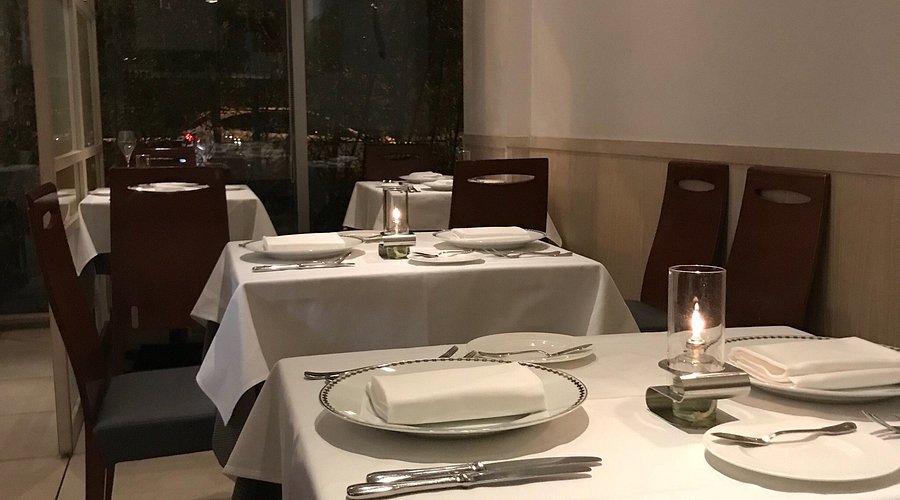
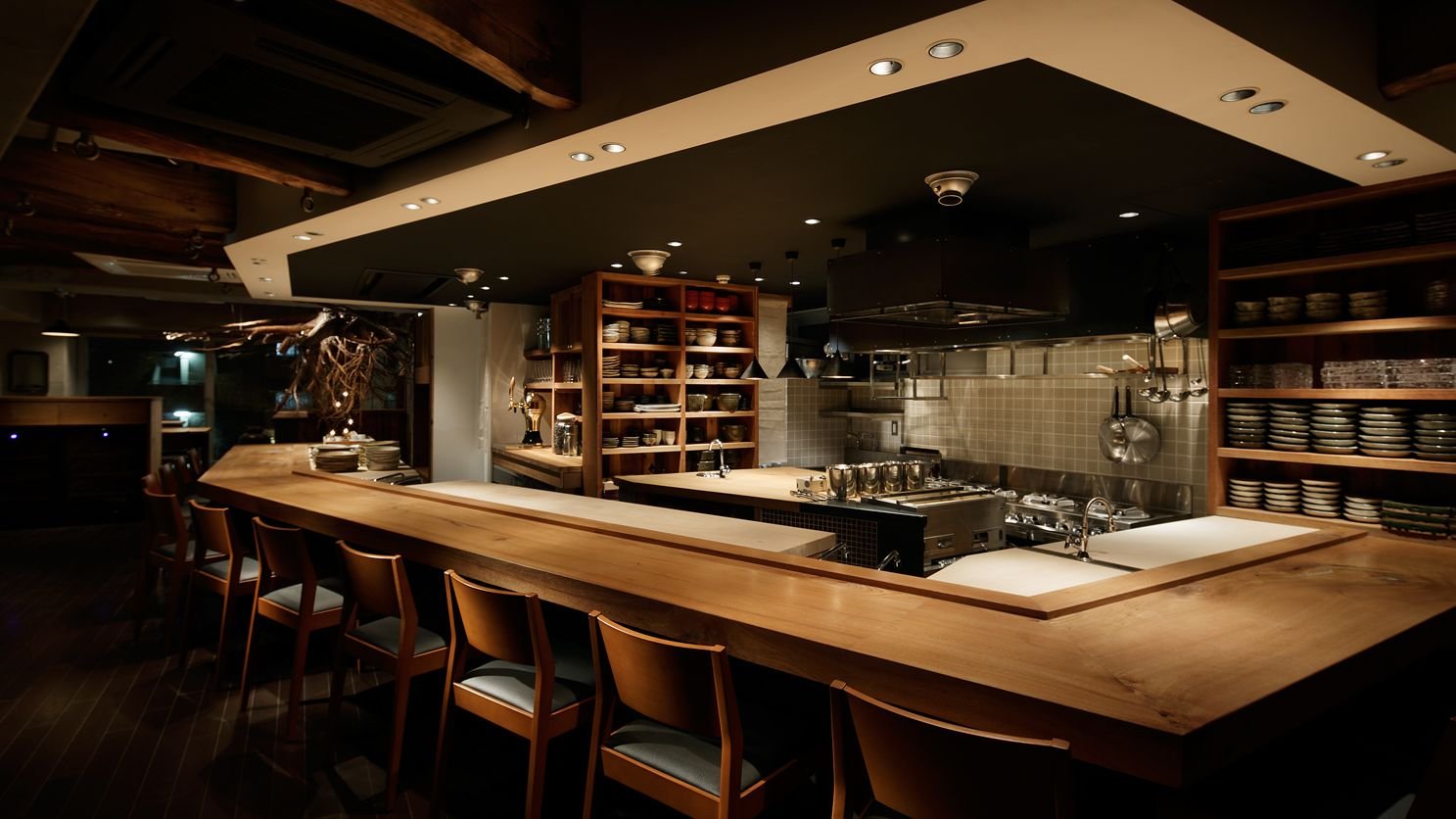
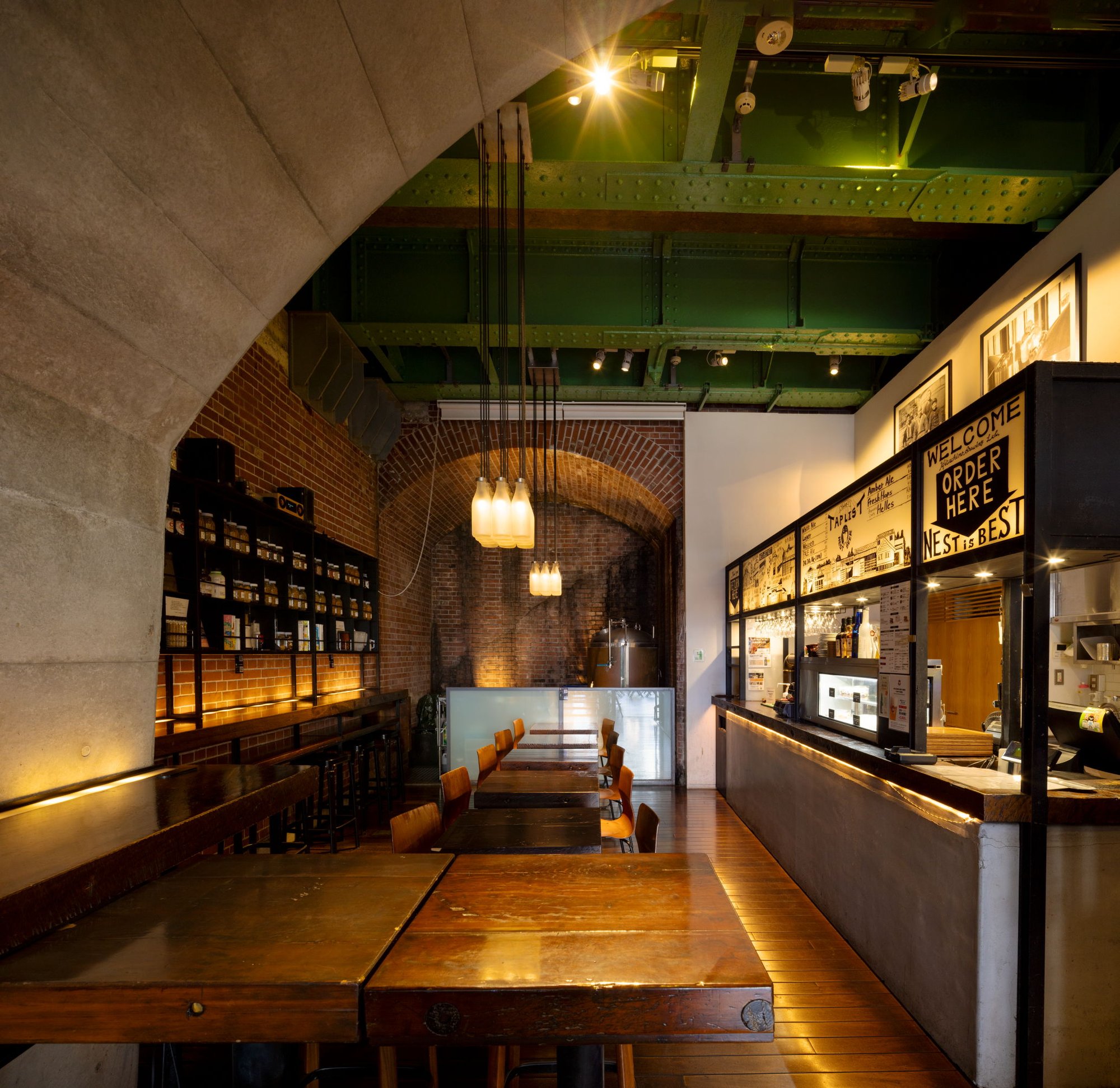
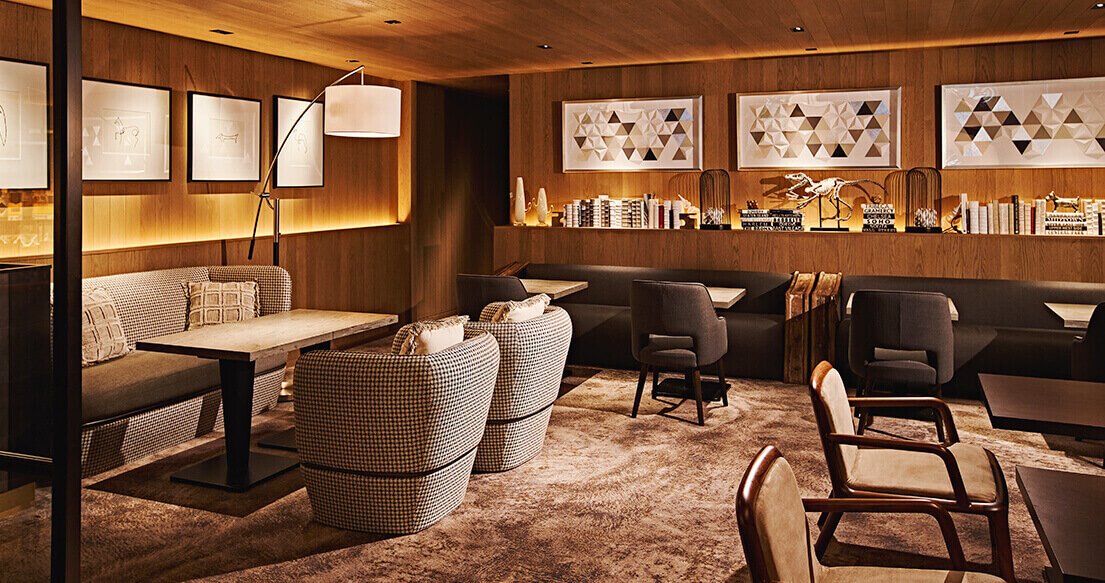
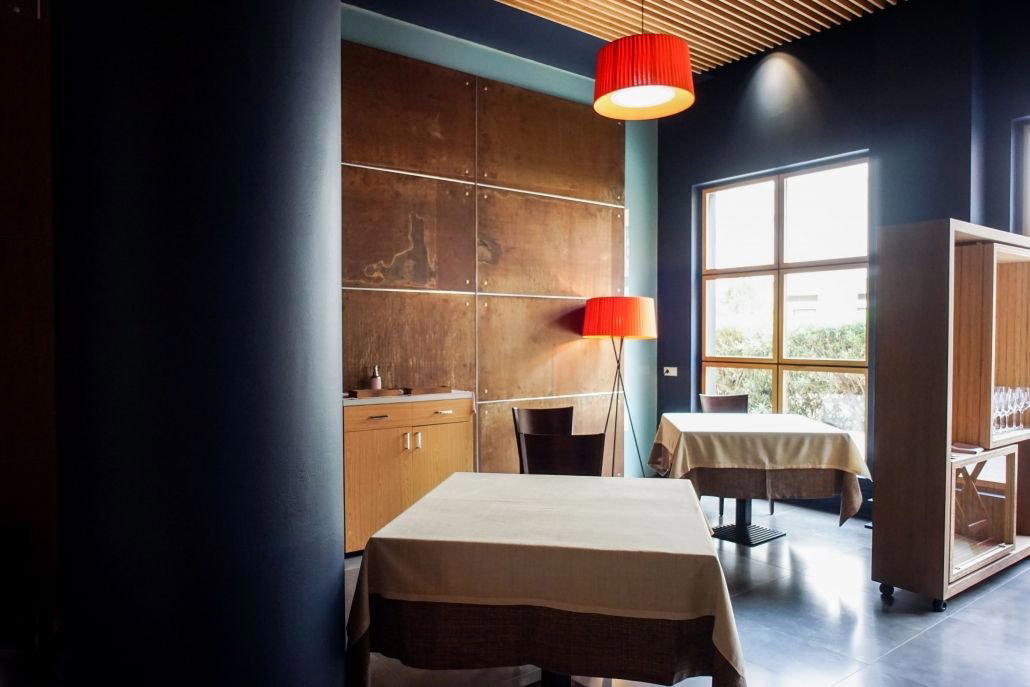
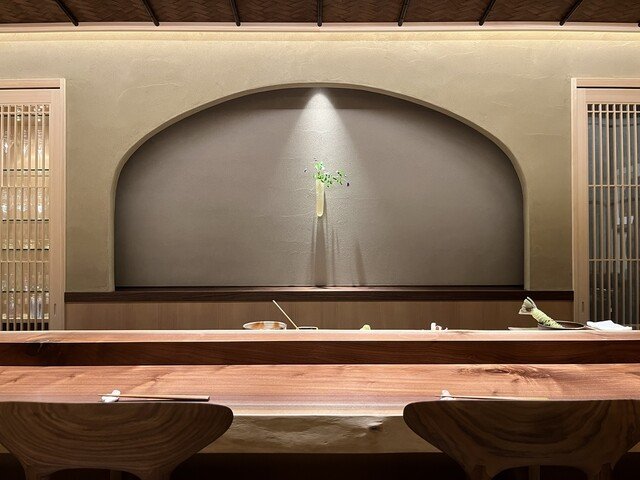
Serene and refined with pale wood counters, warm wood tones, traditional Korean antique furniture, and a single Japanese flower arrangement; soft lighting and near-silent choreography create an atmosphere of quiet luxury and contemplation.
Tags
Vibe
Best For
Experience
Sourcing
At the Table
- Dress Code
- Smart Casual
- Noise Level
- Quiet
- Service Style
- Omakase Bar
- Meal Pacing
- Extended Experience
- Capacity
- Intimate
- Kitchen
- Traditional
- Menu Format
- Omakase, Counter dining
- Drinks Focus
- Sake, Wine
- Dietary
- Pescatarian friendly
Signature Dishes
- Shiitake mushroom nigiri
- Soy sauce ice cream
- Botan shrimp
- Chutoro tuna
- Young gizzard shad nigiri
Know before you go
Know Before You Go
- Getting there
- Japan, 〒150-0012 Tokyo, Shibuya, Hiroo, 5 Chome−19−1 HIROOVILLAGE 2階
Planning details
Location
Japan, 〒150-0012 Tokyo, Shibuya, Hiroo, 5 Chome−19−1 HIROOVILLAGE 2階 · Directions
Recognition and awards
Also consider
Also Consider
- Harutaka: Sushi, ¥¥¥¥
- RyuGin: Kaiseki, Japanese, ¥¥¥¥
- L'Effervescence: French, ¥¥¥¥
- HOMMAGE: Innovtive French, French, ¥¥¥¥
- Florilège: French, ¥¥¥
Restaurant context
The most direct comparison for Hiroo Ishizaka is Harutaka, Tokyo's other benchmark omakase counter in the conversation. Harutaka operates at ¥¥¥¥, a tier above Hiroo Ishizaka, and is significantly harder to book. If your priority is technical sushi craft at a price that does not require ¥¥¥¥ spend, Hiroo Ishizaka is the more practical choice. If prestige and the upper ceiling of Tokyo counter dining matter more than value efficiency, Harutaka is the stronger argument. The gap in price is real; the gap in experience may not justify it for every diner.
Against the ¥¥¥¥ French options in Tokyo's comparison set, the decision is format-driven rather than quality-driven. Florilège sits at ¥¥¥ and offers a French tasting menu with a different kind of technical ambition: ingredient-forward, seasonally anchored, and easier to get into than most Michelin-starred counters. If you want one high-stakes meal in Tokyo and are equally comfortable with French or Japanese cuisine, Florilège and Hiroo Ishizaka are roughly equivalent in price and very different in experience. RyuGin and L'Effervescence operate at ¥¥¥¥ and are better suited to diners for whom maximum prestige is the deciding factor rather than value.
For travellers who want to book Hiroo Ishizaka as part of a broader Tokyo sushi itinerary, pairing it with a neighbourhood counter like Edomae Sushi Hanabusa gives useful contrast between a Michelin-recognised counter and the craft sushi that operates below the awards radar. Hiroo Ishizaka is the right anchor choice if you are booking one Michelin sushi counter in Tokyo at the ¥¥¥ level and want the combination of sourcing intelligence, structural rigour, and a neighbourhood setting that does not compete with the experience.
Explore Tokyo
Around this place
Discover more on Pearl
Unlock the full Hiroo Ishizaka guide in Pearl, including awards, comparisons, FAQs, planning details, and nearby places.
Compare Hiroo Ishizaka
| Venue | Cuisine | Price | Booking Difficulty | Awards |
|---|---|---|---|---|
| Hiroo Ishizaka | Sushi | ¥¥¥ | Hard | 2026 Michelin 1 Star2024 Michelin 1 Star |
| Harutaka | Sushi | ¥¥¥¥ | Unknown | 2026 Tabelog Silver · #312026 OAD Top Restaurants in Japan Ranked · #1282026 Michelin 3 Stars2026 La Liste Top RestaurantsTabelog 100 - Sushi - TOKYO - 2025 · #372025 Asia's 50 Best Restaurants · #762025 OAD Top Restaurants in Japan Ranked · #1172025 La Liste Top Restaurants2025 Tabelog Bronze |
| RyuGin | Kaiseki, Japanese | ¥¥¥¥ | Unknown | 2026 OAD Top Restaurants in Japan Ranked · #802026 Tabelog Bronze · #3772026 Michelin 3 Stars2026 La Liste Top RestaurantsTabelog 100 - Japanese cuisine - TOKYO - 2025 · #212025 OAD Top Restaurants in Japan Ranked · #542025 Michelin 3 Stars2025 La Liste Top Restaurants2025 The Best Chef Three Knives |
| L'Effervescence | French | ¥¥¥¥ | Unknown | 2026 Tabelog Silver · #682026 OAD Top Restaurants in Japan Ranked · #103Star Wine Lists 20262026 Black Pearl 2 Diamond2026 Relais Chateaux Restaurants2026 La Liste Top Restaurants2026 Michelin 3 Stars2025 Asia's 50 Best Restaurants · #692025 OAD Top Restaurants in Japan Ranked · #92 |
| HOMMAGE | Innovtive French, French | ¥¥¥¥ | Unknown | 2026 Tabelog Bronze · #1232026 OAD Top Restaurants in Japan Highly Recommended2026 Michelin 2 StarsTabelog 100 - French - TOKYO - 2025 · #762025 Asia's 50 Best Restaurants · #782025 OAD Top Restaurants in Japan Ranked · #1752025 Michelin 2 Stars2025 The Best Chef One Knife2025 La Liste Top Restaurants |
| Florilège | French | ¥¥¥ | Unknown | 2026 Asia's 50 Best Restaurants · #312026 Tabelog Bronze · #712026 OAD Top Restaurants in Japan Ranked · #1242026 Black Pearl 1 Diamond2026 Michelin 2 Stars2026 La Liste Top RestaurantsJapan's Best Restaurant 20262025 Asia's 50 Best Restaurants · #172025 World's 50 Best Restaurants · #36 |














A quick look at how Hiroo Ishizaka measures up.
FAQ
Frequently Asked Questions
What should I wear to Hiroo Ishizaka?
Dress neatly and conservatively. This is a Michelin-starred sushi counter in a second-floor address in Hiroo, not a casual neighbourhood spot. Avoid strong fragrances, which can interfere with the progression of the omakase. Business casual or above is a safe call; the sushi counter format rewards understated presentation over formal dress.
Is Hiroo Ishizaka good for solo dining?
Yes, and arguably the format suits solos best. The counter seating at an omakase venue gives a single diner direct sight lines to the chef's work and full attention from the room. Solo diners also tend to find reservations easier to secure than groups at high-demand counters.
Can I eat at the bar at Hiroo Ishizaka?
The omakase format at Hiroo Ishizaka is counter-based by design, so the bar is the dining experience rather than an alternative to it. There is no walk-in bar menu; the full omakase set is the only format available, and a reservation is required to access it.
Is Hiroo Ishizaka worth the price?
At ¥¥¥ and with a 2024 Michelin star, Hiroo Ishizaka sits in a price band where Tokyo has strong competition. The omakase sequence, opening tuna, botan shrimp, shiitake from Minamiuonuma, and tamago, reflects craft built over many years. If you are comparing value against other one-star counters in Tokyo, the distinctive ingredient choices give Hiroo Ishizaka a genuine point of difference rather than a generic programme.
Is the tasting menu worth it at Hiroo Ishizaka?
Yes, for diners who want a structured omakase with a deliberate sequence. The menu moves from side dishes through sashimi and bar snacks to a vegetarian interlude before nigiri, which is a considered pacing rather than a perfunctory transition. The tuna opener and unusual choices like botan shrimp and Minamiuonuma shiitake signal that the kitchen is not running a generic programme. If you prefer à la carte or want to control your order, this format is not for you.
Is Hiroo Ishizaka good for a special occasion?
Yes, provided the group is small. The counter format and Michelin-starred omakase make it a credible choice for a significant dinner for two or a solo celebration. Large groups should look elsewhere; a sushi counter is not built for parties wanting to share a table dynamic. Book six to eight weeks ahead for any date that matters.