
Higashiyama Muku
Japanese · Meguro, Tokyo
Restaurant in Tokyo, Japan
 Book with Pearl
The Read
Shimane-Sourced Purity
Price
¥¥¥
Dress
Smart Casual
Why go
Higashiyama Muku holds a 2024 Michelin one star in Meguro City, Tokyo, with a sourcing-driven Japanese menu built around direct relationships with a Shimane Prefecture fishmonger. Priced at ¥¥¥ — below many starred Tokyo peers — it suits food-focused travellers who want ingredient depth over dining-room grandeur. Book well ahead: reservations are hard to secure.
About Higashiyama Muku
Should You Book Higashiyama Muku?
If you have already eaten at Muku once, the question on a return visit is not whether the food holds up — it does — but whether the experience deepens. The answer is yes. The kitchen's sourcing relationships have grown more direct over time, with the chef now drawing fish and shellfish from the same Shimane Prefecture fishmonger where he trained, a supply chain that tightens the connection between what arrives on the counter and how it tastes. For the food-focused traveller who wants that kind of traceable provenance alongside a Michelin star credential, Higashiyama Muku is worth booking.
The restaurant sits in Higashiyama, Meguro City, a residential pocket of Tokyo that sits outside the usual Ginza-Roppongi fine-dining circuit. That location matters for your decision: getting here requires deliberate effort, but the neighbourhood setting is part of the experience. There is no foot-traffic crowd to compete, no tourist conveyor belt. You are arriving because you chose to.
The Experience: What Muku Actually Offers
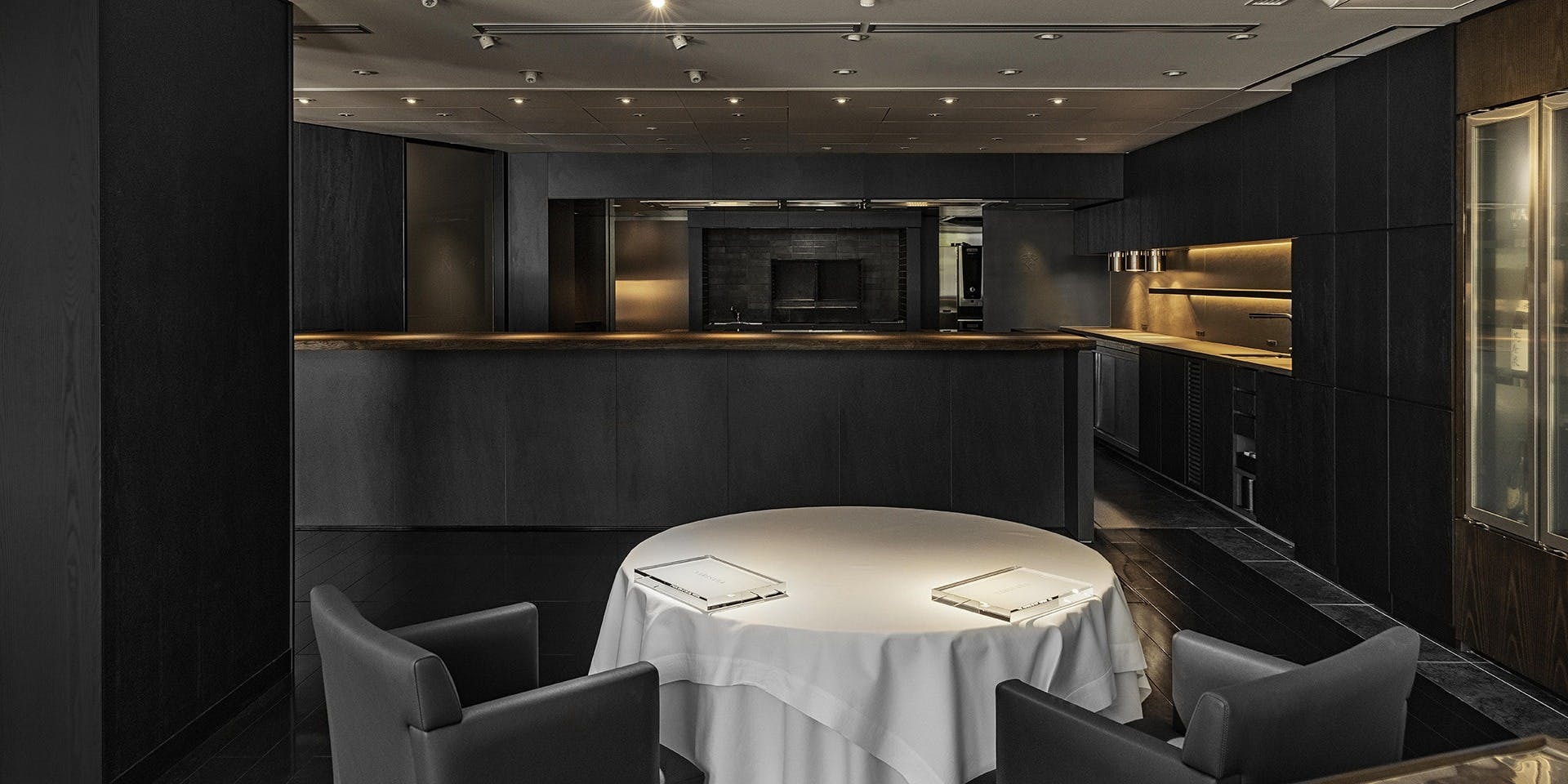
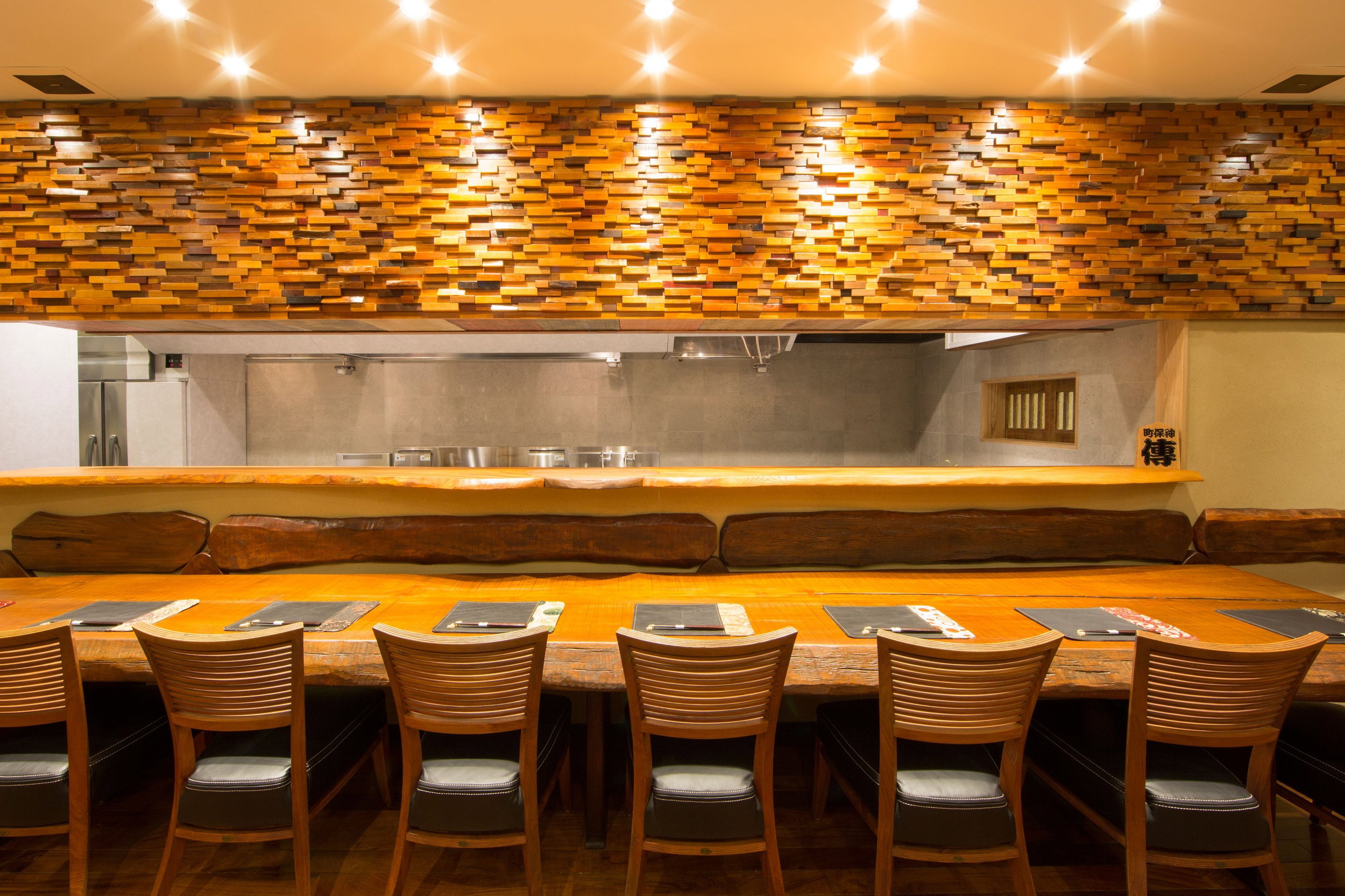
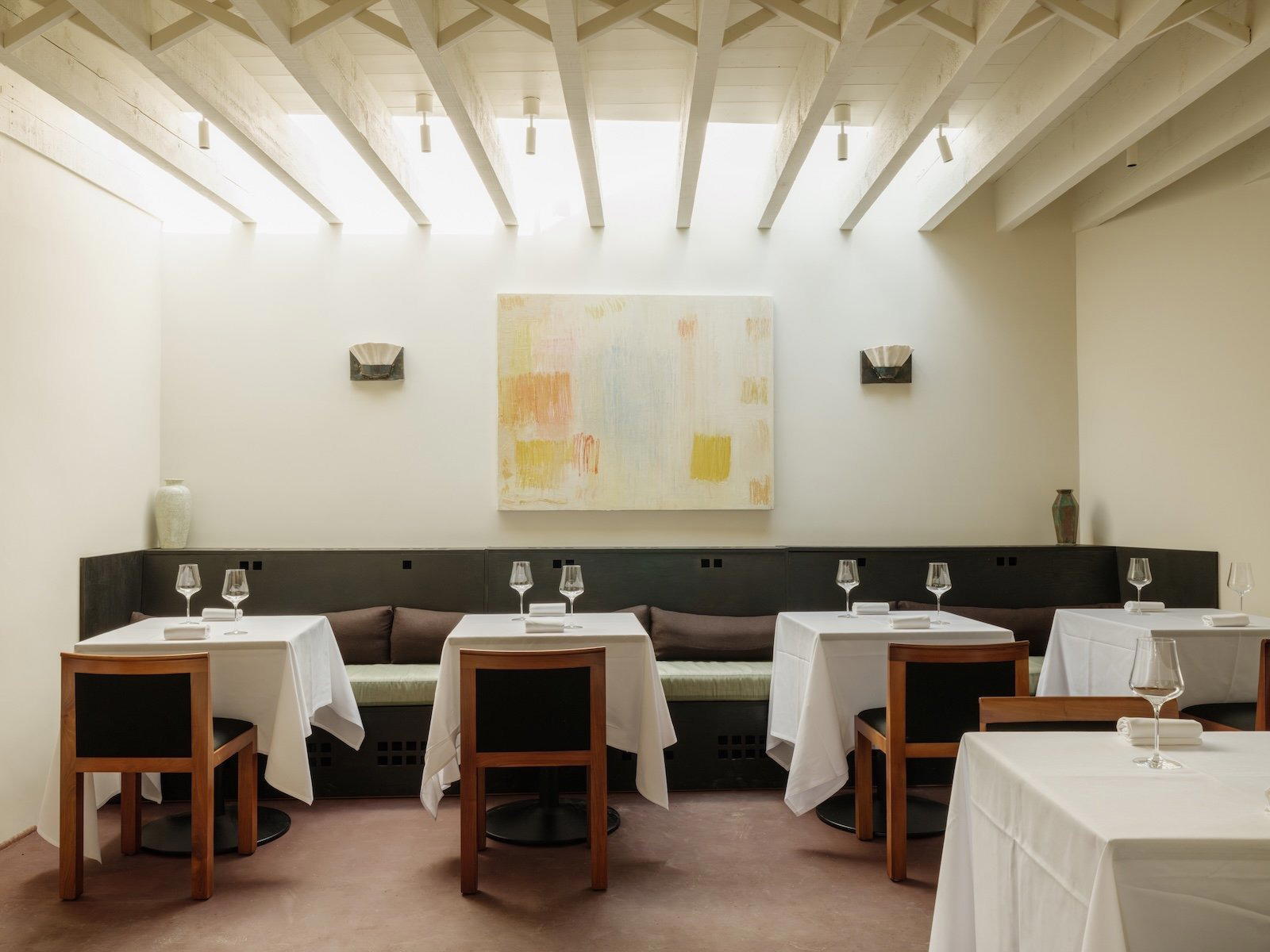
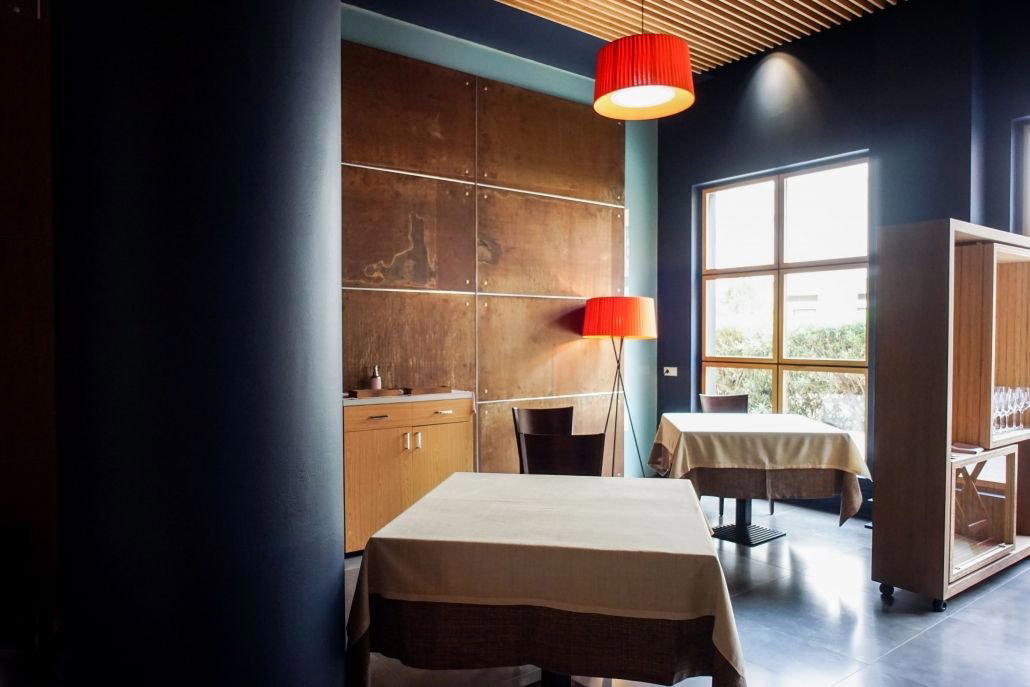
The name Muku translates as "immaculate, innocent, pure", and the interior follows through on that promise with a keynote white aesthetic that strips away visual noise and keeps the focus on the food in front of you. For guests who find heavily decorated dining rooms distracting, the restraint here is a functional choice, not just a design statement.
Cooking philosophy centres on ingredient integrity. Chef Tatsuki Mishima's sourcing from his former employer in Shimane, a fishmonger he worked at specifically to learn about fish before opening Muku, means crab, abalone, and rosy sea perch arrive with a provenance story that is verifiable, not marketing. This is a kitchen that has built its supply chain by hand, which is relatively rare even at the Michelin star level in Tokyo.
Structure of the meal includes takikomi-gohan, a seasoned rice dish cooked with various ingredients, followed by somen noodles or curry used to recalibrate the palate between courses. That sequencing, using carbohydrate courses as deliberate palate tools rather than filler, signals a thoughtful approach to progression. It is also a gentle nod to tradition handled with what the Michelin inspectors called a "playful spirit." The result is a meal that feels considered without being rigid.
Service Philosophy: Does It Earn the Price?
At the ¥¥¥ price tier, Muku occupies a more accessible bracket than many of its Michelin-starred peers in Tokyo, several of which sit at ¥¥¥¥.
Service at this category of Tokyo restaurant typically reflects the Japanese hospitality standard of omotenashi, attentive without being intrusive, informed without being performative. The intimate scale of a restaurant in a converted residential building (the address references a ground-floor unit in what appears to be a small residential complex) suggests a small team with close guest-to-staff ratios. Whether the service polish reaches the level of larger Michelin-starred operations is not verifiable from available data, but the format, small room, chef-driven sourcing narrative, minimal distractions, is structured to let the food carry the weight. If you are coming primarily for service theatre, look elsewhere. If you are coming because you want to eat well and understand what you are eating, the setup works in your favour.
For food explorers who have already covered the more prominent Tokyo addresses, Muku offers a different register: quieter, more neighbourhood-scaled, with a sourcing story that rewards curiosity. Compare it to the experience at Myojaku or Azabu Kadowaki for Japanese fine dining in Tokyo, or consider Kagurazaka Ishikawa and Ginza Fukuju if you want to stay within the Ginza-adjacent corridor. Jingumae Higuchi is another option worth considering for ingredient-led Japanese cooking.
Booking Muku: What You Need to Know
Booking difficulty is rated Hard. Given the small scale of the venue and the Michelin one-star status awarded in 2024, reservations are not easy to secure. Plan to book well in advance, the combination of a compact room and growing recognition means availability tightens quickly after the star was awarded. No phone number or website is listed in our current data, which means your most reliable route is through a specialist reservation service or your hotel concierge if they have established Tokyo dining contacts.
If you are building a wider Tokyo itinerary, see our full Tokyo restaurants guide, our full Tokyo hotels guide, our full Tokyo bars guide, our full Tokyo wineries guide, and our full Tokyo experiences guide. For serious dining beyond Tokyo, HAJIME in Osaka, Gion Sasaki in Kyoto, Isshisoden Nakamura in Kyoto, Kashiwaya Osaka Senriyama, akordu in Nara, Goh in Fukuoka, 1000 in Yokohama, and 6 in Okinawa round out the major options across Japan.
Quick reference:
FAQ
Is Higashiyama Muku worth the price?
- At the ¥¥¥ tier, Muku is priced below many of its Michelin-starred Tokyo peers, which makes the value equation relatively direct. You are getting a 2024 Michelin one-star, an ingredient sourcing approach that is more traceable than most at this level, and a calm, focused dining environment. For guests who prioritise what is on the plate over a grand room or deep service hierarchy, the price is justified. If you want the full-theatre kaiseki experience with impeccable multi-staff service, venues like Kagurazaka Ishikawa at ¥¥¥¥ are more appropriate.
Is the tasting menu worth it at Higashiyama Muku?
- The menu structure at Muku, which uses takikomi-gohan and somen or curry as deliberate palate-calibration courses, suggests a kitchen that has thought carefully about progression rather than simply stacking premium ingredients. The sourcing from Shimane Prefecture, directly from the fishmonger where the chef trained, gives the menu a coherence that is harder to find at venues that buy from standard wholesale channels. If tasting menus where each course has a traceable reason for being there appeal to you, this one is worth it. If you prefer the freedom of à la carte or are less interested in the provenance narrative, the format may feel constraining.
Planning details
- Location
- Japan, 〒153-0043 Tokyo, Meguro City, Higashiyama, 1 Chome−15−5 靜宏荘3 1階
- Website
- higashiyama-muku.jp
- Phone
- +81 70-3149-4112
The take
The Take
The Vibe
Higashiyama Muku presents a rigorously pared-back aesthetic where white walls and an immaculate dining room foreground the food. The interior’s calm restraint reads as a deliberate expression of culinary intent: purity, precision and quiet focus. The small counter and residential location in Meguro give the room an intimate, concentrated energy rather than distraction or flourish. This is a sophisticated, serene place that prizes ingredient-led kaiseki and the subtle choreography of seasonality, where the visual silence of the space amplifies the detail and care of each course.
Best For
This is a restaurant for diners who want a considered, course-driven meal—ideal for a refined dinner, special occasion or a focused date night. The Michelin-starred kaiseki orientation and small counter format reward attention to provenance and technique rather than casual group dining. Because the kitchen frames its argument around Shimane-sourced seafood and tightly curated seasonal plates, visiting here suits those who appreciate regional narratives and tasting-style service. The residential Meguro setting also makes it feel like a destination for guests seeking a quieter, more intimate Tokyo dining experience.
Ordering Tips
Expect a menu structured around seasonal kaiseki and specialty ingredients from Shimane Prefecture; standout items in the description include takikomi gohan, Shimane black abalone and charcoal-grilled swordfish. The restaurant’s focus is on supply-driven dishes, so prioritize courses that showcase those regional seafood elements. Given the counter’s limited scale and the tasting-style nature implied by the Michelin context, plan for a multi-course dinner rather than à la carte grazing and be prepared to experience the menu as a coherent seasonal statement.
Venue details
Ambiance
Serene and minimalist interior with keynote white tones, monochromatic design, U-shaped wooden counter, and no background distractions, creating a dignified, relaxing space focused on the dining experience.
Tags
Vibe
Best For
Sourcing
At the Table
- Dress Code
- Smart Casual
- Noise Level
- Quiet
- Service Style
- Formal
- Meal Pacing
- Leisurely
- Capacity
- Intimate
Signature Dishes
- takikomi gohan
- Shimane black abalone
- charcoal-grilled swordfish
Know before you go
Know Before You Go
- Getting there
- Japan, 〒153-0043 Tokyo, Meguro City, Higashiyama, 1 Chome−15−5 靜宏荘3 1階
Planning details
Location
Japan, 〒153-0043 Tokyo, Meguro City, Higashiyama, 1 Chome−15−5 靜宏荘3 1階 · Directions
Recognition and awards
Also consider
Also Consider
- Harutaka, Sushi, ¥¥¥¥
- RyuGin, Kaiseki, Japanese, ¥¥¥¥
- L'Effervescence, French, ¥¥¥¥
- HOMMAGE, Innovtive French, French, ¥¥¥¥
- Florilège, French, ¥¥¥
Restaurant context
Muku at ¥¥¥ with a single Michelin star sits in a noticeably different bracket from most of its serious Tokyo peers. Harutaka and RyuGin both operate at ¥¥¥¥ and offer a more overtly ceremonial experience, RyuGin in particular delivers the full kaiseki progression with a level of service infrastructure and room presence that Muku does not aim for. If formal kaiseki with deep service hierarchy is your priority, RyuGin is the stronger choice. If you want Japanese fine dining with a tighter, more personal format and a meaningful sourcing story at a lower price point, Muku is worth the trade-off.
Against the French options in this comparison set, the contrast sharpens. L'Effervescence and HOMMAGE both operate at ¥¥¥¥ and deliver French technique with Tokyo-market ingredients, polished, ambitious, and harder to get into. Florilège matches Muku at ¥¥¥ and is arguably the more technically innovative of the two, with a strong sustainability angle. For food explorers who want to compare Japan's take on French cooking against a deeply Japanese approach to provenance, booking both Florilège and Muku on the same trip is a reasonable strategy.
The clearest recommendation: if you have a single serious dinner slot in Tokyo and want to understand what ingredient-sourcing focus looks like at a Michelin level without paying ¥¥¥¥, Muku is the most direct answer. If budget is not the constraint and service depth matters as much as the food, add RyuGin to the shortlist instead.
Explore Tokyo
Around this place
Discover more on Pearl
Unlock the full Higashiyama Muku guide in Pearl, including awards, comparisons, FAQs, planning details, and nearby places.
Compare Higashiyama Muku
| Venue | Cuisine | Price | Awards | Booking Difficulty |
|---|---|---|---|---|
| Higashiyama Muku | Japanese | ¥¥¥ | 2026 Michelin 1 Star2024 Michelin 1 Star | Hard |
| Harutaka | Sushi | ¥¥¥¥ | 2026 Tabelog Silver · #312026 OAD Top Restaurants in Japan Ranked · #1282026 Michelin 3 Stars2026 La Liste Top RestaurantsTabelog 100 - Sushi - TOKYO - 2025 · #372025 Asia's 50 Best Restaurants · #762025 OAD Top Restaurants in Japan Ranked · #1172025 La Liste Top Restaurants2025 Tabelog Bronze | Unknown |
| RyuGin | Kaiseki, Japanese | ¥¥¥¥ | 2026 OAD Top Restaurants in Japan Ranked · #802026 Tabelog Bronze · #3772026 Michelin 3 Stars2026 La Liste Top RestaurantsTabelog 100 - Japanese cuisine - TOKYO - 2025 · #212025 OAD Top Restaurants in Japan Ranked · #542025 Michelin 3 Stars2025 La Liste Top Restaurants2025 The Best Chef Three Knives | Unknown |
| L'Effervescence | French | ¥¥¥¥ | 2026 Tabelog Silver · #682026 OAD Top Restaurants in Japan Ranked · #103Star Wine Lists 20262026 Black Pearl 2 Diamond2026 Relais Chateaux Restaurants2026 La Liste Top Restaurants2026 Michelin 3 Stars2025 Asia's 50 Best Restaurants · #692025 OAD Top Restaurants in Japan Ranked · #92 | Unknown |
| HOMMAGE | Innovtive French, French | ¥¥¥¥ | 2026 Tabelog Bronze · #1232026 OAD Top Restaurants in Japan Highly Recommended2026 Michelin 2 StarsTabelog 100 - French - TOKYO - 2025 · #762025 Asia's 50 Best Restaurants · #782025 OAD Top Restaurants in Japan Ranked · #1752025 Michelin 2 Stars2025 The Best Chef One Knife2025 La Liste Top Restaurants | Unknown |
| Florilège | French | ¥¥¥ | 2026 Asia's 50 Best Restaurants · #312026 Tabelog Bronze · #712026 OAD Top Restaurants in Japan Ranked · #1242026 Black Pearl 1 Diamond2026 Michelin 2 Stars2026 La Liste Top Restaurants2025 Asia's 50 Best Restaurants · #172025 World's 50 Best Restaurants · #36Tabelog 100 - French - TOKYO - 2025 · #68 | Unknown |













How Higashiyama Muku stacks up against the competition.
FAQ
Frequently Asked Questions
Is Higashiyama Muku worth the price?
Yes, at ¥¥¥ Muku sits a bracket below many of Tokyo's Michelin-starred peers, which makes the 2024 one-star status relatively strong value for the tier. Chef Mishima's sourcing is traceable and deliberate — crab, abalone, and rosy sea perch come directly from the Shimane fishmonger where he trained — which gives the cooking a specificity that justifies the price. If you want comparable rigour at a similar price point, Harutaka is the closest benchmark, though Muku's aesthetic restraint and ingredient-led philosophy give it a different character. The main caveat is booking difficulty: the small scale of the venue means you pay partly in lead time, not just yen.
Is the tasting menu worth it at Higashiyama Muku?
The format is structured around ingredient purity rather than theatrical courses, so if you expect elaborate presentations, adjust expectations accordingly. The progression from takikomi-gohan to somen or curry is designed to recalibrate the palate, which is a considered structural choice rather than filler. For the ¥¥¥ price tier, that level of intention in sequencing is above average for Tokyo's one-star bracket. Diners who prefer the bolder, more produce-forward approach of somewhere like Florilège may find Muku's restraint understated, but for those who read the name — Muku means immaculate, innocent, pure — and want the cooking to match, the tasting menu delivers on that premise.
What is Higashiyama Muku known for?
Higashiyama Muku is primarily known for Japanese in Tokyo.
Where is Higashiyama Muku located?
Higashiyama Muku is located in Tokyo, at Japan, 〒153-0043 Tokyo, Meguro City, Higashiyama, 1 Chome−15−5 靜宏荘3 1階.