.png?width=1200&quality=80)
Hakodate Shioramen Goryokaku
Ramen · Suginami, Tokyo
Restaurant in Tokyo, Japan
 Book with Pearl
The Read
Hokkaido-Sourced Shio Tradition
Price
¥
Dress
Casual
Why go
A Michelin Bib Gourmand shio ramen shop in Suginami serving Hakodate-style bowls built from Hokkaido-sourced kombu, dried scallop, and house-made noodles. At a ¥ price point, it is one of Tokyo's most accessible Michelin-recognised ramen destinations. Walk-in format, easy to book, and best visited in cooler months when the mineral-forward broth is at its most expressive.
About Hakodate Shioramen Goryokaku
Verdict
If you have already visited once and want to understand what makes Hakodate Shioramen Goryokaku worth returning to, the answer is focus. This Suginami shop does one thing: Hakodate-style shio ramen, built from Hokkaido-sourced kombu kelp, dried scallop adductor muscles, and house-made wheat noodles. It holds a Michelin Bib Gourmand (2024), which for a single-format ramen shop in Tokyo is a strong signal of consistent execution. At a ¥ price point, it is one of the most accessible Bib Gourmand venues in the city. Book it when you want a bowl that is technically serious without the cost or ceremony of a tasting-menu dinner.
What to Eat — and When It Matters
The core order is the shio ramen. The broth is clear and light, drawing its seafood character from kombu and dried scallop rather than from pork fat or soy, which makes it a noticeably different proposition from the tonkotsu and shoyu bowls that dominate most Tokyo ramen shops. The house-made noodles are sourced from Hokkaido wheat, giving them a texture and flavour integrity you will not find in shops using off-the-shelf noodle suppliers.
The topping to prioritise is gagome kombu, a gelatinous, nutrient-dense kelp variety that is a Hakodate regional speciality and not widely available in Tokyo ramen outside this shop. Its sticky, oceanic character changes the texture of the broth as you eat, making the bowl more satisfying the further down you get. If you skipped this on your first visit, it is the main reason to return.
On the seasonal angle: shio ramen is a format that rewards cold-weather visits. The light, mineral-forward broth reads differently in winter than in August heat. Hokkaido kombu is typically harvested in late summer and dried through autumn, so the flavour profile of the salt sauce is at its most expressive in the cooler months from October through March. There is no confirmed seasonal menu rotation in the available data, but the ingredient sourcing logic makes winter the highest-confidence visit window. If you are planning a trip to Tokyo in the colder half of the year, this shop earns a slot on your itinerary more readily than in midsummer.
Who Should Book This
Solo diners will be well served here. Ramen counters in Tokyo are calibrated for single covers, and a ¥ price point means there is no financial pressure to order beyond what you want. If you are two people, it works equally well. For groups of four or more, note that seating capacity is not confirmed in the available data, so larger parties should check availability before arriving together.
This is not a special-occasion venue in the conventional sense. At ¥, it does not carry the weight of a celebratory dinner. But if your idea of a good evening in Tokyo includes a technically precise bowl of ramen from a chef who has been making this specific style his whole life, then the occasion is whatever you make it.
Getting There and Booking
The address is 3 Chome-28-7 Amanuma, Suginami City, Tokyo 167-0032. Suginami is a residential ward in western Tokyo, away from the tourist-dense areas of Shinjuku and Shibuya. That distance is part of why this shop retains a neighbourhood character that central ramen destinations increasingly do not. Booking difficulty is rated Easy. No reservations system or phone number is listed in the available data, which suggests walk-in is the standard approach. Arriving at opening time or during off-peak lunch hours is the lowest-risk strategy.
Practical Comparison
| Venue | Price | Format | Booking Difficulty | Award |
|---|---|---|---|---|
| Hakodate Shioramen Goryokaku | ¥ | Shio ramen, walk-in | Easy | Michelin Bib Gourmand 2024 |
| Afuri | ¥ | Yuzu shio ramen, multiple locations | Easy | Widely reviewed |
| Chukasoba Ginza Hachigou | ¥¥ | Chukasoba, Ginza | Moderate | Michelin recognised |
| Fuunji | ¥ | Tsukemen, Shinjuku | Moderate (queues) | Highly rated |
| Chukasoba KOTETSU | ¥ | Chukasoba | Easy–Moderate | Bib Gourmand |
Explore More in Tokyo and Beyond
- Our full Tokyo restaurants guide
- Our full Tokyo hotels guide
- Our full Tokyo bars guide
- Our full Tokyo experiences guide
- Chukasoba Ginza Hachigou — Ginza ramen with Michelin recognition
- Chuogo Hanten Mita, Tokyo Chinese-influenced dining
- 1000 in Yokohama, nearby dining for day-trip itineraries
- Gion Sasaki in Kyoto, for Japan travel beyond Tokyo
- akordu in Nara
- 6 in Okinawa
- Afuri Ramen in Portland, Afuri's US outpost for context
- Akahoshi Ramen in Chicago, for readers tracking Japanese ramen internationally
Planning details
- Location
- 3 Chome-28-7 Amanuma, Suginami City, Tokyo 167-0032, Japan
- Website
- twitter.com/ramen_goryokaku
The take
The Take
The Vibe
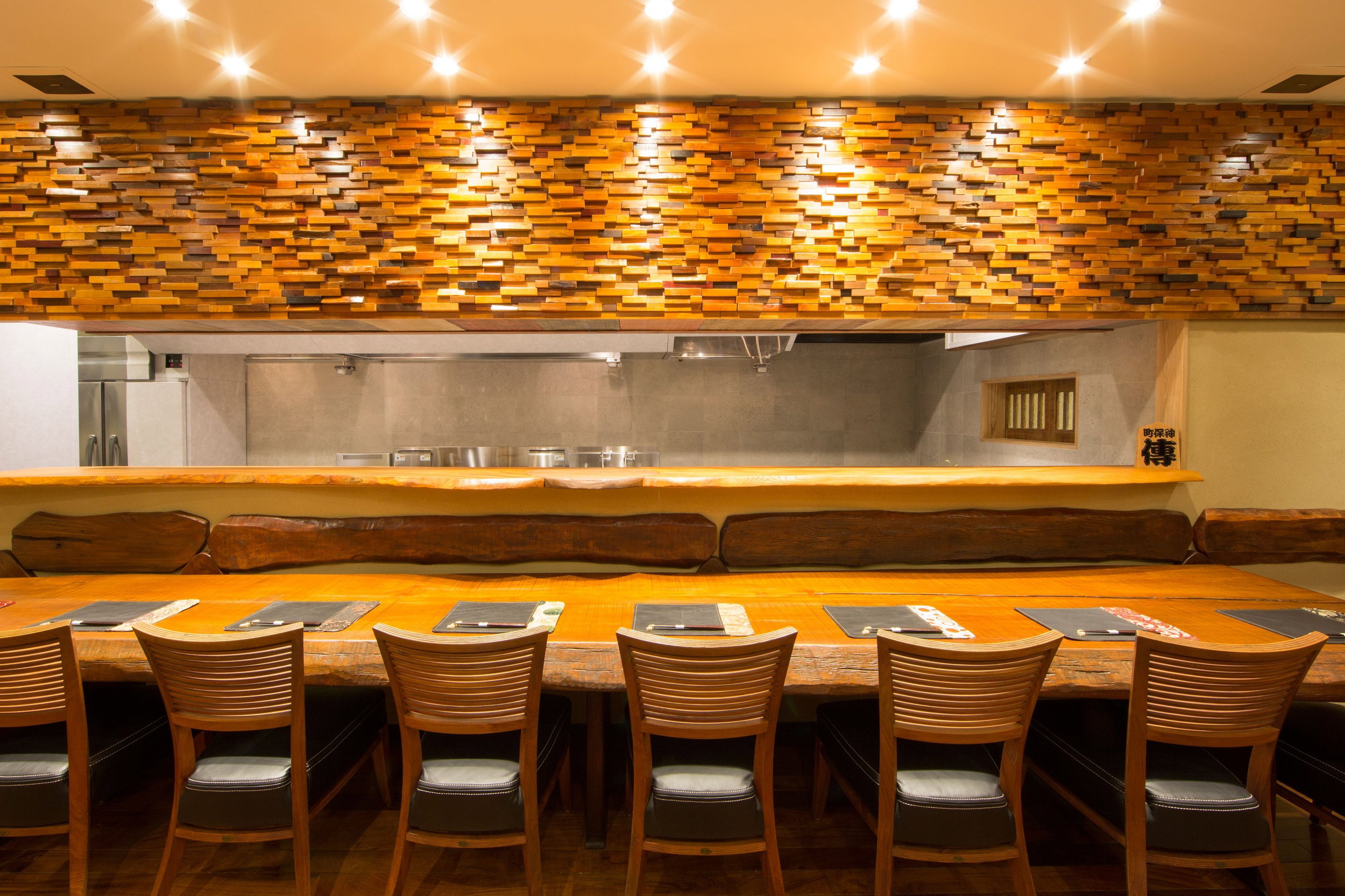
Hakodate Shioramen Goryokaku settles quietly into a residential block in Suginami, its presence intentionally underplayed. The interior reads spare and deliberate rather than theatrical, and the bowls arrive with a restraint that mirrors the shop’s look: clear broths, precise toppings and an emphasis on individual ingredient clarity. That discipline—Hokkaido kombu, dried scallop and region-specific wheat for the noodles—gives the place a classic, almost minimalist character. It feels like an intimate counter kitchen where provenance and technique take precedence over spectacle, a deliberate antidote to the louder, high-traffic ramen counters elsewhere in Tokyo.
Best For
This is a spot for diners who want a focused, ingredient-led bowl rather than a bustling social outing. Ramen purists and those curious about Hakodate-style shio will find the shop especially rewarding: the kitchen foregrounds transparent broth and Hokkaido-sourced elements that reward close attention. It suits solo diners and small parties looking for a quiet lunch or an unpretentious dinner; it is less obviously aimed at large celebrations or late-night revelry. The experience rewards patience and appreciation for subtlety over boldness.
Ordering Tips
Start with the signature Hakodate Shio Ramen to experience the clear, restraint-driven broth that defines the kitchen. If you want a stronger kelp presence, choose the Shio Ramen with Gagome Kombu—the description flags gagome kombu as a defining topping. The Scallop Rice Bowl showcases the dried scallop adductor used in the salt sauce and is a concise way to taste the Hokkaido provenance the menu emphasizes. The copy highlights house-made noodles and northern ingredients, so order with those provenance notes in mind when deciding.
Venue details
Ambiance
Intimate counter-only setting with minimal seating; simple, focused atmosphere emphasizing the ramen experience over decor; welcoming and unpretentious vibe.
Tags
Vibe
Best For
Experience
Sourcing
At the Table
- Dress Code
- Casual
- Noise Level
- Quiet
- Service Style
- Counter Service
- Meal Pacing
- Quick Bite
- Capacity
- Intimate
Signature Dishes
- Hakodate Shio Ramen
- Shio Ramen with Gagome Kombu
- Scallop Rice Bowl
Know before you go
Know Before You Go
- Getting there
- 3 Chome-28-7 Amanuma, Suginami City, Tokyo 167-0032, Japan
Planning details
Location
3 Chome-28-7 Amanuma, Suginami City, Tokyo 167-0032, Japan · Directions
Recognition and awards
Also consider
Also Consider
- Harutaka, Sushi, ¥¥¥¥
- L'Effervescence, French, ¥¥¥¥
- RyuGin, Kaiseki, Japanese, ¥¥¥¥
- HOMMAGE, Innovtive French, French, ¥¥¥¥
- Crony, Innovative, French, ¥¥¥¥
Restaurant context
Hakodate Shioramen Goryokaku sits in a completely different price tier from the other Pearl-listed Tokyo venues worth benchmarking it against. Harutaka, L'Effervescence, RyuGin, HOMMAGE, and Crony all sit at ¥¥¥¥, the top end of the Tokyo dining price range. Goryokaku is ¥. That gap is relevant if you are building a multi-day Tokyo itinerary: this shop covers the high-quality, low-cost slot that none of the ¥¥¥¥ venues can fill, and it does so with a Michelin credential (Bib Gourmand 2024) that signals the quality is not just a function of price.
If you are choosing between a ¥¥¥¥ dinner at RyuGin for kaiseki or a counter lunch at Goryokaku for shio ramen, the decision should be driven by format preference, not quality anxiety. RyuGin delivers a multi-course seasonal progression with full service; Goryokaku delivers one bowl, done with regional precision. Both have Michelin recognition. The question is what kind of meal you want on a given day. For a working lunch, a solo meal, or a low-spend day when your budget is committed elsewhere, Goryokaku is the stronger call. For a special dinner or a group celebration, the ¥¥¥¥ options serve that need better.
Among comparable ramen options in Tokyo, Chukasoba Ginza Hachigou is a closer peer on format but sits in a more central, higher-footfall location. Goryokaku's Suginami address means less competition for seats and a more local atmosphere, which some diners will prefer. If you are already in western Tokyo, there is no reason to travel to Ginza for ramen when this shop is available. If you are based in central Tokyo and want to minimise transit, Ginza Hachigou is more convenient. Both are worth knowing.
Explore Tokyo
Around this place
Discover more on Pearl
Unlock the full Hakodate Shioramen Goryokaku guide in Pearl, including awards, comparisons, FAQs, planning details, and nearby places.
Compare Hakodate Shioramen Goryokaku
| Venue | Awards | Price |
|---|---|---|
| Hakodate Shioramen Goryokaku | 2026 Bib Gourmand2024 Michelin Bib Gourmand | ¥ |
| Harutaka | 2026 Tabelog Silver · #312026 OAD Top Restaurants in Japan Ranked · #1282026 Michelin 3 Stars2026 La Liste Top RestaurantsTabelog 100 - Sushi - TOKYO - 2025 · #372025 Asia's 50 Best Restaurants · #762025 OAD Top Restaurants in Japan Ranked · #1172025 La Liste Top Restaurants2025 Tabelog Bronze | ¥¥¥¥ |
| L'Effervescence | 2026 Tabelog Silver · #682026 OAD Top Restaurants in Japan Ranked · #103Star Wine Lists 20262026 Black Pearl 2 Diamond2026 Relais Chateaux Restaurants2026 La Liste Top Restaurants2026 Michelin 3 Stars2025 Asia's 50 Best Restaurants · #692025 OAD Top Restaurants in Japan Ranked · #92 | ¥¥¥¥ |
| RyuGin | 2026 OAD Top Restaurants in Japan Ranked · #802026 Tabelog Bronze · #3772026 Michelin 3 Stars2026 La Liste Top RestaurantsTabelog 100 - Japanese cuisine - TOKYO - 2025 · #212025 OAD Top Restaurants in Japan Ranked · #542025 Michelin 3 Stars2025 La Liste Top Restaurants2025 The Best Chef Three Knives | ¥¥¥¥ |
| HOMMAGE | 2026 Tabelog Bronze · #1232026 OAD Top Restaurants in Japan Highly Recommended2026 Michelin 2 StarsTabelog 100 - French - TOKYO - 2025 · #762025 Asia's 50 Best Restaurants · #782025 OAD Top Restaurants in Japan Ranked · #1752025 Michelin 2 Stars2025 The Best Chef One Knife2025 La Liste Top Restaurants | ¥¥¥¥ |
| Crony | 2026 Asia's 50 Best Restaurants · #34Star Wine Lists 20262026 OAD Top Restaurants in Japan Recommended2026 Michelin 2 Stars2025 Asia's 50 Best Restaurants · #30Tabelog 100 - French - TOKYO - 2025 · #782025 OAD Top Restaurants in Japan Ranked · #227We're Smart World Top Restaurants 20252025 Michelin 2 Stars | ¥¥¥¥ |















What to weigh when choosing between Hakodate Shioramen Goryokaku and alternatives.
FAQ
Frequently Asked Questions
Does Hakodate Shioramen Goryokaku handle dietary restrictions?
The broth is built on kombu kelp and dried scallop, so the base is seafood-forward rather than pork-heavy — a meaningful distinction from tonkotsu shops. That said, the menu is a tight, single-concept operation focused on shio ramen, and there is no documented vegetarian or allergen-adjustment option in the venue data. Diners with strict requirements should approach with caution and confirm directly before visiting.
What should I order at Hakodate Shioramen Goryokaku?
Order the shio ramen — it is the only reason to come, and it is the right one. The clear Hokkaido seafood broth, house-made noodles, and gagome kombu topping are the signature combination the Michelin Bib Gourmand (2024) recognition was built on. Add the gagome kombu topping if it is offered as an optional extra; it is a Hakodate speciality and the detail that separates this bowl from generic shio ramen elsewhere in Tokyo.
Is Hakodate Shioramen Goryokaku good for solo dining?
Yes — this is close to the ideal solo dining format in Tokyo. Ramen shops at the ¥ price point are designed around single covers, with counter seating the norm, and there is no social pressure or minimum spend. The Bib Gourmand recognition means you get a credentialled bowl without the group-booking complexity of higher-end venues.
What are alternatives to Hakodate Shioramen Goryokaku in Tokyo?
For shio ramen specifically, Afuri (yuzu shio) is the most prominent alternative and easier to reach from central Tokyo, but the flavour profile skews citrus-forward rather than seafood-grounded. If Hokkaido-origin ingredients and regional authenticity matter to your decision, Goryokaku is the more focused choice. For a completely different register — multi-course kaiseki rather than ramen — RyuGin or L'Effervescence operate at the opposite end of the price and formality spectrum.
Is Hakodate Shioramen Goryokaku good for a special occasion?
Only if the occasion is casual. At the ¥ price point, this is a counter ramen shop in a residential part of Suginami — the Michelin Bib Gourmand signals quality, not ceremony. For a milestone dinner in Tokyo, RyuGin or L'Effervescence are better fits. Goryokaku works as a deliberate low-key treat, or as a contrast meal within a wider Tokyo trip.
Is the tasting menu worth it at Hakodate Shioramen Goryokaku?
There is no tasting menu here. This is a single-concept ramen shop: you come for a bowl of shio ramen, not a multi-course progression. That focus is precisely what earned it the Michelin Bib Gourmand (2024). If a structured tasting format is what you want, this is the wrong venue — look at Harutaka or HOMMAGE instead.
Is Hakodate Shioramen Goryokaku worth the price?
At the ¥ price point, this is one of the lowest-cost Michelin-recognised meals available anywhere in Tokyo. The Bib Gourmand (2024) is specifically awarded to venues offering good food at a moderate price, so the credential and the value case are aligned here. The question is not whether the bowl justifies the cost — it does — but whether the journey to Suginami justifies the detour from wherever you are based in the city.