.png?width=1200&quality=80)
Ginza Sushi Ichidai Yugo
Sushi · Chūō, Tokyo
Restaurant in Tokyo, Japan
 Book with Pearl
The Read
Affordable Ginza Nigiri
Price
$100–150per person
Why go
A Michelin Plate (2025) sushi counter in Ginza with a deliberate casual pricing philosophy that undercuts most of its neighbours. The barachirashi at lunch is the visit worth making — good value at the ¥¥¥ tier and easy to book, making it a practical anchor for any Ginza dining day. Not a substitute for omakase ceremony, but a strong choice if accessible quality is the brief.
About Ginza Sushi Ichidai Yugo
Verdict
Ginza Sushi Ichidai Yugo earns a Michelin Plate (2025), which positions it below the starred tier but above the noise of unremarkable sushi counters in the neighbourhood. The more important signal for most readers: the pricing philosophy here deliberately undercuts what you would expect to pay this close to the Kabukiza Theatre. If you are looking for approachable Ginza sushi without the ¥¥¥¥ commitment, this is a serious option. Book it.
The Case for Lunch
The editorial angle here matters: this is a venue where the lunch visit and the dinner visit are not equivalent experiences, and choosing the right one will determine whether you leave satisfied or underwhelmed.
Lunch is the stronger play. The barachirashi — sushi rice with toppings mixed in and scattered across the bowl — is specifically flagged as a lunchtime speciality, and it represents the venue's philosophy in a single dish: generous, approachable, and built around rice craft rather than theatrical omakase ritual. For a food-focused visitor who wants to eat well in Ginza without committing to a multi-hour tasting sequence, the lunch format is the more honest expression of what this kitchen does.
The long, thin sushi pieces add substance per piece, which means the portion logic is different from the compressed, precisely minimal bites you encounter at higher-price-tier counters. At ¥¥¥ pricing, that proportion matters. You are getting a fuller physical experience than the sticker price might imply at comparable Ginza addresses.
Dinner remains a viable visit, but the daytime barachirashi is the dish that defines the restaurant's identity and gives it a clear reason to exist alongside the heavier hitters on the same streets. If you are coming for dinner, manage expectations accordingly: this is a neighbourhood-spirited sushi counter that happens to sit in one of Tokyo's most expensive dining districts, not a counter competing directly with Harutaka or Sushi Kanesaka for ceremonial precision.
Setting and Atmosphere
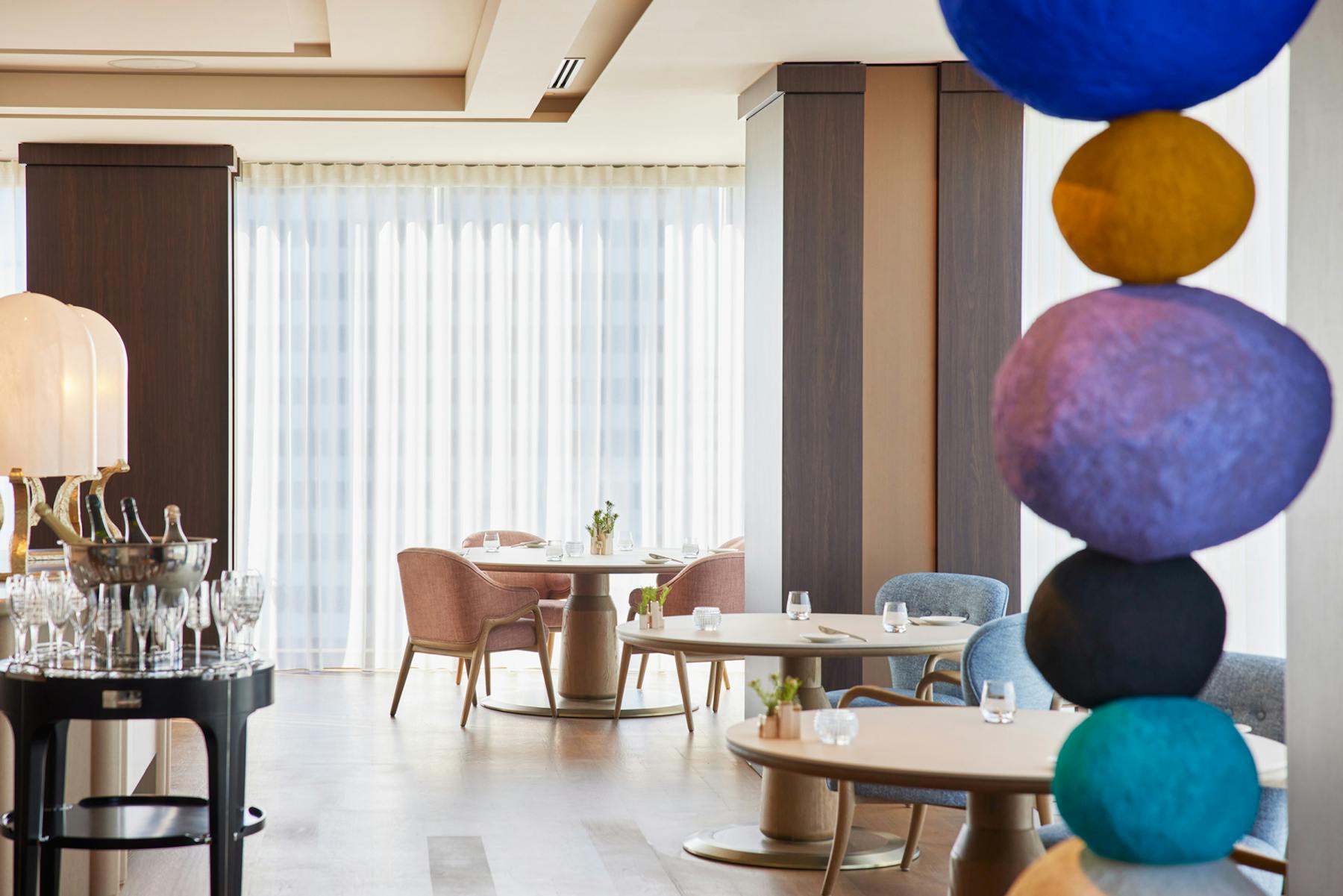
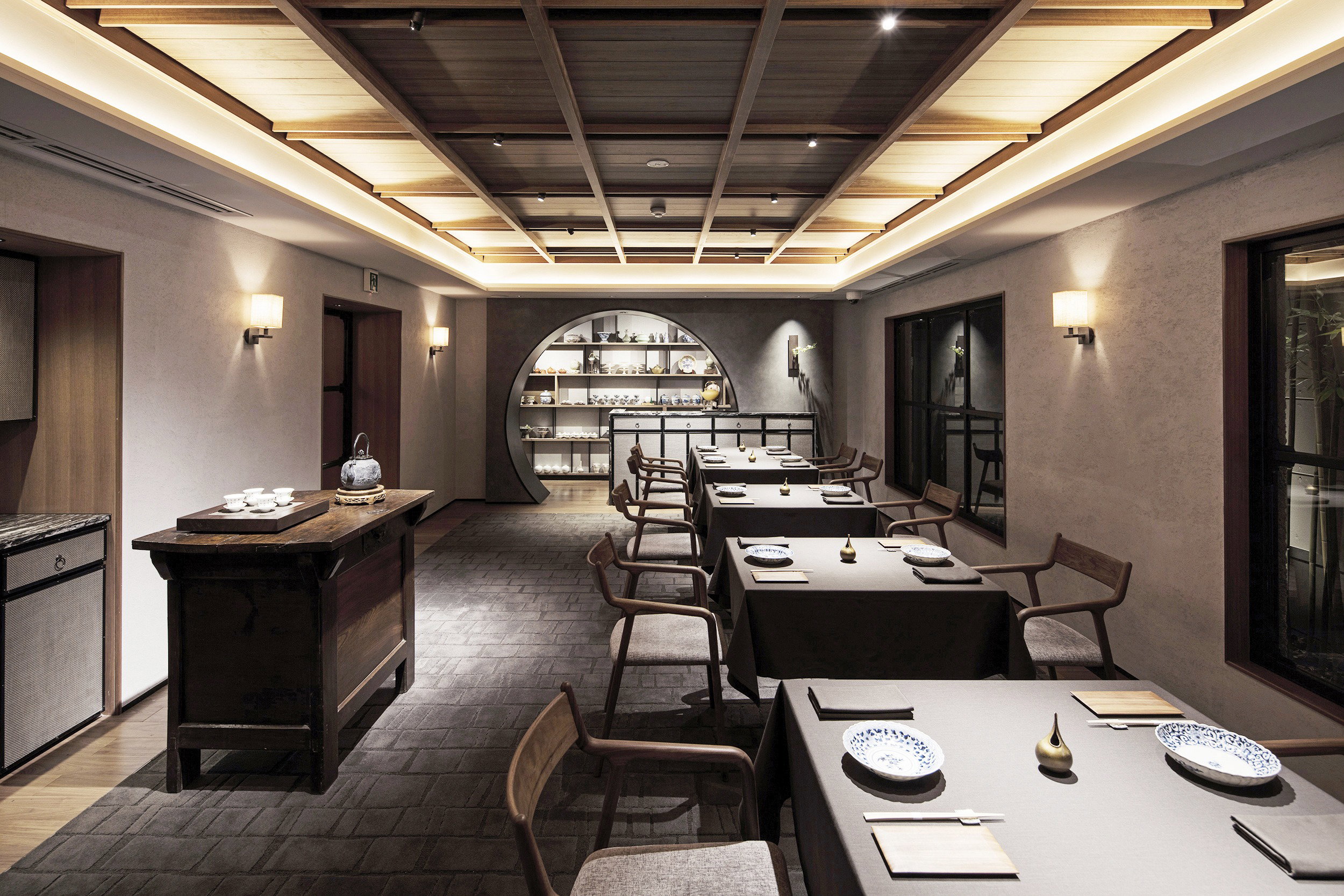
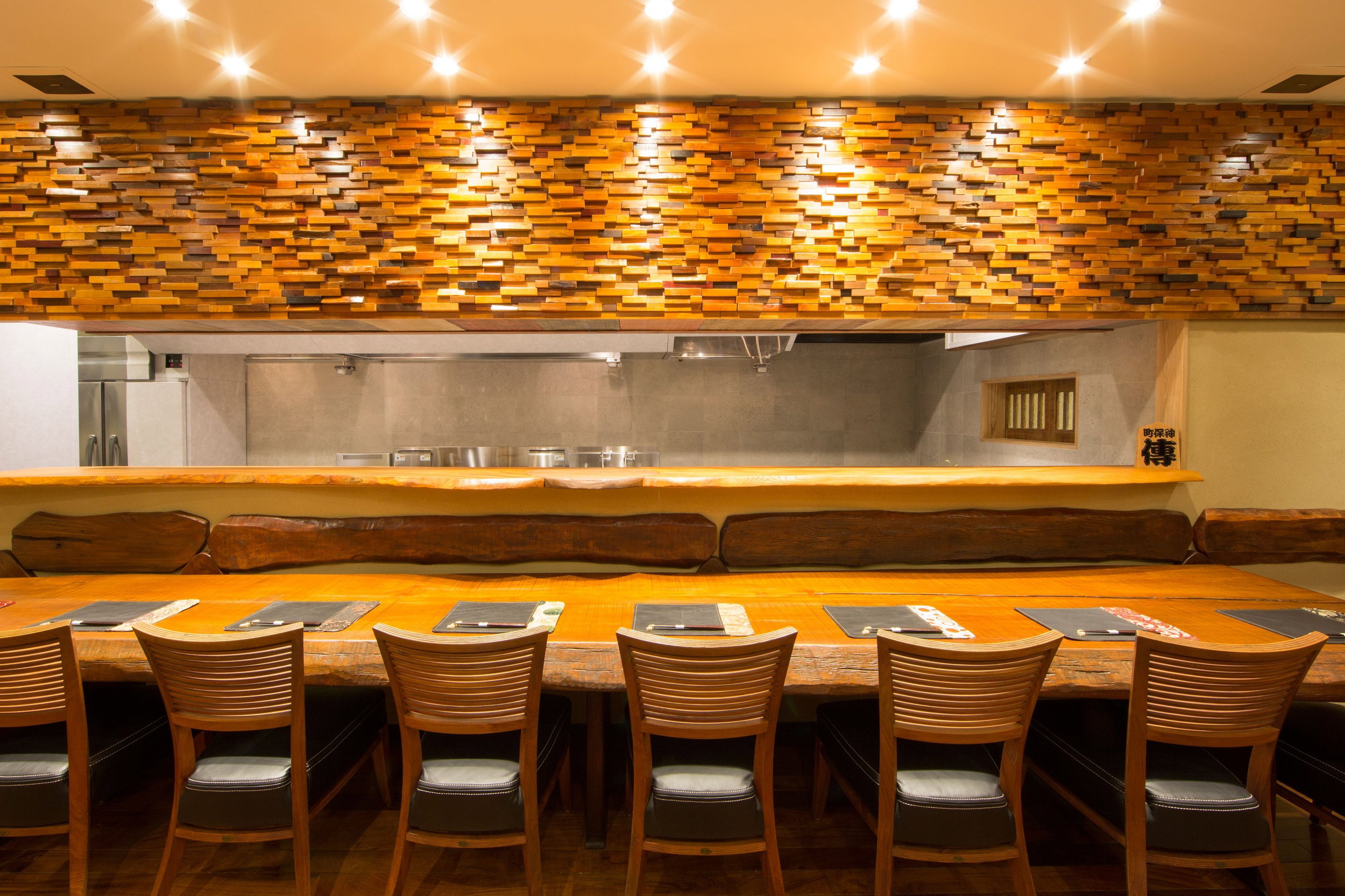
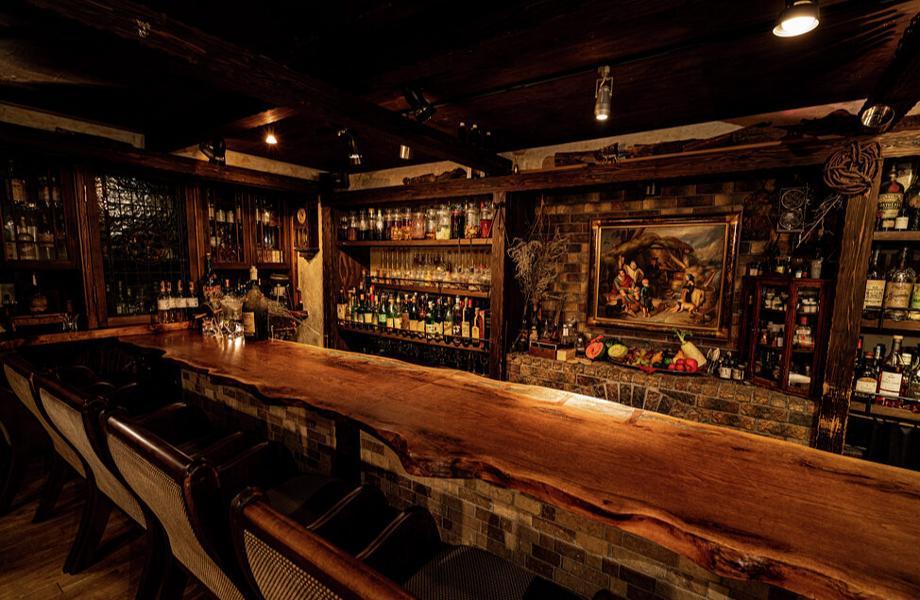
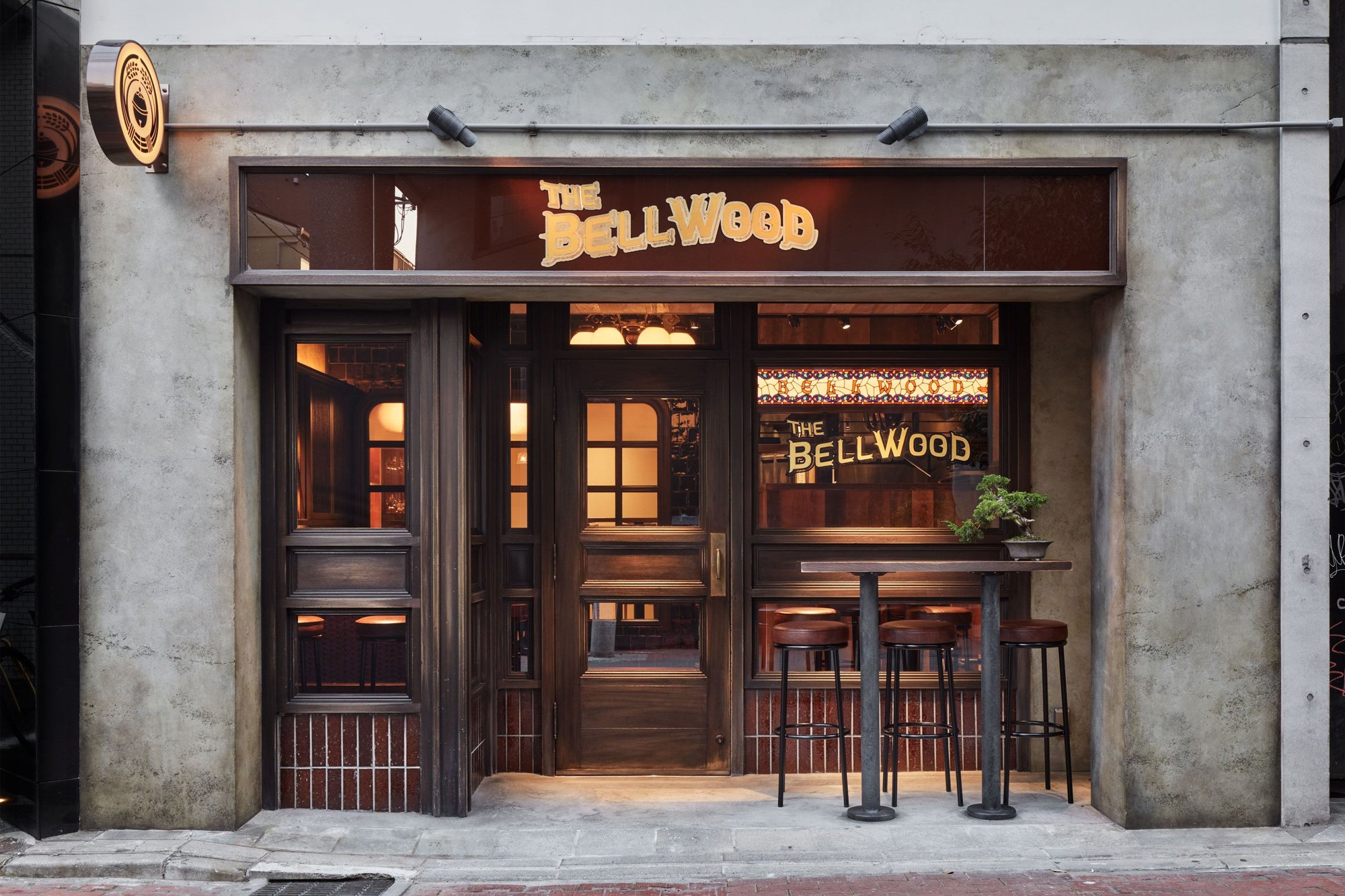
The design language is deliberately understated. A white sign with an ebony rim, hiragana lettering on the noren, the overall effect signals warmth and accessibility rather than the hushed formality of Ginza's more expensive sushi addresses. That is intentional. The venue's stated philosophy is that sushi should be enjoyed casually, and the physical environment supports that position. Do not arrive expecting the spare, reverent atmosphere of a starred counter. Do arrive expecting a space that feels welcoming and purposeful.
The Ginza address, 1 Chome-6-7 Ginza, Chuo City, places this a short walk from the Kabukiza Theatre and within the broader Ginza dining corridor. The proximity to the theatre makes this a natural pre- or post-performance option, though the lunch frame remains the priority recommendation. For broader context on eating and drinking in the area, see our full Tokyo restaurants guide.
Who Should Book This
Ginza Sushi Ichidai Yugo makes the most sense for: a solo diner or pair who wants quality Ginza sushi at a price point that does not require a special-occasion justification; a traveller building a multi-restaurant day in Tokyo who wants to anchor lunch in Ginza without blowing the budget for the evening; and food enthusiasts specifically interested in barachirashi as a format, which is less represented in Tokyo's sushi counter scene than nigiri-focused menus.
It is less suited to diners seeking an omakase arc with chef interaction, seasonal progression, and a formal tasting narrative. For that experience in Tokyo, you are looking at a different price tier and a different booking approach. Counters like Harutaka or Sukiyabashi Jiro Roppongiten serve that brief, at significantly higher cost and booking difficulty. If your trip takes you beyond Tokyo, Gion Sasaki in Kyoto and HAJIME in Osaka represent the higher-commitment end of Japan's culinary spectrum.
Booking and Practical Details
Booking difficulty at Ginza Sushi Ichidai Yugo is rated easy. The venue does not carry starred Michelin status, which means it does not face the same advance-reservation pressure as the top-tier counters nearby. A few days' notice should be sufficient in most cases, though lunch slots on weekends may fill faster given the barachirashi draw. No booking method is confirmed in our data, so check directly via the address or a hotel concierge if you are visiting from abroad. Hours are not confirmed in our data, verify before you go.
No dress code data is available, but the casual positioning of the venue and its stated philosophy of accessible sushi suggest smart-casual is the right call. Ginza as a neighbourhood skews formal, so erring slightly conservative is sensible. For accommodation context near this address, see our full Tokyo hotels guide.
For those planning a broader Tokyo itinerary, Edomae Sushi Hanabusa and Hiroo Ishizaka are worth considering alongside this venue. Further afield, 1000 in Yokohama is a short train ride away for a different register of Japanese dining. For sushi specifically beyond Japan, Sushi Shikon in Hong Kong and Shoukouwa in Singapore represent the format's regional reach. Other Japan options worth bookmarking: akordu in Nara, Goh in Fukuoka, and 6 in Okinawa. Tokyo's bar and experience landscape is covered in our full Tokyo bars guide and our full Tokyo experiences guide.
Quick reference:
Planning details
- Location
- 1 Chome-6-7 Ginza, Chuo City, Tokyo 104-0061, Japan
- Website
- ginza-sushiichi.jp/japanese
- Phone
- +81 3-3567-0014
The take
The Take
The Vibe
Sushi Ichidai Yugo presents a restrained, warm counter experience that reads as a neighbourhood sushi-ya planted in Ginza. The white noren and understated signage signal a modest confidence: craftsmanship without ostentation. The restaurant leans into the older, less photographed stream of Tokyo sushi culture, favoring a quiet, intimate register over the high-pressure omakase counters that dominate the district. That balance—serious skill delivered with approachable warmth—earns the kitchen a Michelin Plate while keeping the atmosphere close and unforced.
Best For
This is a place for people who want focused sushi without the formal theater of Ginza’s most expensive counters. The counter-led layout and neighbourhood sushi-ya sensibility make it especially well suited to solo diners or small, relaxed visits where conversation is secondary to the plate. Its positioning as a ¥¥¥ offering in a high-tier district also makes it a choice for those who want high-quality sushi in a less ceremonious register—an intimate, casual stop rather than a high-stakes splurge.
Ordering Tips
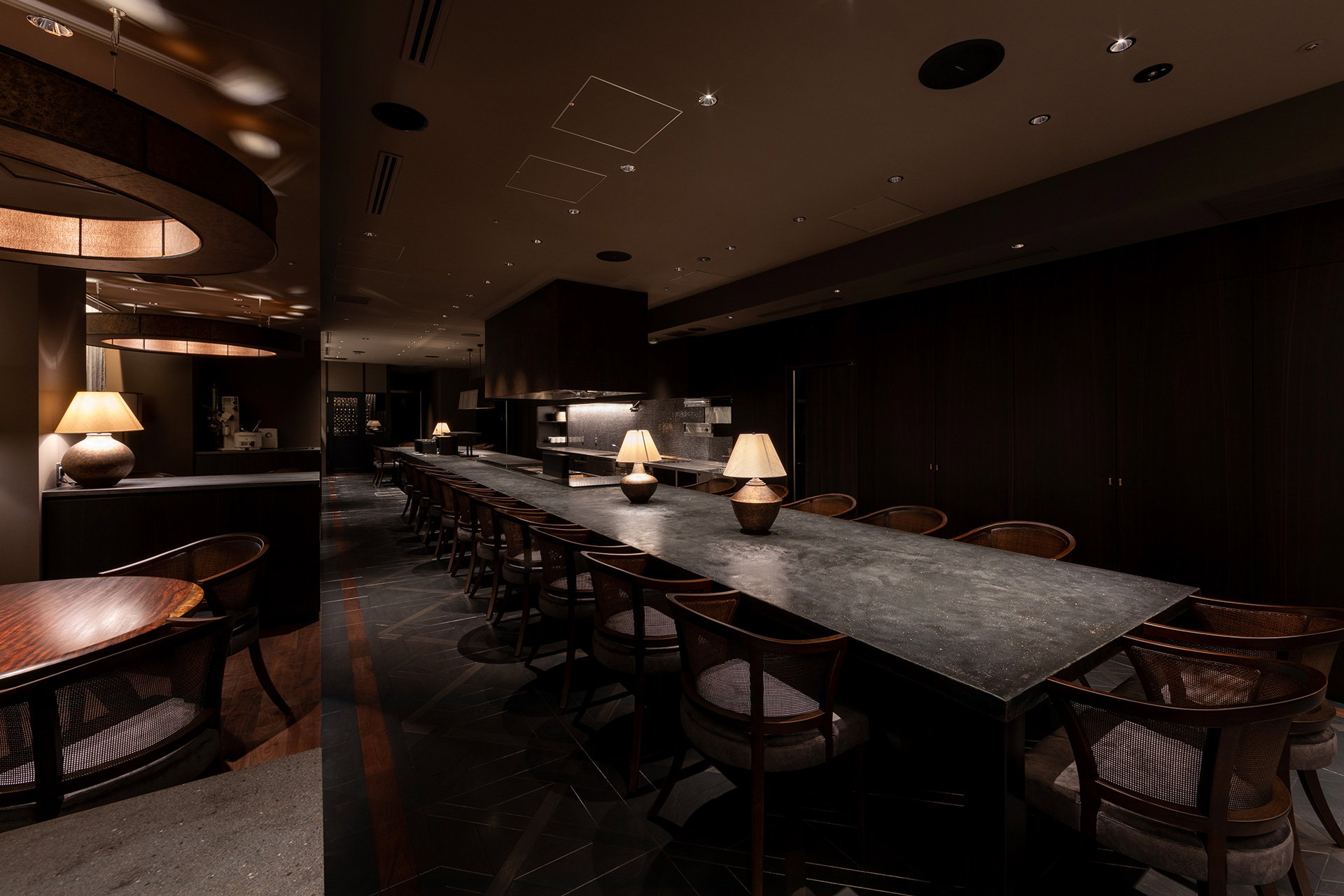
Embrace the counter: the experience is centered at the bar and is designed to be direct and unadorned. The kitchen’s stated philosophy is casual rather than the strict, high-priced omakase sequences found elsewhere in Ginza, so expect a more approachable pace and price point (noted as ¥¥¥) while still benefiting from serious technique—the restaurant holds a Michelin Plate. Sit at the counter if you can and let the chefs guide the sequence, but don’t anticipate the same rigid formality or advance-booking pressure of Ginza’s top-tier omakase counters.
Venue details
Ambiance
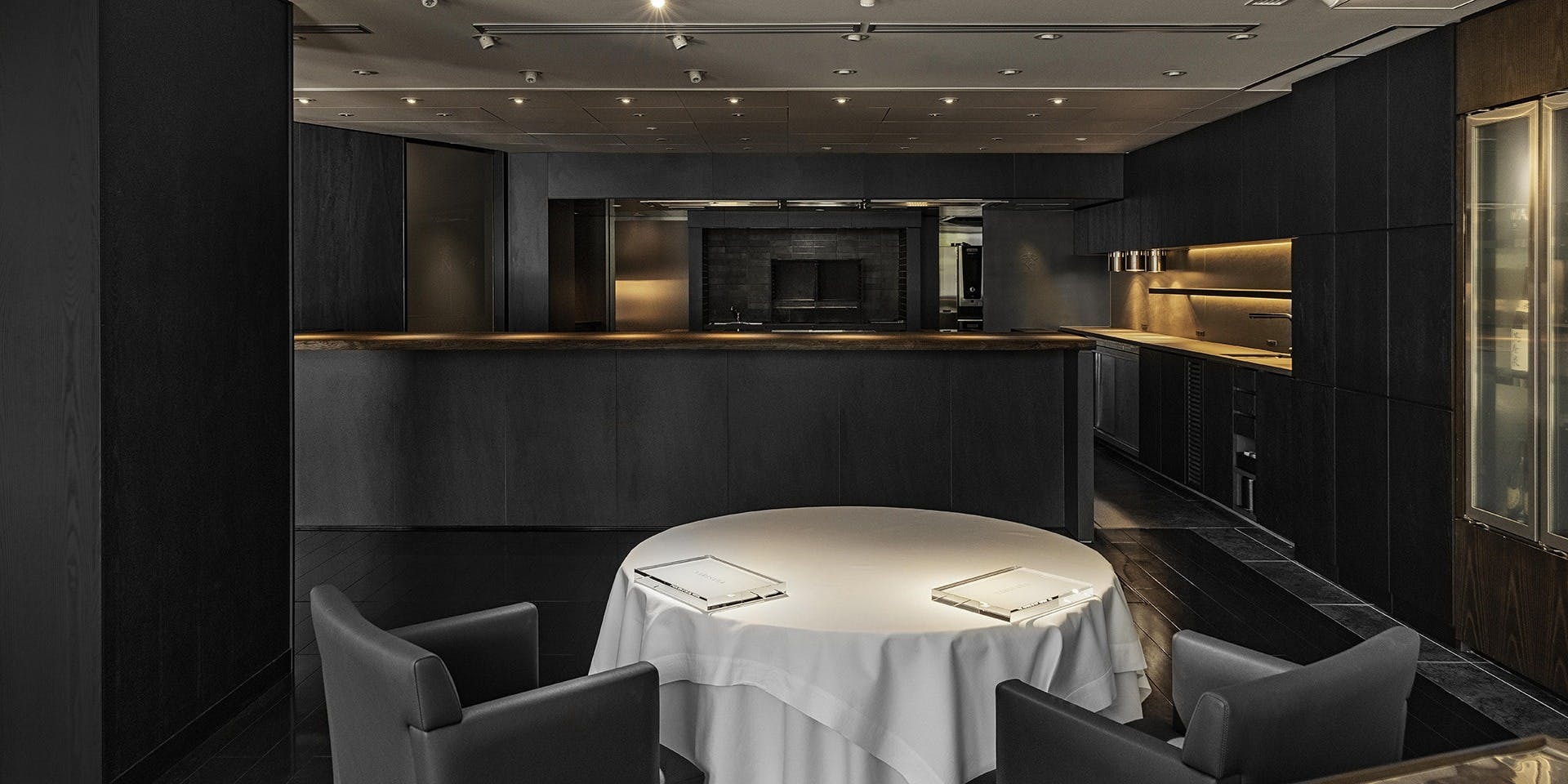
A small, refined Ginza hideaway centered on the sushi counter, with a calm, traditional atmosphere and attentive hospitality.
Tags
Vibe
Best For
Experience
At the Table
- Service Style
- Omakase Bar
- Capacity
- Intimate
- Kitchen
- Traditional
- Menu Format
- Omakase, Counter dining
- Dietary
- Pescatarian friendly
Know before you go
Know Before You Go
- Getting there
- 1 Chome-6-7 Ginza, Chuo City, Tokyo 104-0061, Japan
Planning details
Location
1 Chome-6-7 Ginza, Chuo City, Tokyo 104-0061, Japan · Directions
Recognition and awards
Also consider
Also Consider
- Harutaka, Sushi, ¥¥¥¥
- L'Effervescence, French, ¥¥¥¥
- RyuGin, Kaiseki, Japanese, ¥¥¥¥
- HOMMAGE, Innovtive French, French, ¥¥¥¥
- Crony, Innovative, French, ¥¥¥¥
Restaurant context
At the ¥¥¥ tier, Ginza Sushi Ichidai Yugo occupies a distinct position in Tokyo's sushi scene: a Michelin Plate counter that competes on accessibility rather than ceremony. If you are comparing it against Harutaka, the gap is significant in both price and register. Harutaka is a ¥¥¥¥ counter focused on precision omakase with the booking difficulty that implies. Choose Ginza Sushi Ichidai Yugo when value and ease matter more than a structured tasting arc; choose Harutaka when you want a full counter experience with deep seasonal progression and are prepared to plan ahead.
Against the broader ¥¥¥¥ Tokyo field, the comparison shifts the question from sushi specifically to what kind of dining experience you are building. RyuGin at ¥¥¥¥ delivers kaiseki with theatrical precision, a different format entirely, suited to diners who want a multi-course narrative rather than a sushi counter lunch. L'Effervescence, HOMMAGE, and Crony are all French-influenced ¥¥¥¥ venues where the comparison to Ginza Sushi Ichidai Yugo is less about category competition and more about how you want to allocate your Tokyo dining budget across different registers. If you are building a multi-meal Tokyo itinerary, a sensible structure is to use Ginza Sushi Ichidai Yugo for a high-quality, low-friction lunch and reserve a ¥¥¥¥ slot for an evening experience at one of the above.
On booking difficulty, Ginza Sushi Ichidai Yugo is the easiest option in this comparison set. All four peer venues at ¥¥¥¥ carry higher demand and require more advance planning. That ease of access is a genuine differentiator, not a consolation, for travellers on shorter Tokyo schedules or those who prefer to plan restaurants a week out rather than months ahead, this counter is the most practical sushi option in Ginza at any quality level.
Explore Tokyo
Around this place
Discover more on Pearl
Unlock the full Ginza Sushi Ichidai Yugo guide in Pearl, including awards, comparisons, FAQs, planning details, and nearby places.
Compare Ginza Sushi Ichidai Yugo
| Venue | Cuisine | Price | Awards | Booking Difficulty |
|---|---|---|---|---|
| Ginza Sushi Ichidai Yugo | Sushi | ¥¥¥ | 2026 Michelin Plate2025 Michelin Plate | Easy |
| Harutaka | Sushi | ¥¥¥¥ | 2026 Tabelog Silver · #312026 OAD Top Restaurants in Japan Ranked · #1282026 Michelin 3 Stars2026 La Liste Top RestaurantsTabelog 100 - Sushi - TOKYO - 2025 · #372025 Asia's 50 Best Restaurants · #762025 OAD Top Restaurants in Japan Ranked · #1172025 La Liste Top Restaurants2025 Tabelog Bronze | Unknown |
| L'Effervescence | French | ¥¥¥¥ | 2026 Tabelog Silver · #682026 OAD Top Restaurants in Japan Ranked · #103Star Wine Lists 20262026 Black Pearl 2 Diamond2026 Relais Chateaux Restaurants2026 La Liste Top Restaurants2026 Michelin 3 Stars2025 Asia's 50 Best Restaurants · #692025 OAD Top Restaurants in Japan Ranked · #92 | Unknown |
| RyuGin | Kaiseki, Japanese | ¥¥¥¥ | 2026 OAD Top Restaurants in Japan Ranked · #802026 Tabelog Bronze · #3772026 Michelin 3 Stars2026 La Liste Top RestaurantsTabelog 100 - Japanese cuisine - TOKYO - 2025 · #212025 OAD Top Restaurants in Japan Ranked · #542025 Michelin 3 Stars2025 La Liste Top Restaurants2025 The Best Chef Three Knives | Unknown |
| HOMMAGE | Innovtive French, French | ¥¥¥¥ | 2026 Tabelog Bronze · #1232026 OAD Top Restaurants in Japan Highly Recommended2026 Michelin 2 StarsTabelog 100 - French - TOKYO - 2025 · #762025 Asia's 50 Best Restaurants · #782025 OAD Top Restaurants in Japan Ranked · #1752025 Michelin 2 Stars2025 The Best Chef One Knife2025 La Liste Top Restaurants | Unknown |
| Crony | Innovative, French | ¥¥¥¥ | 2026 Asia's 50 Best Restaurants · #34Star Wine Lists 20262026 OAD Top Restaurants in Japan Recommended2026 Michelin 2 Stars2025 Asia's 50 Best Restaurants · #30Tabelog 100 - French - TOKYO - 2025 · #782025 OAD Top Restaurants in Japan Ranked · #227We're Smart World Top Restaurants 20252025 Michelin 2 Stars | Unknown |














Key differences to consider before you reserve.
FAQ
Frequently Asked Questions
Is Ginza Sushi Ichidai Yugo worth the price?
Yes, for what Ginza typically charges, this is a strong value proposition. The venue holds a Michelin Plate (2025) and operates on a philosophy that sushi should be accessible rather than ceremonial, so the ¥¥¥ pricing sits well below what most Ginza counters charge for comparable quality. If you want starred omakase prestige, look elsewhere — but if you want serious sushi at a price that does not require occasion-level planning, this delivers.
What should I wear to Ginza Sushi Ichidai Yugo?
The venue's own design language — hiragana noren, understated signage, a deliberately casual philosophy — signals that formal dress is not expected. Clean, neat casual is appropriate. Ginza as a neighbourhood skews polished, so avoid overly casual clothing, but a jacket is not required.
How far ahead should I book Ginza Sushi Ichidai Yugo?
Booking difficulty is rated easy. Without Michelin starred status, this venue does not face the same reservation pressure as counters like Harutaka, where waits of months are standard. A few days ahead is likely sufficient for most visits, though lunch — particularly for barachirashi — may fill faster given the value-to-quality ratio.
Is Ginza Sushi Ichidai Yugo good for solo dining?
Yes, this is one of the stronger solo sushi cases in Ginza. The counter format suits a single diner, the atmosphere is warm rather than formal, and the pricing at ¥¥¥ means a solo lunch does not require serious financial commitment. For solo diners who find starred omakase counters socially pressured or overpriced, this is a practical alternative.
What are alternatives to Ginza Sushi Ichidai Yugo in Tokyo?
Harutaka is the obvious Ginza comparison if you want a starred omakase counter and are prepared for months-ahead booking and a significantly higher spend. For a different cuisine format at a similar Ginza prestige level, HOMMAGE offers French-Japanese tasting menus. If you want to stay in the casual-quality sushi space but explore beyond Ginza, there are strong options across Shinjuku and Shibuya at comparable price points.
Is Ginza Sushi Ichidai Yugo good for a special occasion?
It works for a low-key celebration where the priority is quality food over theatre, but it is not the venue to choose if the occasion requires a formal tasting menu, private room, or the prestige of a starred Michelin counter. For a birthday dinner where the guest of honour values good sushi over ceremony, it is a reasonable choice — but RyuGin or Harutaka would carry more occasion-appropriate weight.
Is the tasting menu worth it at Ginza Sushi Ichidai Yugo?
The venue's documented format emphasises casual sushi rather than a structured omakase or tasting menu experience. The barachirashi at lunch is specifically noted as a standout offering. If a formal tasting menu format is what you are after, this is not the right venue — Harutaka or RyuGin are better fits for that structure in Tokyo.