
FUSHIKINO
Japanese · Shinjuku, Tokyo
Restaurant in Tokyo, Japan
 Book with Pearl
The Read
Zen-Inflected Sake Pairings
Price
$300–500per person
Dress
Smart Casual
Why go
Michelin 1 Star (2024) Japanese restaurant in Kagurazaka, Tokyo, built around the combination of inventive Japanese cooking, per-dish sake pairings served in artist-made cups, and a ¥¥¥ price point. Booking is hard — plan three to four weeks ahead via Pocket Concierge or Tableall. Best for food-focused diners who engage with the full format across at least two visits.
About FUSHIKINO
Is FUSHIKINO worth booking in Tokyo?
Yes — if you want a Michelin-starred Japanese meal that prioritises considered craft over ceremony, FUSHIKINO in Kagurazaka is one of the more compelling options at the ¥¥¥ price point. The booking window is tight and the seat count is undisclosed, but all available signals point to a small, serious room. Book well in advance.
What FUSHIKINO actually is
The restaurant's name merges a Zen concept with the Japanese word for mysterious, the intent being to create something that has not existed before. That framing is not marketing copy — it shapes how the menu is built. The food is recognisably Japanese: familiar categories, familiar ingredients. But the approach introduces details that shift each dish slightly out of the expected. Onion soy sauce and aged ponzu are cited as examples in the venue's own description, small technical choices that change the finish of a dish without announcing themselves as innovations.
The sake pairing is structured as one cup per dish, served in cups made by contemporary Japanese artists. This is not a conventional wine-pairing service reskinned with sake. Each vessel is chosen as part of the experience, making the act of drinking part of what you are looking at. For anyone who tracks the intersection of Japanese craft objects and dining, this is worth paying attention to. For a diner who wants to get through dinner efficiently, it may be more theatre than they need, in which case Kagurazaka Ishikawa or Azabu Kadowaki offer rigorous kaiseki with less conceptual framing.
How to approach FUSHIKINO across multiple visits
Given the format, a tasting menu built around the trinity of food, sake, and ceramic vessels, FUSHIKINO rewards return visits more than most restaurants in its tier. On a first visit, the focus naturally falls on reading the structure: how the sake pairings sequence, how the dishes build, how the ceramics shift across courses. The conceptual logic of the meal reveals itself gradually, and a single sitting leaves room to miss things you would catch the second time.
A second visit is worth approaching with different intent. Experienced diners at this type of restaurant often find the pairings more legible on a return, you arrive knowing the format, which frees attention for the technical details in the food itself. The aged ponzu and onion soy sauce examples suggest a kitchen that works in accumulated depth rather than dramatic single moments, which is a profile that benefits from familiarity. If you are in Tokyo for an extended stay or return regularly, building FUSHIKINO into a multi-trip rotation alongside Myojaku or Ginza Fukuju makes sense, each covers different ground within the serious Japanese dining tier.
A third visit, if you are in that category of diner, is where you might start to test the menu's seasonal range or engage more directly with the sake selection. The restaurant's stated aim, to create something unprecedented each time, implies the menu is not static. Returning in a different season should surface different expressions of the same philosophy.
Location and access
FUSHIKINO is on the second floor of Tsunasho Terrace in Kagurazaka 4-chome, inside the Hon-Doko Yokocho alley network. Kagurazaka sits between Iidabashi and Kagurazaka stations on the Tokyo Metro Tozai Line, and is also accessible via JR Iidabashi on the Chuo-Sobu Line. The neighbourhood is one of the few parts of central Tokyo that retains a pre-modern street pattern, with narrow lanes and low buildings concentrated around the main slope. That physical texture reinforces the experience of arriving at FUSHIKINO, it is not a restaurant you stumble into. Finding the second-floor entrance on a first visit takes a moment of attention, which is consistent with the restaurant's general register. If you are building a wider Tokyo itinerary, our full Tokyo restaurants guide covers the city's Michelin-starred options across price tiers, and our full Tokyo experiences guide is useful for pairing a meal here with the neighbourhood's other offerings.
Ratings and trust signals
- Michelin 1 Star (2024)
- Price tier: ¥¥¥ (mid-to-upper range for Tokyo Michelin dining)
Booking
Booking is rated hard. No phone number or website is listed in current data, which means reservations likely run through a third-party platform such as Tableall, Pocket Concierge, or Omakase. If you are organising this from outside Japan, Pocket Concierge is the most direct route for international diners at this level. Build in at least three to four weeks of lead time, and more if you are targeting a weekend sitting. The restaurant's small scale and Michelin recognition make last-minute availability unlikely.
If FUSHIKINO is full and you are in Kagurazaka specifically, Kagurazaka Ishikawa is the area's three-star alternative, a harder booking but a different experience. For comparable conceptual ambition at a similar price tier elsewhere in the city, Jingumae Higuchi is worth considering.
Practical reference
Further afield
If you are travelling beyond Tokyo and want to track restaurants with a similar philosophy, careful technique, conceptual coherence, serious sake or beverage programs, HAJIME in Osaka, Gion Sasaki in Kyoto, and Kashiwaya Osaka Senriyama each operate at a high level in their respective cities. For something more experimental in scale, akordu in Nara and Goh in Fukuoka are worth the detour. Within Tokyo, our full Tokyo bars guide and our full Tokyo hotels guide can help round out a trip centred on this kind of dining.
Planning details
- Location
- Japan, 〒162-0825 Tokyo, Shinjuku City, Kagurazaka, 4 Chome−3-11 つなしょうテラス 2階(本多横丁
- Reservations
- Book on TableCheck
- Website
- fushikino.com
- Phone
- +81 3-3269-4556
The take
The Take
The Vibe
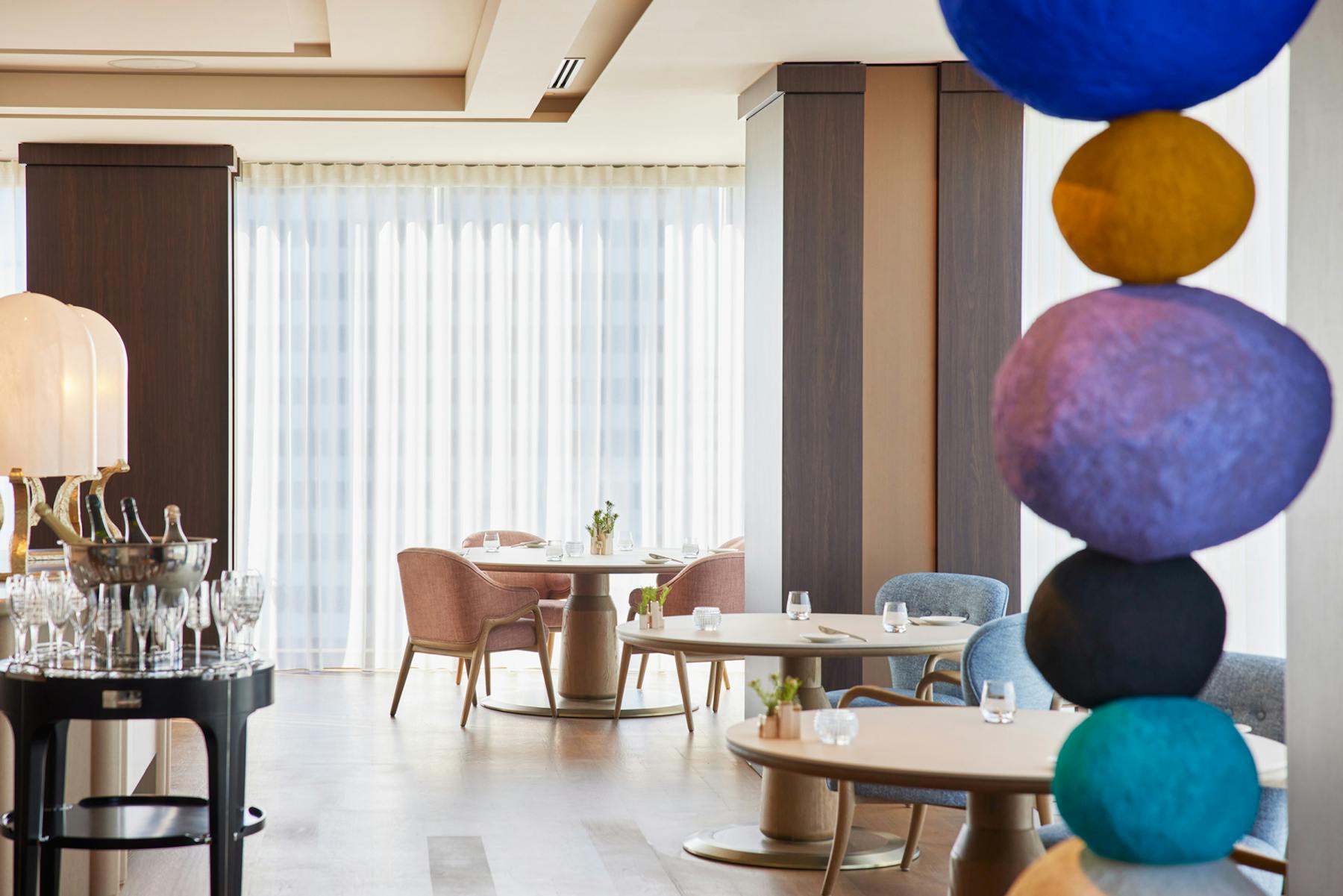
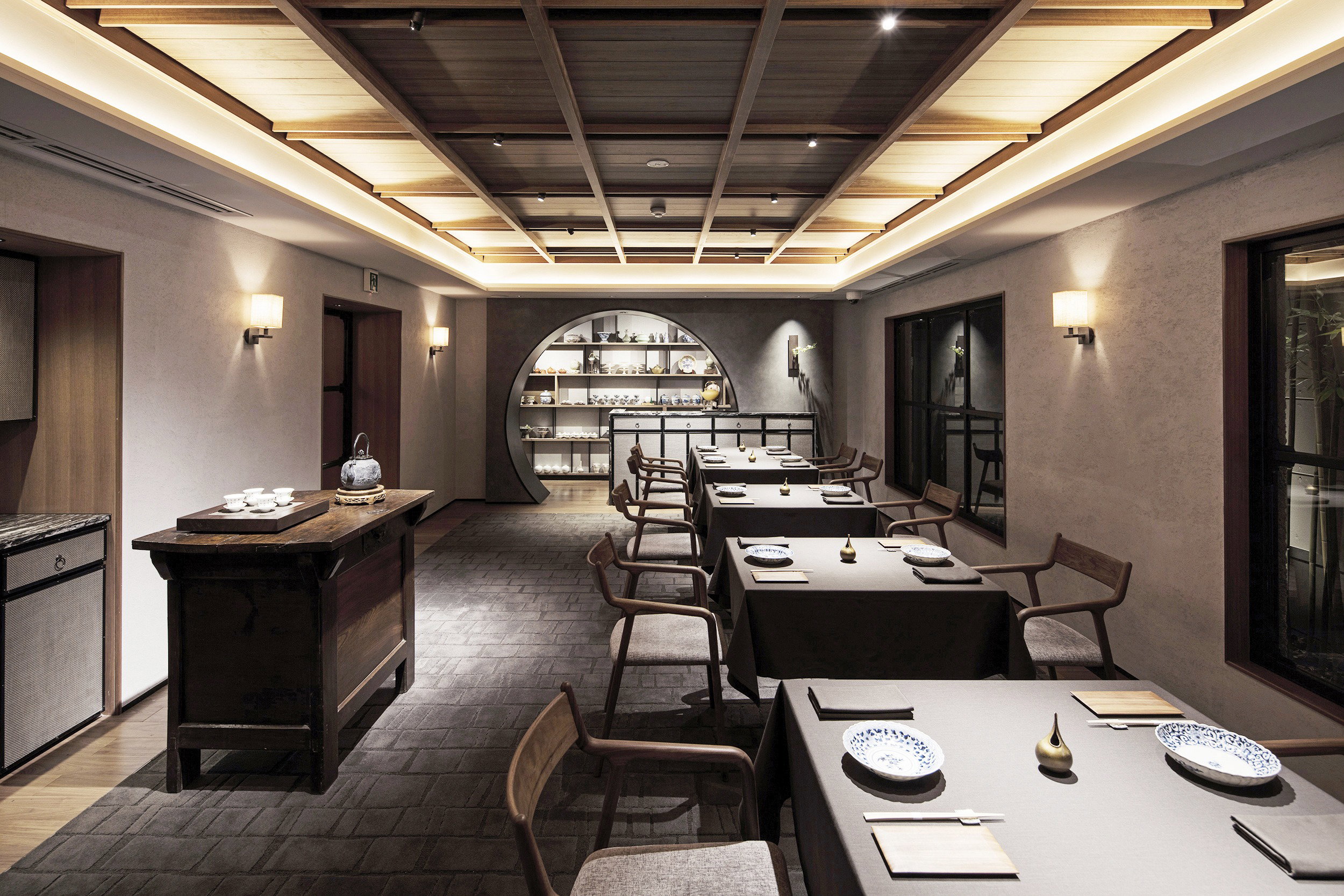
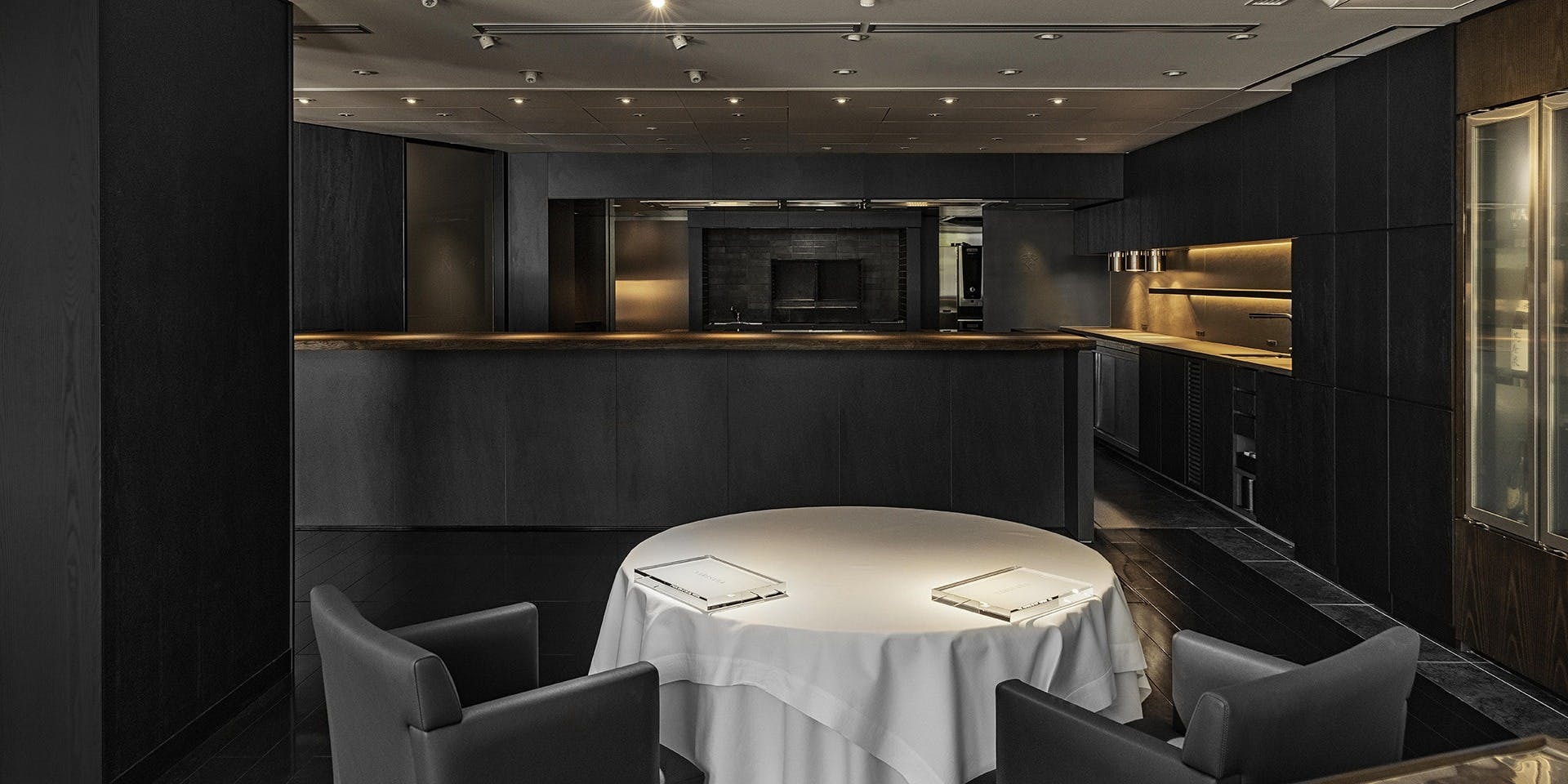
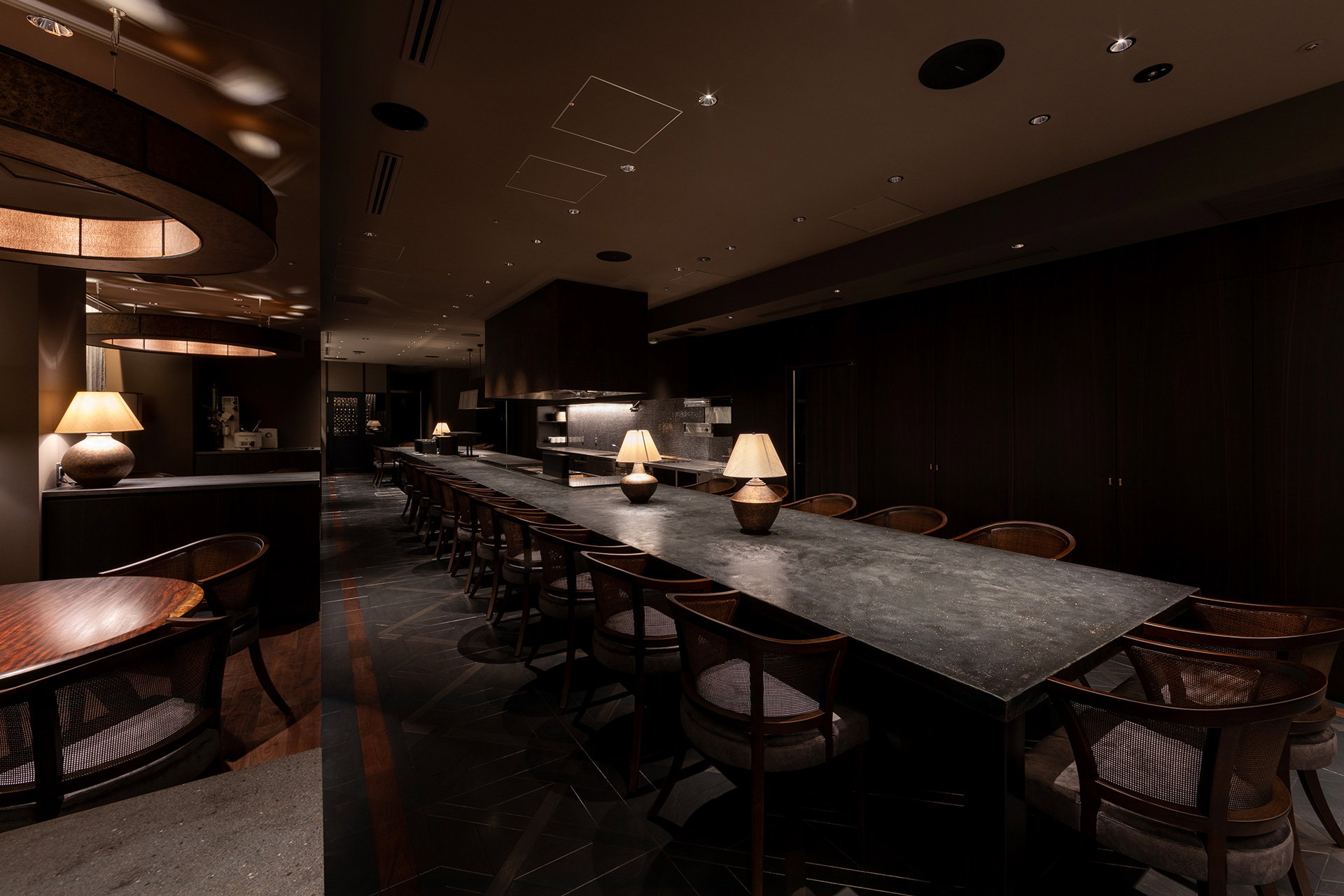
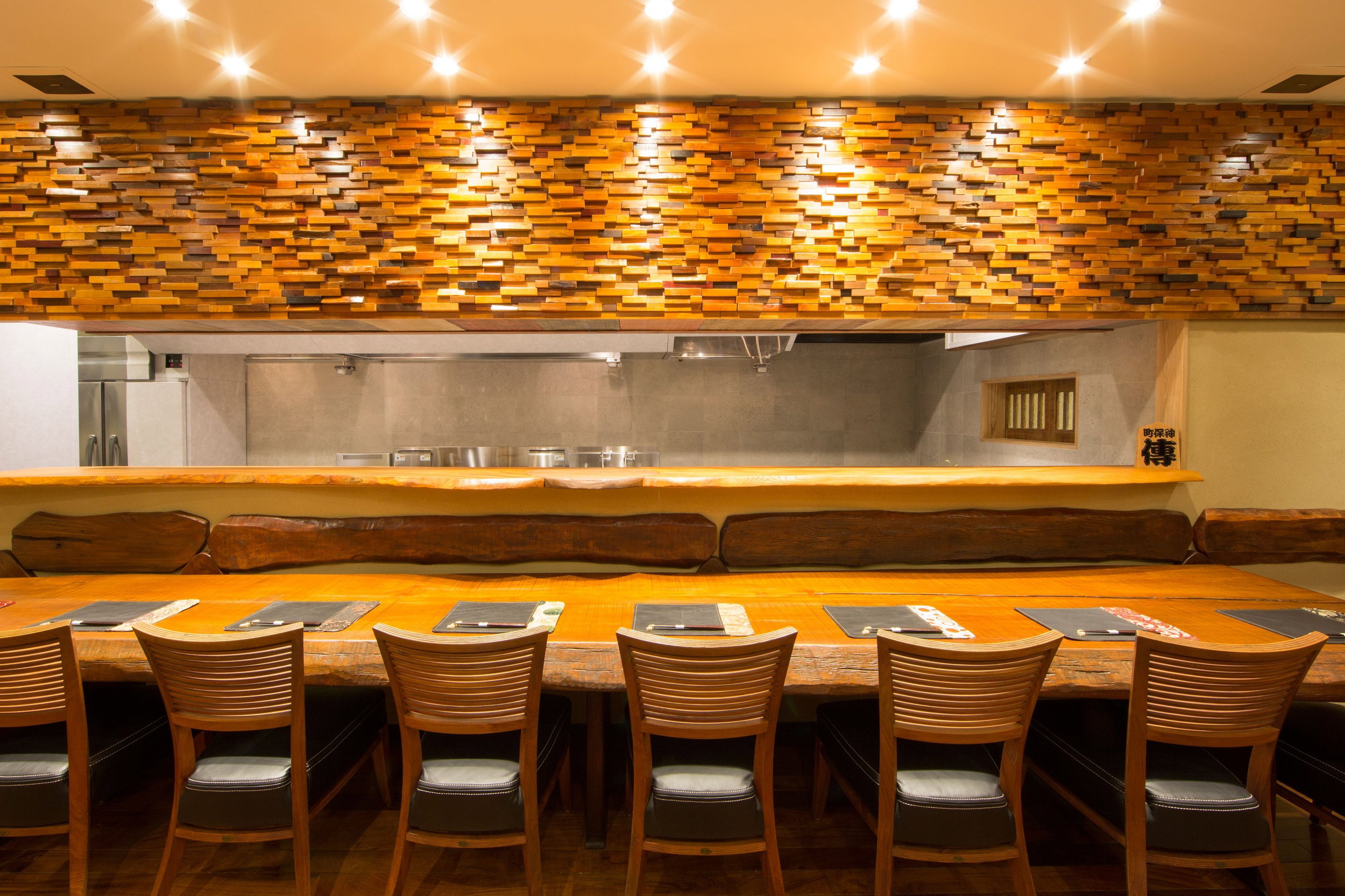
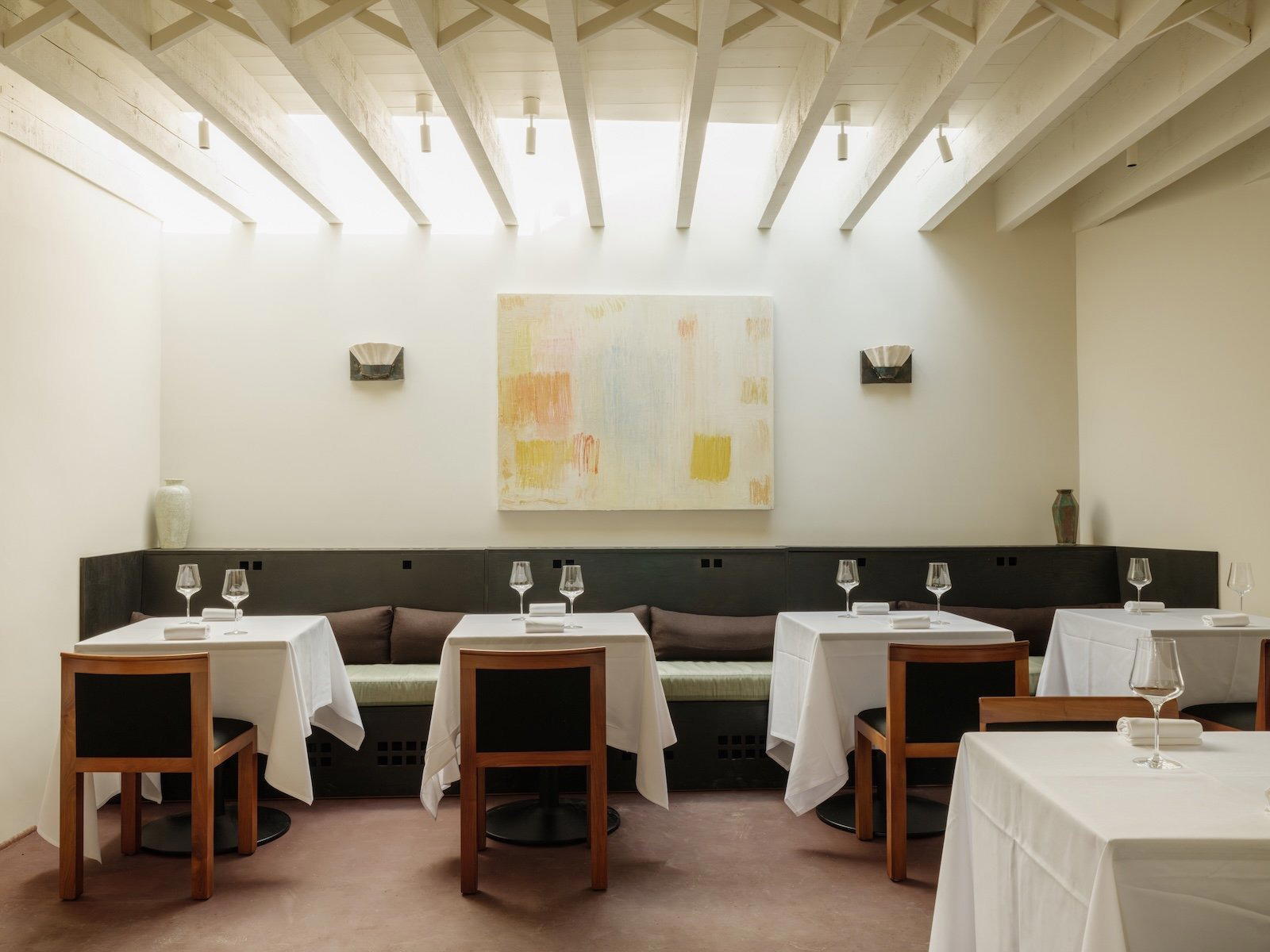
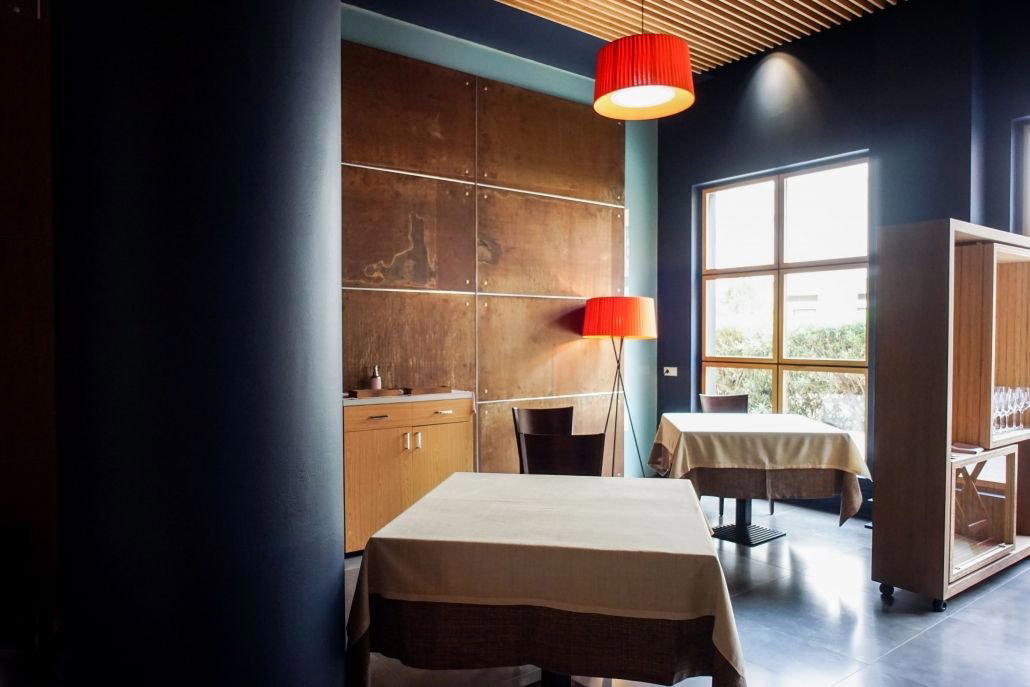
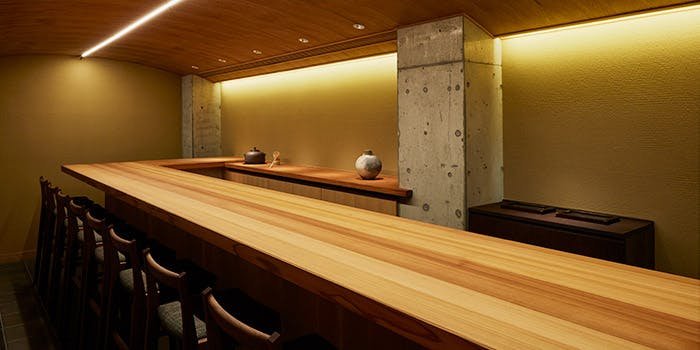
FUSHIKINO feels like a quietly ambitious neighborhood kaiseki house tucked above a lane in Kagurazaka. The room is deliberately understated — a second‑floor setting where the built environment recedes and the meal takes center stage. The cooking balances profound respect for Japanese aesthetic rules with a willingness to press against convention: familiar ingredients and preparations are present, but detail and technique are the real subjects. The result is an elegant, measured atmosphere that rewards attentive diners and repeat visits rather than flash or spectacle.
Best For
This is a place for people who prize the slow composition of a multi‑course Japanese meal. Diners who enjoy seasonally driven tasting sequences and subtle technical departures from tradition will find the experience most satisfying. The restaurant suits intimate evenings and special nights when the progression of dishes and the small, deliberate adjustments to flavors are the focus. Locals and returning guests who appreciate nuance and restraint make up much of the audience; the setting favors thoughtful conversation over loud group gatherings.
Ordering Tips
Treat the menu as a continuous composition: embrace the multi‑course flow rather than picking à la carte. Expect familiar ingredients presented with small, purposeful twists — the description highlights details such as onion soy sauce and aged ponzu — so let the kitchen guide the sequence and pay attention to how flavors develop across courses. Because the restaurant privileges seasonality and subtle technique, ask staff about the day’s seasonal highlights and any dishes that showcase the chef's experimental approaches within the kaiseki framework.
Venue details
Ambiance
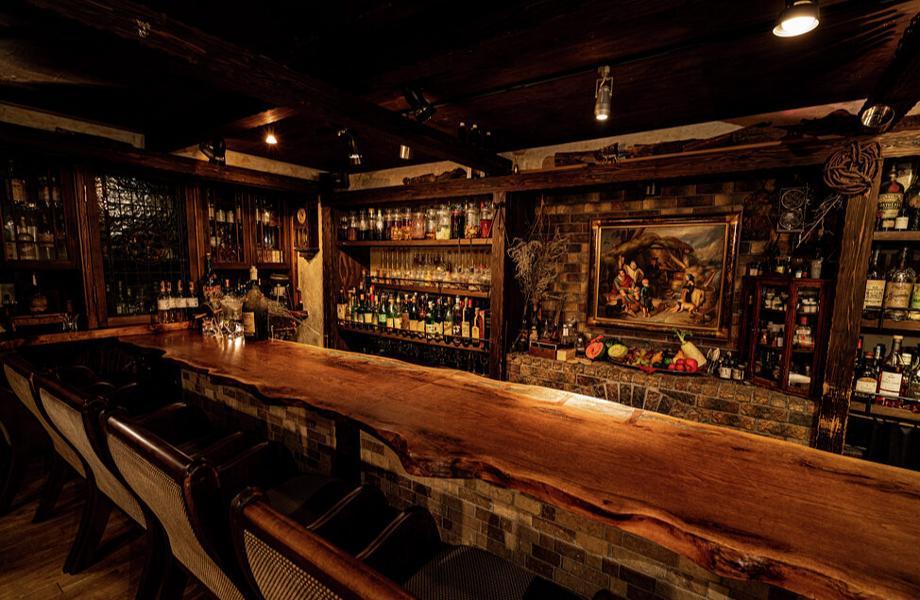
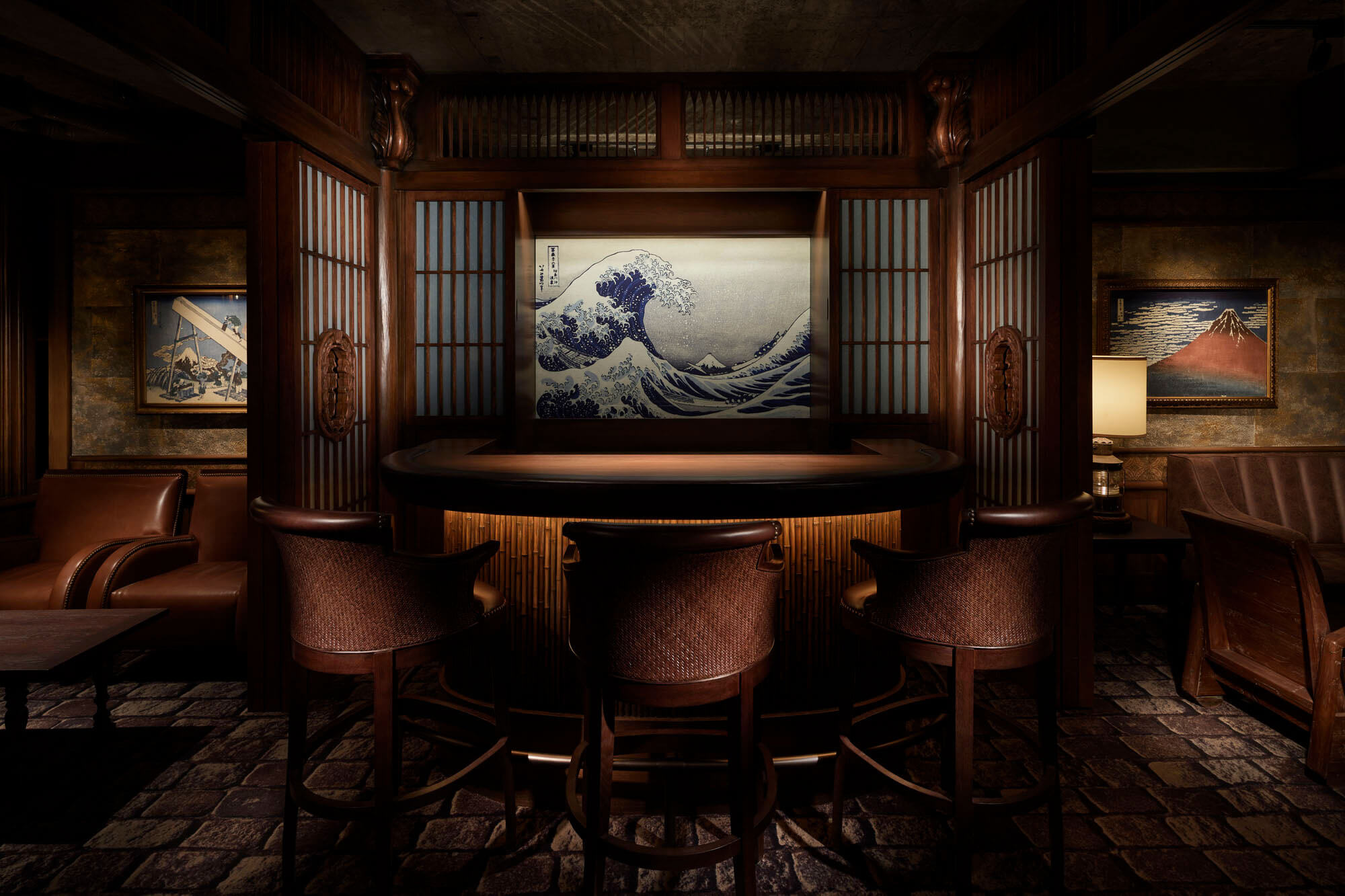
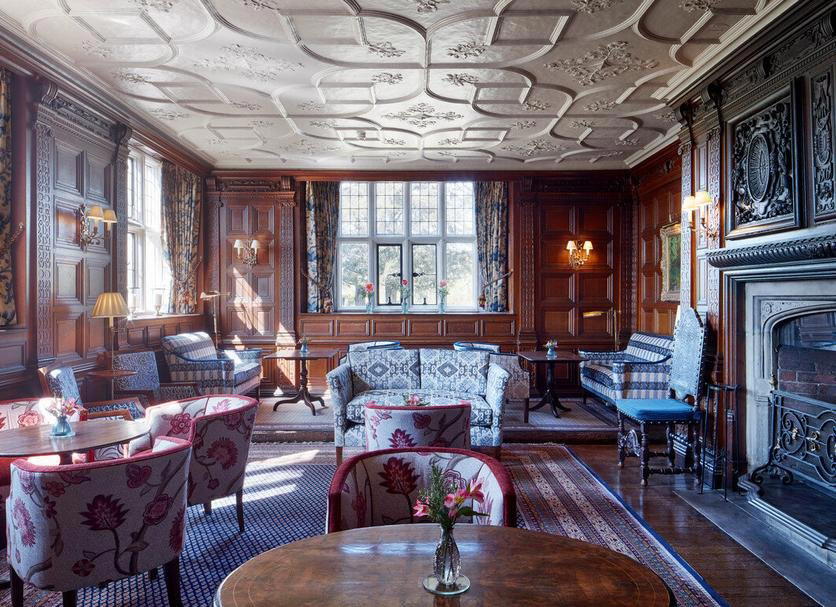
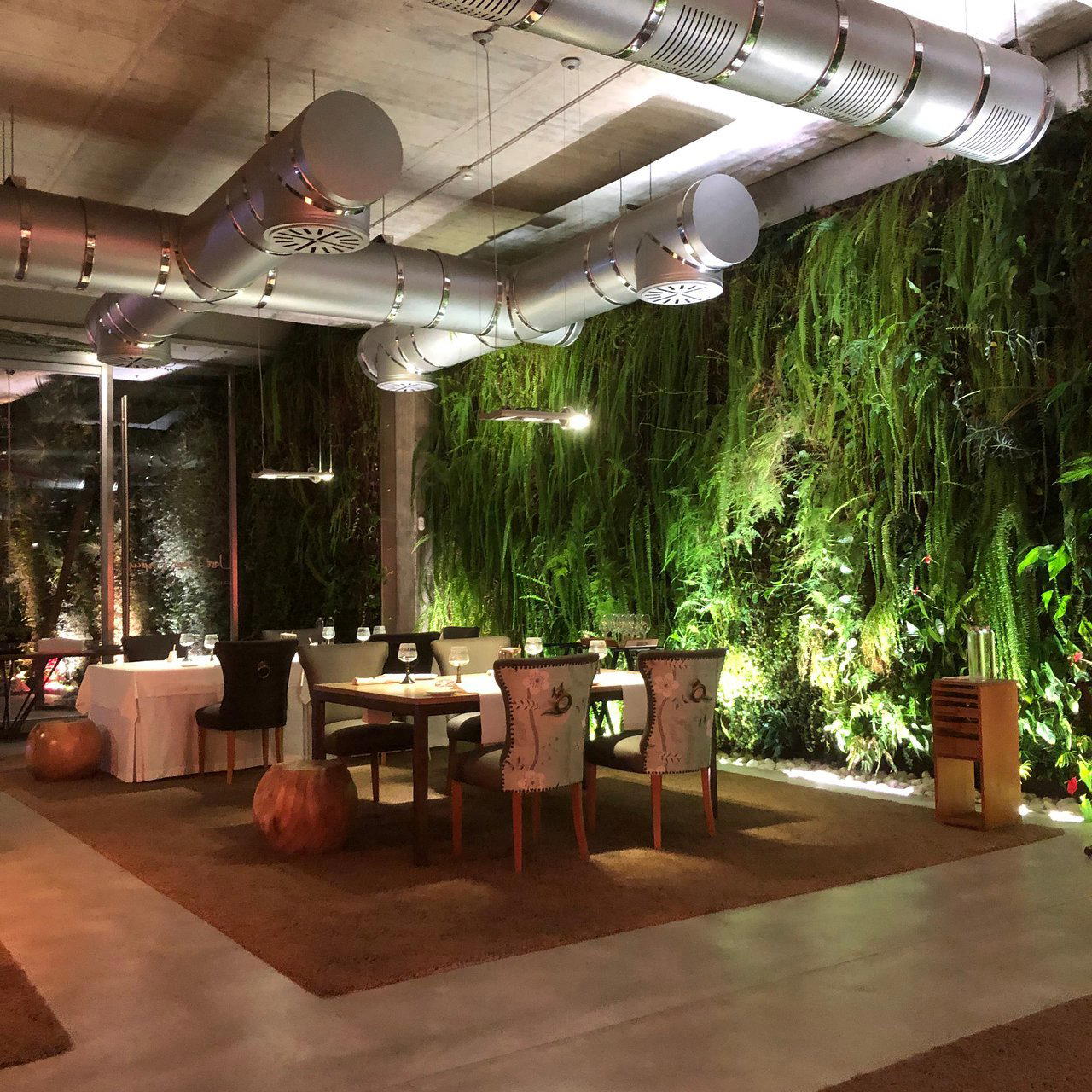
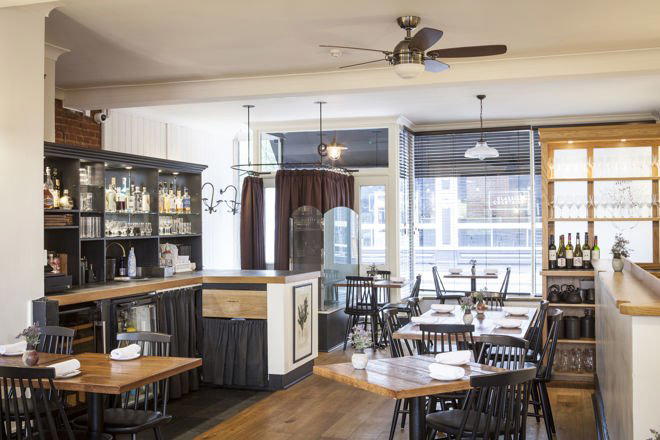
Intimate small counter seating with cosy, simply styled room, exquisite presentation on fine ceramic and lacquer ware, relaxed tranquil surroundings.
Tags
Vibe
Best For
Experience
At the Table
- Dress Code
- Smart Casual
- Noise Level
- Quiet
- Service Style
- Formal
- Meal Pacing
- Leisurely
- Capacity
- Intimate
- Kitchen
- Traditional
- Menu Format
- Omakase
- Wine Program
- Exceptional
- Drinks Focus
- Sake
- Private Dining
- Available
Know before you go
Know Before You Go
- Getting there
- Japan, 〒162-0825 Tokyo, Shinjuku City, Kagurazaka, 4 Chome−3-11 つなしょうテラス 2階(本多横丁
Planning details
Location
Japan, 〒162-0825 Tokyo, Shinjuku City, Kagurazaka, 4 Chome−3-11 つなしょうテラス 2階(本多横丁 · Directions
Recognition and awards
Also consider
Also Consider
- Harutaka, Sushi, ¥¥¥¥
- RyuGin, Kaiseki, Japanese, ¥¥¥¥
- L'Effervescence, French, ¥¥¥¥
- HOMMAGE, Innovtive French, French, ¥¥¥¥
- Florilège, French, ¥¥¥
Restaurant context
At ¥¥¥, FUSHIKINO sits one tier below most of its serious competition in Tokyo. RyuGin at ¥¥¥¥ is the standard reference for kaiseki ambition in the city, technically deeper and more formally structured, but twice the commitment financially. If budget is a constraint and you want conceptual rigour rather than pure kaiseki tradition, FUSHIKINO is the more interesting choice. Harutaka at ¥¥¥¥ is the right comparison for diner profile rather than cuisine, both reward repeat visits and close attention, but Harutaka is a sushi counter and a harder booking. FUSHIKINO's Kagurazaka base also gives it a neighbourhood advantage: the area is quieter and more navigable than the Ginza and Azabu corridors where most ¥¥¥¥ options cluster.
Against the French-leaning options in Tokyo's Michelin tier, FUSHIKINO is a distinct choice rather than a comparable one. L'Effervescence and HOMMAGE at ¥¥¥¥ each deliver high-precision French cooking with serious beverage programs, but the experience is framed very differently, European-influenced service, wine-forward pairings, and a more formal room. Florilège at ¥¥¥ is the closest price peer, but French in identity. If you are deciding between FUSHIKINO and Florilège for a single Tokyo dinner, the question is whether you want Japanese craft or French technique, both are credible at ¥¥¥ with strong reputations, and both reward the full tasting menu format.
The clearest recommendation: book FUSHIKINO if you want a Michelin-starred Japanese meal in a neighbourhood setting at a price point below the ¥¥¥¥ tier, and if the sake-and-ceramics concept appeals. Book RyuGin if you want the most technically complete kaiseki experience in the city and price is secondary. Book Harutaka if sushi is the priority. For a broader view of how these restaurants fit into Tokyo's dining options, our full Tokyo restaurants guide covers the Michelin tier across cuisines and price points.
Explore Tokyo
Around this place
Discover more on Pearl
Unlock the full FUSHIKINO guide in Pearl, including awards, comparisons, FAQs, planning details, and nearby places.
Compare FUSHIKINO
| Venue | Price | Awards |
|---|---|---|
| FUSHIKINO | ¥¥¥ | 2026 Michelin 1 Star2024 Michelin 1 Star |
| Harutaka | ¥¥¥¥ | 2026 Tabelog Silver · #312026 OAD Top Restaurants in Japan Ranked · #1282026 Michelin 3 Stars2026 La Liste Top RestaurantsTabelog 100 - Sushi - TOKYO - 2025 · #372025 Asia's 50 Best Restaurants · #762025 OAD Top Restaurants in Japan Ranked · #1172025 La Liste Top Restaurants2025 Tabelog Bronze |
| RyuGin | ¥¥¥¥ | 2026 OAD Top Restaurants in Japan Ranked · #802026 Tabelog Bronze · #3772026 Michelin 3 Stars2026 La Liste Top RestaurantsTabelog 100 - Japanese cuisine - TOKYO - 2025 · #212025 OAD Top Restaurants in Japan Ranked · #542025 Michelin 3 Stars2025 La Liste Top Restaurants2025 The Best Chef Three Knives |
| L'Effervescence | ¥¥¥¥ | 2026 Tabelog Silver · #682026 OAD Top Restaurants in Japan Ranked · #103Star Wine Lists 20262026 Black Pearl 2 Diamond2026 Relais Chateaux Restaurants2026 La Liste Top Restaurants2026 Michelin 3 Stars2025 Asia's 50 Best Restaurants · #692025 OAD Top Restaurants in Japan Ranked · #92 |
| HOMMAGE | ¥¥¥¥ | 2026 Tabelog Bronze · #1232026 OAD Top Restaurants in Japan Highly Recommended2026 Michelin 2 StarsTabelog 100 - French - TOKYO - 2025 · #762025 Asia's 50 Best Restaurants · #782025 OAD Top Restaurants in Japan Ranked · #1752025 Michelin 2 Stars2025 The Best Chef One Knife2025 La Liste Top Restaurants |
| Florilège | ¥¥¥ | 2026 Asia's 50 Best Restaurants · #312026 Tabelog Bronze · #712026 OAD Top Restaurants in Japan Ranked · #1242026 Black Pearl 1 Diamond2026 Michelin 2 Stars2026 La Liste Top Restaurants2025 Asia's 50 Best Restaurants · #172025 World's 50 Best Restaurants · #36Tabelog 100 - French - TOKYO - 2025 · #68 |













Key differences to consider before you reserve.
FAQ
Frequently Asked Questions
Is the tasting menu worth it at FUSHIKINO?
At ¥¥¥ with a 2024 Michelin star, the menu delivers more than most in this price tier by pairing each dish with sake served in artist-made ceramic cups. The concept is coherent rather than decorative — familiar Japanese ingredients reframed through sauces like aged ponzu and onion soy. If you want a meal that's intellectually engaging rather than just prestigious, this justifies the spend. If you'd rather drink wine than sake, Florilège or L'Effervescence will suit you better.
Can FUSHIKINO accommodate groups?
The format — a considered tasting menu with individual sake pairings in artisan cups — is built for small parties. Groups of more than four are likely a poor fit here; the intimate, craft-led experience doesn't scale the way a larger restaurant would. Booking is already rated hard with no listed phone or website, so coordinating a large group through a third-party platform adds further friction. For groups, RyuGin has more structural capacity while still operating at the same award tier.
Is FUSHIKINO good for a special occasion?
Yes, provided the occasion calls for considered craft rather than spectacle. The Michelin 1 Star (2024), artist-produced sake vessels, and conceptually coherent menu make for a meal with genuine talking points. The Kagurazaka address — inside a traditional alley network — adds atmosphere without being showy. If you need a more formal setting with broader name recognition, RyGin or Harutaka may land better as a gift or corporate dinner choice.
Is FUSHIKINO good for solo dining?
Likely yes. A tasting menu with one sake cup per dish is a format that works well solo — each course and pairing holds attention without requiring a companion to share. Kagurazaka is an accessible neighbourhood from central Tokyo, and the second-floor Tsunasho Terrace location is compact in scale. No solo counter is confirmed in available data, so confirm seating options when booking through whichever reservation platform lists it.