

Dominique Bouchet Tokyo
French · Chūō, Tokyo
Restaurant in Tokyo, Japan
 Book with Pearl
The Read
Parisian Classicism, Tokyo Lens
Price
¥¥¥
Dress
Formal
Why go
A Michelin-starred French table in Ginza where classical technique meets Japanese produce, priced a tier below Tokyo's top French rooms. Book three to four weeks out minimum — weekend seats disappear fast. The right choice if you want precision cooking and a civilised, apartment-scale room rather than theatrical tasting-menu service.
About Dominique Bouchet Tokyo
Verdict: Book It — With the Right Expectations
Dominique Bouchet Tokyo earns its Michelin star (2024) and then some, but it is not the right choice for every diner. If you want classical French gastronomy executed with precision, plated in a room that feels like a Parisian apartment in the middle of Ginza, this is one of the most coherent dining propositions in Tokyo. If you are after boundary-pushing Japanese-French fusion or a tasting menu that runs deep into the evening with theatrical service, look elsewhere. Book here when you want technical confidence, a civilised atmosphere, and a price point (¥¥¥) that sits one tier below the heavy-hitter French tables in the city.
Portrait: What to Expect as a First-Timer
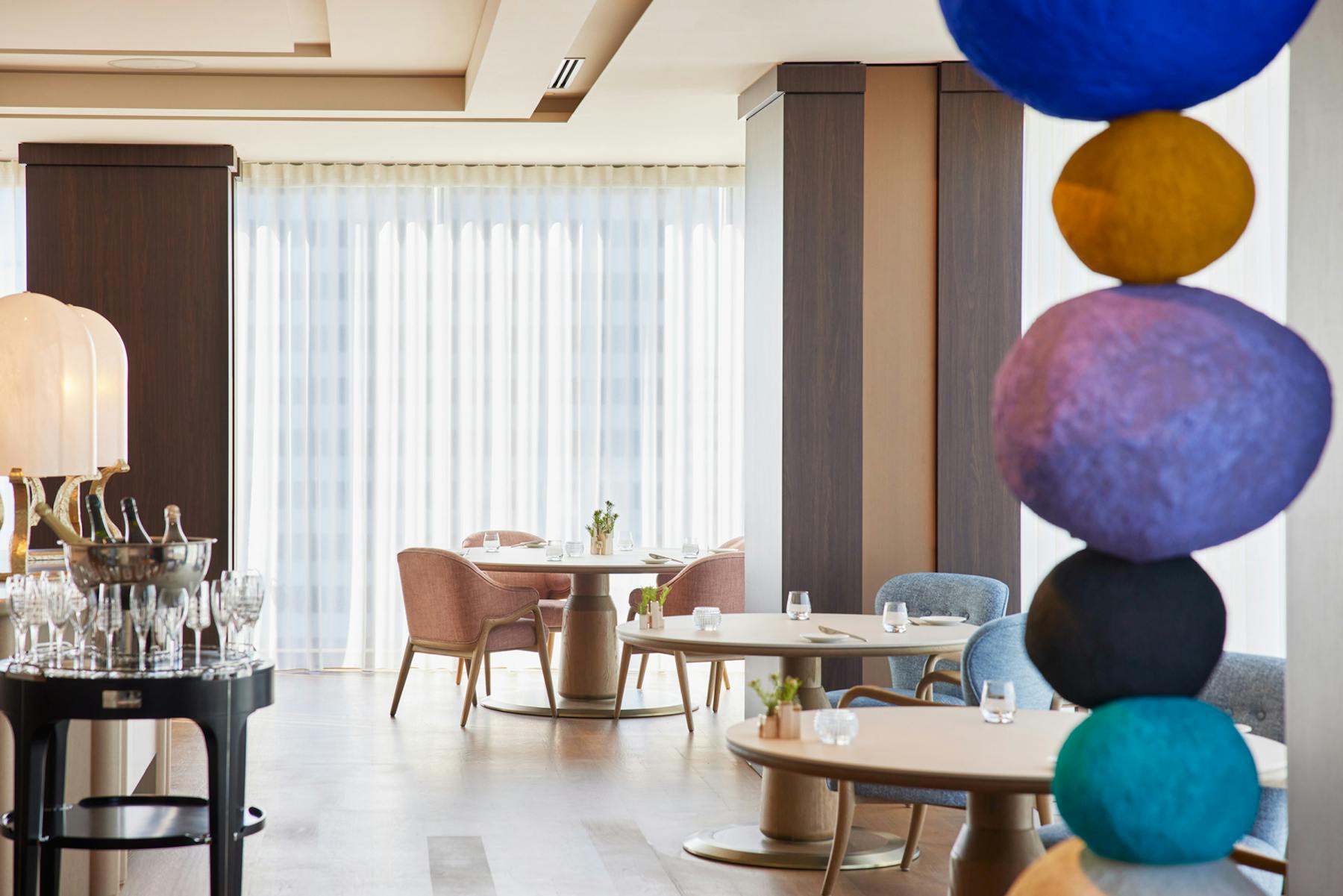
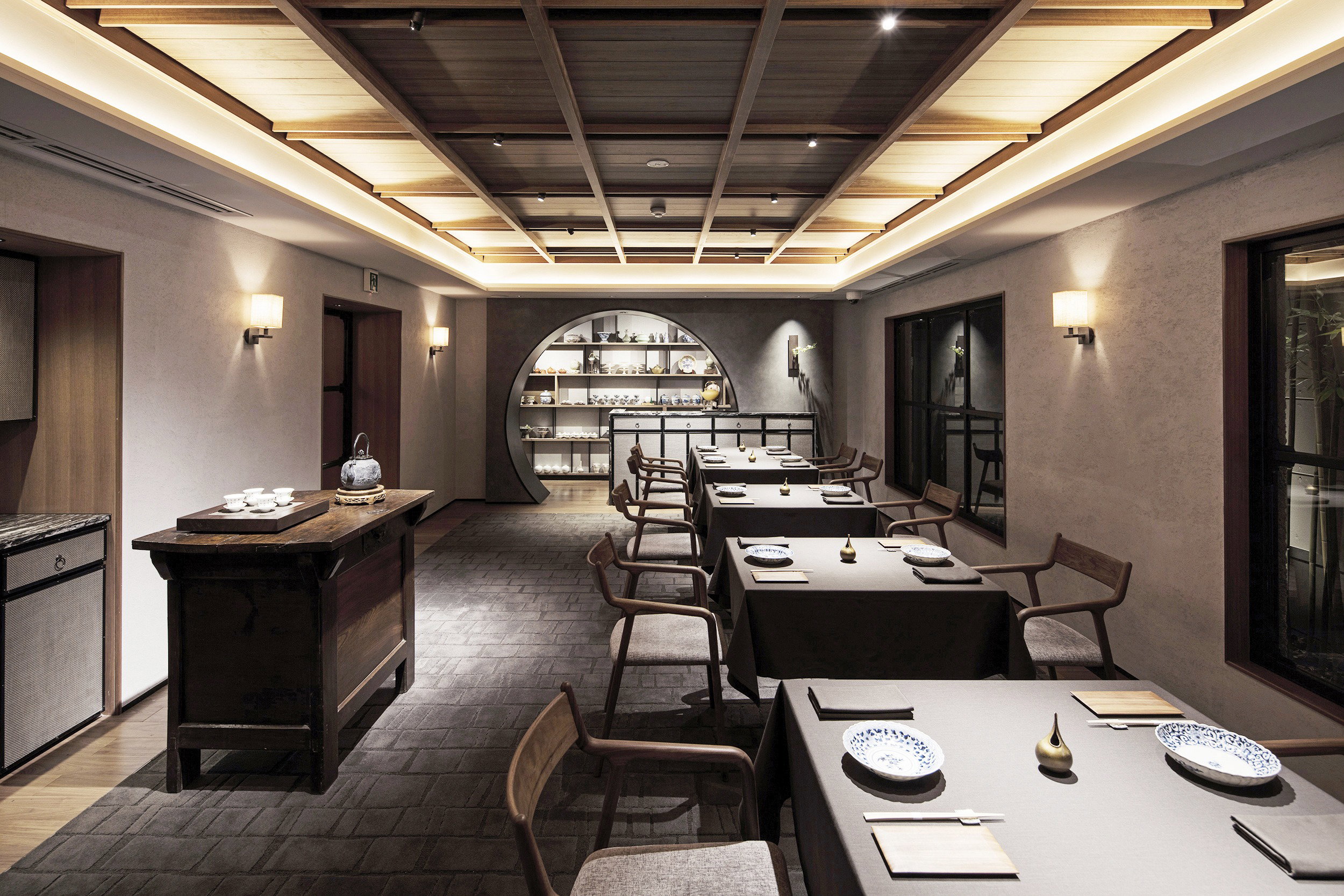
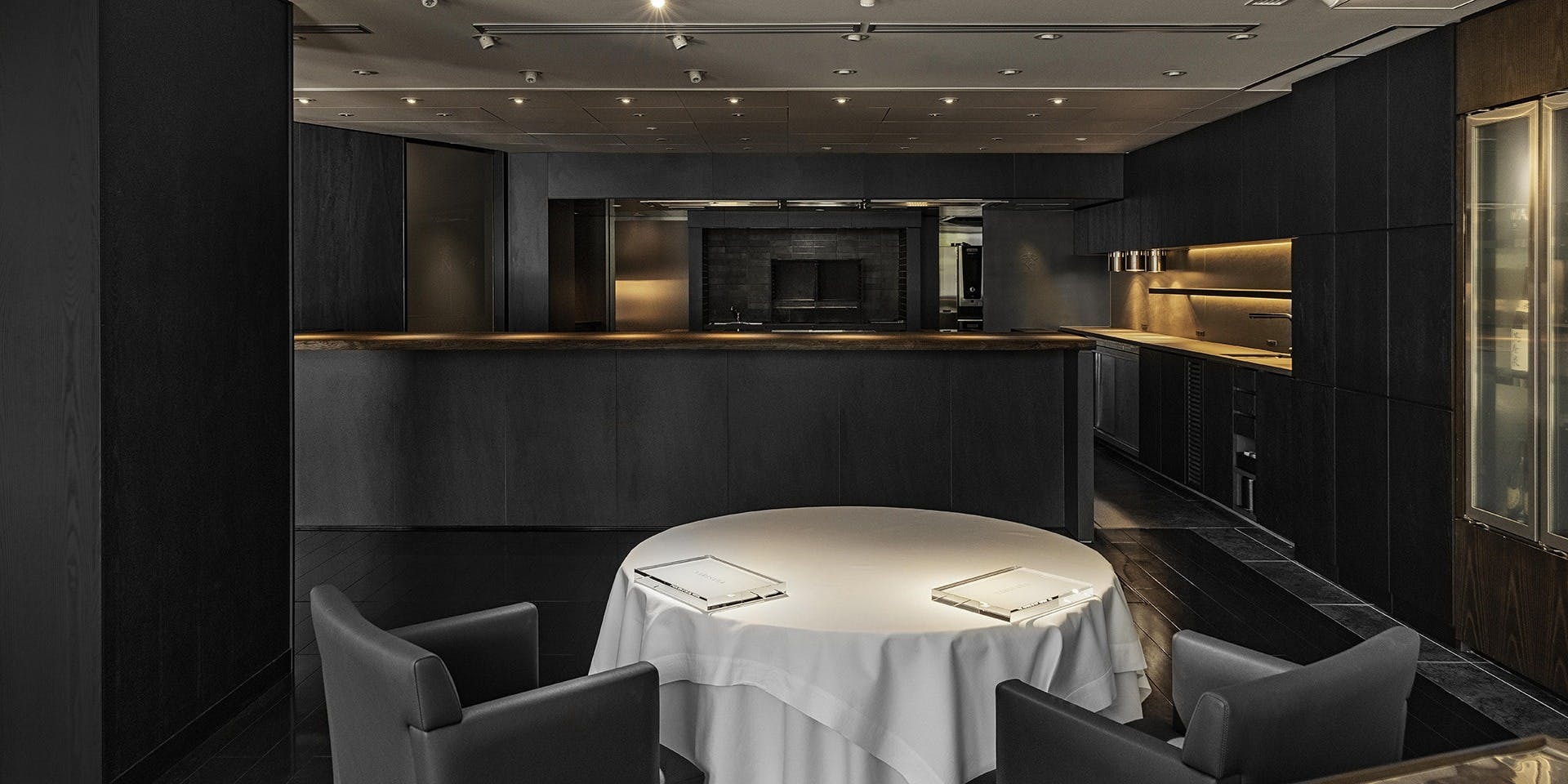
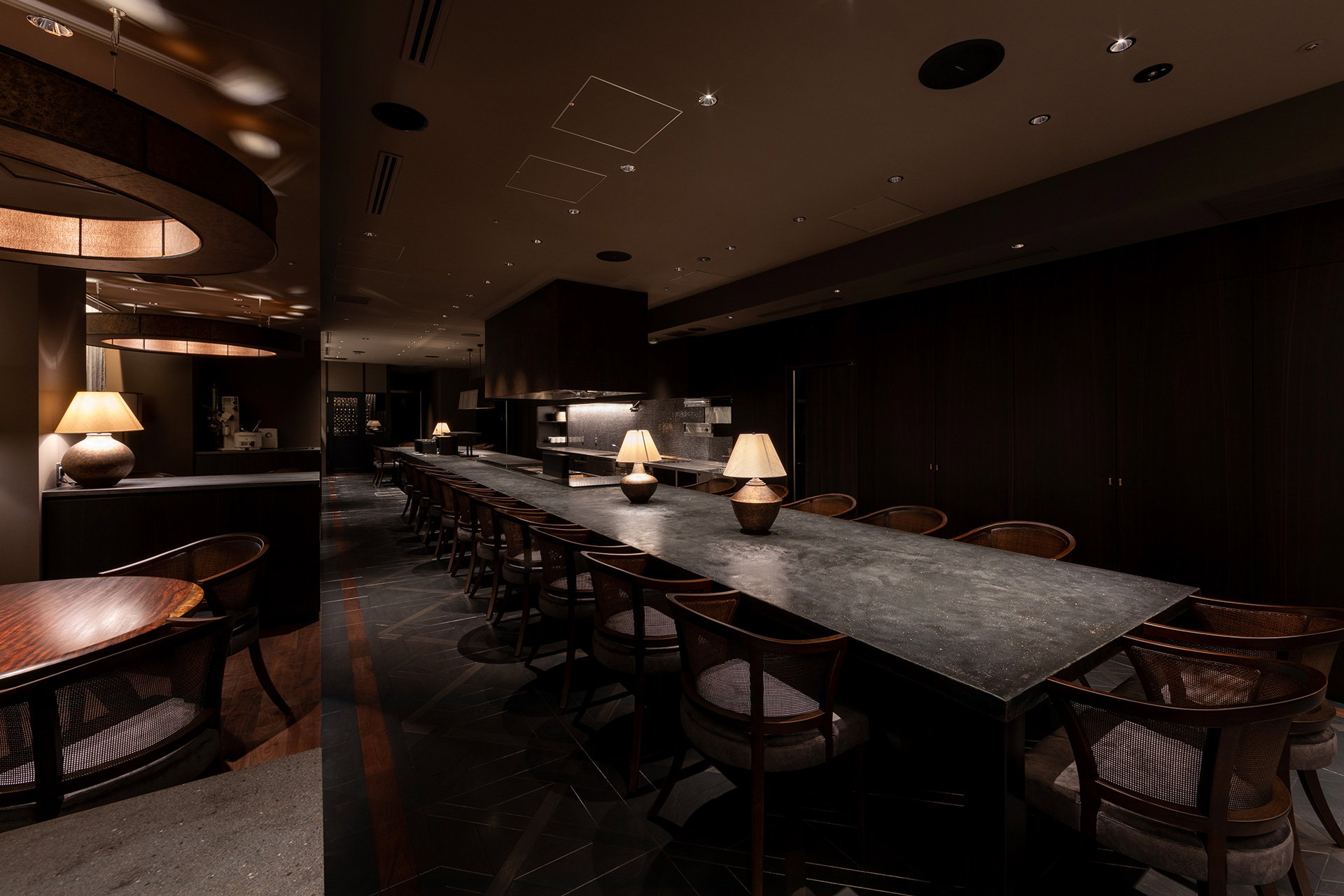
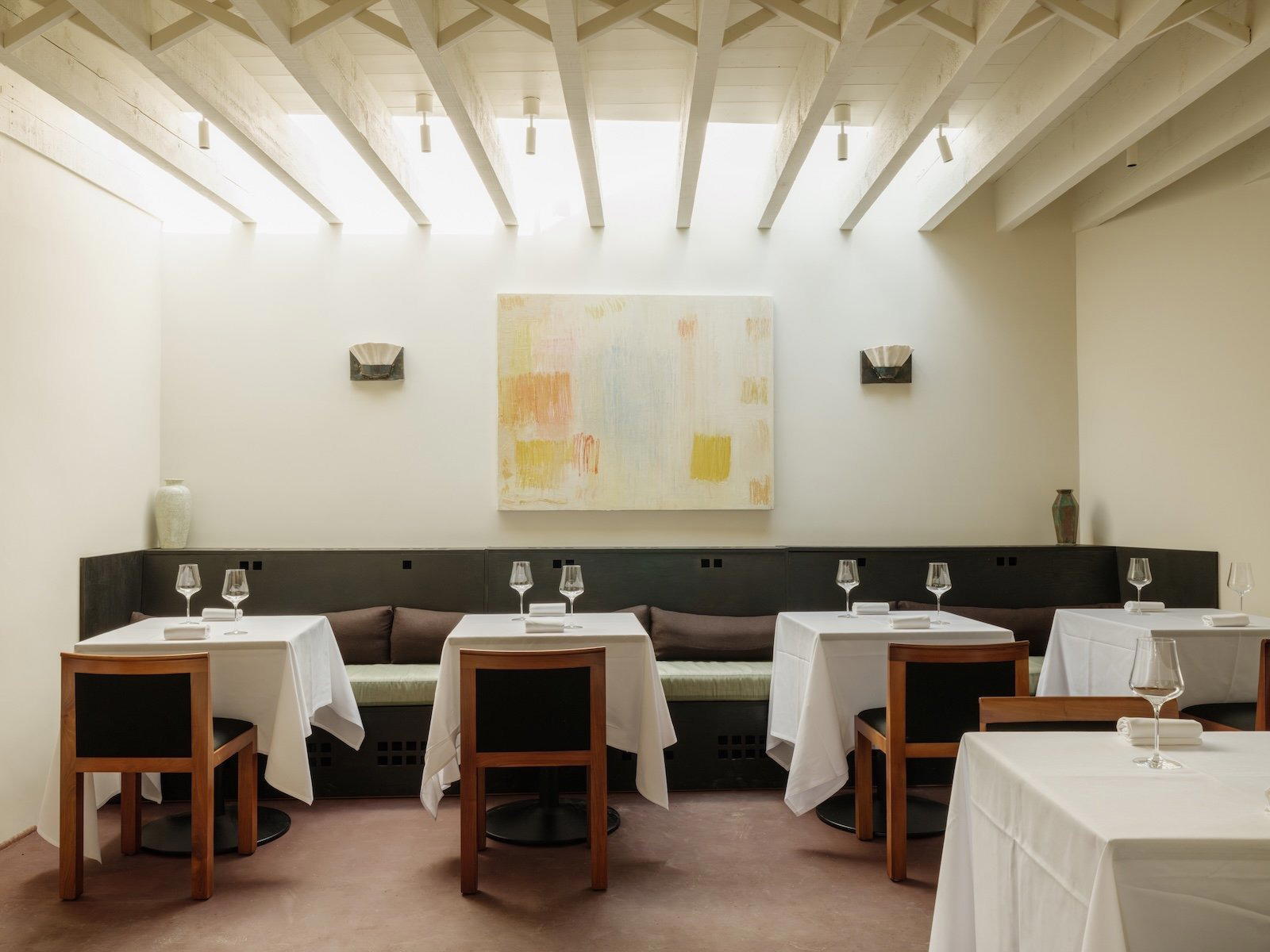
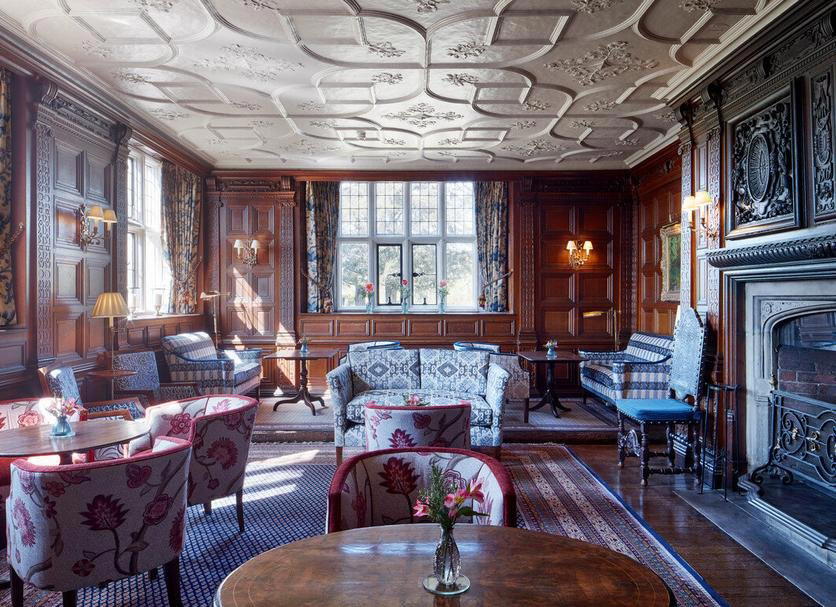
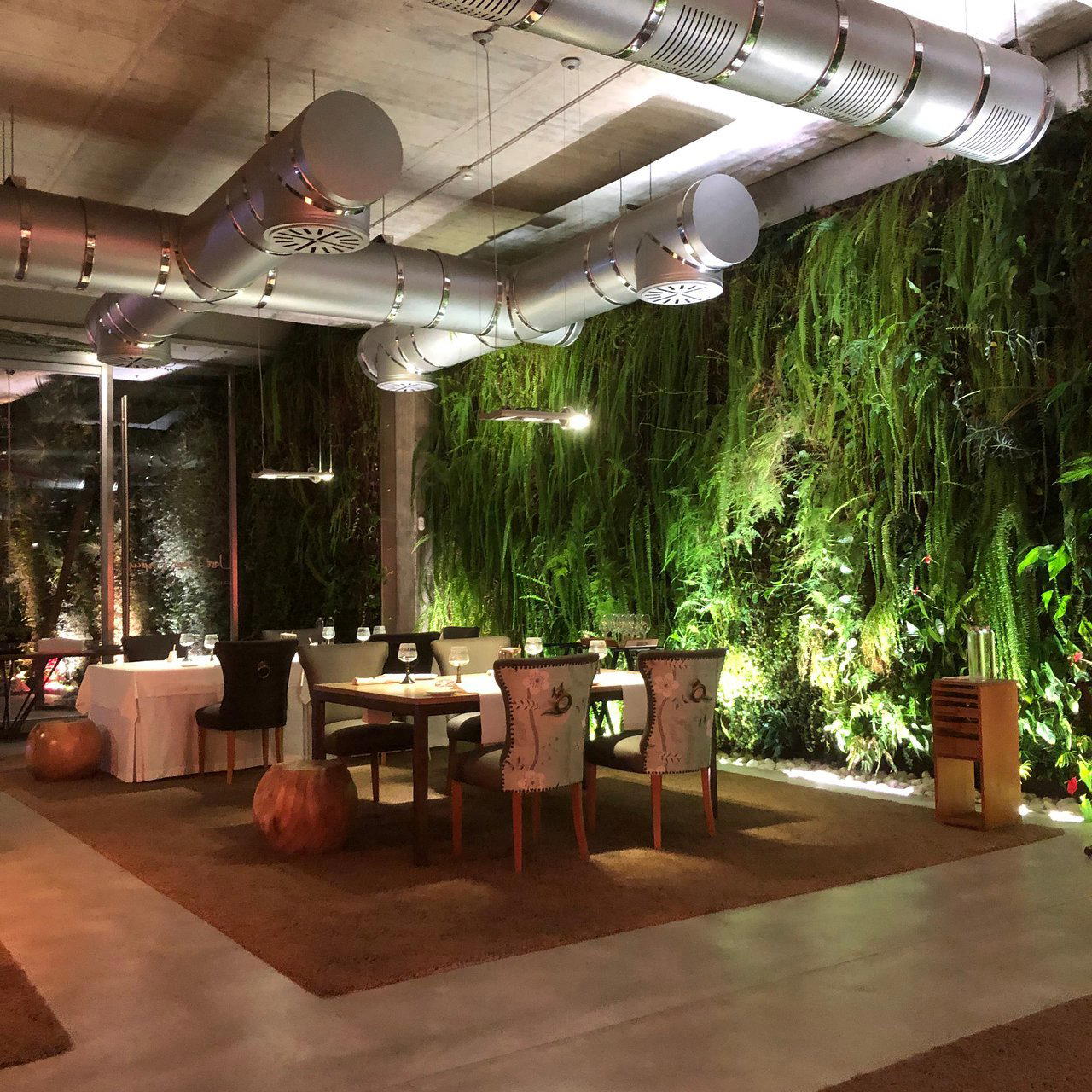
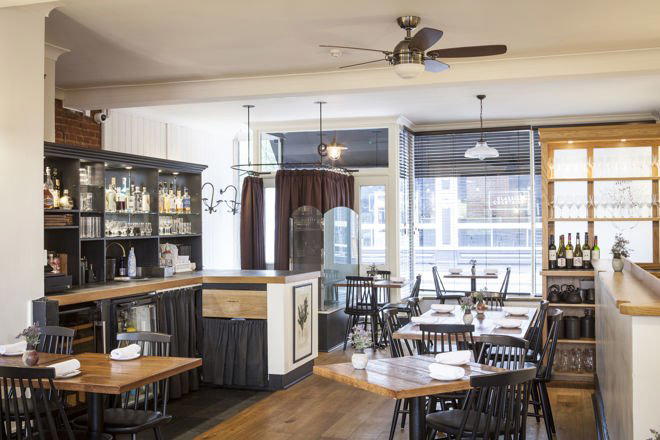
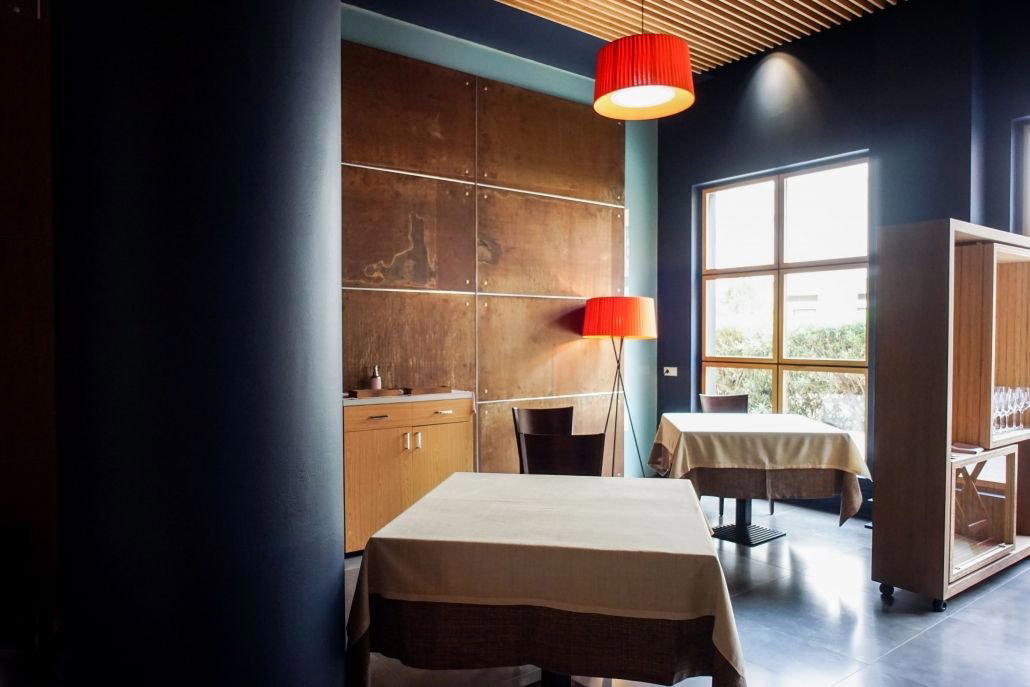
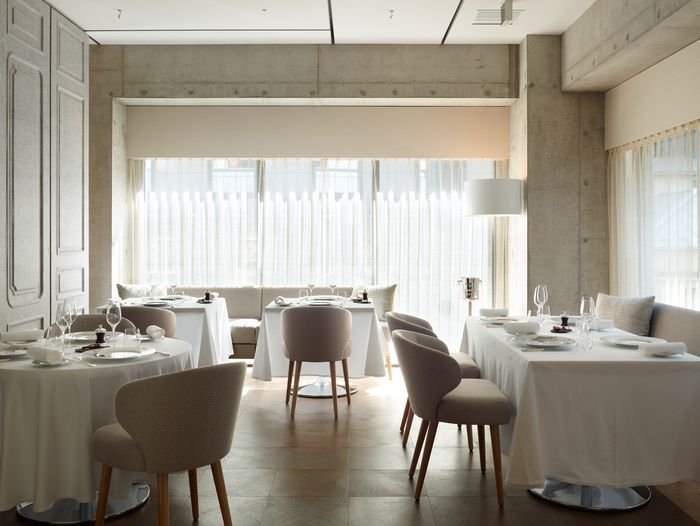
The restaurant sits on the second floor of a building on Ginza's Rengadori — a quieter stretch of the neighbourhood that filters out the retail noise of Chuo-dori. First-timers should know that the room is deliberately intimate. The interior is designed to evoke a French apartment: framed artwork, ornamental plates bearing illustrations that reference Edgar Degas' paintings of dancers, and a scale that keeps the energy contained rather than performative. This is not a stage-set dining room. It rewards conversation over spectacle.
The cooking philosophy is what the restaurant describes as 'tradition with progress', time-honoured French technique applied with a light touch, and ingredients that move between French and Japanese sourcing. For a first visit, that means dishes that are immediately readable as classical French in structure, but where the produce or a single seasonal element will remind you that you are in Japan. The kitchen does not force the dialogue between the two culinary traditions; it lets it happen naturally on the plate.
On the sensory side, what you notice first when you arrive is not the room but the kitchen's presence in the air, warm, butter-forward, with the clean mineral edge that comes from French saucing discipline. It is a direct signal that this is a cooking-first operation, not a design-first one. The scent settles the room before you have ordered anything.
As a first-timer, the most important practical decision is whether to book a dinner seating early or late. Dominique Bouchet Tokyo is not positioned as a late-night destination in the way that some Ginza bars are, but a later dinner seating, where the room has warmed up and the pace of service has found its rhythm, typically delivers a more relaxed experience than the first sitting of the evening. If you want conversation and an unhurried pace, aim for the later reservation. This also matters for the editorial angle: if you are planning a longer Ginza evening, the restaurant works well as an anchor that finishes late enough to move on to one of the neighbourhood's bar floors without a long wait between dinner and nightcap.
Booking is hard. This is not a restaurant you walk into, and it is not one where a week's notice is enough. Plan for a minimum of three to four weeks out, and longer for weekend evenings. The combination of a small room, a Michelin star, and a location in Ginza, where corporate entertainment and special occasion dining compete for the same seats, means availability tightens fast. If your dates are fixed, treat this as the first reservation you make when planning a Tokyo trip, not the last.
On price, ¥¥¥ positions Dominique Bouchet Tokyo below the top tier of Tokyo's French tables, places like L'Effervescence, Sézanne, or Château Restaurant Joël Robuchon, but the Michelin recognition means you are not making a compromise. You are accessing a starred French kitchen at a price point that makes it a credible choice for a business dinner or a special occasion that does not require the full ceremony of a ¥¥¥¥ table. Compared to Florilège at the same price tier, Bouchet is more classical and less experimental; the room is quieter and the cooking more conservative. Neither is a weakness, they are different propositions for different moods.
For context on what else Tokyo's French dining scene offers at this level, ESqUISSE in Ginza is worth knowing as a direct neighbour in both geography and register. Further afield, if you are building a multi-city Japan itinerary, HAJIME in Osaka and akordu in Nara offer different points on the French-in-Japan spectrum. For broader Tokyo planning, the full Tokyo restaurants guide and Tokyo hotels guide are the leading places to build the rest of your trip around this booking. If your itinerary extends beyond Tokyo, Gion Sasaki in Kyoto, Goh in Fukuoka, 1000 in Yokohama, and 6 in Okinawa each represent strong regional dining anchors worth building around. For comparable French dining outside Japan, Les Amis in Singapore and Hotel de Ville Crissier offer useful reference points on how classical French technique travels. After dinner, the Tokyo bars guide and Tokyo experiences guide will help you make the most of a Ginza evening.
Planning details
- Location
- Japan, 〒104-0061 Tokyo, Chuo City, Ginza, 1 Chome−5−6 銀座レンガ通り福神ビル 2F
- Website
- dominique-bouchet.jp
- Phone
- +81 3-6264-4477
The take
The Take
The Vibe
Dominique Bouchet Tokyo presents itself as a Parisian apartment tucked into Ginza: warm, deliberately furnished interiors prioritize comfort and continuity over showy modernity. Walls layered with ornamental plates and Degas-referencing illustrations reinforce a cultural throughline that ties the dining room to classical French sensibilities. The kitchen follows the restaurant’s aesthetic logic — classical technique shaped by a light contemporary edit — so the experience feels both rooted and thoughtfully current. The overall impression is quietly refined rather than performative, an intimate, artful room where attention to tradition and measured modernity defines the mood.
Best For
This is a restaurant tailored to focused, evening dining: the Michelin one-star bedside and classical French technique position it and its price tier squarely in Ginza’s European fine-dining band. It suits date nights, business dinners and other special occasions that call for composed service and a considered menu. Because the space evokes an apartment-like intimacy rather than a high-energy dining hall, it favors parties seeking a restrained, refined atmosphere and thoughtfully plated cuisine that blends French foundations with Japanese ingredients.
Ordering Tips
Menus adhere to the kitchen’s stated logic of “tradition with progress,” so expect dishes executed with a light touch and visual finesse. The Menu Héritage represents the restaurant’s approach to classical French progression, while signature plates such as the Blue Lobster Parmentier highlight the marriage of French technique and premium ingredients. When ordering, prioritize those house signatures to understand the kitchen’s balance of time-honoured technique and contemporary restraint; courses are composed to reward both the eye and the palate.
Venue details
Ambiance
Cozy and elegantly decorated like a French apartment with soft lighting, well-spaced tables conducive to conversation, and ornamental plates featuring artistic illustrations.
Tags
Vibe
Best For
Experience
At the Table
- Dress Code
- Formal
- Noise Level
- Quiet
- Service Style
- Formal
- Meal Pacing
- Leisurely
- Capacity
- Intimate
Signature Dishes
- Blue Lobster Parmentier
- Menu Héritage
Know before you go
Know Before You Go
- Getting there
- Japan, 〒104-0061 Tokyo, Chuo City, Ginza, 1 Chome−5−6 銀座レンガ通り福神ビル 2F
Planning details
Location
Japan, 〒104-0061 Tokyo, Chuo City, Ginza, 1 Chome−5−6 銀座レンガ通り福神ビル 2F · Directions
Recognition and awards
Also consider
Also Consider
- Harutaka, Sushi, ¥¥¥¥
- RyuGin, Kaiseki, Japanese, ¥¥¥¥
- L'Effervescence, French, ¥¥¥¥
- HOMMAGE, Innovtive French, French, ¥¥¥¥
- Florilège, French, ¥¥¥
Restaurant context
At ¥¥¥, Dominique Bouchet Tokyo is the most accessible entry point into Ginza-level starred French dining. L'Effervescence and HOMMAGE both operate at ¥¥¥¥ and push further into Franco-Japanese creativity, worth the premium if you want a more ambitious or experimental meal, but Bouchet is the stronger choice if classical technique and a quieter room matter more than innovation points. Florilège at ¥¥¥ is the closest price-tier peer: more inventive and noisier, better for diners who want a contemporary edge; Bouchet is the better pick for a formal occasion or a client dinner where the room needs to work as hard as the food.
RyuGin at ¥¥¥¥ is the kaiseki answer to a similar question, if you are weighing French against Japanese at this level, RyuGin delivers a more immersive sense of place and a longer, more ceremonial experience, but at a higher cost and with even tighter availability. Bouchet wins on booking flexibility relative to RyuGin, though neither is an easy table. Harutaka at ¥¥¥¥ is a different format entirely, sushi counter versus French dining room, and serves a different decision: if the question is 'what is the best single meal I can have in Tokyo,' Harutaka and RyuGin are the benchmarks; if the question is 'where can I have an excellent French dinner in Ginza without paying top-tier prices,' Dominique Bouchet Tokyo is the answer.
On booking difficulty, all five venues require advance planning, but Bouchet sits in the middle of the field: harder than Florilège, easier than Harutaka or RyuGin. If you are visiting Tokyo with limited flexibility on dates, prioritise Harutaka or RyuGin first, then build Bouchet around the gaps. If your priority is a reliable, starred French dinner with a French-apartment atmosphere rather than a competitive reservation challenge, Dominique Bouchet Tokyo is the table to book.
Explore Tokyo
Around this place
Discover more on Pearl
Unlock the full Dominique Bouchet Tokyo guide in Pearl, including awards, comparisons, FAQs, planning details, and nearby places.
Compare Dominique Bouchet Tokyo
| Venue | Cuisine | Awards | Booking Difficulty |
|---|---|---|---|
| Dominique Bouchet Tokyo | French | 2026 Michelin 1 StarTabelog 100 - French - TOKYO - 2025 · #442024 Michelin 1 Star | Hard |
| Harutaka | Sushi | 2026 Tabelog Silver · #312026 OAD Top Restaurants in Japan Ranked · #1282026 Michelin 3 Stars2026 La Liste Top RestaurantsTabelog 100 - Sushi - TOKYO - 2025 · #372025 Asia's 50 Best Restaurants · #762025 OAD Top Restaurants in Japan Ranked · #1172025 La Liste Top Restaurants2025 Tabelog Bronze | Unknown |
| RyuGin | Kaiseki, Japanese | 2026 OAD Top Restaurants in Japan Ranked · #802026 Tabelog Bronze · #3772026 Michelin 3 Stars2026 La Liste Top RestaurantsTabelog 100 - Japanese cuisine - TOKYO - 2025 · #212025 OAD Top Restaurants in Japan Ranked · #542025 Michelin 3 Stars2025 La Liste Top Restaurants2025 The Best Chef Three Knives | Unknown |
| L'Effervescence | French | 2026 Tabelog Silver · #682026 OAD Top Restaurants in Japan Ranked · #103Star Wine Lists 20262026 Black Pearl 2 Diamond2026 Relais Chateaux Restaurants2026 La Liste Top Restaurants2026 Michelin 3 Stars2025 Asia's 50 Best Restaurants · #692025 OAD Top Restaurants in Japan Ranked · #92 | Unknown |
| HOMMAGE | Innovtive French, French | 2026 Tabelog Bronze · #1232026 OAD Top Restaurants in Japan Highly Recommended2026 Michelin 2 StarsTabelog 100 - French - TOKYO - 2025 · #762025 Asia's 50 Best Restaurants · #782025 OAD Top Restaurants in Japan Ranked · #1752025 Michelin 2 Stars2025 The Best Chef One Knife2025 La Liste Top Restaurants | Unknown |
| Florilège | French | 2026 Asia's 50 Best Restaurants · #312026 Tabelog Bronze · #712026 OAD Top Restaurants in Japan Ranked · #1242026 Black Pearl 1 Diamond2026 Michelin 2 Stars2026 La Liste Top Restaurants2025 Asia's 50 Best Restaurants · #172025 World's 50 Best Restaurants · #36Tabelog 100 - French - TOKYO - 2025 · #68 | Unknown |












Key differences to consider before you reserve.
FAQ
Frequently Asked Questions
What should a first-timer know about Dominique Bouchet Tokyo?
This is classical French cooking with a light, modern touch — not a fusion experiment. The restaurant holds a Michelin star (2024) and sits on the second floor of a Ginza building on Rengadori, so it rewards diners who arrive knowing what they want: precise French technique, Franco-Japanese ingredients, and a room designed to feel like a Parisian apartment. Come expecting formality, not casualness.
Can Dominique Bouchet Tokyo accommodate groups?
The venue is a seated restaurant, not a large-format dining hall, so groups larger than six should contact them directly before assuming availability. At ¥¥¥ per head, it works for a celebratory dinner for four, but the format suits smaller parties better. For large corporate groups in Ginza, L'Effervescence or a dedicated private dining venue would be a safer fit.
Is Dominique Bouchet Tokyo good for solo dining?
It is serviceable for solo diners, but this is not a counter-seat omakase format — you are in a room styled after a French apartment. Solo dining works if you are comfortable with that setting and invested in the food. For solo French fine dining with more counter-facing interaction, Florilège in Aoyama is a stronger pick.
Is the tasting menu worth it at Dominique Bouchet Tokyo?
At ¥¥¥ pricing with a Michelin star behind it, the tasting menu delivers if classical French gastronomy is the format you want. Bouchet's approach — tradition with modern sensibility, French and Japanese ingredients plated together — makes the progression coherent rather than gimmicky. If you prefer a shorter, more freestyle meal, Florilège runs a more contemporary French format at a similar tier.
Is Dominique Bouchet Tokyo good for a special occasion?
Yes, this is a reliable special-occasion booking. The Michelin star (2024), the deliberately designed interior, and the Paris-lineage of the chef make it a credible choice for anniversaries or business meals where the setting needs to land. For a Japanese-accented fine dining occasion instead, RyuGin carries more local prestige.
What are alternatives to Dominique Bouchet Tokyo in Tokyo?
For French fine dining, L'Effervescence and Florilège are the strongest direct comparisons — both Michelin-recognised, both French, but with more contemporary formats. HOMMAGE offers French technique applied to Japanese ingredients at a similar price tier. If you want to step outside French cooking entirely, Harutaka (sushi) and RyuGin (kaiseki) are the Tokyo restaurants most worth comparing at this spend level.
Is Dominique Bouchet Tokyo worth the price?
At ¥¥¥ with a 2024 Michelin star, it holds its value if classical French cooking is what you are after. The Franco-Japanese ingredient combinations add a reason to visit that you cannot replicate at a Paris outpost. It is less compelling if you want the cutting edge of Tokyo's French scene — Florilège pushes harder on that front — but for assured, well-executed tradition, the price is justified.