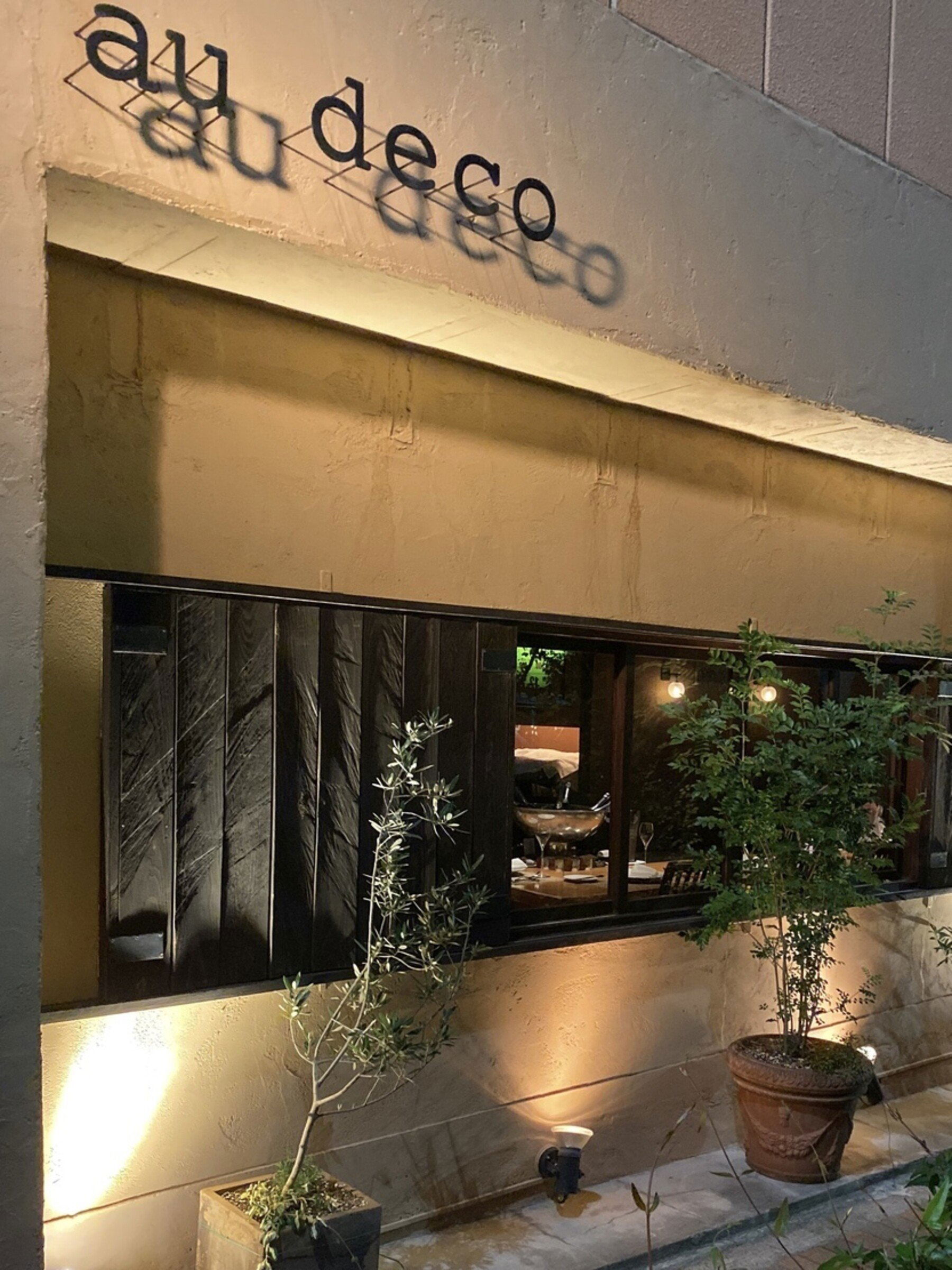



au deco
¥¥¥ · French · Shibuya, Tokyo
Restaurant in Tokyo, Japan
 Book with Pearl
The Read
Pre-Nouvelle French Classicism
Dress
Smart Casual
Why go
Au deco in Ebisu delivers classical French cooking — terrine, consommé, lamb, aged wines — at the ¥¥¥ tier, one price level below Tokyo's top French rooms. It is a strong choice for a special occasion dinner where traditional execution and attentive wine service matter more than contemporary innovation. Easy to book by Tokyo fine dining standards.
About au deco
Au Deco, Ebisu: The Verdict
If you have already eaten at au deco once, coming back reveals something that most Tokyo French restaurants cannot offer: consistency without stagnation. The kitchen does not chase trends. Terrine, consommé, and lamb baked over fragrant grass are prepared as they have always been, and that is precisely the point. For a special occasion dinner in Ebisu where the cooking is anchored in classical French technique and the wine service matches aged bottles to your taste, au deco is worth booking again. First-timers should know this is not a place that performs novelty — it rewards people who appreciate the real thing done properly.
What Au Deco Delivers
The menu at au deco reads like a case for classical French cooking at a moment when many restaurants in Tokyo have moved toward hybridised or concept-driven formats. Dishes like crab baked in pie filling reinterpret a French classic through an original recipe rather than reinventing it entirely. Sauces are built with generous amounts of brandy or well-cured sake, forging a practical connection between French technique and Japanese ingredient logic. That approach keeps the food grounded without feeling conservative.
The wine and spirits programme is a serious consideration here. Staff serve aged wines matched to guests' preferences, and the spirits list extends to well-aged expressions that align with the old-school French dining room ethos. If your priority is a meal where the wine service is attentive rather than transactional, au deco is set up for that. For comparison, L'Effervescence offers a more contemporary French experience with a stronger natural wine focus — au deco sits at the traditional end of that spectrum.
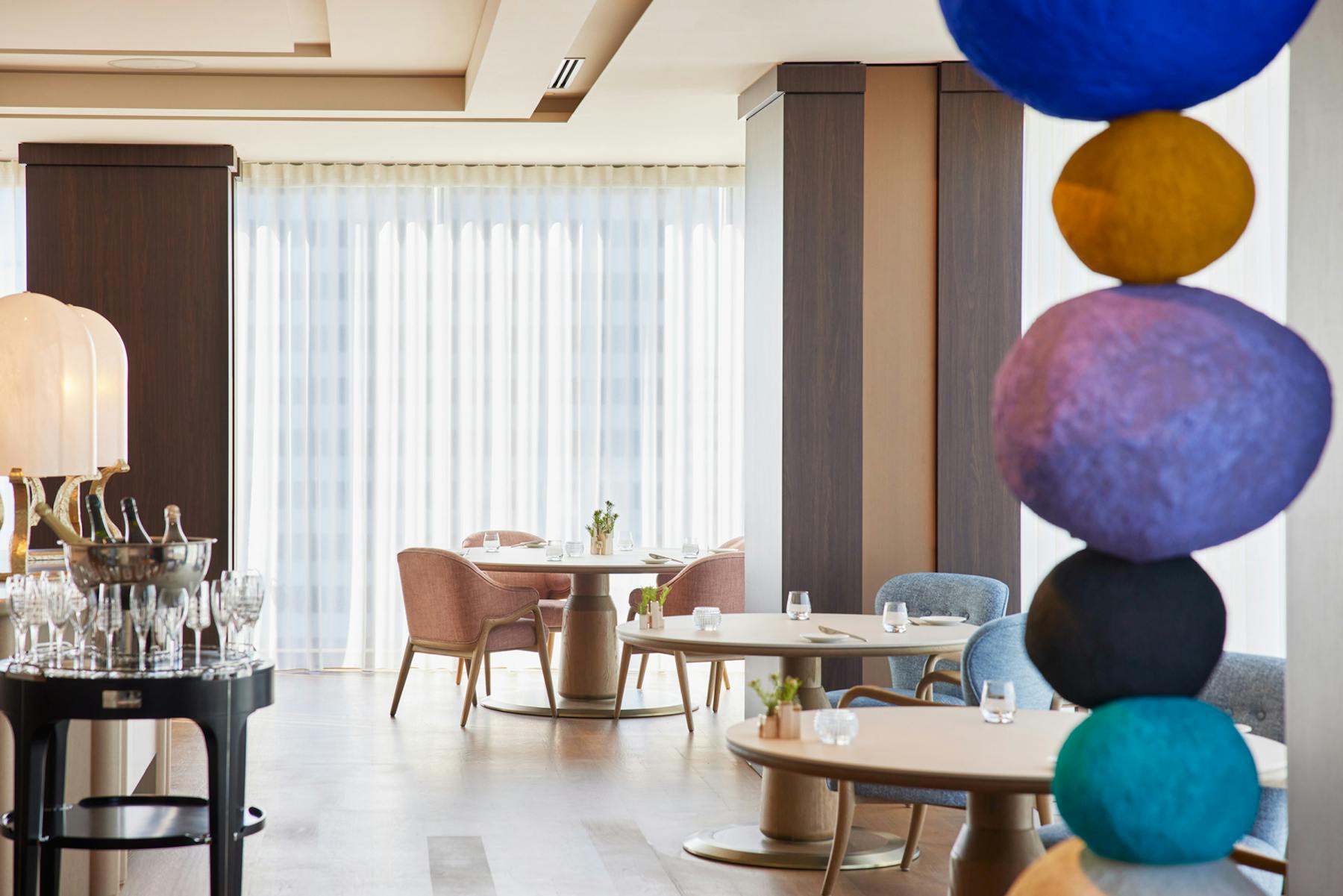
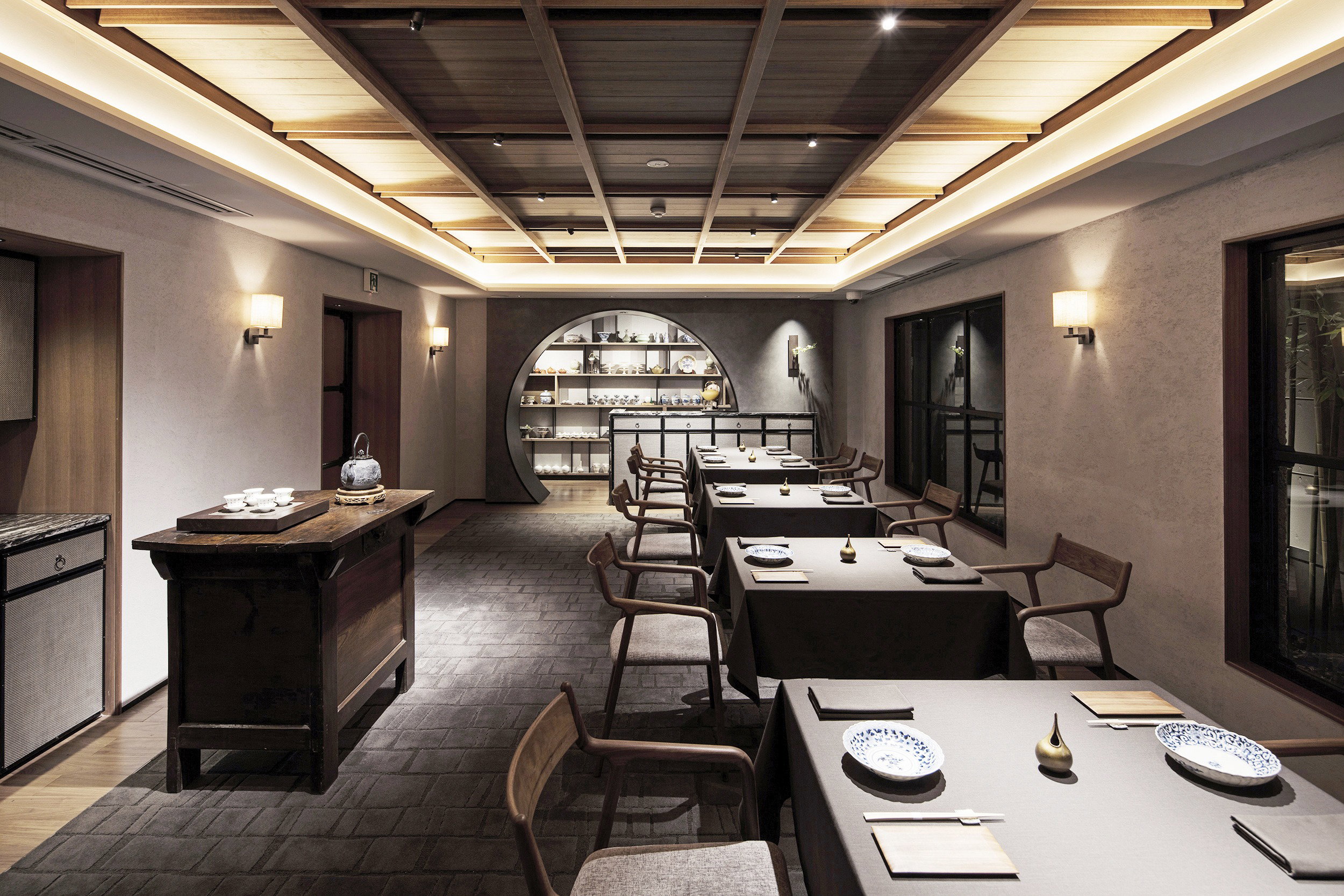
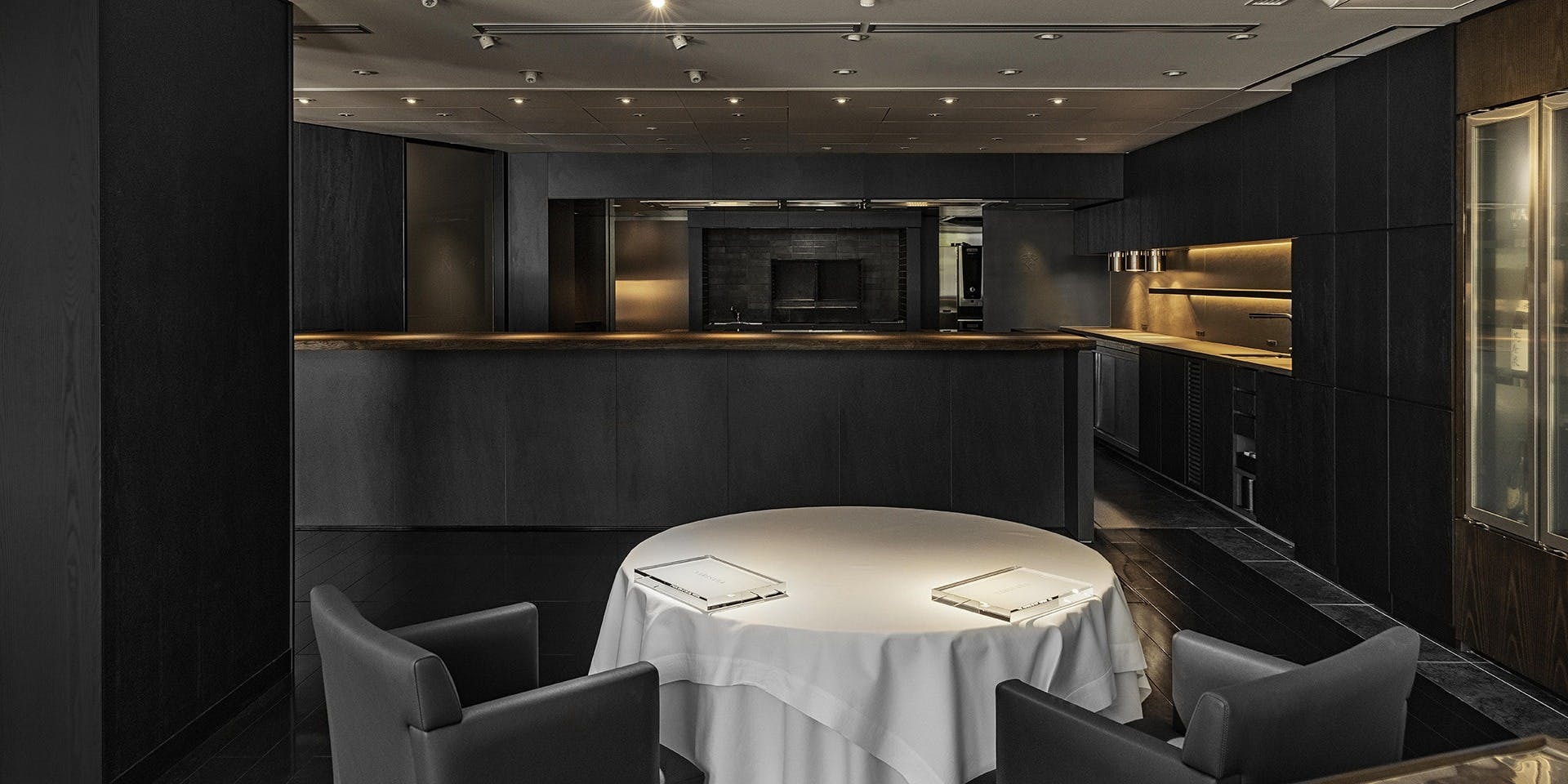
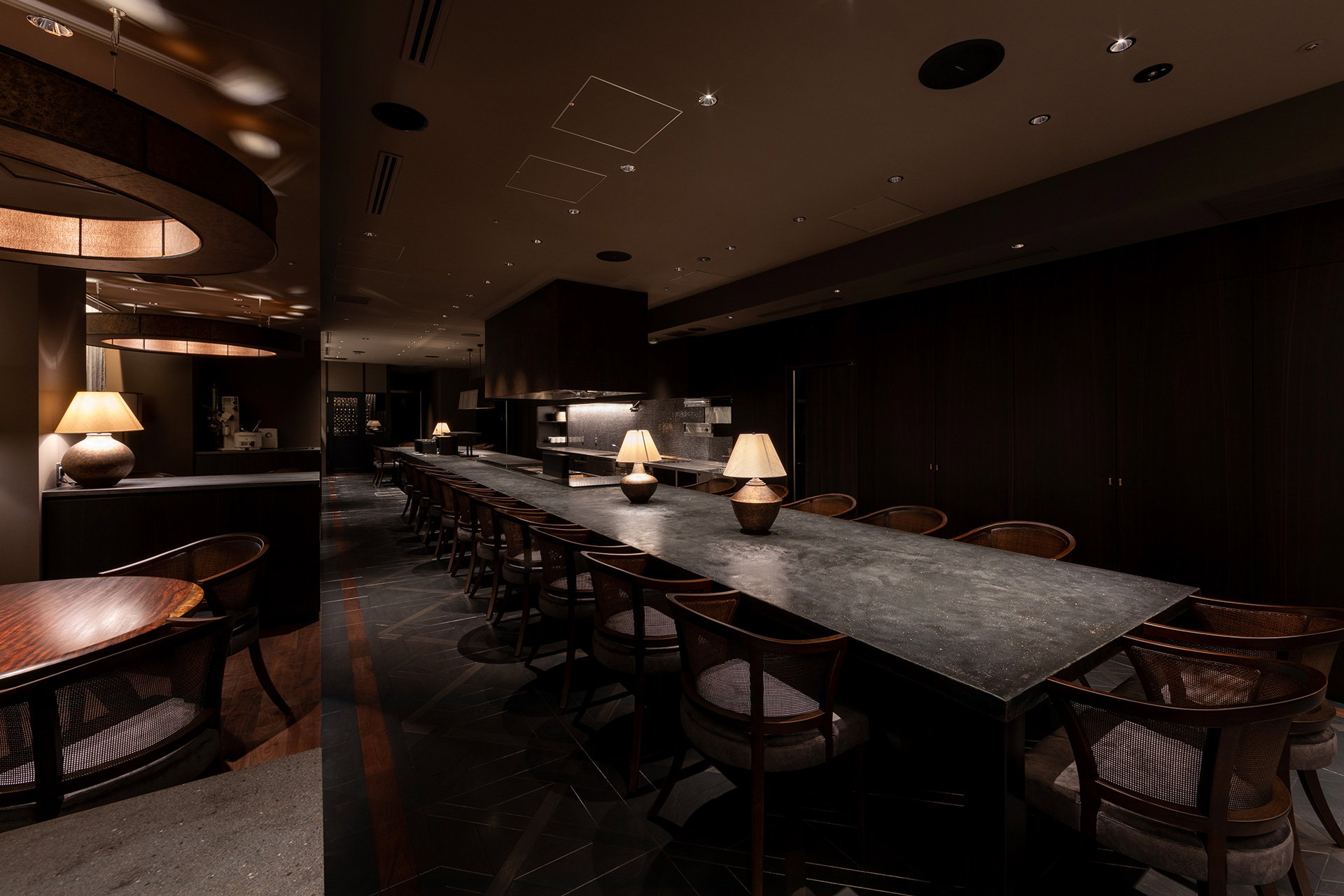
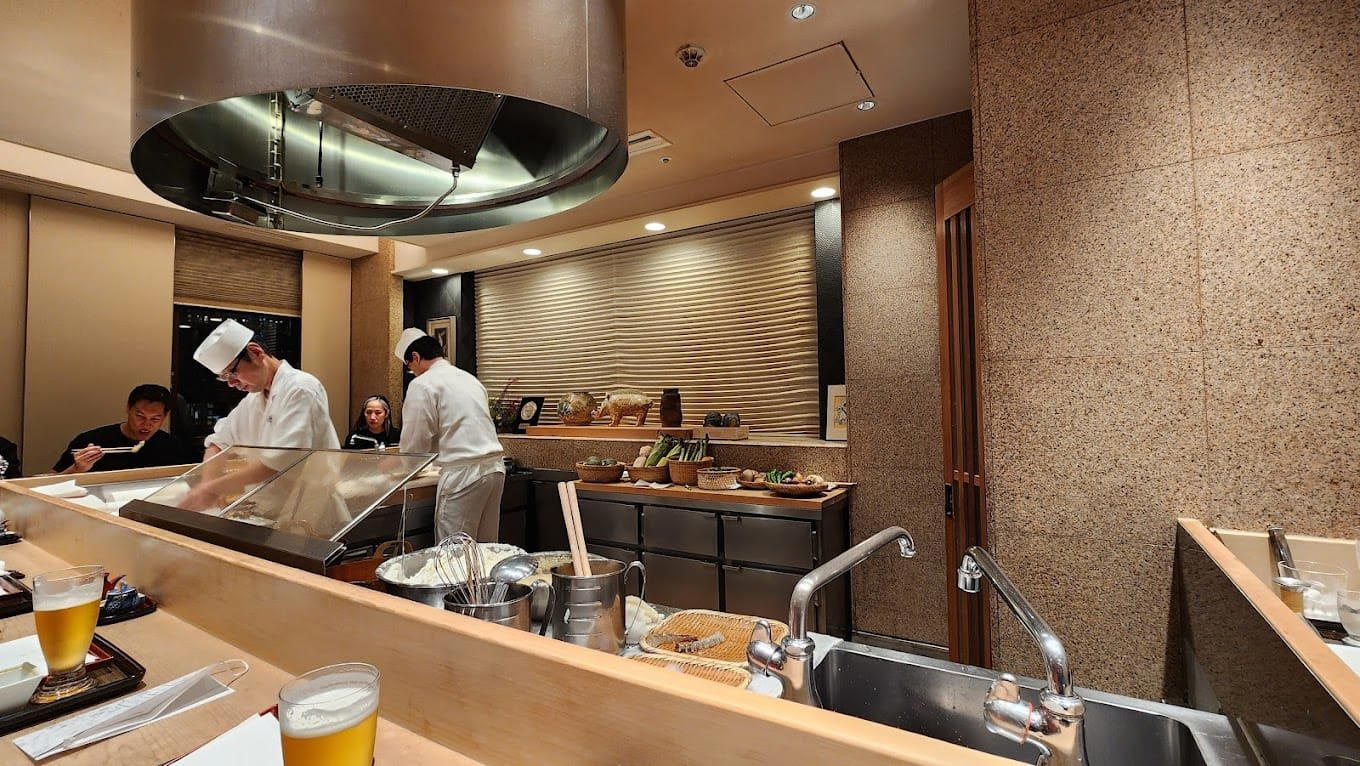
Room operates in what the venue itself describes as a scene from the good old days: staff working in sync, a pace that does not rush, and an atmosphere that suits a dinner with intent. Whether that is a celebration, an anniversary, or a business meal where the food should not distract from conversation, the format holds. Pricing is in the ¥¥¥ tier, which positions au deco below the ¥¥¥¥ bracket occupied by Tokyo French heavyweights like HOMMAGE and L'Effervescence, making it a more accessible entry point for this style of formal French dining in the city.
Booking and Timing
Au deco sits in Ebisu, at 2 Chome-23-3 Ebisu, Shibuya, Tokyo 150-0013. Booking difficulty is rated easy relative to the broader Tokyo fine dining market, where restaurants like Harutaka can require weeks of lead time and connections to secure a seat. That said, easy does not mean walk-in-ready for a special occasion, contact the restaurant directly to confirm availability, particularly for weekend evenings when Ebisu's dining rooms fill quickly. No online booking portal is listed in the current venue record, so direct contact is the most reliable route.
If you are planning around a celebration or a milestone dinner, frame your reservation request around the occasion. Formal French restaurants in Tokyo at this tier are accustomed to accommodating special requests when given advance notice, and the staff-guest dynamic described at au deco suggests attentiveness rather than rigidity.
How It Compares
Within Tokyo's French dining tier, au deco at ¥¥¥ sits a price level below L'Effervescence, HOMMAGE, and Florilège, all of which operate at ¥¥¥¥. If your priority is classical French cooking with serious wine service at a price point that does not require the same financial commitment as Tokyo's top-tier French rooms, au deco makes sense. L'Effervescence is the stronger choice if you want a more contemporary culinary direction and a room with more international critical recognition. HOMMAGE is worth considering if innovative French technique is more important to you than tradition.
Florilège at ¥¥¥ is au deco's closest price-tier peer, but the two restaurants occupy opposite ends of the French cooking philosophy spectrum, Florilège is progressive and ingredient-driven, au deco is rooted in classical preparation. Choose Florilège if you want a more modern experience; choose au deco if you want cooking that holds classical French discipline without apology. Neither is the wrong answer, they are answering different questions.
For Tokyo dining beyond French, Harutaka is the benchmark for sushi at ¥¥¥¥ and RyuGin leads in kaiseki at the same tier. If your group is deciding between a classical French evening and a Japanese fine dining format, the choice comes down to what the occasion calls for. Au deco is the right pick when French is the brief and traditional execution matters more than innovation.
Pearl FAQ: Au Deco
- What should a first-timer know about au deco? Expect classical French cooking in a formal Ebisu setting, terrine, consommé, lamb, and crab prepared with technique that prioritises tradition over novelty. The wine service is a genuine part of the experience, with aged bottles matched to your preferences by attentive staff. This is not a place for experimental or fusion-leaning French cooking; it is for people who want the foundational French restaurant experience done properly in Tokyo's ¥¥¥ tier. If you are visiting Tokyo and want to benchmark French cooking across the city, also consider La Paix, Madame Toki, and Patous for different approaches at comparable or adjacent price points.
- Can au deco accommodate groups? Seat count is not confirmed in the current venue record, so contact the restaurant directly before bringing a larger party. The dining room atmosphere described suggests a seated, service-led format that suits groups of 2 to 4 comfortably. Larger groups should inquire in advance about available configurations. For context on Tokyo dining at group scale, our full Tokyo restaurants guide covers venues across price tiers and group sizes.
- Does au deco handle dietary restrictions? No specific dietary accommodation policy is listed in the current venue record. Classical French menus built around dishes like terrine, consommé, and lamb tend to be less flexible by design, so communicate any restrictions clearly when making your reservation. If dietary flexibility is a primary concern, a more contemporary French room like L'Effervescence may offer more adaptability. For broader Tokyo planning, see our guides to Tokyo hotels, Tokyo bars, and Tokyo experiences.
Pearl Picks: Where Else to Eat in Japan
If au deco is part of a wider Japan itinerary, these venues are worth adding to your consideration list: HAJIME in Osaka for innovative French in a different city register; Gion Sasaki in Kyoto for kaiseki at the highest level; akordu in Nara for European technique in an unexpected setting; Goh in Fukuoka for Japanese fine dining in a city often overlooked by international visitors; 1000 in Yokohama for a day-trip dining option from Tokyo; and 6 in Okinawa if your route extends south. For international reference points on classical French cooking, Le Bernardin in New York City and Lazy Bear in San Francisco occupy adjacent but distinct positions in the global French and French-influenced dining conversation. Our Tokyo wineries guide is also worth consulting if the wine programme at au deco has you thinking about extending the experience.
Planning details
- Location
- 2 Chome-23-3 Ebisu, Shibuya, Tokyo 150-0013, Japan
- Website
- ggp5200.gorp.jp
- Phone
- +81 3-6721-9218
The take
The Take
The Vibe
au deco situates itself as a quietly assured alternative to flashier modern French rooms. Set on a side street in Ebisu's residential fringe, it favors classical rigour over spectacle: terrines made patiently, consommés clarified to translucency and roasted lamb that privileges aroma and texture. The writing frames the kitchen as a craft workshop—disciplined, unshowy and devoted to repetition—so the dining room feels measured and intimate rather than theatrical. Guests come for focused, well-executed classics in a composed atmosphere that rewards attention to detail.
Best For
This is a dinner destination for guests who appreciate classical French technique and a restrained setting. The restaurant reads as an ideal pick for date nights and special-occasion dinners where the meal itself is the centerpiece, and it also suits understated business dinners that value quiet conversation. Because the approach privileges slow technique and carefully constructed courses, it is less of a loud, boisterous spot and more for small groups or couples seeking a concentrated, craft-driven meal.
Ordering Tips
Lean into the kitchen's classical strengths: items built from patient technique tend to shine. The signature crab pie wrap and butterbur risotto are logical starting points to sample the house's approach to texture and seasoning. If available, terrines or a clarified consommé will illustrate the team’s attention to technique. Expect dishes that prioritize aroma and mouthfeel as much as flavor, and pace your meal to appreciate the craftsmanship behind each composed course.
Venue details
Ambiance
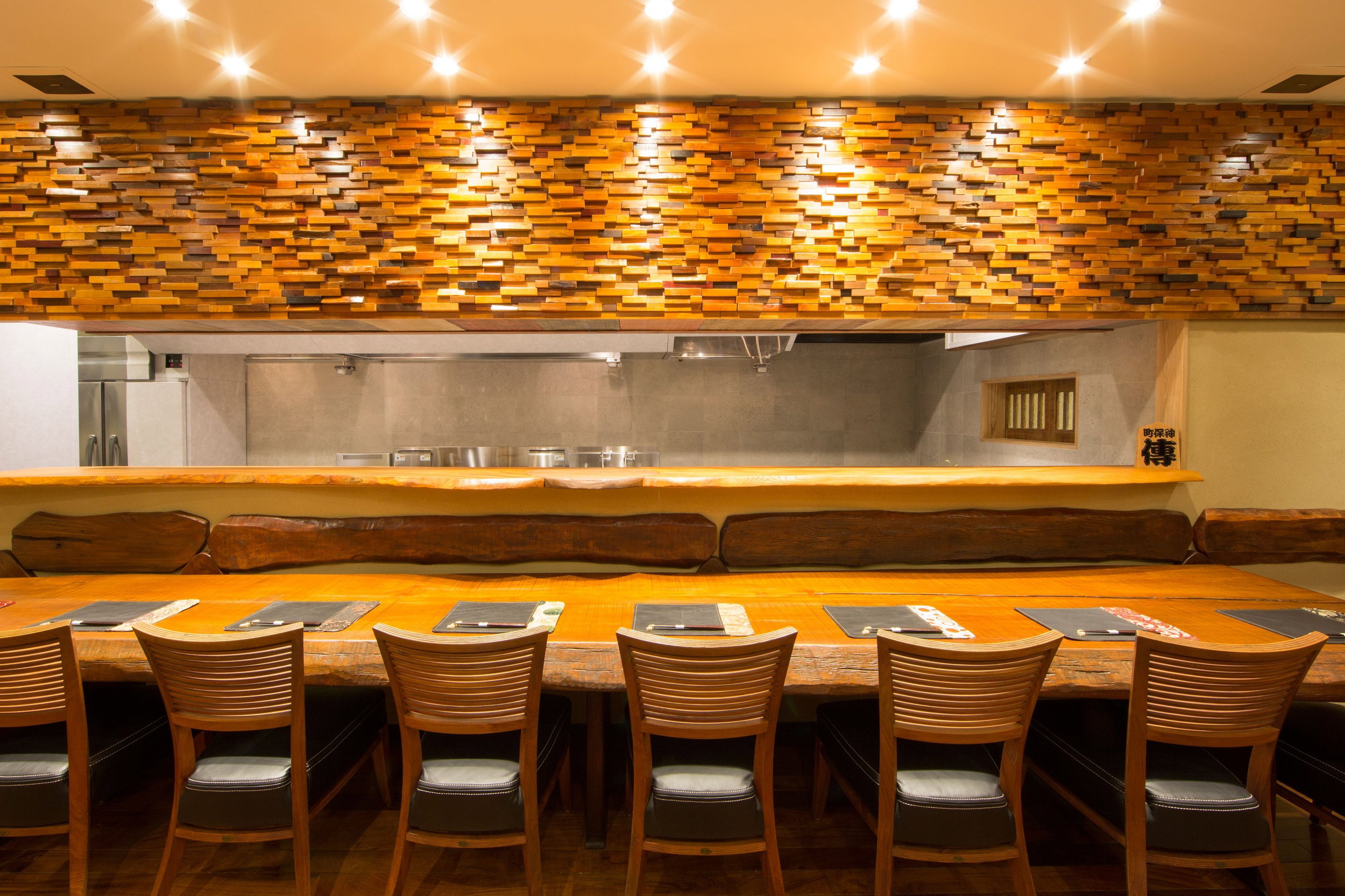
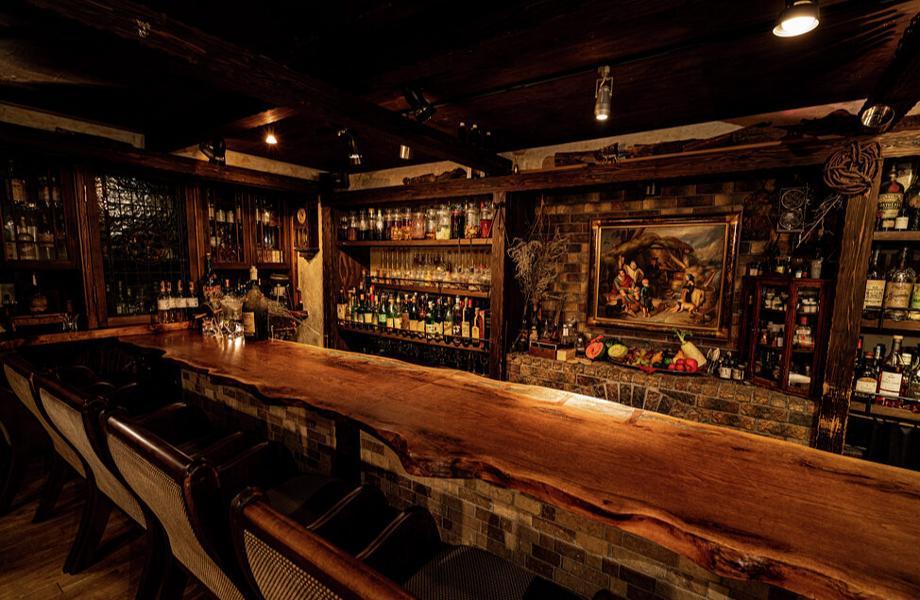
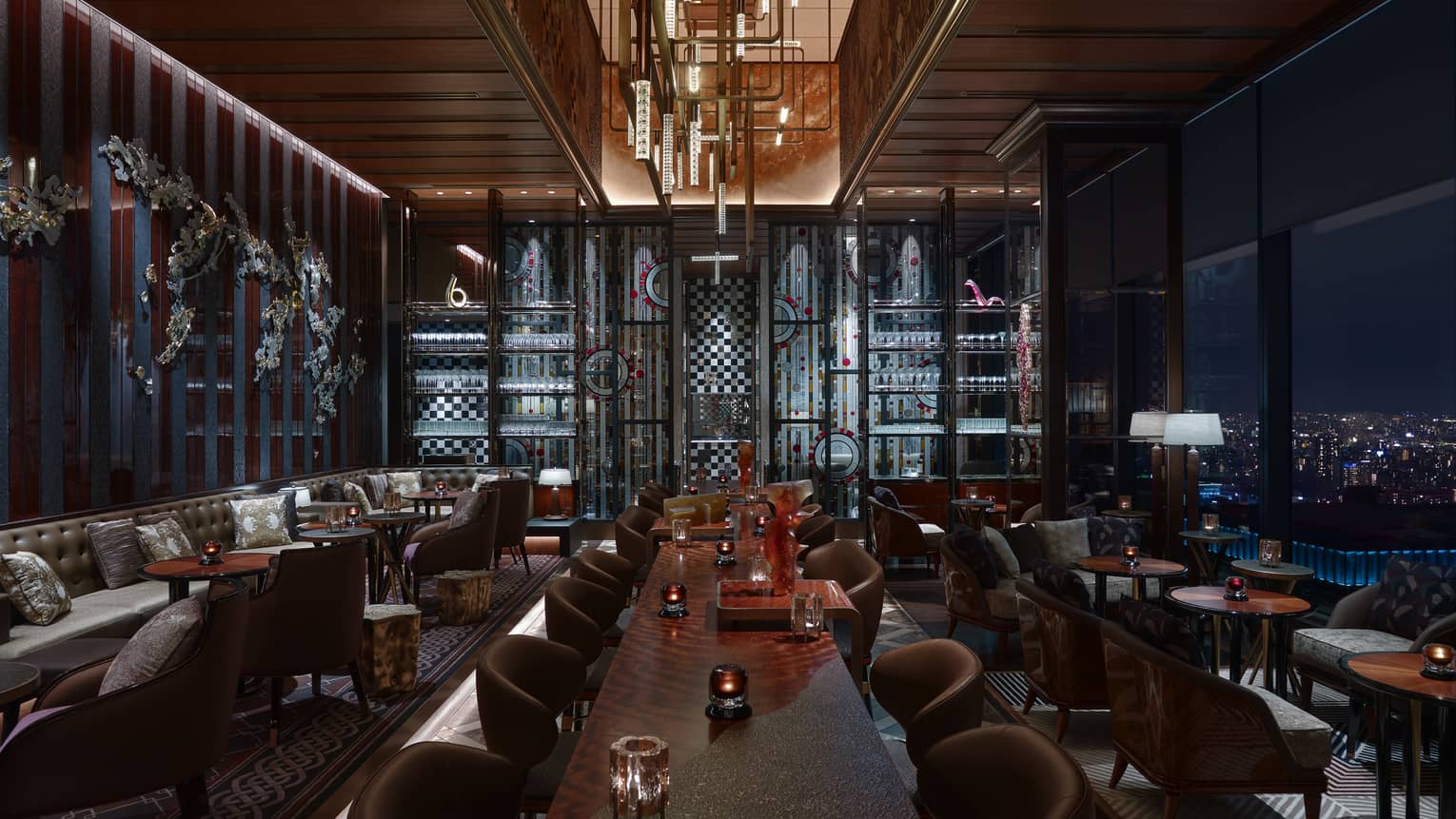
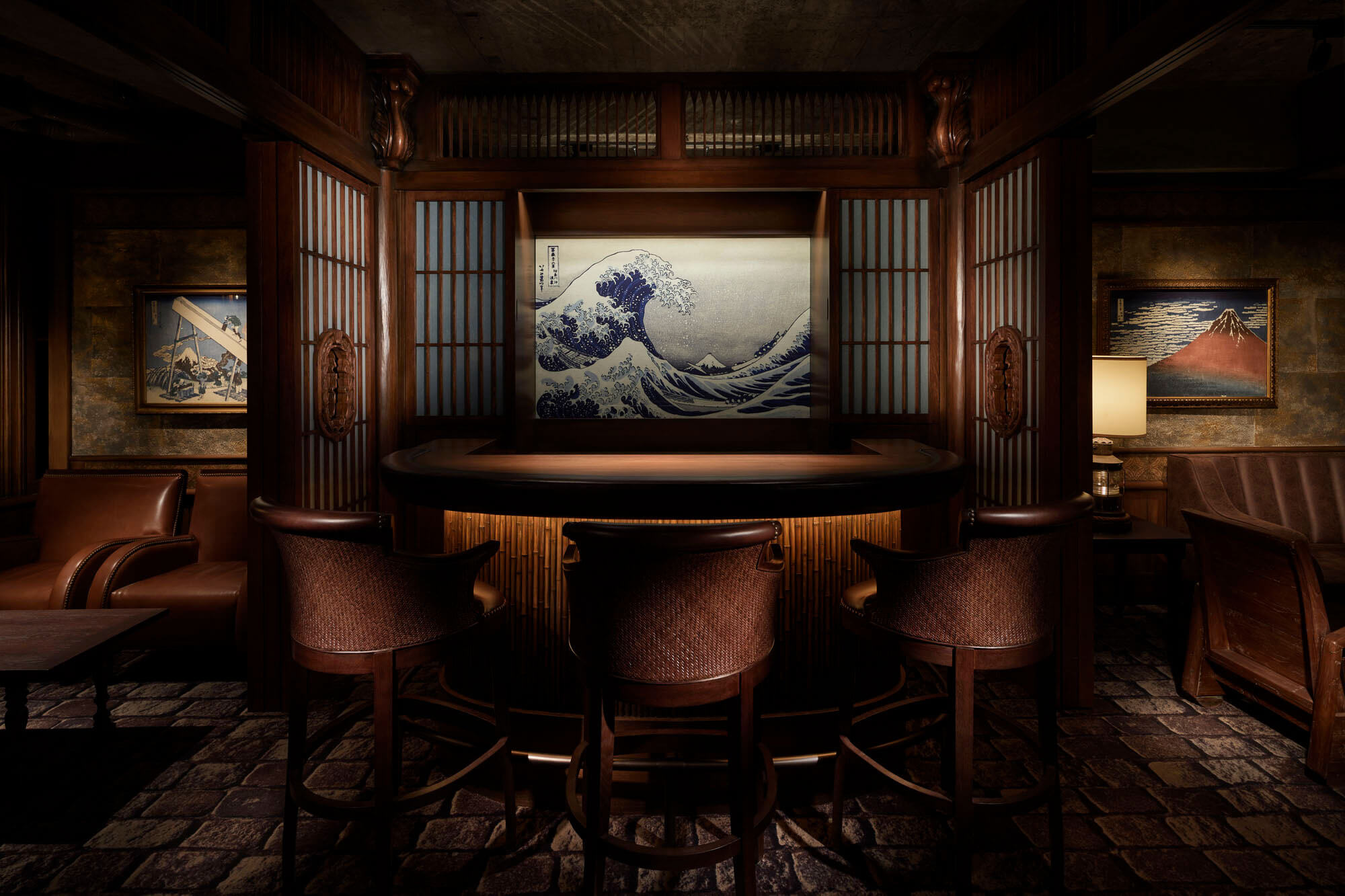
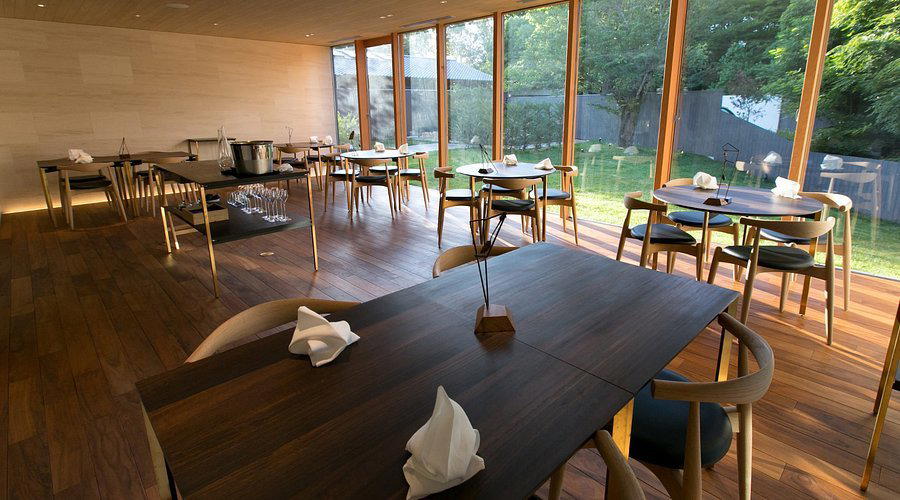
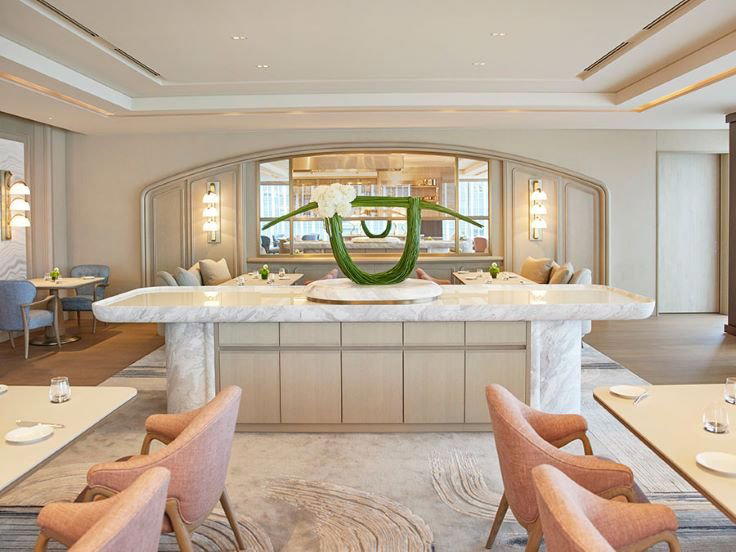
Dim lighting and interior decor that scream luxury.
Tags
Vibe
Best For
Experience
At the Table
- Dress Code
- Smart Casual
- Noise Level
- Quiet
- Service Style
- Upscale Casual
- Meal Pacing
- Leisurely
- Capacity
- Intimate
Signature Dishes
- crab pie wrap
- butterbur risotto
Know before you go
Know Before You Go
- Getting there
- 2 Chome-23-3 Ebisu, Shibuya, Tokyo 150-0013, Japan
Planning details
Location
Recognition and awards

Also consider
Also Consider
- Harutaka, Sushi, ¥¥¥¥
- RyuGin, Kaiseki, Japanese, ¥¥¥¥
- L'Effervescence, French, ¥¥¥¥
- HOMMAGE, Innovtive French, French, ¥¥¥¥
- Florilège, French, ¥¥¥
Restaurant context
Within Tokyo's French dining tier, au deco at ¥¥¥ sits a price level below L'Effervescence, HOMMAGE, and Florilège, all of which operate at ¥¥¥¥. If your priority is classical French cooking with serious wine service at a price point that does not require the same financial commitment as Tokyo's top-tier French rooms, au deco makes sense. L'Effervescence is the stronger choice if you want a more contemporary culinary direction and a room with more international critical recognition. HOMMAGE is worth considering if innovative French technique matters more to you than tradition.
Florilège at ¥¥¥ is au deco's closest price-tier peer, but the two restaurants occupy opposite ends of the French cooking philosophy spectrum. Florilège is progressive and ingredient-driven; au deco is rooted in classical preparation. Choose Florilège if you want a more modern experience; choose au deco if you want cooking that holds classical French discipline without apology. Neither is the wrong answer, they are answering different questions.
For Tokyo dining beyond French, Harutaka is the benchmark for sushi at ¥¥¥¥ and RyuGin leads in kaiseki at the same tier. If your group is deciding between a classical French evening and a Japanese fine dining format, the choice comes down to what the occasion demands. Au deco is the right pick when French is the brief and traditional execution matters more than innovation.
Explore Tokyo
Around this place
Discover more on Pearl
Unlock the full au deco guide in Pearl, including awards, comparisons, FAQs, planning details, and nearby places.
Compare au deco
| Venue | Location | Cuisine | Awards | Price |
|---|---|---|---|---|
| au deco | Tokyo | ¥¥¥ · French | 2026 OAD Top Restaurants in Japan Recommended2026 Michelin 1 StarTabelog 100 - French - TOKYO - 2025 · #40 | , |
| Harutaka | Tokyo | Sushi | 2026 Tabelog Silver · #312026 OAD Top Restaurants in Japan Ranked · #1282026 Michelin 3 Stars2026 La Liste Top RestaurantsTabelog 100 - Sushi - TOKYO - 2025 · #372025 Asia's 50 Best Restaurants · #762025 OAD Top Restaurants in Japan Ranked · #1172025 La Liste Top Restaurants2025 Tabelog Bronze | ¥¥¥¥ |
| RyuGin | Tokyo | Kaiseki, Japanese | 2026 OAD Top Restaurants in Japan Ranked · #802026 Tabelog Bronze · #3772026 Michelin 3 Stars2026 La Liste Top RestaurantsTabelog 100 - Japanese cuisine - TOKYO - 2025 · #212025 OAD Top Restaurants in Japan Ranked · #542025 Michelin 3 Stars2025 La Liste Top Restaurants2025 The Best Chef Three Knives | ¥¥¥¥ |
| L'Effervescence | Tokyo | French | 2026 Tabelog Silver · #682026 OAD Top Restaurants in Japan Ranked · #103Star Wine Lists 20262026 Black Pearl 2 Diamond2026 Relais Chateaux Restaurants2026 La Liste Top Restaurants2026 Michelin 3 Stars2025 Asia's 50 Best Restaurants · #692025 OAD Top Restaurants in Japan Ranked · #92 | ¥¥¥¥ |
| HOMMAGE | Tokyo | Innovtive French, French | 2026 Tabelog Bronze · #1232026 OAD Top Restaurants in Japan Highly Recommended2026 Michelin 2 StarsTabelog 100 - French - TOKYO - 2025 · #762025 Asia's 50 Best Restaurants · #782025 OAD Top Restaurants in Japan Ranked · #1752025 Michelin 2 Stars2025 The Best Chef One Knife2025 La Liste Top Restaurants | ¥¥¥¥ |
| Florilège | Tokyo | French | 2026 Asia's 50 Best Restaurants · #312026 Tabelog Bronze · #712026 OAD Top Restaurants in Japan Ranked · #1242026 Black Pearl 1 Diamond2026 Michelin 2 Stars2026 La Liste Top Restaurants2025 Asia's 50 Best Restaurants · #172025 World's 50 Best Restaurants · #36Tabelog 100 - French - TOKYO - 2025 · #68 | ¥¥¥ |











How Au Deco Ebisu Tokyo compares with similar nearby venues.
FAQ
Frequently Asked Questions
What should a first-timer know about au deco?
Come expecting classical French without shortcuts — terrine, consommé, lamb, and sauces built on brandy and sake-cured technique rather than modern fusion. The room runs on old-school hospitality, with staff pairing aged wines to individual taste, so you can trust the service to guide the meal. Booking is rated easy relative to Tokyo fine dining broadly, which makes this a lower-friction entry point than most comparable ¥¥¥ French options in the city. If you want something more experimental, L'Effervescence or Florilège fit that profile better.
Can au deco accommodate groups?
Au deco is at 2 Chome-23-3 Ebisu, Shibuya — a Ebisu neighbourhood address that typically suits smaller dining parties rather than large group bookings. No private dining or group-specific arrangements are documented in the venue record, so contact them directly before assuming group availability. For larger Tokyo French dining parties, HOMMAGE or Florilège may offer more flexibility.
What is au deco known for?
au deco is primarily known for ¥¥¥ · French in Tokyo.