
Aoyagi - 青柳
Japanese Kaiseki · Minato, Tokyo
Restaurant in Tokyo, Japan
 Book with Pearl
The Read
Seasonal Kaiseki Precision
Price
$150–200per person
Dress
Smart Casual
Why go
Aoyagi earns its place at the top of Tokyo's kaiseki tier with 97.5 La Liste points in 2026 and a menu that rotates genuinely with the seasons. Book 3–6 weeks out, go in autumn or winter for the richest compositions, and arrive knowing that the kitchen sets the pace. If you've already done RyuGin, this is the natural next stop.
About Aoyagi - 青柳
Is Aoyagi worth booking for kaiseki in Tokyo?
Yes: and if kaiseki is your format, Aoyagi earns serious consideration at the top of your shortlist. With 97 points in the 2026 La Liste rankings and 96.5 points in 2025, it sits among the most consistently rated kaiseki restaurants in Tokyo, a city where the competition at this level is genuinely fierce. The question is not whether the cooking is serious: it is, but whether Aoyagi fits your visit, your timing, and your appetite for seasonal Japanese dining at its most deliberate.
What to expect
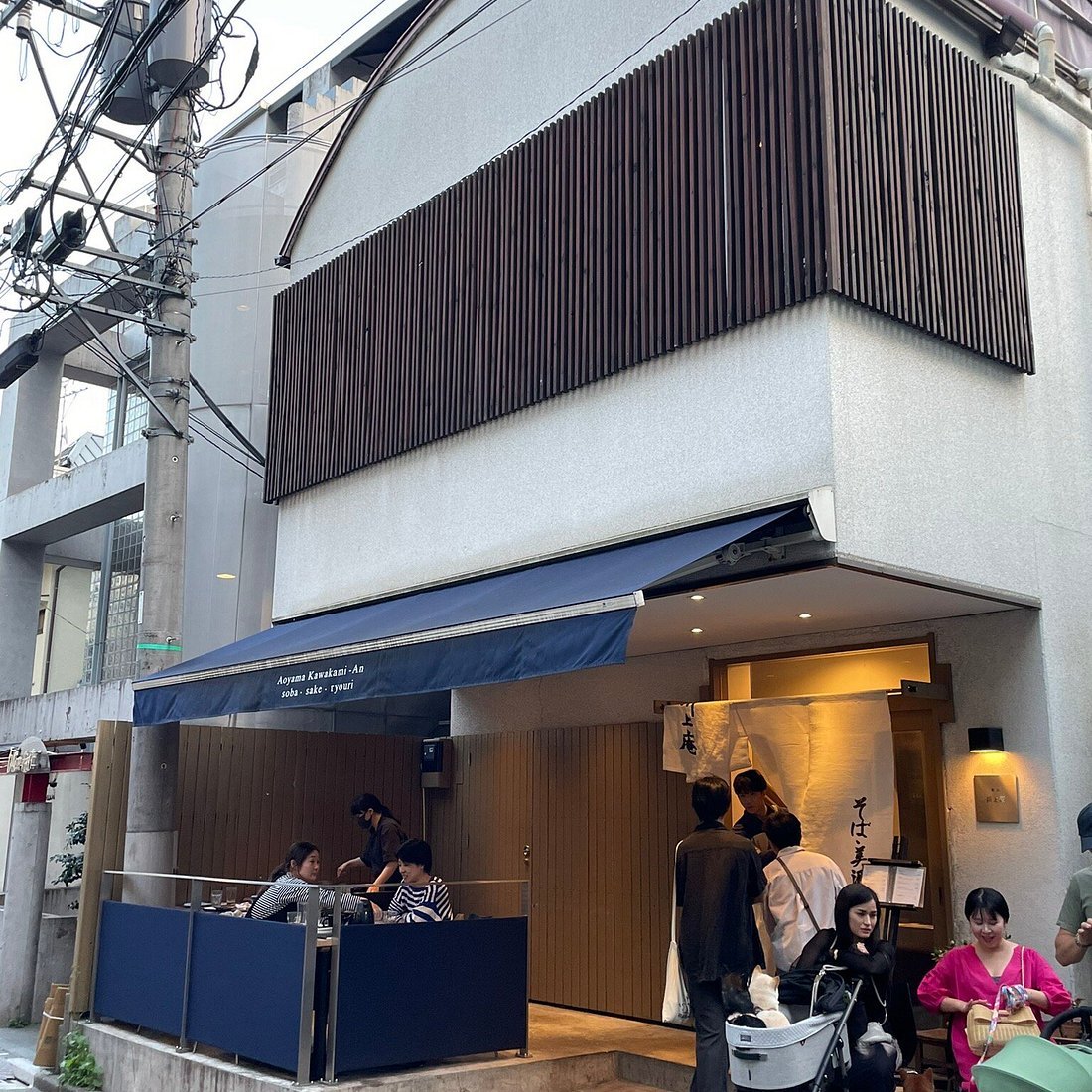
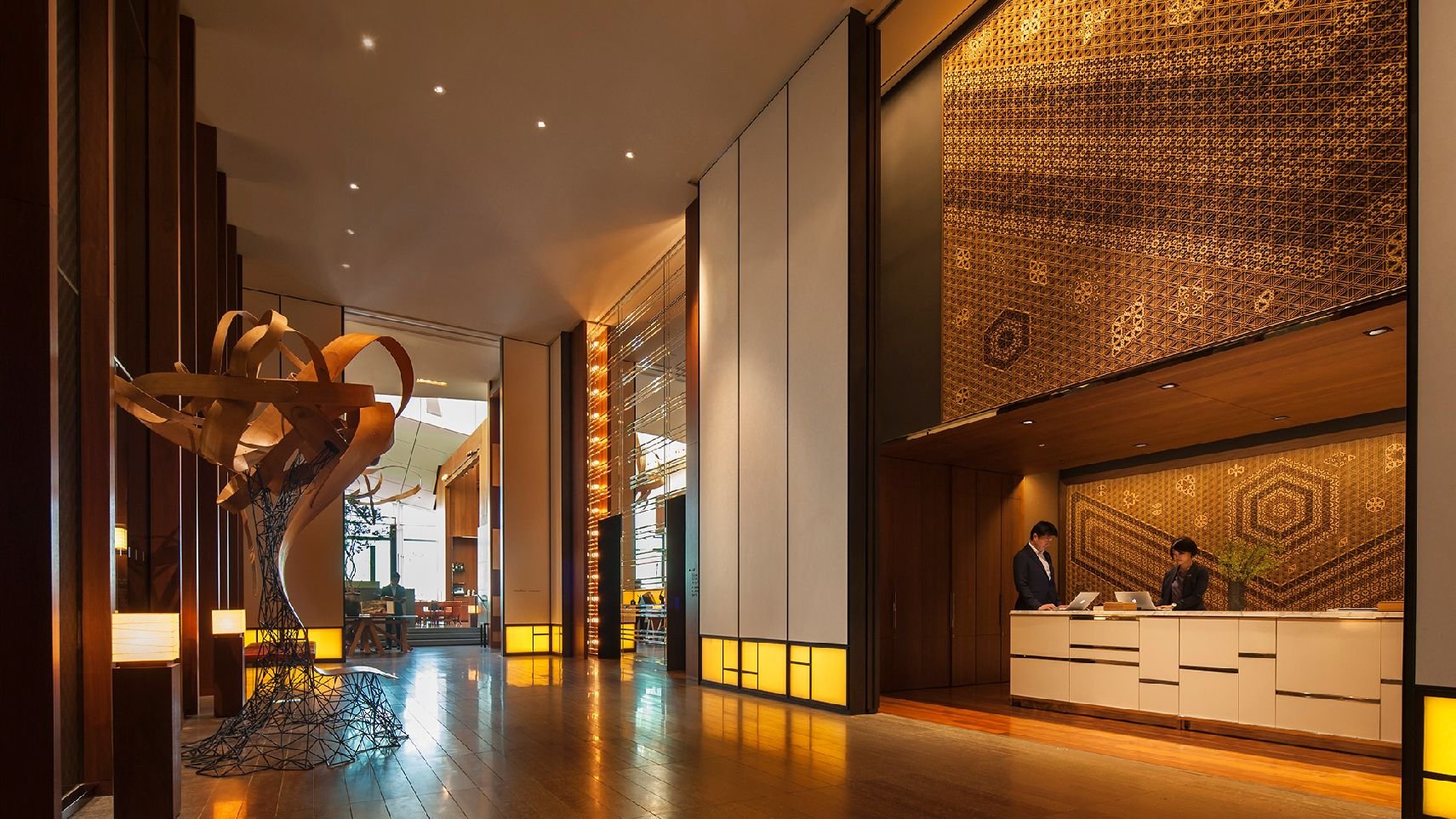
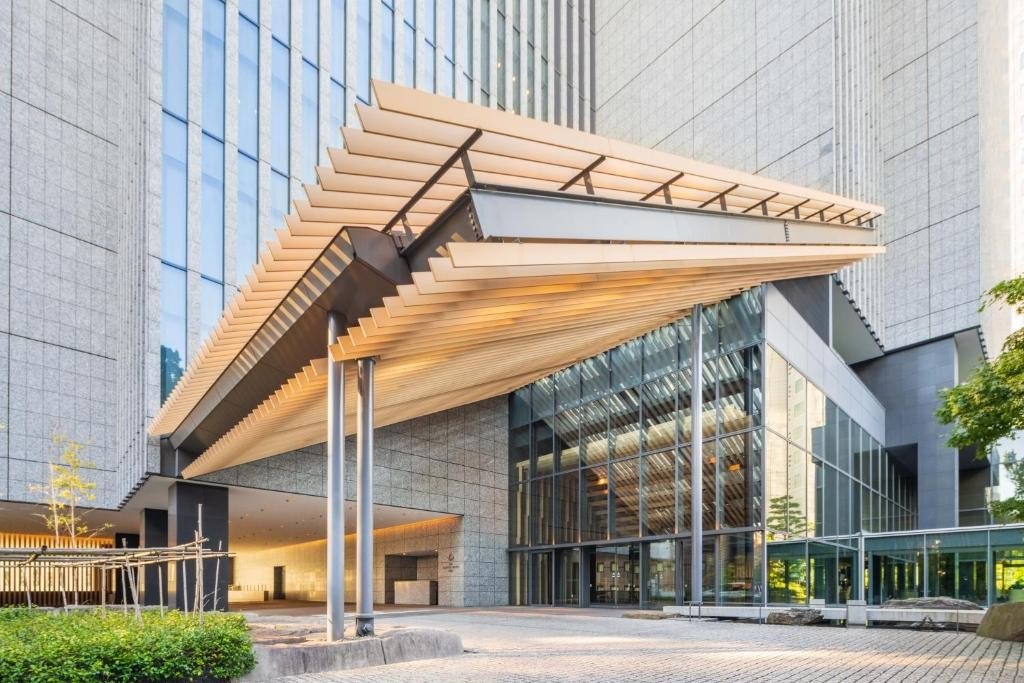
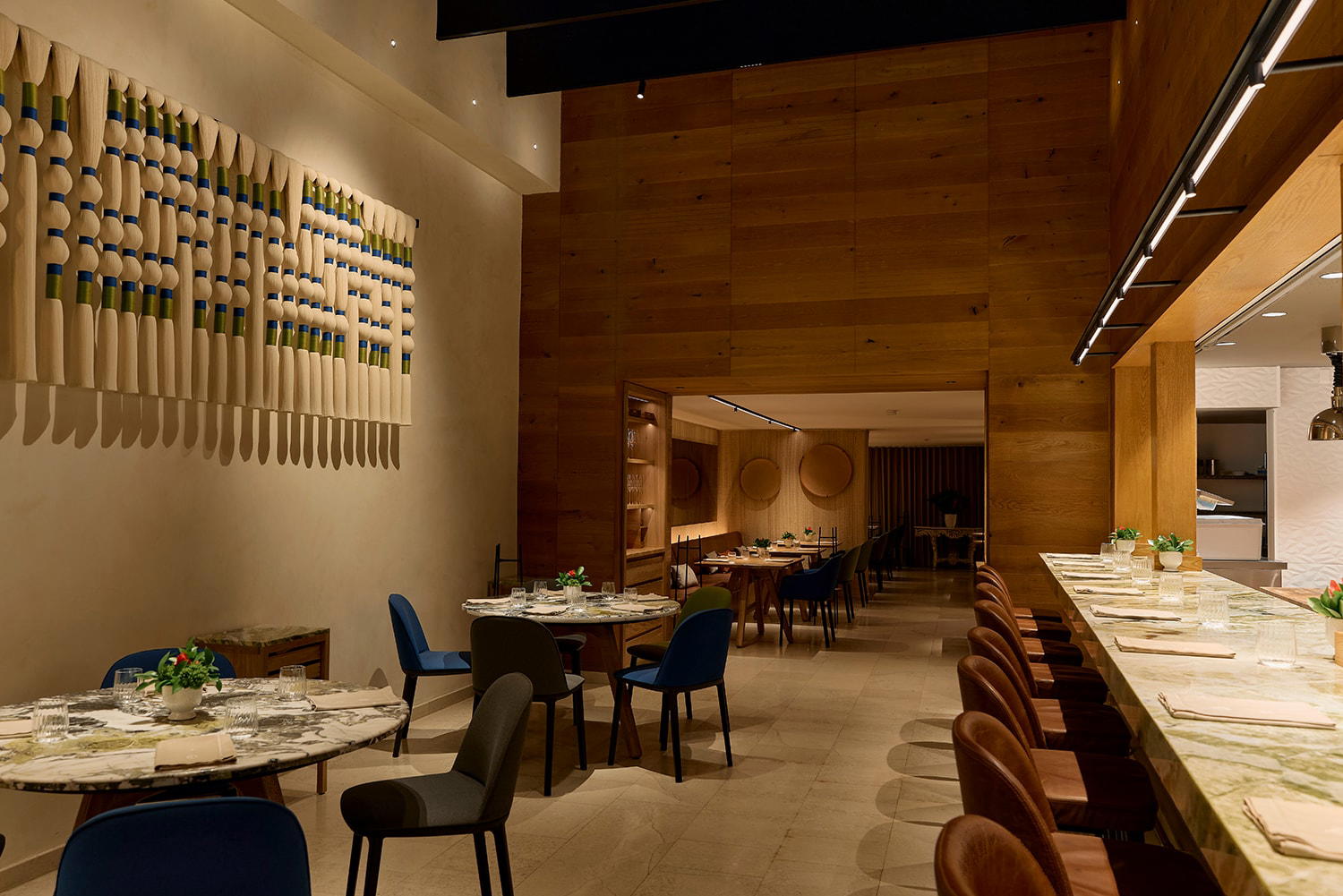
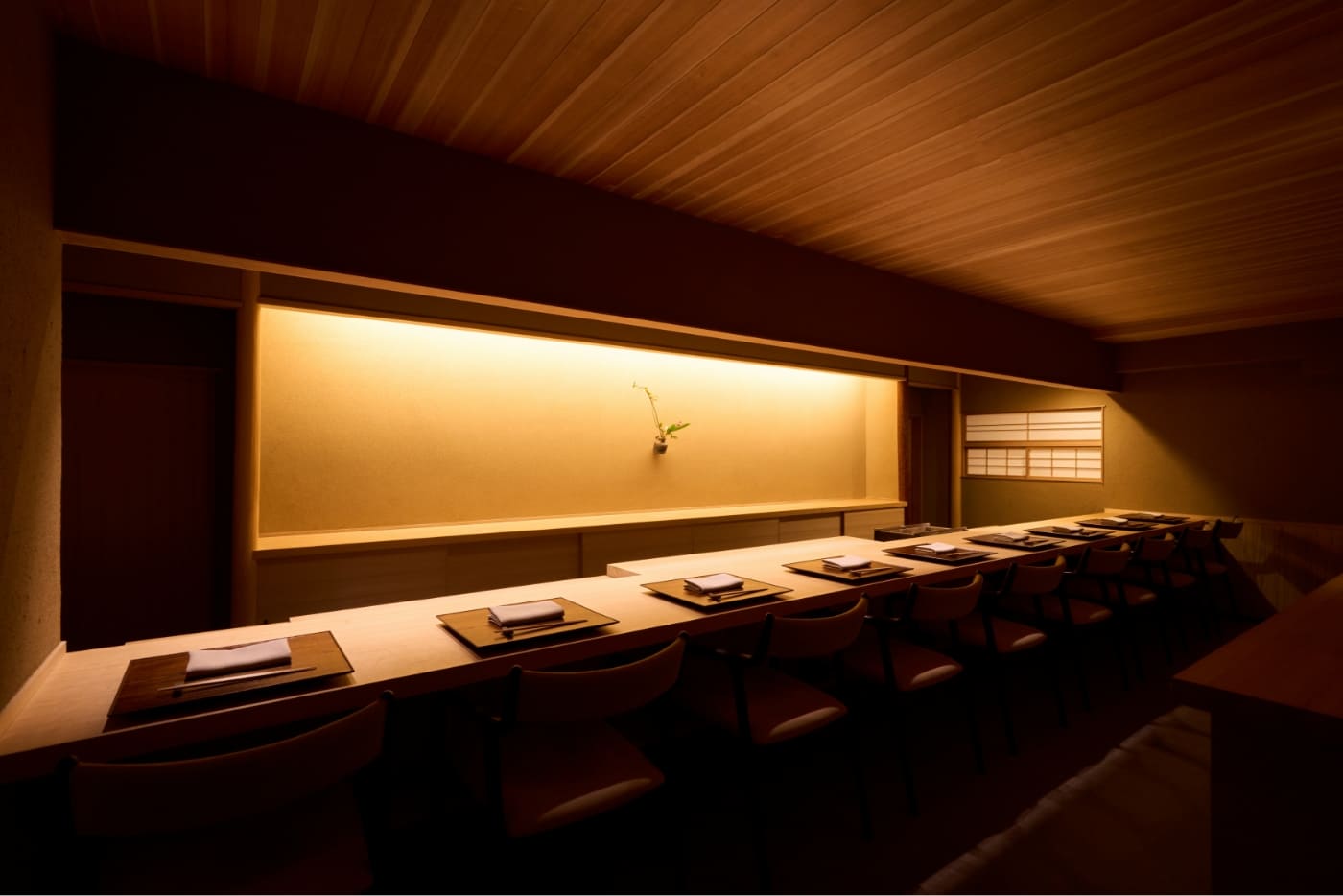
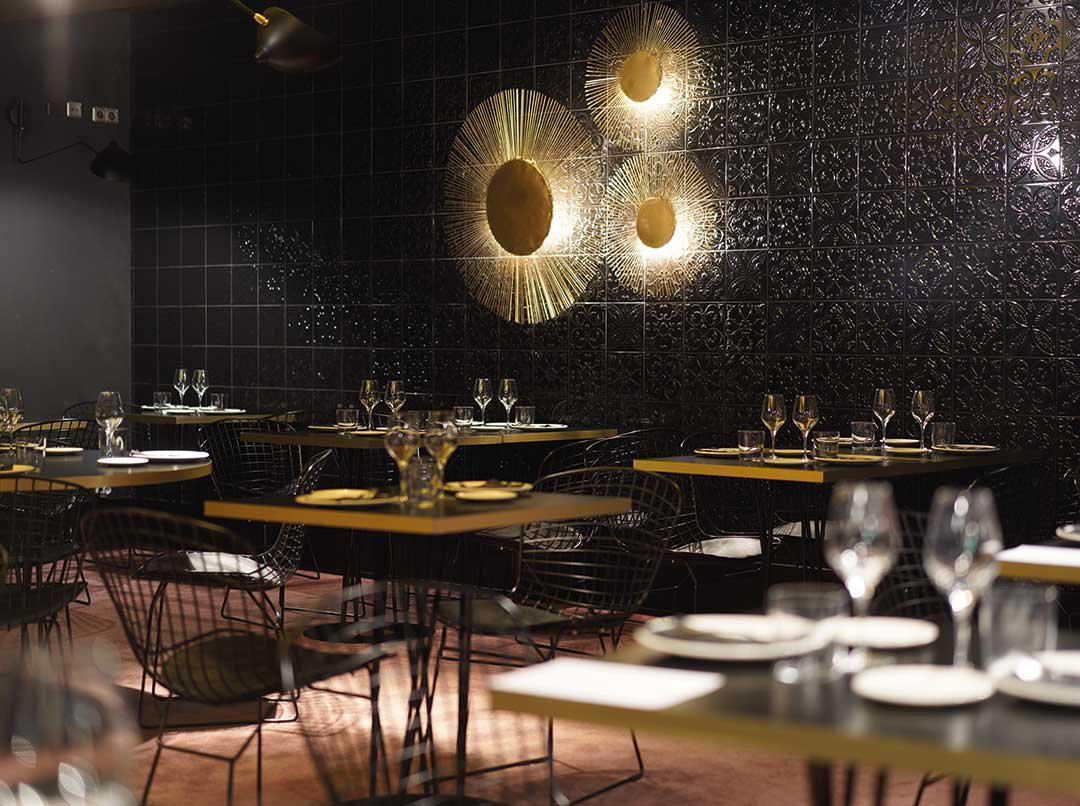
Aoyagi sits in Azabudai, Minato City, one of Tokyo's quieter, more residential pockets that sits apart from the tourist circuits of Ginza and Shinjuku. The address puts you in a low-key building rather than a grand hotel lobby, which sets the tone: this is a room built for the food, not the spectacle. Kaiseki at this level is almost always intimate in scale, expect a compact, carefully arranged space where the distance between you and the kitchen is short, and the pacing is unhurried.
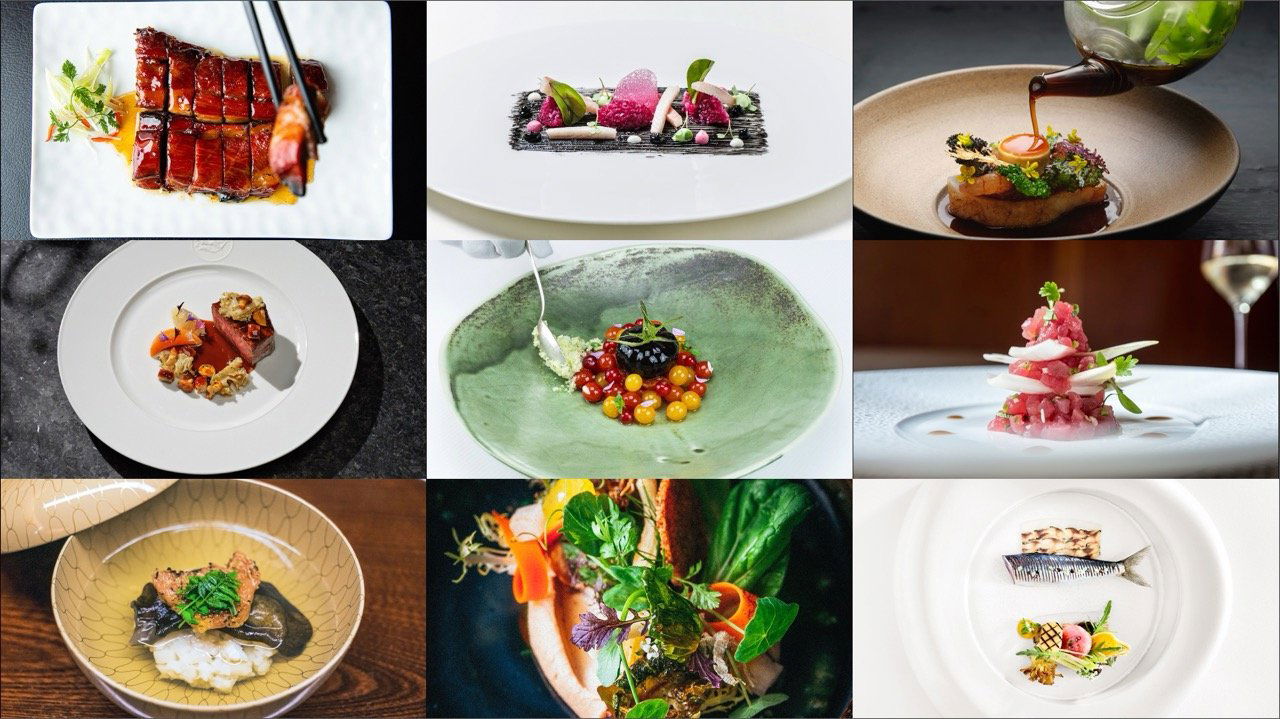
For a returning visitor, the defining reason to come back is the seasonal menu. Kaiseki is, by design, one of the most seasonally committed formats in Japanese dining, dishes shift with the calendar, ingredients are sourced at their peak, and a meal in autumn will look almost nothing like a meal in spring. If your first visit was in cherry blossom season, a return trip in late autumn or winter gives you a substantively different experience: expect mushrooms, persimmon, root vegetables, and warming preparations in place of the lighter, more restrained compositions of spring. The La Liste score has nudged upward year on year, which suggests the kitchen is not resting.
Compared to kaiseki peers in Tokyo, Aoyagi holds its own at the highest tier. RyuGin is the more internationally visible name and tends to draw visiting diners first, but Aoyagi's La Liste positioning places it at a comparable level for those who seek it out. Matsukawa is another benchmark for traditional kaiseki in Tokyo, quieter in profile, similarly serious in execution. If you have done one and not the other, Aoyagi is worth adding to the sequence.
This is not a walk-in crowd.
For context across Japan's kaiseki spectrum, Gion Sasaki in Kyoto and Aca 1° in Kyoto offer strong regional comparisons if your trip takes you beyond Tokyo. Within the city, 東麻布 天本 (Amamoto) is worth knowing if you're weighing sushi against kaiseki for a key meal. And if you're building out a broader trip, see our full Tokyo restaurants guide, Tokyo hotels guide, and Tokyo bars guide for context beyond the dining room.
Know Before You Go
- Cuisine: Japanese Kaiseki
- Location: Azabudai 2-chome, Minato City, Tokyo, a quieter residential address, not a hotel restaurant
- Awards: La Liste 97pts (2026), 96.5pts (2025)
- Booking Difficulty: Easier than comparable venues at this tier, but advance planning is still required
- Leading Time to Book: 3–6 weeks out for weekday tables; 6–8 weeks for weekend evenings
- Seasonal Note: The menu rotates with the calendar, visit in autumn or winter for a substantively different meal than spring or summer
- Nearest Context: Azabudai Hills development nearby; short taxi from Roppongi or Kamiyacho stations
Pearl Picks, More to explore
- Harutaka, Premier sushi in Tokyo for a different format at a similar tier
- L'Effervescence, French kaiseki-influenced tasting menu if you want a Western counterpoint
- Matsukawa, Traditional kaiseki benchmark for direct comparison
- HAJIME in Osaka, Worth the detour if your itinerary reaches Kansai
- Enowa Yufuin, Kaiseki in a ryokan setting, for a complete contrast in format
- Goh in Fukuoka, Regional kaiseki if you're travelling beyond Tokyo
- 1000 in Yokohama, A day-trip alternative with serious credentials
- akordu in Nara, Spanish-Japanese fusion for something outside the kaiseki format entirely
- 6 in Okinawa, For a radically different regional dining experience
- Tokyo experiences guide, Plan what surrounds your meal
- Tokyo wineries guide, If you want to extend the day before dinner
Planning details
- Location
- Japan, 〒106-0041 Tokyo, Minato City, Azabudai, 2 Chome−3−20 麻布台豊栄ビル 1F
- Reservations
- Book on TableCheck
- Website
- aoyagi-group.jp
- Phone
- +81 3-6435-5776
The take
The Take
The Vibe
Aoyagi sits deliberately low-profile on a quiet, residential block of Azabudai, trading visibility for an intimate, understated presence. The restaurant embodies classical kaiseki principles: seasonal precision, ritualized multi-course pacing and close attention to technique. Its location in a first-floor unit and the description of the surrounding streets make clear that this is not a bustling tourist address but a place for those who appreciate a restrained, measured dining experience. The house reads as a calm, refined discovery: a serene, classic kaiseki room that lets the cuisine do the talking.
Best For
This is a destination for diners seeking one of Tokyo's highest-tier kaiseki experiences. La Liste scores and the editorial framing position Aoyagi as a place suited to special-occasion dining and guests who prioritize an exacting, seasonal tasting program. The quiet location and reservation-focused approach mean it attracts discerning visitors rather than casual walk-ins. It’s well matched to occasions that call for formality and attention to detail: thoughtful celebrations and memorable evenings centered on the food itself.
Ordering Tips
Aoyagi follows the reservation-only model common to serious kaiseki houses; book in advance to secure a seat. Expect a multi-course, seasonally driven tasting that represents classical kaiseki structure and technical precision. Given the restaurant’s small, low-profile setting and high standing in rankings, allow ample time for the service and pacing of courses. Treat the meal as a full experience rather than a quick dinner: reservations, punctuality and readiness for a tasting-format service will enhance the visit.
Venue details
Ambiance
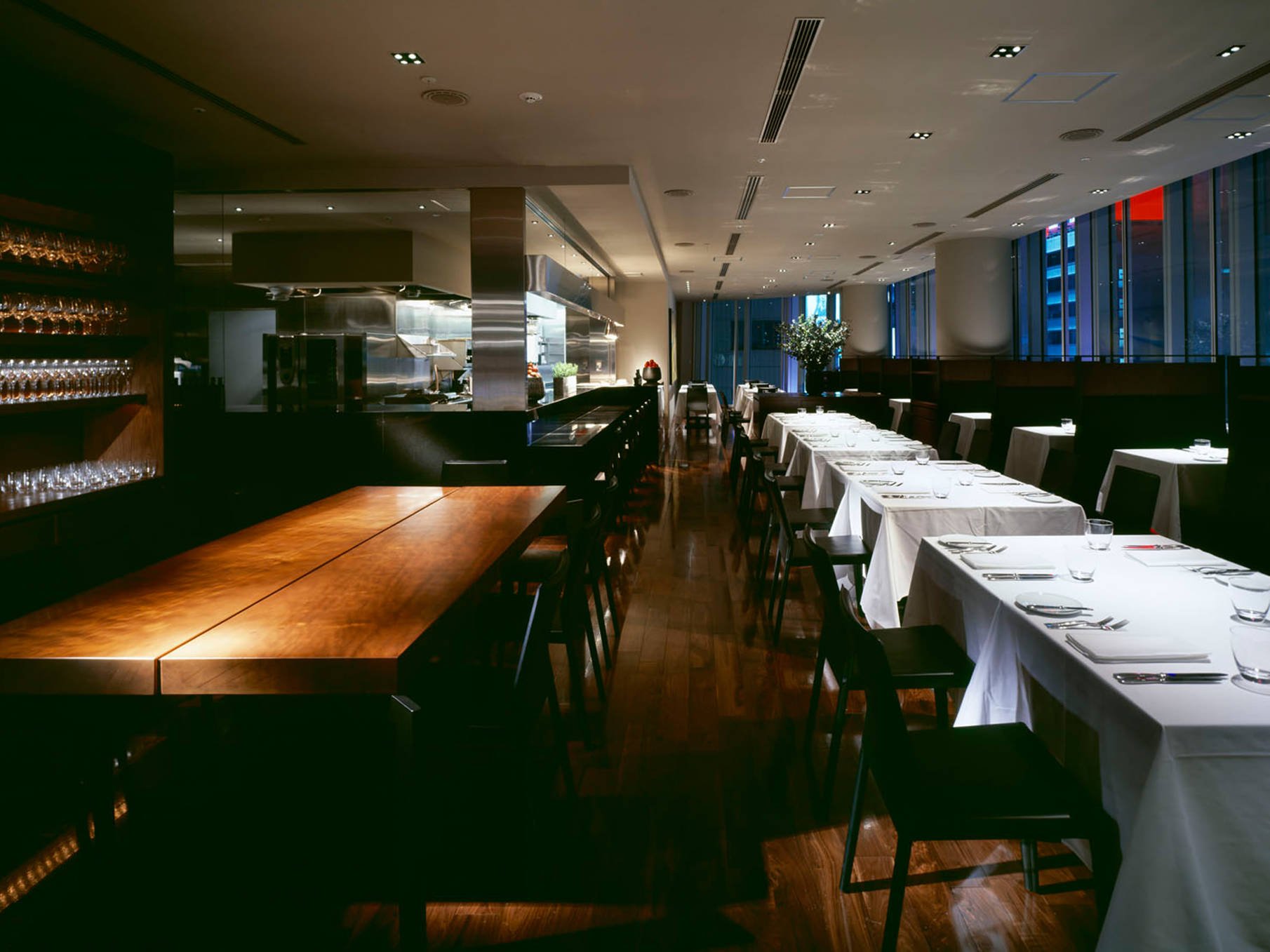
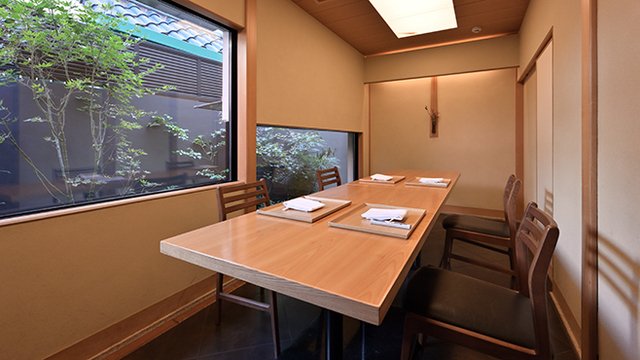
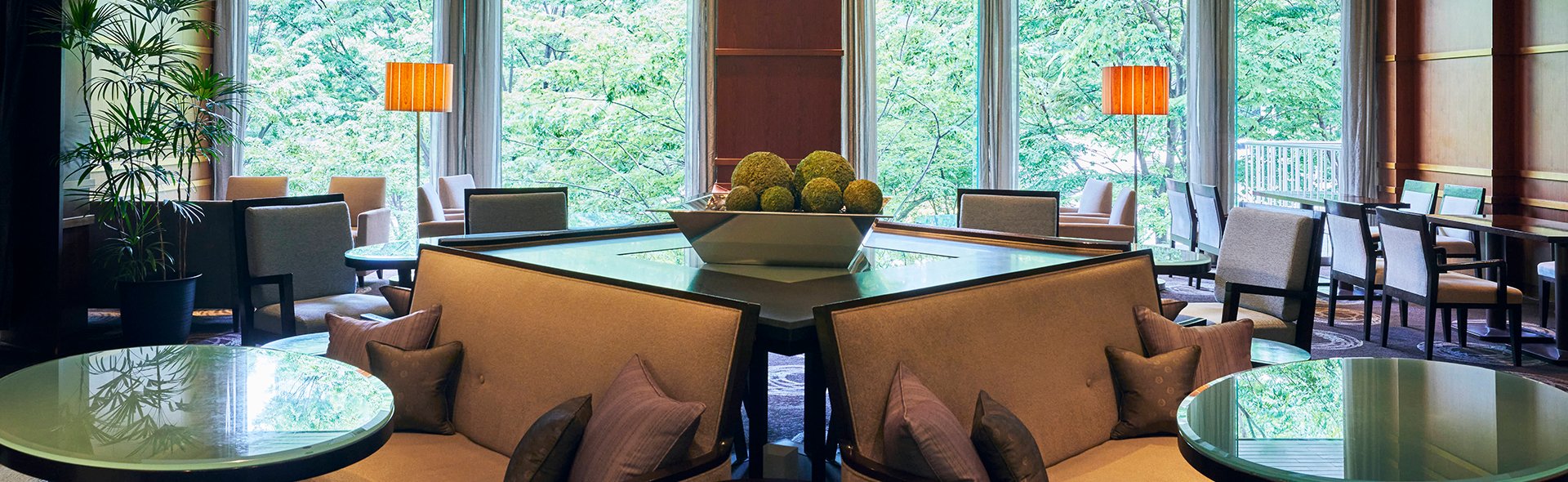
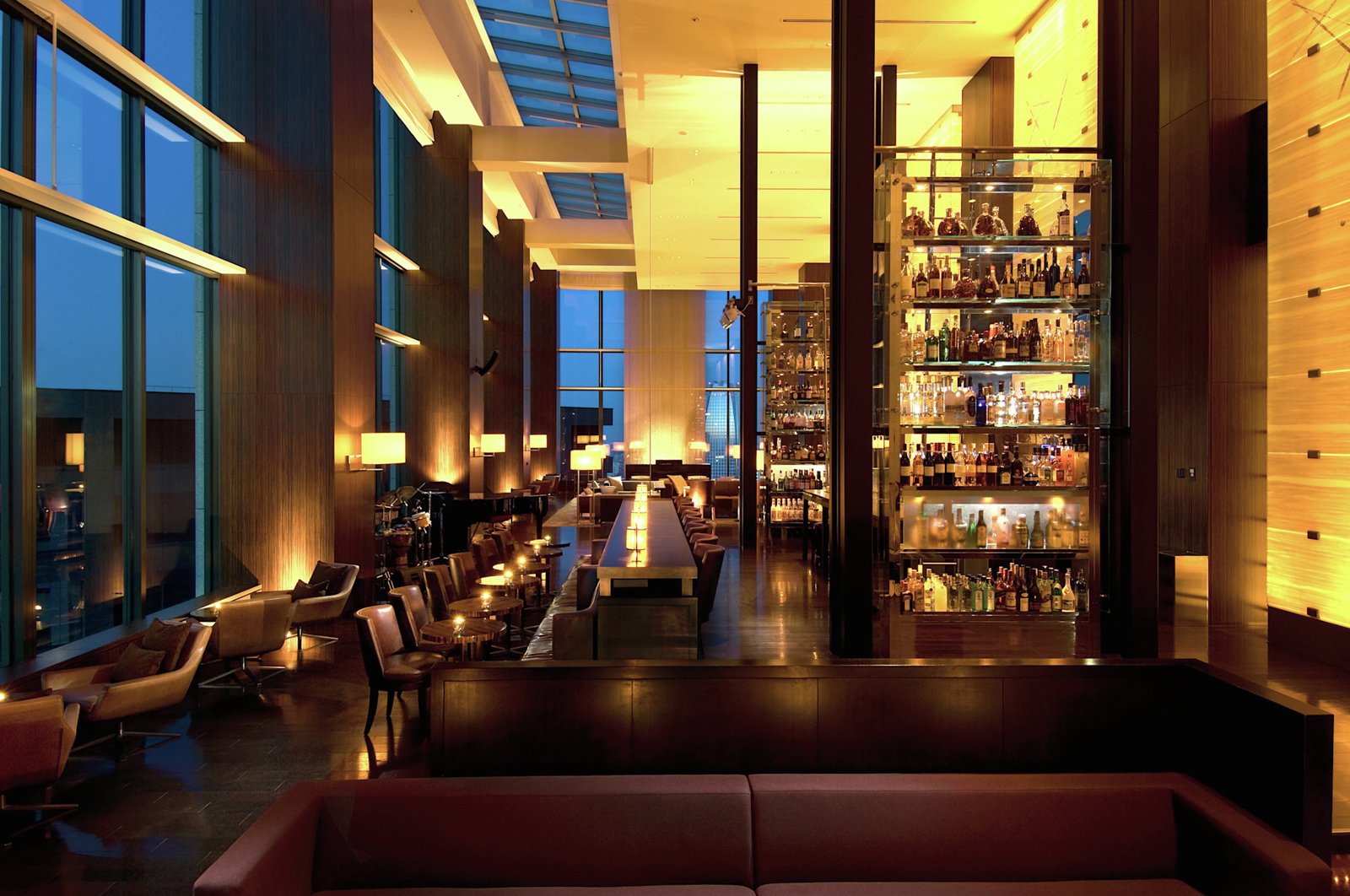
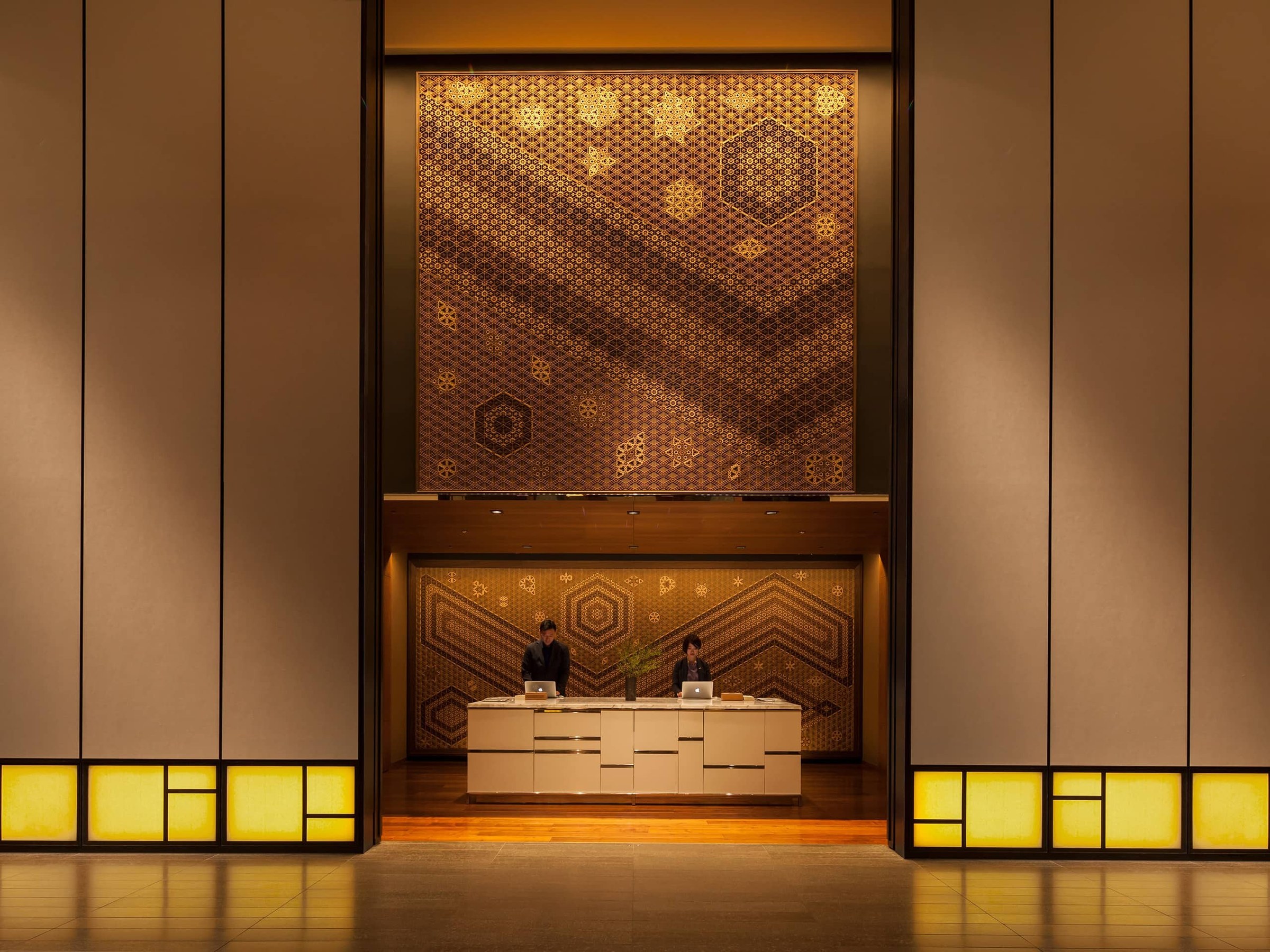
Tranquil and serene with a simplistic, elegant setting featuring intimate counter seating and private rooms.
Tags
Vibe
Best For
Experience
Sourcing
At the Table
- Dress Code
- Smart Casual
- Noise Level
- Quiet
- Service Style
- Formal
- Meal Pacing
- Leisurely
- Capacity
- Intimate
- Kitchen
- Traditional
- Menu Format
- Omakase, Counter dining
- Drinks Focus
- Sake
- Private Dining
- Available
Know before you go
Know Before You Go
- Getting there
- Japan, 〒106-0041 Tokyo, Minato City, Azabudai, 2 Chome−3−20 麻布台豊栄ビル 1F
Planning details
Location
Japan, 〒106-0041 Tokyo, Minato City, Azabudai, 2 Chome−3−20 麻布台豊栄ビル 1F · Directions
Recognition and awards

Also consider
Also Consider
- Harutaka: Sushi, ¥¥¥¥
- RyuGin: Kaiseki, Japanese, ¥¥¥¥
- L'Effervescence: French, ¥¥¥¥
- HOMMAGE: Innovtive French, French, ¥¥¥¥
- Florilège: French, ¥¥¥
Restaurant context
At the top of Tokyo's kaiseki tier, RyuGin is the most internationally recognised name and the easier first booking for visitors who want a known quantity: it has stronger global press, and reservations through international platforms are more straightforward. Aoyagi, with a marginally higher La Liste score in 2026 (97 vs RyuGin's positioning), is the choice for diners who want to move past the marquee names and into the rooms that Tokyo's own serious eaters return to. If you've done RyuGin and want a direct comparison at the same tier, Aoyagi is the logical next step.
If you're weighing kaiseki against other tasting-menu formats, L'Effervescence and HOMMAGE offer French-led tasting menus at ¥¥¥¥ pricing and are easier to navigate for diners less familiar with kaiseki's conventions. Florilège comes in at ¥¥¥ and delivers strong value for the tier if budget is a factor. None of these are direct substitutes for kaiseki, the format and philosophy are different, but for a single high-commitment dinner, they compete for the same slot in your itinerary.
For a sushi alternative at a comparable spend, Harutaka is the counter-seat experience to know: shorter in duration than kaiseki, higher intensity, and slightly easier to book at short notice. The decision between Harutaka and Aoyagi comes down to format preference: omakase sushi versus a full seasonal kaiseki progression. Both sit at ¥¥¥¥ and both deliver at the level their reputations suggest.
Explore Tokyo
Around this place
Discover more on Pearl
Unlock the full Aoyagi - 青柳 guide in Pearl, including awards, comparisons, FAQs, planning details, and nearby places.
Compare Aoyagi - 青柳
| Venue | Cuisine | Awards | Booking Difficulty |
|---|---|---|---|
| Aoyagi - 青柳 | Japanese Kaiseki | 2026 La Liste Top Restaurants2025 La Liste Top Restaurants | Easy |
| Harutaka | Sushi | 2026 Tabelog Silver · #312026 OAD Top Restaurants in Japan Ranked · #1282026 Michelin 3 Stars2026 La Liste Top RestaurantsTabelog 100 - Sushi - TOKYO - 2025 · #372025 Asia's 50 Best Restaurants · #762025 OAD Top Restaurants in Japan Ranked · #1172025 La Liste Top Restaurants2025 Tabelog Bronze | Unknown |
| RyuGin | Kaiseki, Japanese | 2026 OAD Top Restaurants in Japan Ranked · #802026 Tabelog Bronze · #3772026 Michelin 3 Stars2026 La Liste Top RestaurantsTabelog 100 - Japanese cuisine - TOKYO - 2025 · #212025 OAD Top Restaurants in Japan Ranked · #542025 Michelin 3 Stars2025 La Liste Top Restaurants2025 The Best Chef Three Knives | Unknown |
| L'Effervescence | French | 2026 Tabelog Silver · #682026 OAD Top Restaurants in Japan Ranked · #103Star Wine Lists 20262026 Black Pearl 2 Diamond2026 Relais Chateaux Restaurants2026 La Liste Top Restaurants2026 Michelin 3 Stars2025 Asia's 50 Best Restaurants · #692025 OAD Top Restaurants in Japan Ranked · #92 | Unknown |
| HOMMAGE | Innovtive French, French | 2026 Tabelog Bronze · #1232026 OAD Top Restaurants in Japan Highly Recommended2026 Michelin 2 StarsTabelog 100 - French - TOKYO - 2025 · #762025 Asia's 50 Best Restaurants · #782025 OAD Top Restaurants in Japan Ranked · #1752025 Michelin 2 Stars2025 The Best Chef One Knife2025 La Liste Top Restaurants | Unknown |
| Florilège | French | 2026 Asia's 50 Best Restaurants · #312026 Tabelog Bronze · #712026 OAD Top Restaurants in Japan Ranked · #1242026 Black Pearl 1 Diamond2026 Michelin 2 Stars2026 La Liste Top RestaurantsJapan's Best Restaurant 20262025 Asia's 50 Best Restaurants · #172025 World's 50 Best Restaurants · #36 | Unknown |













What to weigh when choosing between Aoyagi - 青柳 and alternatives.
FAQ
Frequently Asked Questions
What should I order at Aoyagi - 青柳?
Kaiseki is a set-course format, so ordering is not on the table: the kitchen decides the progression. At a venue scoring 97 points on La Liste 2026, the seasonal structure is the whole point. Trust the menu as presented; this is not a restaurant where you customise or request substitutions lightly.
Does Aoyagi - 青柳 handle dietary restrictions?
Kaiseki menus are built around seasonal ingredients selected well in advance, which makes last-minute dietary changes difficult. Disclose allergies and restrictions clearly when booking: not at the door. Aoyagi's La Liste standing suggests a kitchen serious enough to accommodate genuine medical requirements with sufficient notice, but vegetarian or vegan requests may fundamentally conflict with the kaiseki format.
Can I eat at the bar at Aoyagi - 青柳?
No bar seating is documented for Aoyagi. Traditional kaiseki venues in Tokyo are typically counter or table-only, with the counter being the preferred seat for watching the kitchen.
How far ahead should I book Aoyagi - 青柳?
Book at minimum four to six weeks out, and longer for weekend seatings or during peak Tokyo travel periods (cherry blossom in March–April, autumn foliage in November). A 97-point La Liste ranking in 2026 draws international attention, and kaiseki venues at this tier rarely hold walk-in capacity. If your dates are fixed, book before you fly.
What should a first-timer know about Aoyagi - 青柳?
Kaiseki is a multi-course progression meal rooted in seasonality and restraint: pacing is slow and intentional, so plan for two or more hours at the table. Aoyagi sits in Azabudai, Minato City, away from Tokyo's tourist corridors, so factor in travel time. Its consecutive La Liste placements (96.5 points in 2025, 97 in 2026) indicate consistent quality, not a one-year spike.
What should I wear to Aoyagi - 青柳?
Smart attire is the floor. Kaiseki restaurants at La Liste's 97-point tier expect guests to dress to the occasion: jackets for men are a safe default, and anything visibly casual is likely to feel out of place. When in doubt, err toward formal rather than relaxed.