
Akasaka Shimabukuro
Japanese · Minato, Tokyo
Restaurant in Tokyo, Japan
 Book with Pearl
The Read
Broth-Centred Kaiseki Craft
Dress
Smart Casual
Why go
Akasaka Shimabukuro holds a Michelin star (2026) and sits at the ¥¥¥¥ tier without the punishing wait lists of Tokyo's starred rooms. The menu is built around technically precise dashi work and native-buckwheat juwari soba, making it a strong choice for food-focused travellers who want genuine Japanese tasting menu craft and can book with shorter lead times.
About Akasaka Shimabukuro
Verdict: A Michelin-Recognised Kaiseki Course in Akasaka Worth Booking at ¥¥¥¥
At the ¥¥¥¥ price tier, Akasaka Shimabukuro is the kind of restaurant you book when you want a Japanese tasting menu built around genuine craft rather than spectacle. Two consecutive Michelin Plates (2024 and 2025) confirm it sits in respected company without requiring the months-long wait lists that surround Tokyo's three-starred rooms. For food-focused travellers who want depth over prestige, this Motoakasaka address is worth the spend.
The Tasting Menu: How the Meal is Built
The architecture of a meal at Akasaka Shimabukuro follows a logic that is as much philosophical as it is culinary. The Michelin recognition specifically calls out the wanmono course — a clear broth made from shaved bonito flakes — as a defining moment. In kaiseki, the wanmono is considered one of the most technically demanding preparations: a soup that demands precision in dashi construction and temperature, with almost no fat or complexity to mask errors. A clean, mellow broth here is a signal of serious kitchen discipline.
What distinguishes this menu from the standard kaiseki progression is the soba work. Soba with dried mullet roe appears between courses, not as an afterthought but as a deliberate palate interlude, and juwari soba (100% buckwheat, no wheat binder) closes the meal. Both preparations use native buckwheat species, which is a meaningful distinction: juwari soba made with indigenous grain has a more assertive, earthy flavour profile than the blended versions served at most restaurants. It is also structurally fragile and harder to work, which makes the choice a statement of intent. For a diner interested in tracing the full arc of a Japanese tasting menu, the soba sequence gives Shimabukuro a closing chapter that most comparable rooms do not offer.
The wall calligraphy reading go-en, personal connections, is not decorative philosophy. It describes a hospitality approach that shapes the meal from first course to last. The chef's framing, drawn from the Chinese character for 'food' combining the concepts of 'person' and 'good', positions every dish as an expression of a relationship with the guest. That is language you will find at many high-end Japanese restaurants, but here it maps onto a menu that is genuinely designed around restraint and consideration rather than maximalism.
What to Expect Right Now
Akasaka Shimabukuro is located in Motoakasaka, Minato City, a quieter pocket of central Tokyo that sits between the political weight of Akasaka and the residential calm of Aoyama. For autumn and winter dining, the clear broth preparations and warming soba closer are particularly well-suited to the season. If you are planning a Tokyo trip around the cooler months, this is a menu whose warmth and structure rewards the timing.
That points to an intimate setting where service attention per table should be high.
Booking
Booking difficulty is rated Easy by Pearl standards. Unlike many of Tokyo's ¥¥¥¥ tasting rooms, Akasaka Shimabukuro does not require weeks of advance planning or a local intermediary. That makes it a practical option if you are building a Tokyo itinerary with shorter lead times. Book directly through standard reservation channels or via a hotel concierge. Phone and website details are not held in the Pearl database at this time, so confirm hours and reservation policy before finalising.
How It Compares
See the comparison section below for how Akasaka Shimabukuro sits against RyuGin, Harutaka, and others in Tokyo's leading dining tier.
Pearl Picks: More Tokyo Dining Worth Considering
If Akasaka Shimabukuro is on your list, these Tokyo rooms are worth stacking into the same trip. Myojaku and Azabu Kadowaki both operate in the refined Japanese register. Kagurazaka Ishikawa is the choice if you want a kaiseki room with a longer critical track record. Ginza Fukuju and Jingumae Higuchi round out the mid-to-upper tier for Japanese cuisine across the city. For a broader view of where to eat, drink, and stay, see our full Tokyo restaurants guide, our full Tokyo hotels guide, our full Tokyo bars guide, our full Tokyo wineries guide, and our full Tokyo experiences guide.
If you are travelling beyond Tokyo and want to compare the kaiseki standard across Japan, Gion Sasaki in Kyoto and Isshisoden Nakamura in Kyoto set the benchmark in that city. In Osaka, HAJIME and Kashiwaya Osaka Senriyama are the rooms to consider. Further afield, akordu in Nara, Goh in Fukuoka, 1000 in Yokohama, and 6 in Okinawa each offer a different angle on the fine dining spectrum across Japan.
Planning details
- Location
- 1 Chome-5-3 Motoakasaka, Minato City, Tokyo 107-0051, Japan
- Website
- motoakasaka-sako.com
- Phone
- +81 3-5410-1919
The take
The Take
The Vibe
Akasaka Shimabukuro sits quietly off Motoakasaka’s main drags, rewarding diners who seek a composed, technically exact expression of contemporary washoku. The writing highlights the kitchen’s disciplined approach—exemplified by a wanmono broth described as clear and mellow—and frames the restaurant within Tokyo’s dense constellation of high‑caliber kitchens. Its consecutive Michelin Plate recognitions and near‑perfect online ratings underline a consistent, understated excellence rather than showy theatricality. Expect a restrained, focused experience: the neighborhood’s hush and the cuisine’s attention to detail make the room feel contemplative and quietly refined.
Best For
This is a dinner destination for people who prize craft and restraint over flash. The restaurant’s place in the Michelin Plate tier and its emphasis on traditional kaiseki elements make it a strong choice for business dinners and special occasions where culinary precision matters. It also suits diners who enjoy seeking out quieter, less trafficked spots in Tokyo rather than mainstream tourist draws. The overall tone is low‑key and intentional—best appreciated by guests who want to focus on technique, seasonality, and the composition of a multi‑course Japanese progression.
Ordering Tips
Allow the kitchen’s progression to lead the meal and pay attention to the wanmono (soup) when it arrives—writing singles out the clear dashi as a revealing expression of the kitchen’s technique. Flavors lean toward subtlety and balance rather than overt seasoning, so favor tasting sequences or the set progression to experience the intended contrasts. Given the restaurant’s reputational focus on consistency and technical control, approach the meal expecting precision: savor the broth’s clarity, note the restraint in seasoning, and treat the courses as a connected narrative rather than picking isolated dishes.
Venue details
Ambiance
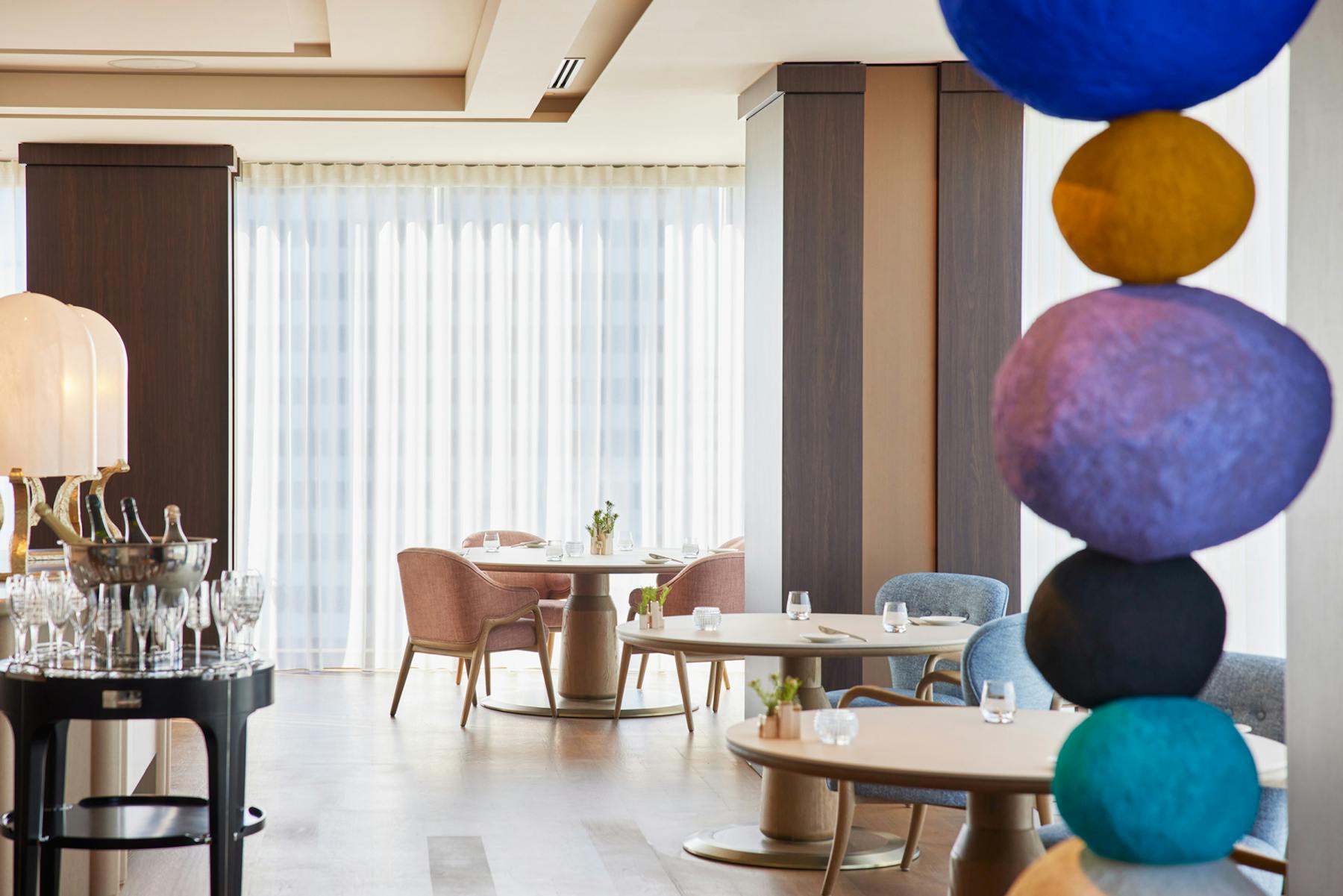
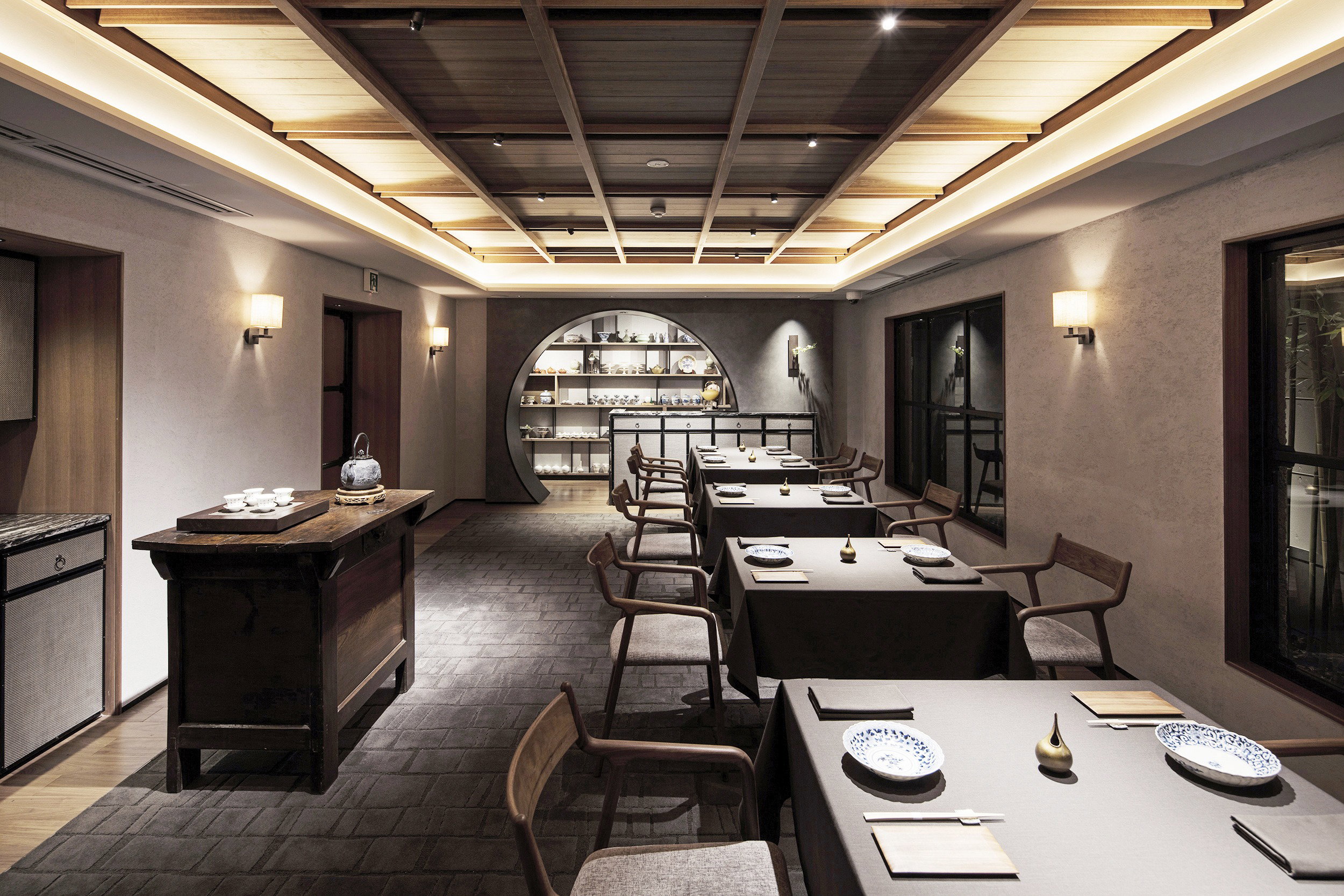
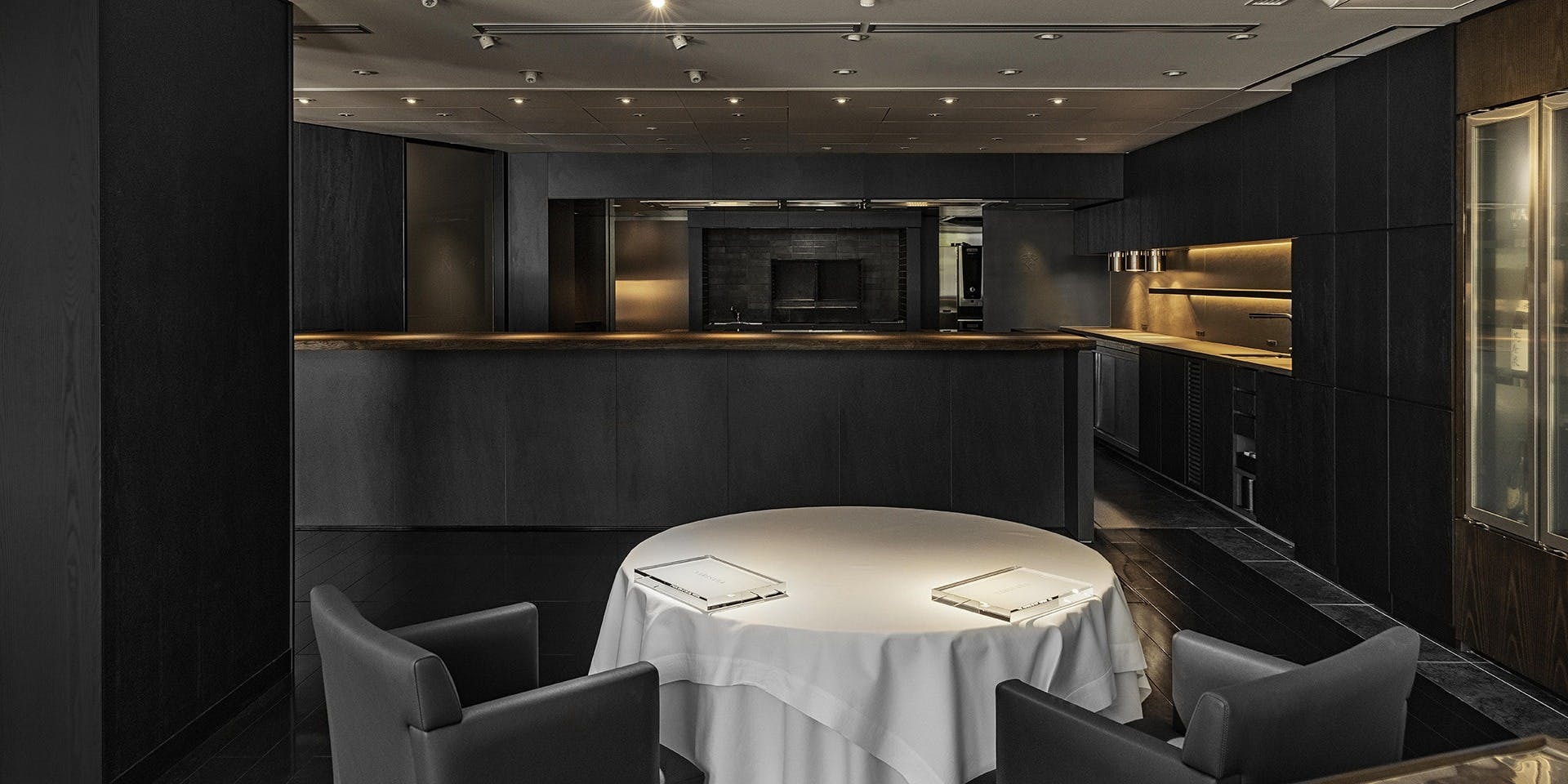
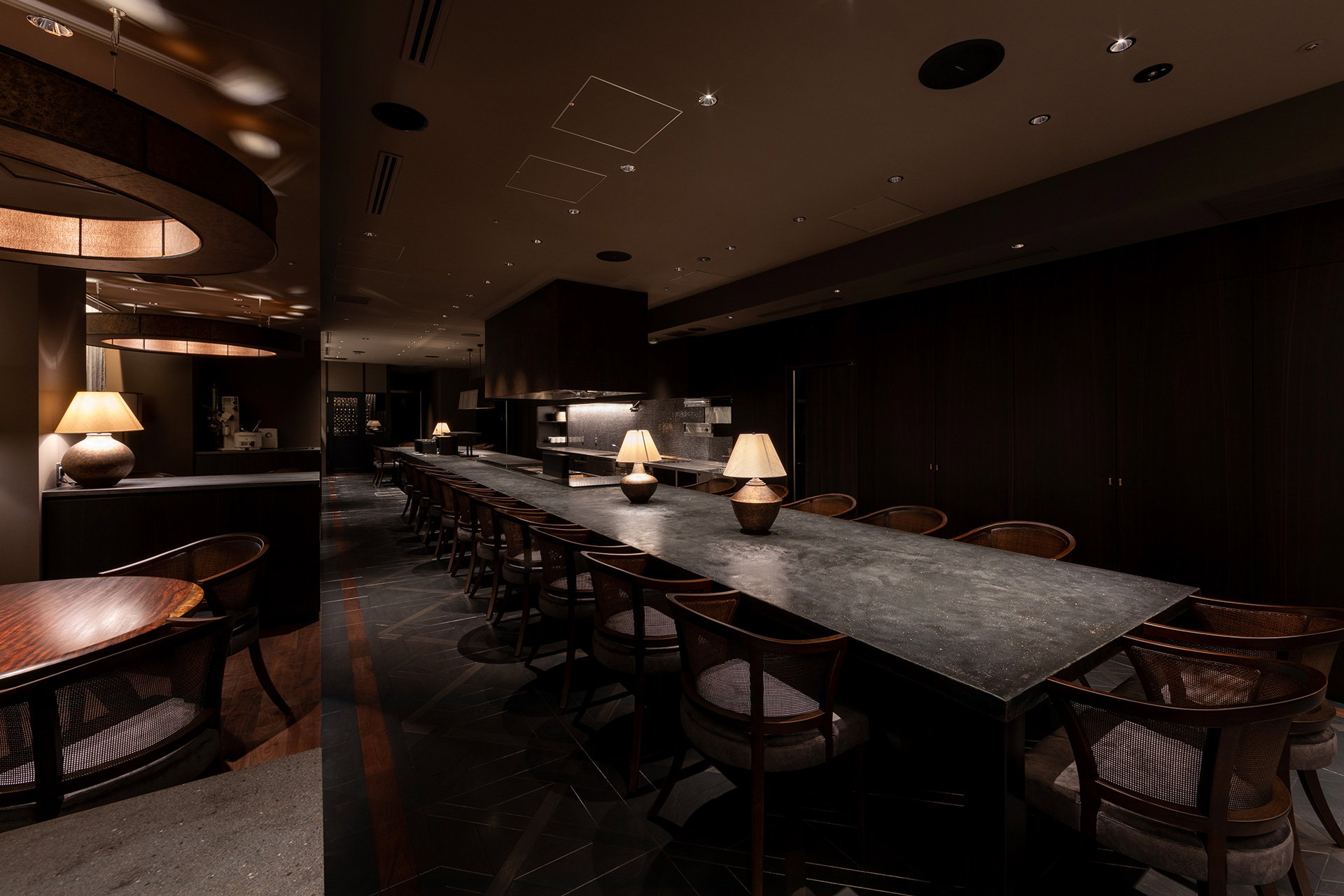
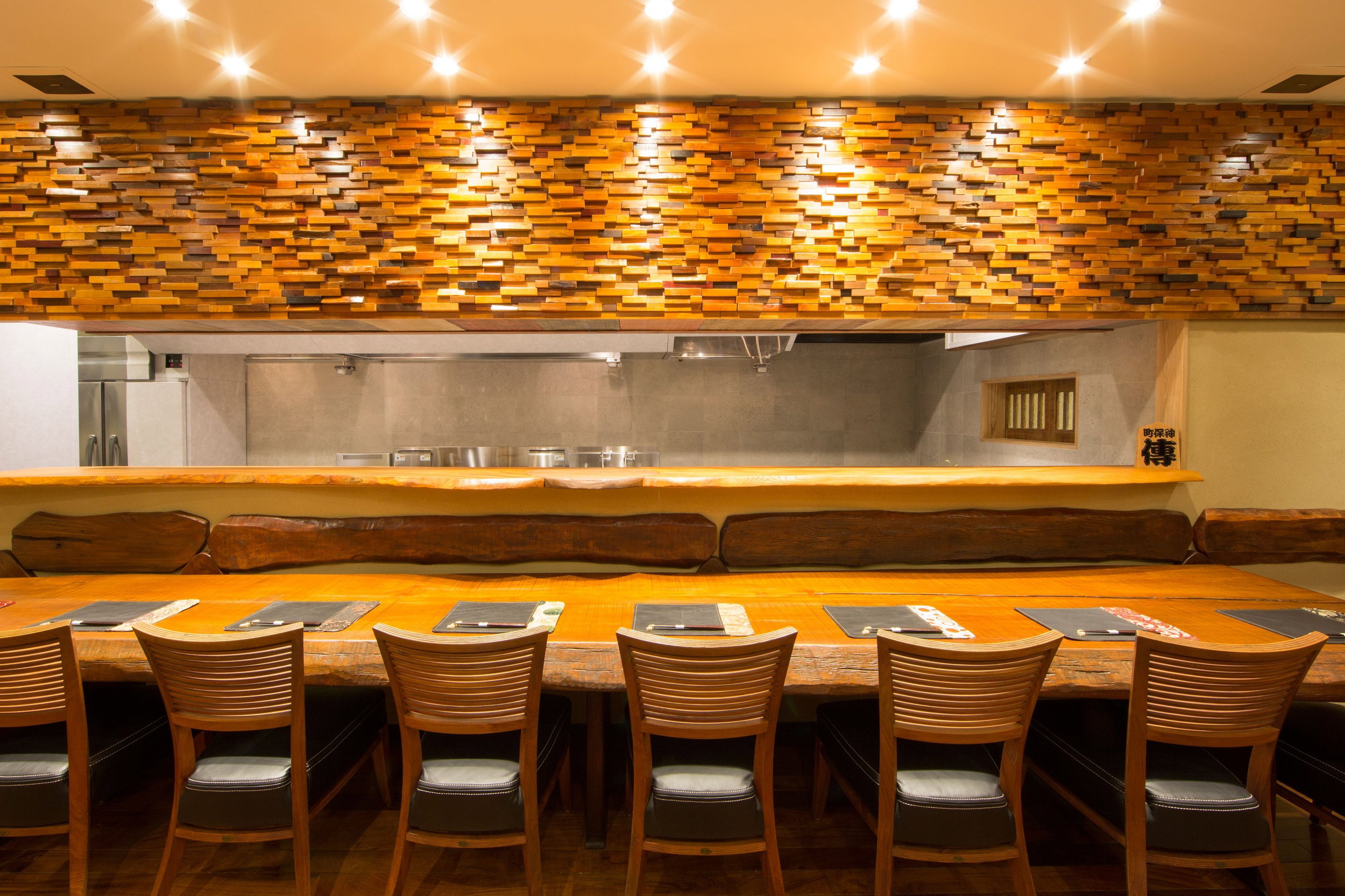
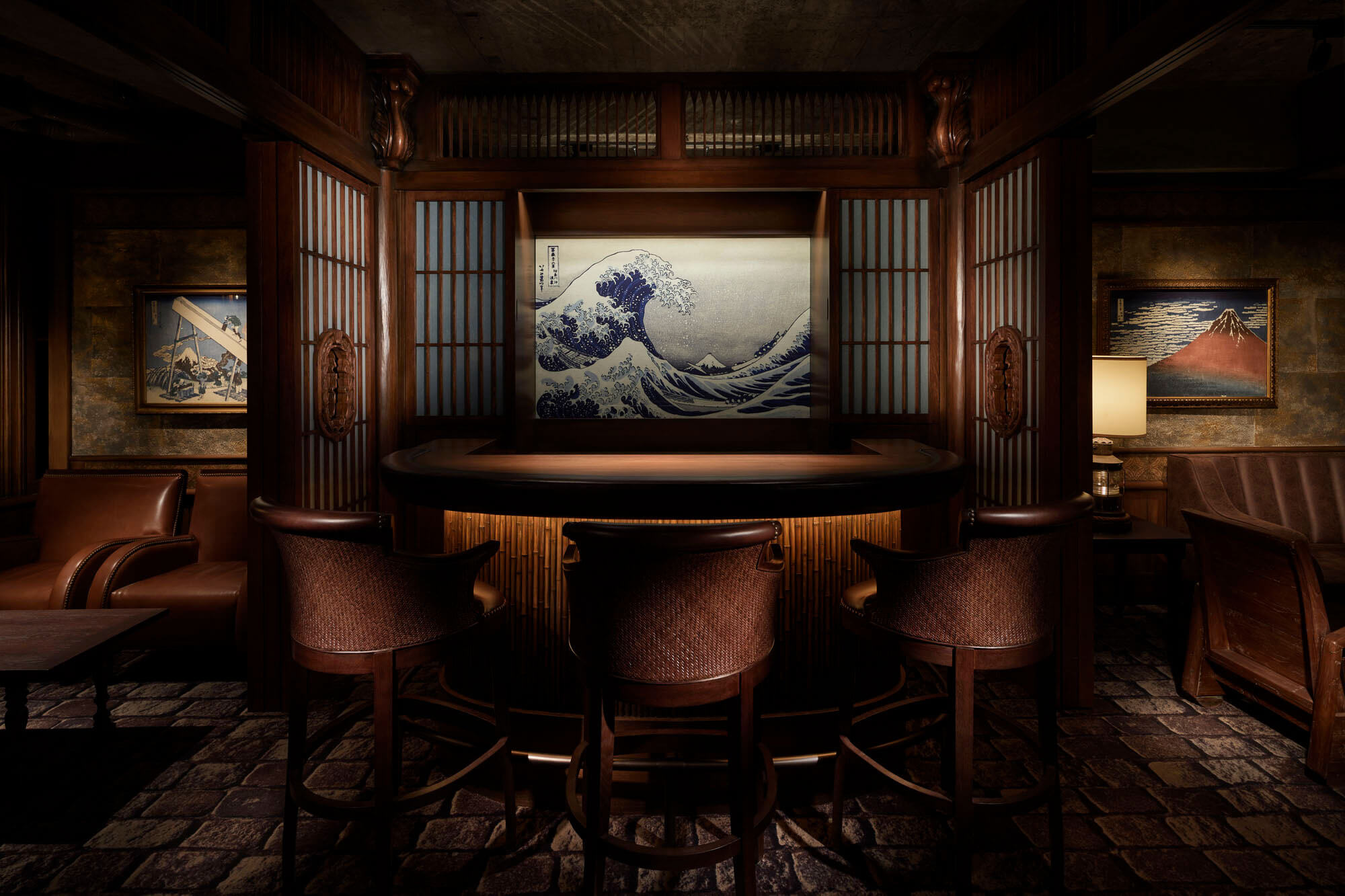
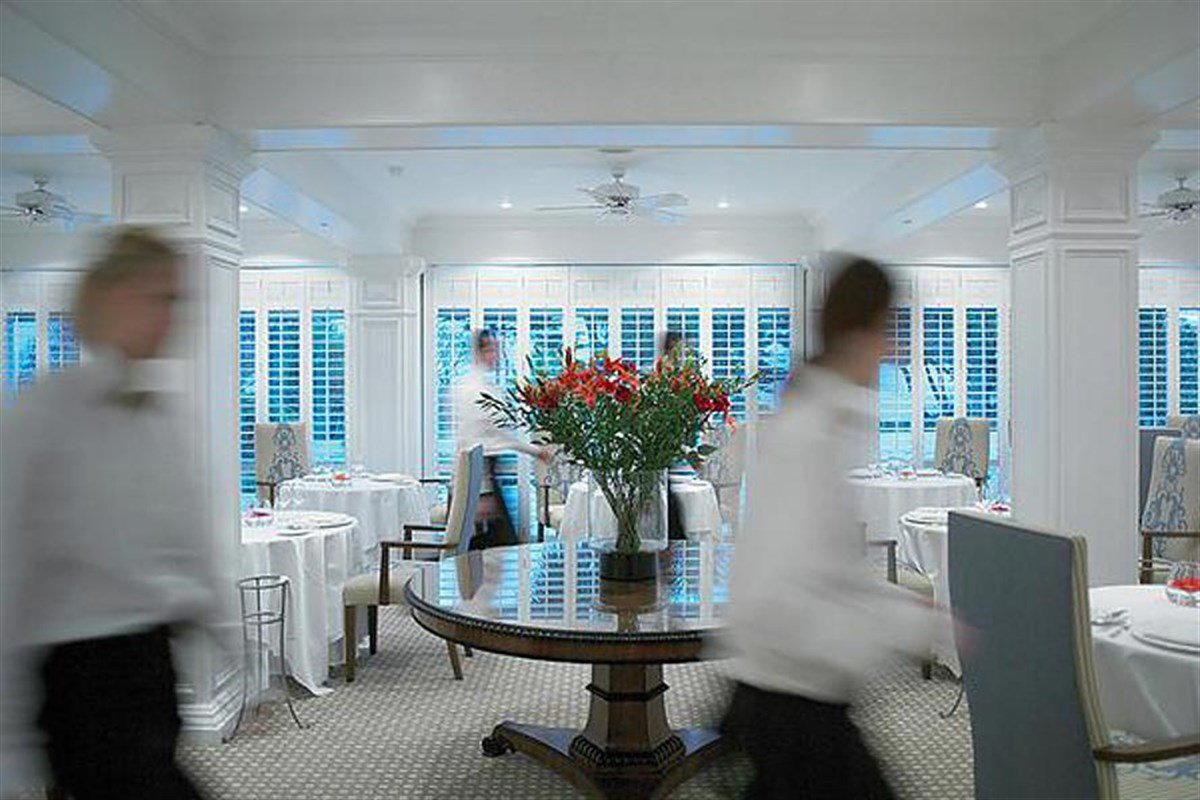
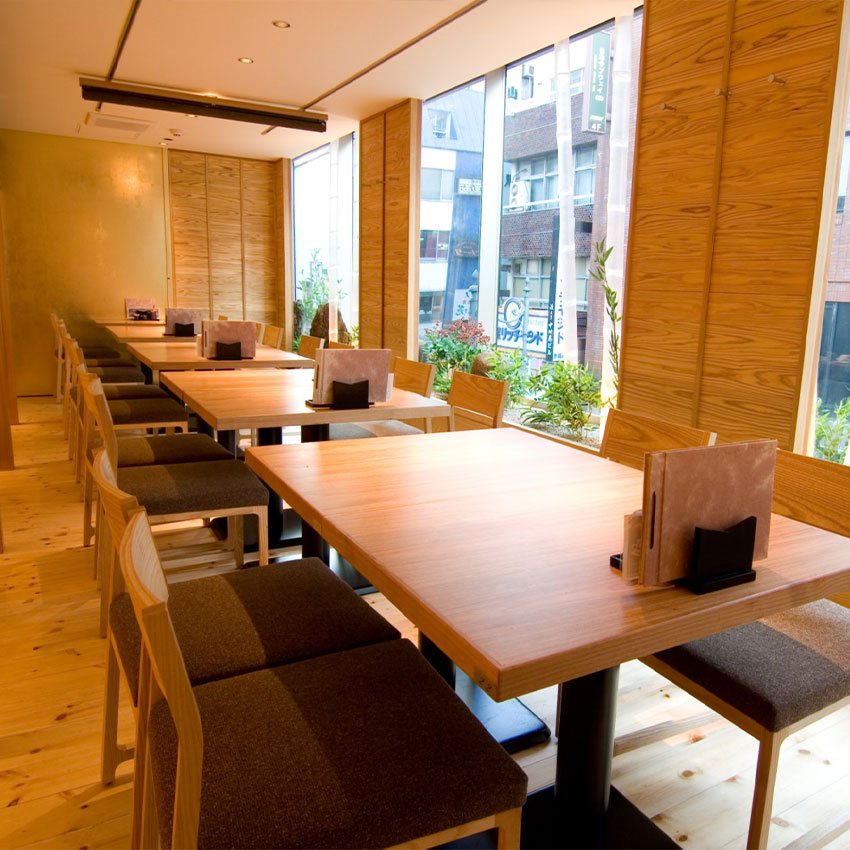
Refined and intimate 8-seat counter setting evoking Kyoto incense aromas, focusing on seasonal elegance and sensory immersion.
Tags
Vibe
Best For
Experience
At the Table
- Dress Code
- Smart Casual
- Noise Level
- Quiet
- Service Style
- Formal
- Meal Pacing
- Leisurely
- Capacity
- Intimate
- Kitchen
- Traditional
- Menu Format
- Omakase
- Wine Program
- Curated
Know before you go
Know Before You Go
- Getting there
- 1 Chome-5-3 Motoakasaka, Minato City, Tokyo 107-0051, Japan
Planning details
Location
1 Chome-5-3 Motoakasaka, Minato City, Tokyo 107-0051, Japan · Directions
Recognition and awards
Also consider
Also Consider
- Harutaka, Sushi, ¥¥¥¥
- RyuGin, Kaiseki, Japanese, ¥¥¥¥
- L'Effervescence, French, ¥¥¥¥
- HOMMAGE, Innovtive French, French, ¥¥¥¥
- Florilège, French, ¥¥¥
Restaurant context
At the ¥¥¥¥ tier in Tokyo, Akasaka Shimabukuro sits in a competitive bracket. Against RyuGin, the clearest like-for-like comparison in the kaiseki register, RyuGin carries three Michelin stars and a global reputation that comes with significantly harder booking and a higher price ceiling. If critical prestige is your primary measure, RyuGin wins. If you want a kaiseki-style experience at ¥¥¥¥ with Easy booking difficulty and consistent guest satisfaction, Shimabukuro is the more practical choice for most itineraries.
Harutaka operates in a different format, sushi omakase rather than kaiseki, so the comparison depends on what kind of meal you are after. If you want a counter sushi experience, Harutaka is the better fit. If a multi-course progression with broth and soba is what you are looking for, Shimabukuro is the right call. For French alternatives at the same price tier, L'Effervescence and HOMMAGE both offer tasting menu depth in the ¥¥¥¥ bracket, with L'Effervescence carrying stronger international recognition. Florilège drops to ¥¥¥ and is the value pick if budget is a factor, though it trades some formality for a more modern, social atmosphere.
The practical summary: book Shimabukuro if you want a Japanese tasting menu at ¥¥¥¥ that you can actually secure without a local contact or months of lead time. Book RyuGin if prestige and three-star kaiseki precision is the priority and you can plan further ahead. Choose Harutaka if sushi omakase is what the evening calls for. Go to Florilège if you want a strong tasting menu at a lower spend and are open to French rather than Japanese.
Explore Tokyo
Around this place
Discover more on Pearl
Unlock the full Akasaka Shimabukuro guide in Pearl, including awards, comparisons, FAQs, planning details, and nearby places.
Compare Akasaka Shimabukuro
| Venue | Price | Booking Difficulty | Awards |
|---|---|---|---|
| Akasaka Shimabukuro | ¥¥¥¥ | Easy | 2026 Michelin 1 Star2025 Michelin Plate2024 Michelin Plate |
| Harutaka | ¥¥¥¥ | Unknown | 2026 Tabelog Silver · #312026 OAD Top Restaurants in Japan Ranked · #1282026 Michelin 3 Stars2026 La Liste Top RestaurantsTabelog 100 - Sushi - TOKYO - 2025 · #372025 Asia's 50 Best Restaurants · #762025 OAD Top Restaurants in Japan Ranked · #1172025 La Liste Top Restaurants2025 Tabelog Bronze |
| RyuGin | ¥¥¥¥ | Unknown | 2026 OAD Top Restaurants in Japan Ranked · #802026 Tabelog Bronze · #3772026 Michelin 3 Stars2026 La Liste Top RestaurantsTabelog 100 - Japanese cuisine - TOKYO - 2025 · #212025 OAD Top Restaurants in Japan Ranked · #542025 Michelin 3 Stars2025 La Liste Top Restaurants2025 The Best Chef Three Knives |
| L'Effervescence | ¥¥¥¥ | Unknown | 2026 Tabelog Silver · #682026 OAD Top Restaurants in Japan Ranked · #103Star Wine Lists 20262026 Black Pearl 2 Diamond2026 Relais Chateaux Restaurants2026 La Liste Top Restaurants2026 Michelin 3 Stars2025 Asia's 50 Best Restaurants · #692025 OAD Top Restaurants in Japan Ranked · #92 |
| HOMMAGE | ¥¥¥¥ | Unknown | 2026 Tabelog Bronze · #1232026 OAD Top Restaurants in Japan Highly Recommended2026 Michelin 2 StarsTabelog 100 - French - TOKYO - 2025 · #762025 Asia's 50 Best Restaurants · #782025 OAD Top Restaurants in Japan Ranked · #1752025 Michelin 2 Stars2025 The Best Chef One Knife2025 La Liste Top Restaurants |
| Florilège | ¥¥¥ | Unknown | 2026 Asia's 50 Best Restaurants · #312026 Tabelog Bronze · #712026 OAD Top Restaurants in Japan Ranked · #1242026 Black Pearl 1 Diamond2026 Michelin 2 Stars2026 La Liste Top Restaurants2025 Asia's 50 Best Restaurants · #172025 World's 50 Best Restaurants · #36Tabelog 100 - French - TOKYO - 2025 · #68 |
.png?width=1200&quality=80)













A quick look at how Akasaka Shimabukuro measures up.
FAQ
Frequently Asked Questions
What should I order at Akasaka Shimabukuro?
This is a set-menu format, so ordering is not on the table — you eat what the chef serves. The meal is built around a kaiseki progression, with two signature elements worth knowing in advance: the wanmono, a clear broth made with shaved bonito flakes, and the soba courses, which use native buckwheat varieties and appear both mid-meal and at the close. Those two elements are what distinguish Akasaka Shimabukuro from generic ¥¥¥¥ tasting rooms in Minato City.
What should a first-timer know about Akasaka Shimabukuro?
The restaurant is in Motoakasaka, Minato City — a quieter central Tokyo neighbourhood, not the dense dining cluster of Ginza or Roppongi. The Michelin Plate recognition in both 2024 and 2025 signals consistent craft at the ¥¥¥¥ price tier without the star pressure that drives booking difficulty at peers like RyuGin. Pearl rates booking difficulty as Easy by Tokyo ¥¥¥¥ standards, which is genuinely unusual. Come with an appetite for philosophy as much as food: the calligraphy on the wall reads 'go-en' (personal connections), and the whole meal is framed around that idea.
Is Akasaka Shimabukuro worth the price?
At ¥¥¥¥, yes — with a specific caveat. The value case here rests on craft and access: you are getting Michelin-recognised kaiseki (Plate, 2024 and 2025) at a venue that does not require weeks of advance planning, unlike RyuGin or Harutaka. If your priority is starred prestige, this is not the room. If your priority is a thoughtfully constructed Japanese tasting menu where signature house dishes — the bonito-broth wanmono, the native-buckwheat soba — carry real intent, the price is justified.
Is the tasting menu worth it at Akasaka Shimabukuro?
For anyone eating in Tokyo's ¥¥¥¥ tier who wants a meal with a coherent identity, yes. The format is kaiseki with two house-specific anchors: the clear bonito broth in the wanmono course and the juwari soba made from native buckwheat, served at the end as a closing statement. That kind of structural specificity is what separates this from generic high-end tasting menus. If you want à la carte flexibility or Michelin stars on the wall, look elsewhere — RyuGin holds two stars and operates in a similar price bracket.