.png?width=1200&quality=80)
Gratschwirt
Regional Cuisine · Toblach
Restaurant in Toblach, Italy
 Book with Pearl
The Read
16th-Century Stube Regionalism
Dress
Smart Casual
Why go
A 16th-century Stube restaurant at the foot of the Tre Cime with two consecutive Michelin Plates and At €€€, it's the most historically grounded regional dining option in Toblach, with dumplings in broth, herb-crusted lamb, and apple strudel as the dishes to build your visits around. Easy to book, and worth returning to more than once.
About Gratschwirt
Should You Book Gratschwirt?
If you're choosing between Gratschwirt and a more contemporary Alto Adige option, the decision comes down to what you want from the setting as much as the food. Gratschwirt is a Stube-style restaurant inside a hotel of the same name, occupying a building that dates to the 16th century at the foot of the Tre Cime di Lavaredo. For regional cooking in Toblach, it's the most historically grounded option you'll find, and for visitors already based in the Dolomites, it earns a return visit.
The Room and the Setting
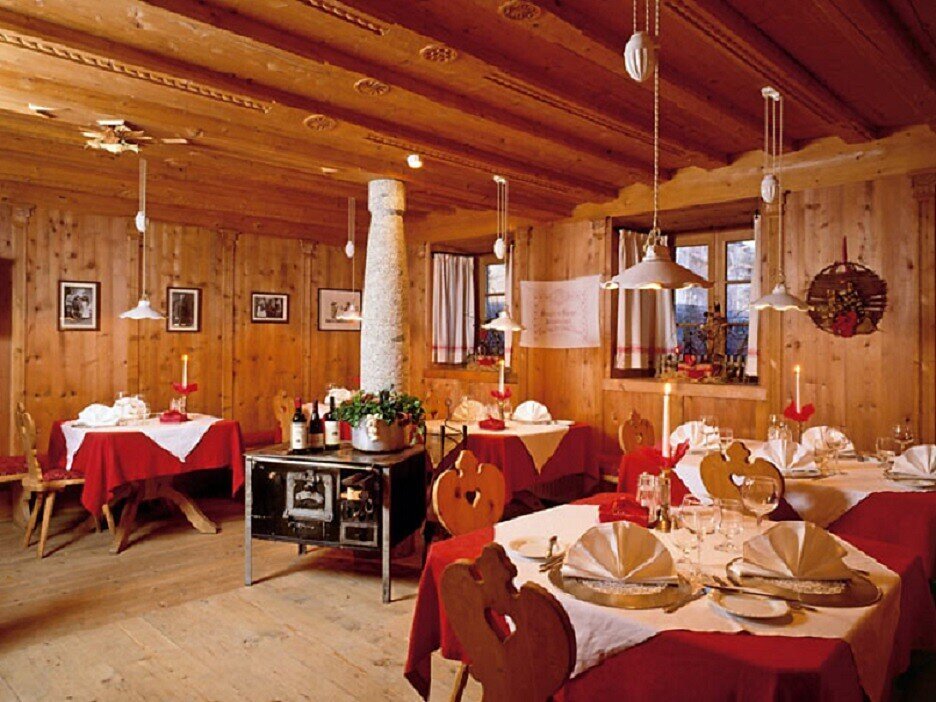
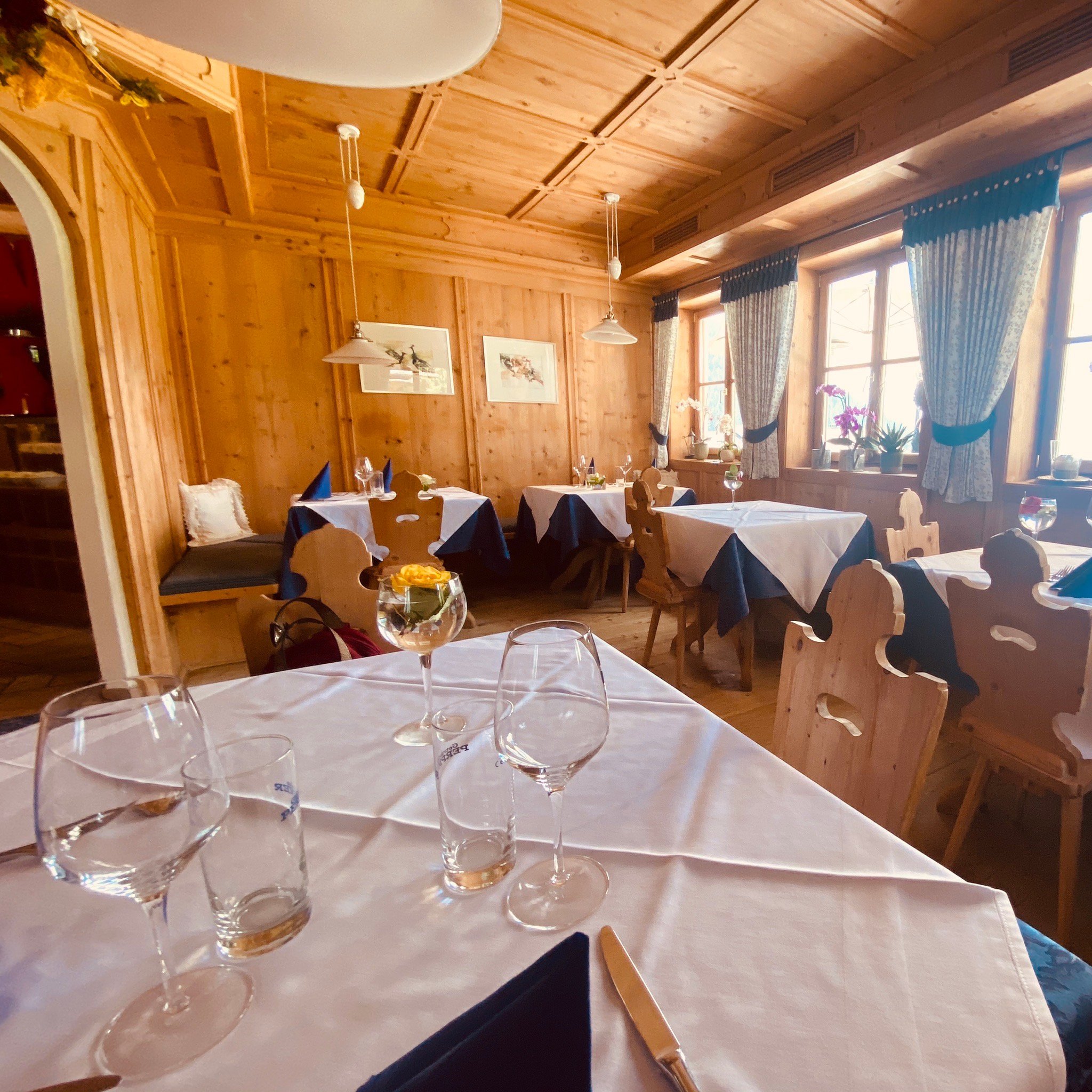
Walk into Gratschwirt and the visual register is immediately Alpine: timber-panelled Stube, low ceilings, the kind of room that feels like it has absorbed several centuries of winter evenings. The Tre Cime backdrop outside the windows is the view that most guests remember, and it frames any meal with a scale that no amount of interior design can replicate. For a first visit, sitting near the windows is worth requesting. For a return visit, the Stube interior itself becomes the draw — the room rewards slower attention once the novelty of the landscape settles.
What to Eat: A Multi-Visit Strategy
The kitchen works in an identifiable Alto Adige register: generous portions, mountain-sourced ingredients, preparations that lean traditional without being static. The Michelin Plate recognition across two consecutive years signals consistent execution rather than a single headline dish, which is exactly what you want from a venue you plan to revisit.
First visit: The dumplings in broth are the anchor dish — canederli are the defining preparation of South Tyrolean cooking, and Gratschwirt's version is the standard against which you should calibrate everything else you eat in the region. The apple strudel is the correct dessert choice; it's a benchmark preparation here and worth ordering even if you've had it elsewhere in the Dolomites.
Second visit: The herb-crusted lamb is the dish to prioritise on a return trip. It represents the kitchen at its most considered, a preparation that needs the sourcing and technique to align, and one that doesn't benefit from being ordered under time pressure. Come when you can take the meal slowly.
Third visit or more: The beef tartare is deliberately listed as the less traditional option in the menu's own framing, and it's worth arriving at only after you've grounded yourself in the regional canon. Seasoned at the table, it demonstrates that the kitchen isn't operating on autopilot. It's a signal that there's creative range here beyond the Stube formula, which changes the calculus on how many times the menu can sustain interest.
The sequencing matters because Gratschwirt is not a one-dish restaurant. It's a room with a coherent culinary identity, and the menu rewards a reader who comes in knowing what the Alta Adige tradition actually tastes like. If you're visiting the Dolomites for a week, plan to eat here twice rather than once.
Is It Worth the Price?
At €€€, Gratschwirt sits in the middle tier for the region. You're paying for the building, the setting, the Michelin Plate standard of cooking, and a kitchen that has sustained that standard across at least two years. For regional cuisine specifically, the price is proportionate. This is not a value-hunting exercise; the hotel context and the historical fabric of the building carry a premium. But compared to the €€€€ creative tasting menus at places like Atelier Moessmer Norbert Niederkofler in Brunico, Gratschwirt gives you a more accessible and repeatable evening without sacrificing quality at the plate.
Booking and Logistics
Booking difficulty is rated easy. As a hotel restaurant, it draws a proportion of guests already on-site, which means walk-in availability is more realistic here than at destination-only venues. That said, summer and the ski season fill the Dolomites quickly, and the Tre Cime access road brings significant visitor traffic in peak months. Booking ahead for dinner in July, August, or the December-to-March window is direct but advisable. The address is Gratsch 1, 39034 Dobbiaco BZ.
Know Before You Go
- Cuisine: Regional Alto Adige / South Tyrolean
- Price range: €€€
- Awards: Michelin Plate 2024, Michelin Plate 2025
- Setting: 16th-century Stube-style room, hotel restaurant
- Location: Gratsch 1, Dobbiaco (Toblach), South Tyrol, Italy
- Booking difficulty: Easy, advance booking recommended in peak season
- Dishes to anchor your visit: Dumplings in broth, herb-crusted lamb, apple strudel, beef tartare (table-seasoned)
Other Toblach Dining Worth Knowing
For a different register in Toblach, Tilia takes a more modern approach to the same Alpine ingredients, and Hebbo Wine & Deli is the right call if you want something lighter and wine-focused rather than a full dinner. See our full Toblach restaurants guide for a wider overview. If you're planning your stay, our Toblach hotels guide, bars guide, wineries guide, and experiences guide cover the rest of the area.
For regional cuisine with a similar Stube-and-tradition sensibility elsewhere in northern Italy, Trattoria al Cacciatore - La Subida in Cormons and Thaller - Gasthaus in Sankt Veit am Vogau operate in a comparable register, worth considering if you're travelling through the wider Alpine northeast.
Planning details
- Location
- Gratsch, 1, 39034 Dobbiaco BZ, Italy
- Website
- gratschwirt.com
- Phone
- +39 0474 972293
The take
The Take
The Vibe
Gratschwirt sits in a 16th-century Stube and reads like a lived-in piece of Alpine history: low ceilings, wood-panelled walls and a tangible, long-standing warmth define the room. It channels a regional tradition rather than a design trend, so the atmosphere feels classic and intimate rather than stylised. The place balances that old-world personality with a contemporary seriousness—the kitchen has earned Michelin Plate recognition—so the overall tone is quietly sophisticated. Expect a felt sense of continuity with the Dolomites outside: rustic roots rendered with refined technique, in a warm, historically rich dining room.
Best For
This is a destination for diners who want food rooted in Alto Adige’s geography and seasonality. The kitchen’s focus on local pastures, herb meadows and time-honoured forms means it suits family gatherings and special meals where regional authenticity matters. With a €€€ price tier and Michelin Plate recognition, the mood skews toward considered dining rather than casual tourism, making it a strong pick for evening meals that treat ingredients and tradition with equal respect. The setting—approach views of the Tre Cime and a genuine Stube—also makes it appropriate for visitors seeking a place that feels of-the-place.
Ordering Tips
Let the region guide your choices: the menu follows a tight seasonal calendar and foregrounds local produce, so lean into signature, territory-defining dishes. The canederli (dumplings in broth) are described as a test of regional technique and are a good benchmark for the kitchen’s execution; herb-crusted lamb showcases the high-altitude pasture flavors mentioned in the notes. Other standouts listed—beef tartare and apple strudel—give a sense of the range from savory to traditional Alpine desserts. Given the focused, locally governed menu, prioritise dishes that make the most of seasonality and provenance.
Venue details
Ambiance
Cozy and elegant with candlelit dinners, mountain views from the garden, and a warm family atmosphere praised in guest reviews.
Tags
Vibe
Best For
Experience
Sourcing
View
At the Table
- Dress Code
- Smart Casual
- Noise Level
- Quiet
- Service Style
- Upscale Casual
- Meal Pacing
- Leisurely
- Capacity
- Small
- Kitchen
- Traditional
- Menu Format
- A la carte
- Wine Program
- Curated
- Outdoor Seating
- Yes
Signature Dishes
- beef tartare
- herb-crusted lamb
- dumplings in broth
- apple strudel
Know before you go
Know Before You Go
- Getting there
- Gratsch, 1, 39034 Dobbiaco BZ, Italy
Planning details
Location
Recognition and awards
Also consider
Also Consider
- Atelier Moessmer Norbert Niederkofler, Italian, Creative, €€€€
- Dal Pescatore, Italian, Italian Contemporary, €€€€
- Osteria Francescana, Progressive Italian, Creative, €€€€
- Quattro Passi, Italian, Mediterranean Cuisine, €€€€
- Reale, Progressive Italian, Modern Cuisine, €€€€
Restaurant context
Gratschwirt sits at €€€ while most of the comparison venues operate at €€€€ with full tasting menu formats. The practical question is whether you're looking for an accessible, repeatable regional dinner in the Dolomites or a single-occasion creative tasting experience. If it's the former, Gratschwirt is the right call. If it's the latter, the comparison set is in a different league by design.
Atelier Moessmer Norbert Niederkofler in Brunico is the most relevant comparison for travellers in South Tyrol: it's Michelin-starred, creative, and built around Alpine ingredients, but at €€€€ it's a once-per-trip commitment rather than a repeatable dinner. Osteria Francescana in Modena, Dal Pescatore in Runate, Quattro Passi in Marina del Cantone, and Reale in Castel di Sangro are all €€€€ destinations with national or international recognition, but they're not in Toblach and the comparison is more about Italy's wider fine dining tier than the local choice in front of you.
For a visitor spending several nights in the Dolomites, the practical recommendation is to book Gratschwirt for a traditional regional evening and, if the budget allows, make the drive to Atelier Moessmer for the high-ambition meal. They solve different problems. Gratschwirt is the more bookable, more repeatable option; Atelier Moessmer is the one you plan a trip around. For other strong regional dining in northern Italy at a comparable register to Gratschwirt, Trattoria al Cacciatore - La Subida in Cormons is worth noting as a benchmark for what serious traditional cooking looks like further east in the Alpine northeast.
Explore Toblach
Around this place
Discover more on Pearl
Unlock the full Gratschwirt guide in Pearl, including awards, comparisons, FAQs, planning details, and nearby places.
Compare Gratschwirt
| Venue | Cuisine | Price | Awards | Booking Difficulty |
|---|---|---|---|---|
| Gratschwirt | Regional Cuisine | €€€ | 2026 Michelin Plate2025 Michelin Plate2024 Michelin Plate | Easy |
| Atelier Moessmer Norbert Niederkofler | Italian, Creative | €€€€ | 2026 OAD Top Restaurants in Europe Ranked · #92026 Falstaff Restaurant Guide2026 Les Grandes Tables du Monde Members2026 Michelin 3 Stars2026 La Liste Top Restaurants2025 World's 50 Best Restaurants · #202025 OAD Top Restaurants in Europe Ranked · #362025 The Best Chef Three Knives2025 Michelin 3 Stars | Unknown |
| Dal Pescatore | Italian, Italian Contemporary | €€€€ | 2026 OAD Classical in Europe Ranked · #172026 Relais Chateaux Restaurants2026 Les Grandes Tables du Monde Members2026 La Liste Top Restaurants2026 Michelin 3 Stars2026 Falstaff Restaurant Guide2025 OAD Classical in Europe Ranked · #162025 Michelin 3 Stars2025 Relais Chateaux Award | Unknown |
| Osteria Francescana | Progressive Italian, Creative | €€€€ | 2026 OAD Top Restaurants in Europe Ranked · #212026 La Liste Top Restaurants2026 Les Grandes Tables du Monde Members2026 Michelin 3 Stars2026 Falstaff Restaurant Guide2025 OAD Top Restaurants in Europe Ranked · #27Chef's Table Featured Restaurants · 20252025 Michelin 3 Stars2025 The Best Chef Three Knives | Unknown |
| Quattro Passi | Italian, Mediterranean Cuisine | €€€€ | 2026 OAD Top Restaurants in Europe Ranked · #972026 Les Grandes Tables du Monde Members2026 La Liste Top Restaurants2026 Michelin 3 Stars2026 Falstaff Restaurant Guide2025 OAD Classical in Europe Ranked · #522025 La Liste Top Restaurants2025 Michelin 3 Stars2024 OAD Classical in Europe Ranked · #116 | Unknown |
| Reale | Progressive Italian, Modern Cuisine | €€€€ | 2026 OAD Top Restaurants in Europe Ranked · #222026 Les Grandes Tables du Monde Members2026 La Liste Top Restaurants2026 Michelin 3 Stars2026 Falstaff Restaurant Guide2025 World's 50 Best Restaurants · #182025 OAD Top Restaurants in Europe Ranked · #25We're Smart World Top 100 2025We're Smart World Top Restaurants 2025 | Unknown |











How Gratschwirt stacks up against the competition.
FAQ
Frequently Asked Questions
What should I order at Gratschwirt?
The Michelin Plate recognition points to a kitchen that executes the Alto Adige canon reliably, and the database singles out dumplings in broth, herb-crusted lamb, and apple strudel as highlights. The beef tartare, seasoned at the table, is noted as less traditional but worth ordering. Start with the dumplings and build from there.
Is Gratschwirt good for a special occasion?
Yes, with the right expectations. The 16th-century Stube setting and Michelin Plate-level cooking make it a credible choice for a birthday or anniversary dinner in the Tre Cime area. It reads more as a warm, regional occasion than a formal fine-dining event, so it suits couples or small groups who want atmosphere over ceremony.
What should a first-timer know about Gratschwirt?
Gratschwirt is part of a hotel of the same name at Gratsch, 1, Dobbiaco, so the clientele will include hotel guests alongside outside diners. The format is Stube-style: timber panels, low ceilings, generous portions of traditional Alto Adige food. Come expecting a classic regional meal at €€€ pricing, not a contemporary tasting experience.
What should I wear to Gratschwirt?
The Stube setting and regional cuisine point to relaxed rather than formal dress. Neat, comfortable clothing appropriate for an Alpine hotel restaurant is the right call — no need for a jacket or tie, but very casual hiking gear would be out of place in a Michelin Plate-recognised room.
Is Gratschwirt worth the price?
At €€€, it sits in the middle tier for the region and delivers Michelin Plate-recognised cooking in a genuinely historic building at the foot of the Tre Cime. If you want abundant regional food in an authentic 16th-century Stube, the price holds up. If you want modern Alto Adige cooking at a similar spend, Tilia in Toblach is the closer match.
Is the tasting menu worth it at Gratschwirt?
Tasting menu details are not documented in the available venue data. What is clear is that the kitchen's identity is built around traditional, abundant regional dishes rather than a multi-course progression format. If tasting menus are your priority, Atelier Moessmer Norbert Niederkofler in the region is the stronger destination for that format.
What are alternatives to Gratschwirt in Toblach?
Tilia takes a more modern approach to the same Alpine ingredients and is the right call if you want a contemporary spin on South Tyrolean food. Hebbo Wine & Deli works better for lighter dining or a wine-led visit. For a full step up in ambition and price, Atelier Moessmer Norbert Niederkofler operates at a different level entirely.