
Kōsen
Japanese · Tampa Heights, Tampa
Restaurant in Tampa, United States
 Book with Pearl
The Read
Precision Japanese Tasting
Price
$$$$
Dress
Smart Casual
Why go
Kōsen is Tampa's Michelin-starred Japanese restaurant, holding its star in both 2024 and 2025 under Chef Thomas Deli. At the $$$$ price tier with a seasonally rotating menu, it is the highest-credential Japanese dining option in the city. Book three to four weeks ahead minimum — availability is tight and the format rewards those who plan.
About Kōsen
Verdict: Worth the effort to book — if you plan ahead
Getting a table at Kōsen is genuinely difficult. This is a Michelin-starred Japanese restaurant in Tampa that has held its star in both 2024 and 2025, and the reservation window reflects that. If you are visiting Tampa and Japanese cuisine at the top end of the price tier ($$$$) is your goal, Kōsen belongs at the top of your list — but you need to start planning weeks in advance, not days. Walk-in hopes should be abandoned immediately. For a first-timer, the single most important thing to know is that securing the booking is half the battle.
What to Expect When You Arrive
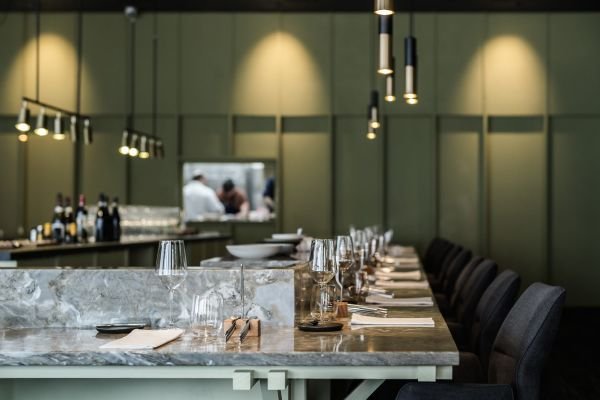
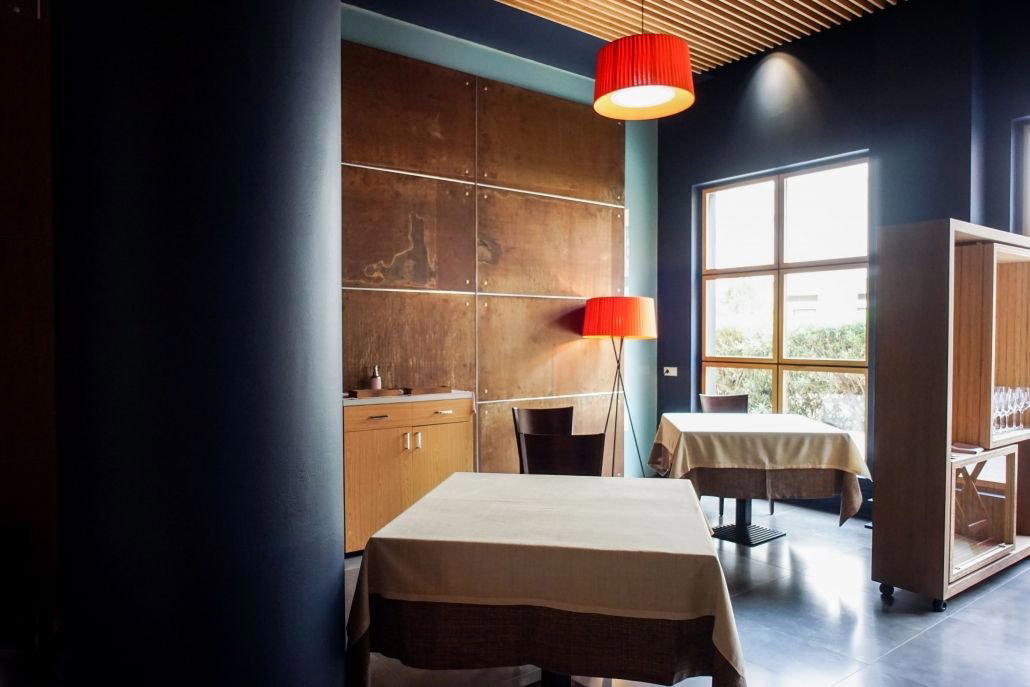
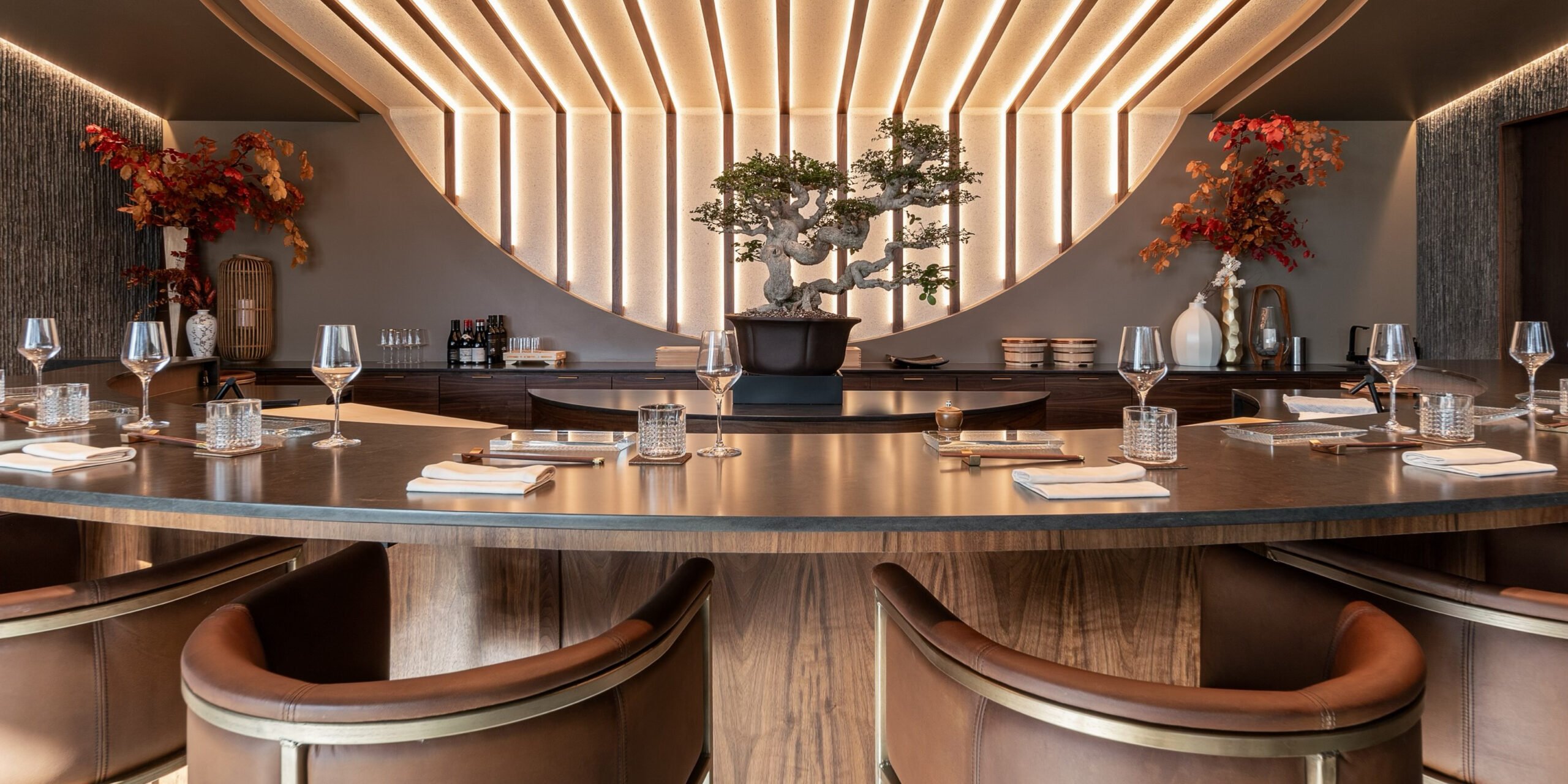
Kōsen sits at 307 W Palm Ave in Tampa's Channel District, a part of the city that has seen significant restaurant development in recent years. For a first-timer, the physical setting matters: this is not a sprawling dining room designed for large parties. The spatial experience here is intimate in scale, which is consistent with what a serious Japanese kitchen at this level typically demands. Counter seating, if available, puts you closest to the preparation and is the format most aligned with the restaurant's precision-focused approach. The room rewards those who are paying attention, to the service sequence, the pacing, the way each course is presented. Come expecting a structured, sequential experience rather than a loose, social dinner.
Chef Thomas Deli leads the kitchen. The cuisine type is Japanese, positioned at the $$$ price point. At this tier in Tampa, and against the national Michelin one-star field, you are paying for technical execution and seasonal sourcing discipline, not for tableside theatrics or a famous dining room. Compare that to Koya, also Japanese and also at the $$$$ tier in Tampa: Koya is the more accessible booking and a reasonable alternative if Kōsen is fully reserved. But Kōsen's back-to-back Michelin recognition sets it apart as the higher-credential option of the two.
Seasonal Rotation: When to Visit and What It Means for Your Meal
The seasonal angle here is the most important planning consideration for first-timers. Japanese cuisine at Michelin level is built around seasonal ingredient discipline, what is available at peak quality dictates what appears on the menu. Florida's seasonal rhythm differs from the classic Japanese calendar, but the underlying logic holds: the kitchen at Kōsen is operating from a menu that changes in response to what is leading right now, not a fixed card that stays constant year-round.
What this means practically: do not arrive with a fixed expectation of eating a specific dish. If you have seen a particular preparation mentioned somewhere online, there is no guarantee it will be on the menu during your visit. This is not a weakness, it is the format. The menu is the kitchen's current statement, and the experience is calibrated around that. For first-timers who prefer certainty about what they will eat, this format can feel unfamiliar. For those who trust the kitchen to make the call, it is the correct way to experience the restaurant.
The current season (summer in Florida) typically brings different sourcing priorities than autumn or winter. Without confirmed menu data, the responsible advice is this: ask when booking what the current format looks like, whether it is omakase, a set menu, or a la carte, so you arrive with the right expectations. This is the single most useful question a first-timer can ask before sitting down.
Booking, Pricing, and Practical Details
Booking difficulty is rated hard. The restaurant's Michelin recognition in consecutive years means demand consistently outpaces availability. Plan a minimum of three to four weeks ahead for weekend reservations; weeknight availability may open slightly closer to the date, but do not count on it. The price range is $$$$, at this level in Tampa, expect a per-person spend that reflects the full tasting or set menu format, inclusive of any beverage pairings you add. Budget accordingly rather than arriving and being surprised by the check.
There is no confirmed phone number or website in our current records, which means the booking channel will need to be confirmed directly. Check platforms like Resy or OpenTable for real-time availability, as both are standard booking infrastructure for Michelin-level restaurants in Florida. If you are building a full trip, our Tampa hotels guide and our Tampa bars guide are the logical next stops.
How It Compares: Tampa's Top-Tier Dining Field
Among Tampa's $$$$ restaurants, Kōsen occupies a specific and well-credentialed position. Koya is the most direct peer, also Japanese, also at the leading price tier, but without the Michelin star. If you want Japanese cuisine in Tampa and Kōsen is unavailable, Koya is the next call. Lilac at $$$$ offers Mediterranean cuisine for those who want a comparable spend with a different culinary focus. Noble Rice and Ebbe represent different points on the Tampa dining map worth knowing about as you plan.
In the national Michelin one-star context, Kōsen sits in the same credential tier as restaurants like Smyth in Chicago and Lazy Bear in San Francisco, not the same category of restaurant, but the same award level. For those familiar with Japanese fine dining in Tokyo, references like Myojaku or Azabu Kadowaki give a sense of the global standard Kōsen is being measured against.
The short version: if you are in Tampa and you want the highest-credential Japanese dining experience the city currently offers, Kōsen is the answer. Book early, arrive without fixed menu expectations, and let the seasonal format do the work.
Pearl FAQ: Kōsen, Tampa
What should a first-timer know about Kōsen?
Book well in advance, this is a hard reservation. The format is Japanese fine dining at the $$$$ price tier, with a sequenced menu that changes seasonally. Do not arrive expecting to order a la carte from a fixed menu; confirm the current format when booking. The experience rewards patience and attention rather than a social, freeform dinner style. Kōsen holds a Michelin star for both 2024 and 2025, which tells you the kitchen is performing consistently at a high level.
Is Kōsen good for a special occasion?
Yes, with conditions. The Michelin recognition, the $$$$ price tier, and the intimate, structured format make Kōsen well-suited for a milestone dinner, anniversary, significant birthday, a visit worth marking. It is a better special-occasion choice than Koya if Japanese cuisine is the preference and the credential matters to you. The format is not suited to large celebratory groups; smaller parties of two to four will get the most from the experience.
What should I order at Kōsen?
The menu rotates seasonally, so specific dish recommendations are not reliable across visits. The practical answer: trust the kitchen's current selection rather than arriving with a fixed target. Ask when booking what format the current menu takes, whether it is an omakase, a set tasting menu, or something more flexible, so you understand the structure in advance. Chef Thomas Deli leads the kitchen, and the Michelin recognition suggests the seasonal selections are being made with precision.
Can Kōsen accommodate groups?
The intimate spatial format at Kōsen is not designed for large parties. Smaller groups of two to four are well suited to the experience. If you are planning a group dinner at the $$$$ tier in Tampa, confirm the reservation format and any private dining options directly when booking. For larger group dining in the city, Rocca or other Tampa options may offer more flexible configurations.
Does Kōsen handle dietary restrictions?
At a Michelin-starred Japanese restaurant operating a seasonal, sequenced menu, dietary restrictions require advance notice, this is not a format where substitutions can easily be made tableside. Contact the restaurant directly when booking to discuss any requirements. Serious allergies (shellfish, soy, gluten) are particularly relevant in a Japanese kitchen and need to be flagged before arrival, not on the night.
Can I eat at the bar at Kōsen?
Bar or counter seating at Japanese restaurants at this level often offers a different vantage point on the kitchen, and in some cases a more flexible booking window than the main dining room. Whether Kōsen offers counter or bar dining specifically is not confirmed in our current data. Check when booking: if counter seats are available, they are generally the format that puts you closest to the preparation, which is worth requesting as a first-timer.
Is Kōsen good for solo dining?
Solo dining at a Japanese fine-dining counter is one of the more rewarding formats in the category, you get full attention from the kitchen and a clear view of the sequence without coordinating a shared table. At the $$$$ price tier, solo dining at Kōsen is a considered spend, but the Michelin recognition justifies it if Japanese cuisine at this level is your interest. It is a more engaging solo experience than a conventional multi-course Western tasting menu, where solo dining can feel more isolated.
Planning details
- Location
- 307 W Palm Ave, Tampa, FL 33602
- Reservations
- Book on Tock
- Website
- kosentampa.com
- Phone
- (813) 999-1720
The take
The Take
The Vibe
Kōsen reads like a study in restraint. The profile emphasizes technically demanding, culturally layered Japanese cooking and notes consecutive Michelin stars, which together point to a dining room that favors measured service and quiet focus over theatrics. The language of the piece — discipline, sustained standards and a fine-dining posture — suggests minimalist set design and a serene, composed atmosphere where the food is the principal event.
Best For
This is a dinner-first destination for diners seeking a refined, Michelin-recognized Japanese experience. It suits date nights and special celebrations already noted in the listing, and it also works well for formal business dinners where precision and a subdued room are welcome. Given the restaurant’s consecutive stars and framing within Tampa’s upper-tier scene, evenings here feel intentional: reservations and a calm, attentive table service make it best appreciated after dark.
Ordering Tips
Signature items named in the description — nigiri, chawanmushi and wagyu beef — are reliable touchstones when deciding what to try. The write-up stresses technical precision and cultural layering, so prioritize dishes that showcase that craftsmanship: the nigiri for direct fish-and-rice technique, chawanmushi for delicate preparation, and the wagyu for textural richness. Because the kitchen’s consistency is a focal point, let the restaurant’s suggested sequencing guide you if a set menu or curated progression is offered.
Venue details
Ambiance
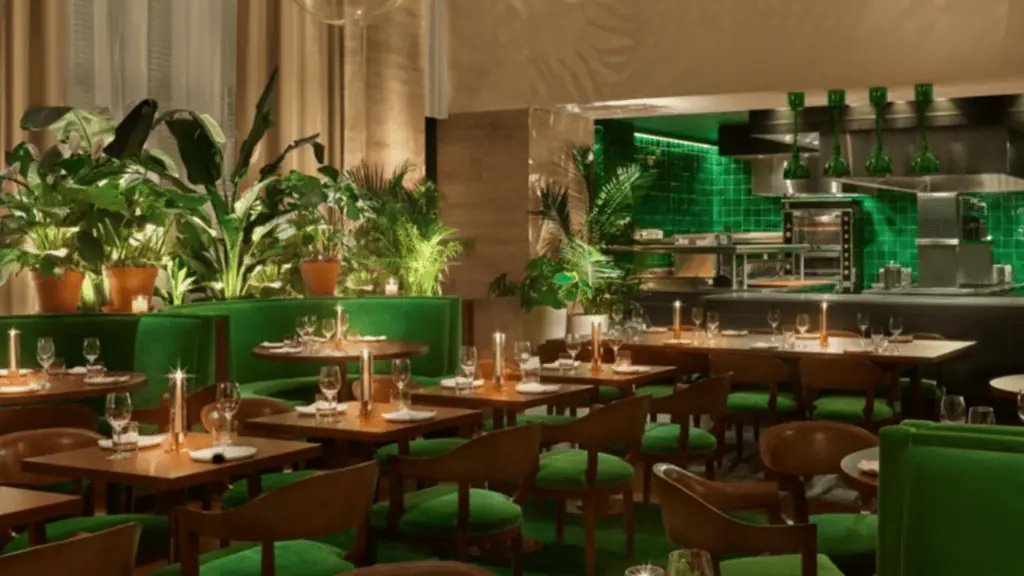
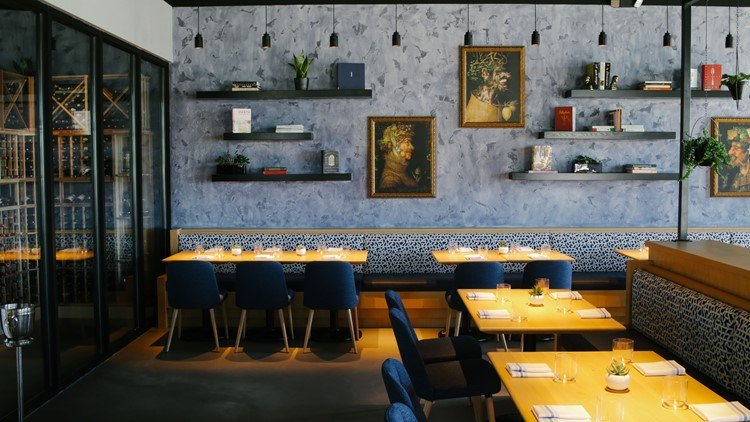
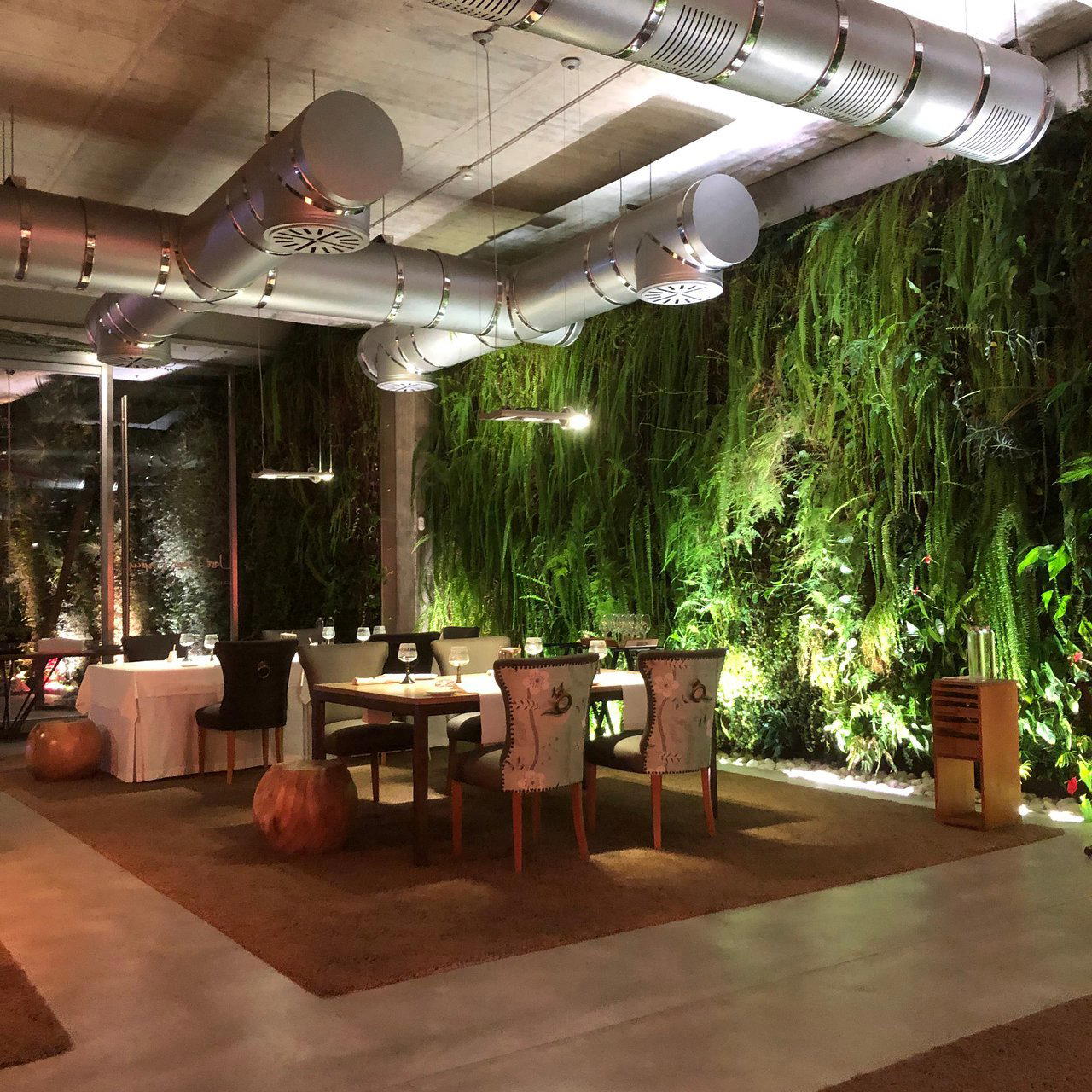
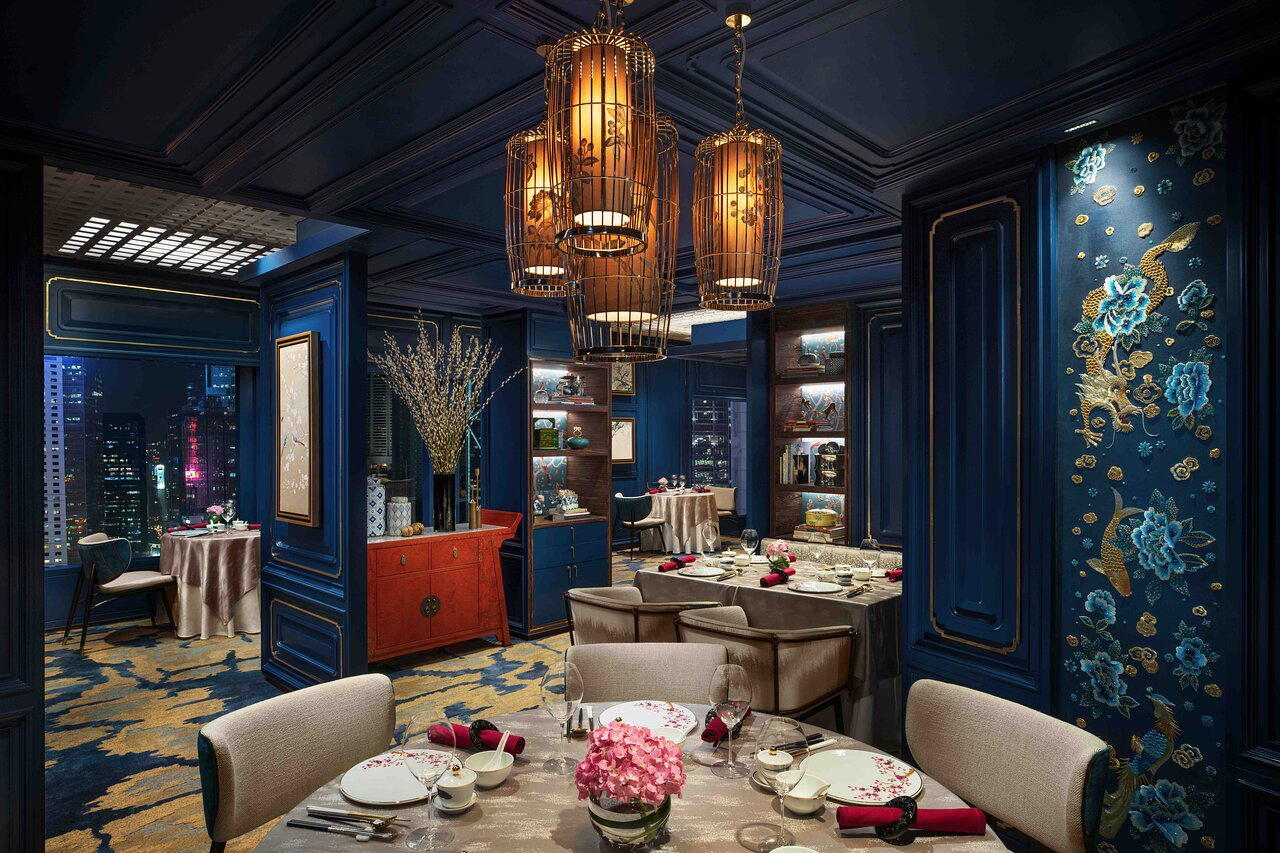
Sleek design with beautiful booths, soft lighting, relaxed and intimate atmosphere conducive to conversation, featuring an open kitchen view.
Tags
Vibe
Best For
Experience
Sourcing
At the Table
- Dress Code
- Smart Casual
- Noise Level
- Quiet
- Service Style
- Upscale Casual
- Meal Pacing
- Extended Experience
- Capacity
- Intimate
Signature Dishes
- nigiri
- chawanmushi
- wagyu beef
Know before you go
Know Before You Go
- Getting there
- 307 W Palm Ave, Tampa, FL 33602
Planning details
Location
Recognition and awards
Also consider
Also Consider
- Koya, Japanese, $$$$
- Bern’s Steak House, Steakhouse, $$$$
- Columbia, Cuban, $$$
- Rocca, Italian, $$
- Lilac, Mediterranean Cuisine, $$$$
Restaurant context
Among Tampa's $$$$ dining options, Kōsen is the clearest choice if Japanese cuisine and Michelin-level credentials are your criteria. Koya is the most direct alternative, also Japanese, also at the top price tier, but without the consecutive Michelin star recognition that Kōsen carries. If Kōsen is fully booked, Koya is the correct backup call. For a different culinary direction at the same spend level, Lilac offers Mediterranean cuisine at $$$$ and is worth considering if you want a high-end experience without the structured sequencing of a Japanese tasting format.
Bern's Steak House at $$$$ is the Tampa institution, a very different experience focused on dry-aged beef and an extraordinary wine program, and the right choice if a guest in your party is firmly in the steak-and-red-wine camp. It is easier to book than Kōsen and better for larger groups. Columbia at $$$ drops the price tier significantly and shifts to Cuban cuisine, a sound choice for groups or casual occasions where the $$$$ commitment feels like too much.
For value at the lower end of the comparison set, Rocca at $$ is the practical pick for Italian in Tampa without the fine-dining price. The bottom line: if the goal is Tampa's highest-credential Japanese dining and you are willing to book early, Kōsen is the answer. If availability or budget is a constraint, Koya or Bern's are the most logical pivots depending on what matters more to your group.
Explore Tampa
Around this place
Discover more on Pearl
Unlock the full Kōsen guide in Pearl, including awards, comparisons, FAQs, planning details, and nearby places.
Compare Kōsen
| Venue | Location | Cuisine | Awards | Price |
|---|---|---|---|---|
| Kōsen | Tampa | Japanese | Michelin Guide Florida 20262025 Michelin 1 Star2024 Michelin 1 Star | $$$$ |
| Koya | Tampa | Japanese | Michelin Guide Florida 20262025 OAD Casual in Europe Ranked · #7222025 Michelin 1 Star2024 Michelin 1 Star | $$$$ |
| Bern’s Steak House | Tampa | Steakhouse | Michelin Guide Florida 20262026 Wine Spectator Grand Award2026 OAD Casual in North America Recommended2025 World's Best Steaks 50 Best Steakhouses in North America · #482025 Wine Spectator Grand Award2025 Michelin Plate2025 OpenTable Top 100 Restaurants2024 OAD Casual in North America Ranked · #5862024 Michelin Plate | $$$$ |
| Columbia | Tampa | Cuban | 2026 Wine Spectator Best of Award of Excellence2026 OAD Casual in North America Recommended2025 OAD Casual in North America Ranked · #2212024 OAD Casual in North America Ranked · #4562024 Michelin Plate2023 OAD Casual in North America RecommendedWorld's Best Wine Lists 2022 | $$$ |
| Rocca | Tampa | Italian | Star Wine Lists 20262026 James Beard Award Nominees2026 James Beard Award SemifinalistsMichelin Guide Florida 20262025 Michelin 1 Star2024 Michelin 1 Star | $$ |
| Lilac | Tampa | Mediterranean Cuisine | 2026 Forbes 4-StarStar Wine Lists 2026Michelin Guide Florida 20262026 Wine Spectator Best of Award of Excellence2025 Wine Spectator Award of Excellence2025 Michelin 1 Star2025 Forbes 4-Star2024 Michelin 1 Star | $$$$ |




.png?width=1200&quality=80)







How Kōsen Tampa compares with similar nearby venues.
FAQ
Frequently Asked Questions
What should a first-timer know about Kōsen?
Booking is the first obstacle. Kōsen has held a Michelin star in both 2024 and 2025, and demand consistently outpaces availability at 307 W Palm Ave. Plan at least several weeks out, arrive knowing the price range is $$$$ per head, and treat this as a structured dining experience rather than a drop-in dinner.
Does Kōsen handle dietary restrictions?
Specific dietary accommodation policies are not documented in available venue data, but at the Michelin level and $$$$ price point, communicating restrictions at time of booking is standard practice and strongly advisable. Do not wait until arrival to raise dietary needs.
Is Kōsen good for a special occasion?
Yes, with caveats. Two consecutive Michelin stars (2024, 2025) give Kōsen the credentials to anchor a significant dinner, and the $$$$ pricing signals an occasion-worthy experience. Book well ahead and confirm any specific requests at reservation time rather than on the night.
What should I order at Kōsen?
Specific menu items are not available in the venue record, and at a Michelin-starred Japanese restaurant the format typically determines the meal for you. Chef Thomas Deli's approach is built around seasonal rotation, so what is available will depend on when you visit.
Is Kōsen good for solo dining?
Solo diners are well-served by the format here. Michelin-starred Japanese restaurants frequently operate counter seating that suits a single diner, and a solo booking is often easier to secure than a table for two or more at a venue where demand is this high. If you are flexible on timing, solo is the path of least resistance.