
Motoichi
Tempura · Checeng, Taipei
Restaurant in Taipei, Taiwan
 Book with Pearl
The Read
Seasonal Tempura Omakase
Price
$150–200per person
Dress
Smart Casual
Why go
Motoichi is Taipei's clearest answer for high-end omakase tempura, holding a Michelin Star (2025). With just 16 counter seats across two rooms, it's a technically precise, seasonal-driven experience at the $$$$ tier. Book three to four weeks out minimum: it fills fast and walk-ins are not realistic.
About Motoichi
Is Motoichi Worth Booking for Tempura Omakase in Taipei?
Yes: if omakase-style tempura at the higher end of Taipei's fine dining tier is what you're after, Motoichi is the clearest answer in the city. It holds a Michelin Plate (2025), carries a , and operates a format purpose-built for watching skilled tempura work executed at close range. The question isn't whether it's good: it is. The question is whether the format and price point match what you actually want from the evening.
What Motoichi Does Technically
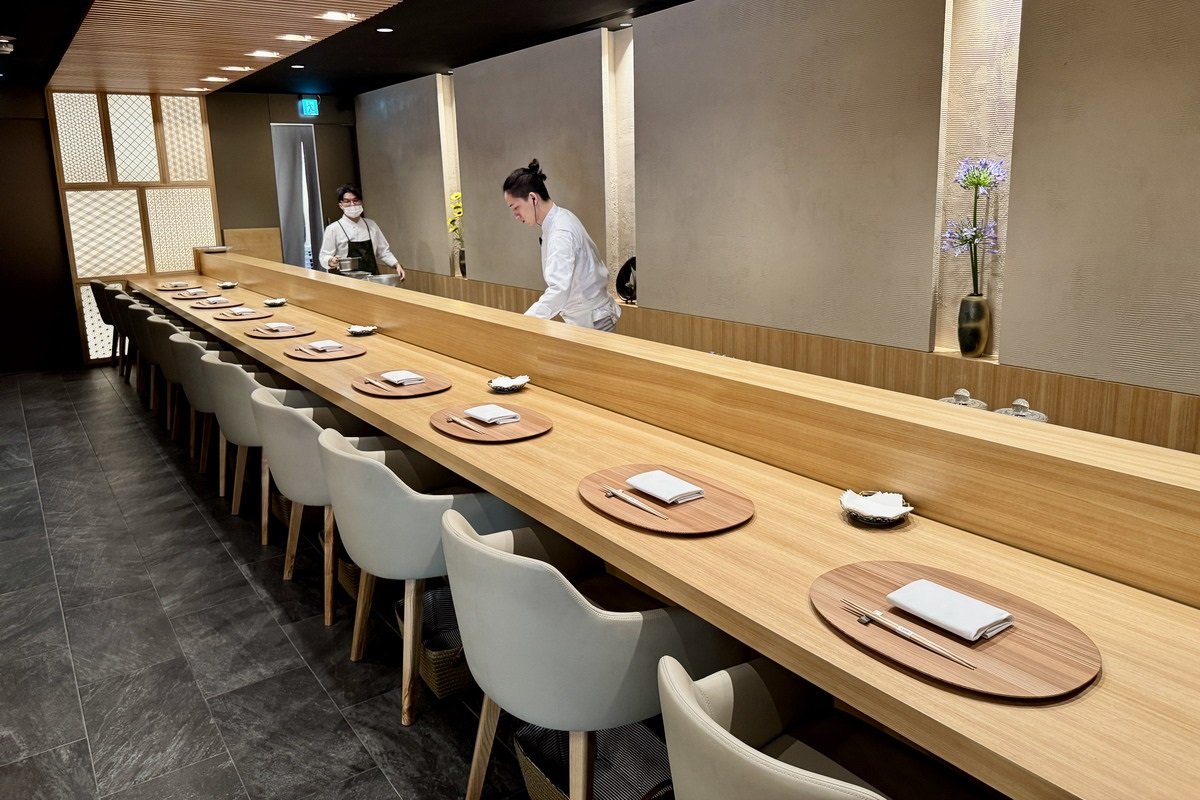
The format here is counter-only, omakase-style, with 16 seats split across two rooms. That configuration matters: every guest is positioned to watch the frying happen in front of them, which is the correct way to eat serious tempura. The cooking is built around seasonal ingredient selection, what's available and at its peak drives the menu, not the other way around. The batter stays light and dry rather than heavy or oil-soaked, which is the precise technical benchmark that separates high-end Japanese tempura from lesser versions. Achieving that consistently across a full omakase sequence, course after course, requires temperature control and timing discipline that most kitchens don't maintain. Motoichi does.
For food and travel enthusiasts who care about technique over theatre, this is the relevant distinction. The counter experience at this level is less about spectacle and more about watching someone execute a narrow discipline with very little margin for error. Tempura is unforgiving: the oil temperature, the moisture content of the ingredient, the thickness of the batter, and the timing all compound. At Motoichi, the result, described in its own Michelin recognition, is a final product that reads as light, non-greasy, and precisely cooked with intact natural textures. That's the benchmark. It's harder to hit than it sounds.
The seasonal ingredient selection is also worth noting for explorers who travel specifically to eat. Taiwan has strong produce across its growing seasons, and an omakase format that rotates with what's genuinely available, rather than relying on a fixed menu year-round, gives each visit a different character. If you're planning a trip to Taipei and want to anchor one meal to local seasonal produce prepared through a Japanese high-craft lens, Motoichi fits that criterion directly. For broader context on where this fits in the city, see our full Taipei restaurants guide.
Booking and Logistics
With only 16 seats across two rooms, availability is limited by design. The Michelin Plate recognition compounds that pressure, demand at this price tier in Taipei is active, and small-counter omakase venues fill quickly. Book as far in advance as your schedule allows; a minimum of three to four weeks is a reasonable working assumption, and further out is safer for weekend sittings or special occasions.
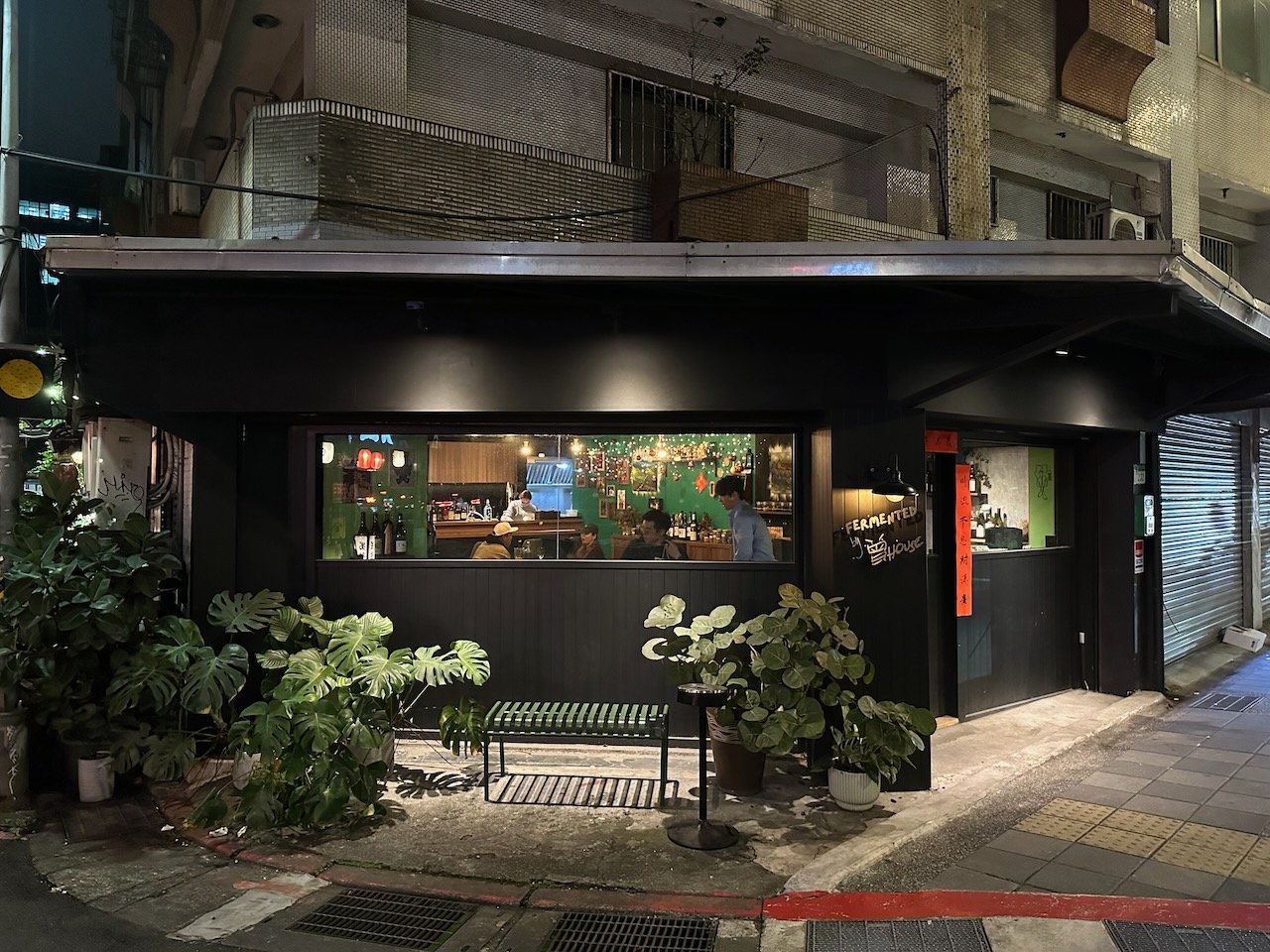
The address is in Da'an District, off Section 4 of Zhongxiao East Road: Alley 27, Lane 216, No. 11, 1F. That part of Da'an is a dense residential and dining neighbourhood with good MRT access via the Zhongxiao Fuxing or Zhongxiao Dunhua stations, both within reasonable walking distance. The alley address means you'll want to confirm the exact entrance before arrival, small counters in Taipei's alley dining scene often require a moment of navigation on first visit.
The price range is $$$$, placing it at the top tier of Taipei restaurant pricing. For the full Taipei context beyond restaurants, see our Taipei hotels guide, bars guide, and experiences guide.
Tempura in Context: Taipei and Beyond
If you're specifically focused on tempura and want to compare before booking, Mudan Tempura is the other high-end tempura option in Taipei at the same price tier and worth evaluating side by side. Tempura Sugimura is also in the city for those who want a third reference point in the category. If you're travelling across Taiwan and want to benchmark the wider fine dining picture, JL Studio in Taichung is a strong reference for technique-forward cooking in a different register, and GEN in Kaohsiung is worth knowing if your itinerary extends south.
For tempura lovers who also travel to Japan, Numata in Osaka and Shunsaiten Tsuchiya in Osaka offer direct comparison points in the Japanese tempura tradition. Motoichi sits comfortably alongside that reference class.
Planning details
- Hours
- Monday: Closed · Tuesday: 11:45 AM–3 PM, 6–10 PM
- Location
- 106, Taiwan, Taipei City, Da’an District, Alley 27, Lane 216, Section 4, Zhongxiao E Rd, 11號1樓
- Website
- instagram.com/motoichi_taiwan
- Phone
- +886 2 2778 3380
The take
The Take
The Vibe
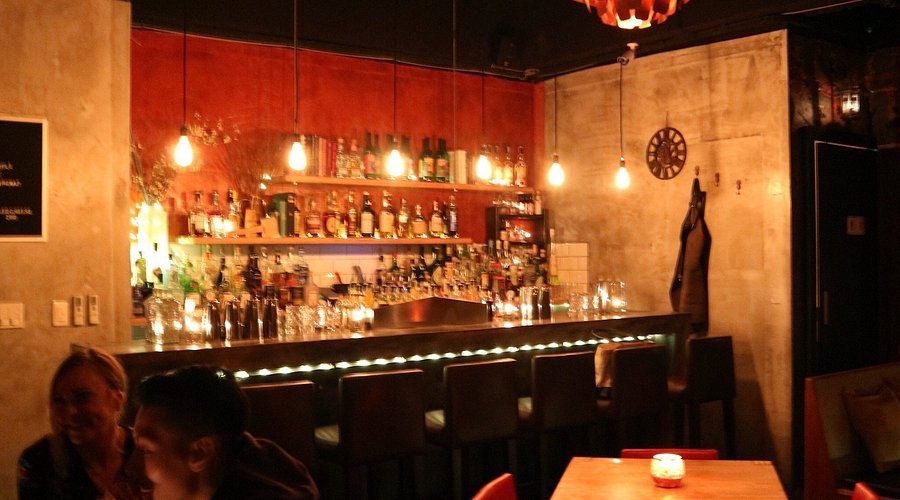
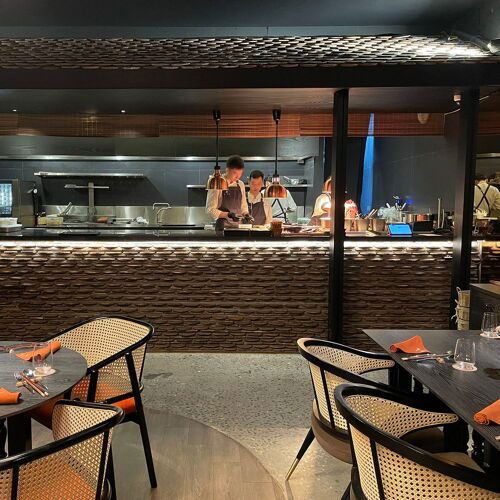
Motoichi centers a highly focused tempura counter experience in a compact, disciplined setting. Sixteen counter seats split between two small rooms place diners within feet of the fryer, so the sensory details (oil temperature, timing, the millisecond between immersion and extraction) become part of the meal. The room favours restraint over spectacle: minimal presentation, precise technique and a sequence of dishes that trace tempura’s classical lineage. Tucked down an alley off Zhongxiao East Road, the restaurant feels discreet and refined, a quietly classic counter dedicated to the craft of tempura rather than ostentation.
Best For
This is a destination for diners who prize technique and attention: couples seeking a focused date night or special‑occasion meal, solo diners who want front‑row access to the chef’s work, and small parties who appreciate tasting sequences. The counter format encourages conversation about the food and the process, not large boisterous groups. Because each piece is fried and served immediately, the experience rewards guests who want a sequential, deliberate progression of flavors and textures rather than a shared, family‑style dinner.
Ordering Tips
Motoichi operates as an omakase‑style tempura counter: the kitchen chooses the sequence and serves pieces from lighter to richer, each fried and plated to order and not held. Sit at the counter to watch the fryer and the chef’s timing: this is the central attraction. Signature items to look for include shrimp tempura, shiitake stuffed with shrimp, snow‑crab log and oyster tempura; ask the staff about highlights if you want guidance on what’s coming next. The address is tucked into Alley 27 off Zhongxiao East Road Section 4, so allow extra time to locate the entrance.
Venue details
Ambiance
Intentionally understated with focus on the chef's craft, soft lighting, and serene atmosphere allowing immersion in the sensory details of tempura preparation.
Tags
Vibe
Best For
Experience
At the Table
- Dress Code
- Smart Casual
- Noise Level
- Quiet
- Service Style
- Formal
- Meal Pacing
- Leisurely
- Capacity
- Intimate
- Kitchen
- Modern
- Menu Format
- Omakase, Counter dining
- Drinks Focus
- Sake, Craft beer
Signature Dishes
- shrimp tempura
- shiitake mushroom stuffed with shrimp
- snow crab log
- oyster tempura
Know before you go
Know Before You Go
- Getting there
- 106, Taiwan, Taipei City, Da’an District, Alley 27, Lane 216, Section 4, Zhongxiao E Rd, 11號1樓
Planning details
Hours
- Monday
- Closed
- Tuesday
- 11:45 AM–3 PM, 6–10 PM
- Wednesday
- 11:45 AM–3 PM, 6–10 PM
- Thursday
- 11:45 AM–3 PM, 6–10 PM
- Friday
- 11:45 AM–3 PM, 6–10 PM
- Saturday
- 11:45 AM–3 PM, 6–10 PM
- Sunday
- Closed
Location
106, Taiwan, Taipei City, Da’an District, Alley 27, Lane 216, Section 4, Zhongxiao E Rd, 11號1樓 · Directions
Recognition and awards
Also consider
Also Consider
- logy: Modern European, Asian Contemporary, $$$$
- Le Palais: Cantonese, $$$$
- Taïrroir: Taiwanese/French, Taiwanese contemporary, $$$$
- Mudan Tempura: Tempura, $$$$
- de nuit: French Contemporary, $$$$
Restaurant context
At the $$$$ tier in Taipei, Motoichi sits in a specific lane: it's the counter tempura specialist, and if that's the format you want, it and Mudan Tempura are the two names to compare directly. Both operate at the same price level in the same discipline. Motoichi's 16-seat split-room format is slightly larger than the most intimate single-counter experiences, but the proximity to the cook and the omakase structure are consistent with the format's best examples. If you're undecided between the two tempura options, the Michelin Plate at Motoichi is a useful tiebreaker in its favour for first-time visitors.
Against Taipei's broader fine dining field, logy and Taïrroir are the comparison points for diners who want a tasting menu at $$$$ but prefer more range across a meal: modern European/Asian at logy, Taiwanese/French at Taïrroir. Both carry stronger formal award profiles than Motoichi and may suit explorers who want a broader cross-section of techniques in one sitting. Motoichi wins if depth in a single discipline matters more to you than variety. Le Palais sits in the same price tier with a Cantonese focus and is the stronger choice for groups or those who want a more traditional formal dining room over a counter experience.
For diners building a multi-day Taipei itinerary, Motoichi is worth pairing with one of the cuisine-varied tasting menus rather than treating as an either/or. It fills a different role from logy or Taïrroir: the single-craft counter format is its own category of dining, not a substitute for a multi-course tasting menu across different preparations. If you're planning the full Taipei fine dining picture, see our complete Taipei restaurants guide for how these venues sit relative to each other.
Explore Taipei
Around this place
Discover more on Pearl
Unlock the full Motoichi guide in Pearl, including awards, comparisons, FAQs, planning details, and nearby places.
Compare Motoichi
| Venue | Awards | Price |
|---|---|---|
| Motoichi | Michelin Guide Taiwan 20262025 Michelin 1 Star2025 Michelin Plate | $$$$ |
| logy | 2026 Asia's 50 Best Restaurants · #222026 OAD Top Restaurants in Asia Ranked · #22Michelin Guide Taiwan 2026Star Wine Lists 20262026 Conde Nast Traveler Hot List Restaurants2026 Black Pearl 1 Diamond2026 La Liste Top RestaurantsTaiwan's Best Restaurant 20262025 Asia's 50 Best Restaurants · #26 | $$$$ |
| Le Palais | 2026 OAD Top Restaurants in Asia Ranked · #128Michelin Guide Taiwan 20262026 La Liste Top Restaurants2025 OAD Top Restaurants in Asia Ranked · #1212025 La Liste Top Restaurants2025 Michelin 3 Stars2024 OAD Top Restaurants in Asia Ranked · #1782024 Michelin 3 Stars2023 OAD Top Restaurants in Asia Ranked · #140 | $$$$ |
| Taïrroir | 2026 OAD Top Restaurants in Asia Ranked · #132Michelin Guide Taiwan 20262026 La Liste Top Restaurants2025 OAD Top Restaurants in Asia Ranked · #128Tatler Best Restaurants Asia-Pacific 20252025 Michelin 3 Stars2025 La Liste Top Restaurants2024 OAD Top Restaurants in Asia Ranked · #842024 Michelin 3 Stars | $$$$ |
| Mudan Tempura | Michelin Guide Taiwan 20262026 OAD Top Restaurants in Asia Recommended2026 La Liste Top Restaurants2025 OAD Top Restaurants in Asia Ranked · #2842025 Michelin 2 Stars2024 OAD Top Restaurants in Asia Ranked · #288 | $$$$ |
| de nuit | Michelin Guide Taiwan 2026Star Wine Lists 20262026 OAD Top Restaurants in Asia Recommended2025 The Best Chef One Knife2025 Michelin 1 Star2024 Michelin 1 Star | $$$$ |

.png?width=1200&quality=80)











A quick look at how Motoichi measures up.
FAQ
Frequently Asked Questions
Is the tasting menu worth it at Motoichi?
Yes, at the $$$$ price point, the omakase format here is justified by the counter-seat execution: 16 seats split across two rooms means the chef-to-guest ratio stays tight and every course is served at peak quality. The Michelin Plate recognition in 2025 confirms it clears the bar for technical consistency. If you want à la carte flexibility, this is the wrong format: Motoichi is built around the full sequence.
Can Motoichi accommodate groups?
Only up to the constraint of 16 total seats across two rooms, so large groups are not viable. Parties of 4–6 are the practical ceiling, and you would need to book well ahead to secure that many seats in the same session. For a corporate dinner or celebration above that size, a venue with a private dining room is a more reliable option.
What should I wear to Motoichi?
The $$$$ price range and omakase counter format point toward smart dress: neat, put-together clothing rather than casual wear. At this tier in Taipei's fine dining scene, overdressing is safer than underdressing.
What are alternatives to Motoichi in Taipei?
Mudan Tempura is the direct comparison: same high-end tempura omakase format in Taipei at a similar price tier, so if Motoichi is fully booked, Mudan is the natural next call. For a different cuisine at the same spending level, Taïrroir and Le Palais cover modern Taiwanese and Cantonese fine dining respectively.
How far ahead should I book Motoichi?
Book at least three to four weeks out as a baseline; the Michelin Plate designation in 2025 has increased demand at an already small 16-seat venue. Popular weekend slots will go faster. Do not show up expecting a walk-in at this price point.
Is Motoichi good for a special occasion?
Yes: the counter-only omakase format, Michelin Plate standing, and $$$$ positioning make it a credible choice for a celebratory dinner where the meal itself is the focus. The 16-seat layout means the room stays intimate.
Is Motoichi worth the price?
At $$$$ for tempura, the case rests on execution: light, non-greasy batter with seasonal ingredients cooked to precise texture is what separates this tier from mid-range tempura in Taipei. The 2025 Michelin Plate signals that the kitchen delivers consistently enough to warrant the price. If you are spending at this level specifically for tempura omakase, yes: it is the right venue for that decision.