
Hosu
Taiwanese contemporary · Dunhuang, Taipei
Restaurant in Taipei, Taiwan
 Book with Pearl
The Read
Five-Peoples Tasting Counter
Price
$100–150per person
Chef
Ian LEE\u002f李易晏
Dress
Smart Casual
Why go
Hosu runs a 14-course set menu tracing Taiwan's five major population groups through seasonal local ingredients, in a newly relocated Da'an space finished in eco-conscious materials. Michelin Plate recognised in 2024, it sits at $$$: a serious meal without the full cost of Taipei's starred rooms. Book two to three weeks out for weekends.
About Hosu
Is Hosu worth booking for a serious meal in Taipei?
Yes, with one condition: you need to be interested in Taiwanese culinary history. Hosu runs a 14-course set menu structured around the five major population groups that shaped Taiwan's food culture. That framework gives the meal a coherent intellectual logic that most tasting menus in this city lack. For the explorer-type diner who wants depth and context alongside the food, Hosu belongs near the best of your Taipei shortlist.
What changed in 2024
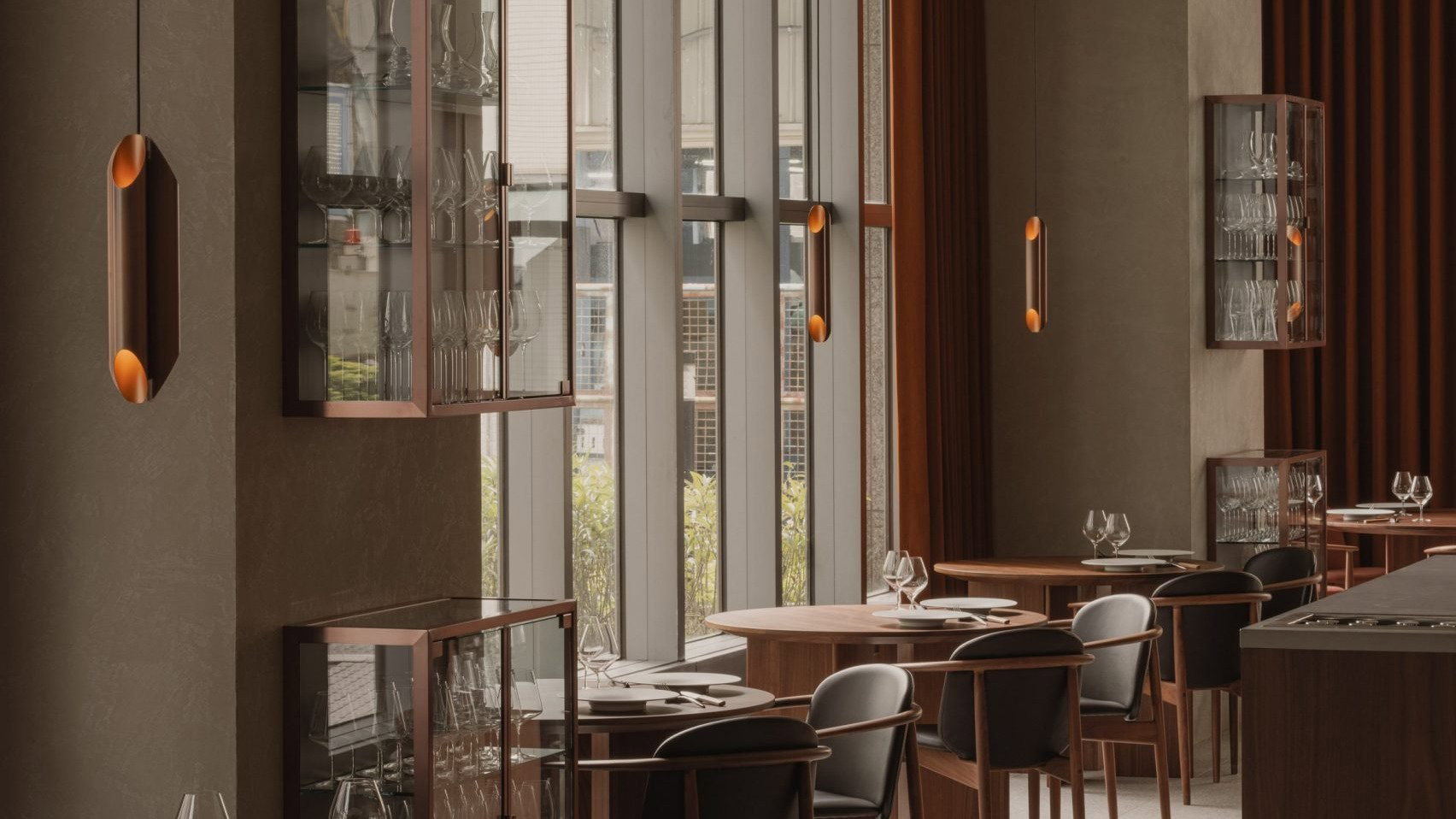
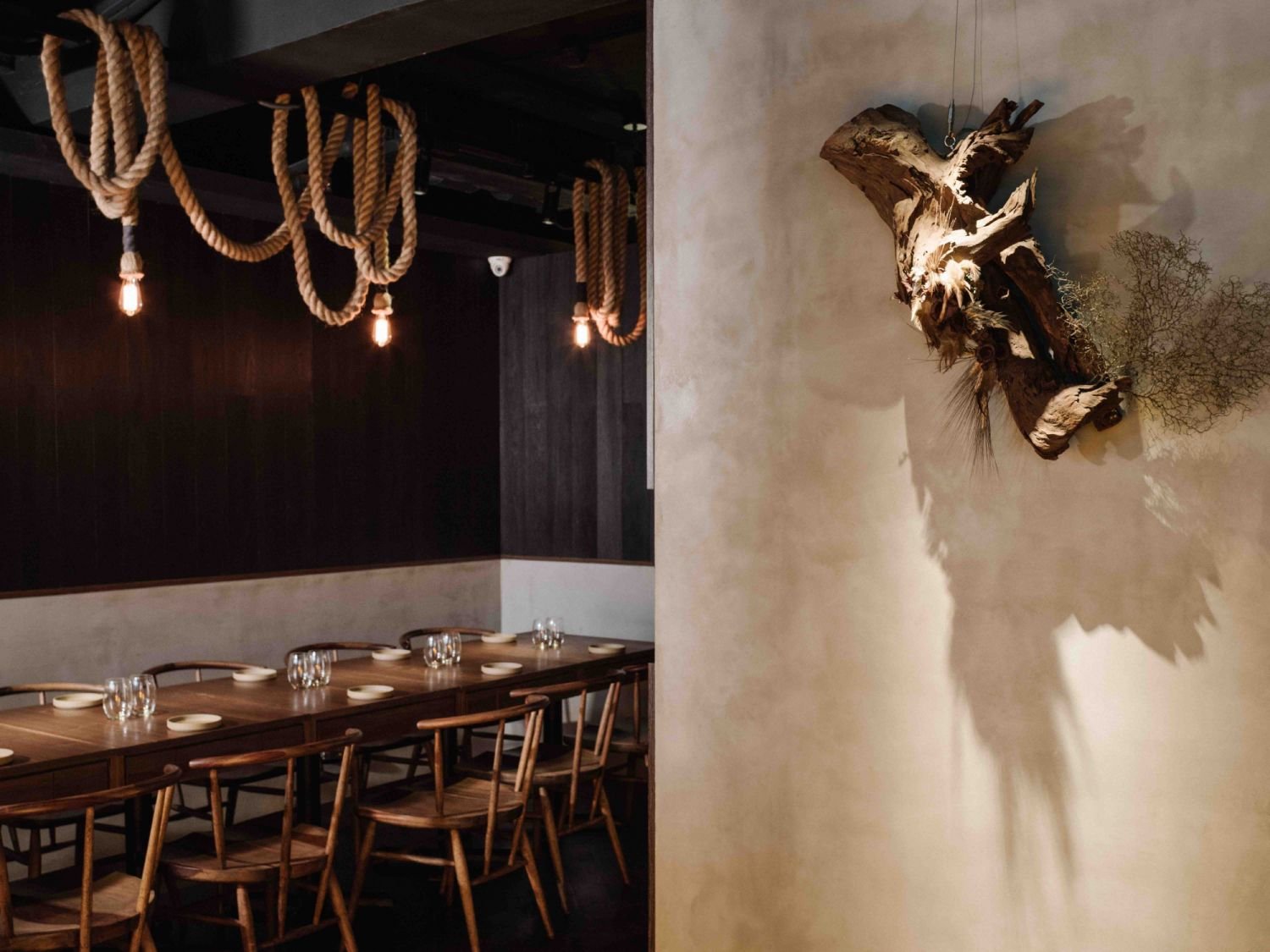
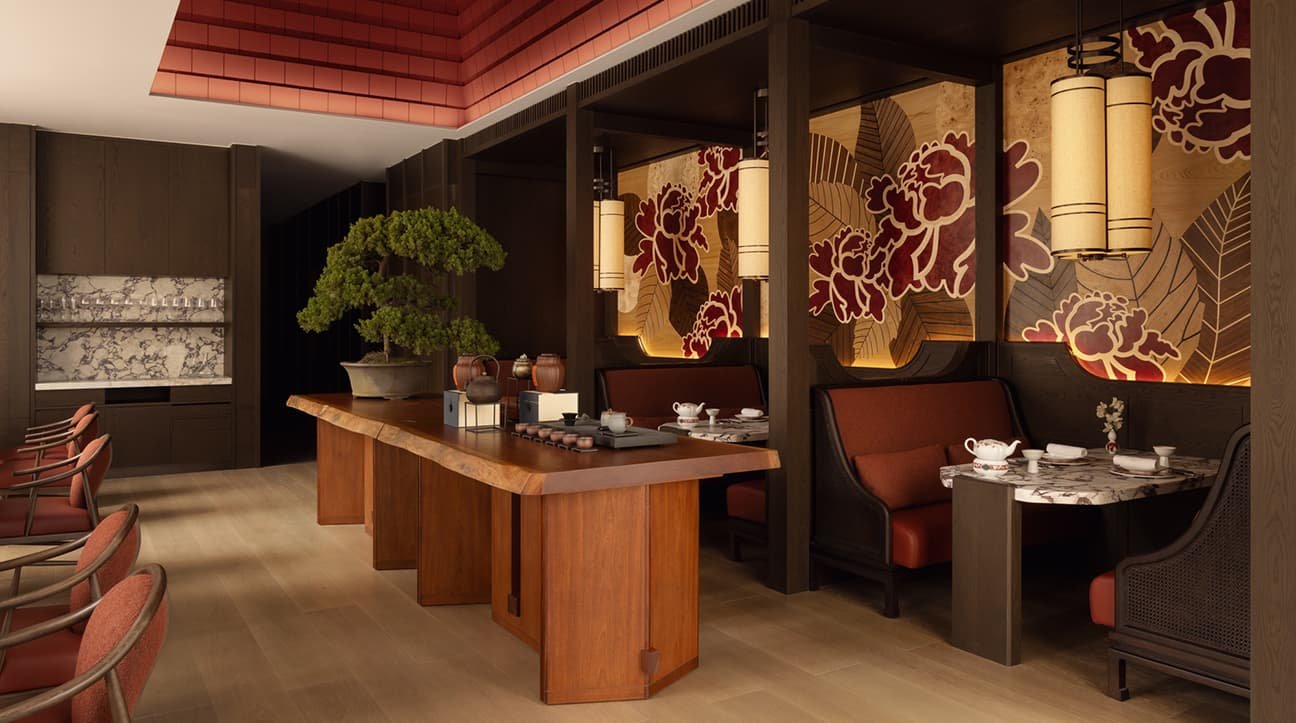
Hosu relocated in 2024, and the new space is worth understanding before you arrive. The courtyard features a native five-needle pine, and the walls are finished in oyster shell paint, both choices that signal a deliberate commitment to ecological materiality rather than conventional restaurant decoration. This is not a backdrop; the design philosophy extends the same thinking about Taiwanese provenance that runs through the menu. You walk into a room where the sourcing ethos is visible before you sit down. For a diner who pays attention to whether a restaurant's physical space matches its culinary claims, this coherence is genuinely compelling.
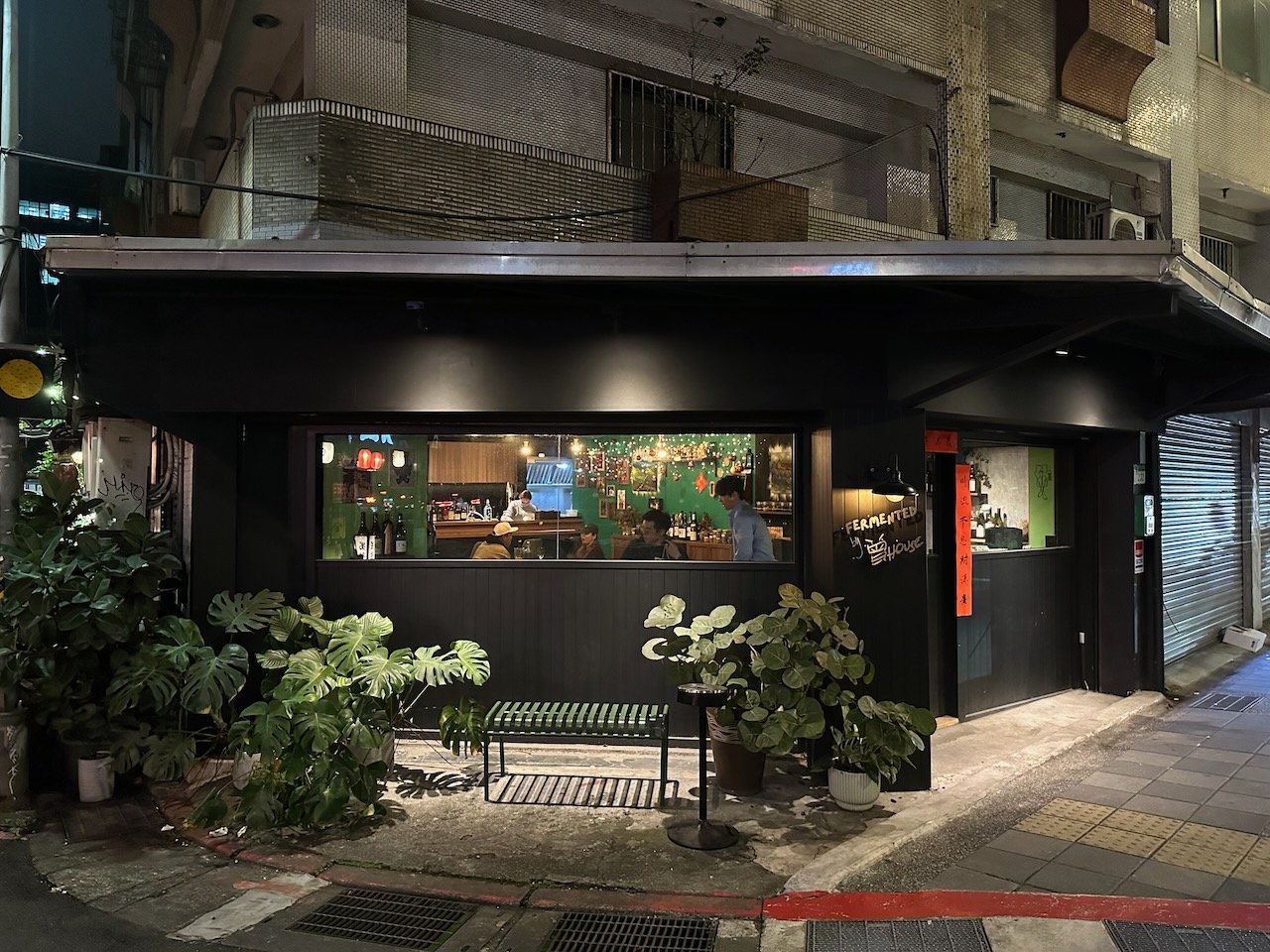
The address, No. 17, Alley 20, Lane 300, Section 4, Ren'ai Road in Da'an District, puts Hosu in one of Taipei's more residential, quieter pockets rather than the denser commercial corridors. Plan your route in advance; the alley address means ride-hailing apps occasionally need a landmark correction. Da'an is well-served by the MRT, but the specific lane is a short walk from the nearest station. Arriving with a few minutes to spare is sensible.
The menu structure
The 14-course format is built around a seasonally rotating compilation of dishes drawn from Taiwan's five major ethnic communities, pulling from mountain and coastal ingredients as the season dictates. Interactive elements appear through the progression, which keeps the pacing from feeling purely ceremonial. This is not the kind of tasting menu where each course is a self-contained showpiece disconnected from the last; the through-line of population and regional identity gives the sequence a narrative structure that rewards attention.
For a meal of this type and price tier, a beverage pairing is worth asking about when you book, whether that is wine, sake, or a non-alcoholic pairing. At comparable Taiwanese contemporary restaurants in Taipei, wine pairing add-ons typically add meaningfully to the per-head cost, so factor that into your budget estimate. If wine pairing depth matters as much as the food, venues like logy and Taïrroir have documented programs you can research in advance.
Booking and logistics
Booking difficulty is moderate. Hosu is not as hard to secure as the top-tier Michelin-starred rooms in Taipei, but the post-relocation period and Michelin Plate recognition in 2024 have raised its profile. Book at least two to three weeks ahead for a weekend table; weeknight availability tends to be more forgiving. Confirming dietary restrictions at the time of booking is advisable given the fixed menu format; the kitchen's sourcing philosophy suggests they are attentive to these requests.
The $$$ price tier positions Hosu below the $$$$ bracket occupied by most of Taipei's Michelin-starred fine dining, which makes it one of the more accessible entry points into serious Taiwanese contemporary cooking in the city. For a special occasion where you want weight and intentionality without the full financial commitment of a starred room, Hosu occupies a genuinely useful position in the market.
How It Compares
See the comparison section below for how Hosu sits against Taïrroir, logy, Le Palais, and others in Taipei's fine dining tier.
Pearl Picks: More Taiwanese contemporary dining
If Hosu's format appeals but you want to explore further, the Taiwanese contemporary category has strong representatives beyond Taipei. Sur- and huist in Taichung are both worth the trip for a dedicated food itinerary. JL Studio in Taichung operates at the top of the category nationally. Back in Taipei, Ban Bo and EMBERS are close neighbours in the contemporary Taiwanese space and worth cross-referencing depending on your specific interests. For a wider view of what the city offers, our full Taipei restaurants guide covers the range. If you are building a broader Taiwan trip, see also GEN in Kaohsiung, A Cun Beef Soup in Tainan, and Ang Gu in Hsinchu County. For everything else in Taipei, our guides to hotels, bars, wineries, and experiences cover the essentials. If you are considering a day trip, Volando Urai Spring Spa and Resort in Wulai and A Gan Yi Taro Balls in New Taipei are worth flagging for the full Taiwan picture.
Planning details
- Hours
- Location
- Location
- No. 17號, Alley 20, Lane 300, Section 4, Ren'ai Rd, Da’an District, Taipei City, Taiwan 106
- Reservations
- Book on inline
- Website
- hosutaiwan.com
- Phone
- +886 2 2711 4723
The take
The Take
The Vibe
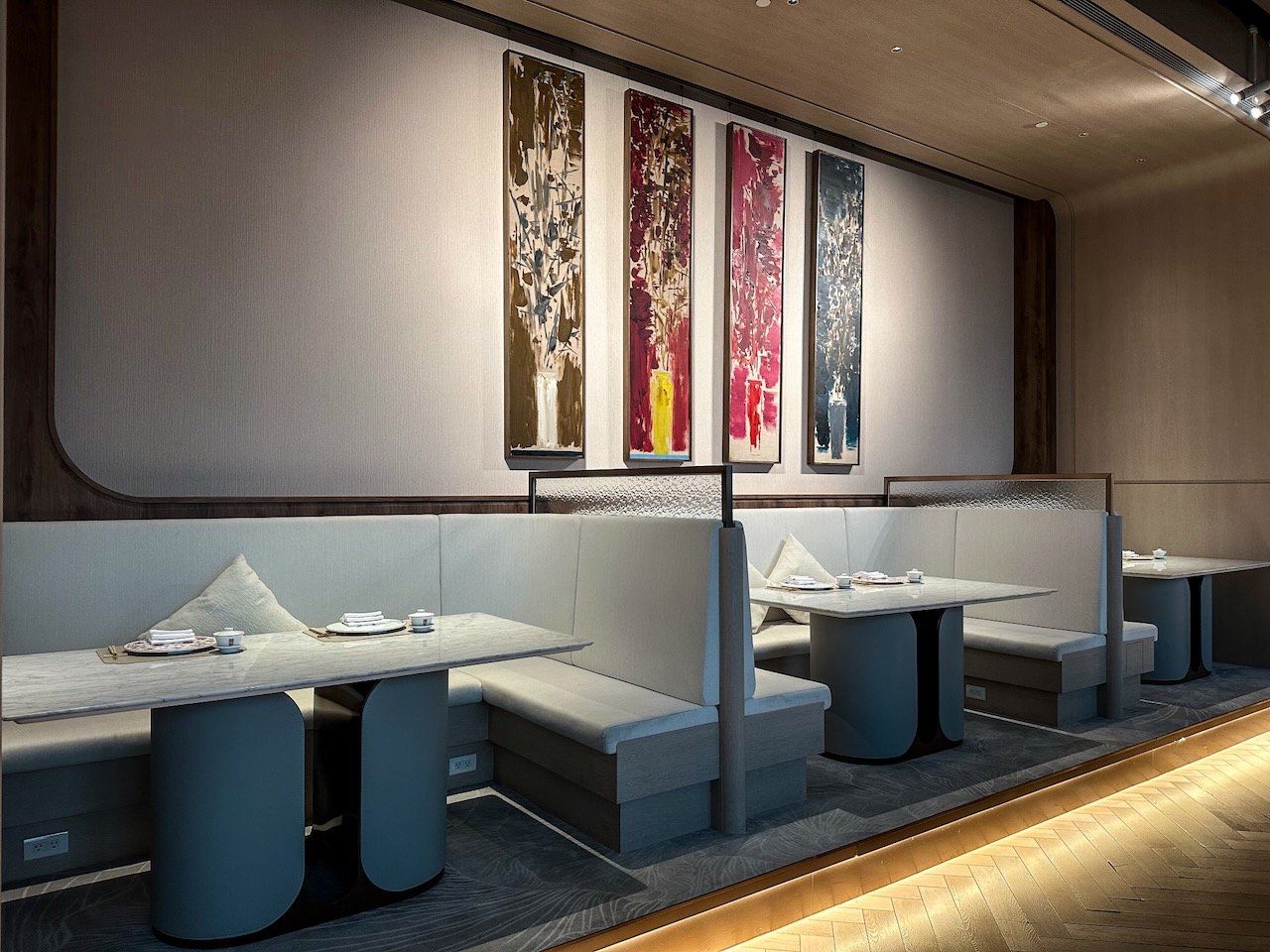
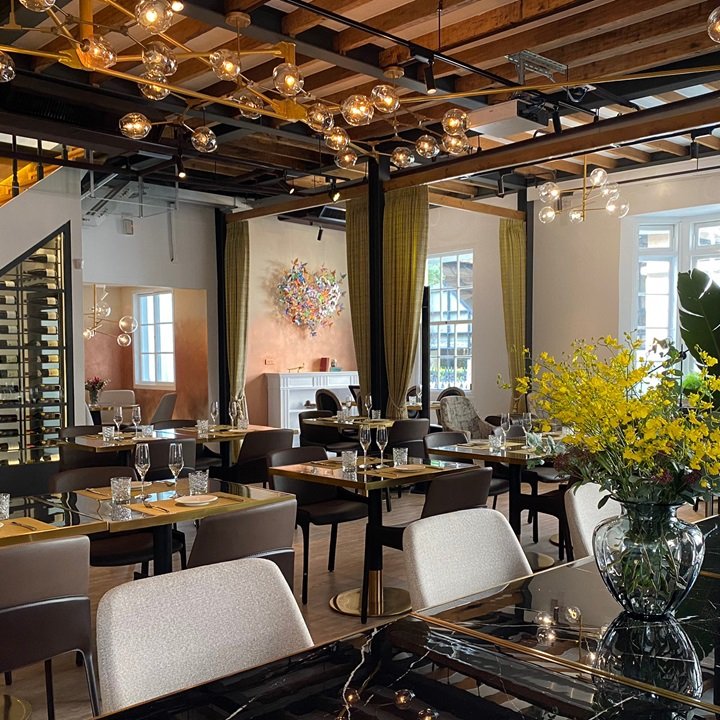
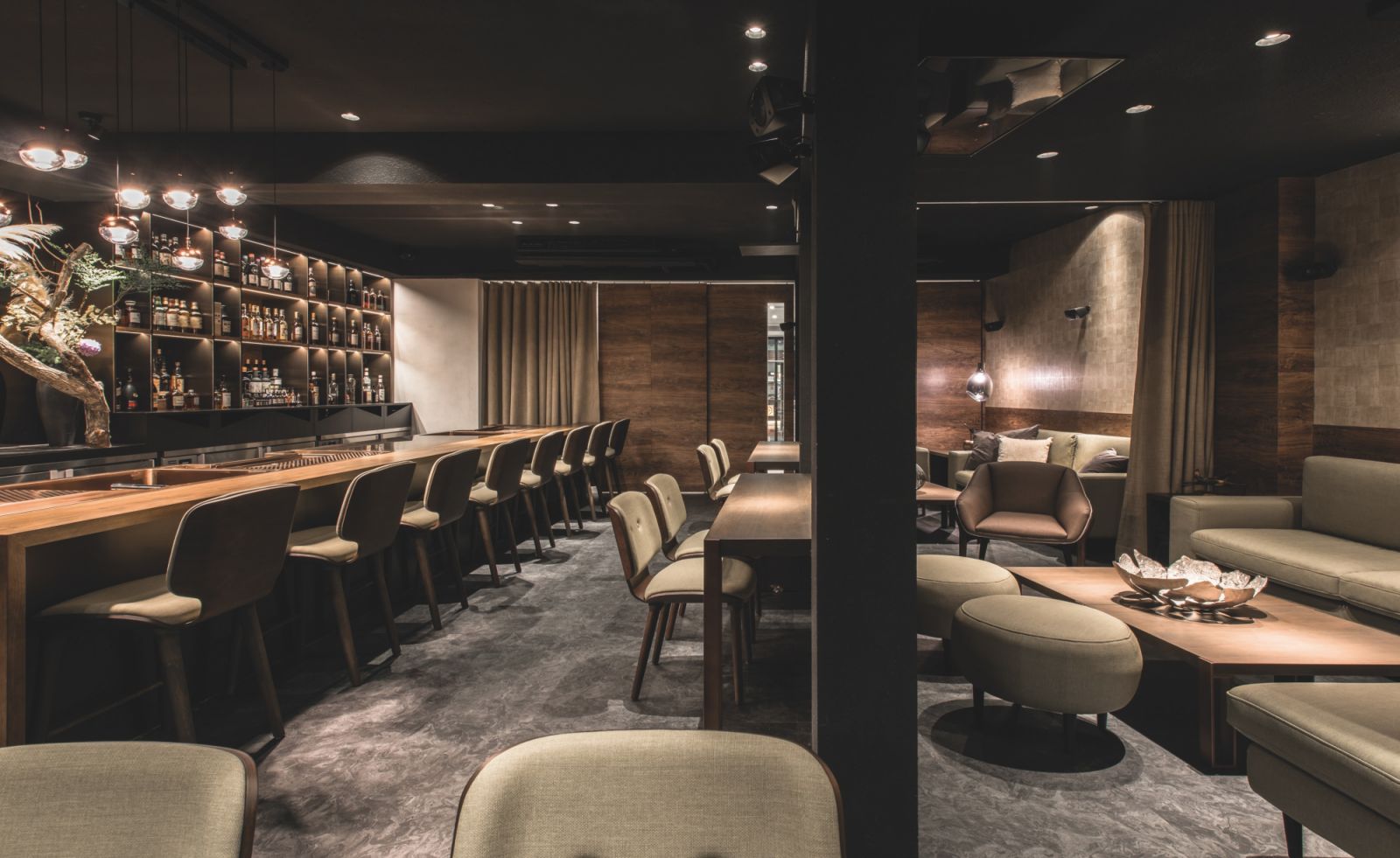
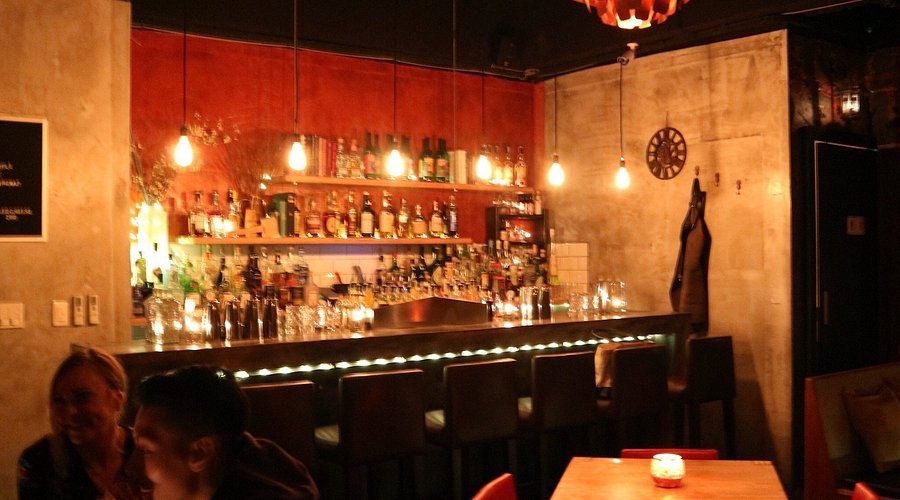
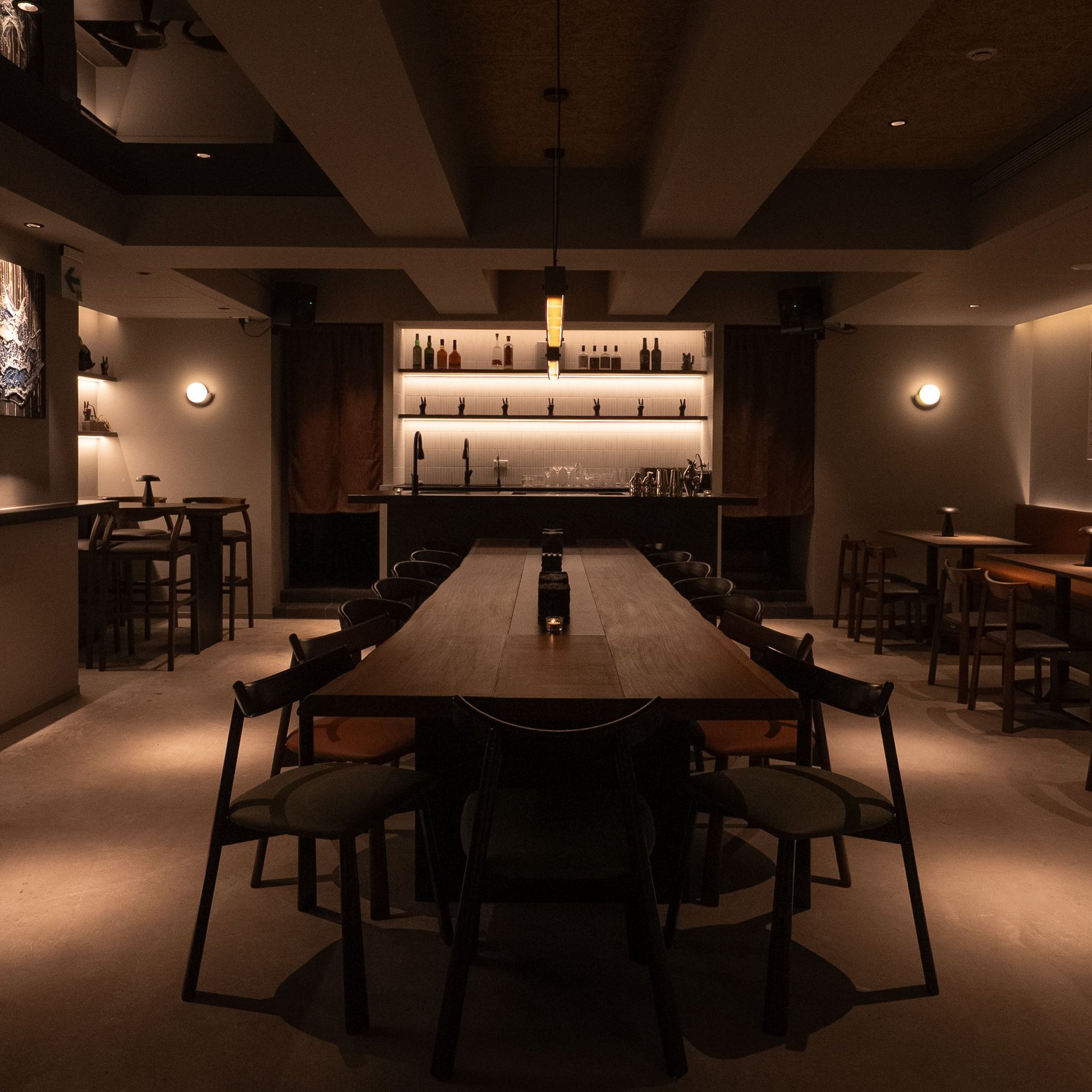
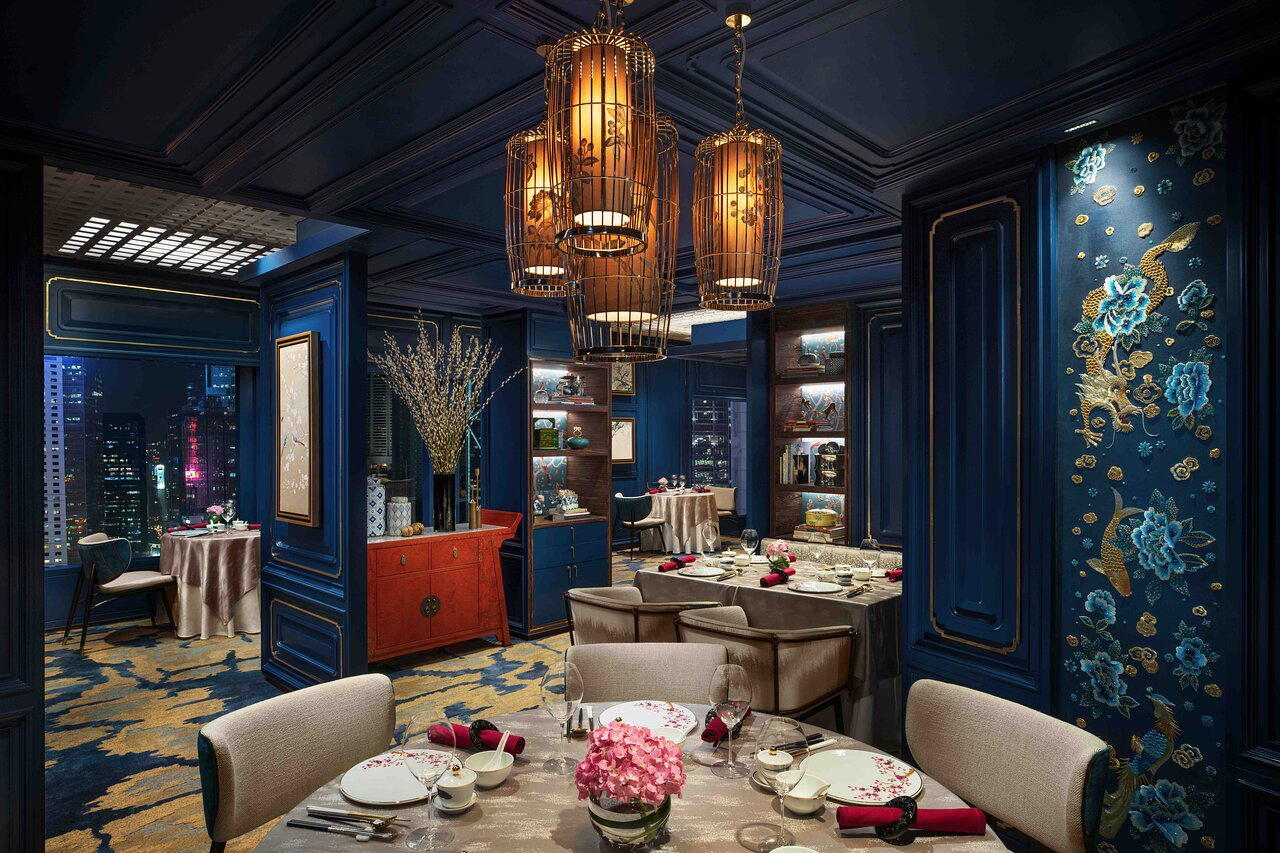
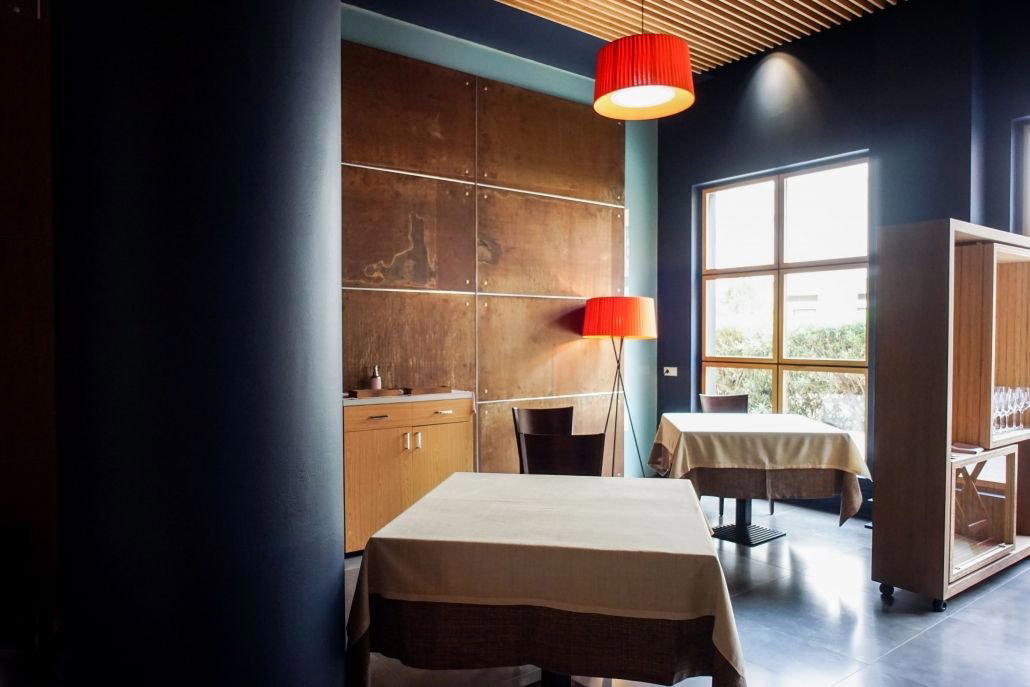
Hosu embraces a restrained, quietly confident aesthetic. A native five-needle pine anchors a small courtyard, and interior walls finished in oyster-shell paint reference Taiwan's coastal traditions. The room favors grounded materials and deliberate restraint rather than stark minimalism, so the overall tone reads as calm and classic. Eco-friendly choices in the fit-out reinforce a thoughtful, coherent design approach that complements the kitchen's sourcing principles. This is a place that prepares diners for a focused tasting experience via its subdued, considered atmosphere.
Best For
Hosu is made for milestone evenings and ceremonies: birthday dinners, anniversaries and other special occasions fit naturally here. The restaurant operates a 14-course set tasting menu that foregrounds Taiwan's five major culinary lineages, so the meal itself becomes the occasion. Located in Da'an District and positioned at a higher price point, the room and menu together are tailored to diners seeking a formal, celebratory experience rather than casual dining. Expect a composed dinner that emphasizes seasonal local ingredients and narrative-driven courses.
Ordering Tips
Book the 14-course set tasting menu, which is the restaurant's primary structure and is explicitly framed around Taiwan's five major population groups. The menu rotates with the seasons and sources from local mountains and coastal waters, so expect ingredient-driven, seasonally shifting courses. The kitchen's sourcing logic aligns with the eco-friendly materials of the room, so diners looking for a coherent, narrative-led tasting experience should opt for the set menu and plan for a multi-course, dinner-focused visit at the stated $$$ price tier.
Venue details
Ambiance
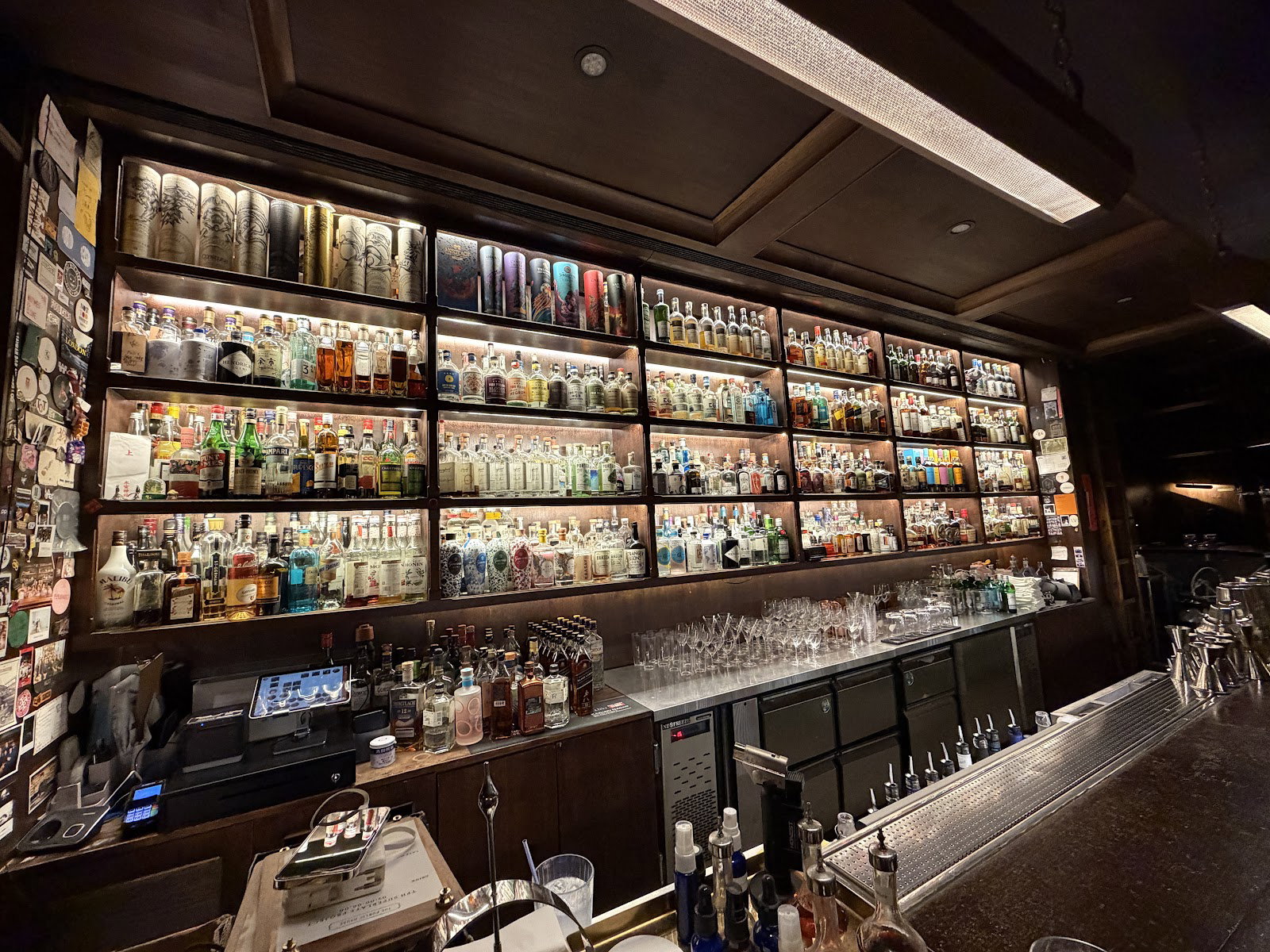
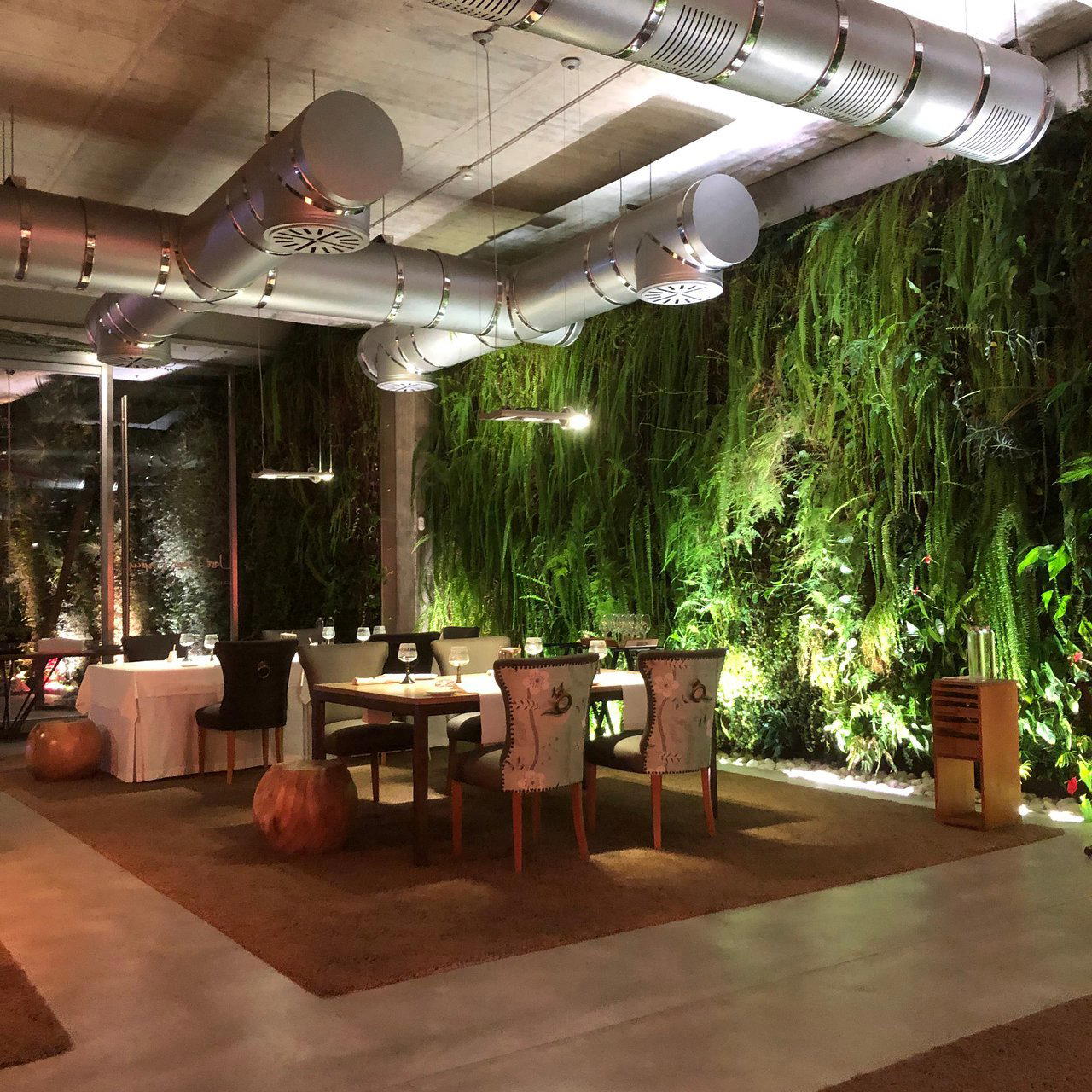
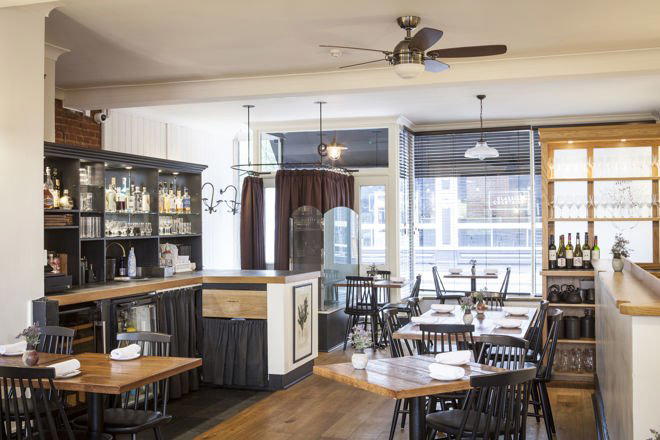
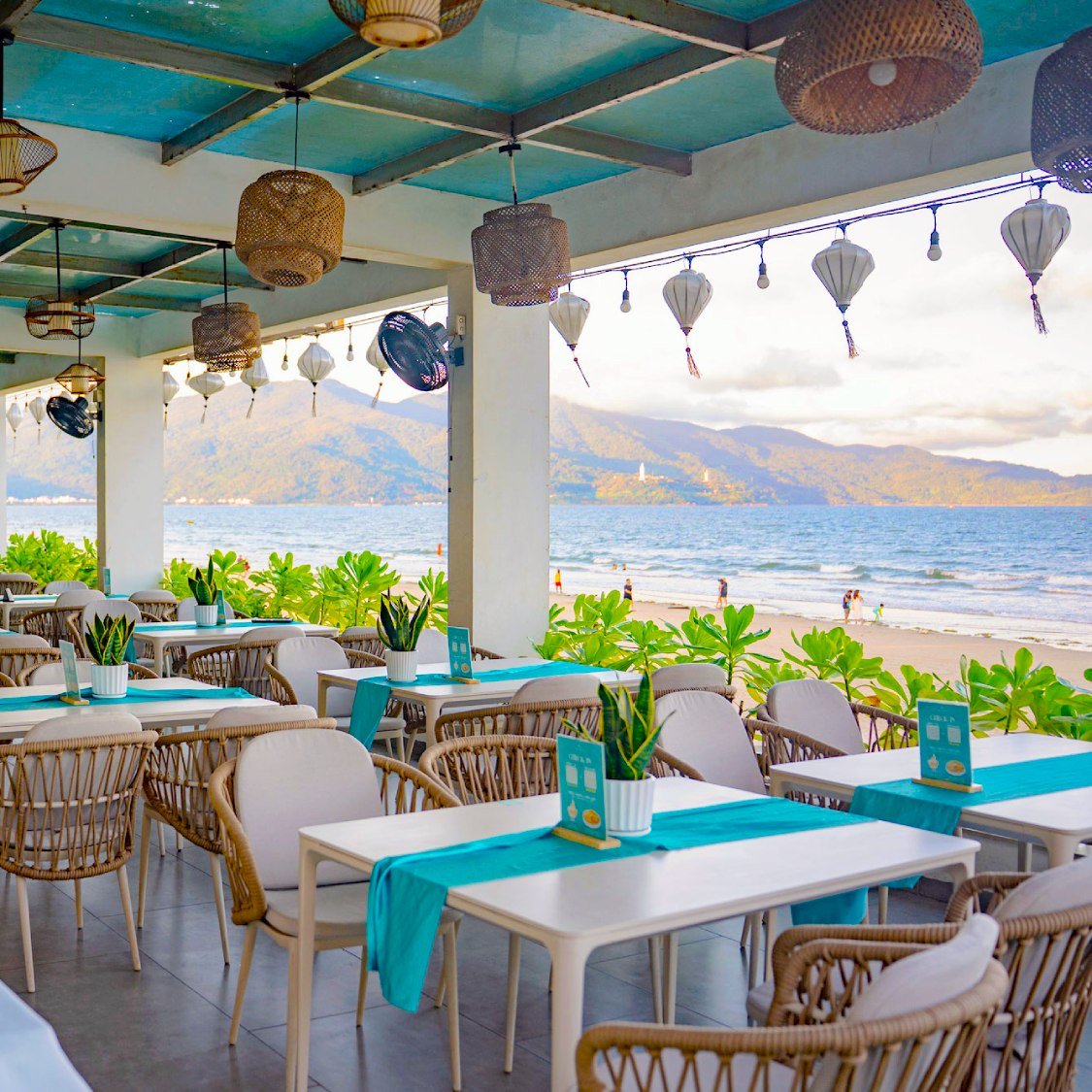
Warm wood, natural textures, atmospheric lighting, and lush greenery create a cozy, calm, and contemporary sanctuary rooted in Taiwanese heritage.
Tags
Vibe
Best For
Experience
Sourcing
At the Table
- Dress Code
- Smart Casual
- Noise Level
- Quiet
- Service Style
- Formal
- Meal Pacing
- Leisurely
- Capacity
- Intimate
- Kitchen
- Modern
- Menu Format
- Tasting menu, Omakase
- Drinks Focus
- Wine, Sake
- Dietary
- Vegetarian friendly
Signature Dishes
- Sweet Potato Bun with Smoked Goose Fat
- Goose with Black Garlic
Know before you go
Know Before You Go
- Getting there
- No. 17號, Alley 20, Lane 300, Section 4, Ren'ai Rd, Da’an District, Taipei City, Taiwan 106
Planning details
Hours
Hours as of September 2026
Location
Location
No. 17號, Alley 20, Lane 300, Section 4, Ren'ai Rd, Da’an District, Taipei City, Taiwan 106 · Directions
Recognition and awards
Also consider
Also Consider
- logy: Modern European, Asian Contemporary, $$$$
- Le Palais: Cantonese, $$$$
- Taïrroir: Taiwanese/French, Taiwanese contemporary, $$$$
- Mudan Tempura: Tempura, $$$$
- de nuit: French Contemporary, $$$$
Restaurant context
Hosu sits at $$$, which immediately separates it from most of its natural comparison set. Taïrroir and logy both operate at $$$$ with Michelin stars and fully documented wine programs. If you are deciding between Hosu and Taïrroir, the core question is whether the French-Taiwanese hybridity of Taïrroir or the population-group framework of Hosu better fits what you are looking for. For wine-pairing depth and a more internationally legible menu architecture, Taïrroir has the clearer edge. For a meal grounded specifically in Taiwanese cultural history at a lower price, Hosu is the more focused choice.
Le Palais is a different category entirely, Cantonese fine dining at $$$$, and the right choice if you want the reference point of a three-Michelin-starred Cantonese room rather than a contemporary Taiwanese tasting menu. logy at $$$$ leans into European technique with Asian ingredients and suits the diner whose primary interest is chef-driven creativity with global influences. Hosu is less about individual chef expression and more about collective culinary inheritance, which makes it a different kind of dining proposition rather than simply a cheaper one.
For pure booking ease, Hosu at moderate difficulty is more accessible than the starred rooms, which in Taipei can require significant advance planning. If you want a serious tasting menu in Da'an without a three-month wait or a $$$$ budget, Hosu is the most practical option in its category. Ban Bo and EMBERS are worth comparing if your interest is in contemporary Taiwanese cooking with a different conceptual framing; both operate in proximity to Hosu's register and are worth cross-checking on availability before you commit.
Explore Taipei
Around this place
Discover more on Pearl
Unlock the full Hosu guide in Pearl, including awards, comparisons, FAQs, planning details, and nearby places.
Compare Hosu
| Venue | Cuisine | Price | Awards | Booking Difficulty |
|---|---|---|---|---|
| Hosu | Taiwanese contemporary | $$$ | Michelin Guide Taiwan 20262025 Michelin 1 Star2024 Michelin Plate | Moderate |
| logy | Modern European, Asian Contemporary | $$$$ | 2026 Asia's 50 Best Restaurants · #222026 OAD Top Restaurants in Asia Ranked · #22Michelin Guide Taiwan 2026Star Wine Lists 20262026 Conde Nast Traveler Hot List Restaurants2026 Black Pearl 1 Diamond2026 La Liste Top Restaurants2025 Asia's 50 Best Restaurants · #262025 OAD Top Restaurants in Asia Ranked · #32 | Unknown |
| Le Palais | Cantonese | $$$$ | 2026 OAD Top Restaurants in Asia Ranked · #128Michelin Guide Taiwan 20262026 La Liste Top Restaurants2025 OAD Top Restaurants in Asia Ranked · #1212025 La Liste Top Restaurants2025 Michelin 3 Stars2024 OAD Top Restaurants in Asia Ranked · #1782024 Michelin 3 Stars2023 OAD Top Restaurants in Asia Ranked · #140 | Unknown |
| Taïrroir | Taiwanese/French, Taiwanese contemporary | $$$$ | 2026 OAD Top Restaurants in Asia Ranked · #132Michelin Guide Taiwan 20262026 La Liste Top Restaurants2025 OAD Top Restaurants in Asia Ranked · #128Tatler Best Restaurants Asia-Pacific 20252025 Michelin 3 Stars2025 La Liste Top Restaurants2024 OAD Top Restaurants in Asia Ranked · #842024 Michelin 3 Stars | Unknown |
| Mudan Tempura | Tempura | $$$$ | Michelin Guide Taiwan 20262026 OAD Top Restaurants in Asia Recommended2026 La Liste Top Restaurants2025 OAD Top Restaurants in Asia Ranked · #2842025 Michelin 2 Stars2024 OAD Top Restaurants in Asia Ranked · #288 | Unknown |
| de nuit | French Contemporary | $$$$ | Michelin Guide Taiwan 2026Star Wine Lists 20262026 OAD Top Restaurants in Asia Recommended2025 The Best Chef One Knife2025 Michelin 1 Star2024 Michelin 1 Star | Unknown |

.png?width=1200&quality=80)










How Hosu stacks up against the competition.
FAQ
Frequently Asked Questions
Does Hosu handle dietary restrictions?
The 14-course set menu is built around a fixed structure tied to Taiwan's five major ethnic food traditions and seasonal sourcing, which limits flexibility. Contact Hosu directly before booking to confirm what substitutions, if any, are possible. This format is generally less accommodating than à la carte restaurants, so if you have serious dietary restrictions, raise them at the reservation stage rather than on arrival.
Can Hosu accommodate groups?
The set menu format works reasonably well for groups since everyone eats the same 14 courses, removing ordering logistics. That said, the post-2024 space appears to prioritise atmosphere over scale, so larger parties should confirm capacity directly. For groups of six or more, reach out well in advance: tasting menu rooms at the $$$ tier in Taipei book out faster when a table takes up significant floor space.
What are alternatives to Hosu in Taipei?
Taïrroir is the most direct comparison: Michelin-starred, Taiwanese-rooted, and tasting-menu format at a higher price and booking difficulty. logy runs a produce-focused omakase that shares Hosu's seasonal sourcing philosophy but pulls from a different culinary reference point. If Hosu is fully booked or you want a step up in prestige, Taïrroir is the clearest upgrade; if you want something less structurally heavy, de nuit offers a different entry point at the $$$ tier.
Is Hosu good for a special occasion?
Yes, more so than a standard anniversary dinner but less so than a pure celebration meal. The 14-course format and the courtyard setting in the post-2024 space, with its five-needle pine and oyster shell walls, create a considered atmosphere rather than a festive one. The interactive elements help: it doesn't feel like a passive tasting menu. If the occasion calls for a meal with a story behind it, Hosu delivers; if you want energy and spectacle, look elsewhere.
Is Hosu worth the price?
At $$$, Hosu is priced in line with Taipei's mid-to-upper fine dining tier, and the Michelin Plate recognition (2024) confirms it clears a baseline of quality. The value case depends on whether the premise interests you: this is a structured 14-course argument for Taiwanese food history, not a greatest-hits tasting menu. If that framing resonates, it earns the price. If you want pure technical cooking without the cultural architecture, Taïrroir or logy will feel like better value for the spend.