
Ban Bo
Taiwanese contemporary · Xikang, Taipei
Restaurant in Taipei, Taiwan
 Book with Pearl
The Read
Comfort Food Recomposed
Price
$$$
Dress
Smart Casual
Why go
Ban Bo holds a Michelin one-star (2024) in Taipei's Zhongshan District, delivering Taiwanese contemporary cooking at the $$$ price point; below the city's $$$$ tasting-menu tier. The kitchen reframes beer snacks, banquet dishes, rustic Taiwanese food with technical precision. Book the counter seat if you can, reserve several weeks out: this one is hard to get.
About Ban Bo
Book the counter seat at Ban Bo; and book it early
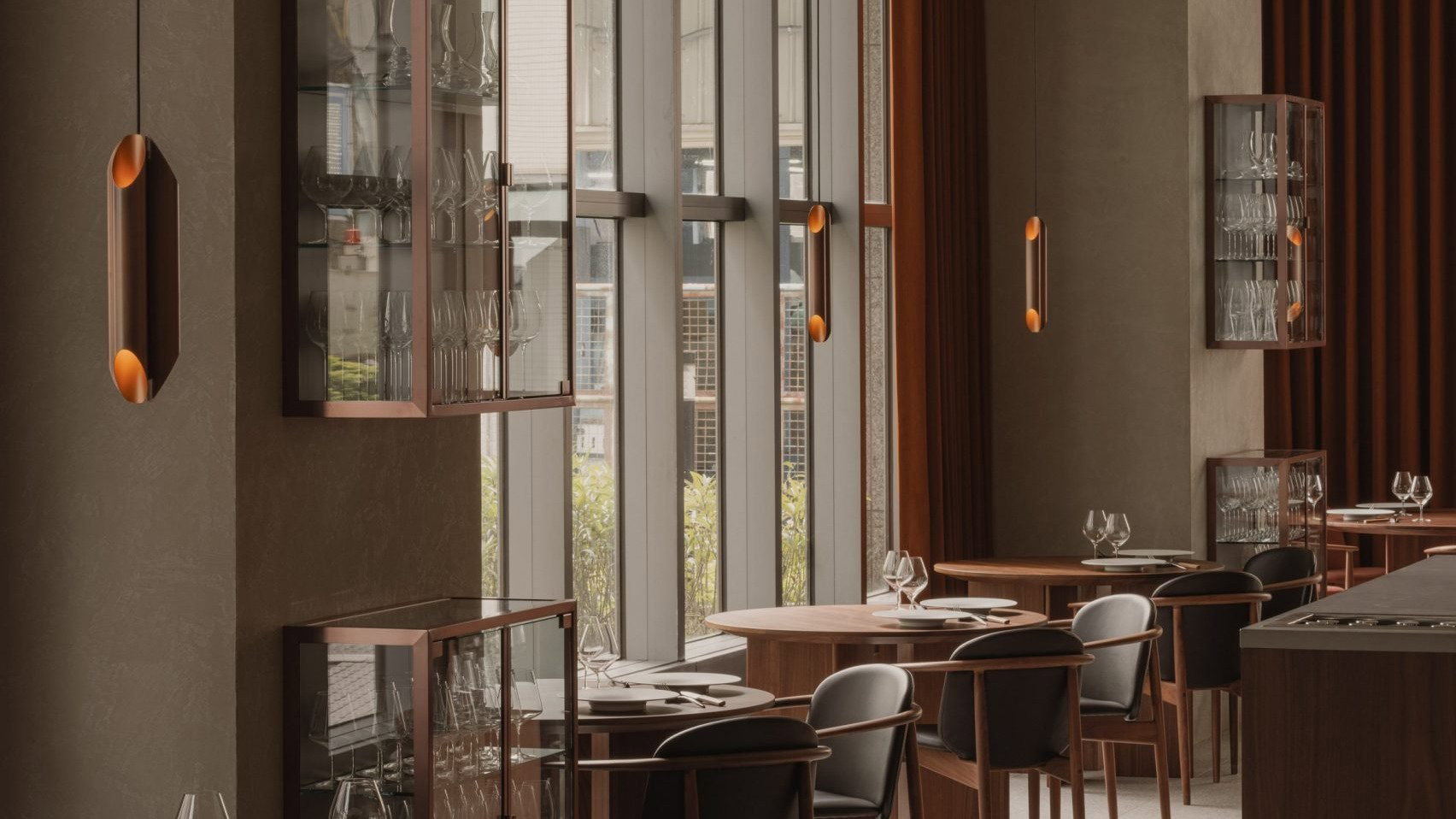
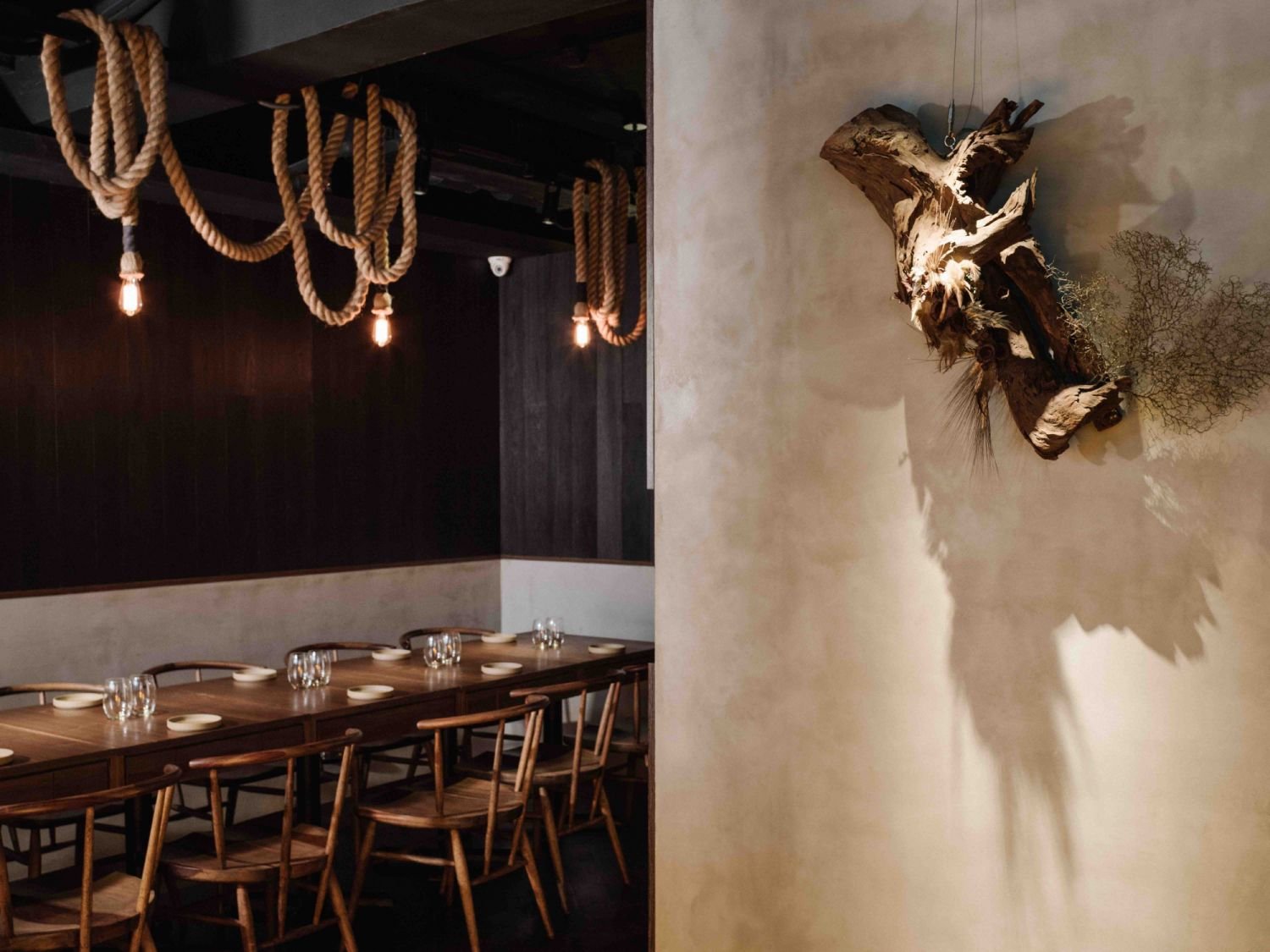
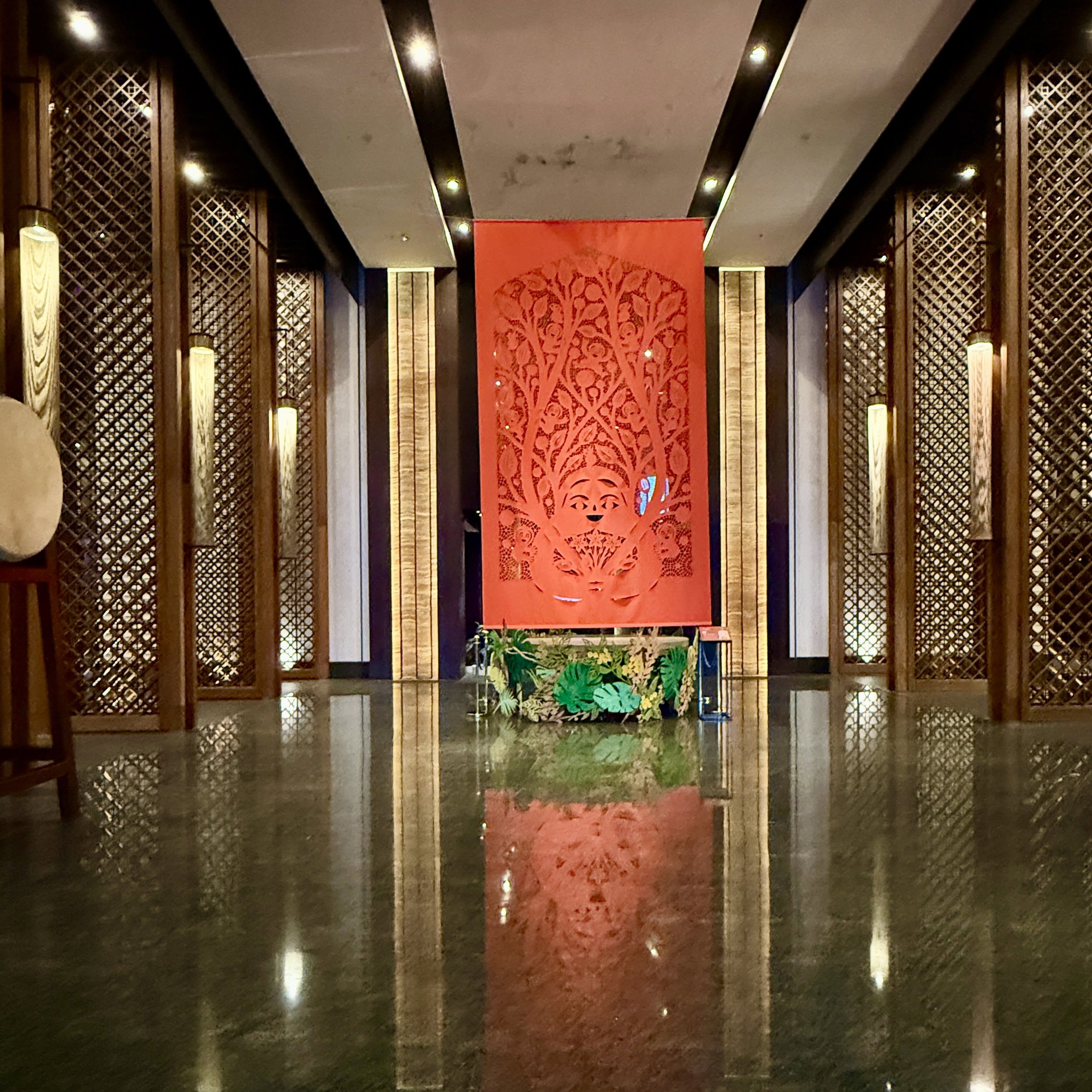
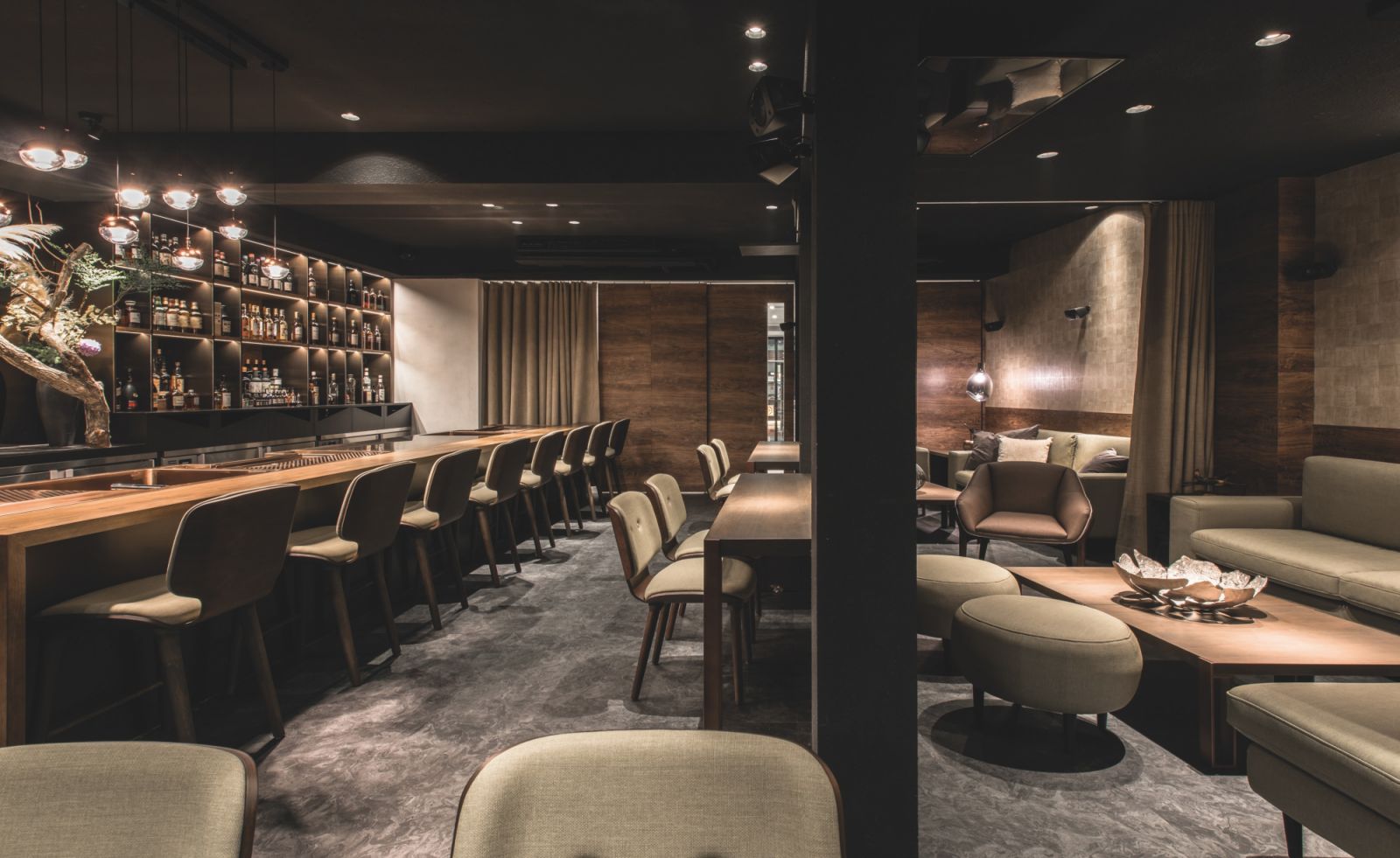
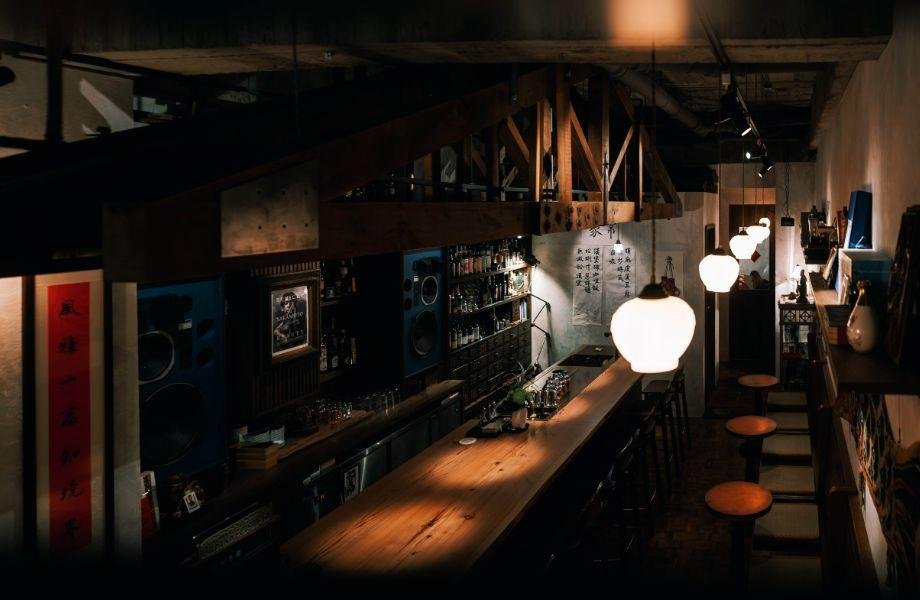
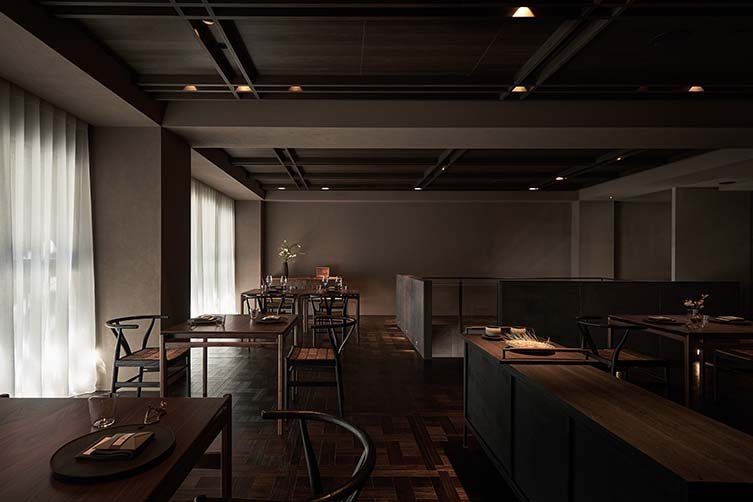
If you can get a counter seat at Ban Bo, take it. The room in Zhongshan District is deliberately designed to draw you into the world it is building: bird and cricket sounds, custom tableware made by local artisans, an origami-folded menu printed over a historic map of Taiwan. Sitting at the counter puts you closest to where the kitchen translates everyday Taiwanese drinking food and banquet traditions into something visually considered and precise. This is a Michelin one-star (2024) that earns the designation not by reaching for European fine-dining codes, but by taking the food Taiwanese people already love and asking what happens when you apply serious craft to it.
Reservations at Ban Bo are hard to come by. Book as far in advance as the reservation window allows; several weeks minimum is a reasonable starting assumption for a Michelin-starred room in Taipei that is not operating at hotel-scale volume. If you have been once and want to return, treat it the same way you would a second visit to any tightly-held counter: check release dates and move fast. Walk-in availability is not something to rely on here.
What the room does for the meal
The spatial design at Ban Bo is doing real work. The room is not large, that scale is intentional. The use of sound, specifically the ambient chirping of birds and crickets, is unusual enough to register as a considered choice rather than background noise. Combined with the artisan tableware and the origami menu, the effect is that of a room making a coherent argument about Taiwan: its craft traditions, its natural environment, its food culture. This is relevant to your decision because the experience here is not just about what arrives on the plate. If you book Ban Bo expecting a neutral fine-dining backdrop, you will be surprised by how much the room is part of the point.
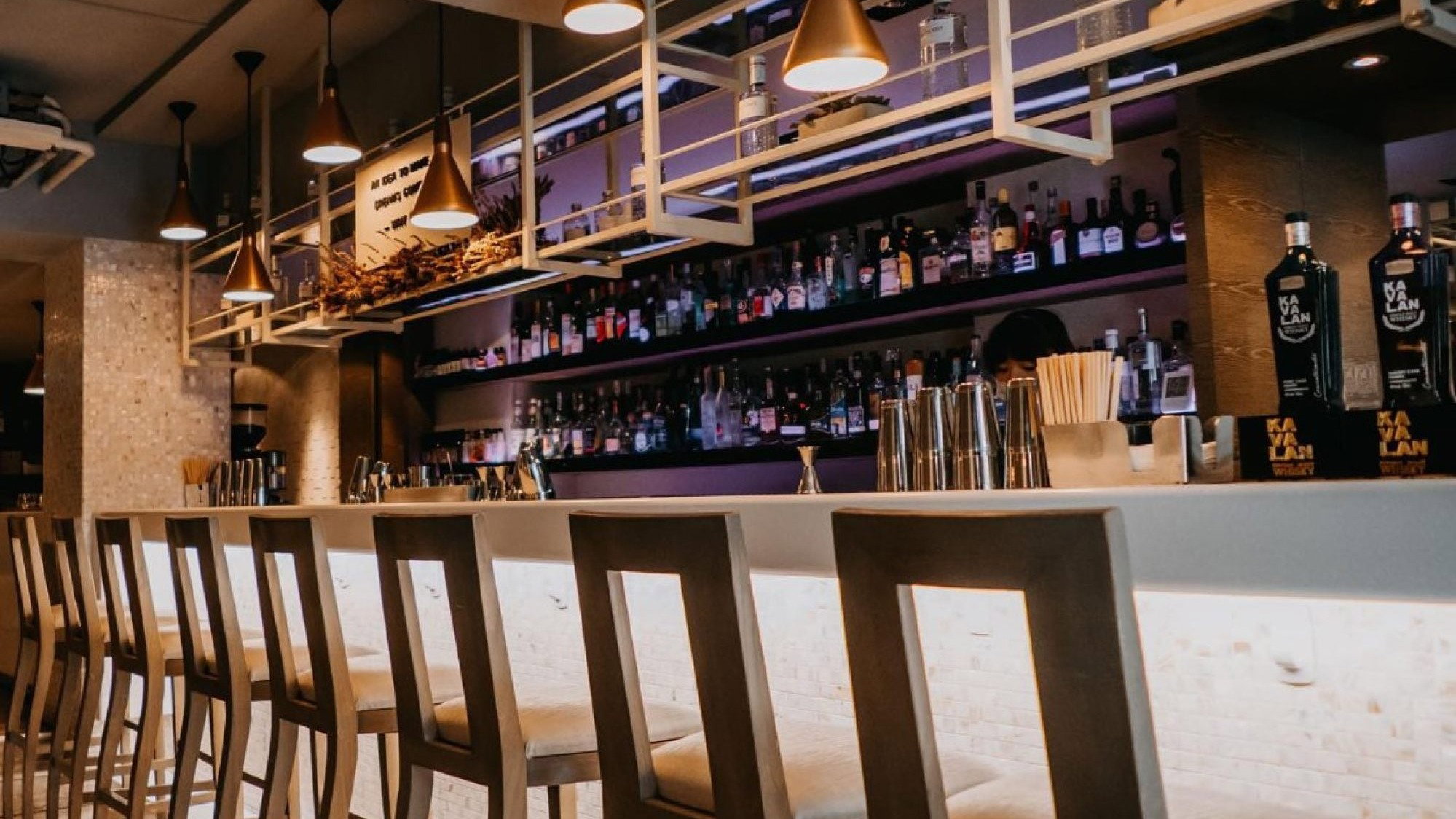
Counter seating, where available, sharpens all of this. You get sight lines into the kitchen, a closer relationship with the pace of service, the sense that you are watching the young kitchen team work through the translation problem at the heart of the menu: how do you take pork belly with fermented cabbage, or quail with mushrooms, present them in a way that is visually creative without undercutting why those dishes matter in the first place? The answer at Ban Bo, from what the Michelin assessment describes, is that the technique is in service of the ingredient and the cultural reference, not in competition with it.
Who should book Ban Bo
Ban Bo is a strong choice if you already have a working knowledge of Taiwanese food culture and want to see it handled with precision. The reference points here are beer snacks, banquet dishes, rustic Taiwanese cooking, the kitchen is not explaining these to you from scratch, it is reframing them. If you are coming to Taiwanese contemporary dining for the first time, that framing matters: you will get more out of Ban Bo if you arrive with some context for what it is riffing on.
For a second visit, the question becomes which dishes to anchor around. The Michelin committee's descriptions of quail with mushrooms and pork belly with fermented cabbage give you two points of reference, but this is a kitchen working in a contemporary mode, which means the menu will shift. A returning guest's leading approach is to let the counter experience guide the meal rather than arriving with a fixed agenda.
Solo diners and pairs are well served by the counter format. Groups should contact the venue directly to understand what configurations are available, since the room's scale and design ethos suggest it is not built around large-party bookings.
Practical details
Reservations: Hard to get; book as far ahead as the system allows, several weeks minimum. Budget: $$$ per head, which positions Ban Bo below the $$$$ tier occupied by Taipei's larger tasting-menu operations. Address: No. 38, Lane 265, Lequner Road, Zhongshan District, Taipei. Dress: Not specified in available data, but the room's design ambition and Michelin status suggest smart-casual at minimum. Awards: Michelin 1 Star (2024).
How Ban Bo fits into Taipei's broader scene
Taipei's contemporary Taiwanese dining scene has genuine depth. Ban Bo sits within it as one of the more interesting value propositions at the Michelin level. If you are planning a broader trip and want to map out where to eat, see our full Taipei restaurants guide. For Taiwanese contemporary cooking with a different register, Taïrroir works the Taiwanese-French combination at $$$$ and is a useful contrast. logy approaches the same tier from a Modern European and Asian Contemporary angle, also at $$$$. Both are harder to compare directly because they are operating at a different price point and with different culinary frameworks.
For the same Zhongshan-area energy without the Michelin price commitment, or for evenings when you want to supplement a Ban Bo booking with drinks or further eating, Taipei's bar and experience scenes are worth planning around. See our full Taipei bars guide and our full Taipei experiences guide for context. If your trip extends beyond Taipei, JL Studio in Taichung and Sur- in Taichung are worth knowing, as is huist in Taichung for Taiwanese contemporary further south. GEN in Kaohsiung rounds out the island-wide picture. Within Taipei itself, EMBERS and Hosu are worth keeping on the list alongside Ban Bo.
Frequently asked questions
What should a first-timer know about Ban Bo?
- Ban Bo is a Michelin one-star (2024) in Taipei's Zhongshan District serving Taiwanese contemporary cuisine at the $$$ price point.
- The kitchen reframes Taiwanese beer snacks, banquet dishes, rustic food through a technically precise, visually considered lens. Arriving with some familiarity with Taiwanese food culture helps.
- The room itself is part of the experience: ambient sound design, artisan tableware, an origami-folded menu over a historic Taiwan map are all deliberate choices.
- Booking is hard. Move as early as the reservation window allows.
Is Ban Bo worth the price?
- At $$$, Ban Bo is priced below the $$$$ tier where most of Taipei's headline tasting-menu operations sit, which makes the Michelin one-star status a strong value signal.
- If Taiwanese contemporary cooking at a craft level interests you, the price-to-credential ratio here is favourable compared to peers like Taïrroir or logy, both at $$$$.
- The design investment in the room adds perceived value that you are not paying extra for.
Is Ban Bo good for solo dining?
- Counter seating makes Ban Bo a good solo option. The format suits single diners and pairs well.
- For solo dining in Taipei's contemporary scene more broadly, the counter-forward format here is more conducive than larger banquet-style rooms.
- Budget $$$ per head solo and the experience holds up without a group to share the cost across multiple dishes.
Can Ban Bo accommodate groups?
- No phone or group-booking policy data is available. Contact the venue directly to ask about configurations for parties larger than two or four.
- The room's scale and design suggest it is not built for large private events. Manage expectations accordingly and ask early.
- For group dining in Taipei at a similar quality level, Le Palais operates at $$$$ with a Cantonese format that may be better suited to larger tables.
What are alternatives to Ban Bo in Taipei?
- Taïrroir is the closest peer for Taiwanese contemporary cooking, but operates at $$$$ and takes a French-inflected approach.
- logy at $$$$ works if you want Modern European and Asian Contemporary together rather than a Taiwan-specific focus.
- EMBERS and Hosu are relevant Taipei options depending on your specific cuisine interest.
- For a wider view, see our full Taipei restaurants guide.
Is the tasting menu worth it at Ban Bo?
- No specific tasting menu pricing or structure is confirmed in available data. What is confirmed is a Michelin one-star rating and a $$$ price range, which implies a tasting-menu format at a price below Taipei's $$$$ tier.
- Given the Michelin validation and the design investment in the room, the tasting format is likely the right way to experience what the kitchen is doing. Ordering partially may not give you the full picture of the translation the chefs are attempting.
Is Ban Bo good for a special occasion?
- Yes, with caveats. The room design is striking, the Michelin credential provides external validation, the $$$ price point makes it accessible for a special-occasion dinner without requiring a $$$$ outlay.
- The experience works well for two people who share an interest in Taiwanese food culture. It is a more intimate, concept-driven evening than a direct luxury celebration venue.
- If the occasion calls for something more overtly grand, Le Palais at $$$$ with its Cantonese formal register may be a better fit.
Can I eat at the bar at Ban Bo?
- No bar-specific seating policy is confirmed in available data. What is known is that counter seating exists and is the recommended position for the full experience of watching the kitchen work.
- Ask at the time of booking whether counter seats can be requested. In most counter-format Michelin operations in Taiwan and Japan, this is possible but not guaranteed.
- If counter dining in Taipei is the specific format you are after, also consider Hosu as an option worth comparing.
Planning details
- Location
- No. 38號, Lane 265, Lequner Rd, Zhongshan District, Taipei City, Taiwan 104
- Website
- inline.app/booking/-NEozxUDoGKu0On5iDj7:inline-live-1/-NEozxiz7i9djWcHVoaO?language=zh-tw
- Phone
- +886 2 8502 9168
The take
The Take
The Vibe
Ban Bo presents a restrained, quietly intentional dining room that foregrounds Taiwanese identity. The space layers subtle sound—recorded birdsong and cricket calls—with handcrafted tableware and origami-folded menus, creating a contemplative atmosphere where design and food speak the same language. The kitchen treats everyday Taiwanese material with refined attention, so the room feels less like theatrical fine dining and more like an essay on tradition and technique. Guests experience a serene, low-key setting where craftsmanship and cultural reference points are part of the meal's presentation as much as the food itself.
Best For
Ban Bo is best for diners seeking a serious, approachable expression of Taiwanese cuisine—those who want Michelin-level refinement without the highest-end price tags. The restaurant sits in Taipei's second tier of fine dining: locally rooted, compressed in format and priced at $$$, making it a strong value proposition for celebrations, business dinners or focused night-outs that prioritize thoughtful cooking over flash. The space rewards diners who appreciate subtle design cues and a quieter room that lets carefully composed dishes take center stage.
Ordering Tips
Expect dishes that start from familiar Taiwanese forms—beer snacks, banquet plates, and rustic home-cooking—and are rendered with precise technique. The kitchen works in a compressed format, so consider sharing courses and embracing the menu's curated selections rather than ordering à la carte at random. Let the team guide you toward combinations that showcase the restaurant's strengths: concentrated flavors rooted in island tradition, elevated plating, and seasonal attention. Reservations are advisable given its Michelin recognition and modest size.
Venue details
Ambiance
Serene, zen-like atmosphere with thoughtful Taiwanese design elements like tatami mats, local bricks, and refined materials evoking nostalgia and cultural immersion.
Tags
Vibe
Best For
Experience
Sourcing
At the Table
- Dress Code
- Smart Casual
- Noise Level
- Quiet
- Service Style
- Formal
- Meal Pacing
- Extended Experience
- Capacity
- Intimate
Planning details
Location
No. 38號, Lane 265, Lequner Rd, Zhongshan District, Taipei City, Taiwan 104 · Directions
inline.app/booking/-NEozxUDoGKu0On5iDj7:inline-live-1/-NEozxiz7i9djWcHVoaO?language=zh-tw
Recognition and awards
Also consider
Also Consider
- logy; Modern European, Asian Contemporary, $$$$
- Le Palais; Cantonese, $$$$
- Taïrroir; Taiwanese/French, Taiwanese contemporary, $$$$
- Mudan Tempura; Tempura, $$$$
- Golden Formosa; Taiwanese, $$
Restaurant context
Ban Bo's clearest peers are Taïrroir and logy, both Michelin-starred and both operating at $$$$. If you are deciding between them, the price difference matters: Ban Bo delivers Michelin-level Taiwanese contemporary cooking at $$$ rather than $$$$, which makes it the stronger value play for diners who want the credential without the top-tier outlay. Taïrroir is the better choice if the French-Taiwanese fusion format interests you specifically; logy suits diners who want Modern European technique applied to Asian ingredients. Ban Bo's focus is tighter and more culturally specific to Taiwan, which is either its strength or its limitation depending on what you are after.
Le Palais at $$$$ operates in a different register entirely: formal Cantonese dining rather than contemporary Taiwanese, a room that is built for larger-scale special occasions and group bookings. It is not a direct competitor to Ban Bo, but if your occasion calls for something grander and more traditionally luxurious, Le Palais is the switch. Mudan Tempura at $$$$ is a single-cuisine specialist and only relevant if tempura is the specific format you want.
For diners on a tighter budget who still want authentic Taiwanese cooking, Golden Formosa at $$ is a practical alternative, though the experience is categorically different from what Ban Bo is doing. The honest comparison is that Ban Bo sits in a relatively open position in Taipei's Michelin tier: it is the most Taiwan-specific in its cultural framing, the most accessible in its price among the starred options, one of the harder bookings in the city. If Taiwanese food culture is the reason you are in Taipei, book Ban Bo first and use Taïrroir or logy as the second night.
Explore Taipei
Around this place
Discover more on Pearl
Unlock the full Ban Bo guide in Pearl, including awards, comparisons, FAQs, planning details, and nearby places.
Compare Ban Bo
| Venue | Cuisine | Price | Awards | Booking Difficulty |
|---|---|---|---|---|
| Ban Bo | Taiwanese contemporary | $$$ | Michelin Guide Taiwan 20262025 Michelin 1 Star2024 Michelin 1 Star | Hard |
| logy | Modern European, Asian Contemporary | $$$$ | 2026 Asia's 50 Best Restaurants · #222026 OAD Top Restaurants in Asia Ranked · #22Michelin Guide Taiwan 2026Star Wine Lists 20262026 Conde Nast Traveler Hot List Restaurants2026 Black Pearl 1 Diamond2026 La Liste Top Restaurants2025 Asia's 50 Best Restaurants · #262025 OAD Top Restaurants in Asia Ranked · #32 | Unknown |
| Le Palais | Cantonese | $$$$ | 2026 OAD Top Restaurants in Asia Ranked · #128Michelin Guide Taiwan 20262026 La Liste Top Restaurants2025 OAD Top Restaurants in Asia Ranked · #1212025 La Liste Top Restaurants2025 Michelin 3 Stars2024 OAD Top Restaurants in Asia Ranked · #1782024 Michelin 3 Stars2023 OAD Top Restaurants in Asia Ranked · #140 | Unknown |
| Taïrroir | Taiwanese/French, Taiwanese contemporary | $$$$ | 2026 OAD Top Restaurants in Asia Ranked · #132Michelin Guide Taiwan 20262026 La Liste Top Restaurants2025 OAD Top Restaurants in Asia Ranked · #128Tatler Best Restaurants Asia-Pacific 20252025 Michelin 3 Stars2025 La Liste Top Restaurants2024 OAD Top Restaurants in Asia Ranked · #842024 Michelin 3 Stars | Unknown |
| Mudan Tempura | Tempura | $$$$ | Michelin Guide Taiwan 20262026 OAD Top Restaurants in Asia Recommended2026 La Liste Top Restaurants2025 OAD Top Restaurants in Asia Ranked · #2842025 Michelin 2 Stars2024 OAD Top Restaurants in Asia Ranked · #288 | Unknown |
| Golden Formosa | Taiwanese | $$ | Michelin Guide Taiwan 20262026 OAD Top Restaurants in Asia Recommended2025 OAD Top Restaurants in Asia Ranked · #4252025 Michelin 1 Star2024 OAD Top Restaurants in Asia Ranked · #3862024 Michelin 1 Star2023 OAD Top Restaurants in Asia Recommended | Unknown |









Side-by-side comparison to help you decide where to book.
FAQ
Frequently Asked Questions
What should a first-timer know about Ban Bo?
Ban Bo takes Taiwanese comfort food; beer snacks, banquet dishes, rustic staples; and reworks them with precision and visual creativity. The room in Zhongshan District uses sound design and custom artisan tableware to anchor the food in a specifically Taiwanese context, so the experience rewards guests who come with some familiarity with the reference points. Reservations are hard to secure; book several weeks out, as far ahead as the system allows.
Is Ban Bo worth the price?
At $$$, Ban Bo holds a 2024 Michelin star and prices below the $$$$ tier that dominates Taipei's top-end scene, which makes the value proposition straightforward for anyone interested in contemporary Taiwanese cooking. If you want a tasting menu that references local food culture rather than international fine-dining conventions, this is one of the stronger options at this price point in the city. It is less compelling if you are unfamiliar with Taiwanese food and looking for an accessible introduction.
Is Ban Bo good for solo dining?
Solo diners with an interest in the craft behind the food will do well here, particularly at a counter seat where you can engage with the room and the kitchen. The deliberate spatial design; small scale, ambient sound, artisan detail; works well for a single diner paying attention. Book a counter position specifically if that option exists when you reserve.
What are alternatives to Ban Bo in Taipei?
Taïrroir operates in a similar contemporary Taiwanese register but at a higher price point and with stronger international recognition. Logy offers tasting-menu precision with a Japanese-Taiwanese crossover angle. If you want classic Taiwanese banquet cooking without the tasting-menu format, Golden Formosa is a more traditional alternative at a different price tier.
Is the tasting menu worth it at Ban Bo?
The Michelin committee specifically cited dishes like quail with mushrooms and pork belly with fermented cabbage as examples of the kitchen's ability to make familiar Taiwanese references visually creative and technically precise. At $$$, the tasting menu sits at a price point where that level of execution is rare. Worth it if the format suits you; less so if you prefer to order freely.
Is Ban Bo good for a special occasion?
Yes, with the right guest. The room is deliberately designed; custom tableware, ambient soundscape, origami-folded menu with a historic Taiwan map; and the Michelin 1 Star (2024) gives it the credibility to anchor a significant dinner. It works best as a special-occasion choice for guests who will appreciate the cultural references rather than guests expecting a conventional fine-dining celebration.