

YUENJI
Taiwanese · Fuhe, Taichung
Restaurant in Taichung, Taiwan
 Book with Pearl
The Read
Heritage Banquet Reimagined
Price
$100–150per person
Chef
Lin Ju-Wei
Dress
Smart Casual
Why go
YUENJI holds a Michelin star (2024) and ranks #127 in OAD's Asia list (2025), making it Taichung's most externally validated fine-dining table. Chef Lin Ju-Wei's kitchen reconstructs Taiwan's regional food heritage using hyperlocal sourcing: book the omakase Chef's Menu if you want the full picture. At $$$$ in Taichung, the absolute spend is lower than equivalent-tier restaurants in most major Asian cities.
About YUENJI
YUENJI, Taichung: The Verdict
If you have already visited YUENJI once, the question on a return trip is not whether the kitchen holds up, it does, backed by a Michelin star (2024) and an Opinionated About Dining ranking of #127 in Asia (2025), but whether the Chef's Menu reveals something new. It will. Lin Ju-Wei's team builds the menu around Taiwan's food heritage in a way that rewards familiarity: the more you know about the source ingredients and regional traditions, the more precisely you can read what is happening on the plate. First-time visitors eat well; repeat visitors eat with understanding.
The Space
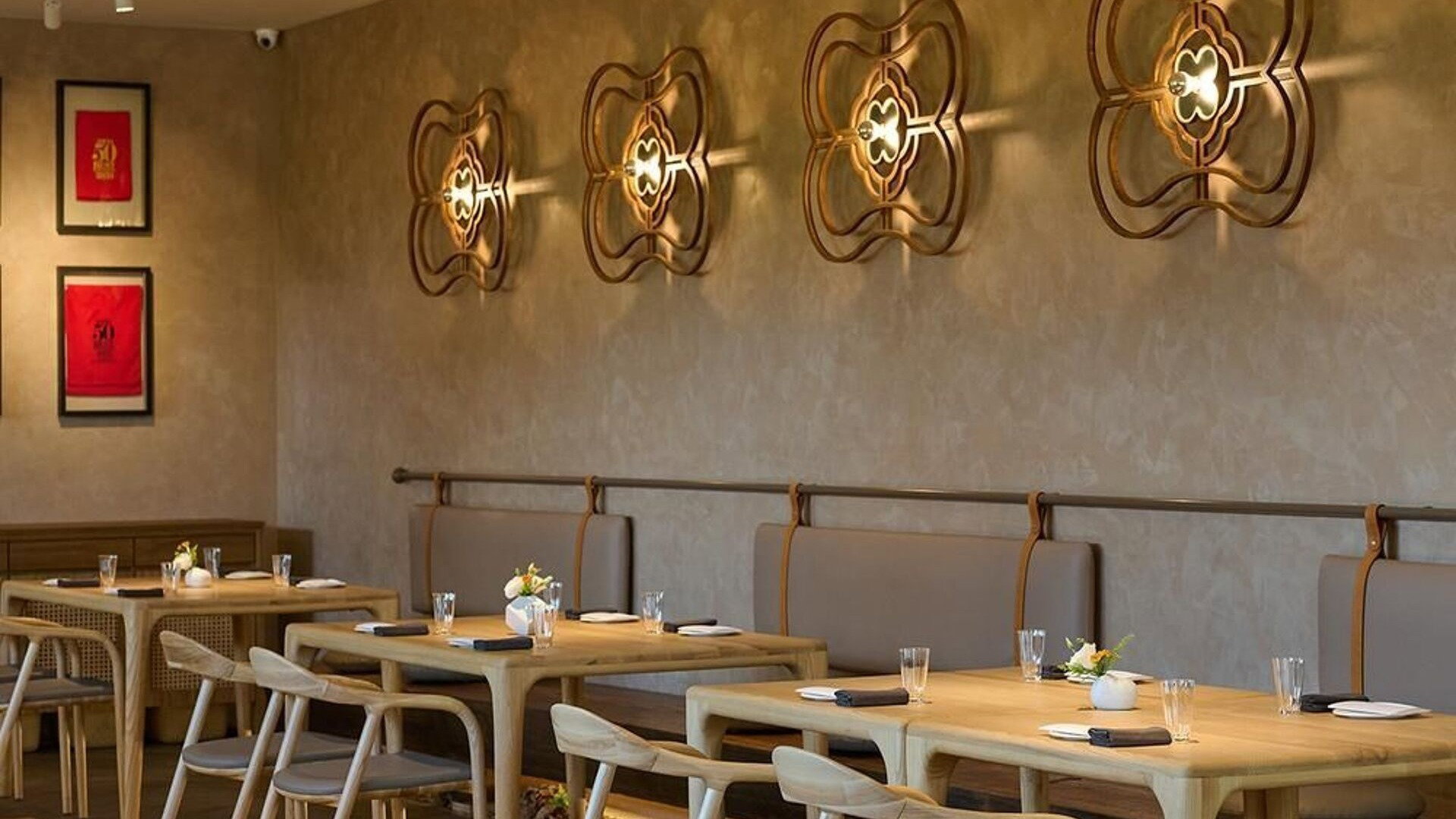
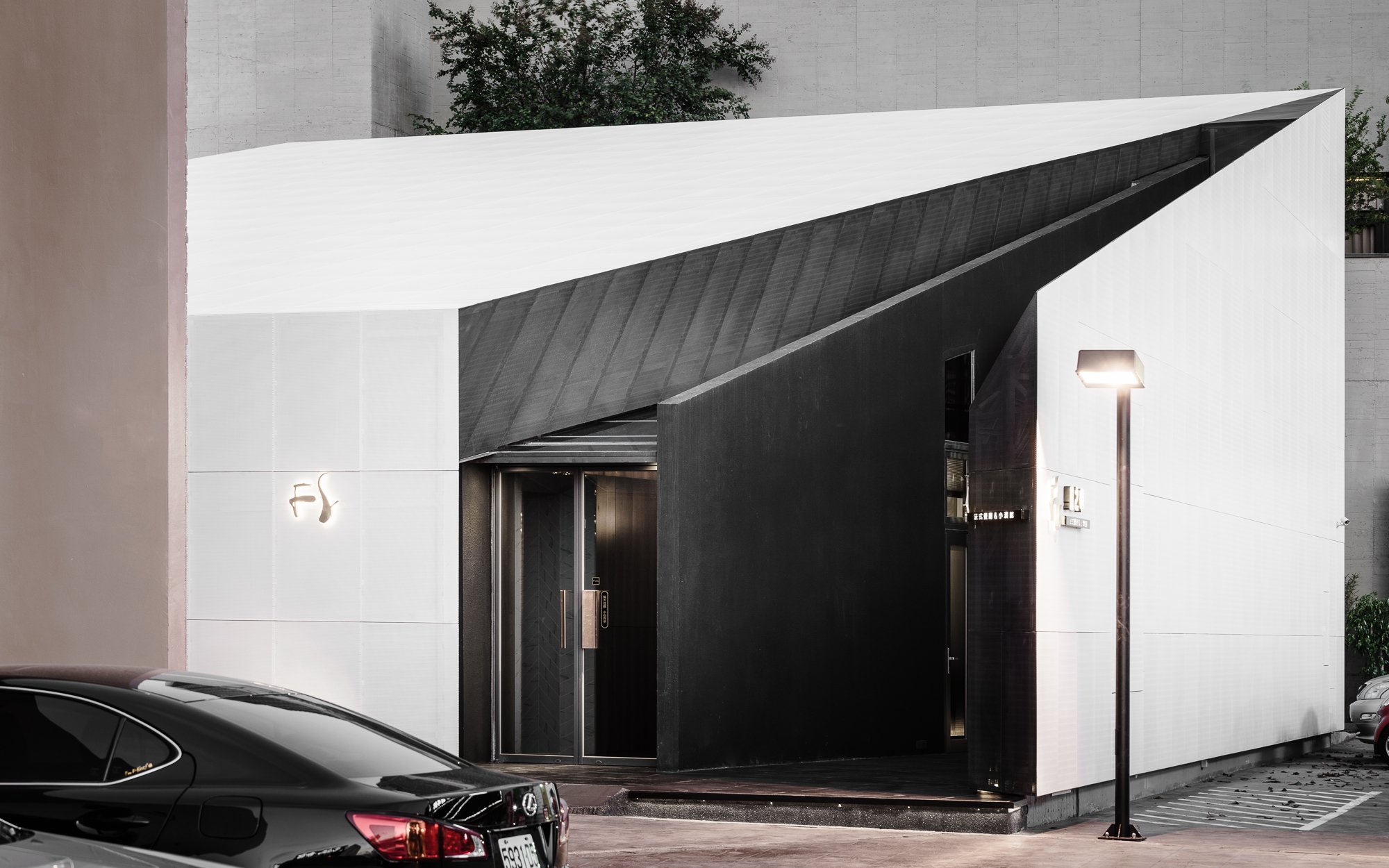
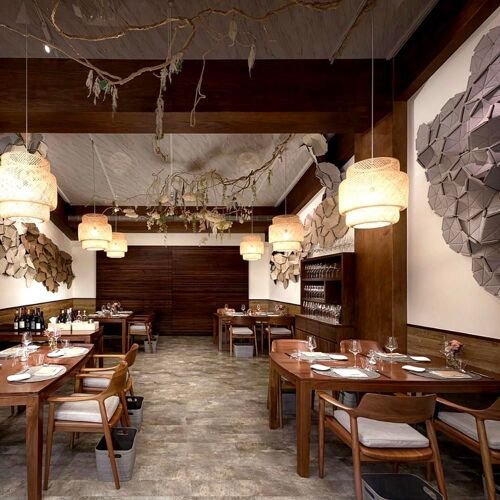
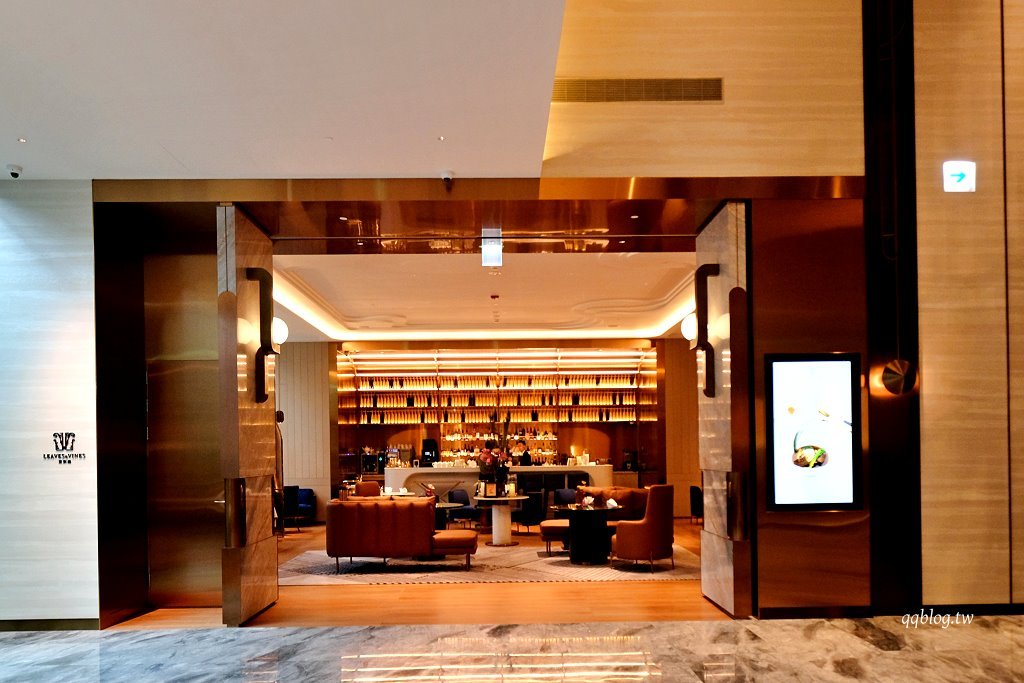
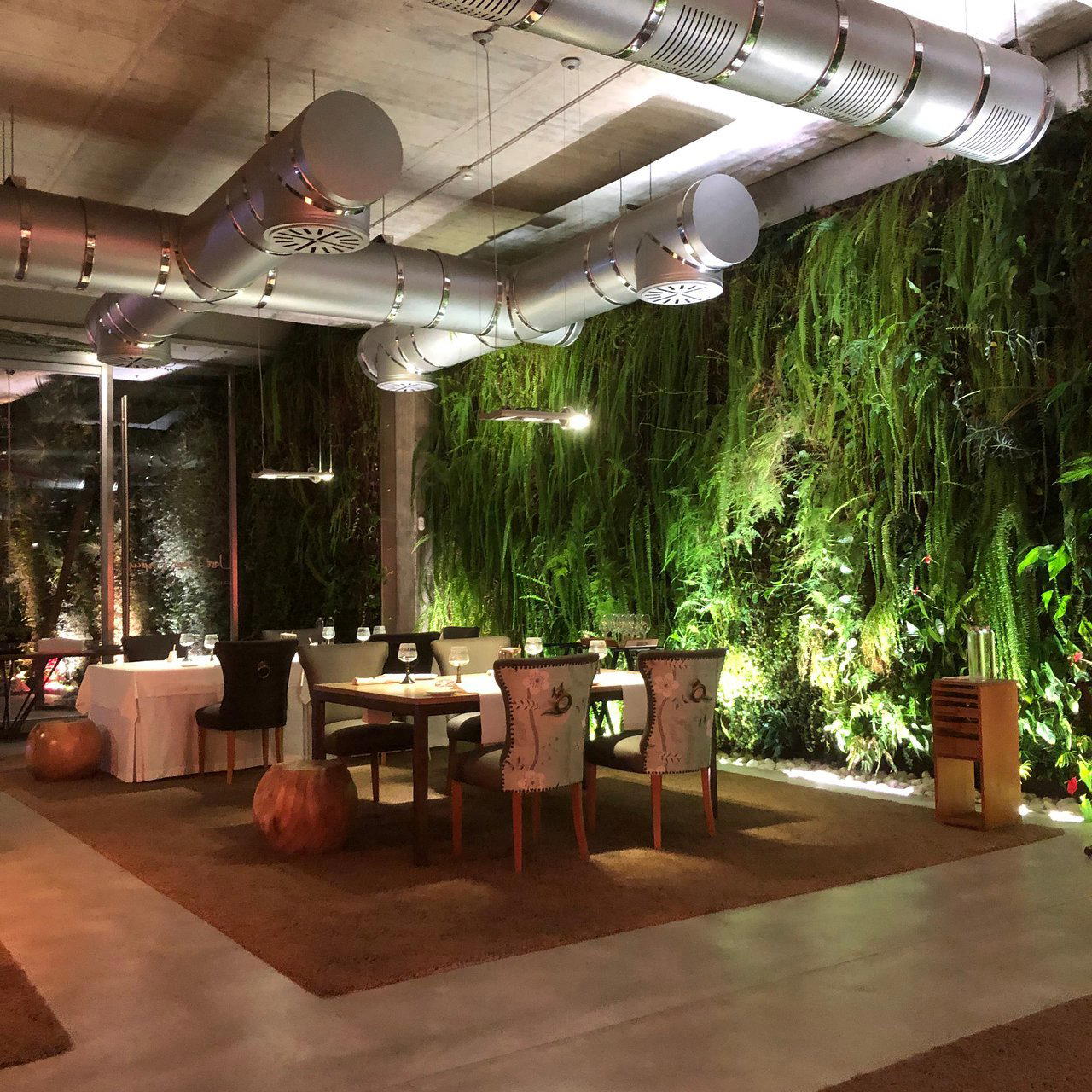
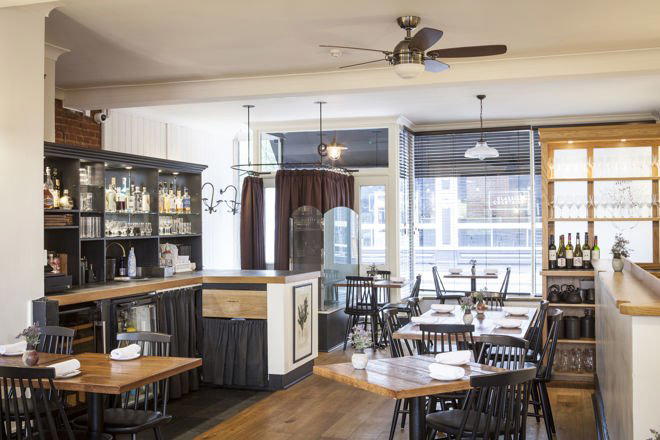
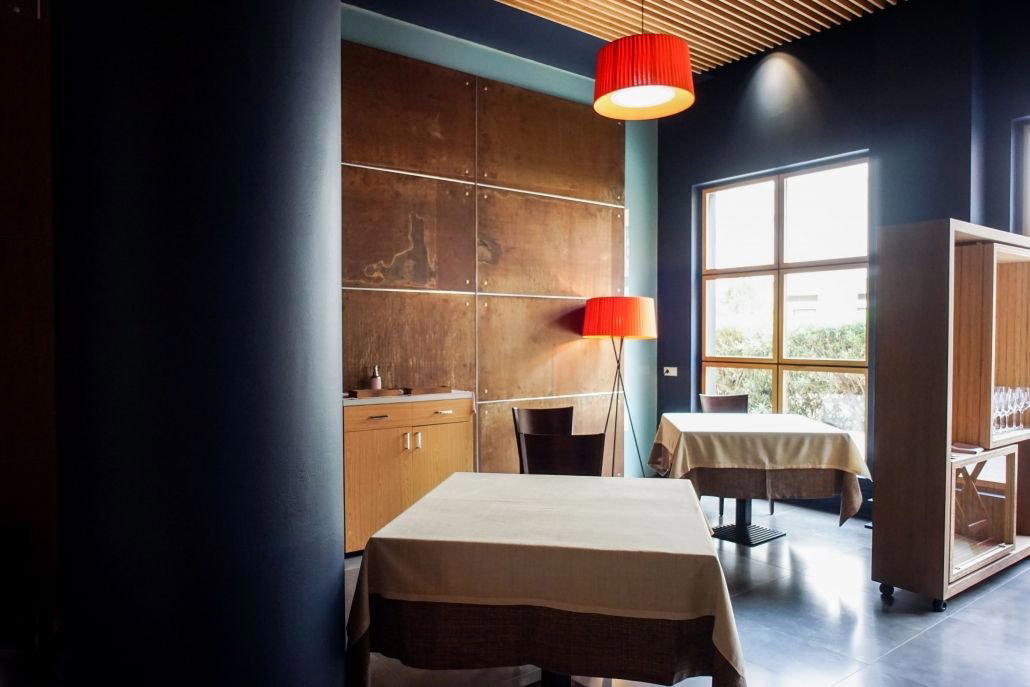
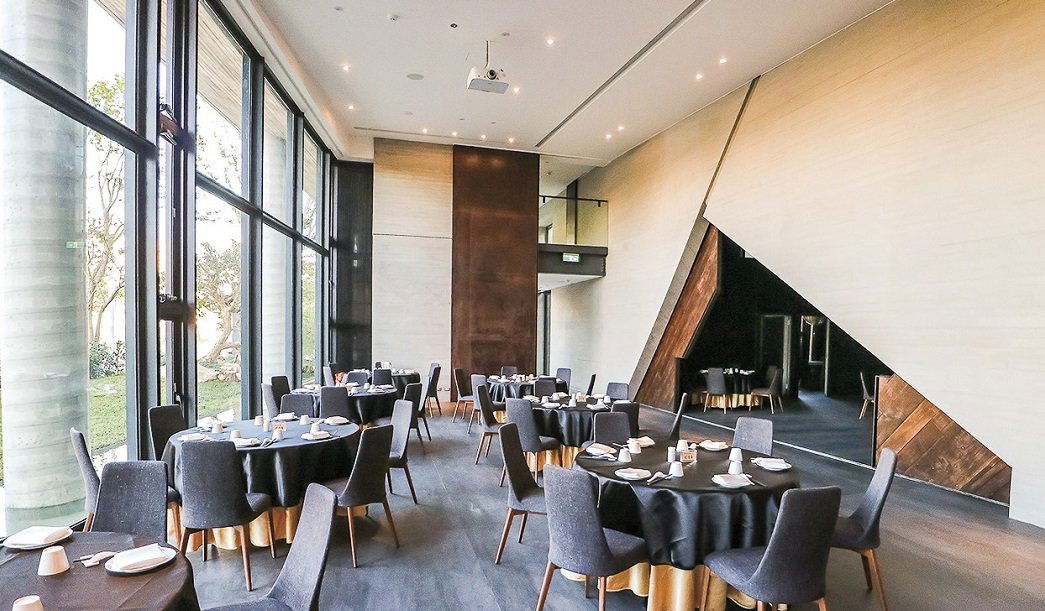
YUENJI occupies a basement-level address in Taichung's Xitun District, entered via the parking structure of the Bao Yuan Ji building on Anhe East Road. That understated approach is deliberate. Inside, the room combines East-meets-West eclecticism with a level of finish that positions it firmly in Taichung's top tier. The spatial register is formal without being stiff: think polished surfaces, considered lighting, and a layout that gives tables enough separation to make this a workable choice for private conversation. For the explorer-minded diner, the room itself signals that something considered is about to happen, this is not a casual neighbourhood restaurant that happened to earn a star.
The Menu and What Drives It
Two menu formats are available. The Tasting Set Menu allows you to select from the main menu for each course, which gives flexibility if you are dining with guests who have strong preferences. The Chef's Menu operates omakase-style and requires pre-ordering. For anyone serious about the kitchen's sourcing philosophy, the Chef's Menu is the better call: Lin Ju-Wei's team works with Taiwanese ingredients and regional food culture as primary material, and the omakase format gives that sourcing work its full context.
The kitchen's treatment of heritage ingredients is where the price justification becomes clearest. The documented example, Lukang roasted wheat flour soup, a sweet regional preparation from central Taiwan's historic port town, reworked with almond milk for a creamy, nutty result, illustrates the approach precisely. Lukang's roasted wheat flour (香糕粉) is a hyperlocal product tied to temple culture and Taiwanese festival tradition. Bringing that ingredient into a Michelin-starred tasting menu format without flattening its identity requires sourcing discipline and real culinary knowledge of where it comes from. At the $$$$ price point, that kind of ingredient research is what you are partly paying for. For comparison, restaurants at the same tier in Taipei, including logy in Taipei, apply similar rigour to local-ingredient sourcing, but the specific regional Taiwanese material that YUENJI draws on is specific to the central Taiwan pantry.
Taiwan's food culture is among Asia's most layered, blending Hokkien, Hakka, Japanese colonial, and Aboriginal influences into an ingredient vocabulary that is still underexplored at the fine-dining level. YUENJI is one of the kitchens in Taiwan actively doing that excavation work. For the food-oriented traveller, that is meaningful context. If you are already exploring the country's dining scene, GEN in Kaohsiung and Fujin Tree Taiwanese Cuisine & Champagne (Songshan) in Taipei offer different takes on the same inheritance worth comparing.
Value and Price Positioning
At $$$$ in Taichung, not Tokyo, not London, the absolute spend is significantly lower than an equivalent Michelin-starred tasting menu in a higher cost-of-living city, even if the price tier signal reads the same. That gap matters for planning. A diner who would hesitate at a $$$$ restaurant in a major European capital may find YUENJI sits comfortably within a considered travel budget. The OAD #127 Asia ranking (2025) places it in genuine regional company, which means the quality ceiling has been externally validated, not just locally claimed.
Within Taichung's dining options, YUENJI sits at the top of the price band. For context on what the city's broader restaurant scene offers across different budgets and formats, see our full Taichung restaurants guide. For those building a longer Taiwan itinerary, A Cun Beef Soup (Baoan Road) in Tainan and A Gan Yi Taro Balls in New Taipei show how well Taiwan's food culture performs at completely different price points.
Know Before You Go
Know Before You Go
- Price tier: $$$$ (Taichung pricing, expect meaningfully lower absolute spend than equivalent-tier venues in major Western cities)
- Awards: Michelin 1 Star (2024); OAD Leading Restaurants in Asia #127 (2025)
- Menu formats: Tasting Set Menu (diner selects per course) and Chef's Menu (omakase, pre-order required)
- Booking difficulty: Hard, plan well in advance, particularly for the Chef's Menu
- Location: Basement level, Bao Yuan Ji building, Anhe East Road, Xitun District, Taichung, enter via the building's parking structure
- Chef: Lin Ju-Wei
- Dress code: Not formally stated, but the room and price tier suggest smart casual at minimum
- Groups: Contact the restaurant directly; the format and setting are better suited to smaller parties
- Phone / website: Not listed in current data, book through your hotel concierge or a reservation platform
Around YUENJI: Taichung and Beyond
Taichung has a genuinely interesting food scene at every tier. For traditional Taiwanese cooking in the city, Chef Ah-Hsi's Old Time Restaurant and Chin Chih Yuan (Central) offer local context without the fine-dining commitment. Chien Wei Seafood, Feng Chi Goose, and Fu Din Wang (Central) cover different corners of the city's everyday eating. For hotel options to anchor your stay, our full Taichung hotels guide and our full Taichung bars guide are useful companions. Wider Taiwan exploration is covered in our Taichung wineries guide and our Taichung experiences guide.
For those tracking Taiwan's fine-dining output more broadly, Ang Gu in Hsinchu County, Golden Formosa in Taipei, and Volando Urai Spring Spa & Resort in Wulai District round out a picture of what Taiwanese cuisine looks like when kitchens take its heritage seriously.
Planning details
- Location
- 40765, Taiwan, Taichung City, Xitun District, Anhe E Rd, 5號地下停車場入口位於安和一街-寶元紀大樓停車場
- Reservations
- Book on inline
- Website
- yuen-ji.com
- Phone
- +886 4 2358 6368
The take
The Take
The Vibe
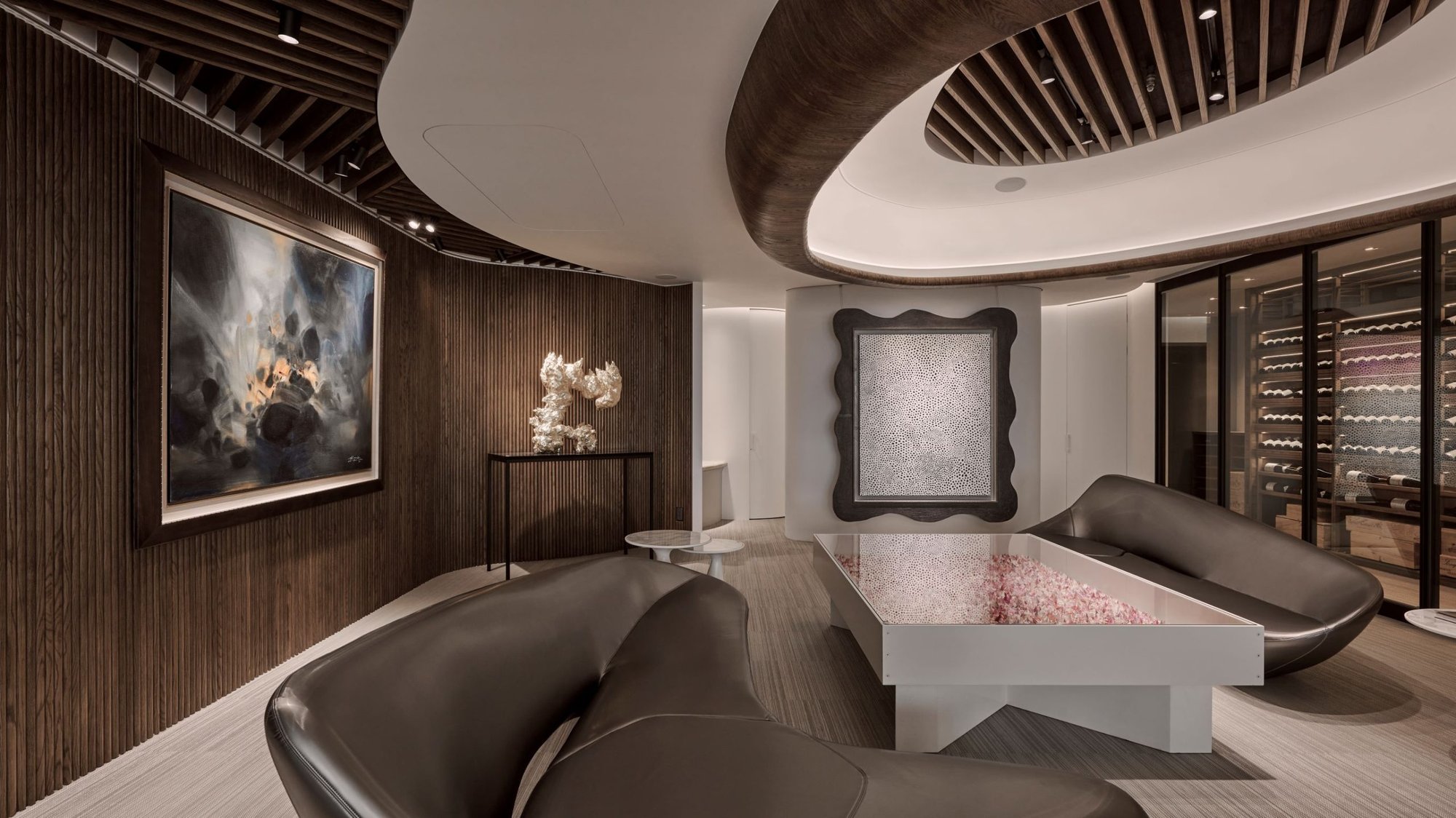
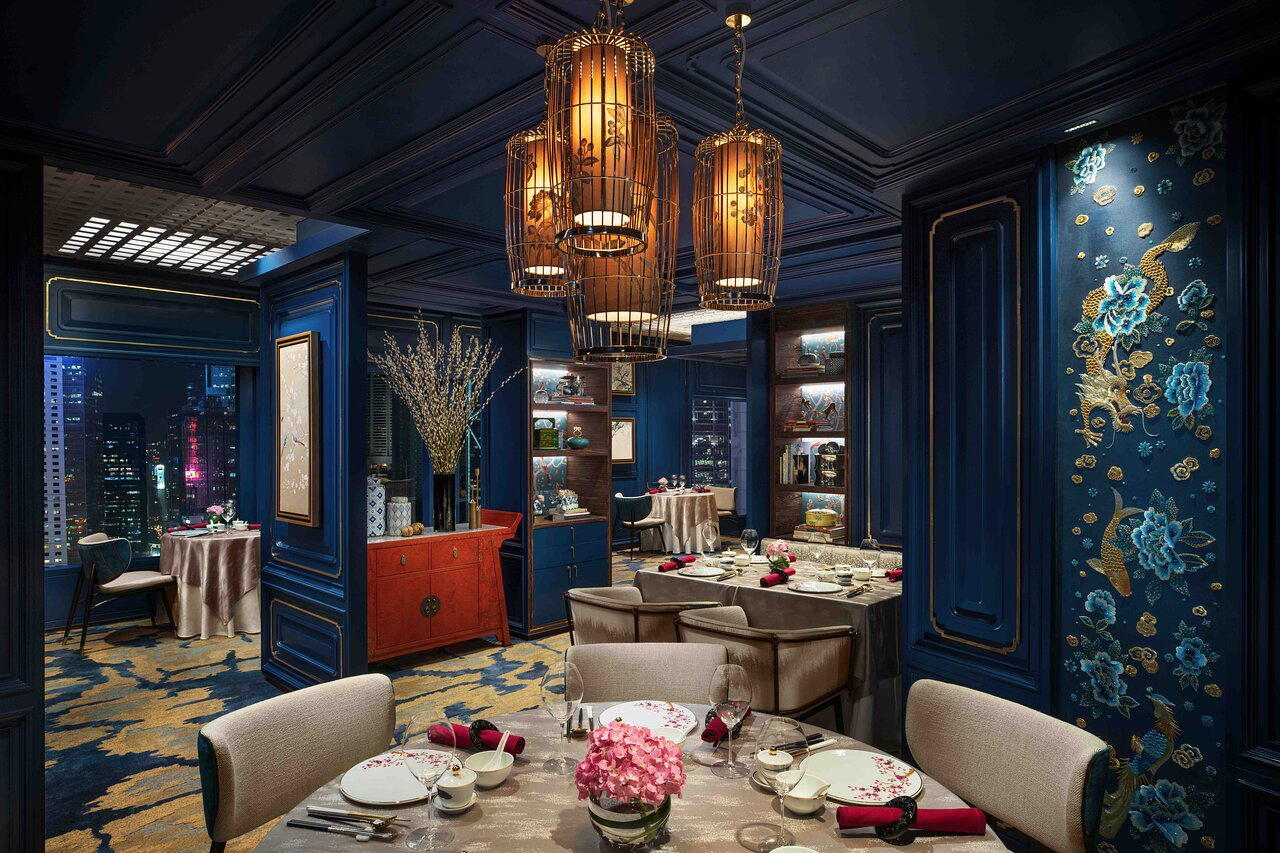
YUENJI presents a restrained, quietly confident fine-dining room that favors precision over spectacle. Lacquered surfaces and warm lighting give the interior a layered, salon-like quality that sits between Shanghainese formality and a contemporary European tasting room. The space deliberately avoids theatrical entrances or ostentation; the effect is focused and intimate, asking attention for what arrives at the table. The restaurant leans on Taiwan’s banquet heritage while refining it into a measured tasting experience, so the overall mood is calm, composed and deliberately elegant rather than loud or flashy.
Best For
This is a destination for dinners that benefit from thoughtful pacing and shared ritual. The kitchen translates banquet tradition into formats that suit groups as well as composed tasting sequences, so it works for group dining celebrations where communal plates matter and for business dinners that prize quiet, precise service. The restrained, Michelin-tier approach also makes the room appropriate for date nights and special occasions when guests want a refined, contemplative evening focused on the sequence of courses rather than theatrical presentation.
Ordering Tips
YUENJI frames its service around two formats, so decide how you want to experience the meal before you arrive. The restaurant adapts banquet logic, the communal lazy-Susan sequence, to a tasting-menu framework, and the Tasting Set Menu explicitly allows diners to select from the main menu for each course, preserving individual agency within the progression. If you favour the social, shared aspects of Taiwanese dining, choose the communal plates; if you prefer a course-by-course journey, choose the tasting set selection. Expect measured pacing and attentive service rather than bold theatrics.
Venue details
Ambiance
East-meets-West fusion with elegant, sophisticated decor blending modern Taiwanese cultural heritage and refined intimacy.
Tags
Vibe
Best For
Sourcing
At the Table
- Dress Code
- Smart Casual
- Noise Level
- Conversational
- Service Style
- Upscale Casual
- Meal Pacing
- Leisurely
- Capacity
- Medium
- Kitchen
- Modern
- Menu Format
- Tasting menu, A la carte, Set menu
- Drinks Focus
- Tea
- Dietary
- Vegetarian friendly
- Private Dining
- Available
Signature Dishes
- pan-fried scallion pancake
- yuenji fried rice
- lukang roasted wheat flour soup
Know before you go
Know Before You Go
- Getting there
- 40765, Taiwan, Taichung City, Xitun District, Anhe E Rd, 5號地下停車場入口位於安和一街-寶元紀大樓停車場
Planning details
Location
40765, Taiwan, Taichung City, Xitun District, Anhe E Rd, 5號地下停車場入口位於安和一街-寶元紀大樓停車場 · Directions

Also consider
Also Consider
- JL Studio: Modern Singaporean, Singaporean, $$$$
- Sur-: Taiwanese contemporary, $$$
- L'Atelier par Yao: French Contemporary, $$$
- Oretachi No Nikuya: Barbecue, $$$
- Chin Chih Yuan (Central): Taiwanese, $
Restaurant context
How YUENJI Compares in Taichung
YUENJI and JL Studio are the two venues in Taichung operating at the $$$$ tier with serious international recognition. JL Studio's format is rooted in Modern Singaporean cooking and has its own award pedigree; YUENJI draws from Taiwanese food heritage. The choice between them is a matter of which culinary tradition you want to explore: both are hard bookings, and neither is a casual decision. If your reason for being in Taichung is specifically Taiwanese cuisine at the highest level of technical ambition, YUENJI is the more directly relevant choice.
At the $$$ tier, Sur- and L'Atelier par Yao offer strong alternatives for diners who want a fine-dining experience without committing to the $$$$ spend. Sur- works in Taiwanese contemporary and is worth considering if YUENJI is fully booked or if you want to spread a budget across more than one meal. L'Atelier par Yao takes a French Contemporary approach and suits diners who prefer European technique as the frame. Oretachi No Nikuya at $$$ covers barbecue and is a different evening entirely: more casual, lower pressure, better for groups.
For diners on a tighter budget who still want to eat Taiwanese food well in Taichung, Chin Chih Yuan (Central) at $ is the sharpest contrast: traditional Taiwanese at a fraction of the price. It will not give you the sourcing depth or the tasting menu format, but it will give you honest local cooking. If your itinerary allows for both ends of the spectrum, pairing a lunch at Chin Chih Yuan with a dinner at YUENJI on the same day is a practical way to read Taichung's food range in a single visit.
Explore Taichung
Around this place
Discover more on Pearl
Unlock the full YUENJI guide in Pearl, including awards, comparisons, FAQs, planning details, and nearby places.
Compare YUENJI
| Venue | Location | Cuisine | Awards | Price |
|---|---|---|---|---|
| YUENJI | Taichung | Taiwanese | 2026 OAD Top Restaurants in Asia Ranked · #120Michelin Guide Taiwan 20262025 OAD Top Restaurants in Asia Ranked · #1272025 Michelin 1 Star2024 Michelin 1 Star | $$$$ |
| JL Studio | Taichung | Modern Singaporean, Singaporean | 2026 OAD Top Restaurants in Asia Ranked · #202026 Asia's 50 Best Restaurants · #50Michelin Guide Taiwan 20262026 La Liste Top Restaurants2025 OAD Top Restaurants in Asia Ranked · #342025 Asia's 50 Best Restaurants · #35Tatler Best Restaurants Asia-Pacific 20252025 The Best Chef Two Knives2025 Michelin 3 Stars | $$$$ |
| Sur- | Taichung | Taiwanese contemporary | Michelin Guide Taiwan 20262025 Michelin 1 Star2024 Michelin 1 Star | $$$ |
| L'Atelier par Yao | Taichung | French Contemporary | Michelin Guide Taiwan 20262025 Michelin 1 Star2024 Michelin 1 Star | $$$ |
| Oretachi No Nikuya | Taichung | Barbecue | Michelin Guide Taiwan 20262025 Michelin 1 Star2024 Michelin 1 Star | $$$ |
| Chin Chih Yuan (Central) | Taichung | Taiwanese | Michelin Guide Taiwan 20262025 Michelin Bib Gourmand2024 Michelin Bib Gourmand | $ |







How YUENJI Taichung compares with similar nearby venues.
FAQ
Frequently Asked Questions
How far ahead should I book YUENJI?
Book at least 4 weeks out, longer if you want the Chef's Menu, which requires pre-ordering and fills first. YUENJI holds a Michelin star (2024) and an OAD Asia Top Restaurants ranking (#127, 2025), so demand is real. Walk-in availability at a $$$$, reservation-driven tasting format in Taichung is unlikely.
Is YUENJI good for a special occasion?
Yes, it's one of the stronger special-occasion cases in Taichung. The basement setting in the Bao Yuan Ji building is polished and intentional rather than casual, the Chef's Menu runs omakase-style for a structured progression, and the Michelin star (2024) gives it external credibility when you're taking someone you want to impress. The Tasting Set Menu offers more flexibility if your group has mixed preferences.
Is YUENJI worth the price?
At $$$$ in Taichung, the absolute spend is almost certainly lower than what a Michelin-starred equivalent would cost in Tokyo or London. Chef Lin Ju-Wei's kitchen is OAD Asia-ranked (#127, 2025) and Michelin-starred, so the credential-to-cost ratio holds up well. If you're comparing within Taiwan's fine dining tier, YUENJI is a strong value case rather than a stretch.
Is the tasting menu worth it at YUENJI?
The Chef's Menu is the stronger pick if you want the full kitchen statement: it runs omakase-style and requires pre-ordering, which signals it's designed as a single cohesive experience. The Tasting Set Menu, where you pick from the main menu course by course, is worth considering for groups with specific preferences or dietary restrictions. Either format anchors around Lin Ju-Wei's approach to Taiwan's food heritage, including dishes like the Lukang roasted wheat flour soup with almond milk.
What should I wear to YUENJI?
Neat, presentable clothing is appropriate. A $$$$, Michelin-starred basement dining room in Taichung reads as smart-casual at minimum. Avoid overly casual attire.