
Dingshan·Jiangyan (Xiangcheng)
Jiangsu Cuisine · Xiangcheng, Suzhou
Restaurant in Suzhou, China
 Book with Pearl
The Read
Classical Su Cuisine Precision
Price
¥¥¥
Dress
Smart Casual
Why go
Dingshan·Jiangyan (Xiangcheng) earned a Michelin one-star in 2025 for its precise, season-driven Jiangsu cooking on Shiquan Street in Suzhou's Cang Lang district. At ¥¥¥, it sits below peak fine-dining pricing while delivering Michelin-recognised quality. Book three to four weeks ahead minimum; demand has been strong since the star was awarded and walk-ins are not a realistic option.
About Dingshan·Jiangyan (Xiangcheng)
Book Early, Visit in Season: The Insider Case for Dingshan·Jiangyan (Xiangcheng)
If you are planning a visit to Dingshan·Jiangyan (Xiangcheng), do not wait until you arrive in Suzhou to try your luck. This Michelin one-star address on Shiquan Street books hard, and the timing of your reservation matters more than most diners realise. Jiangsu cuisine is defined by its relationship with the seasons, and what is on your table in spring differs substantially from what you will encounter in autumn. Aligning your visit with the right seasonal window is the clearest competitive advantage a first-time guest can bring to the table.
The Venue: A Michelin Case for Jiangsu Cuisine
Dingshan·Jiangyan earned its Michelin one-star recognition in 2025, placing it among a small set of restaurants in Suzhou where the kitchen is operating at a level that inspires a special trip rather than simply a convenient dinner. The address is 420 Shiquan Street, in the Cang Lang district, a part of the city that has long been associated with classical Suzhou culture. For the food-focused traveller approaching Suzhou after stops in Shanghai or before continuing to Hangzhou, this is a venue worth anchoring your itinerary around.
The cuisine category is Jiangsu, which means the kitchen draws from one of China's most technically demanding regional traditions. Jiangsu cooking prizes restraint: precise knife work, controlled sweetness, delicate braising, and an insistence on seasonal produce. This is not a cuisine that announces itself loudly. The sophistication is in the balance, and that is precisely what Michelin's inspectors reward. If you are used to the bolder registers of Sichuan or Cantonese cooking, calibrate your expectations accordingly. Jiangsu at this level asks for attention rather than appetite alone.
For broader context on how this venue sits within the regional canon, it is worth comparing it to other Jiangsu-focused restaurants operating at similar price points. Guang Ying Ju (Lao Zheng Xing) in Nanjing represents the more historically anchored expression of the tradition. Ru Yuan in Hangzhou offers a Zhejiang-inflected cousin of the same culinary sensibility. Dingshan·Jiangyan sits squarely within the Suzhou interpretation: cleaner, more restrained, built on local produce and time-tested technique.
Seasonal Timing: When to Go and What It Means for Your Meal
The editorial angle here is not incidental. In Jiangsu cuisine, seasonality is not a marketing concept. It is structural. Spring brings river greens, freshwater shrimp, and early bamboo shoots. Late summer and autumn shift focus toward hairy crab, chestnuts, and preserved preparations. Winter menus lean into slow-cooked meats and warming broths. If you visit at the wrong time of year for your preferred ingredients, you will eat well but not optimally. Timing a Michelin-starred Jiangsu meal around hairy crab season (roughly September to November) is the kind of decision that separates a good dinner from a memorable one.
For the food and travel enthusiast who has already eaten their way through Xin Rong Ji in Beijing or explored the private dining rooms of 102 House in Shanghai, the seasonal logic at Dingshan·Jiangyan offers a different kind of depth. This is not about spectacle. It is about precision applied to what the land and waterways of Jiangsu are producing at a given moment. That specificity is where the Michelin recognition becomes legible.
The ¥¥¥ price range positions this restaurant at a level where the commitment of a visit is meaningful but not prohibitive for a serious diner. You are not in the territory of Pingjiangsong at ¥¥¥¥, which represents the highest tier of Suzhou fine dining. Dingshan·Jiangyan gives you Michelin-recognised quality at a level below peak-tier pricing, which makes the value calculation relatively direct if the cuisine style suits you.
Booking and Practical Intelligence
Booking difficulty is rated hard. A Michelin star earned in 2025 generates immediate and sustained demand, and this is a smaller city than Beijing or Shanghai, which means the pool of comparable venues is thinner. Diners travelling specifically for this restaurant should plan reservations at least three to four weeks in advance, and further ahead if you are targeting peak hairy crab season or a weekend table. Phone and website details are not publicly available in our current data, so the most reliable approach is to book through your hotel concierge if you are staying in Suzhou, or through a platform that services Chinese restaurant reservations directly.
The restaurant is at 420 Shiquan Street, Cang Lang district. Shiquan Street is one of Suzhou's better-known cultural corridors, which means arriving by foot or taxi is practical from central accommodation. If you are planning a broader Suzhou visit around a meal here, our full Suzhou restaurants guide will help you build out the rest of the itinerary, and our Suzhou hotels guide covers the accommodation options closest to the Cang Lang area.
For travellers extending across the region, the wider circuit of Jiangsu-adjacent fine dining includes Xin Rong Ji in Chengdu and Chef Tam's Seasons in Macau, both of which represent the premium end of refined Chinese cuisine at a regional scale. Imperial Treasure Fine Chinese Cuisine in Guangzhou is another reference point for understanding how Michelin-recognised Chinese cooking varies across traditions. If you want to understand where Dingshan·Jiangyan sits globally, comparing notes across these venues is instructive.
Within Suzhou itself, the dining picture is worth mapping carefully. Bai Sheng Ren Jia (Wuzhong), Ban Ting Jia Yan, Ge Jia Wu Farmer's House, and Hua Chi 88 each offer different angles on local eating, from casual to mid-range. For bars and experiences outside the restaurant circuit, our Suzhou bars guide, wineries guide, and experiences guide cover the surrounding options.
Quick reference: Michelin one-star (2025), ¥¥¥ price range, Jiangsu cuisine, 420 Shiquan St Cang Lang district Suzhou, booking difficulty hard, advance reservation strongly advised.
FAQs: Dingshan·Jiangyan (Xiangcheng)
What should I order at Dingshan·Jiangyan (Xiangcheng)?
Specific menu details are not available in our current data, so we cannot point to named dishes. What is verifiable is that this is a Michelin one-star Jiangsu kitchen, which means the menu will almost certainly rotate with the seasons. Arrive in hairy crab season (September to November) and that will be the centrepiece. In spring, expect freshwater fish, river greens, and bamboo preparations. Ask your host or the restaurant directly what the kitchen is featuring at the time of your visit, and follow their lead rather than arriving with a fixed dish in mind.
How far ahead should I book Dingshan·Jiangyan (Xiangcheng)?
Book at least three to four weeks out as a baseline. During peak hairy crab season or on weekends, extend that to six weeks or more. The 2025 Michelin one-star recognition generates sustained demand in a city with fewer comparable alternatives than Shanghai or Beijing. If you are visiting Suzhou specifically for this meal, treat the reservation as the fixed point and build your travel dates around it, not the other way around.
Is the tasting menu worth it at Dingshan·Jiangyan (Xiangcheng)?
We do not have confirmed details on the menu format or pricing structure. At ¥¥¥ and with a Michelin star, the expectation is that a set or tasting format will showcase the kitchen's seasonal approach more fully than ordering a la carte. If a tasting menu is offered, it is the more logical choice here. Jiangsu cuisine at this level is about progression and balance across a meal, and that reads better across multiple courses than in isolation.
Can Dingshan·Jiangyan (Xiangcheng) accommodate groups?
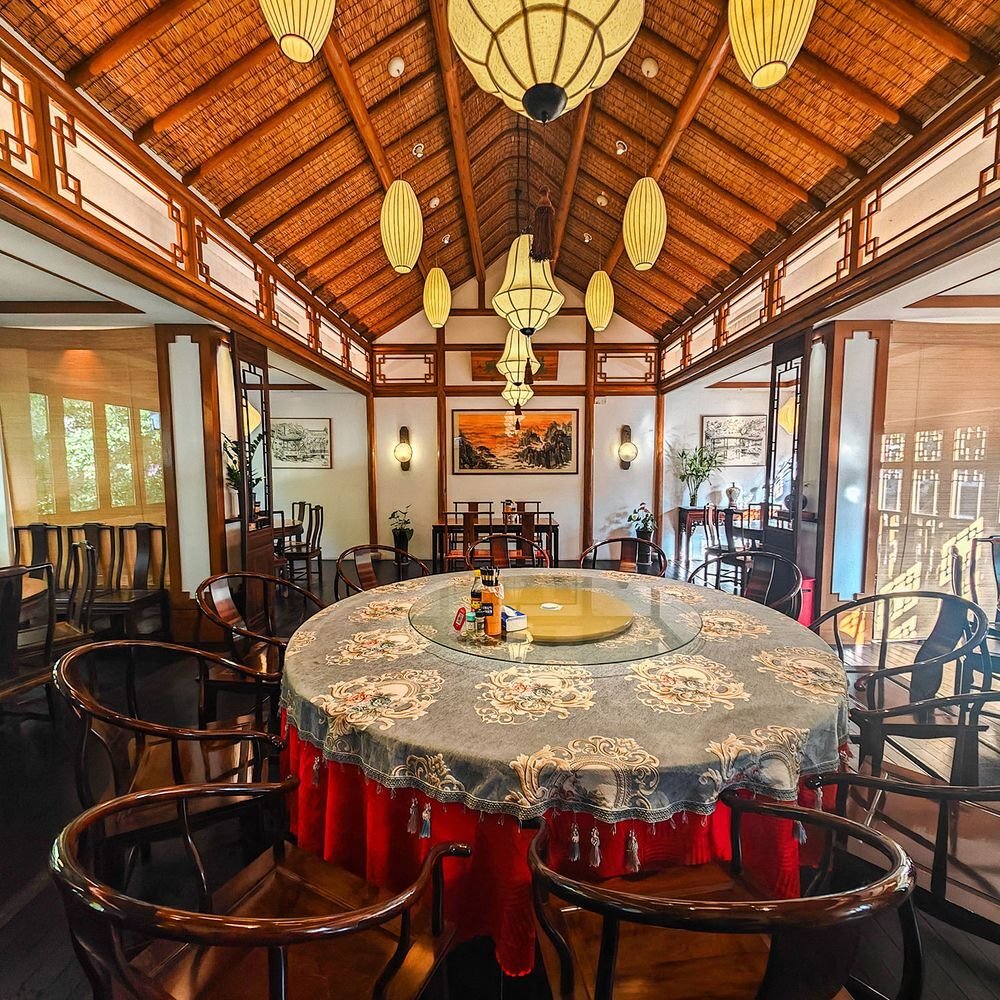
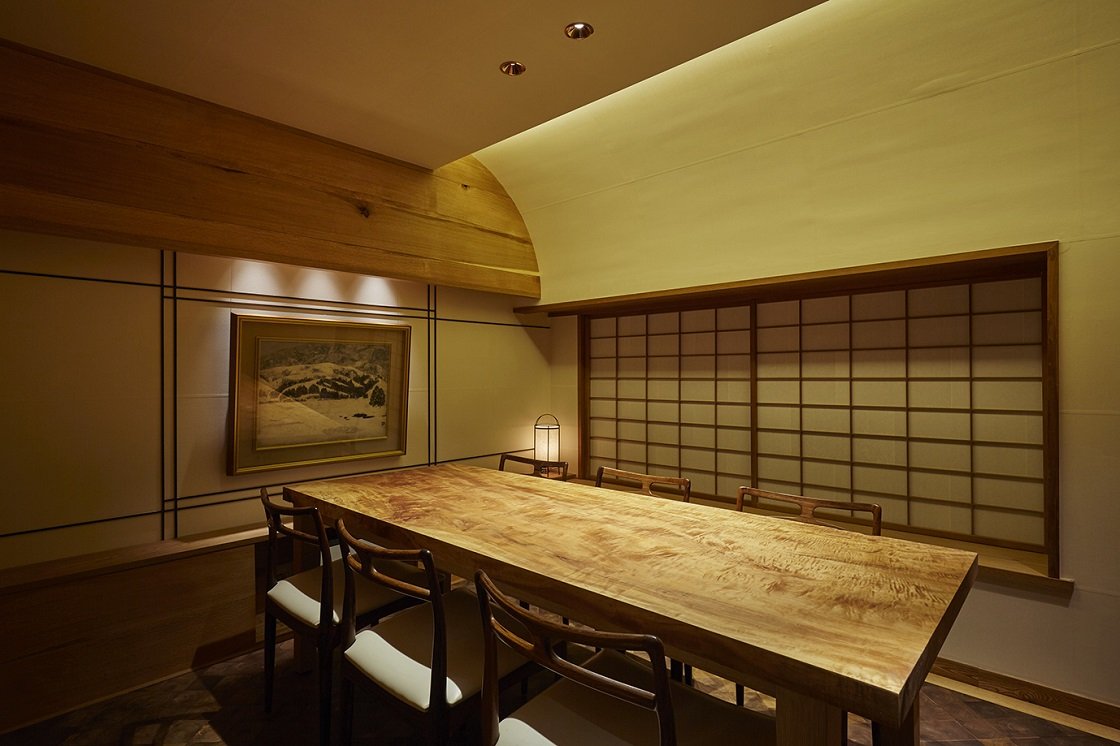
Group suitability is not confirmed in our data. Chinese fine dining venues at this tier frequently offer private rooms suited for groups of six to ten, which would make this viable for a business dinner or a celebratory gathering. Contact the restaurant directly or use a concierge to inquire about private room availability before committing a larger group. Walk-in groups at a hard-to-book Michelin address are not a realistic option.
What are alternatives to Dingshan·Jiangyan (Xiangcheng) in Suzhou?
Pingjiangsong is the obvious alternative for Jiangsu cuisine at the highest price tier (¥¥¥¥) if you want to trade up. For a step down in price with Jiangsu cooking, Hui Lao Tang operates at ¥¥¥ and is easier to book. If you want something more casual and authentically local, Yu Mian Tang at ¥ gives you Suzhou noodle culture without any booking difficulty. The choice depends on whether your priority is fine dining credibility, value, or accessibility.
Is Dingshan·Jiangyan (Xiangcheng) worth the price?
At ¥¥¥ with a 2025 Michelin one-star, the value case is solid for anyone who takes Jiangsu cuisine seriously. You are not paying ¥¥¥¥ as you would at Pingjiangsong, and you are getting Michelin-recognised quality. The caveat is that Jiangsu cuisine at this level rewards guests who understand the tradition. If you are unfamiliar with the cuisine and have no strong preference for it over other regional Chinese styles, the price-to-excitement ratio may feel more neutral.
Is Dingshan·Jiangyan (Xiangcheng) good for a special occasion?
Yes, for the right kind of occasion. A Michelin-starred Jiangsu meal on Shiquan Street in the Cang Lang district is a considered, culturally specific choice for a birthday, anniversary, or significant business dinner. It is not a celebratory spectacle in the way that some restaurants perform occasion dining. The fit is better for guests who want a serious, quiet, food-forward meal than for a group looking for atmosphere and energy. If the occasion calls for something more theatrical, look elsewhere in Suzhou.
Planning details
- Location
- 420 Shiquan St, Cang Lang Qu, Suzhou, Jiangsu, China, 215005
- Phone
- +86 512 6519 2728
The take
The Take
The Vibe
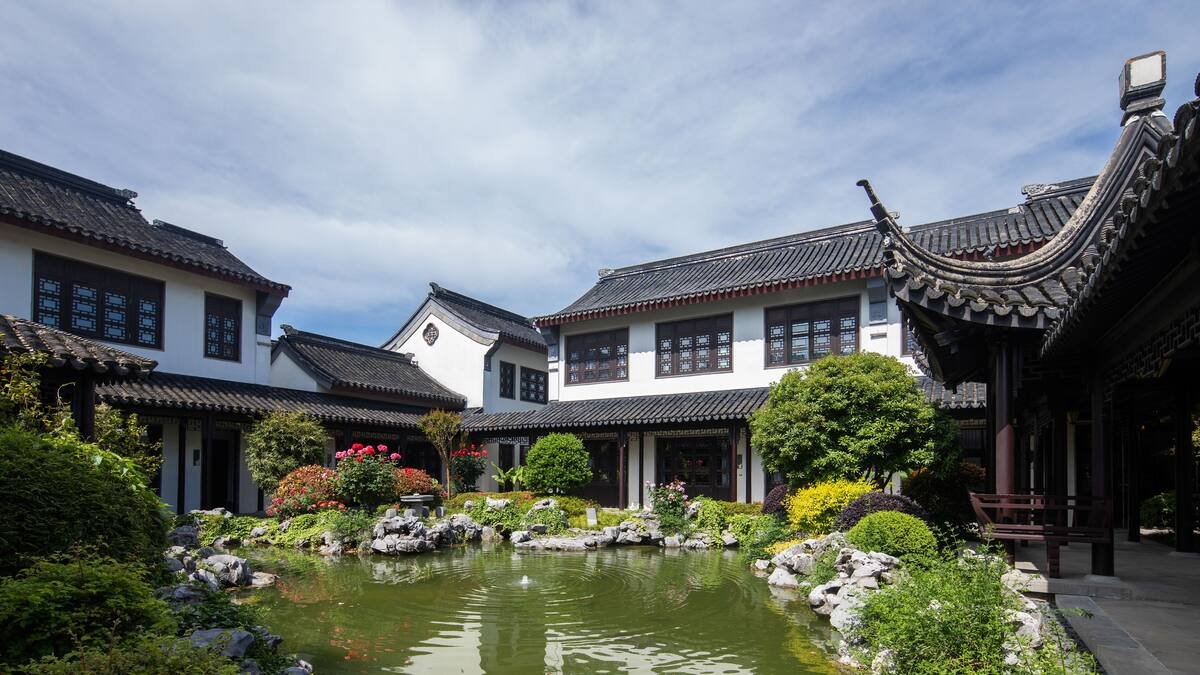
Dingshan·Jiangyan (Xiangcheng) settles into the quieter, canal-side lanes of older Suzhou, where whitewashed walls and dense residential streets frame the experience before a dish arrives. The restaurant reads as an understated study in regional tradition: Su cuisine’s emphasis on delicate sweetness, precise knife work and slow reductions is reflected in modest plating that rewards attentive tasting. The Michelin nod positions the kitchen as serious rather than showy; the mood is measured and respectful of history, inviting diners to lean in to subtle aromatics and seasonality rather than spectacle.
Best For
The address occupies a ¥¥¥ bracket that attracts local business diners and travelling guests who appreciate Jiangsu’s refined techniques without the full ceremony of top‑tier counters. Its Michelin recognition signals accomplished cooking, and the canal-side context makes it a destination for visitors wanting an authentic Suzhou meal. Service and portioning skew toward shared plates and considered pacing, so it functions well for focused dinners where conversation and attentive tasting are the point — think business meals and travellers seeking a genuine regional experience.
Ordering Tips
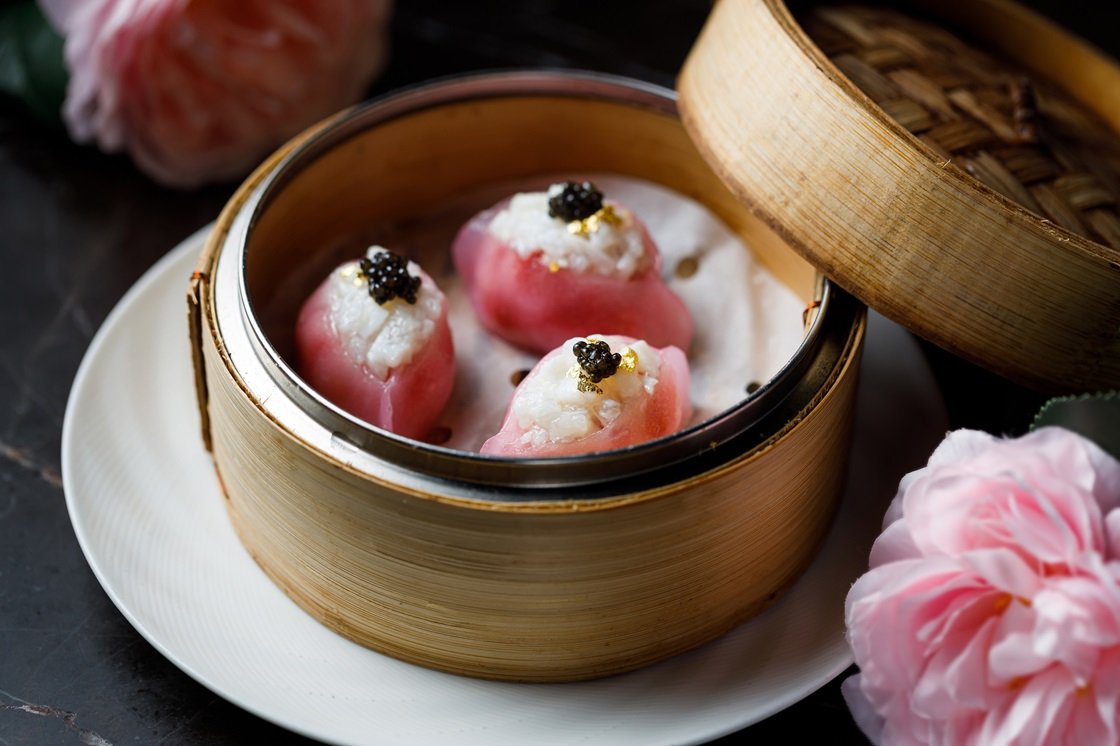
Lean into the signature Suzhou dishes and the kitchen’s strengths: the Suzhou claypot rice and the Aged pigeon are highlighted preparations, alongside Fried Purple Cap and Sauced Water Shield. The menu privileges braising, steaming and slow reduction, so expect nuanced, subtly sweet seasoning rather than overt spice. Because plates arrive modest in appearance but complex in flavor, order a selection to sample contrasts in texture and sauce concentration; allow pacing between courses so the restrained aromatics and seasonal freshwater produce can fully register.
Venue details
Ambiance
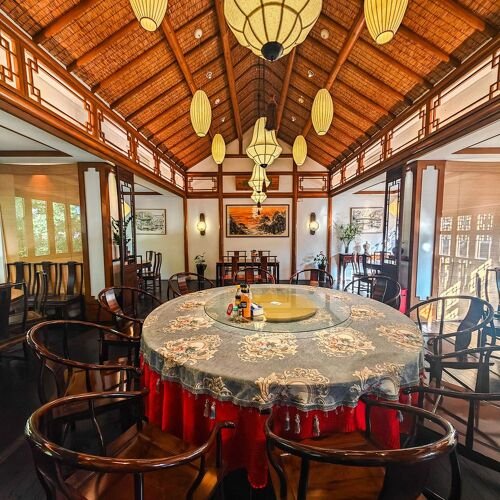
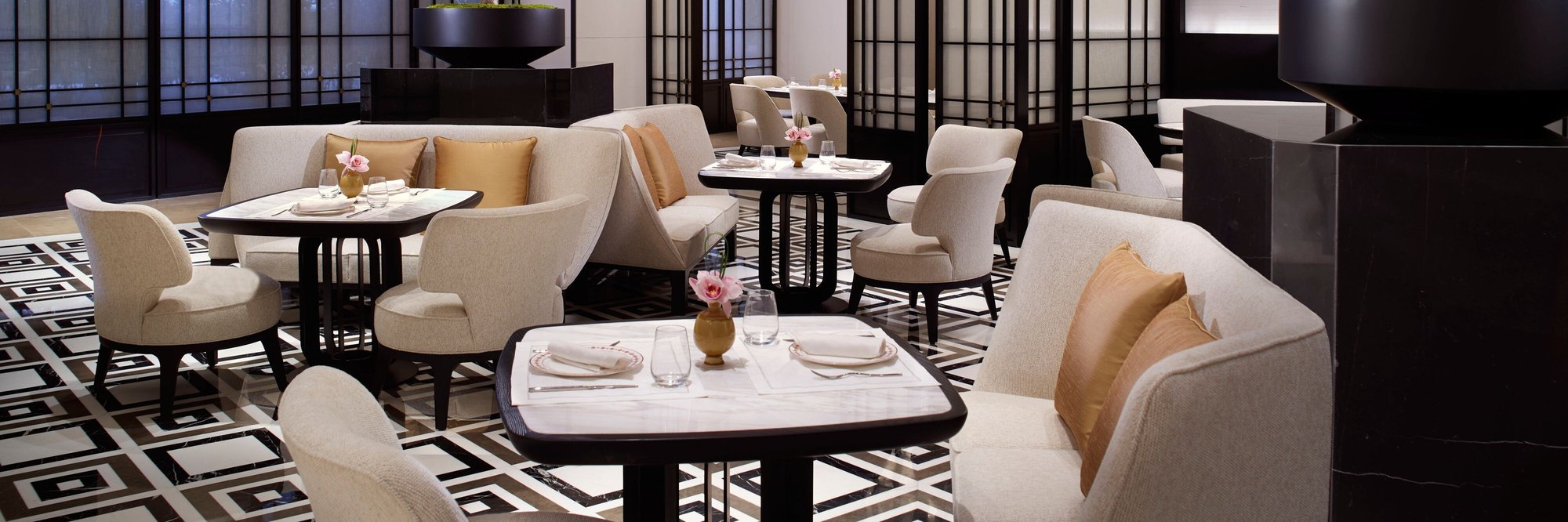
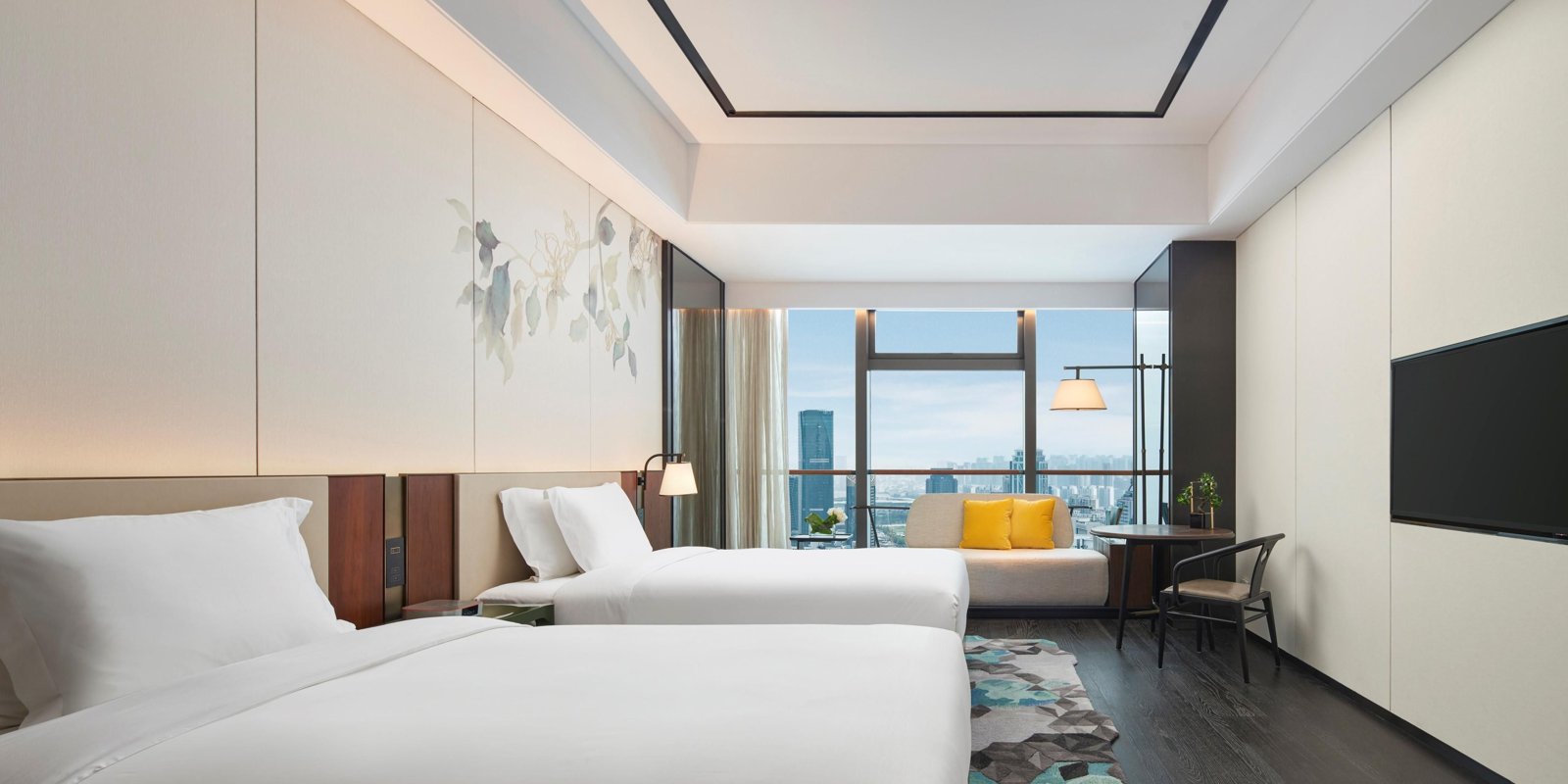
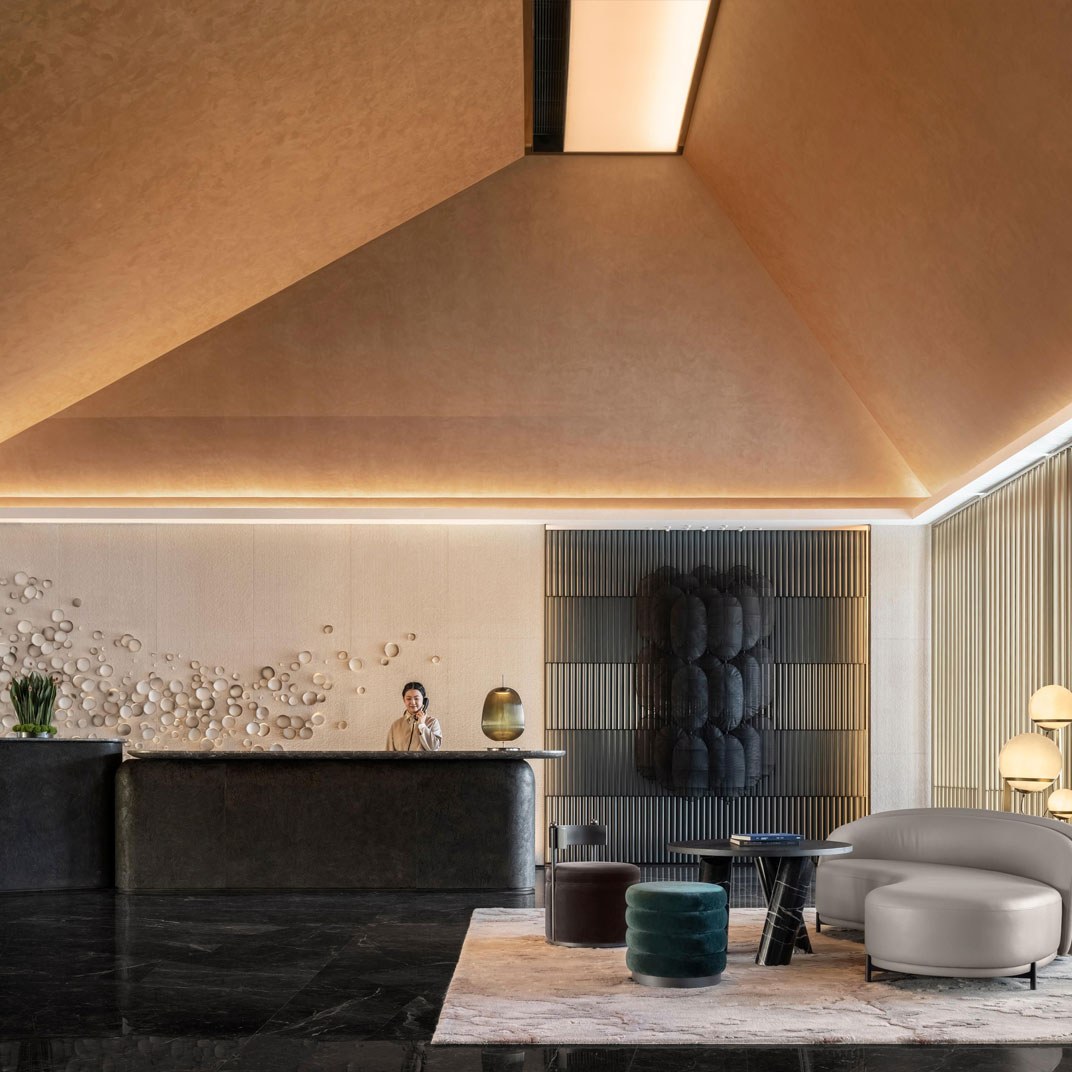
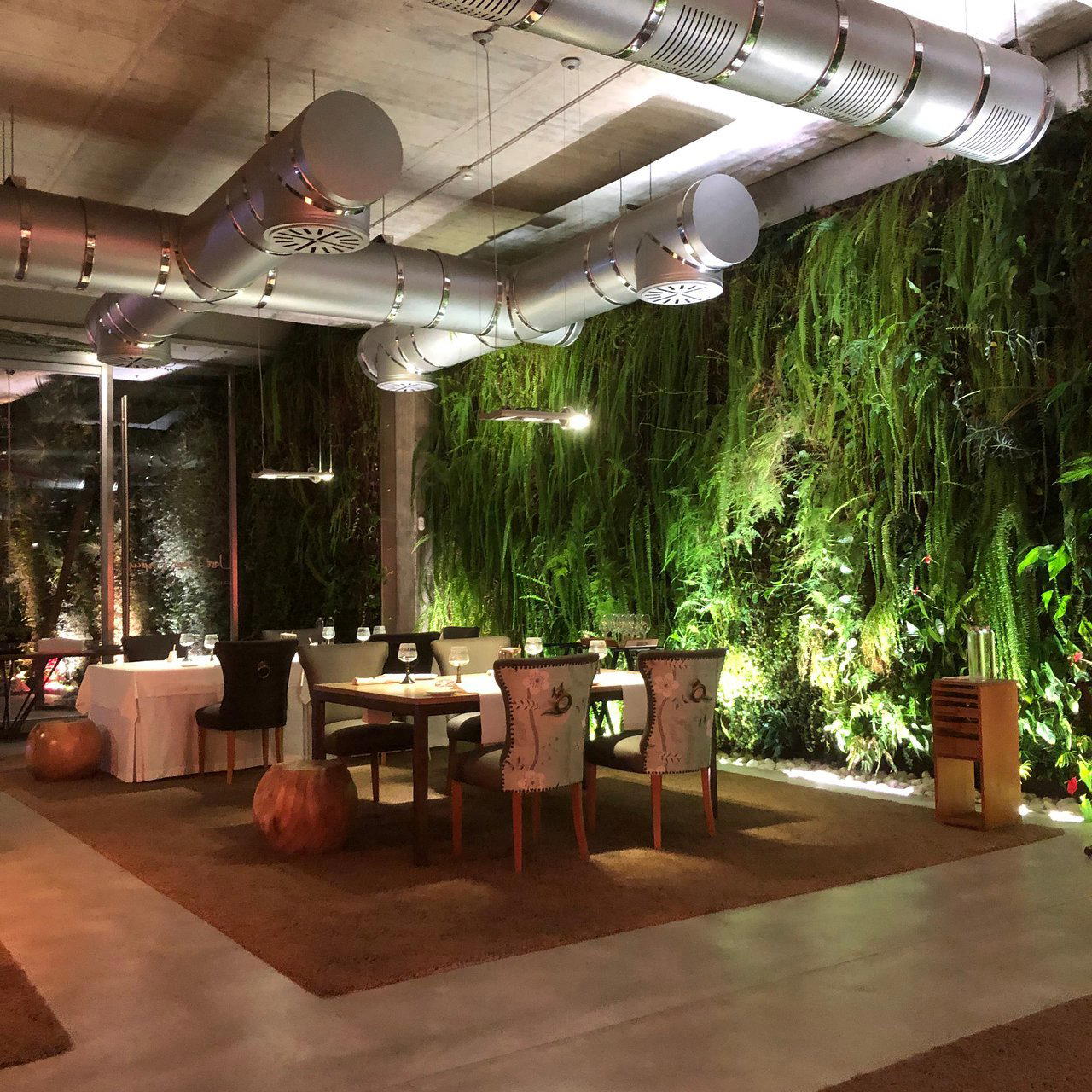
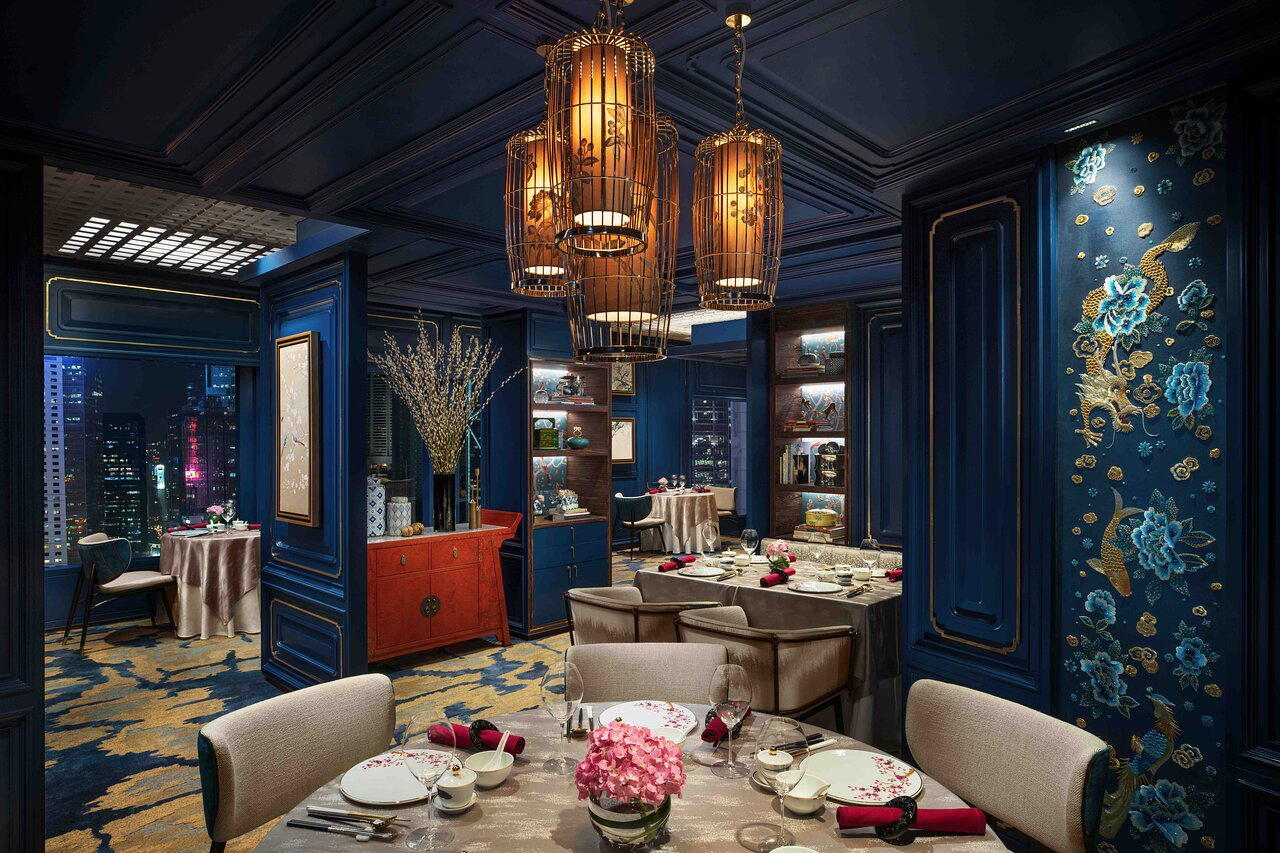
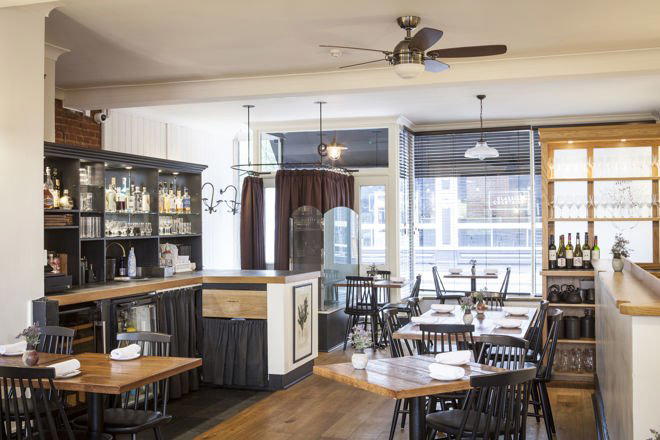
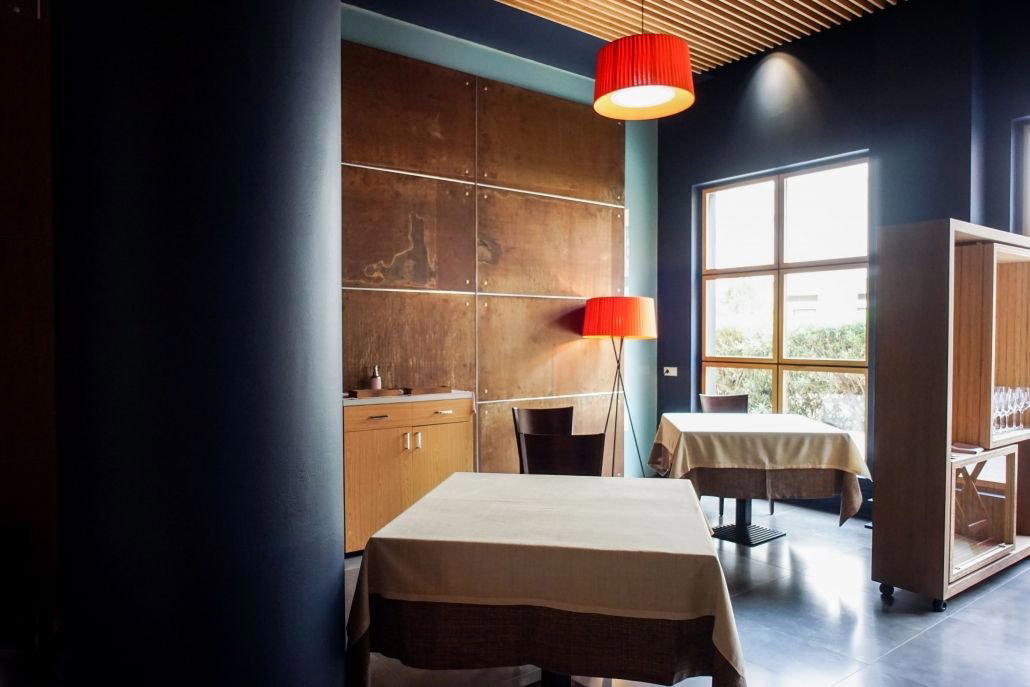
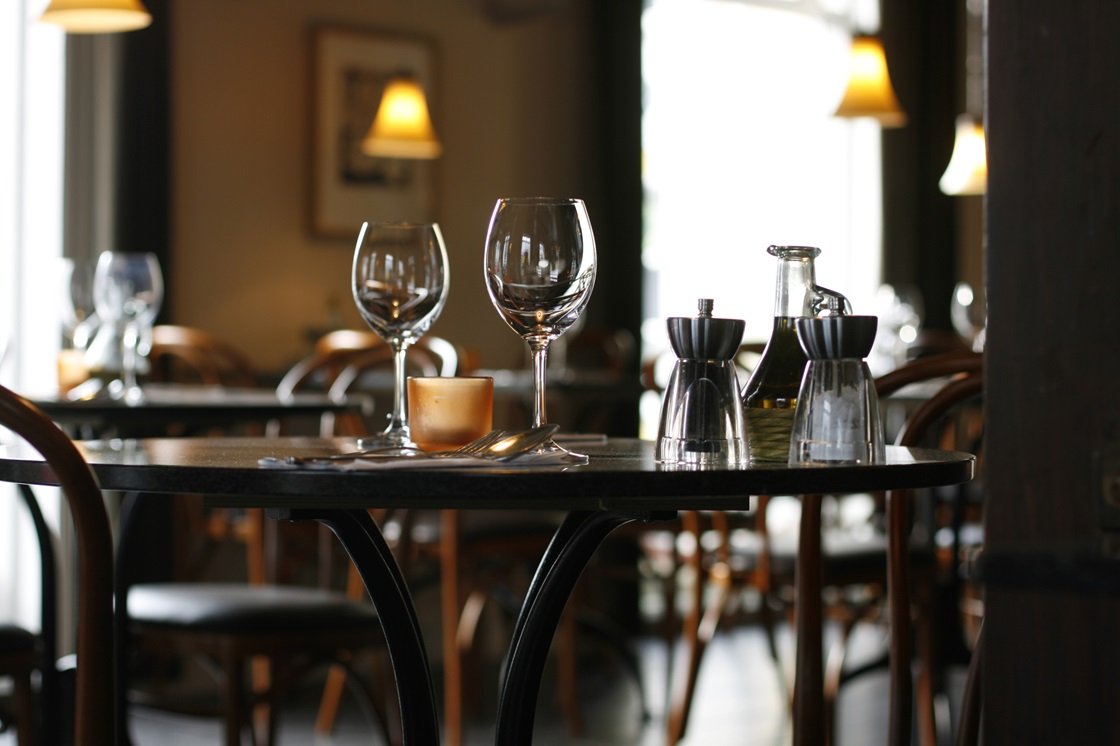
Light-filled dining room with floor-to-ceiling windows, hushed atmosphere featuring intangible cultural heritage displays creating a museum-like refined setting.
Tags
Vibe
Best For
Experience
Sourcing
View
At the Table
- Dress Code
- Smart Casual
- Noise Level
- Quiet
- Service Style
- Formal
- Meal Pacing
- Leisurely
- Capacity
- Medium
Signature Dishes
- Suzhou claypot rice
- Fried Purple Cap
- Sauced Water Shield
- Aged pigeon
Know before you go
Know Before You Go
- Getting there
- 420 Shiquan St, Cang Lang Qu, Suzhou, Jiangsu, China, 215005
Planning details
Location
420 Shiquan St, Cang Lang Qu, Suzhou, Jiangsu, China, 215005 · Directions
Also consider
Also Consider
- Yu Mian Tang, Noodles, ¥
- Pingjiangsong, Jiangsu Cuisine, ¥¥¥¥
- Su Mian Fang, Noodles, ¥¥
- Hui Lao Tang, Jiangsu Cuisine, ¥¥¥
- Chai Court, Cantonese, ¥¥¥
Restaurant context
For Jiangsu cuisine in Suzhou, the clearest comparison is between Dingshan·Jiangyan and Pingjiangsong. Pingjiangsong operates at ¥¥¥¥, one tier above Dingshan·Jiangyan, and represents the highest-priced expression of the tradition in the city. If your priority is the most formal and expensive version of Suzhou fine dining, Pingjiangsong is the answer. If you want Michelin-recognised Jiangsu cooking with slightly less financial commitment, Dingshan·Jiangyan makes the stronger case for value. Both venues book hard, so neither is an easy walk-in option.
Hui Lao Tang sits at ¥¥¥ and also covers Jiangsu cuisine, making it the most direct price-tier competitor. Without a Michelin star, it is the easier booking and a reasonable alternative if Dingshan·Jiangyan is fully booked during your window. Chai Court at ¥¥¥ offers Cantonese rather than Jiangsu cooking, so it serves a different culinary purpose. Choose Chai Court if you want a Cantonese comparison meal on the same trip, not as a substitute for the Jiangsu tradition.
For casual eating in Suzhou, Yu Mian Tang (¥) and Su Mian Fang (¥¥) cover the noodle end of the spectrum with no booking difficulty and minimal cost. These are not alternatives to Dingshan·Jiangyan for a special meal, but they are worth including in a broader Suzhou food itinerary to understand the full range of local eating. See our full Suzhou restaurants guide for a complete picture across price tiers.
Explore Suzhou
Around this place
Discover more on Pearl
Unlock the full Dingshan·Jiangyan (Xiangcheng) guide in Pearl, including awards, comparisons, FAQs, planning details, and nearby places.
Compare Dingshan·Jiangyan (Xiangcheng)
| Venue | Location | Cuisine | Awards | Price |
|---|---|---|---|---|
| Dingshan·Jiangyan (Xiangcheng) | Suzhou | Jiangsu Cuisine | 2025 Michelin 1 Star | ¥¥¥ |
| Yu Mian Tang | Suzhou | Noodles | 2025 Michelin Bib Gourmand | ¥ |
| Pingjiangsong | Suzhou | Jiangsu Cuisine | 2025 Michelin 1 Star | ¥¥¥¥ |
| Su Mian Fang | Suzhou | Noodles | No published awards | ¥¥ |
| Hui Lao Tang | Suzhou | Jiangsu Cuisine | Michelin Guide Shanghai Jiangsu Zhejiang 20262025 Michelin Plate | ¥¥¥ |
| Chai Court | Suzhou | Cantonese | 2025 Michelin Plate | ¥¥¥ |


.png?width=1200&quality=80)
How Dingshan·Jiangyan Suzhou compares with similar nearby venues.
FAQ
Frequently Asked Questions
Is the tasting menu worth it at Dingshan·Jiangyan (Xiangcheng)?
At ¥¥¥ pricing with a Michelin star, the tasting format is the intended way to eat here. Jiangsu cuisine rewards a sequence of courses: the cuisine's signature is in how flavours are built across a meal, not in a single standout dish. If you want à la carte flexibility at a lower spend, consider Yu Mian Tang or Su Mian Fang instead. Dingshan·Jiangyan is better suited to diners who want to commit to a full sitting.
Can Dingshan·Jiangyan (Xiangcheng) accommodate groups?
Group suitability is not documented in available records, but at a Michelin-starred address at ¥¥¥ per head, assume the experience is calibrated for small parties of two to four. For larger groups of six or more, contact the restaurant in advance to ask about private room availability — this is standard practice at this tier in China and worth confirming before you commit.
What are alternatives to Dingshan·Jiangyan (Xiangcheng) in Suzhou?
For traditional Suzhou-style noodles and lighter spending, Yu Mian Tang and Su Mian Fang are the practical alternatives. Pingjiangsong and Hui Lao Tang offer Jiangnan cooking at a more accessible price point if the ¥¥¥ tier is a stretch. Chai Court sits at a different format entirely. None of the alternatives listed carry a 2025 Michelin star, which is the clearest differentiator Dingshan·Jiangyan holds in the city right now.
Is Dingshan·Jiangyan (Xiangcheng) worth the price?
At ¥¥¥, Dingshan·Jiangyan is the most credentialed Jiangsu cuisine address in Suzhou as of 2025, backed by a Michelin star. That validates the price if you are specifically seeking refined, seasonal Jiangsu cooking in a structured dining setting. If your priority is value for money in Suzhou, Yu Mian Tang or Pingjiangsong will deliver solid regional food for considerably less. Come here because you want the kitchen's best effort, not just a Suzhou meal.
Is Dingshan·Jiangyan (Xiangcheng) good for a special occasion?
Yes, with the right expectations. The Michelin one-star credential (2025), ¥¥¥ pricing, and Jiangsu cuisine format — precise, seasonal, unhurried — make it a considered choice for a business dinner or a significant meal between two people. For a larger celebration requiring a private room or banquet format, confirm availability directly before booking, as this is not documented in current records.