
Restaurant in Tokyo, Japan
Sushi Marufuku
290ptsDry-aged sushi, sake pairing, easy booking.

About Sushi Marufuku
Sushi Marufuku is a Michelin Plate-recognised counter in western Tokyo's Nishiogikubo neighbourhood, built around dry-aged fish with a focus on intensified aroma and flavour. At the ¥¥¥ price tier with easy booking and an accomplished sake sommelier on hand, it is the right choice for food-focused travellers who want depth over prestige — and a stronger value case than the Ginza omakase circuit.
Is Sushi Marufuku worth booking in Tokyo?
Yes — particularly if aged sushi is something you want to understand at depth rather than just experience once. Sushi Marufuku, in the quiet Nishiogikubo neighbourhood of Suginami, is a Michelin Plate restaurant (2025) built around a single, clearly argued idea: that dry-ageing fish produces a range of aroma, tenderness, and flavour that fresh-cut sushi simply cannot reach. If that proposition interests you, this is one of the more committed places in Tokyo to test it. If you are looking for the polished grandeur of a Ginza counter, book Sushi Kanesaka or Harutaka instead.
The Space and the Format
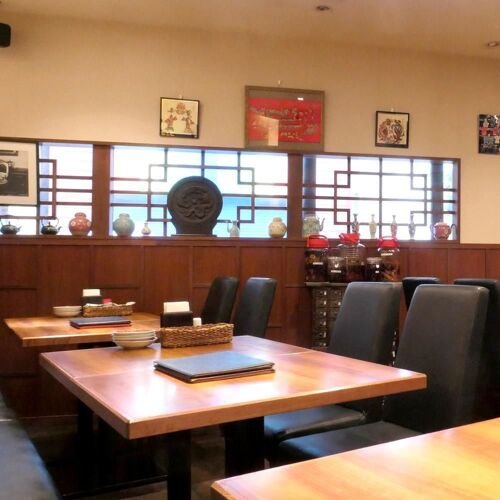
Sushi Marufuku sits in a residential pocket of western Tokyo — not a destination dining district, which tells you something about who comes here. The address in Nishiogikubo puts it well outside the central sushi circuit of Ginza and Shinjuku, and the journey is part of the self-selection: guests who find their way here have done so deliberately. The physical space is compact and counter-led, as is standard for serious Tokyo sushi-ya, meaning the format is intimate by design. You are close to the chef, close to the process, and close to the other diners. This is not a room for a loud group celebration; it is a room for paying close attention.
The seating arrangement matters for how you think about group bookings. Sushi counters of this type rarely exceed ten to fifteen seats, and the omakase format , one sitting, one sequence , means the room moves as a unit. If you are arriving as a pair or solo, the counter works perfectly. For groups of four or more, check availability carefully before committing; the format may not accommodate larger parties without a private arrangement, and no private dining data is confirmed in the record for this venue. Contact the restaurant directly to clarify group capacity before assuming the main counter can flex.
What Makes the Food Argument Interesting
The Michelin recognition frames the kitchen's focus precisely: aged sushi prepared with originality and passion, with dry-ageing used specifically to introduce what the guide describes as a certain wildness of taste. That phrase is worth holding onto. This is not the clean, bright precision of edomae tradition as practiced at Edomae Sushi Hanabusa or Sukiyabashi Jiro Roppongiten. The ageing process at Marufuku is intended to pull something different out of the fish , deeper umami, textural change, a profile that rewards attention rather than immediate gratification.
Structure of the meal accounts for this intensity. Snacks are interspersed between sushi pieces specifically so that the palate does not become fatigued by a succession of concentrated flavours. This is a considered sequencing decision, not a filler strategy, and it is a signal that the kitchen is thinking about how the meal reads over time rather than piece by piece in isolation. For a food-focused traveller, this kind of structural deliberateness is worth noting , it is a different conversation from the pure technical execution you find at higher-priced Ginza counters.
Sake and the Proprietress
One of the clearest practical reasons to engage fully with the service here: the proprietress is an accomplished sake sommelier, and aged sushi is one of the formats where sake pairing genuinely changes the experience. The weight and complexity that dry-ageing introduces to the fish creates alignment opportunities with aged sake styles , junmai daiginjo, koshu , that a wine-led list would struggle to match. Ask for guidance rather than ordering independently. This is one of the more concrete insider advantages the venue offers, and it is confirmed in the Michelin record. For sake-curious diners, this detail alone strengthens the case for booking.
Practical Details
Reservations: Booking difficulty is rated Easy, which is unusual for a Michelin-recognised Tokyo sushi counter and worth taking at face value , book with reasonable lead time but do not expect the weeks-out pressure of a starred venue. Location: 3 Chome-17-4 Nishiogikubo, Suginami City , a residential western Tokyo neighbourhood; plan your travel time accordingly, as this is not walking distance from major central hotel clusters. Price tier: ¥¥¥, placing it below the ¥¥¥¥ pricing of Ginza heavyweights, which makes the value case stronger for what the kitchen is attempting. Google rating: 4.7 across 212 reviews, a solid signal of consistent execution. Dress: No confirmed dress code, but counter dining at this level calls for smart casual at minimum. Phone and website: Not confirmed in available data , reach out via reservation platforms or directly through a hotel concierge for the latest booking channel.
How It Compares
Sushi Marufuku is the right call if aged sushi technique is your specific interest and you want a considered, sake-paired meal at a price point below the Ginza tier. For the edomae purist, Edomae Sushi Hanabusa is the more direct comparison. For maximum technical precision and prestige, Harutaka or Sushi Kanesaka deliver more conventional excellence at higher cost. Hiroo Ishizaka offers another off-the-main-circuit option worth comparing if neighbourhood location and a quieter room appeal to you.
If you are building a broader Japan trip, the ageing-focused approach at Marufuku sits in interesting contrast to the kaiseki tradition at venues like Gion Sasaki in Kyoto or HAJIME in Osaka. For sushi outside Japan, Sushi Shikon in Hong Kong and Shoukouwa in Singapore are the regional reference points, though neither pursues the same ageing focus. See our full Tokyo restaurants guide, our Tokyo hotels guide, our Tokyo bars guide, our Tokyo wineries guide, and our Tokyo experiences guide for broader planning. Also worth considering on a Japan circuit: akordu in Nara, Goh in Fukuoka, 1000 in Yokohama, and 6 in Okinawa.
Frequently Asked Questions
- What should a first-timer know about Sushi Marufuku? The format is omakase, meaning the kitchen sets the sequence. The defining feature is dry-aged fish, which produces a bolder, more complex flavour profile than the fresh-cut sushi most visitors encounter first. Budget at the ¥¥¥ tier, ask the proprietress , a confirmed sake sommelier , for sake pairing guidance, and allow the snack courses to reset your palate between the more intensely flavoured pieces. The Michelin Plate (2025) confirms consistent quality, and the 4.7 Google rating across 212 reviews suggests the experience lands reliably.
- What should I order at Sushi Marufuku? The menu is omakase , you do not order individual pieces. The kitchen controls the sequence and the pacing. The strongest decision you can make is to follow the sake pairing recommendations from the proprietress rather than arriving with a wine preference. The aged toppings are the reason to be here; let the full sequence run without shortcutting it.
- Is the tasting menu worth it at Sushi Marufuku? At the ¥¥¥ price tier, yes , the value case is clearer here than at the ¥¥¥¥ Ginza counters. The Michelin Plate recognition and 4.7 rating indicate the kitchen delivers at its stated level. If your baseline for Tokyo omakase is Harutaka or Sukiyabashi Jiro, the experience here will feel less ceremonial but more technically specific on the ageing question. Worth it for the right diner; less compelling if prestige setting matters as much as the food itself.
- Can Sushi Marufuku accommodate groups? Counter-format sushi-ya in Tokyo are generally limited in capacity , typically ten to fifteen seats , and the omakase structure means the room moves together. Pairs and solo diners are well served by the counter. For groups of four or more, contact the restaurant directly before booking to confirm whether the space can accommodate you, and whether any separate arrangement is available. No confirmed private dining data exists in the current record.
- What are alternatives to Sushi Marufuku in Tokyo? For aged and technique-focused sushi at a similar price tier, Edomae Sushi Hanabusa is the closest stylistic comparison. For higher-investment omakase with more conventional edomae precision, Harutaka and Sushi Kanesaka are the Ginza benchmarks. Sukiyabashi Jiro Roppongiten is the reference point for prestige-first bookings. If neighbourhood intimacy is the draw, Hiroo Ishizaka offers a comparable off-circuit feel.
Compare Sushi Marufuku
| Venue | Cuisine | Price | Awards | Booking Difficulty | Value |
|---|---|---|---|---|---|
| Sushi Marufuku | Sushi | ¥¥¥ | Aged sushi prepared with originality and passion. Yutaka Isayama rests fish to bring out aroma, tenderness and flavour, focusing closely on ageing technique to impart a certain wildness of taste. Snacks are interspersed so as not to jade the palate with a succession of intensely flavoured sushi toppings. Aged sushi pairs well with sake, so ask the proprietress, an accomplished sake sommelier, for suggestions.; Michelin Plate (2025); Aged sushi prepared with originality and passion. Yutaka Isayama ages fish to bring out aroma, tenderness and flavour, favouring dry-ageing to impart a certain wildness of taste. Snacks are interspersed so as not to jade the palate with a succession of intensely flavoured sushi toppings. Aged sushi pairs well with sake, so ask the proprietress, an accomplished sake sommelier, for suggestions. | Easy | — |
| Harutaka | Sushi | ¥¥¥¥ | Michelin 3 Star, World's 50 Best | Unknown | — |
| RyuGin | Kaiseki, Japanese | ¥¥¥¥ | Michelin 3 Star, World's 50 Best | Unknown | — |
| L'Effervescence | French | ¥¥¥¥ | Michelin 3 Star, World's 50 Best | Unknown | — |
| HOMMAGE | Innovtive French, French | ¥¥¥¥ | Michelin 2 Star, World's 50 Best | Unknown | — |
| Florilège | French | ¥¥¥ | Michelin 2 Star, World's 50 Best | Unknown | — |
Key differences to consider before you reserve.
Frequently Asked Questions
What are alternatives to Sushi Marufuku in Tokyo?
For aged sushi specifically, Sushi Marufuku has few direct peers at this price range. Harutaka in Ginza offers a more traditional omakase at a higher price point if prestige matters to your group. If you want to compare technique-forward counters, Sushi Marufuku is the call for dry-ageing focus; Harutaka is the call for classical precision.
What should a first-timer know about Sushi Marufuku?
The format centres on dry-aged sushi — fish rested to develop aroma and a wilder, more assertive flavour than standard omakase. Snacks are worked into the progression to reset the palate between intensely flavoured pieces. Booking is rated Easy by Pearl, which is rare for a Michelin-recognised Tokyo counter, so you are not fighting a months-long queue. The proprietress is an accomplished sake sommelier — engage her on pairings rather than defaulting to beer.
Can Sushi Marufuku accommodate groups?
Sushi Marufuku is a counter-format restaurant in a residential pocket of Suginami City, which means group capacity is limited by the counter itself. It suits pairs and small parties of three to four more naturally than large groups. If you are planning a party of six or more, confirm availability directly before booking; there is no publicly listed group policy in the venue record.
What should I order at Sushi Marufuku?
The format is omakase — the kitchen decides the progression, so there is no à la carte selection to navigate. The dry-aged fish pieces are the centrepiece of the meal, and sake pairings chosen by the proprietress are the practical complement. Ask her for sake suggestions rather than arriving with a fixed list; the pairing is a documented strength of the experience.
Is the tasting menu worth it at Sushi Marufuku?
At ¥¥¥ pricing and with a Michelin Plate (2025), Sushi Marufuku sits below the cost of Tokyo's starred omakase counters while offering a more focused, technique-specific experience than most counters in that bracket. If dry-ageing technique and sake pairing are what you are there for, the value case is clear. If you want classical Edomae sushi without the aged-fish flavour profile, a different counter would be a better fit.
Recognized By

More restaurants in Tokyo
- SézanneOccupying the seventh floor of the Four Seasons Hotel Tokyo at Marunouchi, Sézanne earned its first Michelin star within months of opening in July 2021 and now holds three. British chef Daniel Calvert applies French technique to Japanese ingredients, producing a prix-fixe format that Tabelog has recognised with Silver awards every year from 2023 through 2026. It ranked 4th in Asia's 50 Best Restaurants in 2025 and 15th globally in 2024.
- SazenkaSazenka is the address for Chinese cuisine in Tokyo at its most technically demanding. Chef Tomoya Kawada's wakon-kansai approach — Japanese seasonal ingredients applied through Chinese culinary technique — has earned consecutive Tabelog Gold Awards from 2019 to 2026, a #71 ranking on the World's 50 Best 2025, and 99 points from La Liste 2026. At JPY 50,000–59,999 per head, it is one of the hardest tables in the city to book and worth the effort.
- NarisawaNarisawa is Tokyo's most credentialled innovative tasting menu restaurant — two Michelin stars, Asia's 50 Best number 12, and a Tabelog Silver award — running at JPY 80,000–99,999 per head. Book for a milestone occasion, confirm vegetarian or vegan needs in advance, and reserve at least two to three months out. With 15 seats and reservation-only access, this is one of Tokyo's hardest tables to secure.
- FlorilègeFlorilège delivers two Michelin stars and an Asia's 50 Best #17 ranking at a dinner price of ¥22,000 — competitive for Tokyo at this level. Chef Hiroyasu Kawate's plant-forward tasting menus around an open-kitchen counter at Azabudai Hills make this the strongest choice for contemporary French dining in Tokyo if theatrical, produce-led cooking is what you want. Book well in advance; availability is near-impossible at short notice.
- DenDen holds two Michelin stars, a World's 50 Best top-25 Asia ranking, and a Tabelog Silver Award running back to 2017 — and it books out within hours of the two-month reservation window opening. Chef Zaiyu Hasegawa's daily-changing seasonal omakase runs JPY 30,000–39,999 at dinner in a relaxed house-restaurant setting near Gaiemmae. Book by phone only, noon–5 PM JST. Lunch is irregular; plan around dinner.
- MyojakuMyojaku is a 2-Michelin-star, 14-course French-leaning omakase in Nishiazabu holding a 4.47 Tabelog score, Tabelog Silver 2025–2026, and Asia's 50 Best #45 (2025). Chef Hidetoshi Nakamura's water-forward, no-dashi approach shifts meaningfully with the seasons — making timing your reservation as important as getting one. Budget JPY 50,000–59,999 per head plus 10% service charge; reservations only, near-impossible to secure.
Similar venues by awards
Related editorial
- Best Fine Dining Restaurants in ParisFrom three-Michelin-star icons to the next generation of Parisian chefs pushing boundaries, these are the restaurants that define fine dining in the world's culinary capital.
- Best Luxury Hotels in RomeFrom rooftop terraces overlooking ancient ruins to Michelin-starred hotel dining, these are the luxury hotels that make Rome unforgettable.
- Best Cocktail Bars in KyotoFrom sleek lounges to hidden speakeasies, Kyoto's cocktail scene blends Japanese precision with global influence in ways you won't find anywhere else.
Save or rate Sushi Marufuku on Pearl
Keep this venue in your Pearl passport, rate it after you visit, and track it alongside every other place you collect.