
Washoku TOMO
Japanese · Riddarholmen, Stockholm
Restaurant in Stockholm, Sweden
 Book with Pearl
The Read
Washoku Canon, Nordic Address
Dress
Smart Casual
Why go
Washoku TOMO holds a Michelin Plate for 2024 and 2025: all at €€€ pricing, a full tier below most of Stockholm's recognised competition. It is one of the clearest value cases in the city's serious dining scene, with easy booking and counter seating that suits both solo diners and returning guests looking to engage more directly with the kitchen.
About Washoku TOMO
Should You Book Washoku TOMO?
Getting a table at Washoku TOMO is easier than at most of Stockholm's Michelin-recognised restaurants, and that accessibility is one of the clearest reasons to book. This is Japanese cooking that has earned a Michelin Plate in both 2024 and 2025, served at €€€ pricing in a city where the serious competition almost uniformly sits at €€€€.
The Washoku TOMO Portrait
Washoku TOMO sits on Timmermansgatan 15 in Södermalm, one of Stockholm's more food-literate neighbourhoods, where the density of independent restaurants means diners tend to know what they're comparing against. The address matters because Södermalm is walkable from much of central Stockholm and well-served by public transport, making logistics direct in a way that some of the city's destination restaurants are not.
The Michelin Plate: held consecutively for 2024 and 2025, signals cooking that Michelin's inspectors consider worth seeking out, even if it hasn't crossed into star territory. In practical terms, that means you are getting food that has been formally vetted without paying the price premium that a star typically demands. At €€€, TOMO sits a full price tier below Stockholm's starred competition. For a returning diner, that gap is the strongest argument for booking again rather than trading up to a €€€€ alternative.
The Counter Experience at TOMO
Editorial angle here is the counter, and it matters for how you approach a return visit. Counter seating at a Japanese restaurant of this type changes the meal in concrete ways: proximity to the kitchen means you experience the aromas of the cooking as it happens, dashi stock, grilled fish, warm vinegared rice, rather than receiving finished plates cold from a distance. You follow the sequence of preparation, which at a washoku-focused kitchen means watching the discipline of technique that the cuisine demands. For a diner who visited once and sat at a table, requesting counter seats on a return visit is a different experience of the same menu.
Washoku, as a culinary tradition, is built around balance, across temperature, texture, and season, and counter seating makes that intention legible in a way that table dining does not always allow. The progression from lighter dishes to more substantial ones, the precision of knife work, the care in plating: these are visible from a counter position. If TOMO follows the format common to serious washoku restaurants, the counter is where the kitchen communicates directly with the diner, and that communication is what the Michelin Plate recognises. For context on how Japanese restaurants at this level operate, Myojaku in Tokyo and Azabu Kadowaki in Tokyo represent the benchmark the format is measured against.
When to Go
Stockholm's restaurant scene has a rhythm worth understanding before you book. Summer evenings in Södermalm are long and busy, and restaurants at TOMO's recognition level fill quickly from June through August. If flexibility allows, the shoulder months, April to May and September to October, tend to offer easier booking and a dining room that is full without being pressured. Winter visits have a different quality: the contrast between a cold Södermalm street and a warm Japanese kitchen makes the season appropriate for the cuisine.
For day-of-week timing, mid-week bookings at restaurants of this type tend to produce a calmer room and more attentive service than Friday and Saturday peak. If the occasion calls for conversation, Tuesday through Thursday is the practical recommendation.
Stockholm Context
TOMO operates in a city with serious Japanese dining options. Sushi Sho and Dashi are the most direct comparators in the Japanese category in Stockholm, and each approaches the cuisine from a different angle. TOMO's washoku focus, traditional Japanese multi-course cooking, is distinct from a sushi-led format, and that distinction matters for deciding which restaurant fits the occasion. For a broader sweep of what Stockholm's restaurant scene offers, see our full Stockholm restaurants guide. Accommodation options are covered in our Stockholm hotels guide, and for drinking before or after the meal, our Stockholm bars guide has the relevant options.
If you are planning a broader trip around serious eating in Sweden, Signum in Mölnlycke, Vollmers in Malmö, VYN in Simrishamn, 28+ in Gothenburg, ÄNG in Tvååker, and Knystaforsen in Rydöbruk are worth including. Our Stockholm wineries guide and Stockholm experiences guide round out trip planning for the city.
Practical Details
| Detail | Washoku TOMO | Sushi Sho | Frantzén |
|---|---|---|---|
| Price range | €€€ | €€€ | €€€€€ |
| Cuisine | Japanese (Washoku) | Japanese (Sushi) | Modern Cuisine |
| Michelin recognition | Plate (2024, 2025) | 3 Stars | |
| Booking difficulty | Easy | Moderate | Very Hard |
| Location | Södermalm | Stockholm | Stockholm |
For the full picture on Frantzén, see the Frantzén portrait on Pearl. For Operakällaren and AIRA, see the comparison section below.
Frequently Asked Questions
How far ahead should I book Washoku TOMO?
- Booking difficulty at TOMO is rated easy, which means you are unlikely to need more than a week or two of lead time on most nights.
- During peak summer months (June–August) and around Swedish public holidays, book 2–3 weeks ahead to be safe.
- Mid-week availability is typically more open than weekends. If your dates are flexible, Tuesday to Thursday offers the most options.
Is Washoku TOMO good for a special occasion?
- Yes, with the right expectations. TOMO's Michelin Plate recognition and 4.9 rating make it credible for a significant dinner, and the €€€ pricing means you are not overpaying relative to the experience.
- For occasions where the setting and formality of service need to match the moment, Operakällaren or AIRA at €€€€ may be the better choice.
- For a special occasion that prioritises the food itself over ceremony, TOMO offers stronger value.
Can Washoku TOMO accommodate groups?
- For groups of four or more, contact the restaurant directly before assuming availability.
- Japanese washoku restaurants in this format typically prioritise smaller parties; counter seating in particular suits pairs or solo diners more than large groups.
- If you are organising a group of six or more, it is worth confirming whether a private or semi-private arrangement is possible before booking.
Is the tasting menu worth it at Washoku TOMO?
- At €€€ pricing with a Michelin Plate in two consecutive years, the tasting menu format at TOMO delivers more per euro than the €€€€ competition in Stockholm.
- The washoku multi-course format is the right choice if you want a structured, seasonal progression rather than ordering à la carte. It is the format the kitchen is built around.
- If tasting menus in general feel overly formal for your preference, Dashi offers an alternative Japanese experience worth comparing.
Is Washoku TOMO good for solo dining?
- Counter seating at a washoku restaurant is one of the better solo dining formats available. You are close to the kitchen, the meal has a natural structure, and there is no awkwardness about a table for one.
- At €€€ and with easy booking, TOMO is one of the more accessible Michelin-recognised solo dining options in Stockholm.
- Solo diners should specifically request counter seats when booking, this is where the experience is most engaging.
Is Washoku TOMO worth the price?
- That gap is the clearest signal that it is worth it.
- Compared to Adam / Albin, Ekstedt, or Etoile at €€€€, TOMO costs less and delivers a kitchen that has been formally recognised two years running.
- The answer is yes for diners who value Japanese washoku cooking. If the cuisine itself is not a draw, the €€€€ field in Stockholm offers more variety of formats at the same or higher spend.
Planning details
- Hours
- Monday: Closed · Tuesday: 5:30–10 PM
- Location
- Timmermansgatan 15, 118 25 Stockholm, Sweden
- Reservations
- Book on BokaBord
- Website
- washokutomo.se
The take
The Take
The Vibe
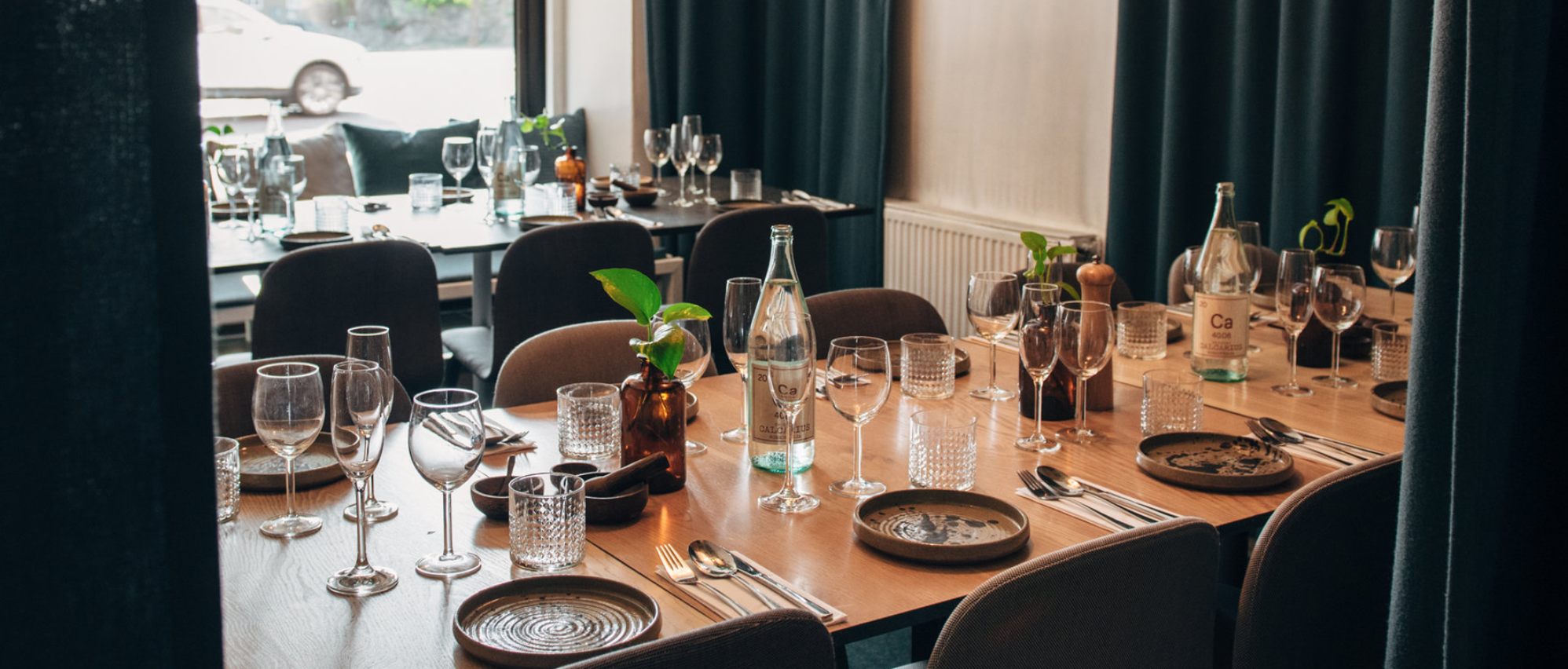
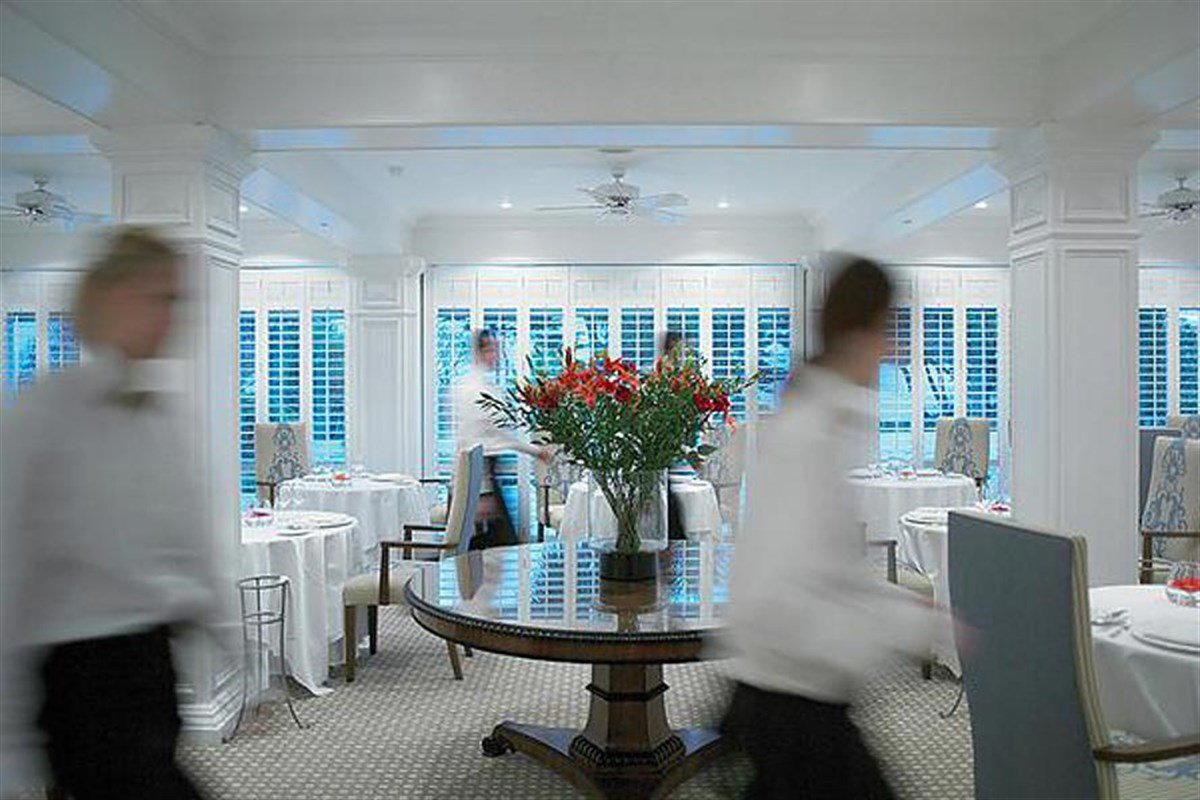
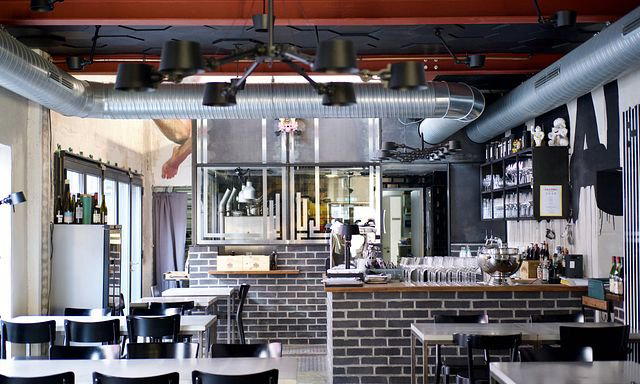
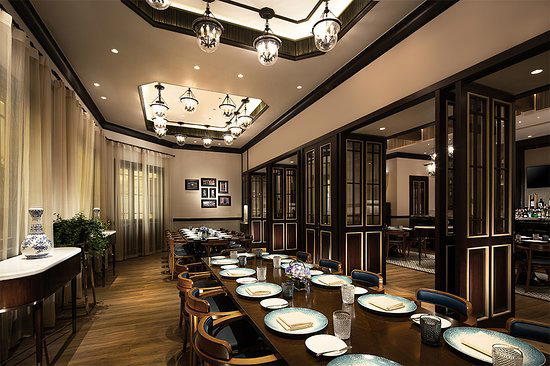
TOMO reads as a study in restraint: clean lines, considered materials and a deliberate absence of clutter set a calm, pared-back stage for the food. The room aligns with washoku principles, balance, seasonality and minimal intervention, so the atmosphere feels more meditative than theatrical. That quiet confidence, paired with consistent Michelin Plate recognition, gives the place a quietly sophisticated air. It’s the sort of urban restaurant where the design and service defer to technique and tide of ingredients, rewarding diners who arrive ready to focus on flavour, texture and careful composition rather than spectacle.
Best For
TOMO suits diners seeking a focused, refined Japanese experience in Södermalm. Its intimate, restrained setting and technical depth make it a natural choice for date nights and special evenings when the meal itself is the occasion. The restaurant’s placement among Stockholm’s top-tier Japanese options also makes it appropriate for business dinners that call for quiet conversation and culinary gravitas. Because the kitchen privileges seasonal balance and classical approaches, it attracts guests who appreciate disciplined technique and a contemplative pace rather than a boisterous night out.
Ordering Tips
Approach the menu with the washoku framework in mind: look for dishes that emphasise seasonality, balance and minimal intervention. The venue signals range across the classical Japanese canon rather than a single-discipline format, so consider sampling items that showcase different techniques and seasonal ingredients to appreciate the kitchen’s breadth. Given the restrained presentation philosophy, expect subtlety rather than overt seasoning; ask staff about what’s most representative of the current season if you want a concise primer on the restaurant’s style.
Venue details
Ambiance
Minimalistic interior with an intimate, cozy atmosphere focused on the open kitchen where guests watch the chef prepare each dish.
Tags
Vibe
Best For
Experience
At the Table
- Dress Code
- Smart Casual
- Noise Level
- Quiet
- Service Style
- Upscale Casual
- Meal Pacing
- Leisurely
- Capacity
- Intimate
- Kitchen
- Modern
- Menu Format
- Omakase, Counter dining
- Drinks Focus
- Sake
Know before you go
Know Before You Go
- Getting there
- Timmermansgatan 15, 118 25 Stockholm, Sweden
Planning details
Hours
- Monday
- Closed
- Tuesday
- 5:30–10 PM
- Wednesday
- 5:30–10 PM
- Thursday
- 5:30–10 PM
- Friday
- 5:30–10 PM
- Saturday
- 5:30–10 PM
- Sunday
- Closed
Location
Recognition and awards
Also consider
Also Consider
- Operakällaren: Swedish, Modern Cuisine, €€€€
- AIRA: Modern European, Modern Cuisine, €€€€
- Adam / Albin: New Nordic, €€€€
- Ekstedt: Progressive Asador, Grills, €€€€
- Etoile: Contemporary French, Creative, €€€€
Restaurant context
Washoku TOMO at €€€ is the obvious choice when budget is a factor and Japanese cooking is what you want. The restaurants most commonly compared against it in Stockholm Operakällaren, AIRA, Adam / Albin, Ekstedt, and Etoile: all operate at €€€€ and offer very different formats. TOMO's consecutive Michelin Plate recognitions in 2024 and 2025 mean it has been formally assessed and found worth seeking out, making the price gap relative to its €€€€ peers a genuine advantage rather than a reflection of lower quality.
If the occasion demands a grander room or more elaborate service, Operakällaren's historic setting or AIRA's modern European ambition are the right choices: but you will pay more and the cuisine is entirely different. Ekstedt, with its live-fire cooking format, is the most distinctive experience in Stockholm's €€€€ tier and worth booking if theatre and smoke are what you're after. Adam / Albin and Etoile sit closer to classic fine dining expectations. None of them compete with TOMO on Japanese cooking because none of them offer it.
The practical decision is this: if you want serious Japanese washoku in Stockholm at a price that doesn't require committing to a full €€€€ spend, TOMO is the specific answer. If the cuisine is flexible and the occasion calls for something more formal or celebratory in presentation, Operakällaren or AIRA are the strongest alternatives at the next price tier. For diners who have already visited TOMO once, the counter seats on a return visit offer a materially different experience: enough to justify coming back before trading up.
Explore Stockholm
Around this place
Discover more on Pearl
Unlock the full Washoku TOMO guide in Pearl, including awards, comparisons, FAQs, planning details, and nearby places.
Compare Washoku TOMO
| Venue | Awards | Price |
|---|---|---|
| Washoku TOMO | Michelin Guide Nordic Countries 20262025 Michelin Plate2024 Michelin Plate | €€€ |
| Operakällaren | Star Wine Lists 2026 · #12026 OAD Classical in Europe Ranked · #115Michelin Guide Nordic Countries 20262026 White Guide Sweden Restaurants - Global Masters Level2026 White Guide Nordic Restaurants - Masters Level2026 Les Grandes Tables du Monde Members2026 La Liste Top Restaurants2025 OAD Classical in Europe Ranked · #1332025 La Liste Top Restaurants | €€€€ |
| AIRA | 2026 OAD Top Restaurants in Europe Ranked · #101Michelin Guide Nordic Countries 20262026 White Guide Sweden Restaurants - Global Masters Level2026 La Liste Top Restaurants2026 Falstaff Restaurant Guide2025 OAD Top Restaurants in Europe Ranked · #1142025 OAD Top Restaurants in Japan Ranked · #5812025 Michelin 2 Stars2025 La Liste Top Restaurants | €€€€ |
| Adam / Albin | Star Wine Lists 2026 · #1Michelin Guide Nordic Countries 20262026 OAD Top Restaurants in Europe Highly Recommended2026 White Guide Sweden Restaurants - Global Masters Level2026 White Guide Nordic Restaurants - Global Masters Level2026 La Liste Top Restaurants2026 Falstaff Restaurant Guide2025 La Liste Top Restaurants2025 Michelin 1 Star | €€€€ |
| Ekstedt | 2026 OAD Top Restaurants in Europe Ranked · #115Star Wine Lists 2026Michelin Guide Nordic Countries 20262026 White Guide Nordic Restaurants - Masters Level2026 White Guide Sweden Restaurants - Masters Level2026 La Liste Top Restaurants2026 Falstaff Restaurant Guide2025 OAD Top Restaurants in Europe Ranked · #1162025 Michelin 1 Star | €€€€ |
| Etoile | Star Wine Lists 2026Michelin Guide Nordic Countries 20262026 OAD Top Restaurants in Europe Recommended2026 White Guide Nordic Restaurants - Masters Level2026 White Guide Sweden Restaurants - Masters Level2025 OAD Top Restaurants in Europe Ranked · #5572025 Michelin 1 Star2024 OAD Top Restaurants in Europe Ranked · #4132024 Michelin 1 Star | €€€€ |
.png?width=1200&quality=80)








Comparing your options in Stockholm for this tier.
FAQ
Frequently Asked Questions
How far ahead should I book Washoku TOMO?
Two to three weeks ahead is a reasonable target for most evenings. TOMO holds a Michelin Plate for 2024 and 2025, which keeps demand steady, but it is more accessible than Sushi Sho, where waits can stretch to months. Friday and Saturday slots at the counter go faster, so book those further out than midweek.
Is Washoku TOMO good for a special occasion?
Yes, at the €€€ price point it sits in the right register for a birthday or anniversary without the pressure of Stockholm's hardest-to-book tables. The Michelin Plate recognition adds credibility if you're trying to impress. For something with more ceremony and a longer tasting format, AIRA or Adam/Albin would raise the stakes further.
Is the tasting menu worth it at Washoku TOMO?
At €€€, TOMO's tasting format is priced below Stockholm's top omakase competitors and carries two consecutive Michelin Plate awards, which points to consistent execution. If you want a structured Japanese progression without paying Sushi Sho prices, this is a practical choice. If you want a starred omakase experience specifically, the price gap to a Michelin-starred alternative may be worth closing.
Is Washoku TOMO good for solo dining?
Counter seating at a Japanese restaurant of this format is one of the better solo dining propositions in Stockholm. You get a direct view of the kitchen, a natural pacing structure, and no awkward table-for-one dynamic. Solo diners should request counter seating explicitly when booking.
Is Washoku TOMO worth the price?
At €€€ with back-to-back Michelin Plate recognition in 2024 and 2025, the value case is clear for Japanese food in Stockholm. It is not the cheapest dinner in Södermalm, but it sits well below the city's top-tier tasting menus while delivering a credentialed kitchen. If you're comparing value against Ekstedt or Operakällaren at similar price points, TOMO's focus and format make it the tighter proposition for Japanese cuisine specifically.