Sessions
St Julian's
Restaurant in St Julian's, Malta
 Book with Pearl
The Read
Price
$20–30per person
Dress
Casual
Why go
Sessions is worth considering in St Julian's when the brief is flexible all-day dining for a group, not a chef-led destination meal. The appeal is practical: an easier format for mixed schedules and mixed appetites. For a special occasion or a cuisine-specific dinner, compare more focused Malta restaurants before committing.
About Sessions
Sessions is a St Julian's venue listed for all-day dining with a casual dress code. Use it when the brief is simple: an easy meal in St Julian's rather than a highly specific cuisine or a formal destination dinner.
The main decision is occasion fit, so expectations should stay broad. Sessions is best framed as a casual all-day dining option, not as a venue defined by awards, a named chef, a tasting-menu format, a price point, or a particular signature dish.
Use it for flexible dining, not a high-stakes meal
Sessions works well when convenience and a casual setting matter. Given its all-day dining, St Julian's location, and casual dress code, it is safer to avoid assuming a specific menu format, beverage program, seating style, or special-occasion setup.
For a repeat visit, choose it when the priority is an easy St Julian's meal. Skip it when the meal needs a clearly defined cuisine, a formal atmosphere, or a restaurant with more detail to plan around. For alternatives, compare other dining in St Julian's generically and match the choice to the level of formality you need.
Who should choose it
Choose Sessions when you want casual all-day dining in St Julian's and do not need the restaurant to carry the whole occasion. It is a practical fit for diners who value a direct, low-ceremony meal.
If the plan is part of a wider St Julian's stay, use its key features to decide whether Sessions fits: all-day dining, casual dress, and a St Julian's location. For a more formal or highly specific meal, compare other unnamed St Julian's dining options before committing.
Planning details
- Location
- St Julian's, Malta
The take
The Take
The Vibe
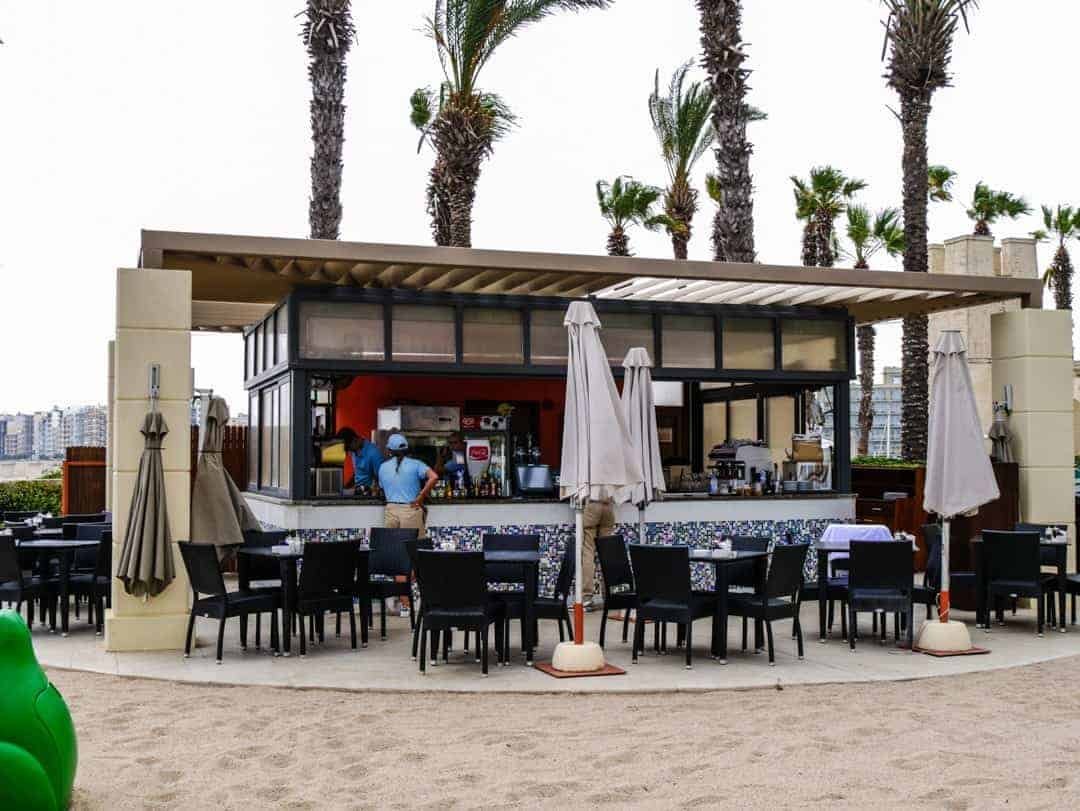
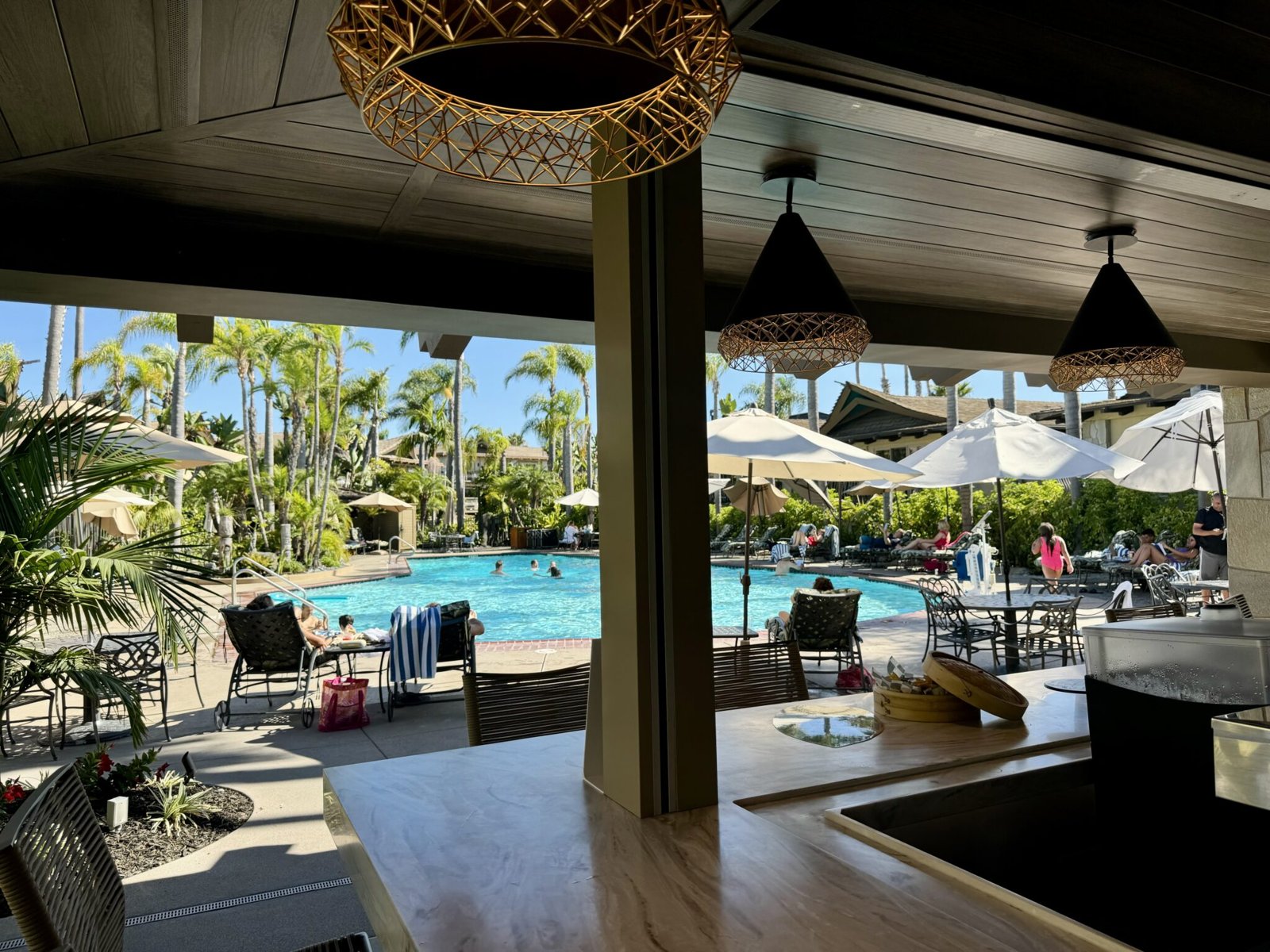
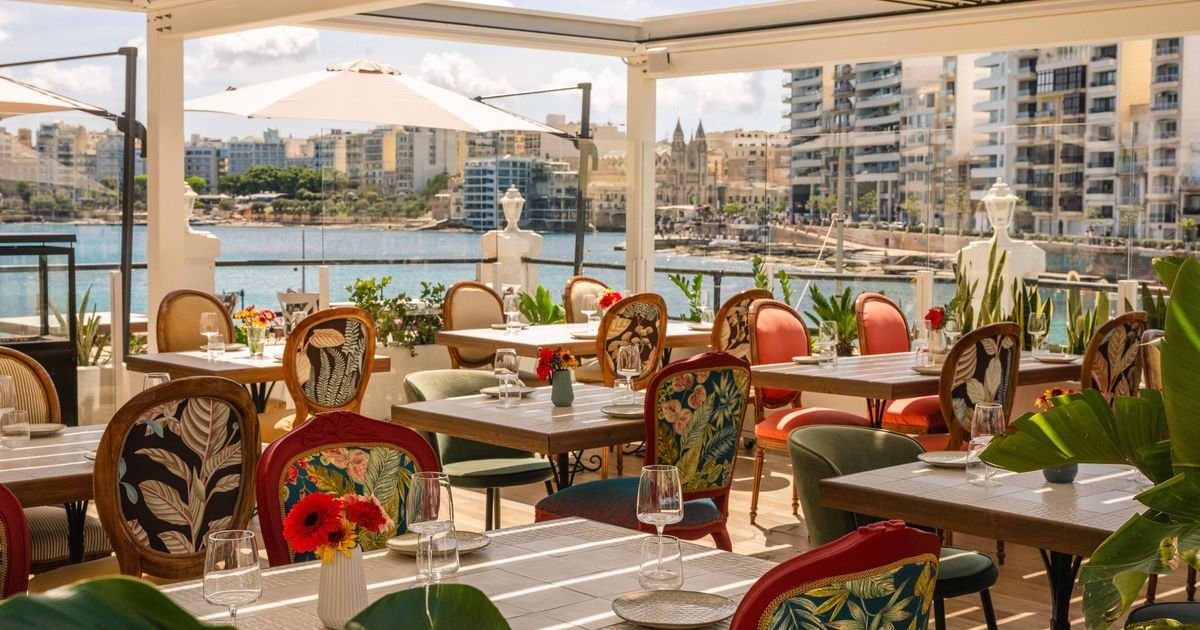
Sessions is a relaxed, seaside all-day restaurant that leans into St Julian’s coastal rhythms. It reads as an approachable Mexican spot that accommodates the town’s changing tempo—espresso crowds in the morning, time-pressured lunches in the heat, aperitivo spilling onto terraces at dusk, and a later-paced dinner service. The mood shifts naturally through the day: convivial and conversational during daytime service, livelier as light falls and terraces fill, but never aspiring to the formality of tasting-menu dining. Its placement on the waterfront gives much of the room a scenic, open-air feel when weather allows.
Best For
Choose Sessions when you want a dependable, informal meal at any hour. It’s well-suited to solo morning coffee and quick breakfasts, leisurely lunches that work around a coastal day, communal aperitivo moments on the terrace, and later dinners that match St Julian’s evening schedule. Because the concept is explicitly all-day, the restaurant absorbs varied arrival times—ideal for groups with mixed plans or visitors who want flexibility rather than a fixed, multi-course tasting experience. It’s not positioned as a destination fine-dining stop but as a practical, pleasurable option throughout the day.
Ordering Tips
Lean into the venue’s natural rhythms: arrive early for the espresso crowd if you’re seeking a quiet morning seat, or plan to take a terrace spot around sunset to enjoy the aperitivo atmosphere. Expect flexible pacing—the format accommodates quick lunches and more relaxed dinners—so make choices based on how much time you have rather than assuming a set tasting rhythm. Because Sessions is framed against tasting-menu houses in the neighborhood, you can order a straightforward meal without the formalities of a destination restaurant; terrace seating will maximize the waterfront appeal when conditions permit.
Venue details
Ambiance
Lively and welcoming atmosphere with good ambience ratings from guests.
Tags
Best For
At the Table
- Dress Code
- Casual
- Service Style
- Casual
- Meal Pacing
- Quick Bite
- Capacity
- Medium
- Kitchen
- Traditional
- Menu Format
- A la carte
Planning details
Location
St Julian's, Malta · Directions
Explore St Julian's
Around this place
Discover more on Pearl
Unlock the full Sessions guide in Pearl, including awards, comparisons, FAQs, planning details, and nearby places.
FAQ
Frequently Asked Questions
What should a first-timer know about Sessions?
Treat Sessions as a casual all-day dining choice in St Julian's. It makes sense when you want a straightforward option rather than a meal defined by a specific cuisine, tasting format, or award profile.
Can I eat at the bar at Sessions?
Does Sessions handle dietary restrictions?
Dietary restriction information is not available. Contact Sessions directly before visiting if you need specific accommodation.
Is Sessions good for a special occasion?
Sessions is better framed as casual all-day dining in St Julian's than as a formal special-occasion restaurant. It can suit an easy meal, but choose a more clearly formal venue if the occasion needs a stronger sense of ceremony.
What are alternatives to Sessions in St Julian's?
Compare other dining in St Julian's based on how formal or specific you want the meal to be. Sessions is the practical pick when casual all-day dining is the priority.
What should I wear to Sessions?
Dress casually. Sessions has a casual dress code.