

.png?width=1200&quality=80)
Ushidoki Wagyu Kaiseki
Japanese · CHINATOWN, Singapore
Restaurant in Singapore, Singapore
 Book with Pearl
The Read
Wagyu-Centred Kaiseki Progression
Price
$$$$
Chef
Hirohashi Nobuaki
Dress
Smart Casual
Why go
Ushidoki Wagyu Kaiseki is Singapore's most critically validated wagyu-only kaiseki, ranked #183 in OAD's Top Restaurants in Asia (2025) and holding a Michelin Plate. Chef Hirohashi Nobuaki runs a fixed-format meal built entirely around wagyu, at a $$$$ price point that demands advance planning. Book weeks ahead — tables at this recognition level do not stay open.
About Ushidoki Wagyu Kaiseki
The Experience
Ushidoki Wagyu Kaiseki sits on Tras Street in Tanjong Pagar, a part of Singapore where serious Japanese dining has quietly taken hold alongside the area's older Cantonese and Peranakan institutions. Chef Hirohashi Nobuaki runs the kitchen with a kaiseki structure, meaning the meal moves through a sequence of courses, each one framed around wagyu at different preparations, cuts, and intensities. This is not a steakhouse with a Japanese aesthetic, nor a conventional kaiseki that happens to feature beef. The format is specifically designed to let a single protein reveal itself across a long meal, which requires both a committed kitchen and a committed diner.
For first-timers to wagyu kaiseki as a format, the pacing is worth understanding before you arrive. Kaiseki meals in this style are measured, deliberate, and longer than most Western tasting menus at a comparable price. The Tanjong Pagar location on Tras Street puts you within easy reach of the MRT, and the shophouse setting is typical of the neighbourhood: compact, composed, and without the lobby grandeur of Singapore's hotel-based fine dining rooms. That physical modesty is not a deficit, it is part of the format's logic, focusing attention on the plate rather than the room.
The OAD ranking movement is the most telling data point here. OAD's Asia list is heavily weighted toward Japanese-trained critic palates and specialist knowledge, making it a particularly useful validator for a wagyu-focused kaiseki. Moving 29 places in a single year, from #212 to #183, while also holding a Michelin Plate suggests the kitchen is not resting on an early reputation. For context, venues at comparable OAD positions in Tokyo such as Azabu Kadowaki, Kagurazaka Ishikawa, or Ginza Fukuju are considered genuine destination restaurants in their home city. Ushidoki is earning that kind of critical attention in a market, Singapore, where the competition for that recognition is fierce.
For the explorer diner who wants to benchmark this against kaiseki traditions in Japan, the reference points are instructive. Kaiseki restaurants like Isshisoden Nakamura in Kyoto, Gion Matayoshi in Kyoto, or Kashiwaya in Osaka set the benchmark for the form. Ushidoki is not replicating those experiences, it is applying the kaiseki architecture to a specific wagyu-forward agenda in Southeast Asia, which makes it a different proposition worth engaging on its own terms. If you have already eaten kaiseki in Japan at venues like Myojaku and want to see how the format travels, this is one of Singapore's most credible answers.
Private Dining and Group Bookings
The venue database does not confirm a dedicated private dining room, and the Tras Street shophouse footprint suggests a compact overall capacity. What this means practically: if you are planning a group dinner or a special-occasion booking where table separation and some degree of privacy matter, confirm the layout and available configurations directly with the restaurant before committing. Shophouse venues in Singapore often have a main counter or room supplemented by a secondary space that can be sectioned off for groups, but arrangements vary significantly. For private-event planners comparing options, Waku Ghin at Marina Bay Sands has a known private dining setup with dedicated rooms; Ushidoki's intimacy comes from its small scale rather than purpose-built private infrastructure. If the shared-room format of a small kaiseki counter works for your group, the scale here likely works in your favour, fewer tables means more focused service. For larger groups requiring formal separation, confirm first.
Singapore's broader Japanese dining scene gives useful context for where Ushidoki sits. Ichigo Ichie, Keyaki, and Shunsui offer different registers of Japanese cooking in the city; none approaches Ushidoki's specific wagyu-kaiseki focus at this level of critical recognition. For French-influenced fine dining at a similar price tier and prestige level, Les Amis and Odette are the direct comparators, though the format and cuisine logic are entirely different. Within its own category, Ushidoki does not have a direct Singapore competitor at the same OAD ranking level.
Booking
Treat this as a hard booking. The combination of a $$$$ price point, a small shophouse footprint, and an OAD Top 200 Asia ranking in 2025 means tables do not sit available for long. Lunch service runs Tuesday through Friday (12–2:30 pm); dinner runs Tuesday through Saturday (6–10:30 pm). The restaurant is closed Sunday and does not open for Monday lunch. Saturday is dinner-only. Book as far ahead as your schedule allows, several weeks minimum is a reasonable working assumption for a venue at this recognition level, more for weekend evenings or groups. The Monday closure and Sunday closure limit your flexibility, so plan around those constraints early. No booking method or phone number is confirmed in our data; check directly via the restaurant's current channels.
For more on eating and drinking in Singapore at every level, see our full Singapore restaurants guide, our full Singapore bars guide, our full Singapore hotels guide, our full Singapore wineries guide, and our full Singapore experiences guide. If wagyu kaiseki as a format has you thinking about the form in its home context, Hayato in Los Angeles and the Tokyo venues above give useful reference points for how the kaiseki tradition is being carried across markets.
Planning details
- Hours
- Monday: 6–10:30 pm · Tuesday: 12–2:30 pm, 6–10:30 pm
- Location
- 57 Tras St, #01-01, Singapore 078996
- Website
- ushidoki.com
- Phone
- +65 9643 5564
The take
The Take
The Vibe
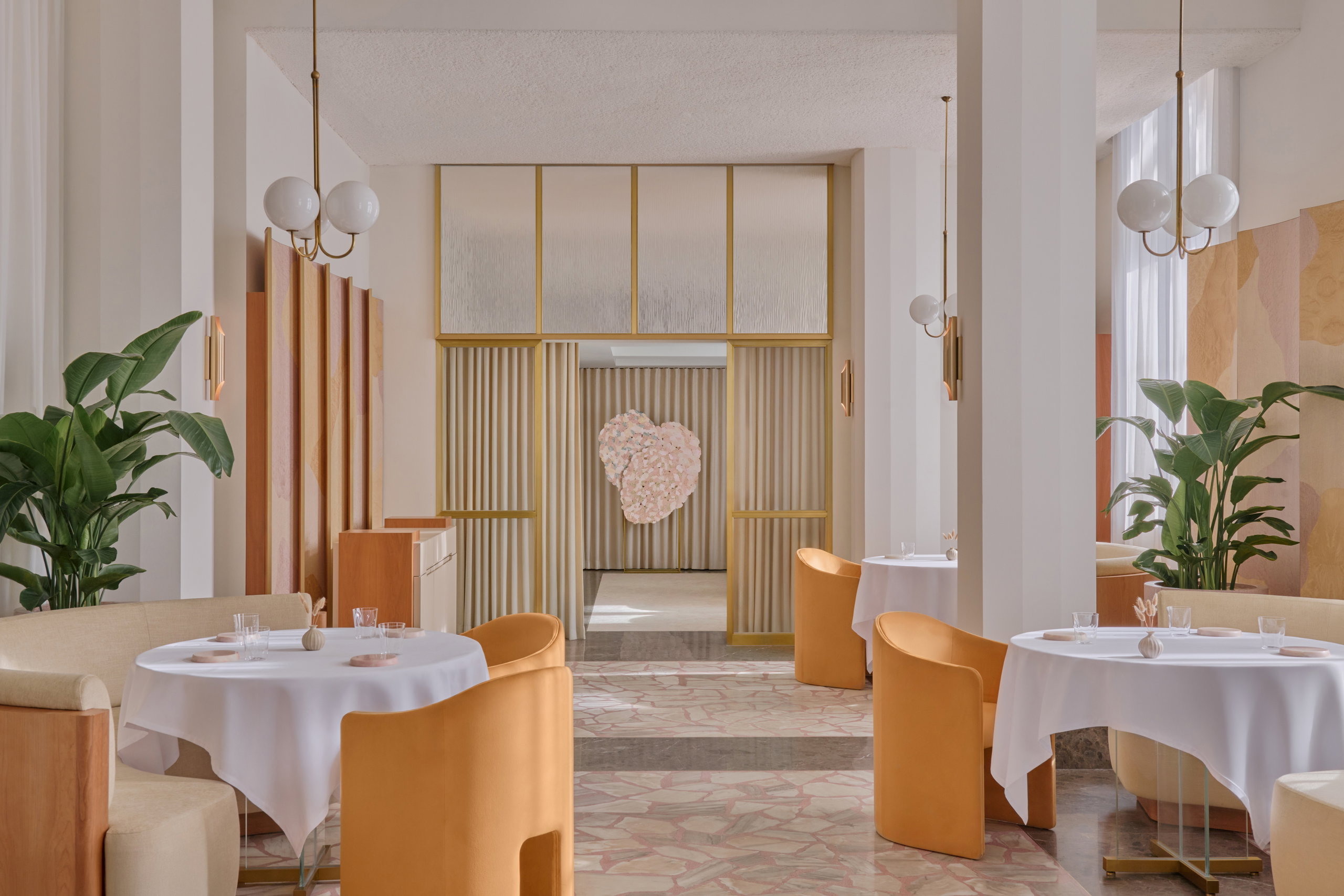
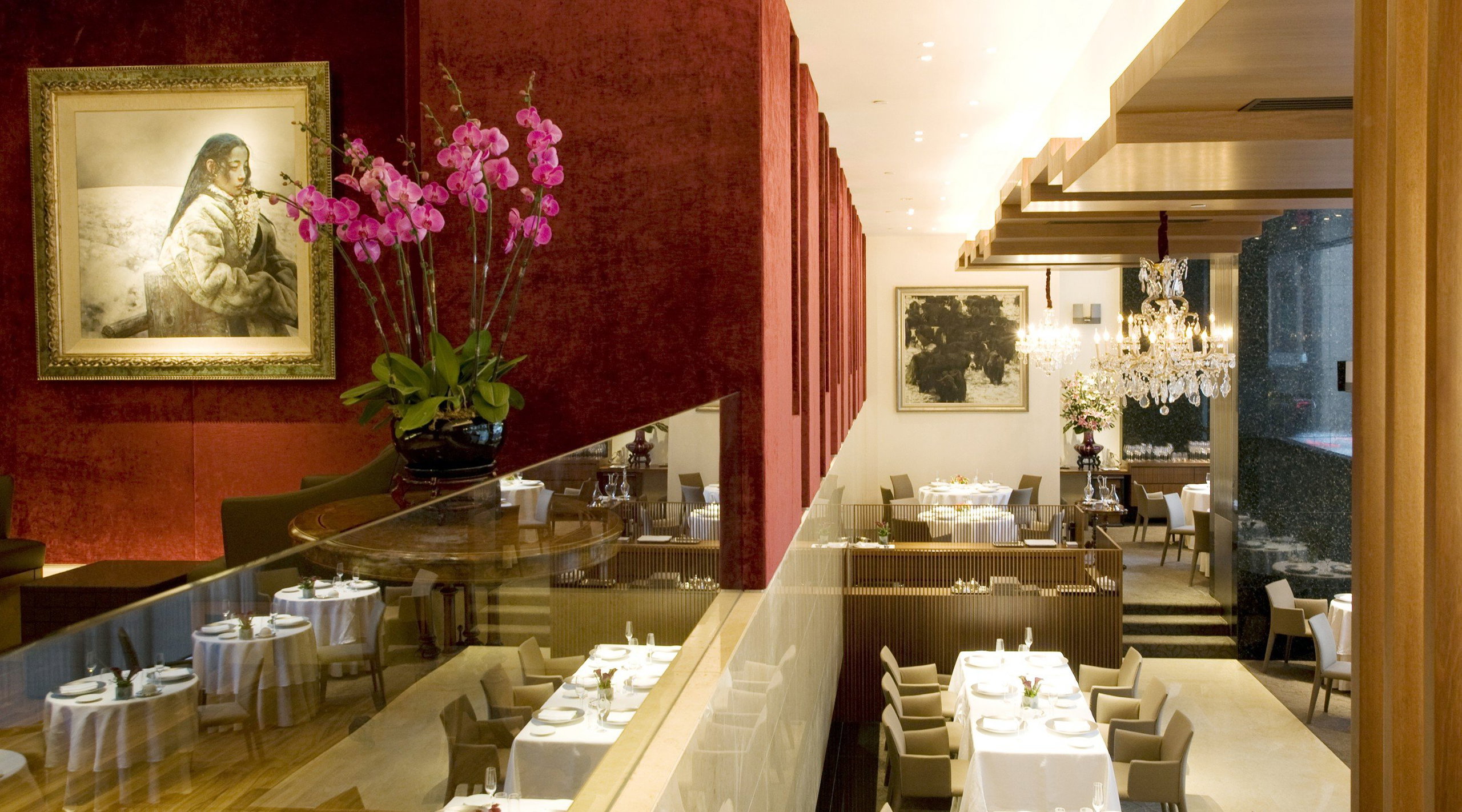
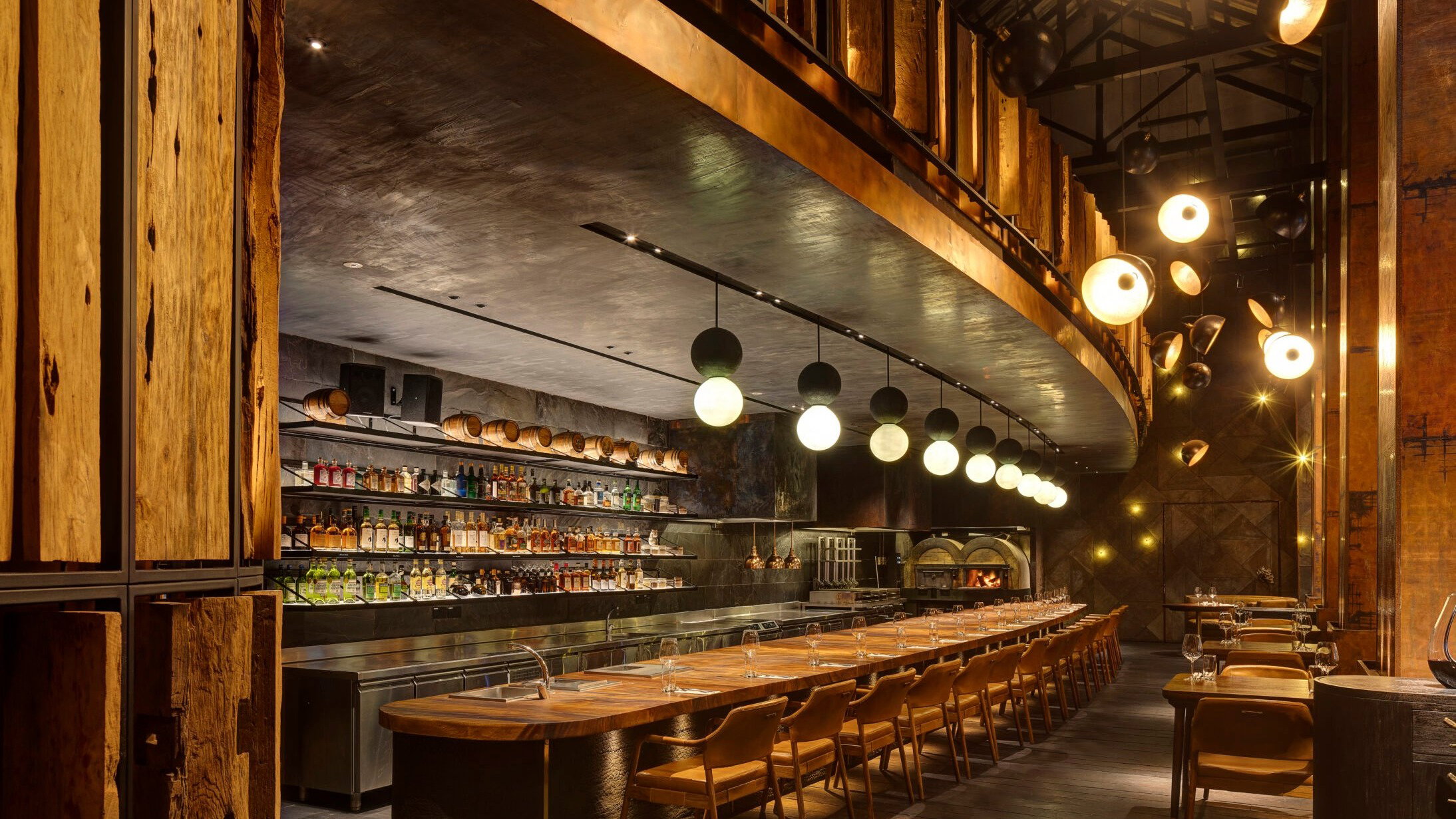
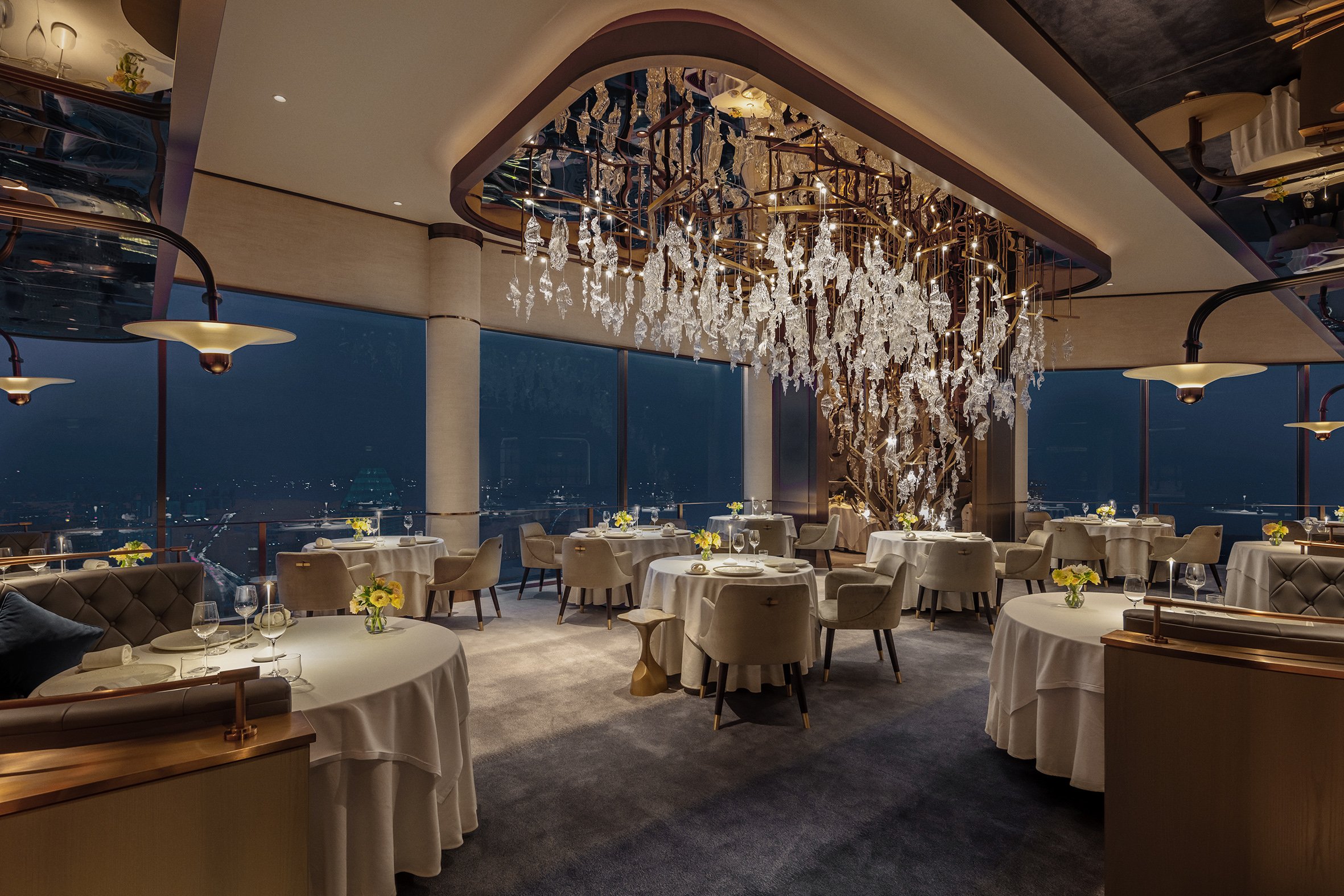
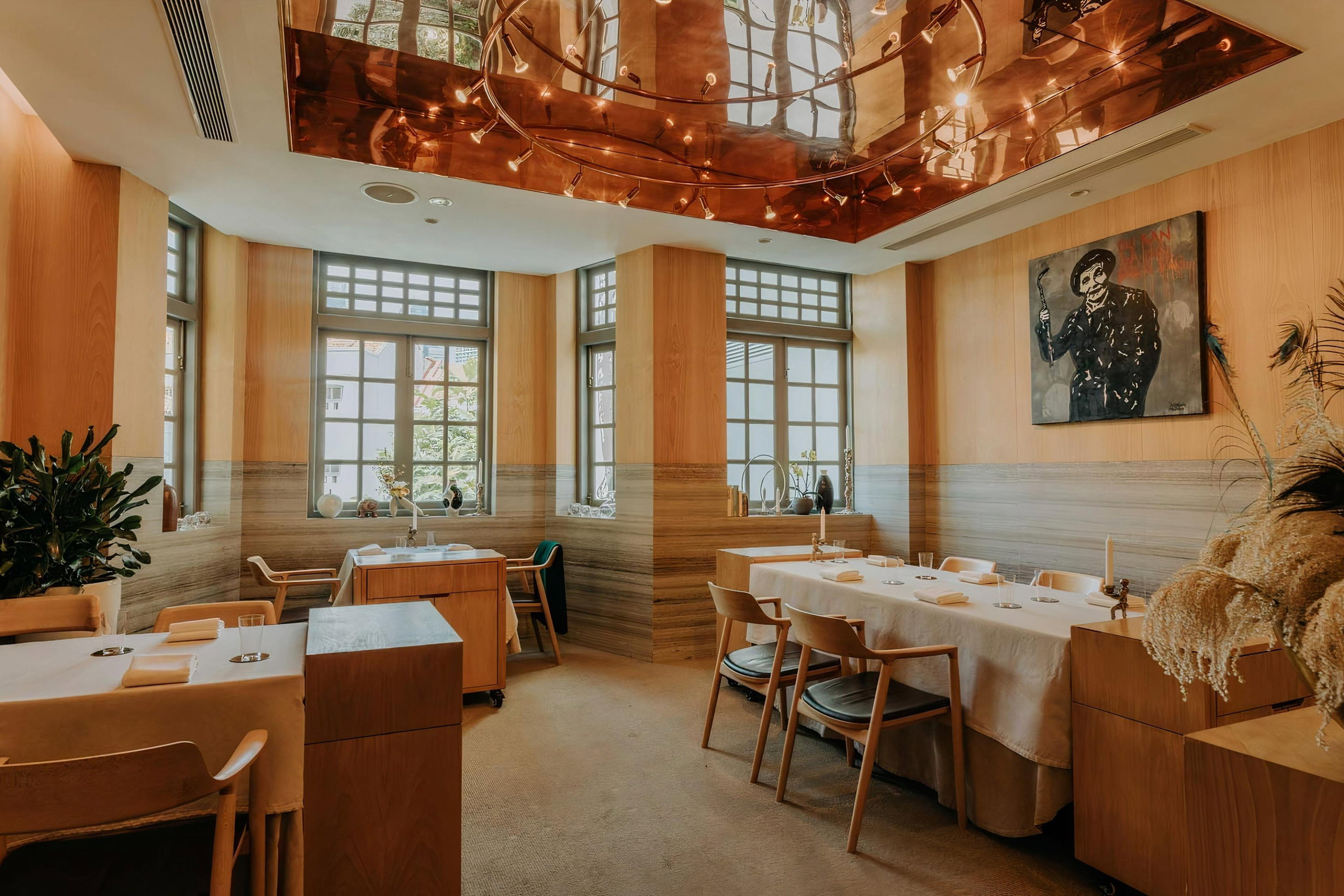
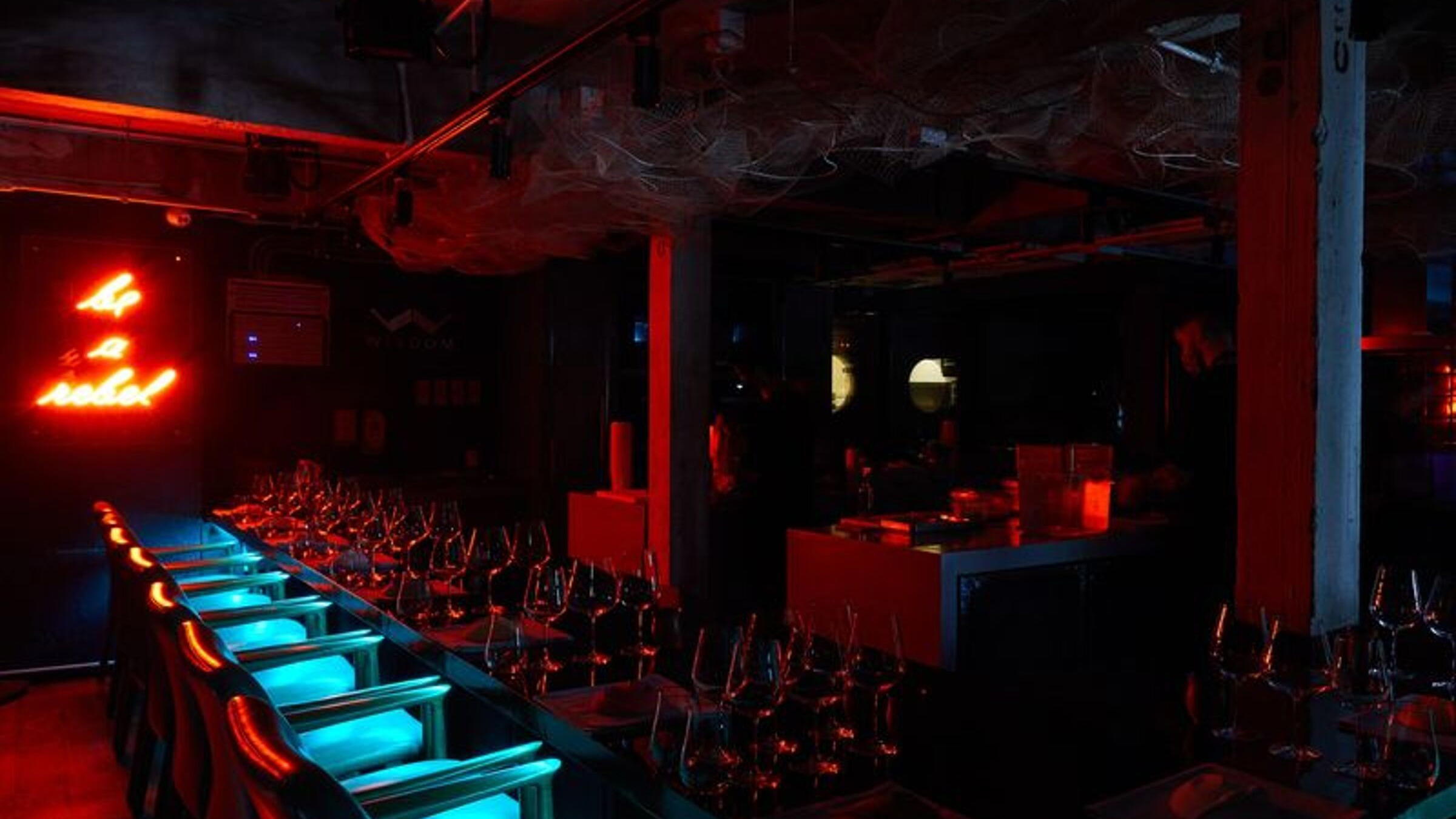
Ushidoki Wagyu Kaiseki presents a restrained, ritualistic dining experience tucked into a Tras Street shophouse. The exterior is deliberately low-key — an unassuming frontage and dim interior light — and the kitchen prefers discipline to spectacle. The sequence of courses follows kaiseki's classical vocabulary, but Ushidoki channels that tradition around Japanese wagyu, giving the menu both precision and focus. The room feels quiet and attentive, the kind of place that rewards patience and curiosity. Critics have noticed; the tone here is quietly serious rather than performative, suited to diners who value technique, seasonality and close attention to a single ingredient.
Best For
This is a venue built for deliberate evenings rather than casual drop-ins. The kaiseki structure — a progression of seasonal, precisely paced courses anchored to wagyu — reads as a dinner-first program and is especially suitable for special occasions, date nights and business dinners where a composed, formal setting matters. The restaurant's industry recognition and Michelin Plate nod underline its suitability for guests seeking a refined, technically assured meal. Expect a focused tasting that unfolds over time rather than a quick, a la carte visit.
Ordering Tips
Opt into the wagyu-centered kaiseki sequence to understand what makes Ushidoki distinctive: the menu intentionally explores different cuts, preparations and temperatures of Japanese wagyu threaded through classical kaiseki elements. Look for the signature items — the "Rosanjin" Style Ozaki Beef Sukiyaki, Ozaki Beef Katsu Sando and the Soft Boiled Egg with Truffle — as highlights within that progression. Pace your meal to let the succession of small, highly composed courses register; the restaurant's format assumes commitment, so allow the sequence to play out rather than skipping around.
Venue details
Ambiance
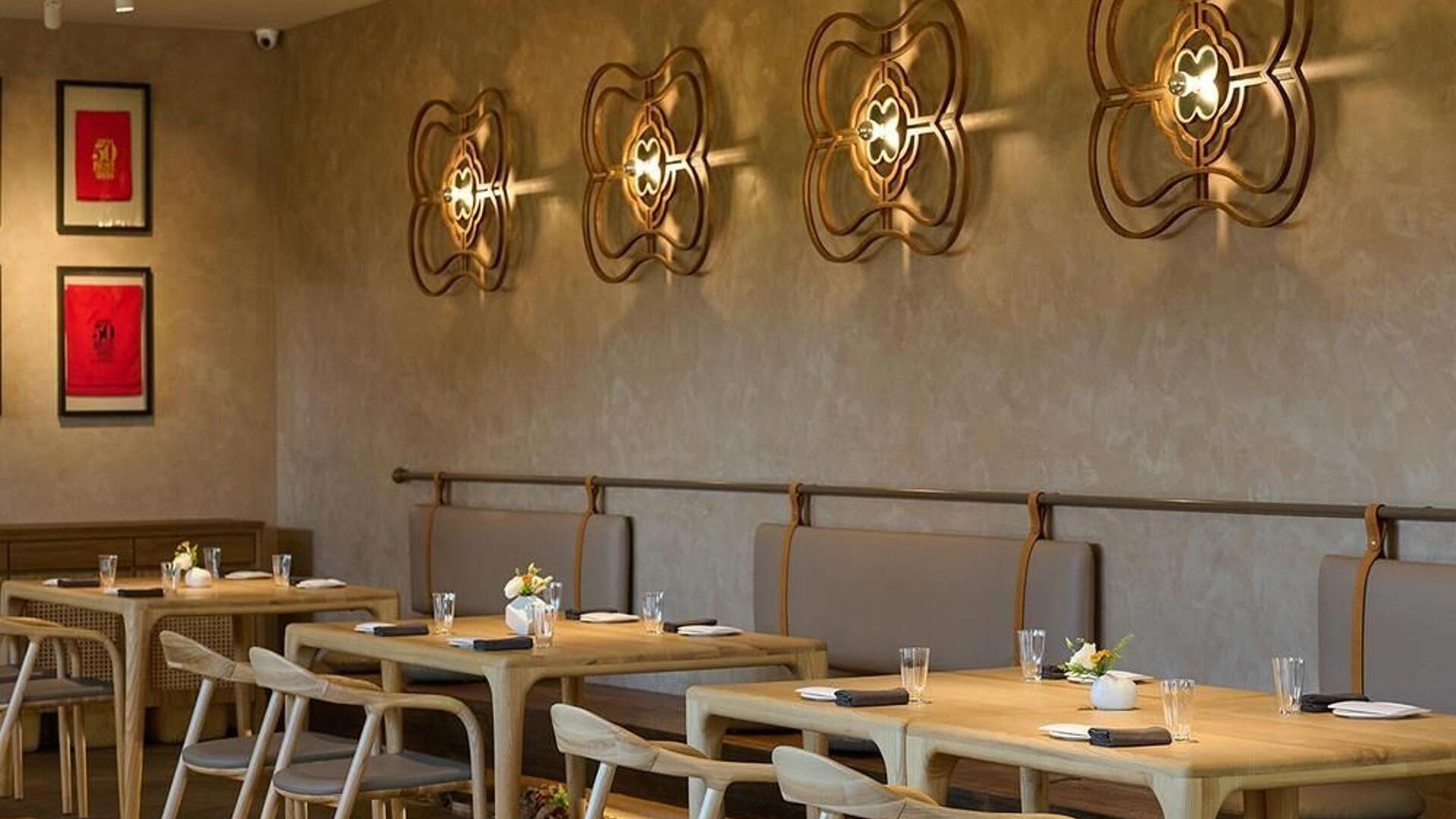
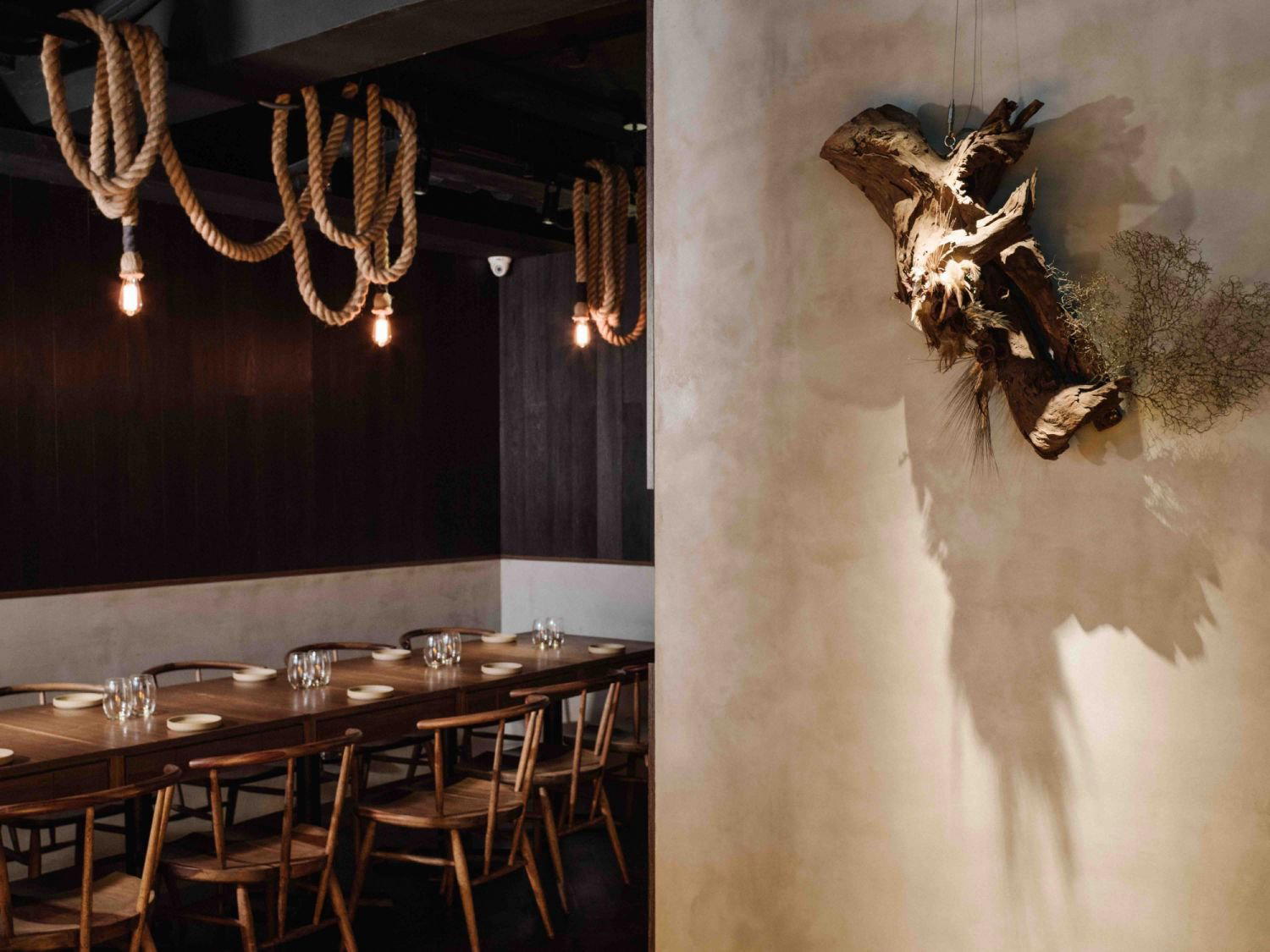
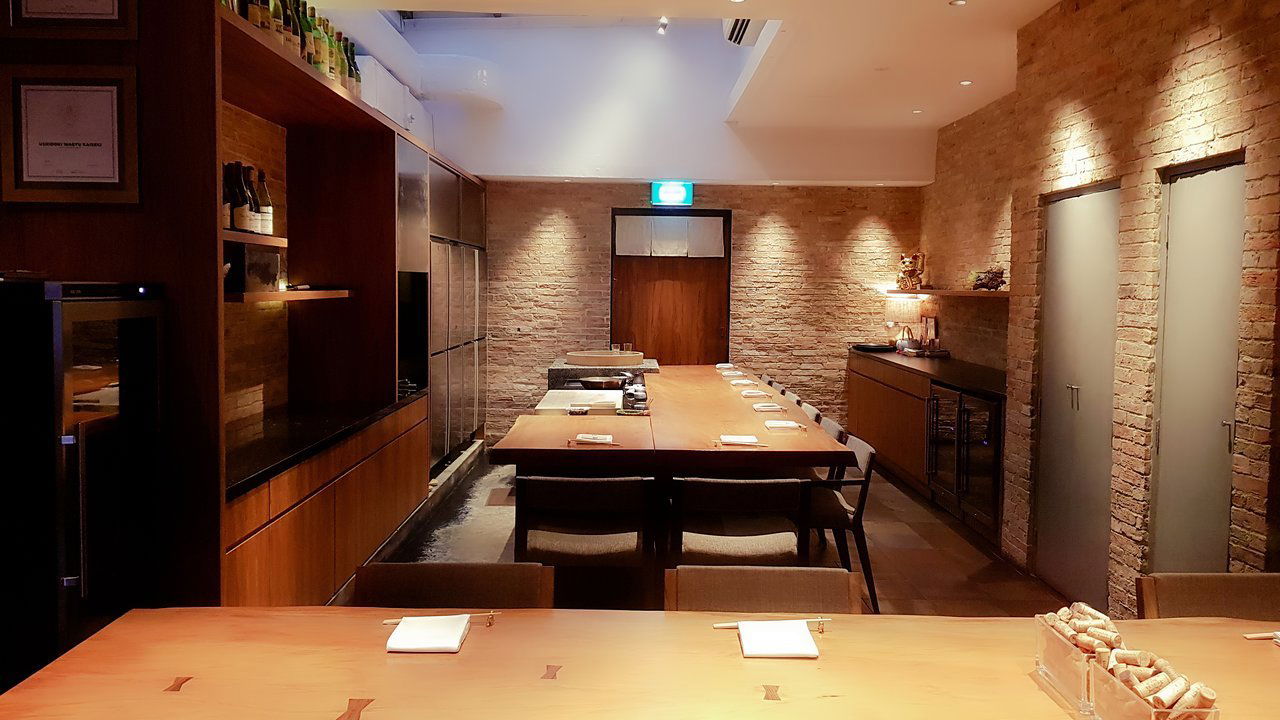
Relaxing, elegantly decorated with focus on food and chef's counter; intimate shophouse setting with private rooms.
Tags
Vibe
Best For
Experience
At the Table
- Dress Code
- Smart Casual
- Noise Level
- Quiet
- Service Style
- Formal
- Meal Pacing
- Leisurely
- Capacity
- Intimate
Signature Dishes
- "Rosanjin" Style Ozaki Beef Sukiyaki
- Ozaki Beef Katsu Sando
- Soft Boiled Egg and Truffle
Know before you go
Know Before You Go
- Getting there
- 57 Tras St, #01-01, Singapore 078996
Planning details
Hours
- Monday
- 6–10:30 pm
- Tuesday
- 12–2:30 pm, 6–10:30 pm
- Wednesday
- 12–2:30 pm, 6–10:30 pm
- Thursday
- 12–2:30 pm, 6–10:30 pm
- Friday
- 12–2:30 pm, 6–10:30 pm
- Saturday
- 6–10:30 pm
- Sunday
- Closed
Location
Recognition and awards

Also consider
Also Consider
- Zén, European Contemporary, $$$$
- Jaan by Kirk Westaway, British Contemporary, $$$
- Iggy's, Modern European, European Contemporary, $$$
- Summer Pavilion, Cantonese, $$
- Waku Ghin, Creative Japanese, Japanese Contemporary, $$$$
Restaurant context
At the $$$$ tier in Singapore, Ushidoki's closest price-point peer is Waku Ghin, Tetsuya Wakuda's Japanese-influenced counter at Marina Bay Sands. Waku Ghin has deeper name recognition internationally and a more theatrical service context, but Ushidoki has closed the credibility gap significantly, its 2025 OAD ranking at #183 places it in comparable critical territory. If your priority is a wagyu-specific kaiseki format with a focused single-protein logic, Ushidoki is the clearer choice. If you want the broader Wakuda creative Japanese format with a more established booking infrastructure, Waku Ghin wins on those terms.
Dropping a price tier, Jaan by Kirk Westaway and Iggy's at $$$ offer strong European contemporary cooking with better value-per-cover ratios and generally more accessible booking windows. Neither competes on the wagyu-kaiseki format, so if Japanese beef is your reason for the booking, they are not substitutes. They are, however, worth considering if you want fine dining in Singapore without the hard-to-book constraints or the $$$$ outlay. Jaan is the better choice for British-led seasonal cooking with a view; Iggy's suits diner-led exploration across a more eclectic European wine and food program.
For a complete contrast that still rewards serious diners, Summer Pavilion at $$ delivers Michelin-level Cantonese cooking at a fraction of the price, a genuinely different experience, but useful to know if you are building a multi-meal Singapore itinerary and want to balance a $$$$ splurge with something more accessible. For the highest-prestige French contemporary option in the city at any price, Odette and Zén are the references, but again, neither competes with Ushidoki on its specific terms. Book Ushidoki when the format is the point.
Explore Singapore
Around this place
Discover more on Pearl
Unlock the full Ushidoki Wagyu Kaiseki guide in Pearl, including awards, comparisons, FAQs, planning details, and nearby places.
Compare Ushidoki Wagyu Kaiseki
| Venue | Awards | Price |
|---|---|---|
| Ushidoki Wagyu Kaiseki | Michelin Plate 20262026 OAD Top Restaurants in Asia Recommended2026 Wine Spectator Best of Award of Excellence2025 OAD Top Restaurants in Asia Ranked · #1832024 OAD Top Restaurants in Asia Ranked · #2122024 Michelin Plate2023 OAD Top Restaurants in Asia Highly Recommended | $$$$ |
| Zén | 2026 OAD Top Restaurants in Asia Ranked · #4Michelin 3 Stars 20262026 Black Pearl 1 Diamond2026 La Liste Top Restaurants2025 OAD Top Restaurants in Asia Ranked · #32025 Asia's 50 Best Restaurants · #792025 La Liste Top Restaurants2025 Michelin 3 Stars2025 The Best Chef Two Knives | $$$$ |
| Jaan by Kirk Westaway | 2026 OAD Top Restaurants in Asia Ranked · #52Michelin 2 Stars 20262026 Black Pearl 2 Diamond2026 Les Grandes Tables du Monde Members2026 La Liste Top Restaurants2025 Asia's 50 Best Restaurants · #77We're Smart World Top Restaurants 2025We're Smart World Top 100 2025Tatler Best Restaurants Asia-Pacific 2025 | $$$ |
| Iggy's | 2026 Forbes 4-StarMichelin 1 Star 20262026 OAD Top Restaurants in Asia Highly Recommended2026 La Liste Top Restaurants2025 Forbes 4-Star2025 La Liste Top Restaurants2025 Michelin 1 Star2024 OAD Top Restaurants in Asia Ranked · #1492024 Michelin 1 Star | $$$ |
| Summer Pavilion | Michelin 1 Star 20262026 OAD Top Restaurants in Asia Highly Recommended2026 Black Pearl 1 Diamond2026 Wine Spectator Best of Award of Excellence2025 Asia's 50 Best Restaurants · #952025 OAD Top Restaurants in Asia Ranked · #1242025 Wine Spectator Best of Award of Excellence2025 Michelin 1 Star2025 The Best Chef One Knife | $$ |
| Waku Ghin | 2026 OAD Top Restaurants in Asia Ranked · #612026 Forbes 5-StarMichelin 1 Star 20262026 Black Pearl 1 Diamond2026 Wine Spectator Best of Award of Excellence2026 La Liste Top Restaurants2025 OAD Top Restaurants in Asia Ranked · #502025 Wine Spectator Best of Award of Excellence2025 La Liste Top Restaurants | $$$$ |












A quick look at how Ushidoki Wagyu Kaiseki measures up.
FAQ
Frequently Asked Questions
What should I order at Ushidoki Wagyu Kaiseki?
The format is kaiseki, so there is no à la carte menu to navigate — the kitchen sets the progression, with wagyu as the central thread throughout. Chef Hirohashi Nobuaki has built the entire concept around wagyu beef in a structured multi-course format, so you are committed to that from the moment you book. At a $$$$ price point with OAD Top 200 Asia recognition in 2025, this is a format bet as much as a food bet — if wagyu-led kaiseki is not your preferred structure, a more flexible tasting menu at Waku Ghin or Iggy's may suit better.
What should a first-timer know about Ushidoki Wagyu Kaiseki?
This is a hard booking on a Tras Street shophouse footprint — small capacity, $$$$ pricing, and an OAD Top 200 Asia 2025 ranking means tables move fast. Lunch service runs Tuesday through Friday (12–2:30 pm), which is the lower-profile entry point if evenings are fully committed; Saturday is dinner only and Sunday is closed. Come knowing the format is kaiseki, meaning you follow the kitchen's sequence — the wagyu-led progression is the experience, not a backdrop to conversation.
What should I wear to Ushidoki Wagyu Kaiseki?
The Tras Street shophouse setting and kaiseki format point toward smart casual at minimum — think neat trousers and a collared shirt or equivalent, rather than anything overly casual. The $$$$ price range and Michelin Plate recognition place this clearly in Singapore's serious dining tier, where shorts and sandals would read as underdressed. If you are coming from an office lunch, standard business-casual works well.