

Sushi Sakuta
Sushi · MARINA CENTRE, Singapore
Restaurant in Singapore, Singapore
 Book with Pearl
The Read
Edomae Precision, Marina Bay
Price
$500+per person
Dress
Smart Casual
Why go
Sushi Sakuta holds two Michelin stars (2026) and 75 La Liste points for 2026, making it Singapore's most credentialled new omakase counter. The counter-format tasting sequence at Millenia Walk is hard to book and priced at $$$$, but the award trajectory justifies the commitment for serious sushi occasions. Book four to six weeks out minimum.
About Sushi Sakuta
Verdict
Sushi Sakuta is one of the hardest reservations to secure in Singapore's omakase tier, and the credentials justify that difficulty: a Michelin star earned in 2024 and 75 points on the La Liste Leading Restaurants 2026 ranking put it in direct conversation with the leading counter-format sushi in Southeast Asia. If you are planning a serious sushi meal in Singapore, book here first. If you cannot get in, Shoukouwa and Hamamoto are the closest alternatives in terms of technical ambition, but Sakuta's current award trajectory makes it the reference point for the city right now.
Portrait
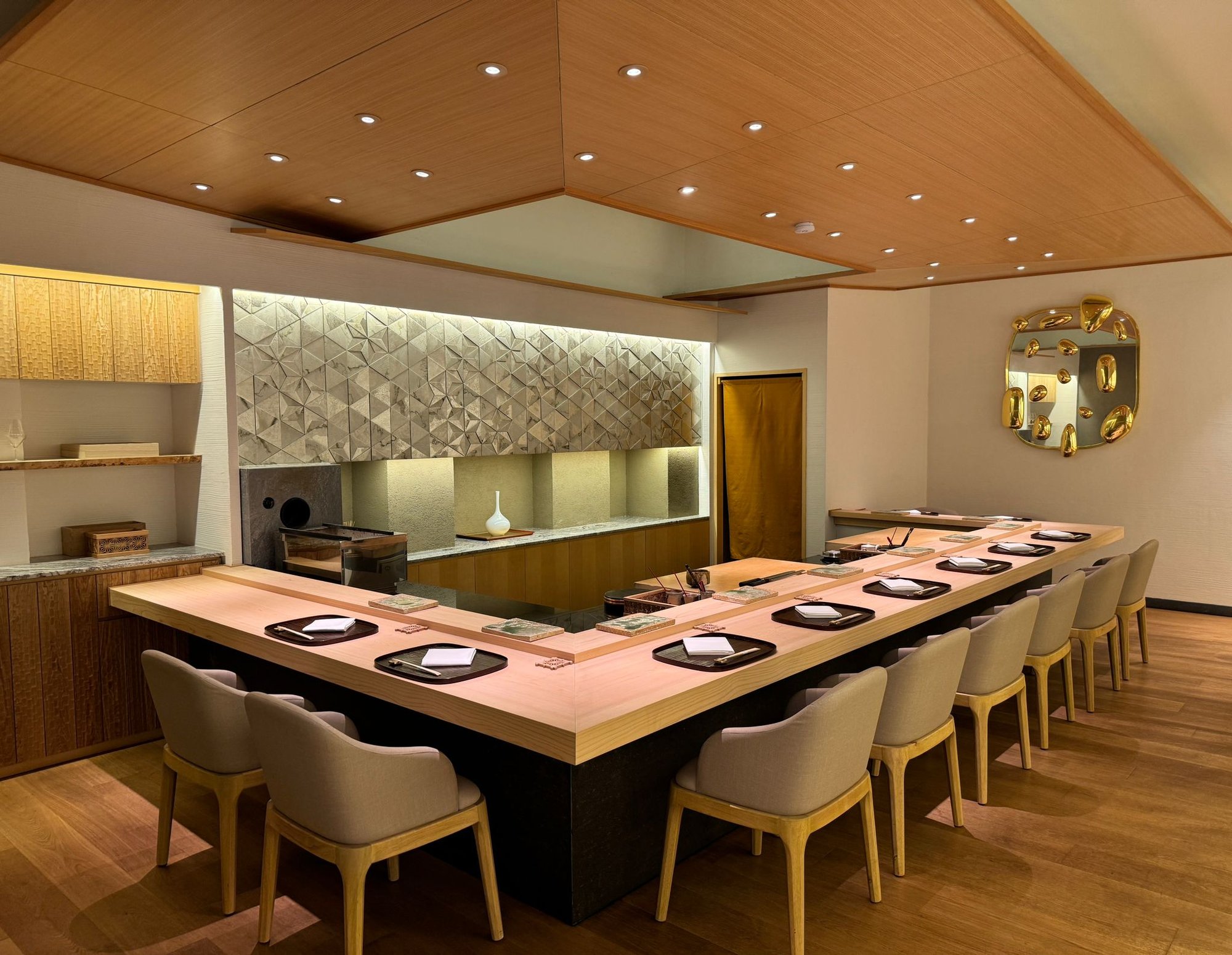
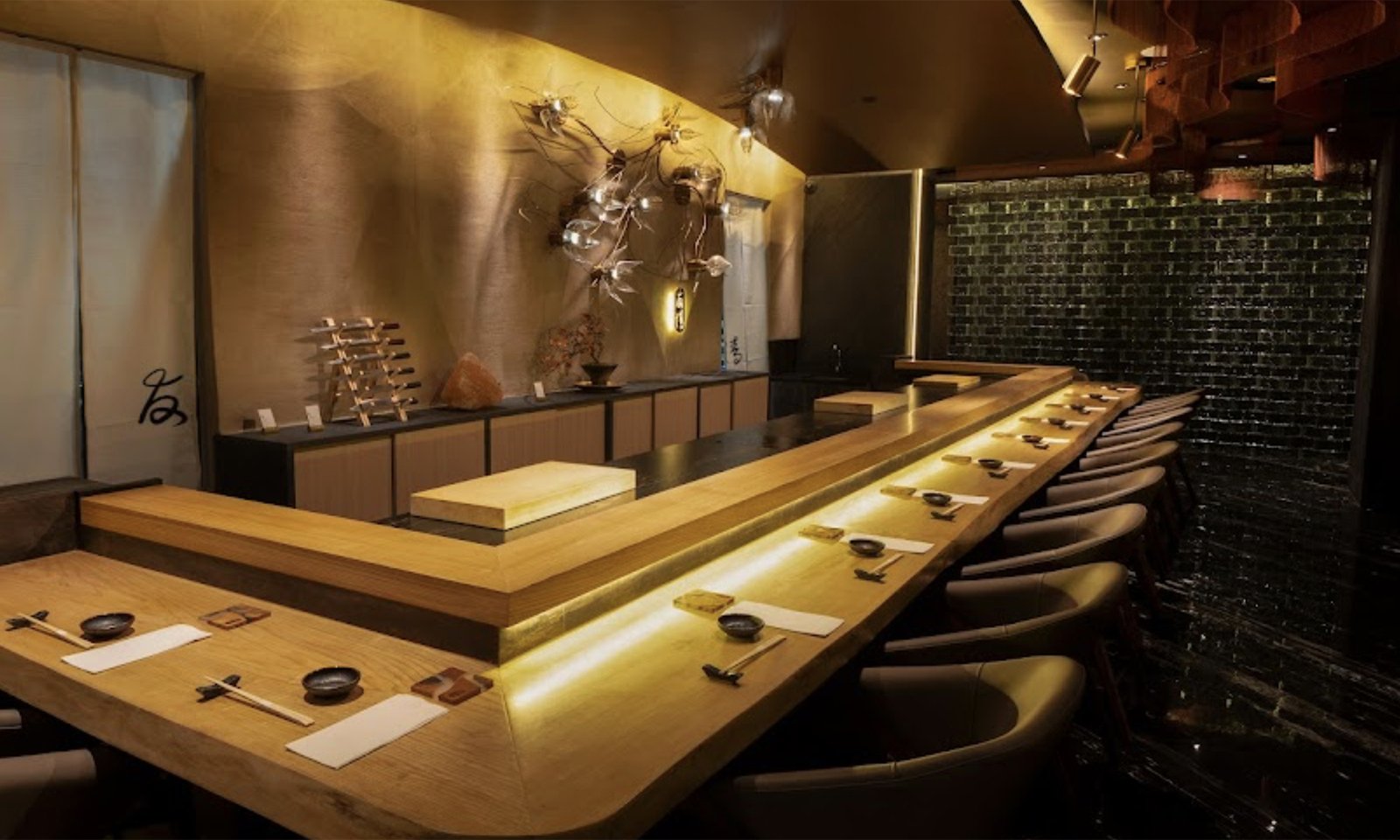
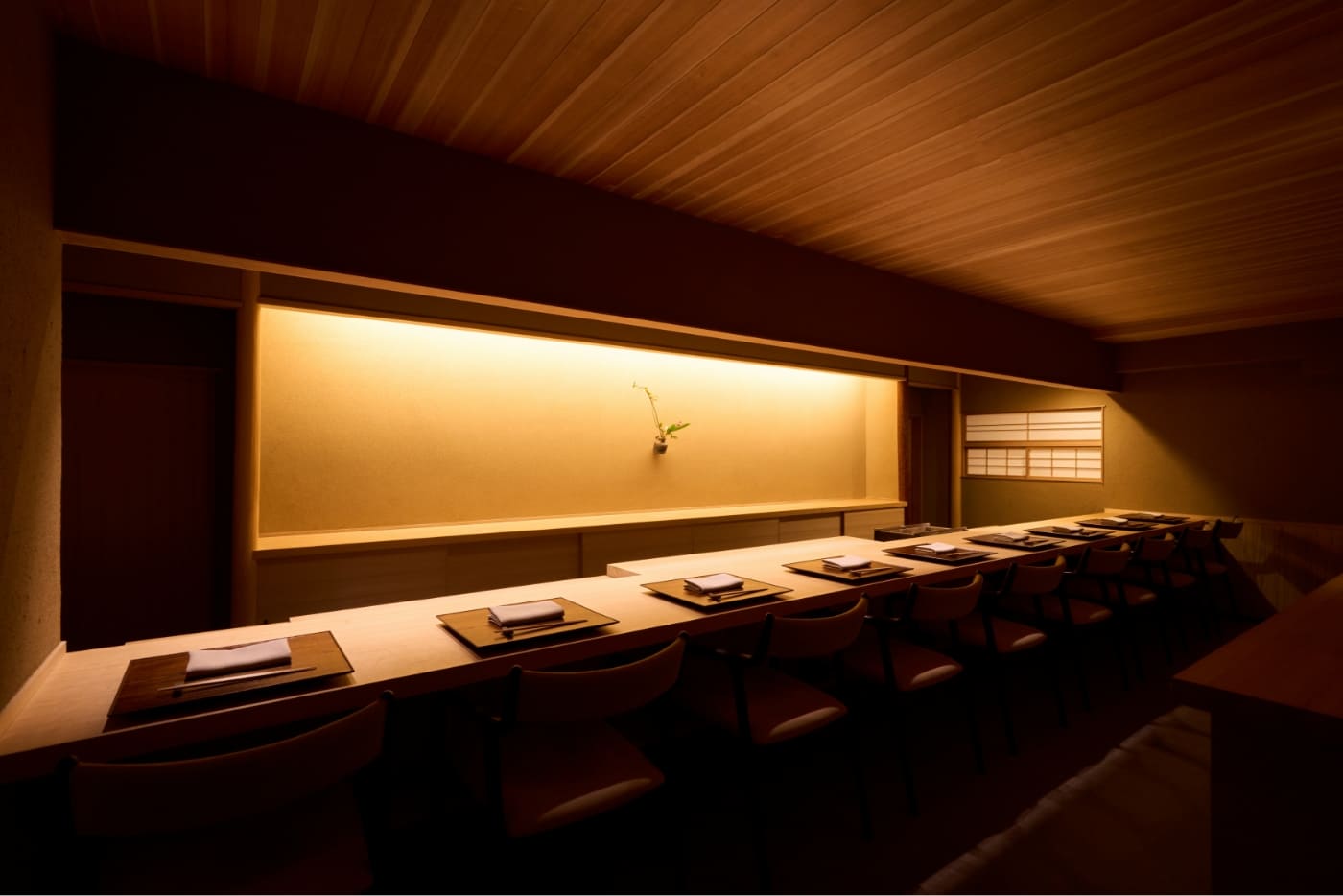
Sushi Sakuta sits inside Millenia Walk at 9 Raffles Blvd, a Millenia-precinct address that places it steps from Marina Bay's hotel and gallery cluster. The location is convenient rather than atmospheric, Millenia Walk is a mid-tier retail building, but that tension between ordinary address and serious culinary intent is familiar territory for counter-format sushi in Asia. What matters at a room like this is what arrives on the hinoki, not what surrounds it.
The format is omakase. At the $$$$ price tier, you are committing to a chef-directed sequence where the kitchen controls pacing, ingredient selection, and proportion. That is the right format for this level of sushi: it removes the a-la-carte guesswork and lets the team work with the leading available fish on any given day. For diners who want that kind of editorial control handed to the kitchen, Sakuta delivers it at a level that the Michelin committee found credible on the first opportunity. For diners who prefer to order freely, a counter-format omakase room is structurally the wrong choice regardless of quality, and Sushi Ichi or Sushi Ashino may suit better depending on your preference for formality.
Rooms at this price point with that rating distribution tend to be tightly staffed and closely managed, a claim supported by the speed with which Sakuta assembled a Michelin-recognised standard after opening. Compare that trajectory to Sushi Hare, which took longer to register in the awards circuit; Sakuta arrived faster, which suggests either exceptional sourcing relationships or a kitchen already operating at a high baseline from day one.
On the question of drinks and wine: counter-format sushi at the $$$$ level in Singapore increasingly pairs omakase sequences with serious sake selections, and some rooms have begun integrating Champagne and white Burgundy pairings for guests who prefer wine over rice spirits. Without confirmed details from Sakuta's own programme, it is worth asking at the time of booking what pairing options are available and whether the kitchen accommodates wine-led pairings alongside the food sequence. The broader context is that Singapore's leading sushi counters have been pushed by a food-and-wine audience to think harder about their beverage architecture, a shift visible at peer venues like Shoukouwa and in the Tokyo reference rooms such as Harutaka and Sushi Kanesaka. If pairing depth matters to your decision, confirm the programme directly before committing at this price point.
The competitive frame for Sakuta extends beyond Singapore. In Hong Kong, Sushi Shikon operates at a similar omakase register with three Michelin stars, which sets a regional ceiling for what counter sushi can achieve in a major Asian city. In Osaka, Sushi Harasho holds comparable La Liste recognition. In Tokyo, the reference rooms, Sukiyabashi Jiro Roppongiten and Edomae Sushi Hanabusa, set the technical standard against which all regional omakase is measured. Sakuta's La Liste placement at 75 points on the 2026 ranking is a meaningful credential in that regional peer group. For a food and travel explorer building an Asia sushi itinerary, Sakuta in Singapore, Shikon in Hong Kong, and one of the Tokyo counters form a logical progression. Seoul's HANE is worth adding if Korean omakase is on the itinerary. And for New York as a reference point outside Asia, Sushi Sho shows how far counter sushi has travelled.
Ratings and Recognition
- Michelin: 1 Star (2024)
- La Liste: Leading Restaurants 2026, 75 points
Booking and Practical Details
Reservations at Sushi Sakuta are hard to secure. At a counter-format room with limited seats, demand almost certainly outpaces supply on most service windows. Book as early as the reservation window allows, for Singapore's leading omakase rooms that typically means four to six weeks out at minimum, and some counters release tables two months in advance. If you are travelling to Singapore specifically for this meal, lock the reservation before finalising flights. The address at Millenia Walk, 9 Raffles Blvd #01-06/07/08, is accessible from Promenade MRT on the Circle and Downtown Lines, which makes getting there direct from both the CBD and the Marina Bay hotel strip. For accommodation near the restaurant, our full Singapore hotels guide covers the Marina Bay and Orchard options. For context on the broader dining scene, our full Singapore restaurants guide maps the city's leading tables across all formats and price points. You can also explore Singapore bars, wineries, and experiences to build the full trip around this reservation.
Planning details
- Hours
- Monday: Closed · Tuesday: 12:30–3 PM, 7–10:30 PM
- Location
- 9 Raffles Blvd, #01-06/07/08 Millenia Walk, Singapore 039596
- Reservations
- Book on TableCheck
- Website
- sushi-sakuta.com
- Phone
- +65 9863 9302
The take
The Take
The Vibe
Sushi Sakuta presents a restrained, tradition-forward atmosphere where the Shokunin principles of Edomae sushi steer both technique and tempo. Located in the polished Marina Bay precinct, the counter resists spectacle: seating is concentrated at the bar, the menu is fixed, and service moves at a deliberate pace that asks diners to focus on the craft. The writing privileges lineage, knife angle and rice temperature, underscoring a classical approach rather than modern flourishes. With a Michelin star and La Liste recognition, the room feels quietly serious: refined and classical in spirit, with a contemporary hospitality context.
Best For
This is a place for focused, small-party dining where the meal itself is the event. The counter-driven, fixed-menu omakase asks for attention and rewards diners who appreciate technical precision: shaped nigiri, careful temperature control and lineage-informed preparations. It suits date nights and special occasions when you want a concentrated, skill-forward experience rather than a social, boisterous evening. The polished Marina Bay setting frames the tasting as a premium hospitality moment, and guests who seek measured pacing and attentive craft will get the most from a visit.
Ordering Tips
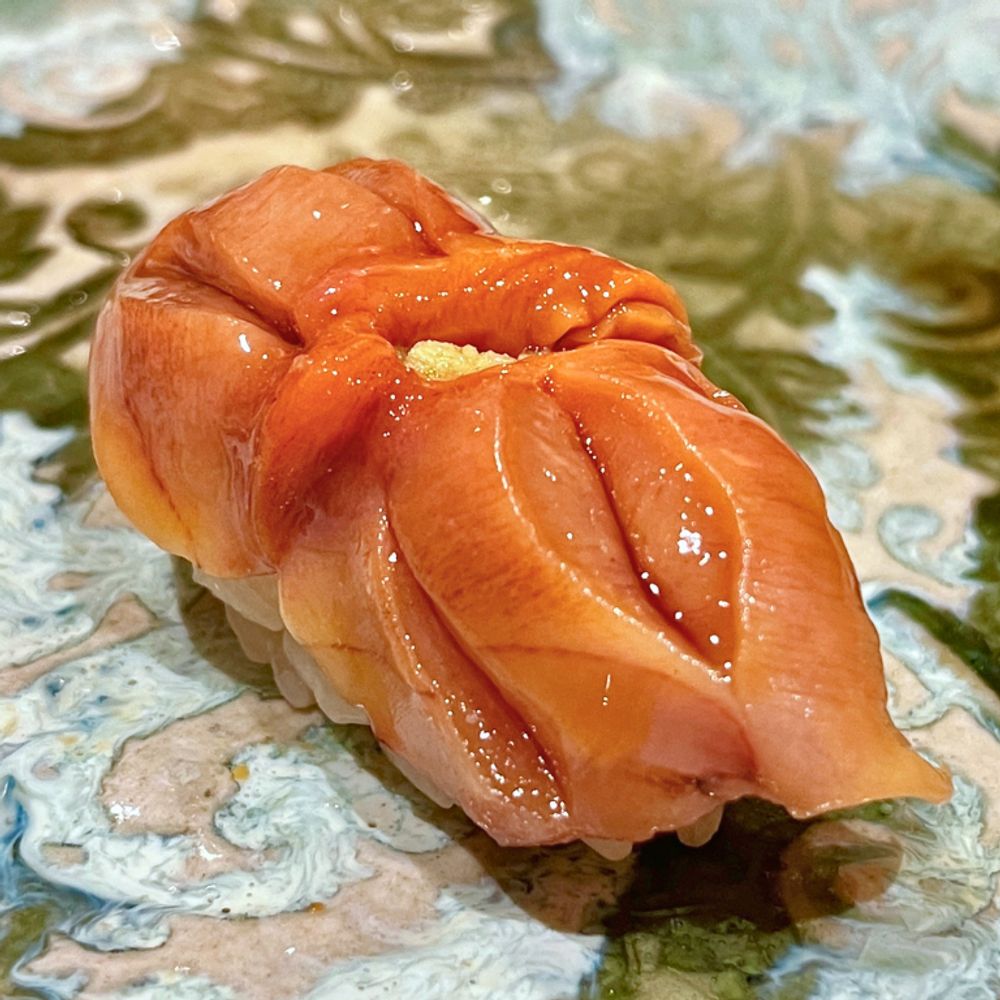
Expect a fixed omakase progression served at the sushi counter and plan to experience a measured, technique-led service: the counter 'operates on the logic of contraction' and prioritizes focused attention. Let the chef set the sequence and look out for signature highlights such as Snow Crab Chawanmushi, Steamed Abalone with Abalone Liver Sauce, Sea Urchin Nigiri and the Torotaku Handroll. Because the format centers on lineage and apprenticeship, approach the meal with an appetite for classical Edomae nigiri and an appreciation for subtle differences in temperature, marination and knife work rather than expect theatrical presentation.
Venue details
Ambiance
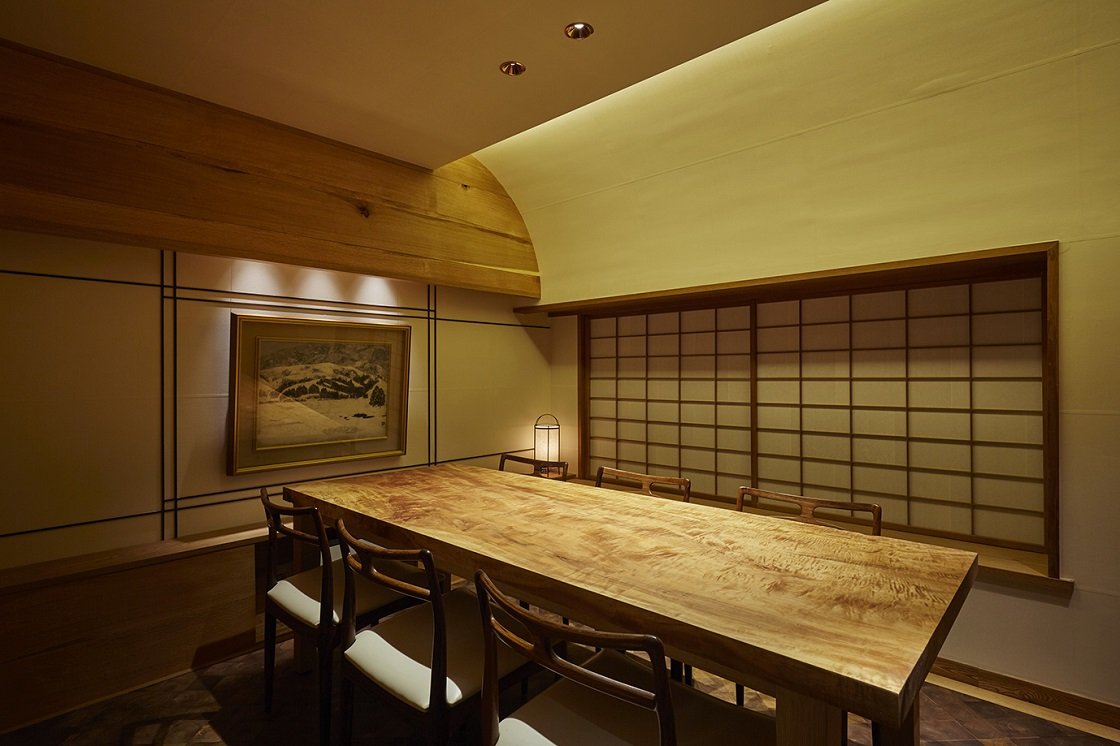
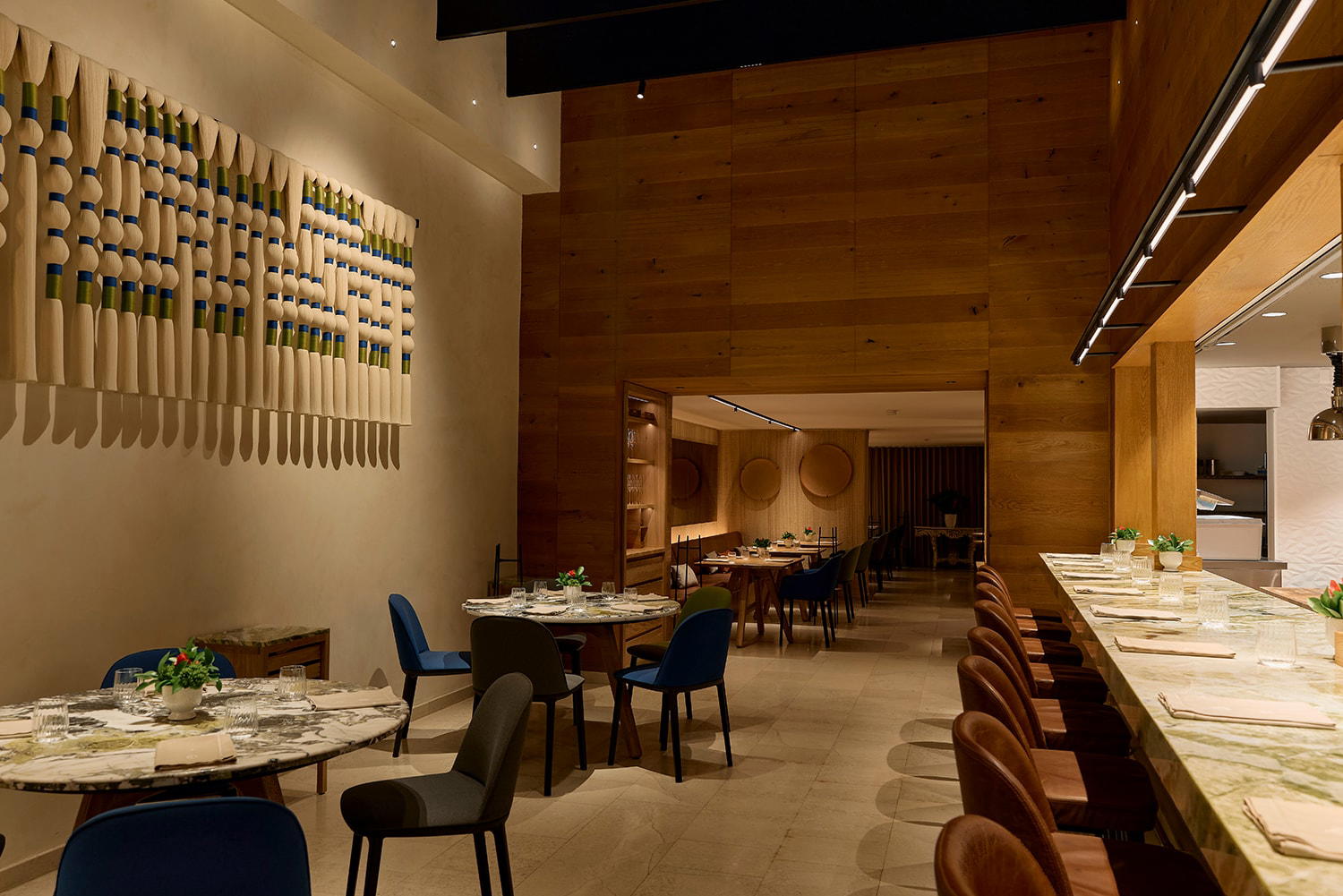
Simple yet elegant sanctuary with soft light filtering through shoji screens, pale hinoki wood counter as centerpiece, rotating Japanese artworks, and deliberately hidden service areas to focus attention on culinary theatrics.
Tags
Vibe
Best For
Experience
Sourcing
At the Table
- Dress Code
- Smart Casual
- Noise Level
- Quiet
- Service Style
- Omakase Bar
- Meal Pacing
- Leisurely
- Capacity
- Intimate
- Kitchen
- Traditional
- Menu Format
- Omakase, Counter dining
- Drinks Focus
- Sake, Wine
- Dietary
- Pescatarian friendly, Allergy accommodating
- Private Dining
- Available
Signature Dishes
- Snow Crab Chawanmushi
- Steamed Abalone with Abalone Liver Sauce
- Sea Urchin Nigiri
- Torotaku Handroll
Know before you go
Know Before You Go
- Getting there
- 9 Raffles Blvd, #01-06/07/08 Millenia Walk, Singapore 039596
Planning details
Hours
- Monday
- Closed
- Tuesday
- 12:30–3 PM, 7–10:30 PM
- Wednesday
- 12:30–3 PM, 7–10:30 PM
- Thursday
- 7–10:30 PM
- Friday
- 12:30–3 PM, 7–10:30 PM
- Saturday
- 12:30–3 PM, 7–10:30 PM
- Sunday
- 12:30–3 PM, 7–10:30 PM
Location
9 Raffles Blvd, #01-06/07/08 Millenia Walk, Singapore 039596 · Directions
Recognition and awards

Also consider
Also Consider
- Zén: European Contemporary, $$$$
- Jaan by Kirk Westaway: British Contemporary, $$$
- Iggy's: Modern European, European Contemporary, $$$
- Summer Pavilion: Cantonese, $$
- Waku Ghin: Creative Japanese, Japanese Contemporary, $$$$
Restaurant context
At the $$$$ tier in Singapore, Sushi Sakuta's closest structural peer is Waku Ghin. Both rooms operate at the top of the city's Japanese dining hierarchy, but they serve different purposes: Sakuta is a precision sushi counter where the entire sequence is built around nigiri craft, while Waku Ghin is a creative Japanese tasting experience with broader ingredient range and a format that incorporates more European technique. If your priority is counter sushi at its most focused, Sakuta is the clearer choice. If you want a more theatrical multi-course progression with wine pairing as an integrated part of the experience, Waku Ghin has the infrastructure and reputation for that.
Across the full Singapore fine-dining comparison set, Zén at $$$$ offers European Contemporary tasting menus with documented wine programme depth, which makes it the better option for guests where beverage pairing is as important as the food. Jaan by Kirk Westaway and Iggy's both operate at $$$ with strong wine-forward identities and are meaningfully easier to book than Sakuta, which matters if your travel window is short. Iggy's in particular has a long-standing reputation for its wine list depth relative to its food price point, making it the strongest choice in the city if wine programme quality is your primary filter and you are working to a $$$-tier budget.
For guests committed to sushi specifically, the peer comparison sits closer to home: Shoukouwa has a longer Michelin track record in the city and is the conservative choice if you want a proven room. Hamamoto is a credible second option for guests who cannot secure Sakuta. If your trip includes a day off from the $$$$ tier, Summer Pavilion at $$ offers Cantonese cooking at a Michelin-recognised standard for a fraction of the spend, and it is significantly easier to reserve. Build the itinerary around Sakuta as the anchor booking, then fill the rest of the trip from there.
Explore Singapore
Around this place
Discover more on Pearl
Unlock the full Sushi Sakuta guide in Pearl, including awards, comparisons, FAQs, planning details, and nearby places.
Compare Sushi Sakuta
| Venue | Price | Awards |
|---|---|---|
| Sushi Sakuta | $$$$ | Michelin 2 Stars 20262026 La Liste Top Restaurants2024 Michelin 1 Star |
| Zén | $$$$ | 2026 OAD Top Restaurants in Asia Ranked · #4Michelin 3 Stars 20262026 Black Pearl 1 Diamond2026 La Liste Top Restaurants2025 OAD Top Restaurants in Asia Ranked · #32025 Asia's 50 Best Restaurants · #792025 La Liste Top Restaurants2025 Michelin 3 Stars2025 The Best Chef Two Knives |
| Jaan by Kirk Westaway | $$$ | 2026 OAD Top Restaurants in Asia Ranked · #52Michelin 2 Stars 20262026 Black Pearl 2 Diamond2026 Les Grandes Tables du Monde Members2026 La Liste Top RestaurantsAsia's Best Fine Dining Experience 20262025 Asia's 50 Best Restaurants · #77We're Smart World Top Restaurants 2025We're Smart World Top 100 2025 |
| Iggy's | $$$ | 2026 Forbes 4-StarMichelin 1 Star 20262026 OAD Top Restaurants in Asia Highly Recommended2026 La Liste Top Restaurants2025 Forbes 4-Star2025 La Liste Top Restaurants2025 Michelin 1 Star2024 OAD Top Restaurants in Asia Ranked · #1492024 Michelin 1 Star |
| Summer Pavilion | $$ | Michelin 1 Star 20262026 OAD Top Restaurants in Asia Highly Recommended2026 Black Pearl 1 Diamond2026 Wine Spectator Best of Award of ExcellenceChinese Restaurant Awards 2026: Elite 25 Asia Top 50 Honourees2025 Asia's 50 Best Restaurants · #952025 OAD Top Restaurants in Asia Ranked · #1242025 Wine Spectator Best of Award of Excellence2025 Michelin 1 Star |
| Waku Ghin | $$$$ | 2026 OAD Top Restaurants in Asia Ranked · #612026 Forbes 5-StarMichelin 1 Star 20262026 Black Pearl 1 Diamond2026 Wine Spectator Best of Award of Excellence2026 La Liste Top RestaurantsAsia's Best Restaurant 2026Singapore's Best Restaurant 20262025 OAD Top Restaurants in Asia Ranked · #50 |













Comparing your options in Singapore for this tier.
FAQ
Frequently Asked Questions
What should I order at Sushi Sakuta?
Sushi Sakuta operates as a counter omakase, so the menu is set: there is no à la carte ordering. The kitchen decides the progression based on the season and what the chef is working. Your job is to show up, communicate any dietary restrictions in advance, and let the format run. At the $$$$ price point, that's the expected contract.
What should a first-timer know about Sushi Sakuta?
Secure your reservation well in advance: this is one of Singapore's harder omakase bookings at the Michelin 1 Star tier. The venue is inside Millenia Walk at 9 Raffles Blvd, which is a mall setting, but the counter format inside is intimate. Come without a tight schedule: omakase pacing is the chef's, not yours. La Liste placed it among the top 75-point restaurants in its 2026 global ranking, so expectations are high and generally met.
Is Sushi Sakuta good for solo dining?
Counter-format omakase is arguably the best format for solo dining anywhere in the world: you're seated directly in front of the action, with no social obligation to split attention. Sushi Sakuta's counter setup makes it a strong solo choice. If you're debating solo options in Singapore, this format suits a single diner better than a larger tasting-menu table at somewhere like Jaan or Zén.
Is Sushi Sakuta worth the price?
At $$$$ and with a Michelin star plus a La Liste 75-point ranking for 2026, the credentials are real. Whether it justifies the price depends on your tolerance for the omakase format: if you want control over what you eat, it won't satisfy. If you trust a Michelin-recognised kitchen to make the decisions, the value holds up against comparable Singapore omakase options. For the price, it sits in the same tier as Waku Ghin, but with a purely Japanese sushi focus rather than multi-cuisine fine dining.
Is the tasting menu worth it at Sushi Sakuta?
Omakase is the only format here, so the tasting menu is the entire point of the booking. Given the Michelin 1 Star and La Liste recognition, the kitchen is operating at a level that warrants the commitment. If you're comparing with other Singapore tasting menus at the $$$$ tier, Sushi Sakuta is the stronger call for sushi specifically: Zén or Jaan by Kirk Westaway would be the alternatives if you want European or broader fine dining instead.
What are alternatives to Sushi Sakuta in Singapore?
For fine dining at a comparable price point, Waku Ghin (multi-cuisine counter, also high-stakes booking) and Zén (Swedish-influenced tasting menu, three Michelin stars) are the natural comparisons. Jaan by Kirk Westaway offers a different format, modern British tasting menu with a skyline setting, while Iggy's provides a more wine-forward European experience. Summer Pavilion is the right alternative if your group wants Chinese fine dining over Japanese. None of them replicate the sushi counter format that Sushi Sakuta is built around.