
Sungei Road Laksa
Peranakan · SUNGEI ROAD, Singapore
Restaurant in Singapore, Singapore
 Book with Pearl
The Read
Single-Bowl Hawker Authority
Price
$1–10per person
Chef
Wong Ai Tin
Dress
Casual
Why go
Ranked #1 on Opinionated About Dining's Casual in Asia list for three straight years, Sungei Road Laksa is the bowl food-focused travellers to Singapore should prioritise. Wong Ai Tin's charcoal-heated Peranakan laksa is served hawker-style at 27 Jalan Berseh, open Thursday to Tuesday from 9:30 am until sold out. No booking needed, no dinner service.
About Sungei Road Laksa
Verdict
Sungei Road Laksa is the single most decorated casual dining address in Asia right now, ranked #1 on Opinionated About Dining's Casual in Asia list for three consecutive years (2023, 2024, 2025). If you are in Singapore and you eat one bowl of laksa, make it this one. The caveat: it operates on hawker terms, not restaurant terms, and if you arrive expecting table service, air conditioning, or dinner hours, you will leave disappointed. Show up on a weekday morning, order once at the stall, and eat at a shared table. That is the entire transaction, and it earns the ranking.
About Sungei Road Laksa
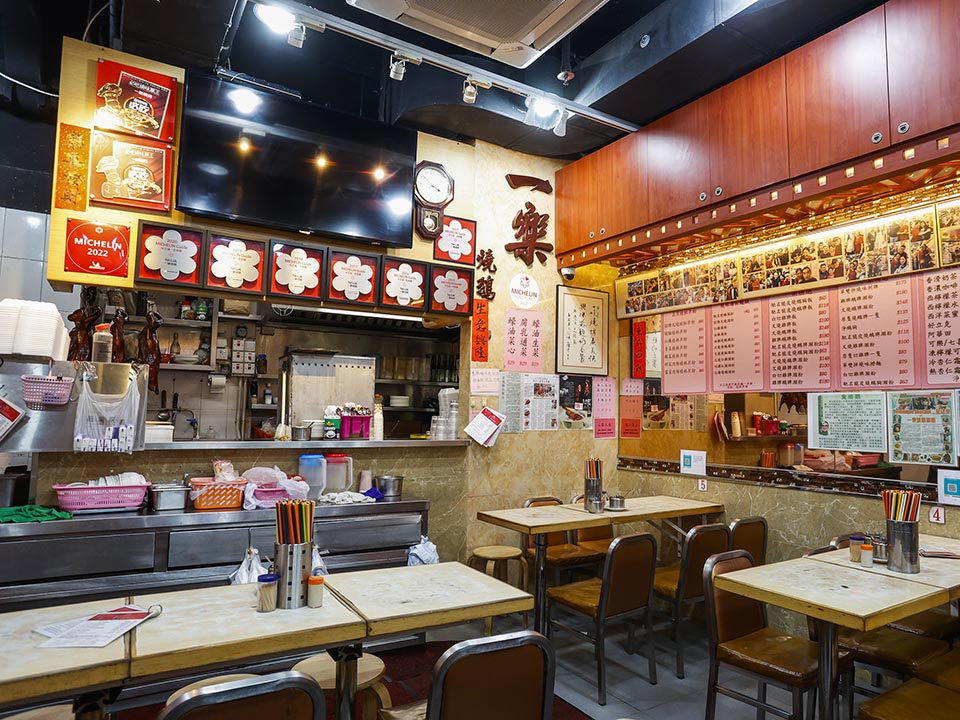
The stall sits at 27 Jalan Berseh inside a covered hawker centre, a compact, open-air-adjacent space typical of Singapore's older food centres. Seating is communal, plastic, and functional. There is no interior design to speak of. What the space communicates, clearly, is that nothing here is about atmosphere in the decorative sense: the physical layout exists to move people through quickly and feed them well. For food explorers who find that kind of unvarnished focus genuinely compelling, this is exactly the right framing. For anyone who needs a certain level of comfort or formality to enjoy a meal, this is not the right venue regardless of the ranking.
The laksa here is a Peranakan preparation, the coconut-rich, spice-forward variant associated with the Straits Chinese culinary tradition rather than the lighter assam style found elsewhere in the region. Wong Ai Tin runs the stall, and the preparation method is part of what draws serious food travellers: charcoal-heated clay pots are used to warm the broth rather than industrial burners, a technique that has largely disappeared from Singapore's hawker circuit. This is not a detail invented for marketing. It is the practical reason why the flavour profile differs from laksa you will find at higher-volume competitors.
Portions are small by design, priced accessibly, and the stall closes when the day's supply is exhausted, which typically happens well before the 4 pm listed closing time. The operating window is effectively morning to early afternoon, Wednesday is closed entirely. If you are planning a visit around this stall, build your day accordingly: arrive between 10 am and noon to avoid both the early rush and the risk of selling out.
The service model is pure hawker: you queue, you order, you collect. There are no servers, no menus to study, and no upselling. For the price tier this represents, that is not a weakness; it is the appropriate format. Comparing the service experience here to a full-service restaurant like Candlenut or Pangium is a category error. The correct comparison is against other laksa stalls, and on that measure, the three-year OAD #1 ranking speaks for itself. Against 328 Katong Laksa, Sungei Road Laksa is the more technically traditional preparation; 328 is easier to access across multiple locations and runs longer hours. Which you prioritise depends on whether you are after convenience or the bowl that specialists consistently rank above all others.
Both are legitimate signals. The OAD ranking matters more if you are travelling specifically to eat.
For Peranakan cooking with full table service and a broader menu, Chilli Padi (Joo Chiat) and Indocafé are worth considering. If you are travelling across the region and want to compare Peranakan cooking more broadly, Auntie Gaik Lean's Old School Eatery, Richard Rivalee, Ceki, Flower Mulan, Kota Dine & Coffee, Nyonya Willow, and Ivy's Nyonya Cuisine are all operating in George Town, while Limapulo represents the Kuala Lumpur Peranakan scene. None of them are doing what Sungei Road Laksa does, but they give context for the wider tradition.
Explore more of what Singapore has to offer through our full Singapore restaurants guide, our full Singapore hotels guide, our full Singapore bars guide, our full Singapore wineries guide, and our full Singapore experiences guide.
Quick reference: 27 Jalan Berseh, #01-100 | Open Thurs–Tues 9:30 am–4 pm (or until sold out) | Closed Wednesday | No booking required | Hawker format, cash-friendly | Easy access, no reservations needed.
Ratings & Recognition
- Opinionated About Dining — Casual in Asia #1 (2023, 2024, 2025)
Booking
No reservation is required or possible. This is a walk-in hawker stall. Arrive early in the day, queue at the stall, order directly, and find a seat. The practical booking challenge is timing, not availability in the conventional sense: the stall sells out before closing time on busy days, and Wednesday is a full closure.
Practical Details
The stall is open six days a week (closed Wednesday) from 9:30 am to 4 pm, though selling out early is a real possibility. Dress code is non-existent; come as you are. The format is cash-friendly hawker dining. Seating is communal and open-air-adjacent, so factor in Singapore's heat and humidity if you are sensitive to outdoor conditions. There is no website or phone number for advance planning beyond what is listed here.
Planning details
- Hours
- Monday: 9:30 am–4 pm · Tuesday: 9:30 am–4 pm
- Location
- 27 Jalan Berseh, #01-100, Singapore 200027
The take
The Take
The Vibe
Sungei Road Laksa reads like a pure hawker experience: modest signage, a spare stall tucked into a kopitiam and none of the theatre that defines higher-budget dining. The editorial voice in the description frames it as a working, single-dish family operation where the product and routine matter more than decor. That practical, no-frills identity is part of its appeal — sustained recognition from critics and repeated top rankings highlight how a humble set-up can become a city staple. Expectations should center on food-forward authenticity rather than ambiance or service flourishes.
Best For
This stall is best for daytime visits. It opens at 9:30 am and closes at 4:00 pm (closed Wednesdays), so the entirety of the offering lives in a morning-to-afternoon rhythm rather than an evening scene. That schedule makes it ideal for brunch- and lunch-time outings, quick solo meals and casual meetups during the day. Because it operates on the same logic as a market or bakery — "you arrive when the product is freshest, or you arrive to find it gone" — timing your visit earlier improves the chances of getting the signature laksa before it sells out.
Ordering Tips
Order the signature laksa with cockles and fish cake — that is effectively the stall’s raison d’être. Expect straightforward, counter-style service at a small hawker stall in a kopitiam; there is no dinner service or extended hours. Because the stall has drawn sustained queues and critical accolades, plan to arrive earlier in the day to avoid sell-outs. Treat the visit like a morning market run: prioritize freshness and accept the spare, workaday setting as part of the experience rather than seeking extra amenities.
Venue details
Ambiance
Casual hawker coffeeshop atmosphere in a crowded kopitiam with queues at peak times.
Tags
Vibe
Best For
Experience
At the Table
- Dress Code
- Casual
- Noise Level
- Lively
- Service Style
- Counter Service
- Meal Pacing
- Quick Bite
- Capacity
- Medium
- Kitchen
- Traditional
- Menu Format
- A la carte
Signature Dishes
Laksa with cockles and fish cake
Know before you go
Know Before You Go
- Getting there
- 27 Jalan Berseh, #01-100, Singapore 200027
Planning details
Hours
- Monday
- 9:30 am–4 pm
- Tuesday
- 9:30 am–4 pm
- Wednesday
- Closed
- Thursday
- 9:30 am–4 pm
- Friday
- 9:30 am–4 pm
- Saturday
- 9:30 am–4 pm
- Sunday
- 9:30 am–4 pm
Location
27 Jalan Berseh, #01-100, Singapore 200027 · Directions

Also consider
Also Consider
- Zén, European Contemporary, $$$$
- Jaan by Kirk Westaway, British Contemporary, $$$
- Summer Pavilion, Cantonese, $$
- Burnt Ends, Australian Barbecue, Barbecue, $$$
- Seroja, Singaporean, Malaysian, $$$
Restaurant context
Sungei Road Laksa and Singapore's higher-end restaurant scene occupy entirely different categories, but the comparison is worth making for one practical reason: if you are deciding how to allocate meals across a Singapore trip, this stall delivers a more specific and harder-to-replicate experience than most restaurants in the $$$ range. Burnt Ends ($$$) is technically stronger as a full dining experience and is worth booking for a proper sit-down meal, but the laksa here does something Burnt Ends cannot. Seroja ($$$) gives you Singaporean and Malaysian cooking in a full-service format and is the right choice if you want a structured dinner with regional context. Neither replaces a bowl at Sungei Road.
For Cantonese cooking at a mid-range price point, Summer Pavilion ($$) is the most direct comparison on price tier, and it offers genuine table service and a broader menu. If you are choosing between the two for a single lunch, Summer Pavilion is more versatile for groups and special occasions; Sungei Road Laksa is the stronger choice if the goal is a single, benchmark bowl of something the city does at the highest level. At the splurge end, Zén ($$$$) and Jaan by Kirk Westaway ($$$) are in a completely different format and purpose, built around long tasting menus in formal rooms. Both are worth considering for a special dinner, but they do not compete with Sungei Road Laksa on value or specificity of experience.
The booking difficulty comparison is also relevant: Zén and Burnt Ends require advance planning, often weeks out. Sungei Road Laksa requires only that you show up before the stall sells out. For food travellers building a Singapore itinerary, the practical recommendation is to lock in your Burnt Ends or Zén reservation first, then plan Sungei Road Laksa as a self-directed morning visit earlier in the trip. The two experiences are complementary, not competitive.
Explore Singapore
Around this place
Discover more on Pearl
Unlock the full Sungei Road Laksa guide in Pearl, including awards, comparisons, FAQs, planning details, and nearby places.
Compare Sungei Road Laksa
| Venue | Location | Cuisine | Awards | Price |
|---|---|---|---|---|
| Sungei Road Laksa | Singapore | Peranakan | 2026 OAD Casual in Asia Ranked · #12025 OAD Casual in Asia Ranked · #12024 OAD Casual in Asia Ranked · #12023 OAD Casual in Asia Ranked · #1 | , |
| Zén | Singapore | European Contemporary | 2026 OAD Top Restaurants in Asia Ranked · #4Michelin 3 Stars 20262026 Black Pearl 1 Diamond2026 La Liste Top Restaurants2025 OAD Top Restaurants in Asia Ranked · #32025 Asia's 50 Best Restaurants · #792025 La Liste Top Restaurants2025 Michelin 3 Stars2025 The Best Chef Two Knives | $$$$ |
| Jaan by Kirk Westaway | Singapore | British Contemporary | 2026 OAD Top Restaurants in Asia Ranked · #52Michelin 2 Stars 20262026 Black Pearl 2 Diamond2026 Les Grandes Tables du Monde Members2026 La Liste Top Restaurants2025 Asia's 50 Best Restaurants · #77We're Smart World Top Restaurants 2025We're Smart World Top 100 2025Tatler Best Restaurants Asia-Pacific 2025 | $$$ |
| Summer Pavilion | Singapore | Cantonese | Michelin 1 Star 20262026 OAD Top Restaurants in Asia Highly Recommended2026 Black Pearl 1 Diamond2026 Wine Spectator Best of Award of Excellence2025 Asia's 50 Best Restaurants · #952025 OAD Top Restaurants in Asia Ranked · #1242025 Wine Spectator Best of Award of Excellence2025 Michelin 1 Star2025 The Best Chef One Knife | $$ |
| Burnt Ends | Singapore | Australian Barbecue, Barbecue | 2026 World's Best Steaks 101 Best Steak Restaurants · #92026 OAD Top Restaurants in Asia Ranked · #382026 Asia's 50 Best Restaurants · #59Michelin 1 Star 20262026 Black Pearl 1 Diamond2026 Wine Spectator Award of Excellence2026 La Liste Top Restaurants2025 World's Best Steaks 101 Best Steak Restaurants · #52025 Asia's 50 Best Restaurants · #38 | $$$ |
| Seroja | Singapore | Singaporean, Malaysian | 2026 OAD Top Restaurants in Asia Ranked · #192026 Asia's 50 Best Restaurants · #20Michelin Green Star 2026Michelin 2 Stars 20262026 Black Pearl 1 Diamond2026 La Liste Top Restaurants2025 OAD Top Restaurants in Asia Ranked · #392025 Asia's 50 Best Restaurants · #40Tatler Best Restaurants Asia-Pacific 2025 | $$$ |













How Sungei Road Laksa Singapore compares with similar nearby venues.
FAQ
Frequently Asked Questions
Does Sungei Road Laksa handle dietary restrictions?
Laksa is a rich, coconut-based prawn broth dish and is not vegan, vegetarian, or gluten-free by default. The stall operates as a single-dish hawker format with no documented customisation options, so if you have serious dietary restrictions, this one is likely not for you. The menu is what the menu is.
Is Sungei Road Laksa good for solo dining?
Yes, and it may actually be the ideal format for a solo visit. You order at the stall, take a seat wherever you find space, and eat — there is no table minimum, no awkward party-size pressure, and no reservation process to coordinate. Singapore's hawker culture is built for this, and solo diners move through the queue faster.
What should I wear to Sungei Road Laksa?
Whatever you are comfortable eating in at an open-air-adjacent hawker centre in Singapore's heat and humidity. There is no dress code. Wear something you would not mind getting broth on — laksa can be messy.
Is Sungei Road Laksa good for a special occasion?
It depends on what the occasion calls for. If you want to mark something with a meal that carries genuine prestige — ranked #1 casual dining in Asia by Opinionated About Dining three consecutive years (2023–2025) — then yes. If the occasion requires a private room, wine list, or extended table time, look at Seroja or Zén instead. This is a hawker stall: no frills, but real credibility.
Is lunch or dinner better at Sungei Road Laksa?
There is no dinner service. The stall opens at 9:30 am and closes at 4 pm, six days a week (closed Wednesday), and it routinely sells out before closing time. Mid-morning, closer to opening, is the most reliable window to eat without a long queue or the risk of walking away empty-handed.
How far ahead should I book Sungei Road Laksa?
Bookings are not possible — this is a walk-in-only hawker stall. The only planning required is arriving early in the day, ideally before 11 am, to avoid the lunch crowd and reduce the chance of selling out. No phone, no website, no reservation system.
Can Sungei Road Laksa accommodate groups?
Groups can visit, but the hawker centre format means seating is communal and first-come. Larger groups will likely need to split across tables or wait for enough seats to open up together. There are no private arrangements or group bookings. For a group meal where everyone sits together from the start, a restaurant setting like Burnt Ends or Seroja will be easier to manage.