
.png?width=1200&quality=80)
Kotuwa
Sri Lankan · INSTITUTION HILL, Singapore
Restaurant in Singapore, Singapore
 Book with Pearl
The Read
Heritage Sri Lankan Precision
Price
$50–100per person
Chef
Rishi Naleendra
Dress
Smart Casual
Why go
Kotuwa is the most credentialled Sri Lankan restaurant in Singapore, holding two consecutive Michelin Plates (2024–2025) and an OAD Asia 2025 ranking at an accessible $$ price point. Chef Rishi Naleendra's kitchen delivers serious spice-forward cooking in New Bahru's converted school compound. Easy to book and worth multiple visits — the menu rewards repeat diners who push beyond the introductory dishes.
About Kotuwa
Kotuwa, Singapore: The Verdict
At the $$ price point, Kotuwa is one of the most compelling Sri Lankan restaurants in Southeast Asia — and among the most accessible ways to eat serious food in Singapore without committing to a three-figure tasting menu. Chef Rishi Naleendra brings Sri Lankan cooking into a refined but unfussy register, and the result holds a Michelin Plate (2024 and 2025) alongside a ranking of #411 on the Opinionated About Dining Leading Restaurants in Asia 2025 list. confirms this isn't a critics-only play — it performs with a broad dining public too. If you've been once and enjoyed it, there's a strong case for coming back. This portrait is built around exactly that: how to get more out of Kotuwa across two or three visits.
The Restaurant
Kotuwa sits inside New Bahru, a converted 1970s school compound on Kim Yam Road that has become one of Singapore's more interesting dining and retail precincts. The address alone signals something: this isn't a hotel-group restaurant or a mall-anchor concept. It's a neighbourhood-anchored room that happens to have serious culinary credentials behind it.
The kitchen draws on Sri Lankan traditions, spice-forward, coconut-rich, deeply aromatic, and frames them with the kind of precision you associate with a team that has spent time in high-end kitchens. The scent of toasted spices and curry leaf that greets you at the door is not incidental; it is a direct signal of what the kitchen is doing. Sri Lankan cooking depends on layered aromatics built through technique, and Kotuwa's kitchen takes that seriously. This is not a watered-down or fusion-adjacent reading of the cuisine; it's the real thing, presented cleanly.
Rishi Naleendra, the chef behind Kotuwa, is already well known to Singapore diners from his work at Odette-era fine dining. Kotuwa is a different register, more personal, more rooted in a specific culinary heritage, and the shift has produced a restaurant that feels more considered than a casual spin-off. That said, the data here is limited: hours, a full menu breakdown, and booking method aren't publicly confirmed in our database, so call ahead or check the venue's current reservations channel before visiting.
A Multi-Visit Strategy
Kotuwa rewards repeat visits more than most restaurants at this price tier, because the menu spans enough ground that a single visit inevitably leaves dishes unexplored. Here's how to approach it across two or three trips.
Visit One: Orientation
On a first visit, the priority is mapping the menu's range. Sri Lankan cooking divides broadly into rice-and-curry formats, short-eat snacks, seafood preparations, and spiced meat dishes. Kotuwa works across all of these. Use the first visit to try across categories rather than committing to a single track, order one seafood preparation, one meat dish, and a selection of accompaniments. This gives you a read on the kitchen's strengths and establishes a baseline for comparison.
Visit Two: Go Deeper on the Proteins and Spice Levels
Sri Lankan cuisine has a genuine heat spectrum, and kitchens like Kotuwa will typically modulate to the table if asked, but you need to know to ask. On a second visit, once you have a sense of the room and the staff, push into the dishes that read as more intensely spiced on the menu. This is where the cuisine's depth lives. Seafood in particular, Sri Lanka is an island, tends to be handled with more complexity than the more accessible introductory dishes. A second visit is also the right moment to pay attention to the pol sambol, the chutneys, and the rice preparations, which function as a kind of technical benchmark for where the kitchen's care is concentrated.
Visit Three: Lean Into the Snacks and Off-Menu Rhythms
By a third visit, you have enough familiarity with the format to front-load with smaller plates and to ask the staff what's worth ordering that week. Sri Lankan short eats, the fritter-and-pastry tradition, are often where Sri Lankan cooks show the most regional personality, and they're easy to underorder on a first visit when you're still orienting to the menu's architecture. A third visit is the right moment to order more of these and fewer of the larger centrepiece dishes.
Booking and Logistics
Booking difficulty at Kotuwa is rated Easy, this is not a hard-to-get table by Singapore standards, especially compared to Meta or the city's leading tasting-menu rooms. The $$ price band means it's accessible for a regular weeknight dinner without the financial commitment of a fine dining evening. The New Bahru location on Kim Yam Road is accessible from the River Valley and Orchard corridor; it's worth noting the address is specific to the School Block (#01-03), so factor that into navigation.
Practical Details
| Detail | Kotuwa | Summer Pavilion | Burnt Ends |
|---|---|---|---|
| Price range | $$ | $$ | $$$ |
| Cuisine | Sri Lankan | Cantonese | Australian Barbecue |
| Booking difficulty | Easy | Moderate | Hard |
| Awards (2025) | Michelin Plate, OAD #411 | Michelin Star | Michelin Star |
| Setting | Converted school compound | Hotel (Ritz-Carlton) | Standalone |
Sri Lankan Dining Beyond Singapore
If Sri Lankan cuisine is a specific interest rather than an occasion choice, the format exists in a handful of other cities worth knowing. Ministry of Crab in Colombo is the obvious benchmark for seafood-led Sri Lankan cooking in origin. In London, Rambutan operates at a similar casual-serious register. In New York, Sagara, Lungi, and Lakruwana each take a different approach to the cuisine. Aliyaa in Kuala Lumpur is the closest regional peer for comparison purposes. And if you're passing through Tokyo or Doha, Hoppers Tokyo and Hoppers Doha are worth checking against your Kotuwa experience.
For a broader read on where Kotuwa sits in the Singapore dining market, see our full Singapore restaurants guide. You can also explore Singapore hotels, Singapore bars, and Singapore experiences to plan around your visit.
Planning details
- Location
- 46 Kim Yam Rd, New Bahru, #01-03 School Block, Singapore 239351
- Reservations
- Book on the venue's website
- Website
- kotuwa.com.sg
- Phone
- +65 6518 4278
The take
The Take
The Vibe
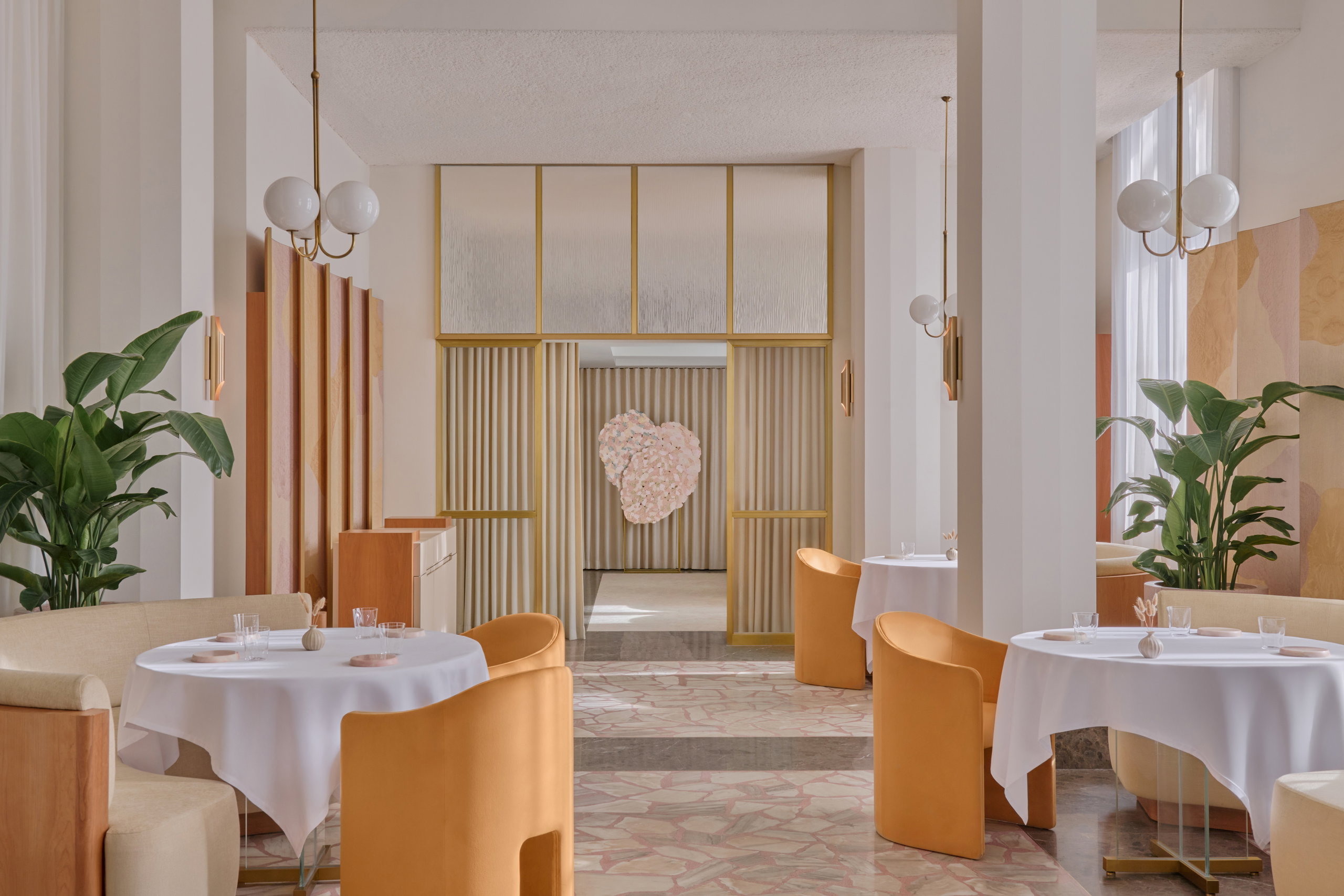
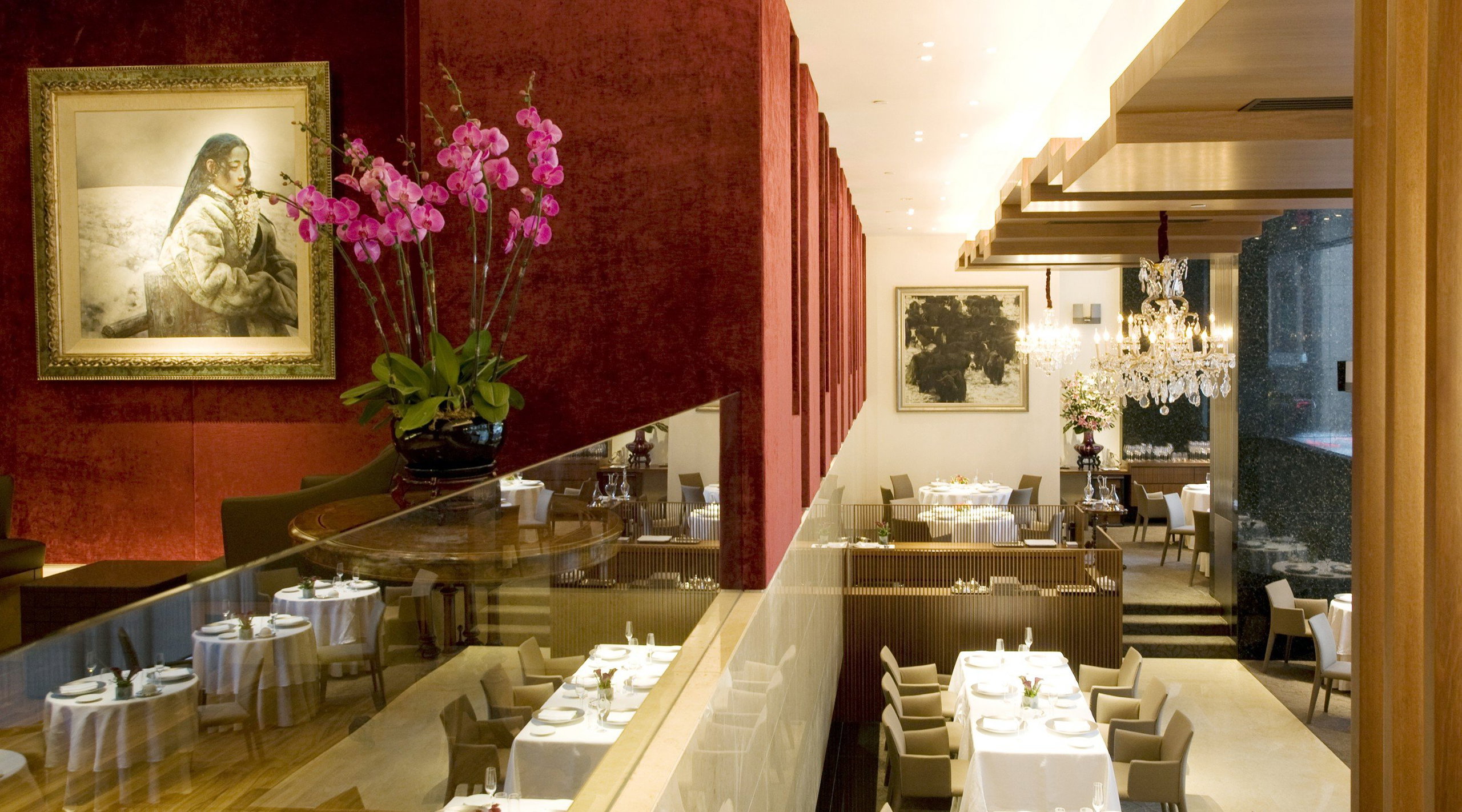
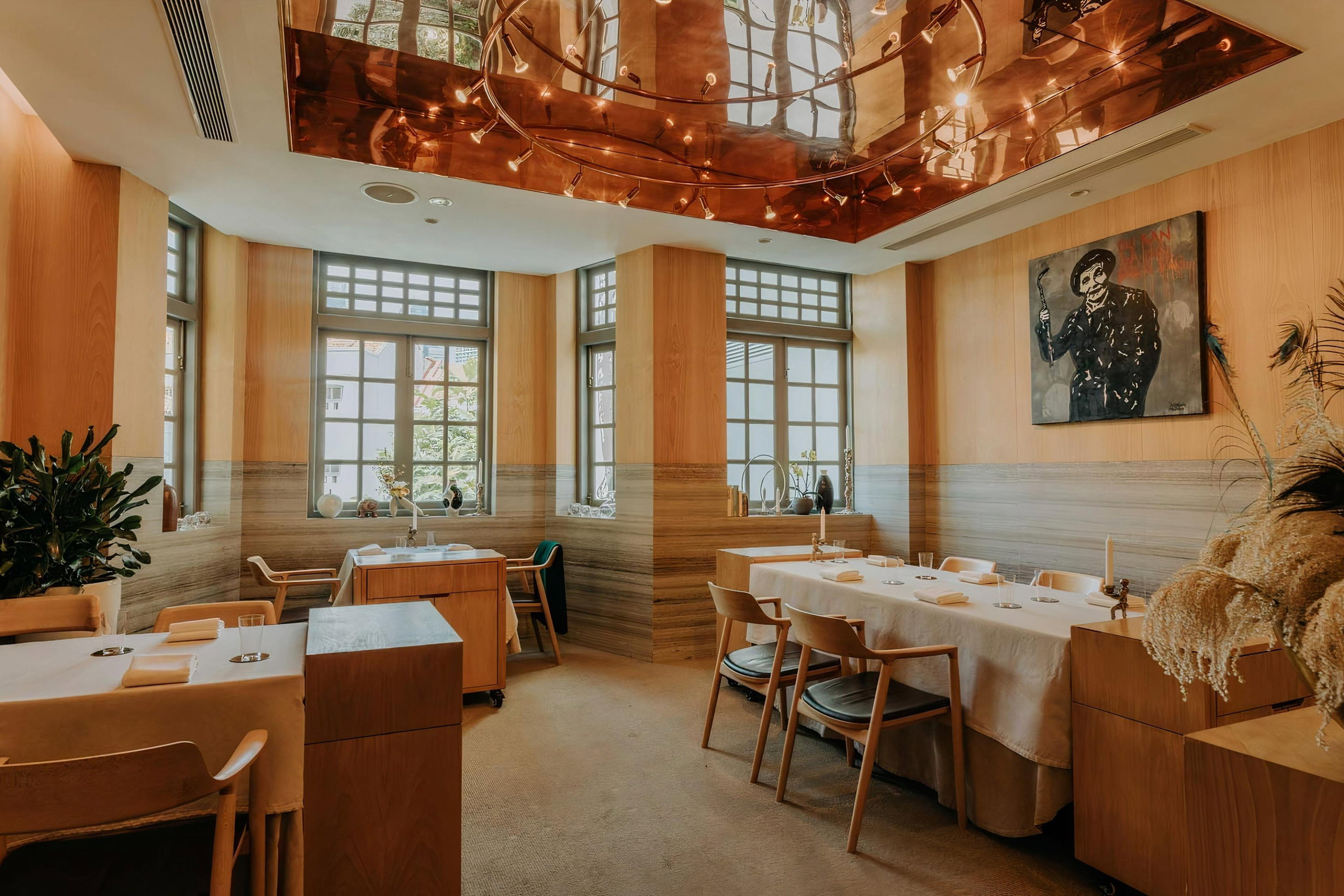
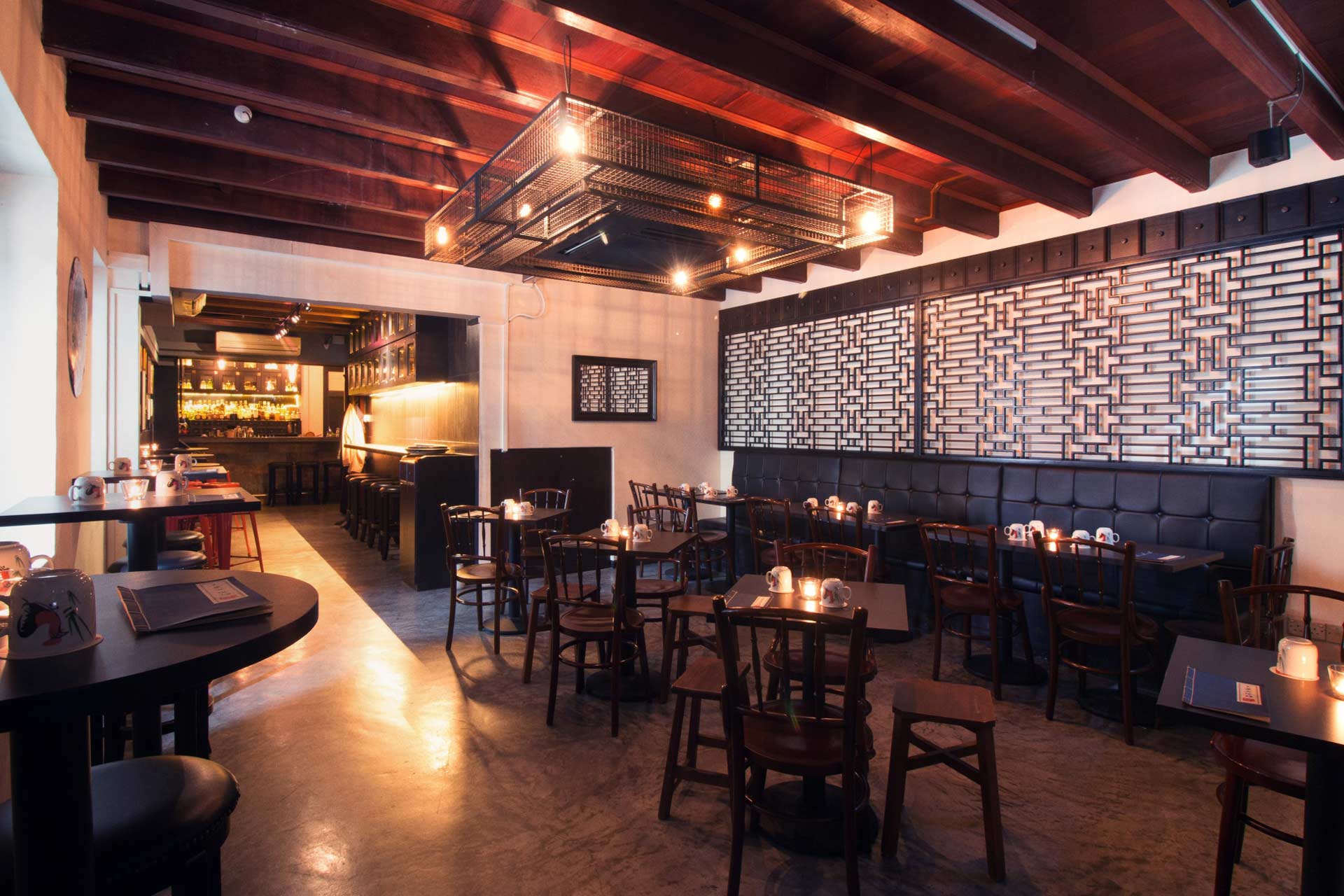
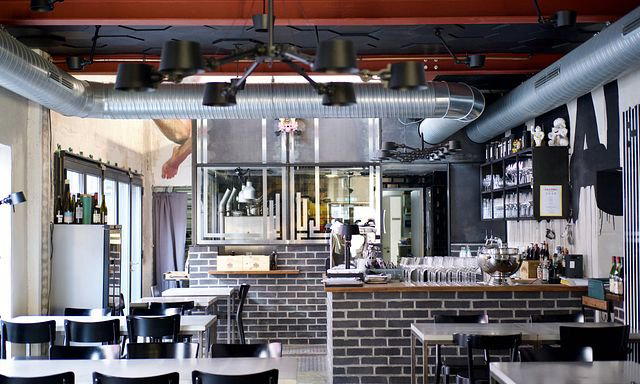
Kotuwa sits quietly in a converted classroom within a former school compound, and its atmosphere leans away from formality. Exposed brick and open corridors give the room an honest, adaptive‑reuse character: low‑key rather than showy. The neighbourhood’s calm seeps into the dining experience, so the place feels like a thoughtful discovery rather than a stage. The food’s confidence—Sri Lankan grammar of coconut, pandan and layered spice—matches the understated setting, so the overall impression is of a refined but unfussy spot that privileges authentic cooking over theatrical dining-room gestures.
Best For
Kotuwa is best for diners who want to seek out high‑quality Sri Lankan cooking in a quietly confident setting. The restaurant suits evening meals where the cuisine itself is the draw: thoughtful curries and hoppers prepared with depth and technique. It also works for diners looking to explore an underrepresented regional tradition—individuals or small groups who appreciate a relaxed, low‑key room and focused flavors. Reservations are sensible on busier nights given its location in a popular adaptive‑reuse food cluster.
Ordering Tips
Center your meal on the signatures: the crab curry, classic hoppers and the slow‑cooked lamb shank are highlighted dishes. Expect a flavor profile built on coconut, pandan and Maldive fish with layered spices, so order items that showcase those elements rather than ones that obscure them. If you want a clear sense of the kitchen’s point of view, try a hopper with a rich curry alongside the crab curry to contrast texture and spice. The menu rewards sharing so you can taste several of the restaurant’s specialties in one sitting.
Venue details
Ambiance
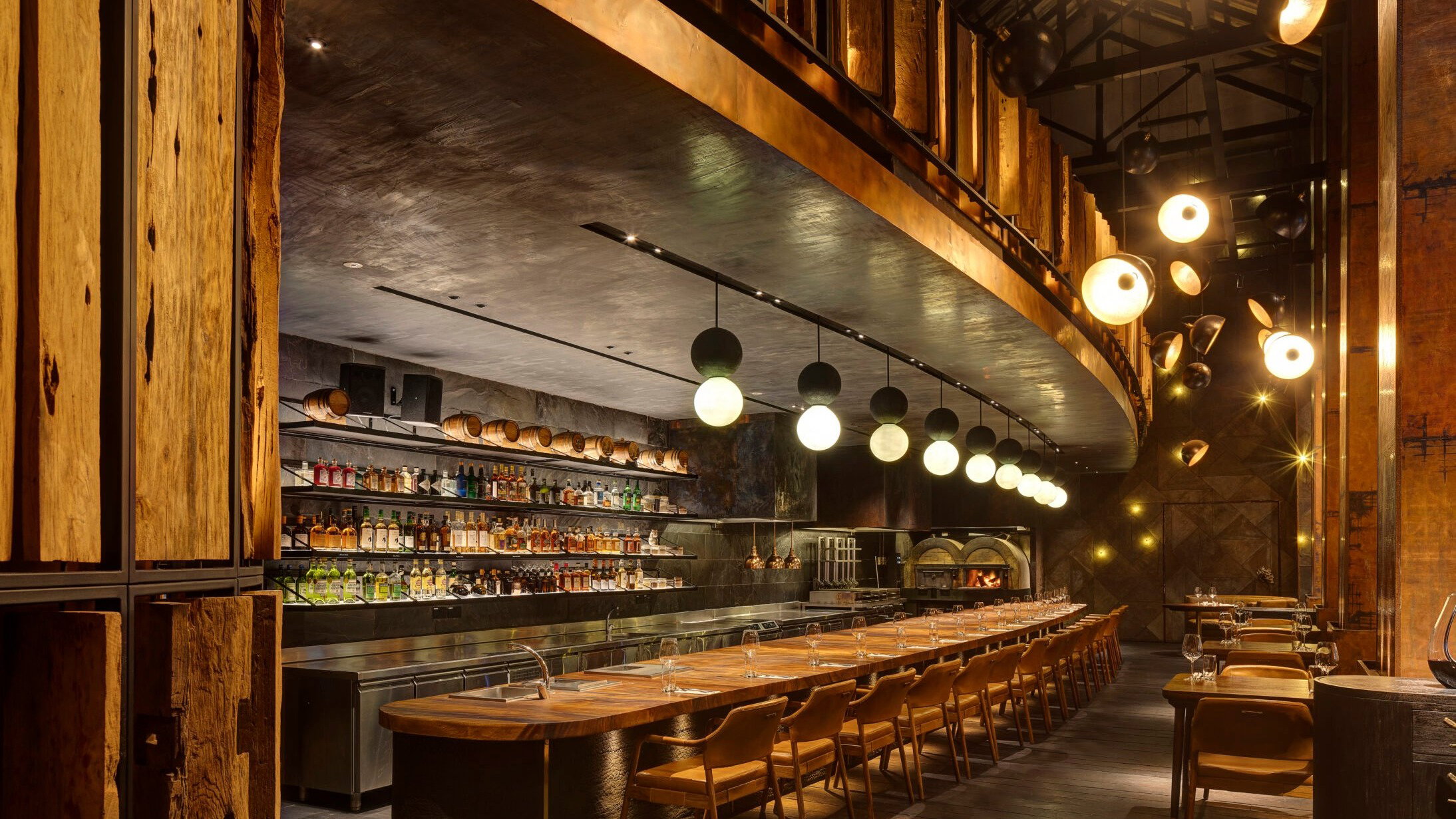
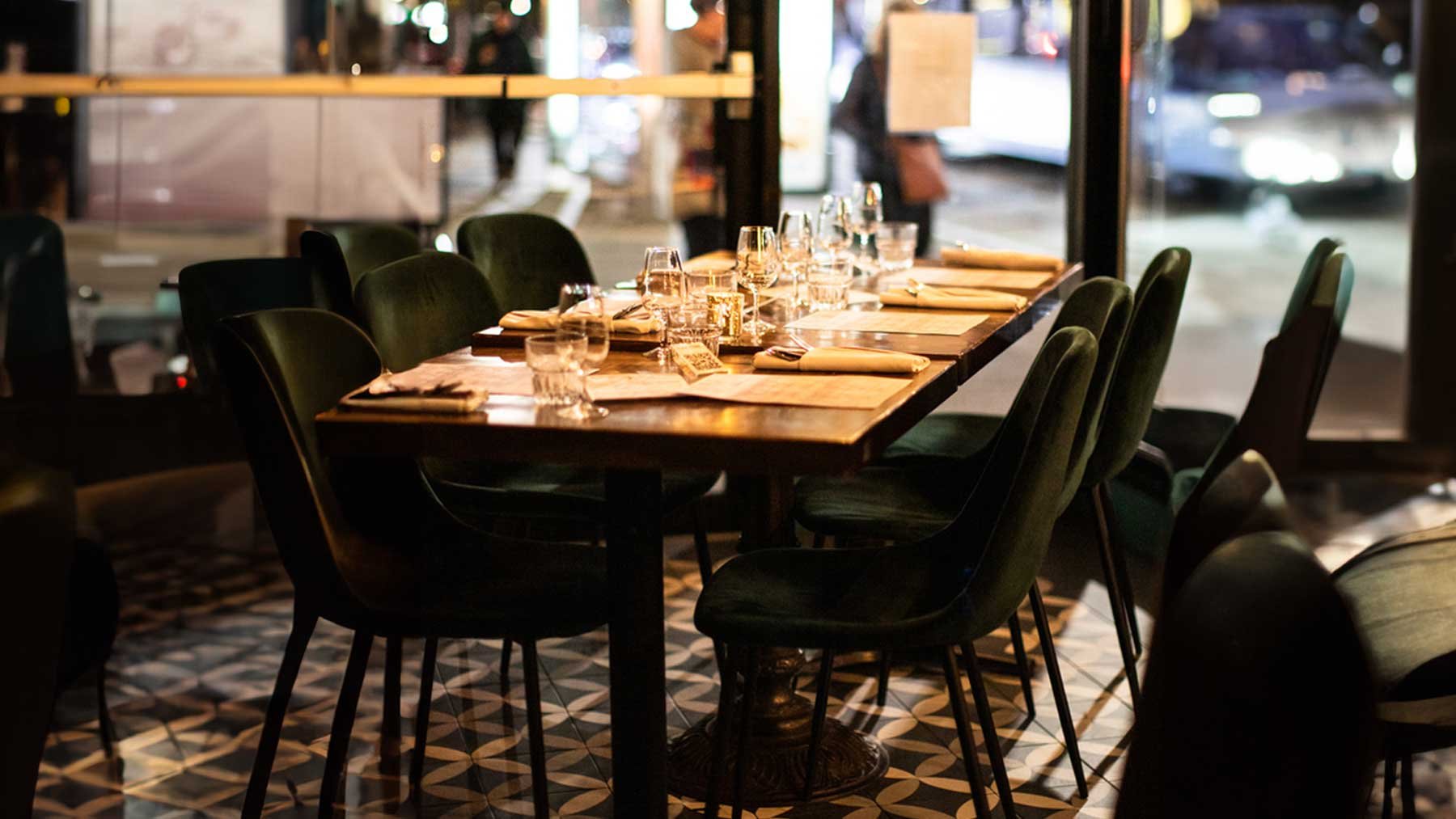
Warm-lit, colorful wooden interior with lively and upbeat atmosphere.
Tags
Vibe
Best For
Experience
At the Table
- Dress Code
- Smart Casual
- Noise Level
- Lively
- Service Style
- Upscale Casual
- Meal Pacing
- Standard
- Capacity
- Medium
- Kitchen
- Modern
- Menu Format
- A la carte, Set menu
- Wine Program
- Curated
- Drinks Focus
- Craft cocktails
- Dietary
- Vegetarian friendly
- Outdoor Seating
- Yes
Signature Dishes
- crab curry
- hoppers
- lamb shank
Know before you go
Know Before You Go
- Getting there
- 46 Kim Yam Rd, New Bahru, #01-03 School Block, Singapore 239351
Planning details
Location
46 Kim Yam Rd, New Bahru, #01-03 School Block, Singapore 239351 · Directions

Also consider
Also Consider
- Zén, European Contemporary, $$$$
- Jaan by Kirk Westaway, British Contemporary, $$$
- Summer Pavilion, Cantonese, $$
- Burnt Ends, Australian Barbecue, Barbecue, $$$
- Seroja, Singaporean, Malaysian, $$$
Restaurant context
At the $$ price point, Kotuwa sits alongside Summer Pavilion as one of the few restaurants in Singapore where you can eat with genuine culinary ambition without a three-figure bill. Summer Pavilion holds a Michelin Star and operates inside the Ritz-Carlton, which means the service ceiling is higher, but the setting is more conventional and the cuisine is Cantonese rather than Sri Lankan. If you're choosing purely on value-for-credentials at the $$ tier, both reward the visit; the decision comes down to which cuisine you're in the mood for.
Burnt Ends and Seroja both operate at the $$$ tier and are significantly harder to book. Burnt Ends in particular runs one of the tightest reservations in Singapore, weeks out, minimum. Kotuwa's easy booking difficulty is a genuine practical advantage if your schedule is flexible or you're planning a last-minute dinner. Seroja is the more direct comparison for diners drawn to Southeast Asian regional cooking; it handles Malaysian and Singaporean traditions with similar seriousness to Kotuwa's Sri Lankan focus, but at a higher price and with more demand on the booking side.
If budget is secondary and you want the full fine dining experience in Singapore, Zén at $$$$ is the top of the market for European Contemporary cooking, and Jaan by Kirk Westaway at $$$ delivers polished British Contemporary at Swissôtel. Neither competes with Kotuwa on price or on Sri Lankan specificity, they're different occasions entirely. For a weeknight dinner with serious food and an easy booking, Kotuwa is the more practical answer than anything in the $$$ or $$$$ tier.
Explore Singapore
Around this place
Discover more on Pearl
Unlock the full Kotuwa guide in Pearl, including awards, comparisons, FAQs, planning details, and nearby places.
Compare Kotuwa
| Venue | Cuisine | Price | Awards | Booking Difficulty |
|---|---|---|---|---|
| Kotuwa | Sri Lankan | $$ | Michelin Bib Gourmand 20262026 OAD Top Restaurants in Asia Recommended2025 OAD Top Restaurants in Asia Ranked · #4112025 Michelin Plate2024 Michelin Plate | Easy |
| Zén | European Contemporary | $$$$ | 2026 OAD Top Restaurants in Asia Ranked · #4Michelin 3 Stars 20262026 Black Pearl 1 Diamond2026 La Liste Top Restaurants2025 OAD Top Restaurants in Asia Ranked · #32025 Asia's 50 Best Restaurants · #792025 La Liste Top Restaurants2025 Michelin 3 Stars2025 The Best Chef Two Knives | Unknown |
| Jaan by Kirk Westaway | British Contemporary | $$$ | 2026 OAD Top Restaurants in Asia Ranked · #52Michelin 2 Stars 20262026 Black Pearl 2 Diamond2026 Les Grandes Tables du Monde Members2026 La Liste Top Restaurants2025 Asia's 50 Best Restaurants · #77We're Smart World Top Restaurants 2025We're Smart World Top 100 2025Tatler Best Restaurants Asia-Pacific 2025 | Unknown |
| Summer Pavilion | Cantonese | $$ | Michelin 1 Star 20262026 OAD Top Restaurants in Asia Highly Recommended2026 Black Pearl 1 Diamond2026 Wine Spectator Best of Award of Excellence2025 Asia's 50 Best Restaurants · #952025 OAD Top Restaurants in Asia Ranked · #1242025 Wine Spectator Best of Award of Excellence2025 Michelin 1 Star2025 The Best Chef One Knife | Unknown |
| Burnt Ends | Australian Barbecue, Barbecue | $$$ | 2026 World's Best Steaks 101 Best Steak Restaurants · #92026 OAD Top Restaurants in Asia Ranked · #382026 Asia's 50 Best Restaurants · #59Michelin 1 Star 20262026 Black Pearl 1 Diamond2026 Wine Spectator Award of Excellence2026 La Liste Top Restaurants2025 World's Best Steaks 101 Best Steak Restaurants · #52025 Asia's 50 Best Restaurants · #38 | Unknown |
| Seroja | Singaporean, Malaysian | $$$ | 2026 OAD Top Restaurants in Asia Ranked · #192026 Asia's 50 Best Restaurants · #20Michelin Green Star 2026Michelin 2 Stars 20262026 Black Pearl 1 Diamond2026 La Liste Top Restaurants2025 OAD Top Restaurants in Asia Ranked · #392025 Asia's 50 Best Restaurants · #40Tatler Best Restaurants Asia-Pacific 2025 | Unknown |













Comparing your options in Singapore for this tier.
FAQ
Frequently Asked Questions
Can Kotuwa accommodate groups?
Kotuwa is a reasonable group option at the $$ price point, where the sharing-friendly nature of Sri Lankan rice-and-curry formats works well for tables of four to six. Booking is rated Easy by Singapore standards, so securing a larger table is not the logistical challenge it would be at comparable spots like Burnt Ends. Confirm group size when reserving, as the New Bahru School Block location has a defined footprint.
What should I wear to Kotuwa?
Kotuwa sits inside New Bahru, a converted 1970s school compound with a relaxed, neighbourhood character — the setting reads casual rather than formal. At the $$ price tier, there is no expectation of dressed-up attire; clean, everyday clothes are appropriate. This is not a jacket-required room.
Is Kotuwa good for solo dining?
Yes. The $$ price point and Sri Lankan short-eat snack format mean solo diners can eat well and spend purposefully without the commitment of a large shared spread. The counter or smaller tables at the New Bahru site suit a single diner, and the Michelin Plate recognition signals enough kitchen consistency to make a solo visit worthwhile.
Is Kotuwa worth the price?
At $$, Kotuwa is good value by Singapore dining standards. The Michelin Plate (2024 and 2025) and an Opinionated About Dining Top Restaurants in Asia ranking (#411, 2025) confirm this is not a budget compromise — it is a properly rated kitchen at an accessible price. For Sri Lankan cooking at this level of intent, it is hard to point to a direct competitor in Singapore at the same cost.
Is Kotuwa good for a special occasion?
Kotuwa works for a low-key special occasion — a birthday dinner among friends or a meaningful meal without the formality of a tasting-menu room. For a milestone that calls for white-tablecloth service and a lengthy set menu, Jaan by Kirk Westaway or Zén are better fits. Kotuwa's value is in meaningful cooking in a relaxed setting, not ceremony.
What are alternatives to Kotuwa in Singapore?
For Sri Lankan cooking specifically, Kotuwa is the clearest option in Singapore with documented award recognition. If the occasion calls for a different format at a similar or higher tier, Seroja covers Southeast Asian cooking with comparable care, while Burnt Ends is the go-to for a casual-but-serious meal at a comparable price level. For a step up in formality and price, Jaan by Kirk Westaway or Summer Pavilion address different cuisines but offer the full-service experience Kotuwa does not.