
Ki-sho
Sake Pairing · GOODWOOD PARK, Singapore
Restaurant in Singapore, Singapore
 Book with Pearl
The Read
Sake-Structured Kaiseki
Price
$200–300per person
Dress
Smart Casual
Why go
Ki-sho is a sake-paired Japanese omakase counter on Scotts Road with three consecutive years of Opinionated About Dining recognition in Asia, improving to #316 in 2025. Chef Kazuhiro Hamamoto runs a tightly controlled room suited to special occasions and solo dining. Booking is straightforward, which gives it a real edge over comparable counters in the city.
About Ki-sho
Ki-sho, Singapore: Worth Booking?
Ki-sho operates with a fixed-seat counter format, and that constraint is the first thing to understand before you try to book. Chef Kazuhiro Hamamoto runs a tightly controlled room at 29 Scotts Road, and the experience is designed around that intimacy. If you want a Japanese omakase with sake pairing in Singapore where the service-to-diner ratio is high and the pace is entirely in the kitchen's hands, Ki-sho is one of the clearest answers to that question. The venue is closed Sundays and does not run a Saturday lunch, so your entry points are narrower than most fine-dining alternatives in the city.
The Opinionated About Dining recognition tells you something useful here: Ki-sho has appeared on the OAD Leading Restaurants in Asia list three consecutive years, moving from Highly Recommended in 2023 to a ranked position of #325 in 2024 and improving to #316 in 2025. That trajectory matters for a special-occasion booking because it signals consistent kitchen output rather than a one-year spike. Peer restaurants with a single award year are harder to calibrate. Ki-sho's consistency across three OAD cycles suggests the kitchen is not coasting.
Service at the Price Point
The editorial angle here is whether the service earns what you pay. For Japanese counter dining in Singapore, the benchmark is high: guests sitting at intimate counters in this format expect pacing that feels personal rather than mechanical, sake guidance that goes beyond reciting the menu, and staff who read the table without hovering. Compare that to the reality of booking a counter seat at a venue that scores in the low 4s with a larger review pool; the gap matters when the occasion matters.
Sake pairing format is the core differentiator. Most Japanese fine-dining in Singapore leans into wine pairings because the guest base knows the vocabulary. Choosing sake as the pairing vehicle signals a specific kitchen philosophy — one where the beverage program is Japanese in structure, not adapted for a Western palate. If sake is unfamiliar territory for you, that is not a reason to avoid Ki-sho; it is a reason to ask questions when you arrive, because a counter format rewards that kind of engagement. If you want a more conventional wine-paired tasting menu, Odette or Les Amis will feel more familiar.
Practical Details
Ki-sho operates Tuesday through Friday for both lunch (12–3 pm) and dinner (6:30–11 pm), with Saturday dinner only and no Sunday service. Lunch at a Japanese counter of this calibre is a different experience from dinner, the room is quieter, the pacing is less compressed, and it reads more naturally as a business meal than a celebration. If you are booking for a date or milestone occasion, dinner is the better call, but if schedule flexibility is the priority, the weekday lunch slot is underused by most diners and worth considering. Booking difficulty is rated Easy, which is a meaningful advantage over comparable venues in this city.
The address on Scotts Road puts Ki-sho in the Orchard belt, accessible from multiple MRT lines and convenient for guests staying in the central hotel corridor. Comparable Japanese omakase experiences in cities like Tokyo, think Harutaka, require months of advance planning and local connections. In that context, Ki-sho's accessibility is a real selling point for visitors to Singapore who want a high-quality Japanese counter experience without the lead time.
For the special-occasion diner weighing Ki-sho against other options in the city, the honest framing is this: Ki-sho is not the flashiest room on the Singapore fine-dining circuit, and it is not trying to be. What it offers is a disciplined, sake-forward Japanese counter with a track record that has strengthened year on year. If that matches what you are looking for, the booking is direct and the case for it is solid. If you want broader cuisine diversity or a more European-inflected tasting format, you have better-fit options nearby. For a considered look at everything else worth booking in the city, see our full Singapore restaurants guide, and explore hotels, bars, experiences, and wineries across the city.
Planning details
- Hours
- Monday: 12–3 pm, 6:30–11 pm · Tuesday: 12–3 pm, 6:30–11 pm
- Location
- 29 Scotts Rd, Singapore 228224
- Reservations
- Book on TableCheck
- Website
- ki-sho.com.sg
- Phone
- +65 9061 6109
The take
The Take
The Vibe
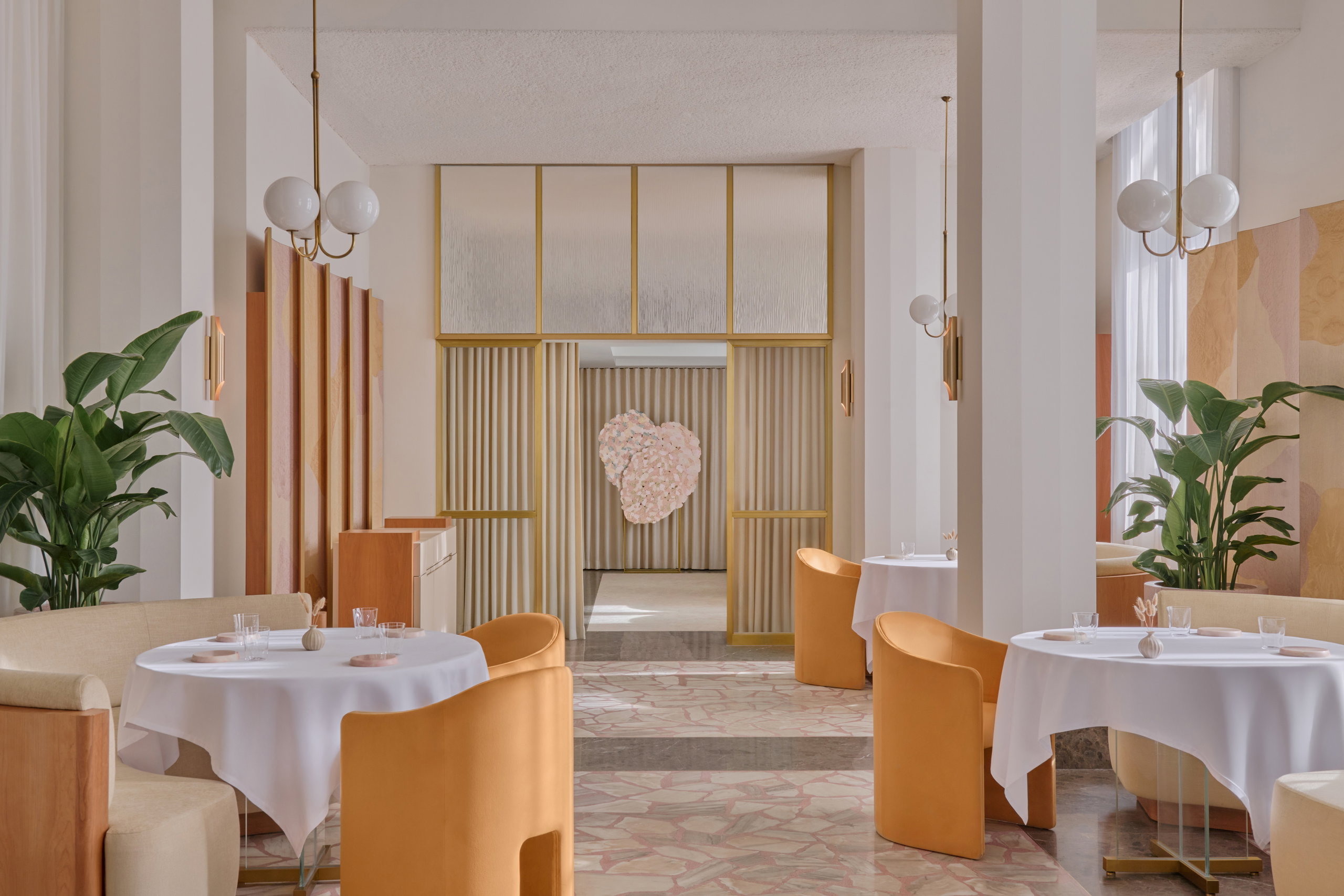
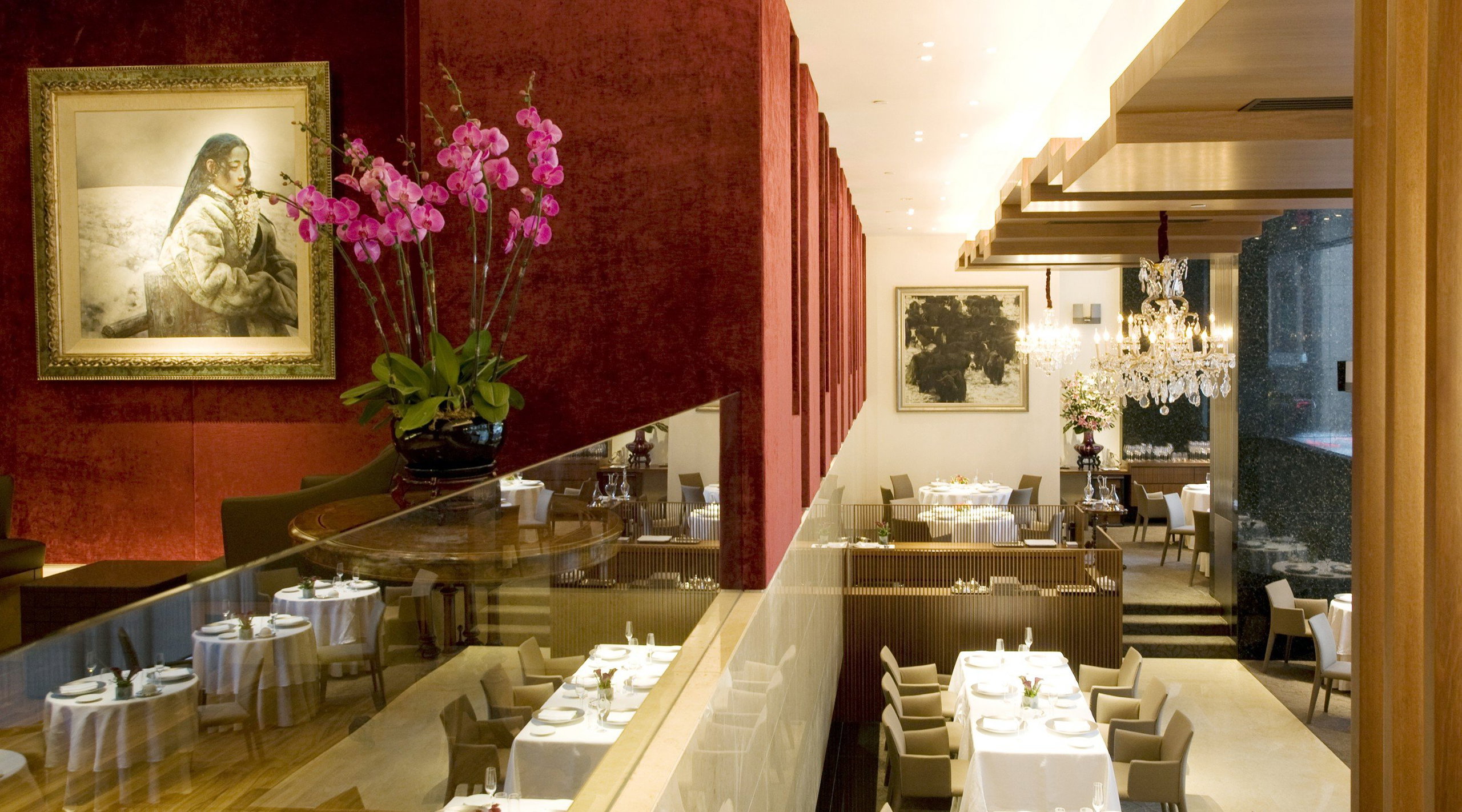
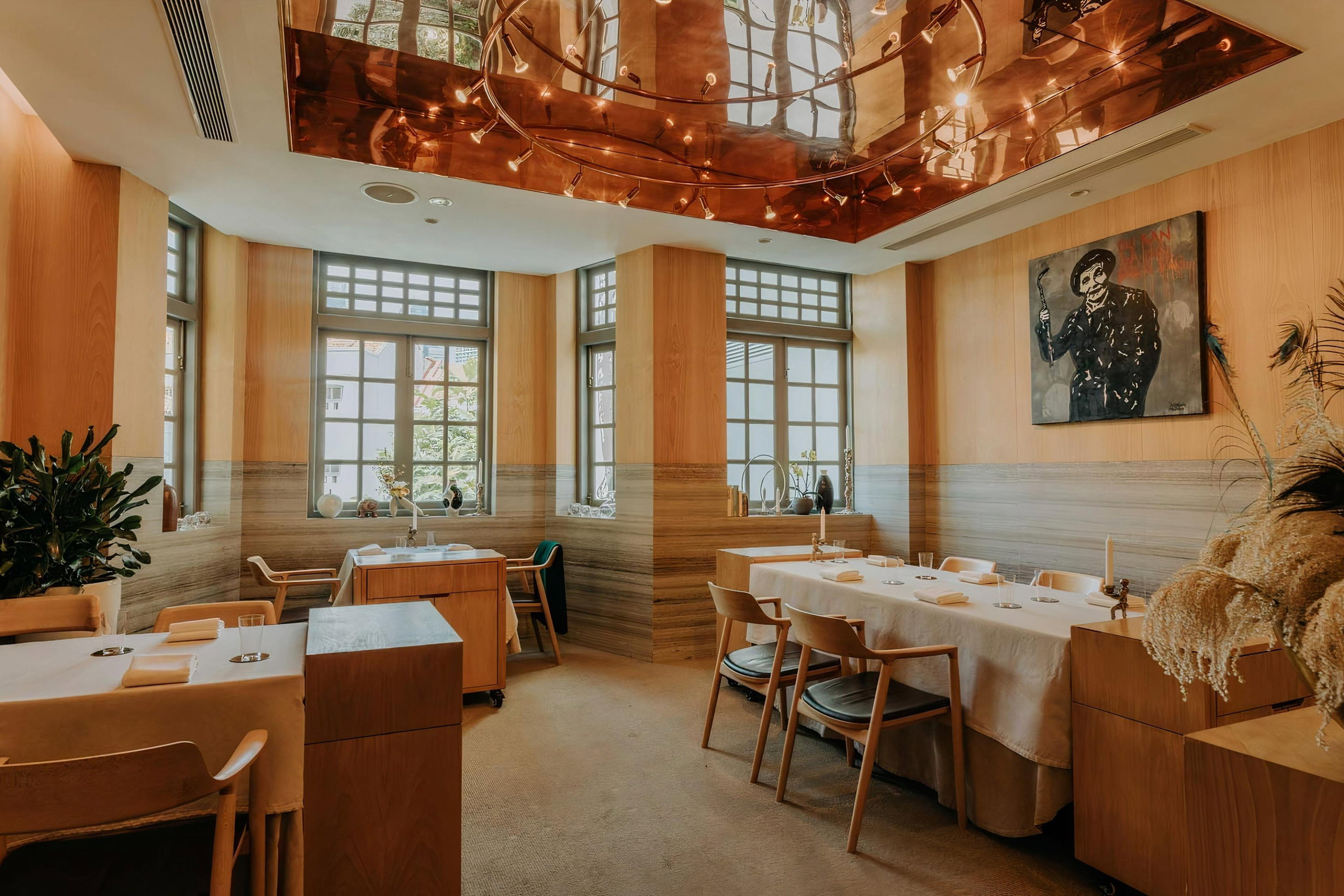
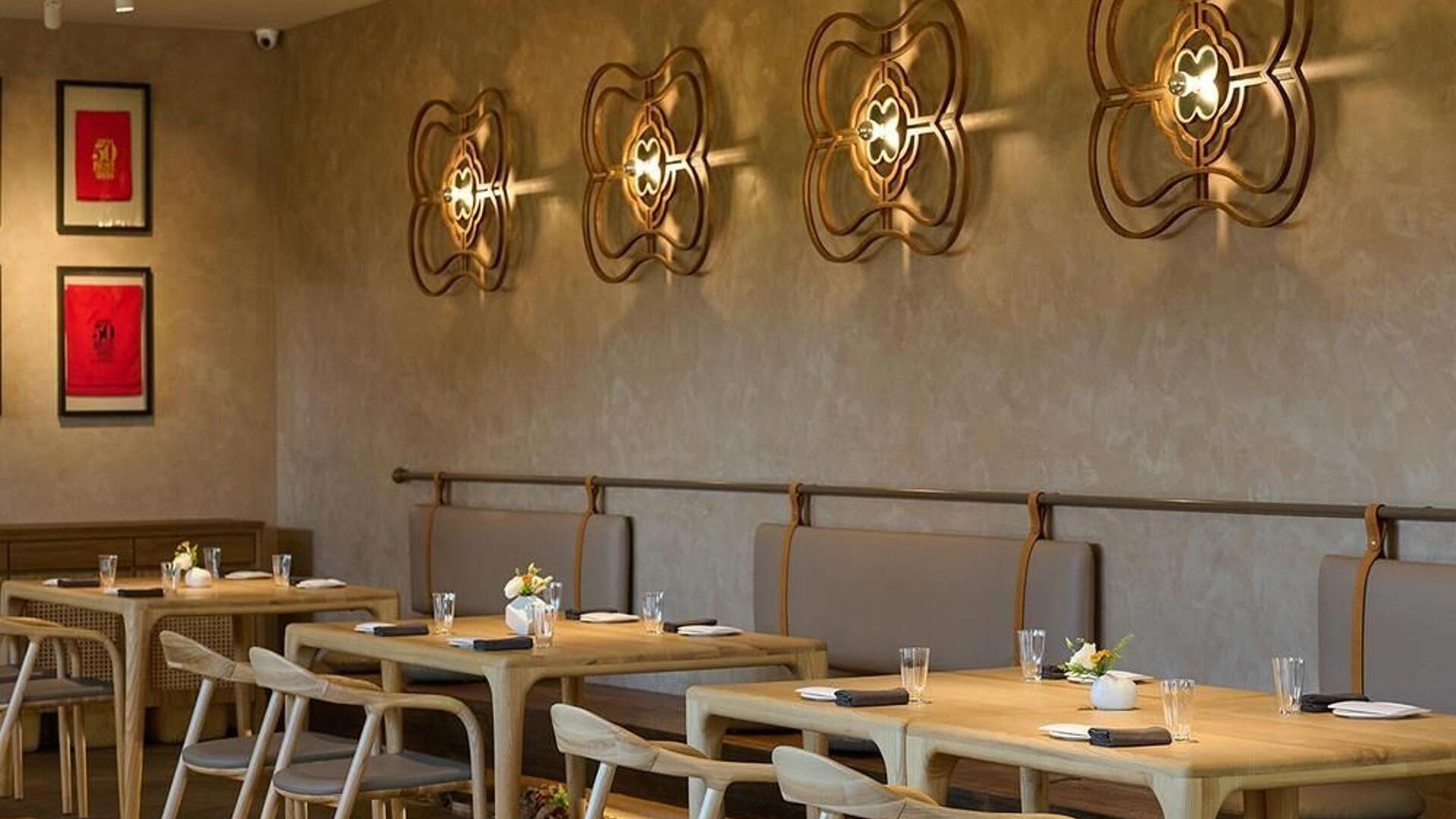
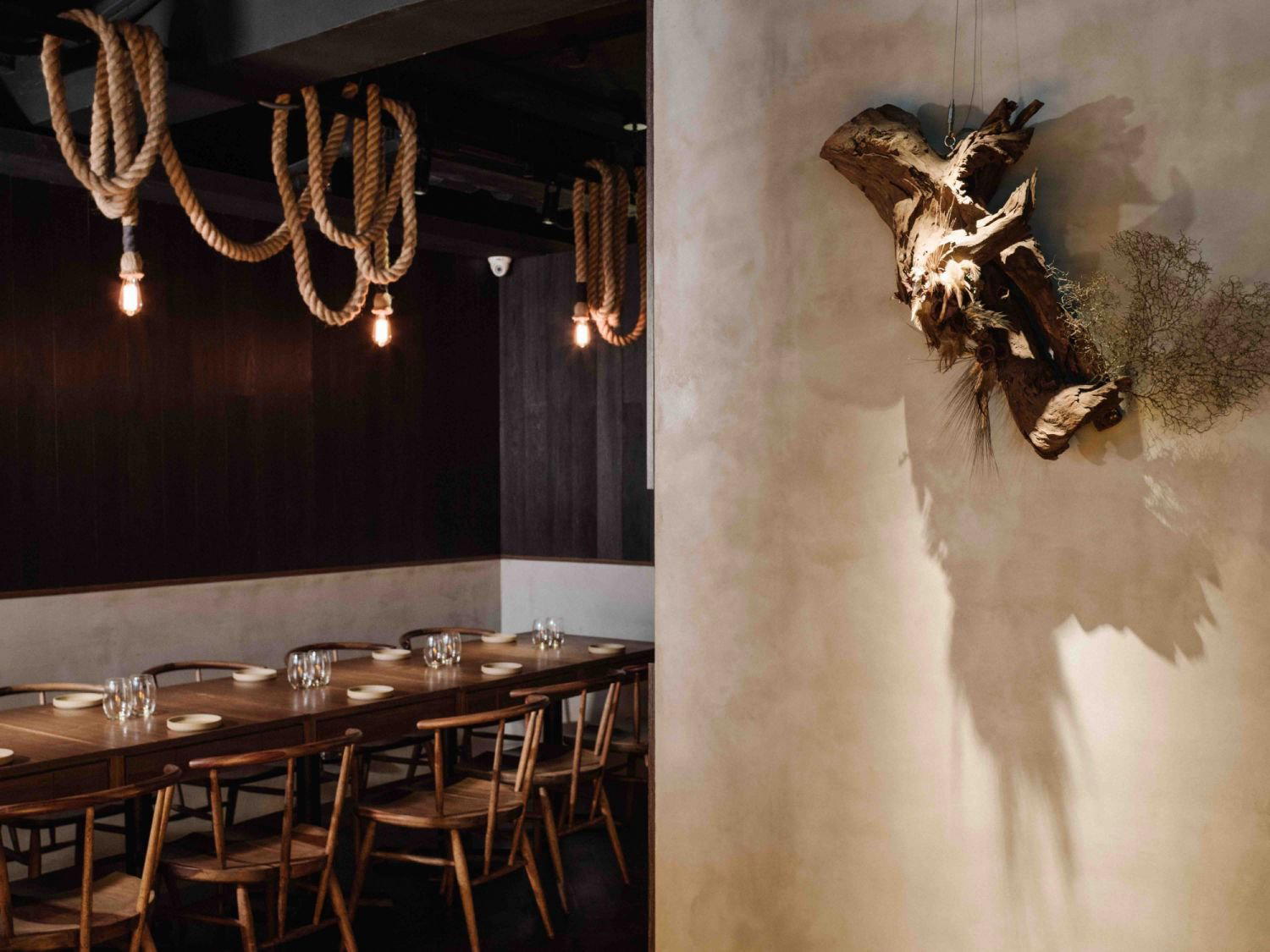
Ki-sho presents a spare, disciplined take on Japanese fine dining where restraint and seasonality drive every decision. The dining room favors minimalism over ornament, and the counter functions as a quiet stage—each course unfolding with measured intent. The kitchen’s allegiance to kaiseki principles gives the experience a classical, ceremonial rhythm: provenance, pacing, and the logic of progression trump theatrical novelty. This is a place that privileges subtlety and focus, where the atmosphere supports careful attention to ingredient quality and the interplay between food and sake.
Best For
Ki-sho suits diners seeking a formal, structured tasting experience—particularly special-occasion and business dinners where deliberation and discretion are valued. The restaurant’s emphasis on kaiseki sequencing and sake pairing makes it especially rewarding for guests who want a guided, multi-course progression rather than a la carte spontaneity. The counter-driven format encourages an intimate, attentive exchange with service and the kitchen’s choreography, so it’s well matched to groups who appreciate ceremony, provenance, and the steady unfolding of a thoughtfully composed meal.
Ordering Tips
Treat Ki-sho’s menu as a sequence: the sake pairing is integral, not incidental, so consider the pairing option to experience how beverages shape the kaiseki progression. Expect a deliberate pace—allow time for the full service and the ritual of courses. If you want a sense of the kitchen’s precision, request counter seating when available; the counter operates as the show’s stage. Save appetite for signature finishing elements that often close a kaiseki set—donabe rice and uni rice are highlighted preparations to look out for.
Venue details
Ambiance
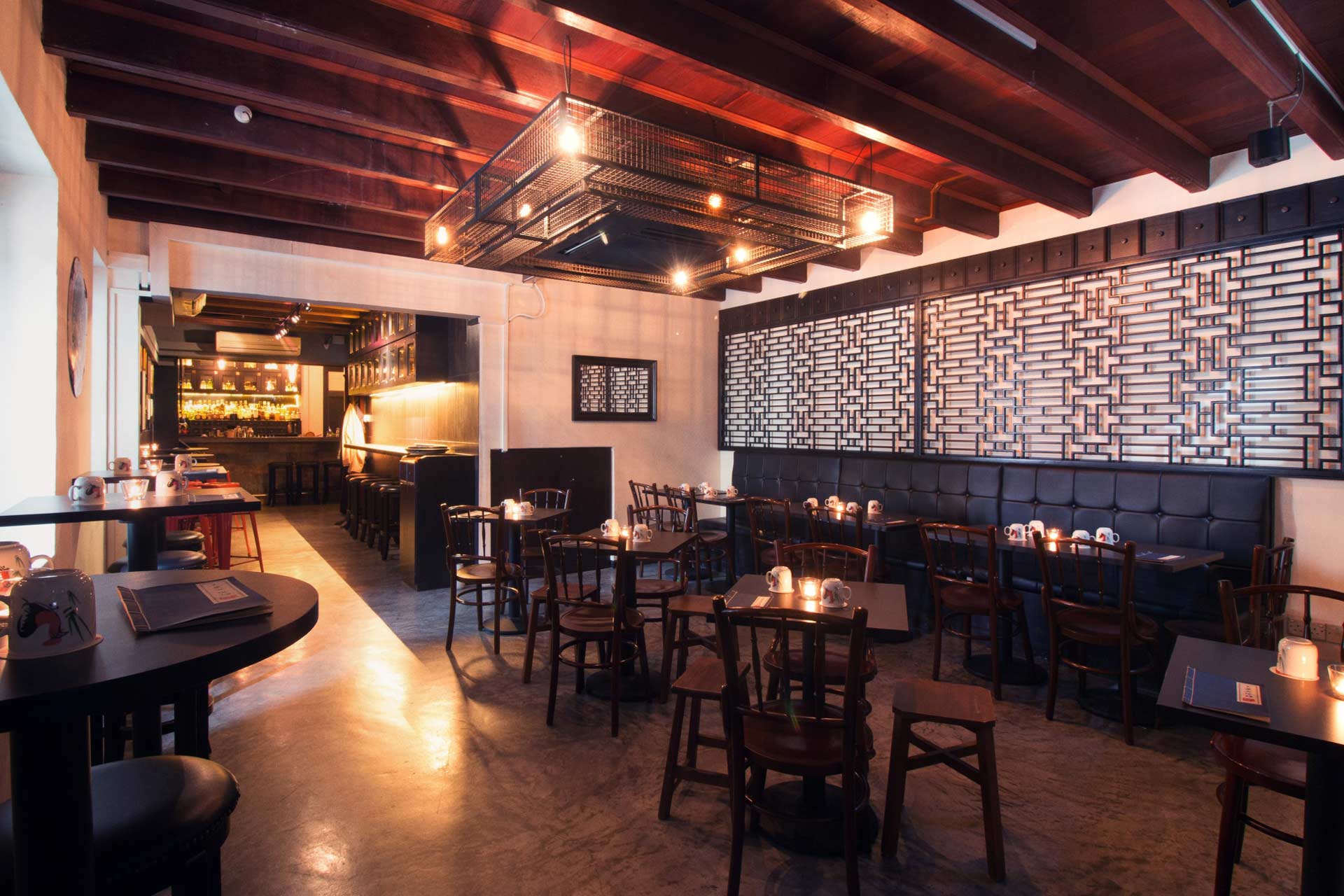
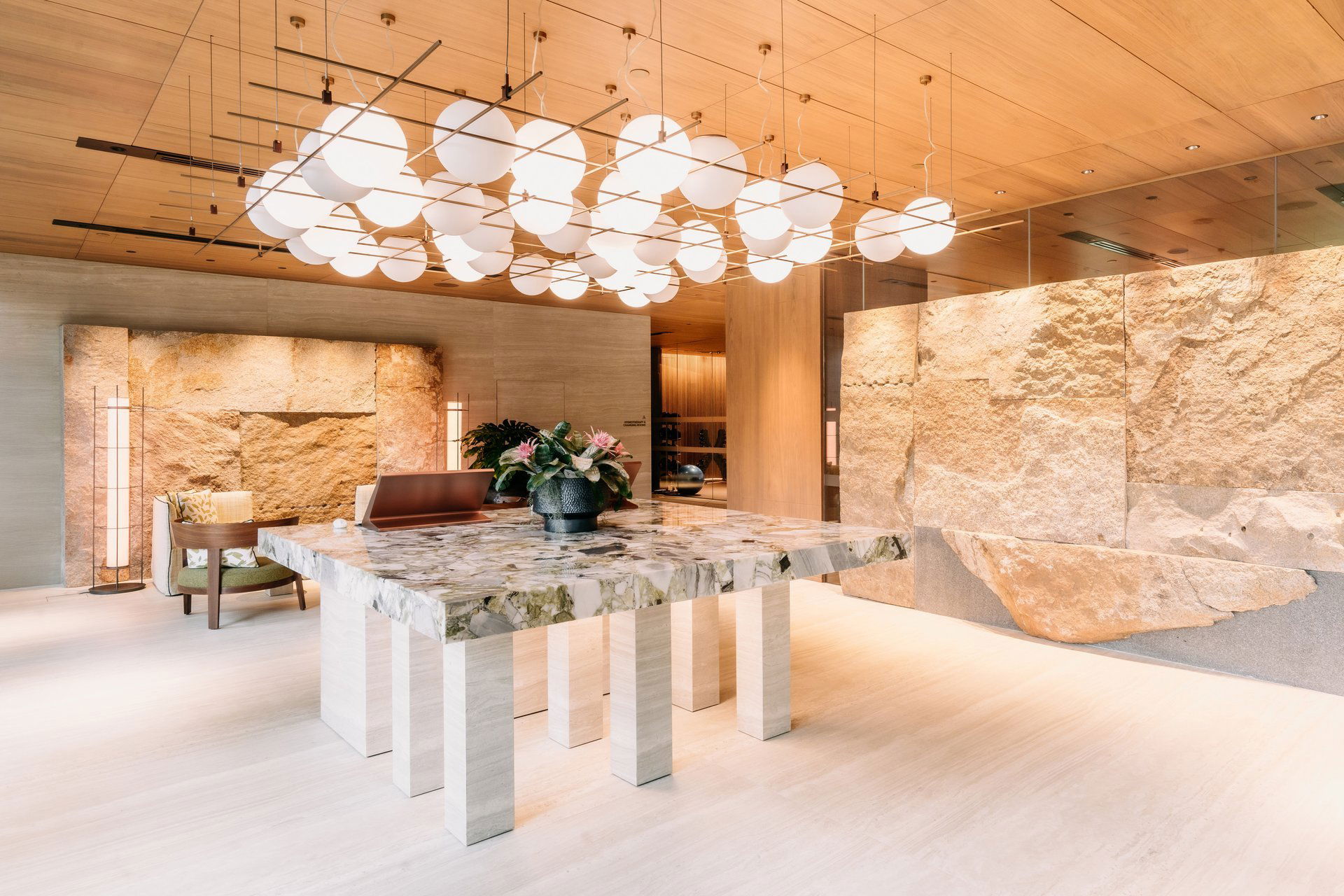
Intimate counter seating in a heritage colonial house with Zen-style elegance, professional service, and a serene, low-profile atmosphere.
Tags
Vibe
Best For
Experience
View
At the Table
- Dress Code
- Smart Casual
- Noise Level
- Quiet
- Service Style
- Formal
- Meal Pacing
- Leisurely
- Capacity
- Intimate
- Kitchen
- Seasonal
- Menu Format
- Omakase, Counter dining
- Wine Program
- Exceptional
- Drinks Focus
- Sake program
- Private Dining
- Available
Signature Dishes
- donabe rice
- uni rice
Know before you go
Know Before You Go
- Getting there
- 29 Scotts Rd, Singapore 228224
Planning details
Hours
- Monday
- 12–3 pm, 6:30–11 pm
- Tuesday
- 12–3 pm, 6:30–11 pm
- Wednesday
- 12–3 pm, 6:30–11 pm
- Thursday
- 12–3 pm, 6:30–11 pm
- Friday
- 12–3 pm, 6:30–11 pm
- Saturday
- 6:30–11 pm
- Sunday
- Closed
Location

Also consider
Also Consider
- Zén, European Contemporary, $$$$
- Jaan by Kirk Westaway, British Contemporary, $$$
- Summer Pavilion, Cantonese, $$
- Burnt Ends, Australian Barbecue, Barbecue, $$$
- Seroja, Singaporean, Malaysian, $$$
Restaurant context
Ki-sho sits in a specific niche, Japanese omakase with sake pairing, that none of the obvious Singapore fine-dining alternatives directly replicate. If your priority is the highest-stakes tasting menu in the city and budget is secondary, Zén at $$$$ is the answer: it is the hardest table to secure in Singapore and operates at a different level of kitchen ambition. Ki-sho is the better call if you want Japanese precision and sake-led pairing without Zén's booking difficulty or spend commitment.
Jaan by Kirk Westaway at $$$ offers strong value in a British contemporary format with a well-regarded service team and city views from Swissôtel, a more conventional fine-dining experience than Ki-sho, and a better fit if your guest is more comfortable with European cuisine and wine pairings. Seroja at $$$ is worth considering if you want local and regional flavours at a serious level rather than a Japanese framework. For something at a lower price point, Summer Pavilion at $$ delivers reliable Cantonese cooking with its own awards pedigree. Burnt Ends at $$$ occupies a completely different register, Australian-style live-fire barbecue, and is the better choice for a less formal occasion or a group that wants energy over ceremony.
The practical verdict: if you are booking a milestone occasion and want a Japanese counter with a sake program in Singapore, Ki-sho has no close equivalent in the city at its accessibility level. If the cuisine format is flexible, Jaan or Seroja offer strong competition at comparable price points. Go to Zén only if you are prepared for the spend and the planning that booking it requires.
Explore Singapore
Around this place
Discover more on Pearl
Unlock the full Ki-sho guide in Pearl, including awards, comparisons, FAQs, planning details, and nearby places.
Compare Ki-sho
| Venue | Location | Cuisine | Awards | Price |
|---|---|---|---|---|
| Ki-sho | Singapore | Sake Pairing | 2026 OAD Top Restaurants in Asia Recommended2025 OAD Top Restaurants in Asia Ranked · #3162024 OAD Top Restaurants in Asia Ranked · #3252023 OAD Top Restaurants in Asia Highly Recommended | , |
| Zén | Singapore | European Contemporary | 2026 OAD Top Restaurants in Asia Ranked · #4Michelin 3 Stars 20262026 Black Pearl 1 Diamond2026 La Liste Top Restaurants2025 OAD Top Restaurants in Asia Ranked · #32025 Asia's 50 Best Restaurants · #792025 La Liste Top Restaurants2025 Michelin 3 Stars2025 The Best Chef Two Knives | $$$$ |
| Jaan by Kirk Westaway | Singapore | British Contemporary | 2026 OAD Top Restaurants in Asia Ranked · #52Michelin 2 Stars 20262026 Black Pearl 2 Diamond2026 Les Grandes Tables du Monde Members2026 La Liste Top Restaurants2025 Asia's 50 Best Restaurants · #77We're Smart World Top Restaurants 2025We're Smart World Top 100 2025Tatler Best Restaurants Asia-Pacific 2025 | $$$ |
| Summer Pavilion | Singapore | Cantonese | Michelin 1 Star 20262026 OAD Top Restaurants in Asia Highly Recommended2026 Black Pearl 1 Diamond2026 Wine Spectator Best of Award of Excellence2025 Asia's 50 Best Restaurants · #952025 OAD Top Restaurants in Asia Ranked · #1242025 Wine Spectator Best of Award of Excellence2025 Michelin 1 Star2025 The Best Chef One Knife | $$ |
| Burnt Ends | Singapore | Australian Barbecue, Barbecue | 2026 World's Best Steaks 101 Best Steak Restaurants · #92026 OAD Top Restaurants in Asia Ranked · #382026 Asia's 50 Best Restaurants · #59Michelin 1 Star 20262026 Black Pearl 1 Diamond2026 Wine Spectator Award of Excellence2026 La Liste Top Restaurants2025 World's Best Steaks 101 Best Steak Restaurants · #52025 Asia's 50 Best Restaurants · #38 | $$$ |
| Seroja | Singapore | Singaporean, Malaysian | 2026 OAD Top Restaurants in Asia Ranked · #192026 Asia's 50 Best Restaurants · #20Michelin Green Star 2026Michelin 2 Stars 20262026 Black Pearl 1 Diamond2026 La Liste Top Restaurants2025 OAD Top Restaurants in Asia Ranked · #392025 Asia's 50 Best Restaurants · #40Tatler Best Restaurants Asia-Pacific 2025 | $$$ |













How Ki-sho Singapore compares with similar nearby venues.
FAQ
Frequently Asked Questions
What should I wear to Ki-sho?
Counter omakase at this price tier in Singapore generally calls for smart casual at minimum — think collared shirts and closed shoes rather than resort wear. Ki-sho has been OAD-ranked in Asia three consecutive years, which signals an environment where guests dress accordingly. There is no dress code on record, but showing up in shorts would be out of step with the room.
Is lunch or dinner better at Ki-sho?
Lunch runs Tuesday through Friday (12–3 pm) and tends to be the better-value entry point at Japanese counter restaurants of this calibre — shorter menus typically mean lower price exposure without sacrificing technique. Dinner (6:30–11 pm, Tuesday through Saturday) gives you the full-length service window. If it's your first visit, lunch is the lower-stakes way to assess whether Ki-sho earns a return dinner booking.
Is Ki-sho good for solo dining?
Counter format venues are among the most solo-friendly in fine dining — you are seated directly in front of the kitchen action rather than isolated at a table for one. Ki-sho's fixed-seat counter under Chef Kazuhiro Hamamoto is built for this. Solo diners should book early; counter seats are finite and fill ahead of paired bookings.
Does Ki-sho handle dietary restrictions?
No specific dietary policy is documented for Ki-sho. In practice, omakase counters — particularly those with fixed menus and small teams — have limited flexibility for significant restrictions. Contact Ki-sho directly at 29 Scotts Rd before booking if you have serious dietary requirements; don't assume adaptability at this format.
What are alternatives to Ki-sho in Singapore?
For Japanese counter dining in Singapore, Ki-sho sits in a competitive bracket. Zén offers a Scandinavian-inflected tasting menu at the top of the Singapore fine dining price range. Seroja is the call if you want a Southeast Asian-led counter experience with a strong local identity. If you want Japanese technique without the omakase commitment, explore the broader Scotts Road and Orchard dining corridor. Ki-sho's OAD Asia ranking (#316 in 2025) puts it ahead of many local alternatives on independent critical standing.
Can Ki-sho accommodate groups?
Counter dining is structurally limited for groups — seats are fixed and the format is designed around individual pacing, not party dining. If you are planning for more than four people, Ki-sho is likely the wrong venue; a private dining room elsewhere in Singapore will serve a group better. Pairs and small groups of three work well at the counter.
What should a first-timer know about Ki-sho?
Ki-sho is closed Sundays and does not open for Saturday lunch, so plan around that. The venue is OAD-ranked in Asia for three straight years (2023–2025), which means it has sustained critical standing — not a flash-in-the-pan booking. Chef Kazuhiro Hamamoto leads a sake pairing programme alongside the omakase, so if sake is not your format, factor that in before booking. First-timers should treat lunch as the entry visit and return for dinner if the counter format works for them.