





Summer Pavilion
Cantonese · MARINA CENTRE, Singapore
Restaurant in Singapore, Singapore
 Book with Pearl
The Read
Garden-Set Cantonese Precision
Price
$100–150per person
Chef
Cheung Siu Kong
Dress
Smart Casual
Why go
Summer Pavilion is a restaurant at The Ritz-Carlton, Millenia Singapore.
About Summer Pavilion
The Verdict: Summer Pavilion Is Not a Hotel Restaurant — It's One of Singapore's Most Serious Cantonese Rooms
The most common mistake people make about Summer Pavilion is filing it under "hotel dining" and moving on. That framing costs them a seat at one of the most accomplished Cantonese kitchens in Southeast Asia. Ranked #95 in Asia's 50 Best Restaurants (2025) and awarded a Black Pearl Diamond the same year, this is a destination in its own right — one that happens to sit on Level 3 of The Ritz-Carlton, Millenia Singapore. If you've eaten here once and written it off as special-occasion-only, there's a strong case for going back more regularly than that.
What You're Actually Booking
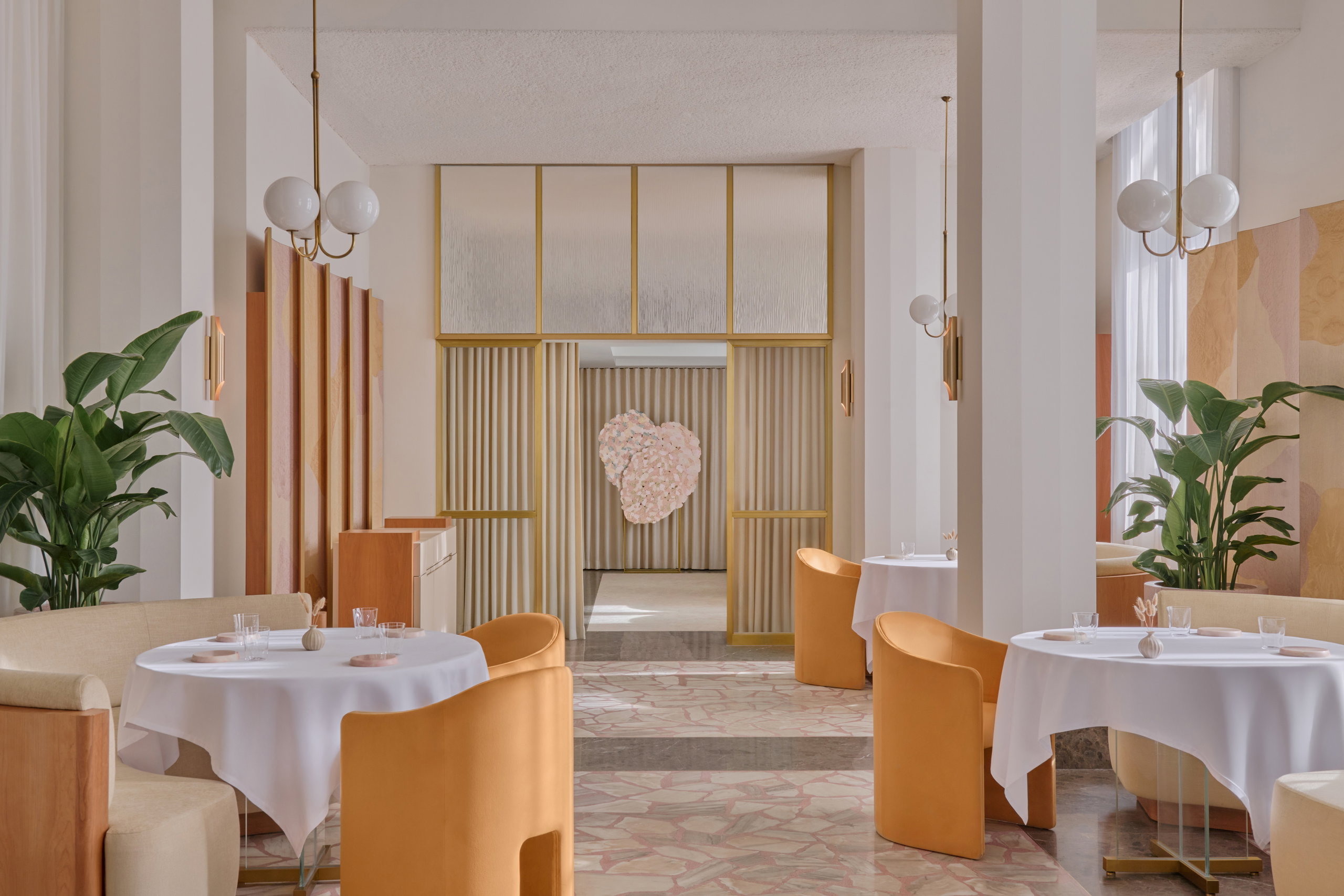
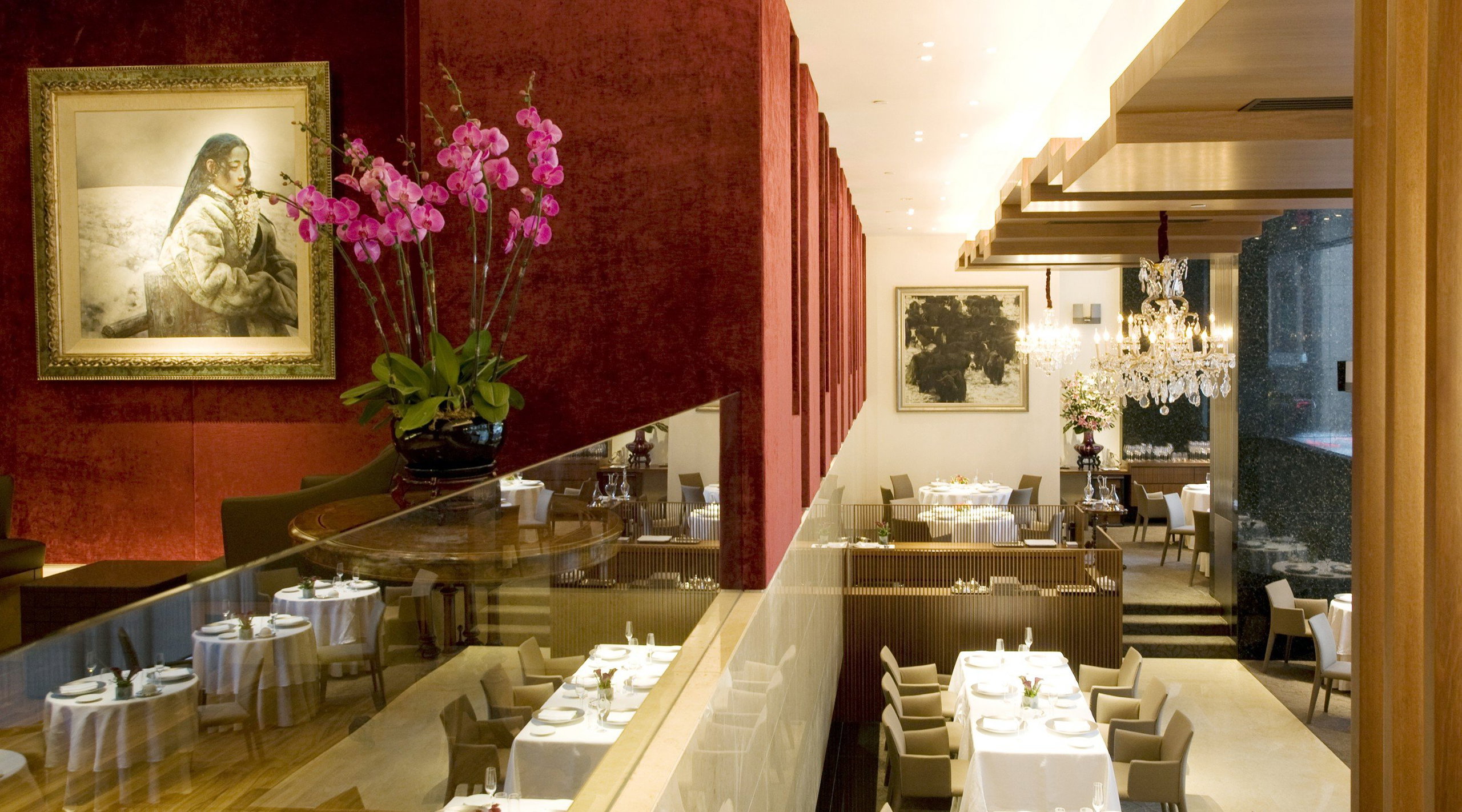
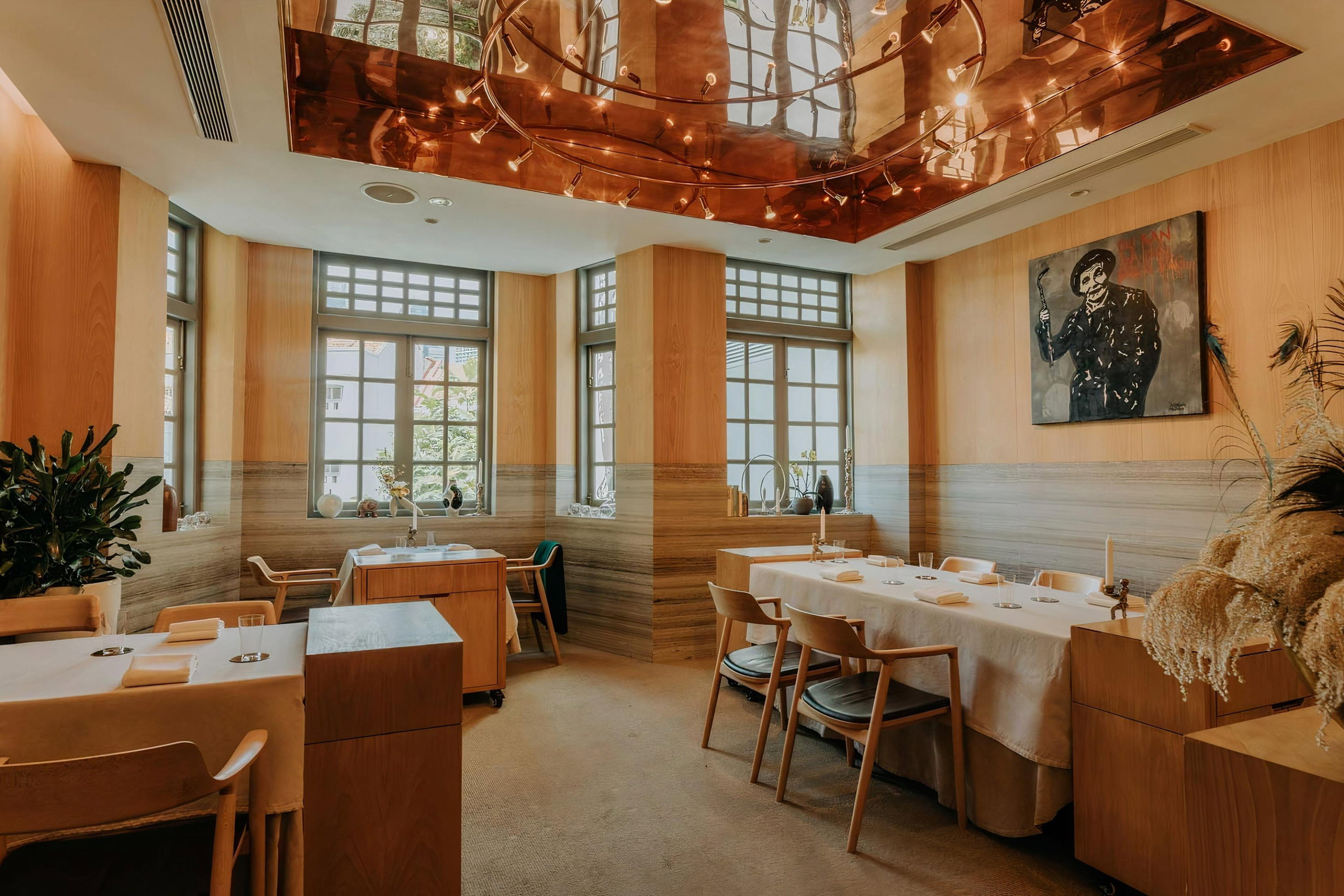
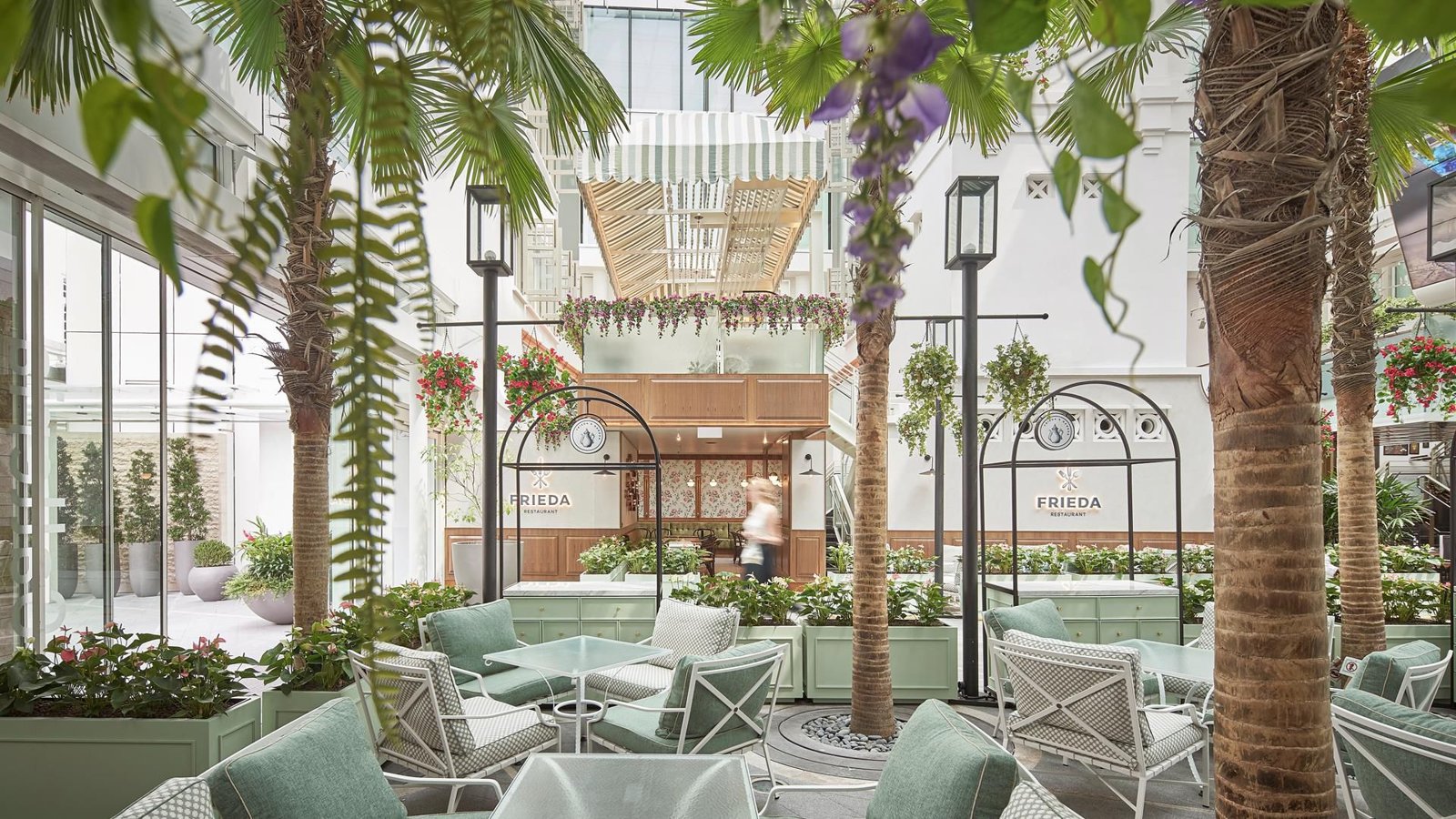
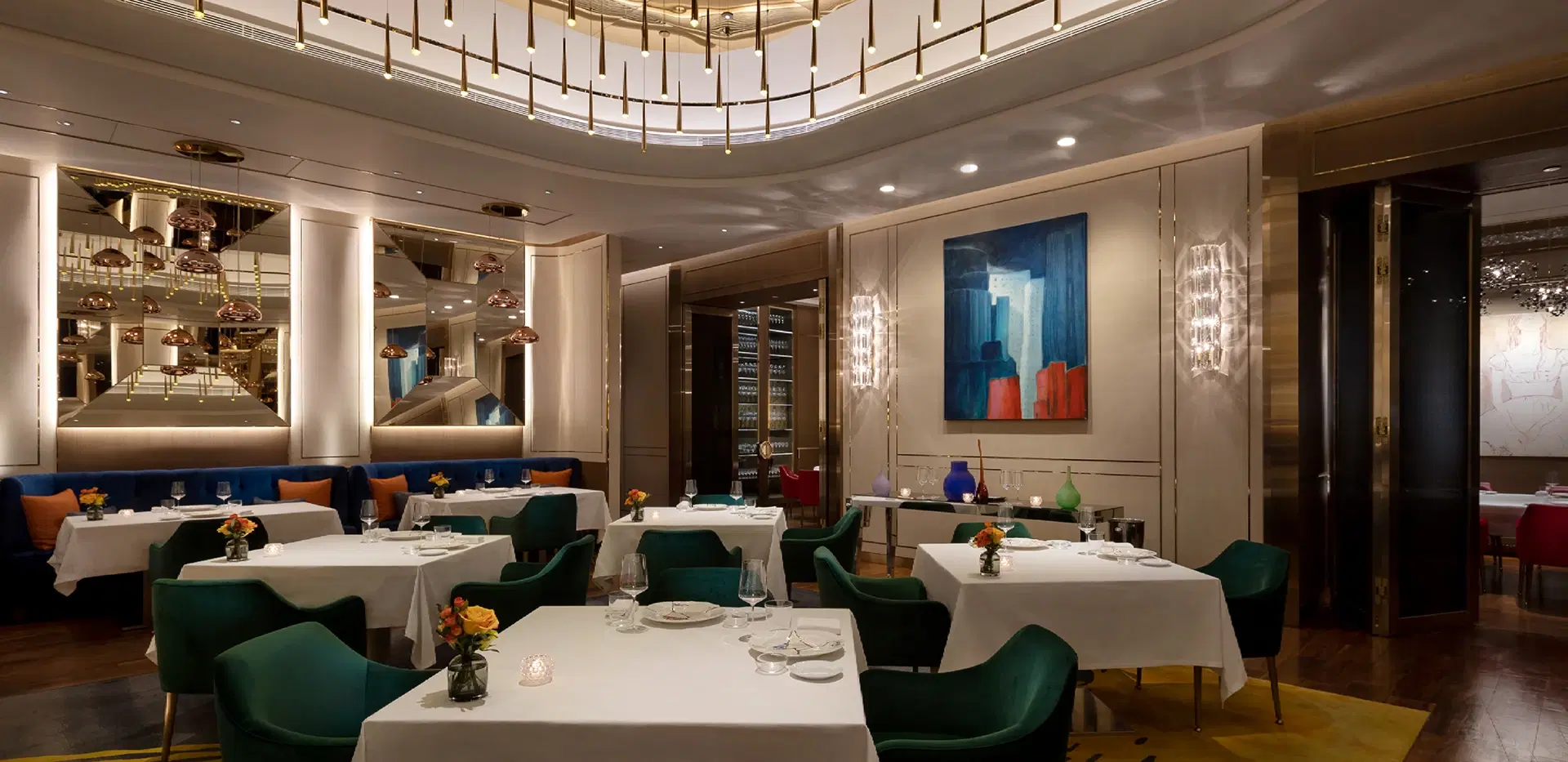
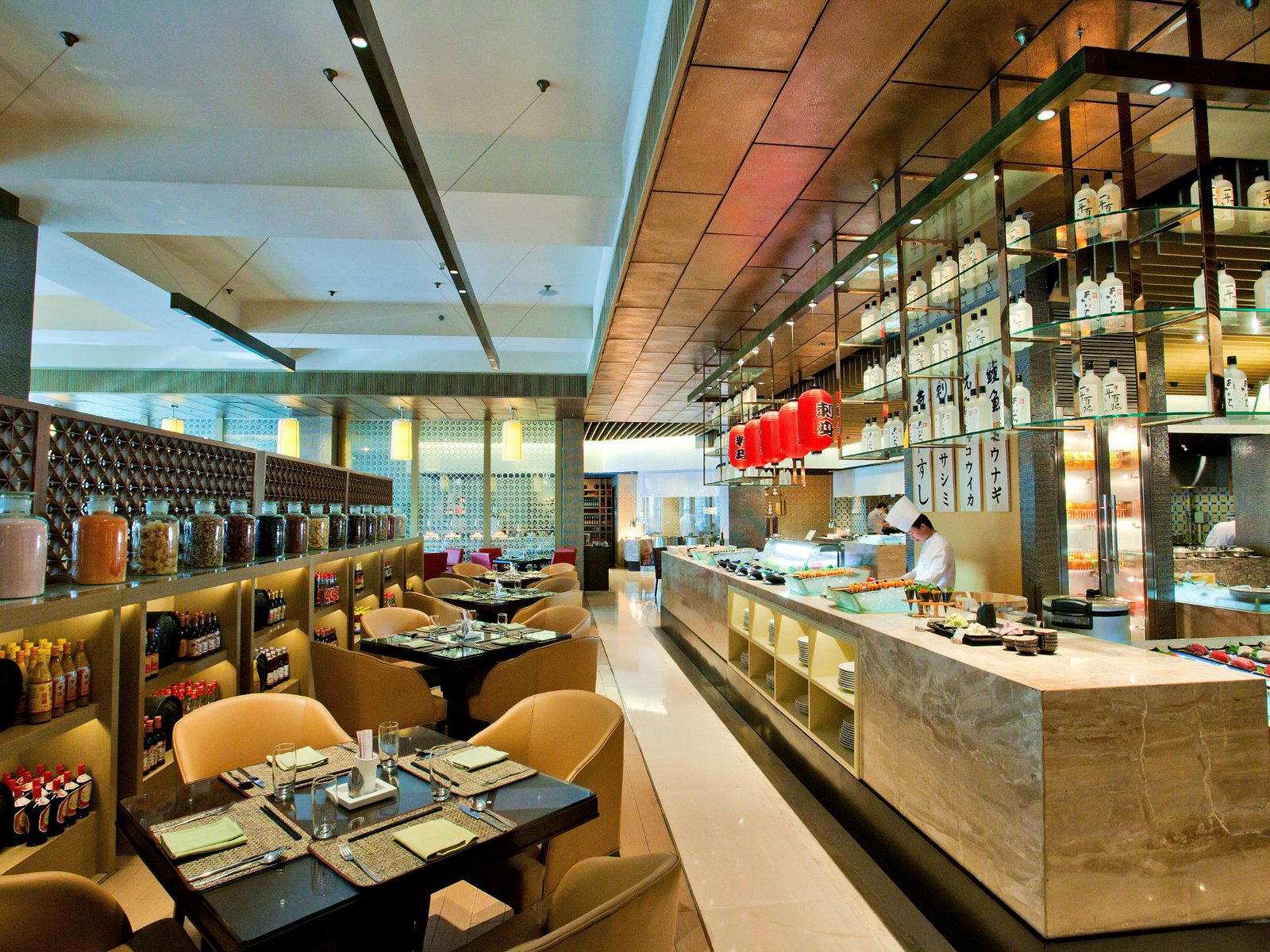
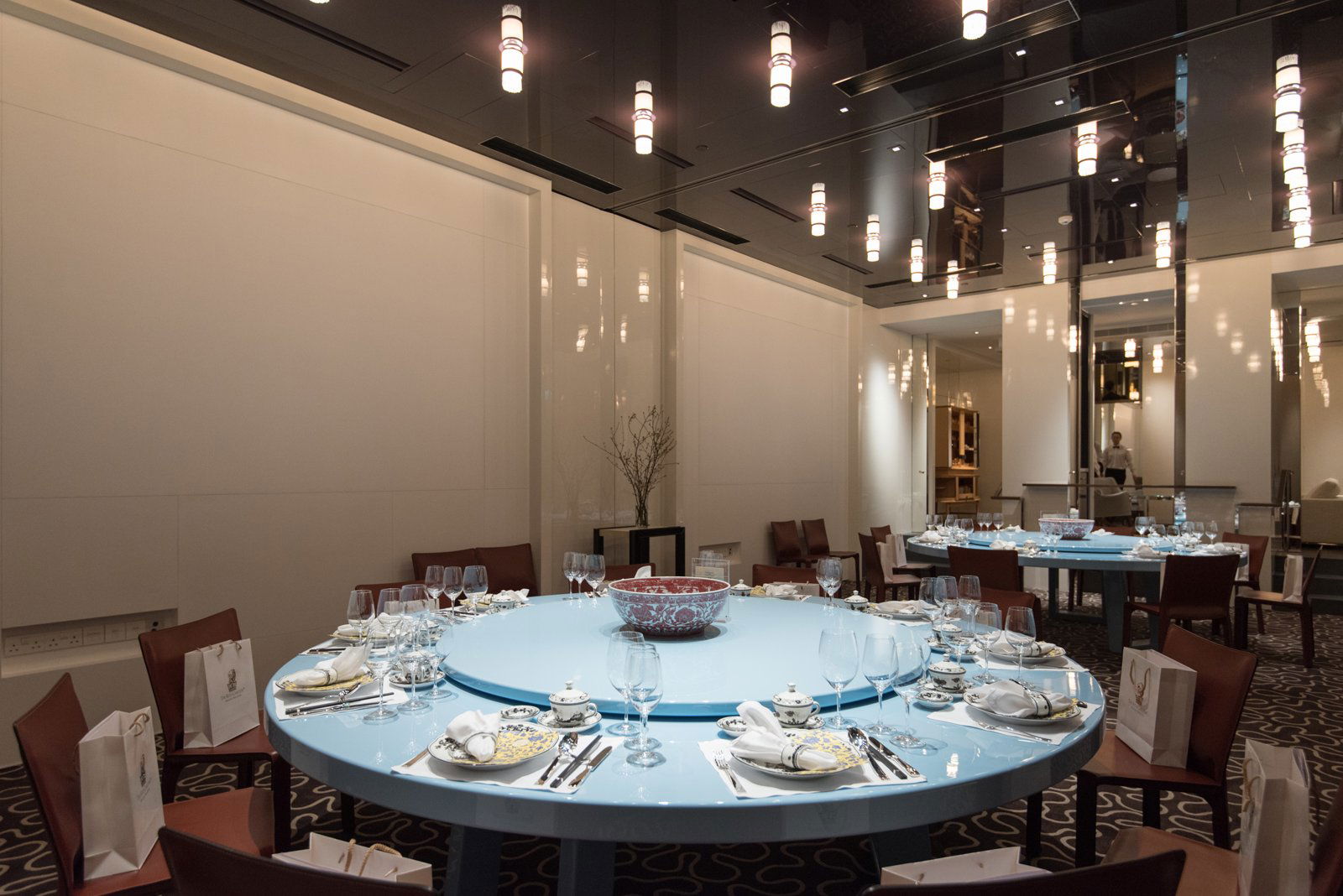
Summer Pavilion is a large, contemporary dining room surrounded by a garden that gives the space an unusually calm quality for its Marina Bay address. The kitchen under Chef Cheung Siu Kong runs a broad Cantonese menu that spans the full range of classical technique, soups, seafood preparations, braised dishes, alongside seasonal additions. This is not a lean, modernist Chinese tasting menu. It's a room that takes the Cantonese canon seriously and executes it with real precision, which is a different proposition from the abbreviated, fusion-inflected menus now common at many hotel Chinese restaurants across the region.
The sourcing philosophy here is what separates Summer Pavilion from the wider field. Cantonese cooking at this level lives or dies on ingredient quality, and the menu's seafood orientation reflects that directly. The kitchen highlights double-boiled sea whelk soup with fish maw, sautéed Dong Xing grouper fillet, and braised abalone among its specialities, all ingredients that require careful provenance and handling. These are not decorative listings. In Cantonese cuisine, the texture and flavour of dishes like these are inseparable from where and how the primary ingredient was sourced. The price you pay here is largely paying for that sourcing rigour, and for a kitchen skilled enough to make it count.
For a returning visitor, the move is to push past the familiar Cantonese entry points and commit to the seafood-led dishes. The grouper preparation and the sea whelk soup in particular represent the kitchen's strengths most clearly. Dim sum at lunch is a natural default but dinner is where the full scope of the menu opens up, braised and double-boiled dishes take time that lunchtime service doesn't always allow.
The Wine Program
The wine list is more serious than most diners expect at a Cantonese restaurant. Sommelier Alessandro Furfaro oversees 370 selections across an inventory of 1,780 bottles, with declared strengths in France, Champagne and Bordeaux particularly, and Italy. Pricing sits at $$$, meaning expect many bottles above SGD 100. The corkage fee is SGD 44 if you bring your own. For a meal where the food is the priority, this list is more than adequate and has depth worth exploring. Bordeaux with braised abalone is not a bad call if the budget allows.
Service and Room
The service here has genuine engagement rather than the remote formality that hotel fine dining can default to. The staff are described as providing service with "vim and vigour", which, in practice, means you're likely to be well-guided on ordering if you ask. For a returning visitor, that's useful: the menu's breadth can make it harder to build the right meal without input. General Manager Gery Lee oversees the floor, and the team's attentiveness is one of the consistent markers of the experience. The garden-adjacent setting adds a sensory quality that's harder to find in Singapore's denser dining districts, there's a quieter, greener feel to the room that makes it a genuinely different environment from the city's more urban fine dining options.
How It Compares to Singapore's Cantonese Peers
Singapore has a competitive Cantonese tier. Shisen Hanten, Jade Palace Seafood Restaurant, Jiang-Nan Chun, Majestic, and Min Jiang at Dempsey all occupy the same broad territory. Summer Pavilion's positioning at $$$ for cuisine and a top-100 Asia ranking puts it at the sharper end of that group, it's the option to choose when you want the full classical Cantonese experience at a high level of execution, not a casual dim sum lunch or a mid-tier hotel Chinese room.
For Cantonese cooking across the wider region, the comparison points worth knowing include Forum and T'ang Court in Hong Kong, Jade Dragon and Chef Tam's Seasons in Macau, and Le Palais in Taipei. In Shanghai, 102 House, Bao Li Xuan, and Canton 8 (Huangpu) offer useful benchmarks for the style. Summer Pavilion holds its own in that company.
Know Before You Go
- Address
- 7 Raffles Ave. Level 3, The Ritz-Carlton, Millenia Singapore, 039799
- Hours
- Daily: 11:30 AM–2:30 PM and 6:30 PM–10:30 PM
- Cuisine
- Cantonese
- Cuisine Pricing
- $$$ (typical two-course meal SGD 66+, excluding beverages)
- Wine List
- 370 selections, 1,780 bottles; strengths in Champagne, Bordeaux, and Italy; corkage SGD 44
- Chef
- Cheung Siu Kong
- Sommelier
- Alessandro Furfaro
- General Manager
- Gery Lee
- Awards
- Asia's 50 Best Restaurants #95 (2025); Black Pearl 1 Diamond (2025); Opinionated About Dining Leading Asia #124 (2025)
- Booking Difficulty
- Near Impossible, reserve well in advance
Explore More in Singapore
Planning more than one meal? Browse our full Singapore restaurants guide, our full Singapore hotels guide, our full Singapore bars guide, our full Singapore wineries guide, and our full Singapore experiences guide.
Part of
The Ritz-Carlton187 locations on PearlLocated inside
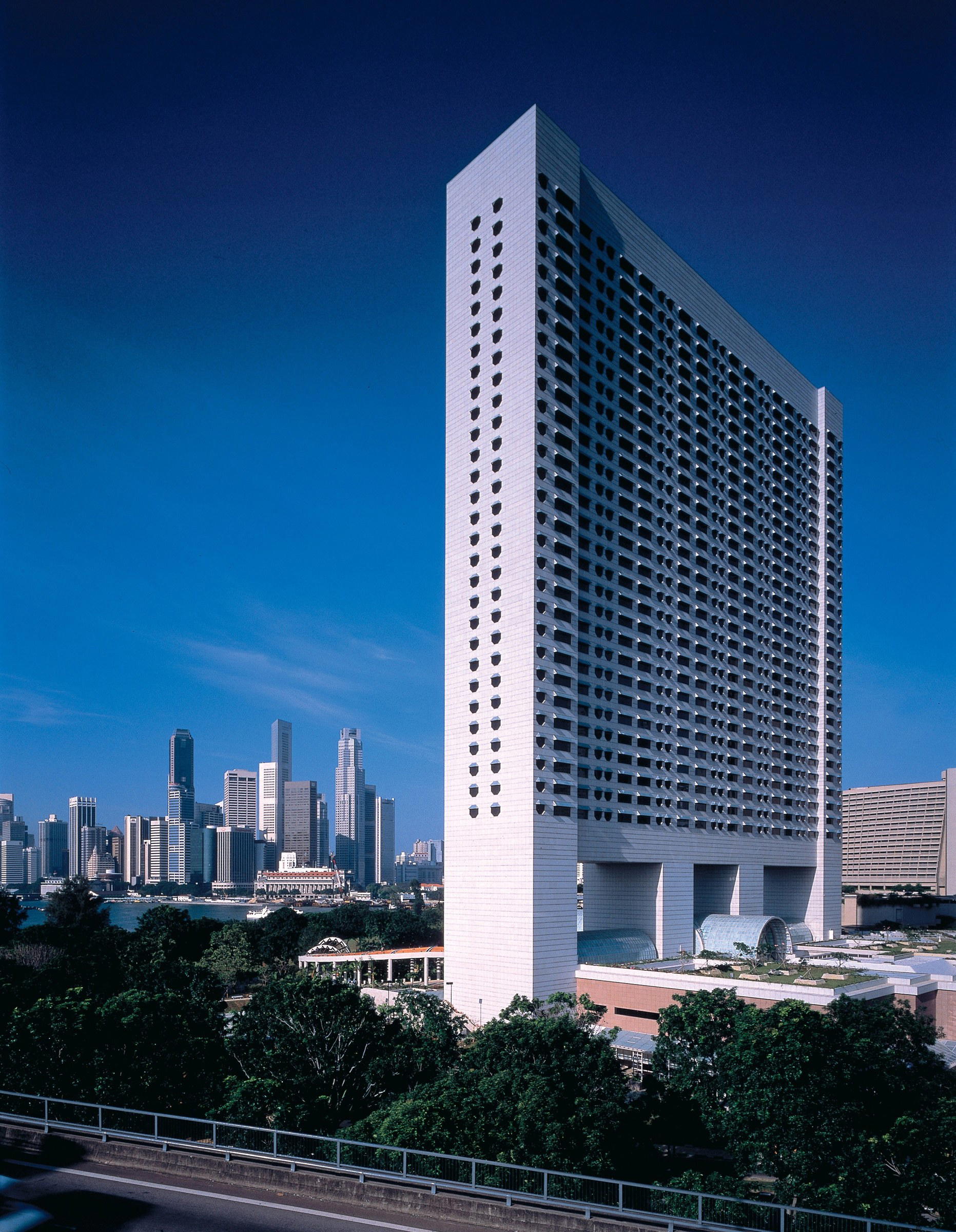 HotelThe Ritz-Carlton, Millenia SingaporeFull hotel guide
Planning details
- Hours
- Monday: 11:30 AM-2:30 PM 6:30 PM-10:30 PM · Tuesday: 11:30 AM-2:30 PM 6:30 PM-10:30 PM
- Location
- 7 Raffles Ave., Level 3 The Ritz-Carlton, Millenia, Singapore 039799
- Reservations
- Book on SevenRooms
- Website
- summerpavilion.com.sg
- Phone
- +65 6434 5286
The take
The Take
The Vibe
Summer Pavilion presents as a measured, high-end hotel Cantonese room that leans on institutional strengths rather than flash. The writing emphasizes international service standards, disciplined execution, and deep sourcing—live seafood tanks and premium dried goods—so the atmosphere reads as polished and restrained. It occupies a specific place in Singapore’s dining hierarchy: not experimental, but authoritative, trading on ingredient quality and technical consistency. The result is a composed, formal dining environment where attention is on impeccably prepared Cantonese classics and premium seafood, and the room feels deliberately set apart from busier, more casual city options.
Best For
This is a place to treat an important meal with serious intent: special occasions, business dinners and celebratory family meals fit naturally here because of the formal service, elevated sourcing and Michelin recognition. The kitchen’s focus on live seafood and premium dried goods makes it suitable for guests who expect refinement and technical consistency rather than casual sharing. Dim sum on the menu also makes midday visits viable, but the overall framing—hotel dining standards and award credentials—positions the restaurant most strongly for memorable lunch or dinner engagements where quality and presentation matter.
Ordering Tips
Lean into the restaurant’s strengths: seafood and Cantonese signature preparations. The menu highlights lobster-forward dishes (Poached Rice with Lobster, Lobster Pao Fan) alongside smoked duck, Dim Sum and Dong Xing Grouper—those items signal where the kitchen’s sourcing and technique aim to shine. Given the emphasis on live tanks and premium dried goods, prioritize live or premium seafood selections and classic preparations that showcase ingredient quality. Reservations are advisable for flagship items and for ensuring access to prized seafood, and sharing a few signature plates will let a group sample the kitchen’s range.
Venue details
Ambiance
Elegant and tranquil atmosphere with relaxing garden surroundings, high ceilings, spaced tables, and sophisticated decor praised for its comfort and tasteful design.
Tags
Vibe
Best For
Experience
View
At the Table
- Dress Code
- Smart Casual
- Noise Level
- Quiet
- Service Style
- Formal
- Meal Pacing
- Leisurely
- Capacity
- Large
- Kitchen
- Traditional
- Menu Format
- A la carte, Set menu
- Wine Program
- Curated
- Private Dining
- Available
Signature Dishes
- Poached Rice w/ Lobster
- Smoked Duck
- Dim Sum
- Lobster Pao Fan
- Dong Xing Grouper
Know before you go
Know Before You Go
- Getting there
- 7 Raffles Ave., Level 3 The Ritz-Carlton, Millenia, Singapore 039799
Planning details
Hours
- Monday
- 11:30 AM-2:30 PM 6:30 PM-10:30 PM
- Tuesday
- 11:30 AM-2:30 PM 6:30 PM-10:30 PM
- Wednesday
- 11:30 AM-2:30 PM 6:30 PM-10:30 PM
- Thursday
- 11:30 AM-2:30 PM 6:30 PM-10:30 PM
- Friday
- 11:30 AM-2:30 PM 6:30 PM-10:30 PM
- Saturday
- 11:30 AM-2:30 PM 6:30 PM-10:30 PM
- Sunday
- 11:30 AM-2:30 PM 6:30 PM-10:30 PM
Location
7 Raffles Ave., Level 3 The Ritz-Carlton, Millenia, Singapore 039799 · Directions
Recognition and awards



Also consider
Also Consider
- Zén, European Contemporary, $$$$
- Jaan by Kirk Westaway, British Contemporary, $$$
- Iggy's, Modern European, European Contemporary, $$$
- Waku Ghin, Creative Japanese, Japanese Contemporary, $$$$
- Burnt Ends, Australian Barbecue, Barbecue, $$$
Restaurant context
Summer Pavilion sits in a different category from Singapore's European fine dining options, but the comparison is still worth making for anyone deciding where to spend a serious evening. Zén ($$$$) and Waku Ghin ($$$$) both charge more and offer tasting-menu formats that remove the ordering decision entirely. If you want a set progression of courses at the highest technical level, either of those is the call. Summer Pavilion at $$$ gives you more control over the meal and represents better value if you're focused on Cantonese cooking specifically, the cuisine type alone justifies the choice for diners who want the real thing rather than a European or Japanese counterpart.
Jaan by Kirk Westaway ($$$) and Iggy's ($$$) are both at the same price tier and are the right comparison for a business dinner or occasion meal where the cuisine type is less fixed. Jaan has stronger views-based appeal from its Swissôtel perch; Iggy's is the pick for a more intimate, wine-led evening with a European menu. Summer Pavilion is the one to book when Cantonese cooking is specifically what the occasion calls for, the seafood sourcing and classical breadth are not replicated by either. Burnt Ends ($$$) is a different animal entirely: excellent for a more casual, high-energy meal but not a meaningful comparison for a table booking of this type.
On booking difficulty, Summer Pavilion is rated near impossible, in line with Zén and Waku Ghin. Jaan and Burnt Ends tend to be more accessible at shorter notice. If you're planning a Singapore trip and Cantonese cooking is on the list, Summer Pavilion should be the first reservation you make, not an afterthought once the other tables are full.
Explore Singapore
Around this place
Discover more on Pearl
Unlock the full Summer Pavilion guide in Pearl, including awards, comparisons, FAQs, planning details, and nearby places.
Compare Summer Pavilion
| Venue | Price | Booking Difficulty | Awards |
|---|---|---|---|
| Summer Pavilion | $$ | Near Impossible | Michelin 1 Star 20262026 OAD Top Restaurants in Asia Highly Recommended2026 Black Pearl 1 Diamond2026 Wine Spectator Best of Award of Excellence2025 Asia's 50 Best Restaurants · #952025 OAD Top Restaurants in Asia Ranked · #1242025 Wine Spectator Best of Award of Excellence2025 Michelin 1 Star2025 The Best Chef One Knife |
| Zén | $$$$ | Unknown | 2026 OAD Top Restaurants in Asia Ranked · #4Michelin 3 Stars 20262026 Black Pearl 1 Diamond2026 La Liste Top Restaurants2025 OAD Top Restaurants in Asia Ranked · #32025 Asia's 50 Best Restaurants · #792025 La Liste Top Restaurants2025 Michelin 3 Stars2025 The Best Chef Two Knives |
| Jaan by Kirk Westaway | $$$ | Unknown | 2026 OAD Top Restaurants in Asia Ranked · #52Michelin 2 Stars 20262026 Black Pearl 2 Diamond2026 Les Grandes Tables du Monde Members2026 La Liste Top Restaurants2025 Asia's 50 Best Restaurants · #77We're Smart World Top Restaurants 2025We're Smart World Top 100 2025Tatler Best Restaurants Asia-Pacific 2025 |
| Iggy's | $$$ | Unknown | 2026 Forbes 4-StarMichelin 1 Star 20262026 OAD Top Restaurants in Asia Highly Recommended2026 La Liste Top Restaurants2025 Forbes 4-Star2025 La Liste Top Restaurants2025 Michelin 1 Star2024 OAD Top Restaurants in Asia Ranked · #1492024 Michelin 1 Star |
| Waku Ghin | $$$$ | Unknown | 2026 OAD Top Restaurants in Asia Ranked · #612026 Forbes 5-StarMichelin 1 Star 20262026 Black Pearl 1 Diamond2026 Wine Spectator Best of Award of Excellence2026 La Liste Top Restaurants2025 OAD Top Restaurants in Asia Ranked · #502025 Wine Spectator Best of Award of Excellence2025 La Liste Top Restaurants |
| Burnt Ends | $$$ | Unknown | 2026 World's Best Steaks 101 Best Steak Restaurants · #92026 OAD Top Restaurants in Asia Ranked · #382026 Asia's 50 Best Restaurants · #59Michelin 1 Star 20262026 Black Pearl 1 Diamond2026 Wine Spectator Award of Excellence2026 La Liste Top RestaurantsWorld's Best Wine Lists 2026 — Global Category Winners2025 World's Best Steaks 101 Best Steak Restaurants · #5 |











Side-by-side comparison to help you decide where to book.
FAQ
Frequently Asked Questions
What should I wear to Summer Pavilion?
The setting is a contemporary hotel dining room at The Ritz-Carlton, Millenia, so treat it accordingly: neat, presentable clothing is appropriate. Shorts and flip-flops will feel out of place. Think business casual at minimum — the room attracts a mix of business lunches and celebratory dinners, and the OAD Top 100 and 50 Best Asia #95 rankings signal the level of occasion the restaurant is pitched at.
What should I order at Summer Pavilion?
The menu's seafood section is the standout: double-boiled sea whelk soup with fish maw, sauteed Dong Xing grouper fillet, and braised abalone are all listed specialities under Chef Cheung Siu Kong. For a table covering multiple bases, anchor your order around seafood and supplement with seasonal Cantonese dishes. If you want to explore the wine list, Sommelier Alessandro Furfaro oversees 370 selections with particular depth in France and Italy.
Is Summer Pavilion good for a special occasion?
Yes — it's one of the stronger choices in Singapore for a celebratory dinner. The garden-surrounded dining room provides a calmer atmosphere than most Marina Bay venues, and the service has genuine engagement rather than corporate detachment. The combination of OAD Top 100 Asia (2025) and 50 Best Asia #95 (2025) gives it the credential weight to justify the occasion, and the $$ cuisine pricing means it won't reach the heights of Zén or Waku Ghin in cost.
Is lunch or dinner better at Summer Pavilion?
Lunch is the better value entry point at $$ cuisine pricing, and the kitchen runs the same hours daily (11:30 AM–2:30 PM, 6:30 PM–10:30 PM), so access is consistent. Dinner gives you more time in the room and a fuller experience of the wine list, which runs at $$$ pricing with a $44 corkage if you bring your own. For a first visit on a tighter budget, lunch is the call; for a special occasion, dinner.
Is Summer Pavilion good for solo dining?
It works for solo diners, particularly at lunch when the pace is more relaxed. The large contemporary room and attentive service style mean you won't feel overlooked, and the à la carte Cantonese format lets you order selectively without committing to a set menu. Solo diners comfortable at hotel fine-dining counters will find this straightforward; if you want a counter-format experience, the omakase rooms around Singapore suit solo dining more naturally.