


Yi Long Court
Cantonese · Lan Ni Du, Shanghai
Restaurant in Shanghai, China
 Book with Pearl
The Read
Bund-Side Cantonese Precision
Price
$150–200per person
Chef
Jacky Zhang
Why go
Yi Long Court at The Peninsula Shanghai is the most practical entry point for top-tier Cantonese dining on the Bund, with easy booking and Peninsula-grade service. Visit in autumn for the hairy crab seasonal menus, which are the strongest reason to choose it over comparable rooms. Private dining is available and worth requesting for groups.
About Yi Long Court
Verdict: Worth Booking, But Time Your Visit Around Hairy Crab Season
Getting a table at Yi Long Court is easier than you might expect for a restaurant ranked #280 in Asia by Opinionated About Dining in 2024 and #296 in 2025. Booking difficulty is low by the standards of top-tier Cantonese dining in China, which means you are not competing with a three-month waitlist. That said, if you are visiting Shanghai in autumn specifically to eat hairy crab, book the moment you have your travel dates confirmed. The seasonal prix fixe menus built around hairy crab are the single strongest argument for choosing Yi Long Court over comparable Cantonese rooms in the city, and they sell out ahead of general availability.
The Space
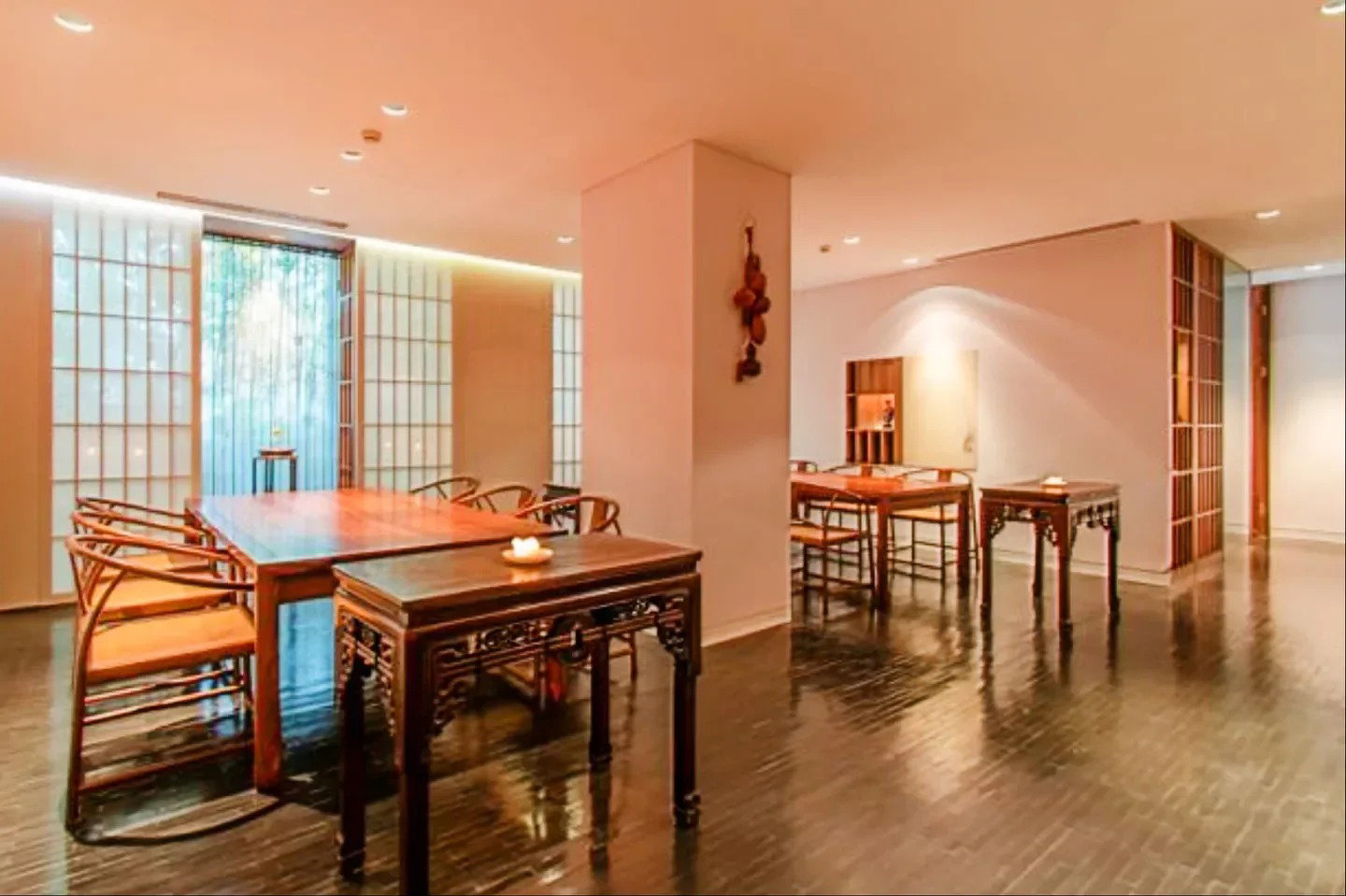
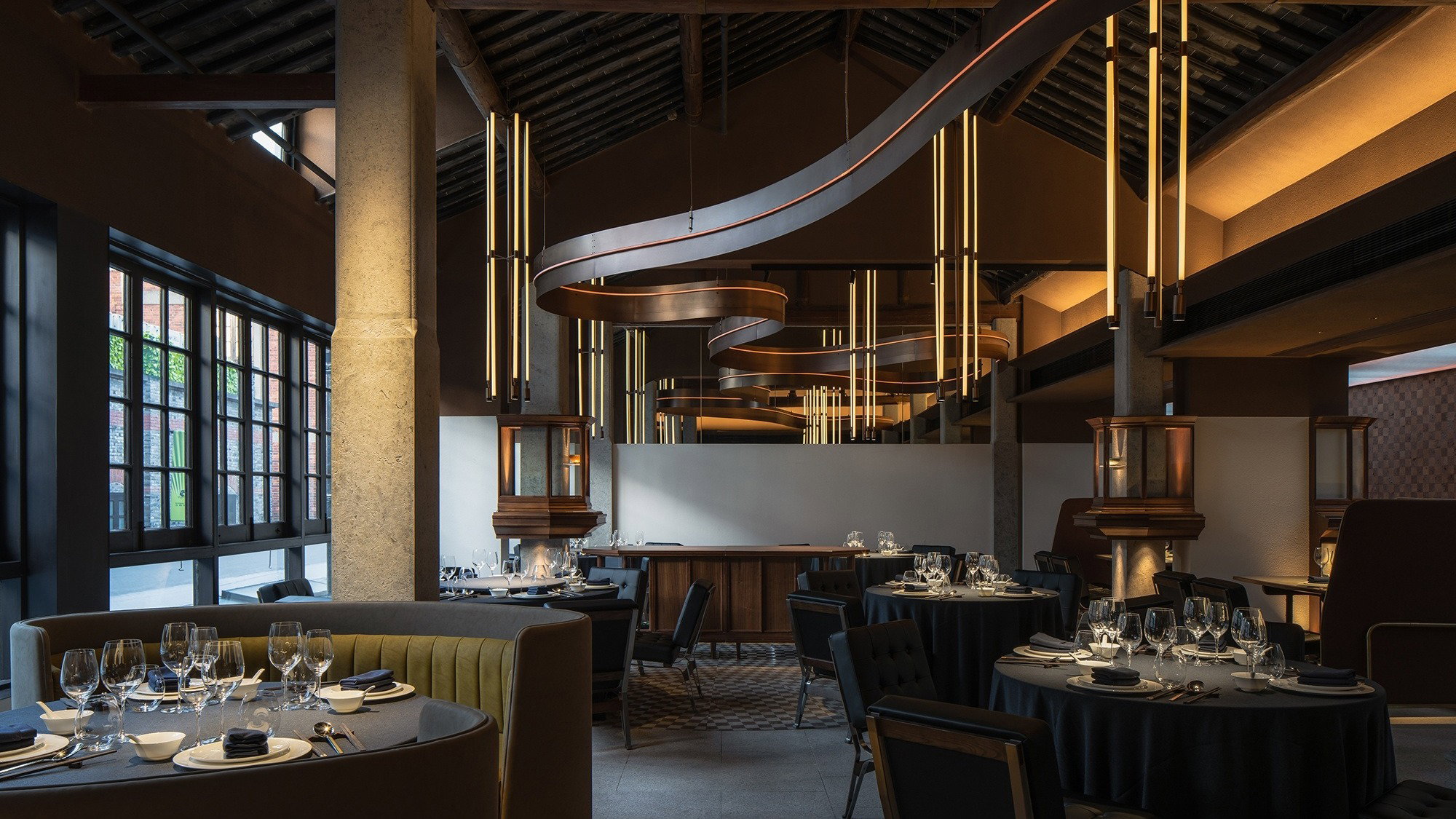
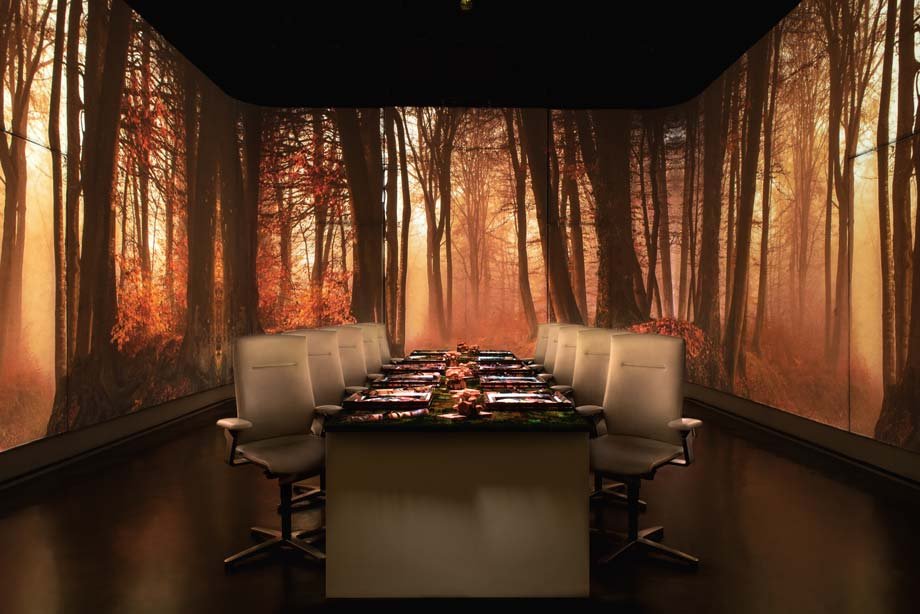
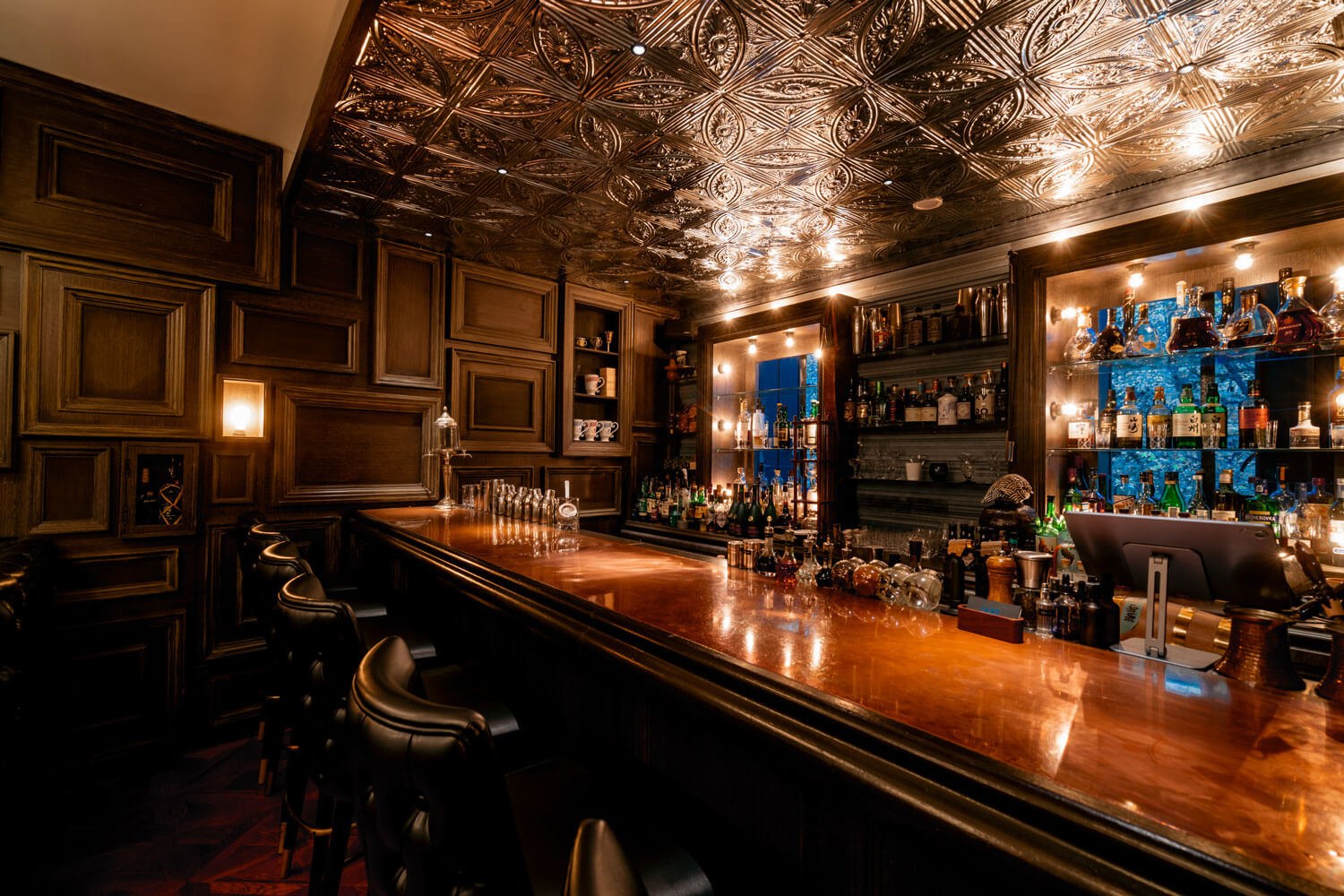
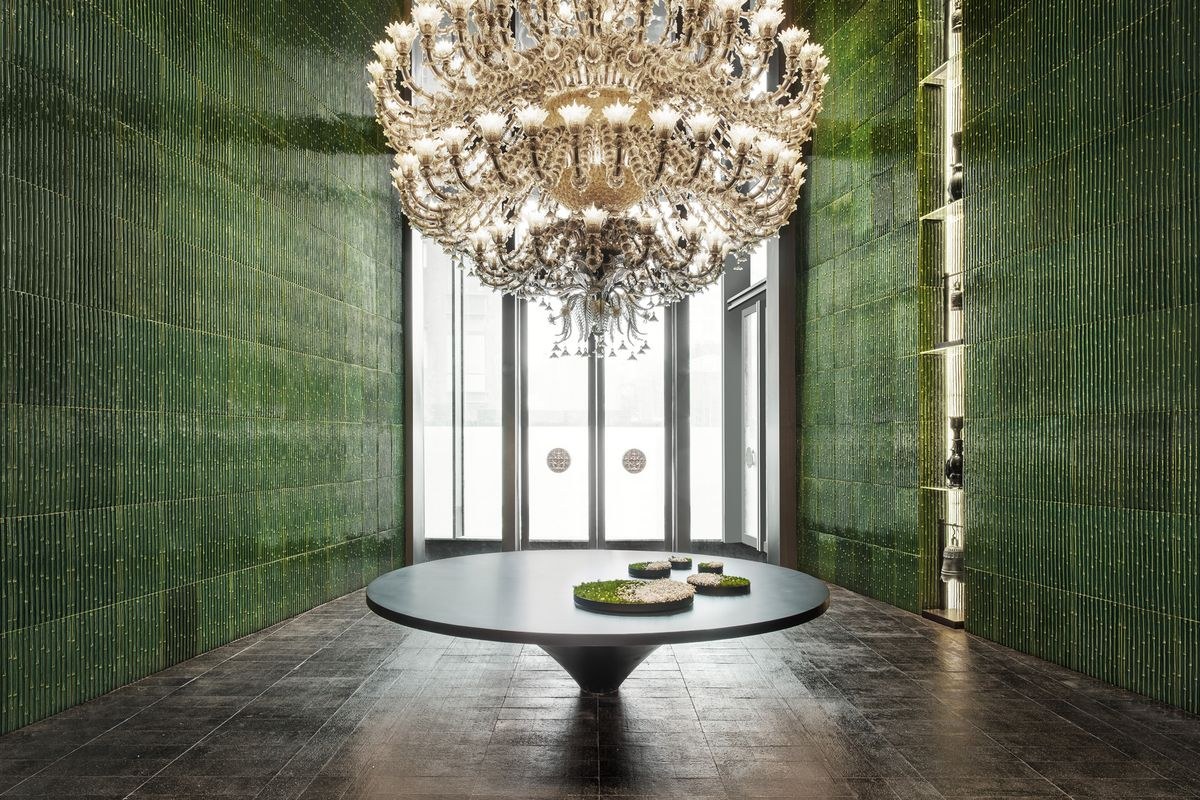
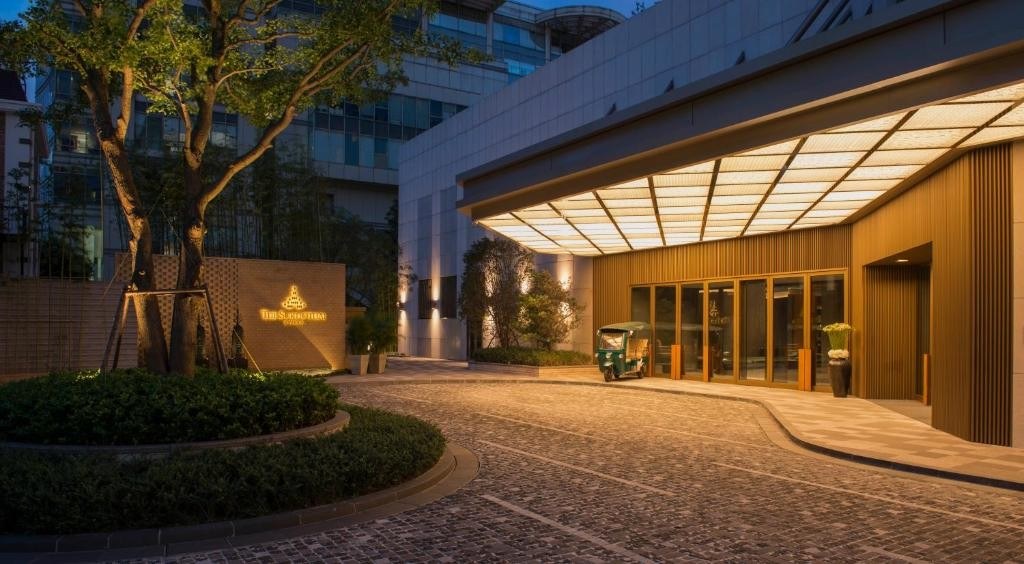
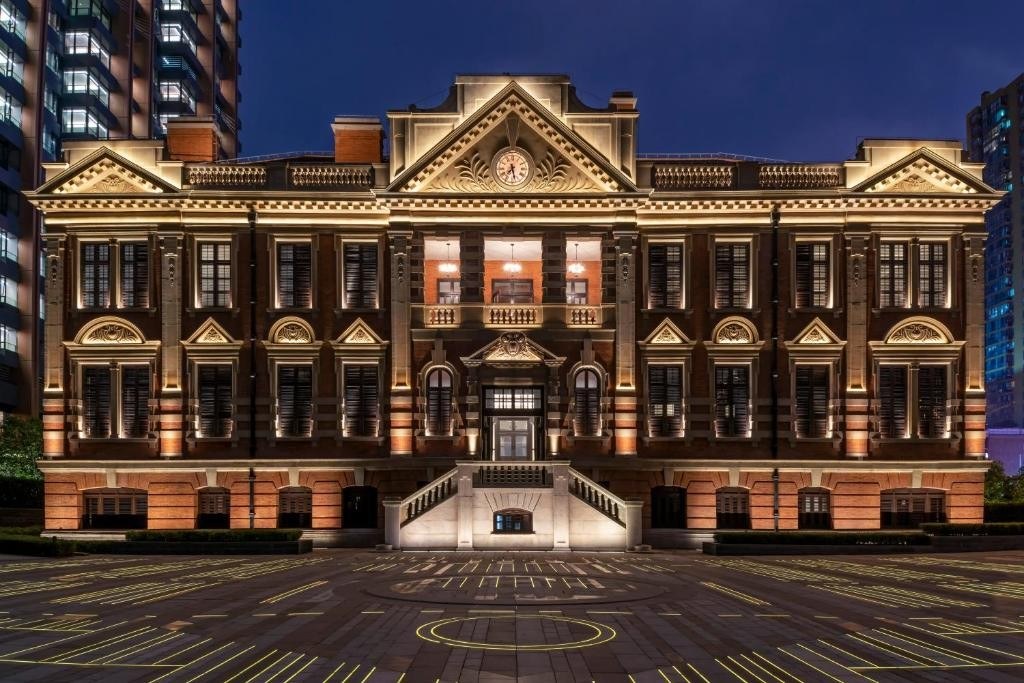
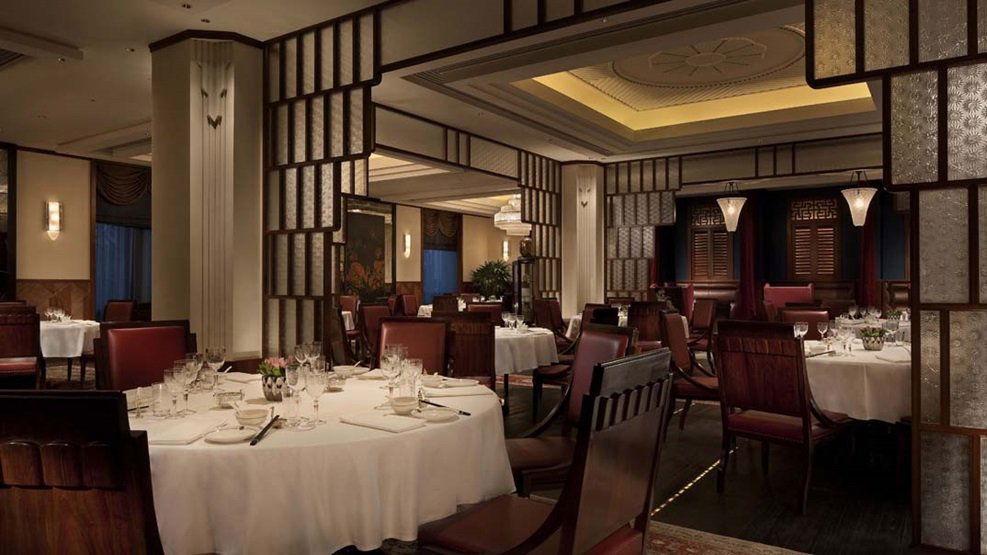
Yi Long Court occupies the second floor of The Peninsula Shanghai on the Bund, and the room was designed to evoke the home of a wealthy Shanghainese merchant from the 1930s. That framing translates into dark wood panelling, private dining rooms that feel genuinely residential rather than corporate, and a pace of service that matches the setting. If you are returning after a first visit spent in the main dining room, the next move is to request one of the private rooms. They seat groups comfortably, the service ratio improves noticeably, and the atmosphere shifts from hotel-restaurant to something more considered. For parties of four or more, this is the better choice. Solo diners and couples are well handled at standard tables, and there is a dim sum lunch set designed specifically for solo diners.
The tea bar is worth mentioning because it is not a token gesture. A dedicated tea expert is present to walk you through the selection, which spans a range of varieties with distinct aromas and health profiles. This is a practical alternative to wine pairing for a Cantonese meal and fits the format of the cuisine more naturally. There is no traditional bar in the Western hotel-restaurant sense.
What to Order, and When
The seasonal angle at Yi Long Court is not background decoration. Hairy crab season arrives in autumn, typically October through December, and the kitchen builds dedicated prix fixe menus around it: a six-course lunch option and an eight-course dinner. The crab appears across multiple preparations including soup and dumplings, which gives you a fuller read on the kitchen's technique than ordering a single preparation would. If you are visiting outside hairy crab season, the pan-fried scallops are a consistent signature, and the shrimp-stuffed squid and steamed red snapper with ginger and onions are reliable indicators of how the kitchen handles live seafood. Fresh seafood is flown in from international sources, which at ¥¥¥¥ pricing is the expectation rather than a bonus.
Dim sum lunch runs daily from 11:30 a.m. to 2:30 p.m. Barbecue pork puffs and steamed shrimp dumplings are on the menu, and the deep-fried pork dumplings with a blistered crust and pork-mushroom filling have drawn specific mention from inspector notes. Dinner runs 6 to 10:30 p.m. nightly. If you came for dim sum on your first visit and have not tried the dinner format, the more ambitious seafood preparations and the noodle in lobster broth are the reason to come back in the evening.
For Cantonese dining at a comparable tier across the region, Chef Tam's Seasons in Macau, Forum in Hong Kong, and Le Palais in Taipei are the relevant comparisons if you are calibrating what ¥¥¥¥ Cantonese should deliver. Within mainland China, Xin Rong Ji in Beijing and Xin Rong Ji in Chengdu offer a different regional register at a similar price point.
Practical Details
The dress code is smart casual: no shorts, no open-toed shoes. Men should plan for trousers and a button-down shirt; women are expected to be similarly dressed. This is consistent with Peninsula hotel dining standards globally and is enforced. Bilingual service is available at the head waiter and manager level, so a language barrier is not a serious obstacle for non-Mandarin speakers, though the venue notes you may need to repeat yourself occasionally with other staff.
For other high-end Chinese dining options in Shanghai, Ji Pin Court, Imperial Treasure Fine Chinese Cuisine, and Bao Li Xuan are worth comparing before you commit. Canton 8 (Huangpu) and 102 House sit at lower price points if you want Cantonese or Shanghainese cooking without the Peninsula overhead. See also Dai Yuet Heen in Nanjing and Imperial Treasure Fine Chinese Cuisine in Guangzhou if you are building a regional itinerary.
| Venue | Price | Cuisine | Booking Difficulty | Leading For |
|---|---|---|---|---|
| Yi Long Court | ¥¥¥¥ | Cantonese | Easy | Seasonal menus, private dining, Peninsula service |
| Ming Court | ¥¥¥ | Cantonese | Easy | Strong Cantonese at a lower price tier |
| Royal China Club | ¥¥¥ | Chinese, Cantonese | Easy | Club-style atmosphere, classic execution |
| Fu He Hui | ¥¥¥¥ | Vegetarian | Moderate | Premium plant-based dining, design-forward room |
| Scarpetta | ¥¥¥ | Italian | Easy | European alternative, same neighbourhood tier |
For broader planning, see our full Shanghai restaurants guide, our full Shanghai hotels guide, our full Shanghai bars guide, our full Shanghai wineries guide, and our full Shanghai experiences guide. If you are interested in Cantonese dining beyond Shanghai, Ru Yuan in Hangzhou is a strong regional option worth considering alongside Yi Long Court.
Located inside
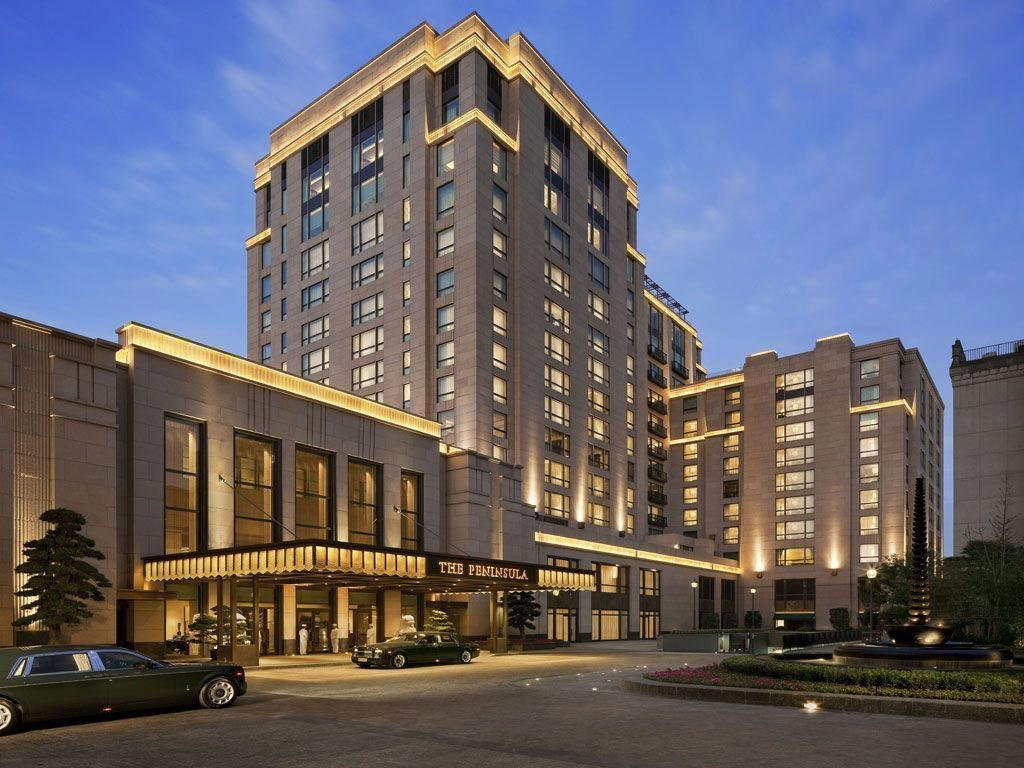 HotelThe Peninsula ShanghaiFull hotel guide
Planning details
- Location
- 32 Zhongshan Rd (E-1), Waitan, Huangpu, Shanghai, China, 200120
- Website
- peninsula.com/en/shanghai/hotel-fine-dining/yi-long-court-chinese-restaurant
- Phone
- +86 21 2327 6742
The take
The Take
The Vibe
Yi Long Court inhabits a quietly formal strand of luxury dining. The dining room leans into a layered, period-inspired aesthetic — lacquered surfaces and 1930s Shanghainese references — that reads as refined and deliberately restrained. The space favors subtlety over spectacle: it feels theatrical in composition but muted in volume, an effect that complements Cantonese cooking’s emphasis on clarity and restraint. Service and room both aim for an elevated, hotel-grade polish, producing an overall atmosphere that is elegant, classic and intimate rather than flashy or modernist.
Best For
This is a destination for diners seeking composed, high-end Cantonese fare in a hotel setting. The Peninsula location and structured private rooms make it well suited to business dinners and small special occasions where discretion and formality matter. The quiet, intimate layout also works for date nights when you want conversation to be uninterrupted by noise. It’s particularly appropriate for guests who appreciate traditional technique and ingredient-led cooking rather than bold or theatrical presentations.
Ordering Tips
Yi Long Court emphasizes classical Cantonese technique and ingredient integrity, so focus on preparations that showcase freshness. Steamed seafood and simply seasoned dishes are the clearest expressions of the kitchen’s philosophy — the sauce should frame, not overwhelm, the primary ingredient. Given the restaurant’s operational focus on fresh catch, prioritise seafood selections and ask about today’s best items if you want the most straightforward demonstration of the cuisine’s subtlety and clarity.
Venue details
Ambiance
Elegant and luxurious, with Art Deco interiors evoking a wealthy 1920s Shanghainese merchant’s home.
Tags
Vibe
Best For
Experience
At the Table
- Service Style
- Formal
- Meal Pacing
- Leisurely
- Kitchen
- Traditional
- Menu Format
- Tasting menu, Set menu
Signature Dishes
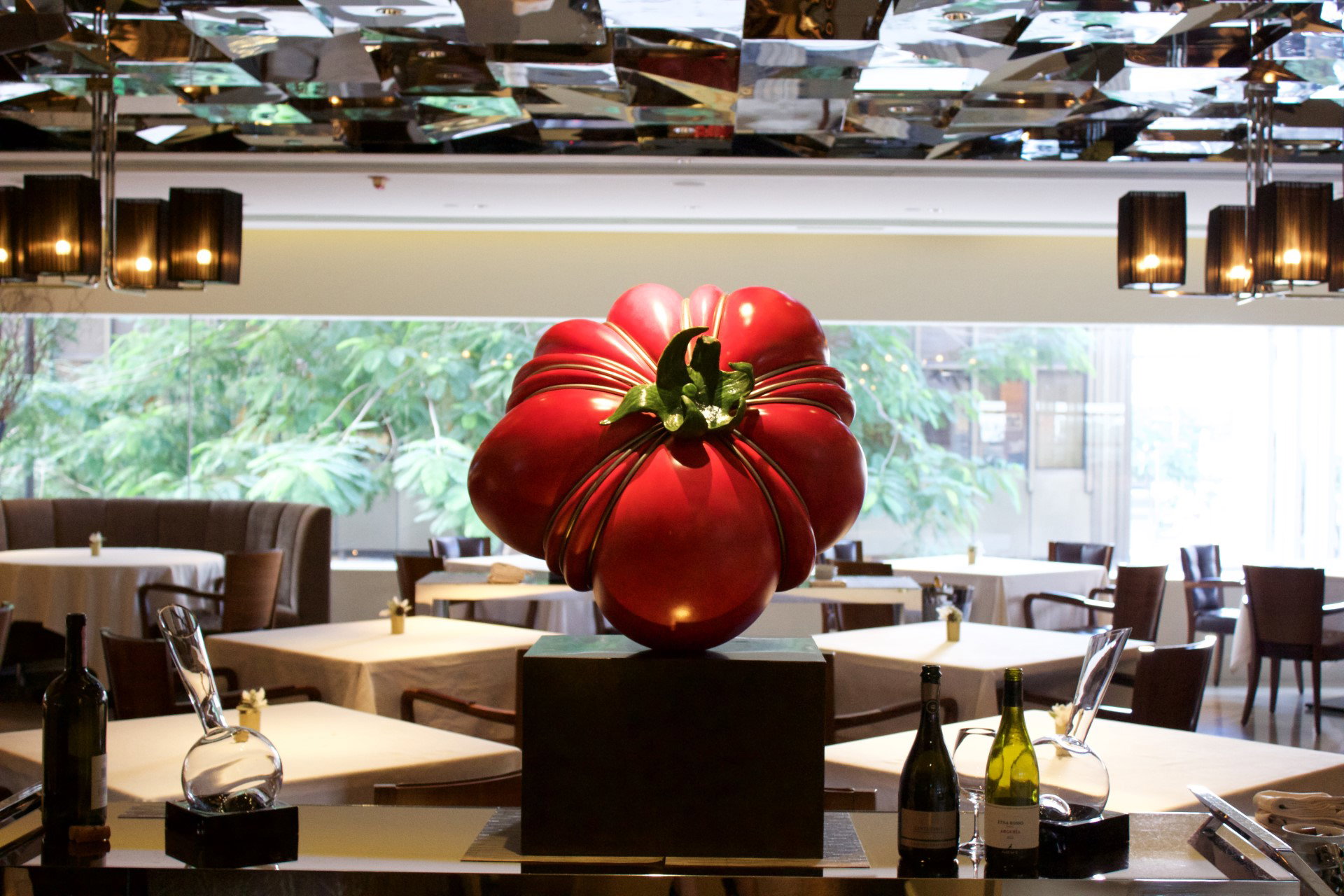
Organic tomato soup with giant grouper fillet
Know before you go
Know Before You Go
- Getting there
- 32 Zhongshan Rd (E-1), Waitan, Huangpu, Shanghai, China, 200120
Planning details
Location
32 Zhongshan Rd (E-1), Waitan, Huangpu, Shanghai, China, 200120 · Directions
peninsula.com/en/shanghai/hotel-fine-dining/yi-long-court-chinese-restaurant
Recognition and awards


Also consider
Also Consider
- Fu He Hui, Vegetarian, ¥¥¥¥
- Ming Court, Cantonese, ¥¥¥
- Polux, French, ¥¥
- Royal China Club, Chinese, Cantonese, ¥¥¥
- Scarpetta, Italian, ¥¥¥
Restaurant context
Yi Long Court sits at the top of the Cantonese price tier in Shanghai at ¥¥¥¥, but it is easier to book than its OAD ranking implies. The main comparison within the same cuisine is Ming Court at ¥¥¥, which delivers credible Cantonese cooking at a lower price point. If budget is a constraint but you want to stay within Cantonese, Ming Court is the practical alternative. Royal China Club at ¥¥¥ offers a club-style atmosphere that some diners prefer for business meals, though it lacks Yi Long Court's seasonal menu structure and hotel-dining service depth.
Fu He Hui matches Yi Long Court on price at ¥¥¥¥ and is the better choice if your group includes non-meat eaters or you want a design-forward room as part of the experience. It draws a different diner and should not be treated as a direct Cantonese substitute. For European alternatives at a step down in price, Scarpetta at ¥¥¥ and Polux at ¥¥ are well-regarded in their categories but serve a different purpose entirely. Choose them if your group is not committed to Chinese cooking.
The clearest case for Yi Long Court over its Cantonese peers in Shanghai is the seasonal programming. No comparable room in this price tier offers a dedicated hairy crab menu with the same depth across both lunch and dinner formats. If you are visiting Shanghai in October through December and Cantonese cuisine is the priority, Yi Long Court is the right booking. Outside of hairy crab season, the gap between Yi Long Court and Ming Court narrows considerably, and the price difference becomes harder to justify unless the Peninsula setting and private room option matter to you.
Explore Shanghai
Around this place
Discover more on Pearl
Unlock the full Yi Long Court guide in Pearl, including awards, comparisons, FAQs, planning details, and nearby places.
Compare Yi Long Court
| Venue | Price | Booking Difficulty | Awards |
|---|---|---|---|
| Yi Long Court | ¥¥¥¥ | Easy | 2026 Forbes Recommended2026 OAD Top Restaurants in Asia RecommendedMichelin Guide Shanghai Jiangsu Zhejiang 20262025 OAD Top Restaurants in Asia Ranked · #2962025 Michelin 1 Star2025 Forbes Recommended2024 OAD Top Restaurants in Asia Ranked · #2802024 Michelin 1 Star2023 OAD Top Restaurants in Asia Highly Recommended |
| Fu He Hui | ¥¥¥¥ | Unknown | 2026 Asia's 50 Best Restaurants · #112026 OAD Top Restaurants in Asia Ranked · #562026 Black Pearl 2 DiamondMichelin Guide Shanghai Jiangsu Zhejiang 20262026 La Liste Top Restaurants2025 Asia's 50 Best Restaurants · #152025 OAD Top Restaurants in Asia Ranked · #592025 World's 50 Best Restaurants · #64We're Smart World Top Restaurants 2025 |
| Ming Court | ¥¥¥ | Unknown | 2025 OAD Top Restaurants in Asia Ranked · #1692025 Black Diamond 1 Diamond2025 Michelin 1 Star2024 OAD Top Restaurants in Asia Ranked · #1602024 Michelin 1 Star2023 OAD Top Restaurants in Asia Highly Recommended |
| Polux | ¥¥ | Unknown | 2026 OAD Casual in Asia Ranked · #101Michelin Guide Shanghai Jiangsu Zhejiang 20262025 OAD Casual in Asia Ranked · #782025 Michelin Bib Gourmand2024 OAD Casual in Asia Ranked · #652024 OAD Top Restaurants in Asia Ranked · #2632024 Michelin Bib Gourmand2023 OAD Top Restaurants in Asia Recommended |
| Royal China Club | ¥¥¥ | Unknown | 2026 Michelin Plate2025 OAD Casual in Europe Ranked · #216The Good Food Guide 20252025 Michelin Plate2024 OAD Casual in Europe Ranked · #2142024 Michelin Plate2023 OAD Casual in Europe Highly Recommended |
| Scarpetta | ¥¥¥ | Unknown | Michelin Guide Shanghai Jiangsu Zhejiang 20262025 Wine Spectator Best of Award of Excellence2025 Michelin Plate2024 Michelin Plate |






.png?width=1200&quality=80)


Side-by-side comparison to help you decide where to book.
FAQ
Frequently Asked Questions
Is the tasting menu worth it at Yi Long Court?
Yes, particularly during hairy crab season in autumn, when the kitchen runs a dedicated prix fixe — either six courses at lunch or eight at dinner — built around the seasonal specialty. Outside of that window, the à la carte format gives you access to signatures like pan-fried scallops, shrimp-stuffed squid, and Cantonese barbecue without committing to a full set menu. If your visit falls between October and December, the hairy crab menu is the reason to book a tasting format.
Can I eat at the bar at Yi Long Court?
There is no bar in the conventional sense. Yi Long Court has a tea bar instead, with a selection of exotic tea leaves and a tea expert on hand to walk you through the differences in flavour, aroma, and health properties. It is a genuine point of difference from most hotel restaurants, but if you are after cocktails before dinner, you will need to use The Peninsula Shanghai's main bar facilities.
What should I wear to Yi Long Court?
Smart casual is enforced: no shorts, no open-toed shoes. Men should wear trousers and a button-down shirt; women are expected to dress to a similar standard, with a dress or skirt the suggested option. At ¥¥¥¥ pricing inside a five-star hotel on the Bund, dressing slightly above the minimum requirement will be more comfortable in practice.
Is Yi Long Court worth the price?
At ¥¥¥¥, it is one of Shanghai's more expensive Cantonese options, but the Opinionated About Dining ranking (#296 in Asia in 2025, #280 in 2024) and the Peninsula's five-star service standard justify the spend if Cantonese cuisine is your priority. The value case is strongest during hairy crab season or when booking a private room, where the service-to-price ratio is hardest to match elsewhere on the Bund. For a more budget-conscious Cantonese meal, the same category exists at lower price points in Shanghai, but the combination of location, cooking tradition, and service depth is harder to replicate.
Is Yi Long Court good for a special occasion?
Yes, and specifically because of the private dining rooms, which provide five-star hotel service in a setting that feels closer to a well-appointed home dining room than a formal restaurant floor. The bilingual staff removes language friction for international guests, and the Bund address at The Peninsula Shanghai adds occasion weight without requiring any effort on your part. Book a private room if your group is four or more — the experience is materially different from the main dining room.