.png?width=1200&quality=80)

Wan Yan (Changning)
Hui Cuisine · Jing'an, Shanghai
Restaurant in Shanghai, China
 Book with Pearl
The Read
Anhui Regional Precision
Dress
Smart Casual
Why go
Wan Yan holds Michelin Plate recognition in both 2024 and 2025, making it one of Shanghai's few formally credentialed Hui cuisine addresses. At ¥¥¥ it sits in the serious-but-accessible range for regional Chinese dining. Book in late autumn or winter when the preserved and slow-braised preparations that define the tradition are at their seasonal peak.
About Wan Yan (Changning)
Verdict
Wan Yan earns its place on a Shanghai itinerary with two consecutive Michelin Plates (2024, 2025) and a Black Pearl 1 Diamond (2025), making it one of the few venues in the city to carry formal recognition specifically for Hui cuisine. Book this if you want a credentialed, regionally specific Chinese dining experience in the Changning corridor rather than another Cantonese or Shanghainese rotation. If your priority is vegetarian innovation, Fu He Hui is the sharper choice. If you want Shanghai's most technically precise modern dining, Taian Table operates in a different category entirely.
About Wan Yan (Changning)
Hui cuisine is one of China's eight canonical regional traditions, rooted in Anhui province and built around a philosophy of using preserved, slow-cooked, and foraged ingredients to coax depth from relatively humble materials. Braised meats, wild mountain vegetables, cured fish, and long-reduced stocks form the backbone of any serious Hui menu. Wan Yan works within this tradition at a level the Michelin and Black Pearl panels have now recognised in back-to-back years, which tells you the kitchen is not coasting on novelty.
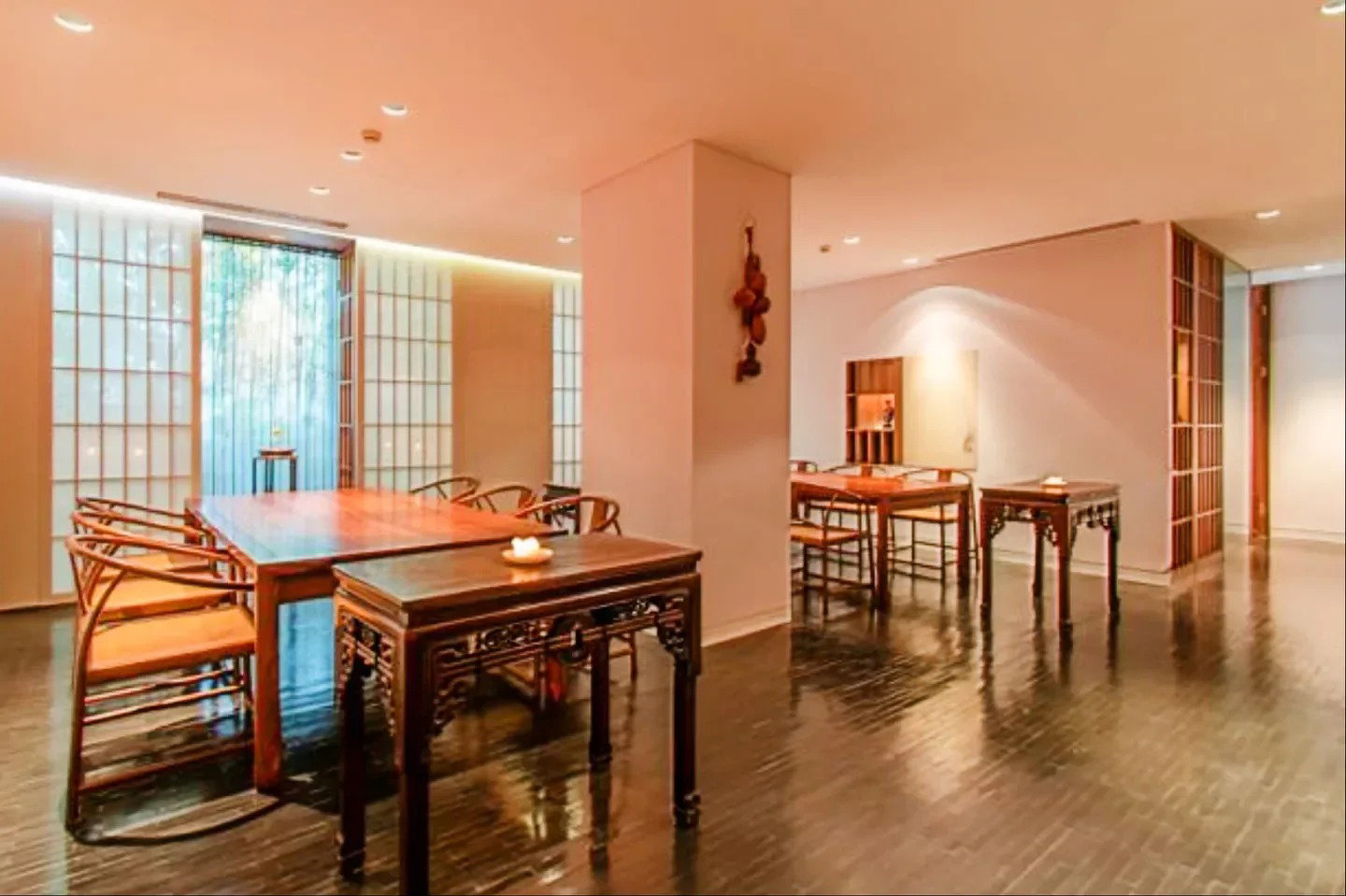
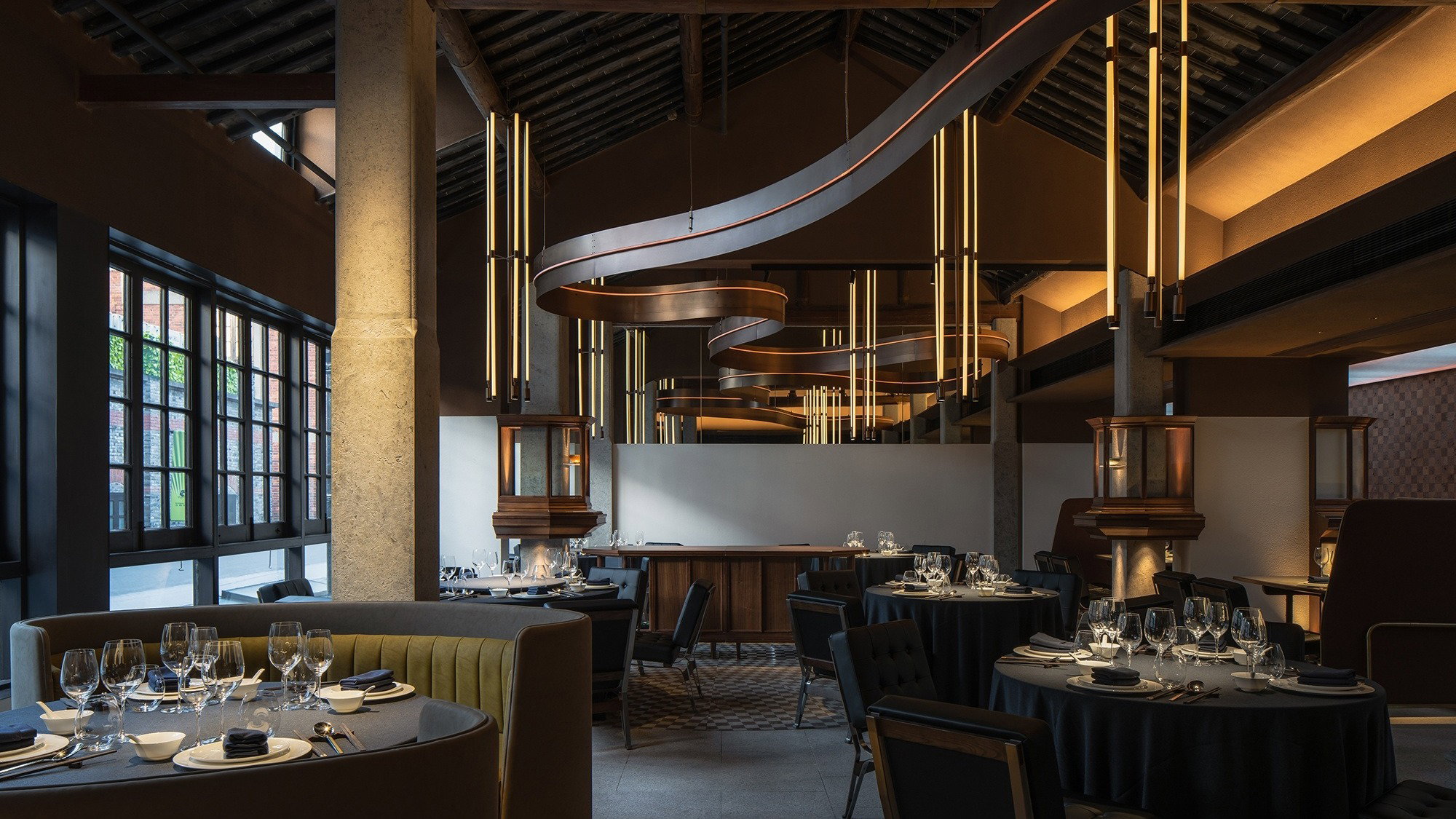
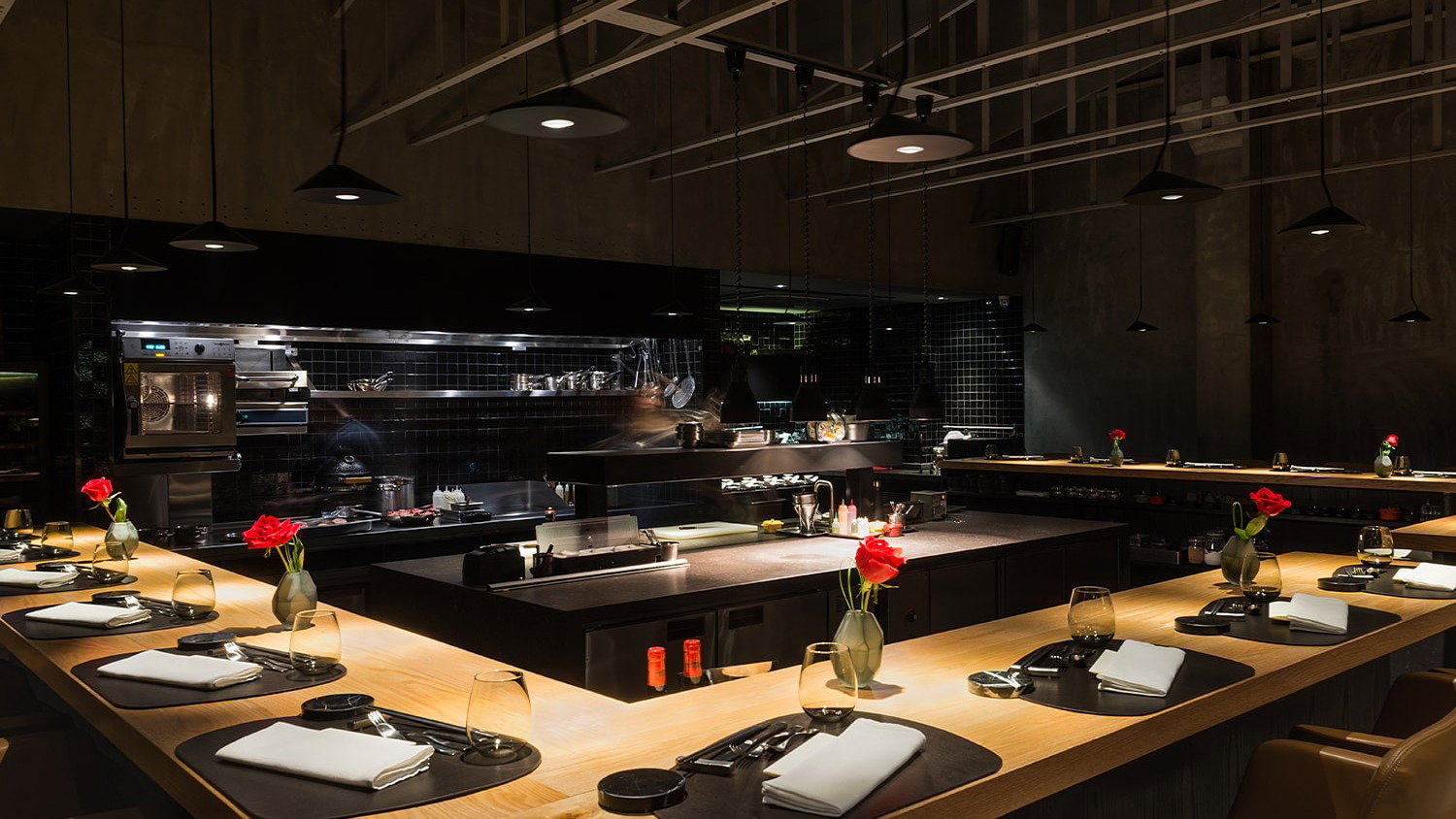
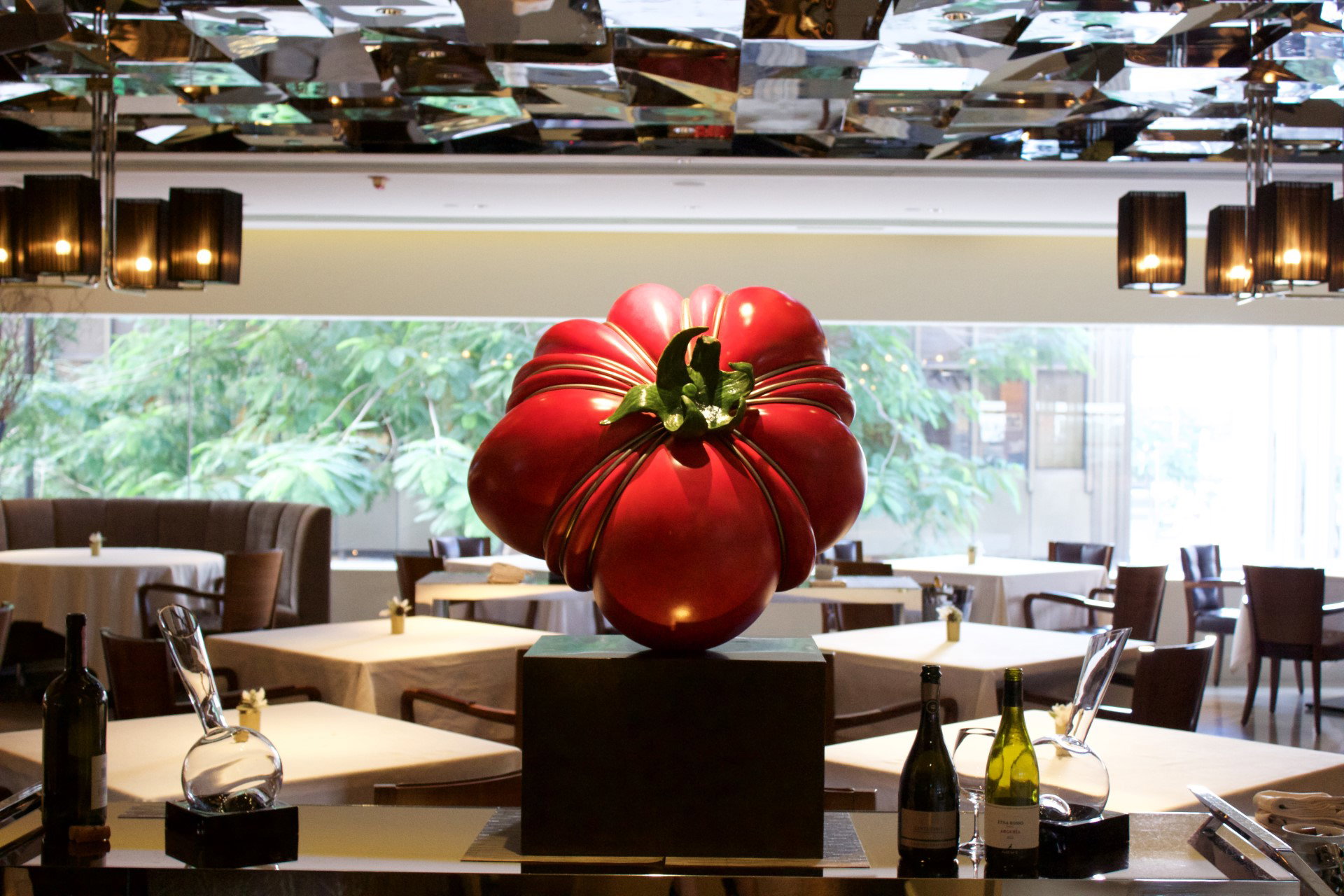
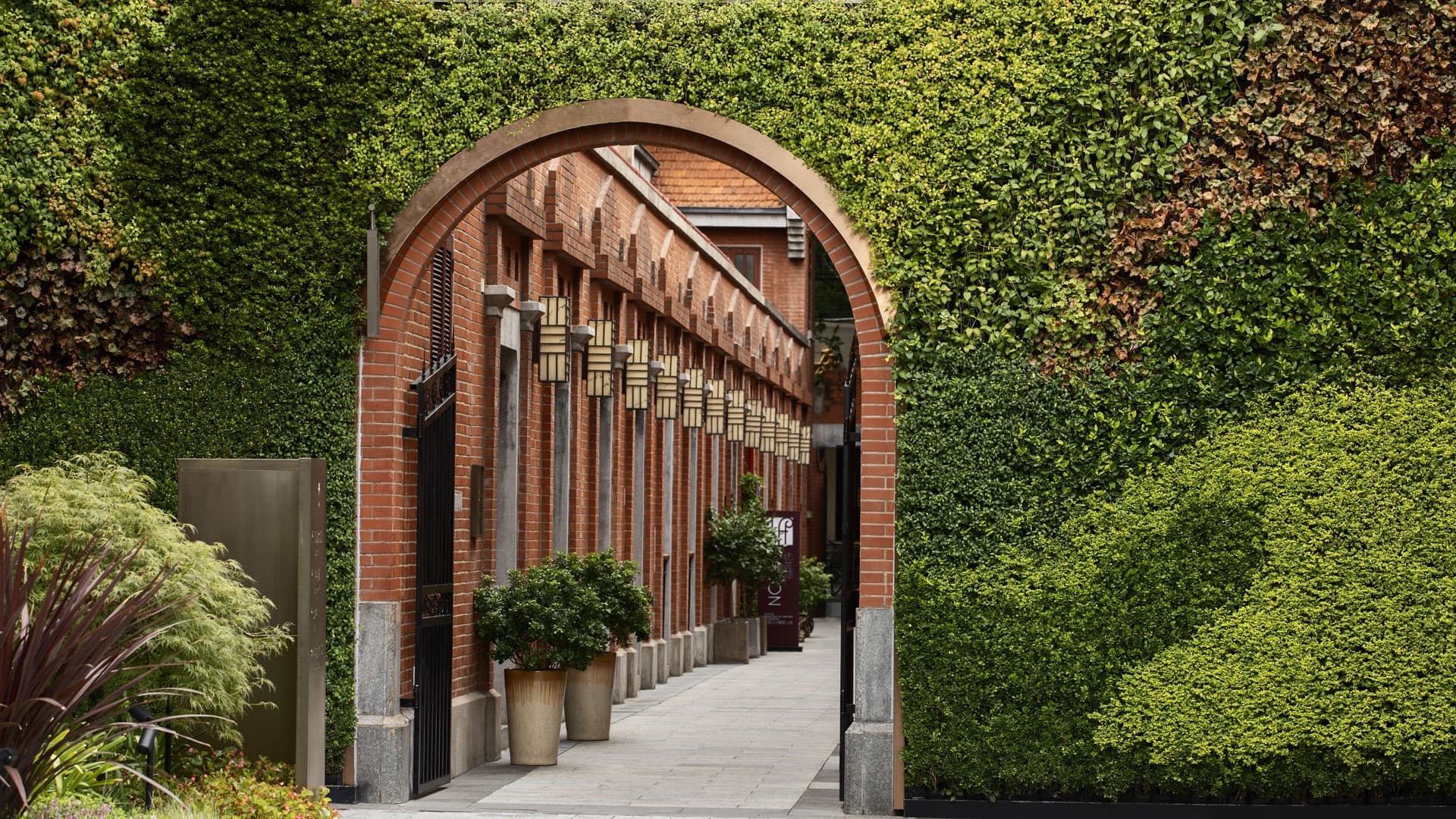
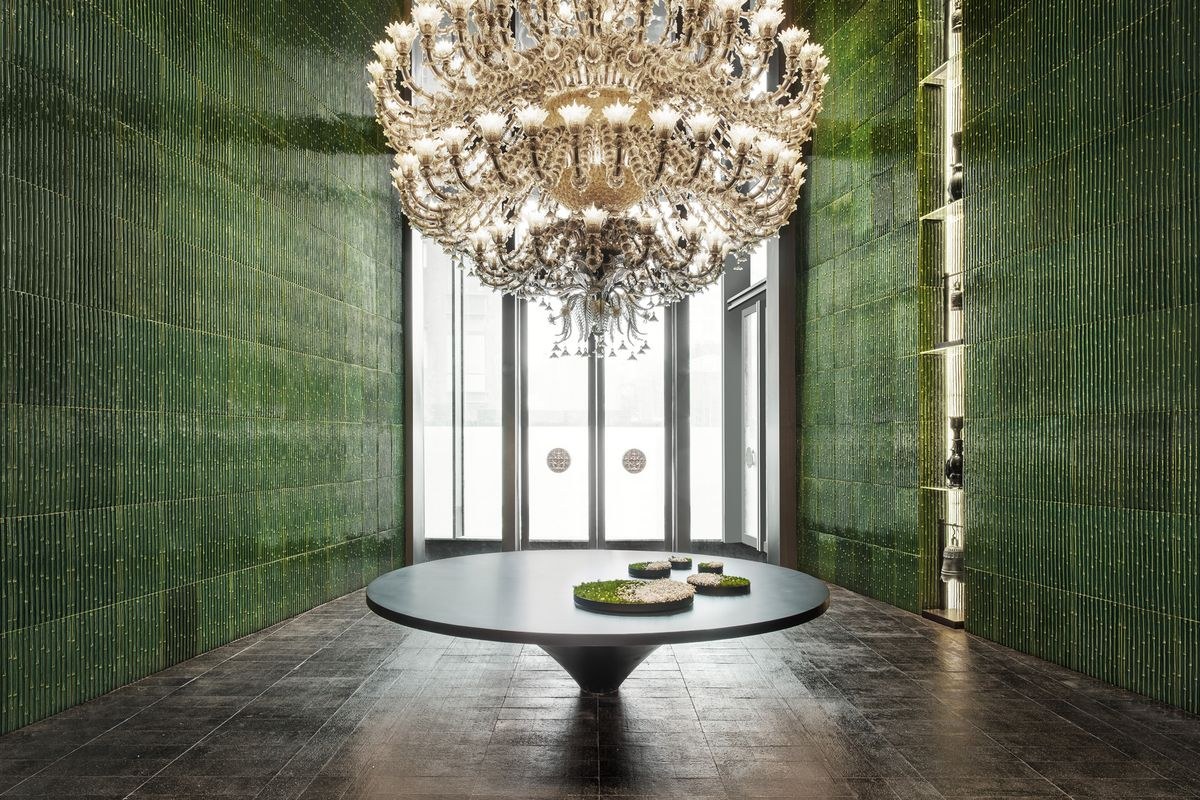
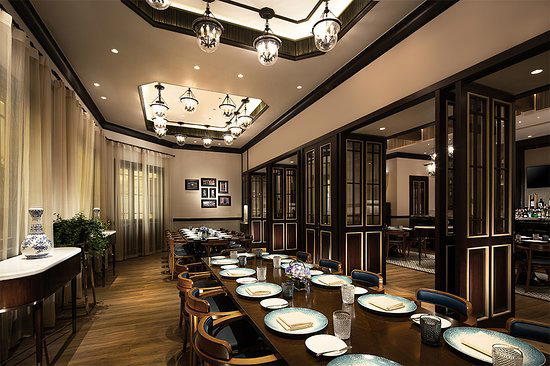
The Changning location places it at 18 Yuyuan Road East, inside or adjacent to the Jing'An district border, an area that rewards explorers willing to move away from the Bund-centric dining circuit. The address suggests a room with considered presentation rather than a casual neighbourhood canteen, and at ¥¥¥ the expectation is a full, composed dining experience. Visually, Hui restaurant design tends toward warm, unhurried interiors that reflect the patience embedded in the cooking itself: ceramic tableware, dark timber, and table spacing that acknowledges the course structure of a proper Hui meal.
Hui cuisine is structured around the seasons in a way that directly affects what you should order and, crucially, when you should visit. The tradition leans heavily on preserved and aged ingredients in winter and early spring, when cured fish, red-braised pork belly, and fermented vegetables carry the menu. As the season turns to late spring and summer, fresh mountain greens and lighter preparations move to the front. Autumn brings mushrooms, chestnuts, and the game-adjacent proteins that Hui cooking handles particularly well. Visiting in a single season and ordering off the full menu without accounting for this rotation means missing the dishes that are actually at their peak. If you are planning specifically around a Hui meal, late autumn through early winter is historically when the preserved and aged preparations are at their most developed.
The back-to-back Michelin Plate recognition matters here as a trust signal. A Plate does not carry the weight of a Star, but it indicates a kitchen the Michelin inspectors consider worth recommending without reservation. Combined with the Black Pearl Diamond, which is a separate panel and a separate methodology, this is a kitchen receiving consistent third-party endorsement rather than a one-year result. For the explorer diner, that cross-panel validation is meaningful: two different critical frameworks, same conclusion.
Compared against the broader Shanghai regional Chinese circuit, Wan Yan occupies a specific and underserved niche. Xin Rong Ji (West Nanjing Road) works the Taizhou coastal tradition with higher name recognition and likely more booking competition. 102 House addresses Cantonese. Wan Yan's Hui focus means it is not competing on the same frequency as those venues, and for a food enthusiast trying to map China's regional diversity across a trip, that specificity is exactly the point. If you are moving through other Chinese cities, Meng Du Hui in Nanjing and Meng Du Hui in Beijing offer comparison points for Hui cuisine in different urban contexts, and Ru Yuan in Hangzhou is worth cross-referencing for Anhui-adjacent cooking closer to the tradition's geographic source.
For the broader Shanghai picture, see our full Shanghai restaurants guide. Planning around bars or hotels? Our Shanghai bars guide and our Shanghai hotels guide cover the adjacent decisions. If you are building a wider itinerary across Greater China, Chef Tam's Seasons in Macau and Imperial Treasure Fine Chinese Cuisine in Guangzhou represent different calibrations of formal Chinese dining worth comparing.
Practical Details
Address: 18 Yuyuan Rd (E), Jing'An, Shanghai 200041. Cuisine: Hui (Anhui regional). Price range: ¥¥¥. Awards: Michelin Plate 2024 and 2025; Black Pearl 1 Diamond 2025. Reservations: Booking is rated Easy, so advance lead time is manageable, but for weekend evenings and seasonal peak periods (late autumn into winter, when the most characterful Hui preparations are available), book at least one to two weeks ahead. Hours: Not confirmed in our data — verify directly before your visit. Dress: Not specified, but ¥¥¥ pricing and Michelin recognition suggest smart casual as the baseline. Groups: No seat count confirmed; contact the venue for large-group enquiries.
How It Compares
See the comparison section below for how Wan Yan positions against other Shanghai options at the ¥¥¥ tier and above.
Also Worth Knowing
For Hui cuisine elsewhere in China, the regional tradition is arguably most legible in its home context: Ru Yuan in Hangzhou operates in a city closer to Anhui province and offers a useful reference point. Dai Yuet Heen in Nanjing covers adjacent southern Chinese territory. For the Italian and French options in Shanghai if you want to build a broader dining week, 8 1/2 Otto e Mezzo Bombana is the benchmark Italian, and Taian Table covers the innovative European end. Our Shanghai experiences guide and Shanghai wineries guide round out the planning picture.
Planning details
- Location
- 18 Yuyuan Rd (E), 久光 Jing'An, Shanghai, China, 200041
- Phone
- +86 21 6209 5177
The take
The Take
The Vibe
Wan Yan presents Hui cuisine through a formal, award-aware lens. The restaurant situates Anhui's preserved, fermented and slow-braised traditions inside Shanghai's institutional fine-dining architecture, creating a focused, contemporary environment where regional specificity is treated with exacting technique. Located in the Jiu Guang complex on Yuyuan Road East near Jing'an, the dining room reads as accessible luxury rather than hushed exclusivity; it balances the provincial character of its dishes with the polish expected of venues that attract Michelin and Black Pearl attention. The result is a restrained, trend-aware space that emphasizes craft over gimmickry.
Best For
Wan Yan is best encountered at dinner and suits diners who want a formal, regionally specific fine-dining experience. Its consecutive Michelin Plate listings and a Black Pearl diamond position the restaurant for business dinners and special occasions where technical cooking and provenance matter. The menu’s reliance on mountain-foraged produce, preserved and fermented ingredients, and slow-braised techniques rewards attentive eating rather than casual grazing; parties looking for a composed, award-tracked meal will find the setting and service aligned with those expectations.
Ordering Tips
Focus orders on the restaurant’s signature expressions of Hui cooking: the mouldy tofu, wine-scented fermented mandarin fish, and Anhui-style braised pork trotter are highlighted in the description and showcase the kitchen’s command of preserved and fermented flavors and long braises. Ask servers about other items that employ mountain-foraged produce or fermentation techniques to understand how the menu maps local tradition to formal plating. Because the profile emphasizes technique and specificity, choose dishes that highlight slow-braised and preserved ingredients to get a true sense of the restaurant’s culinary identity.
Venue details
Ambiance
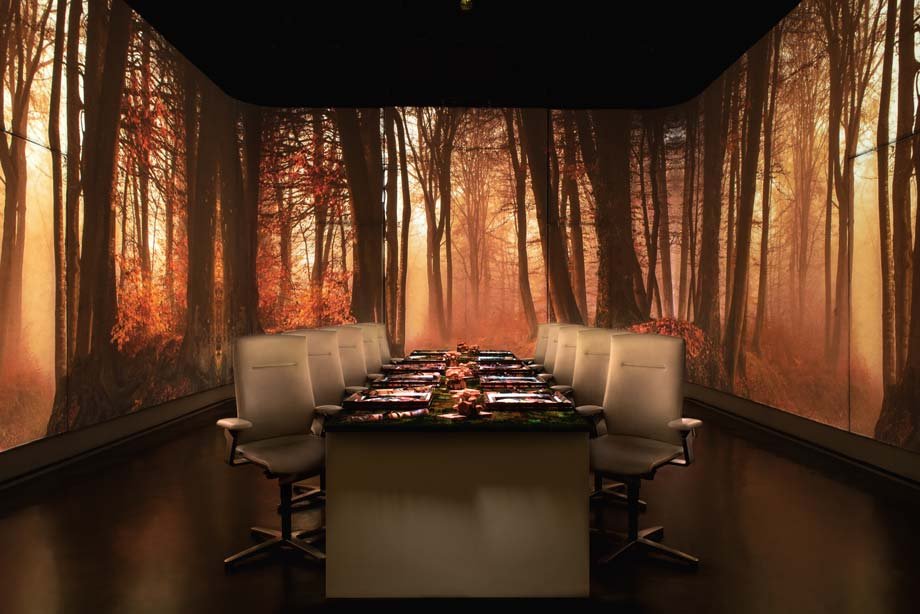
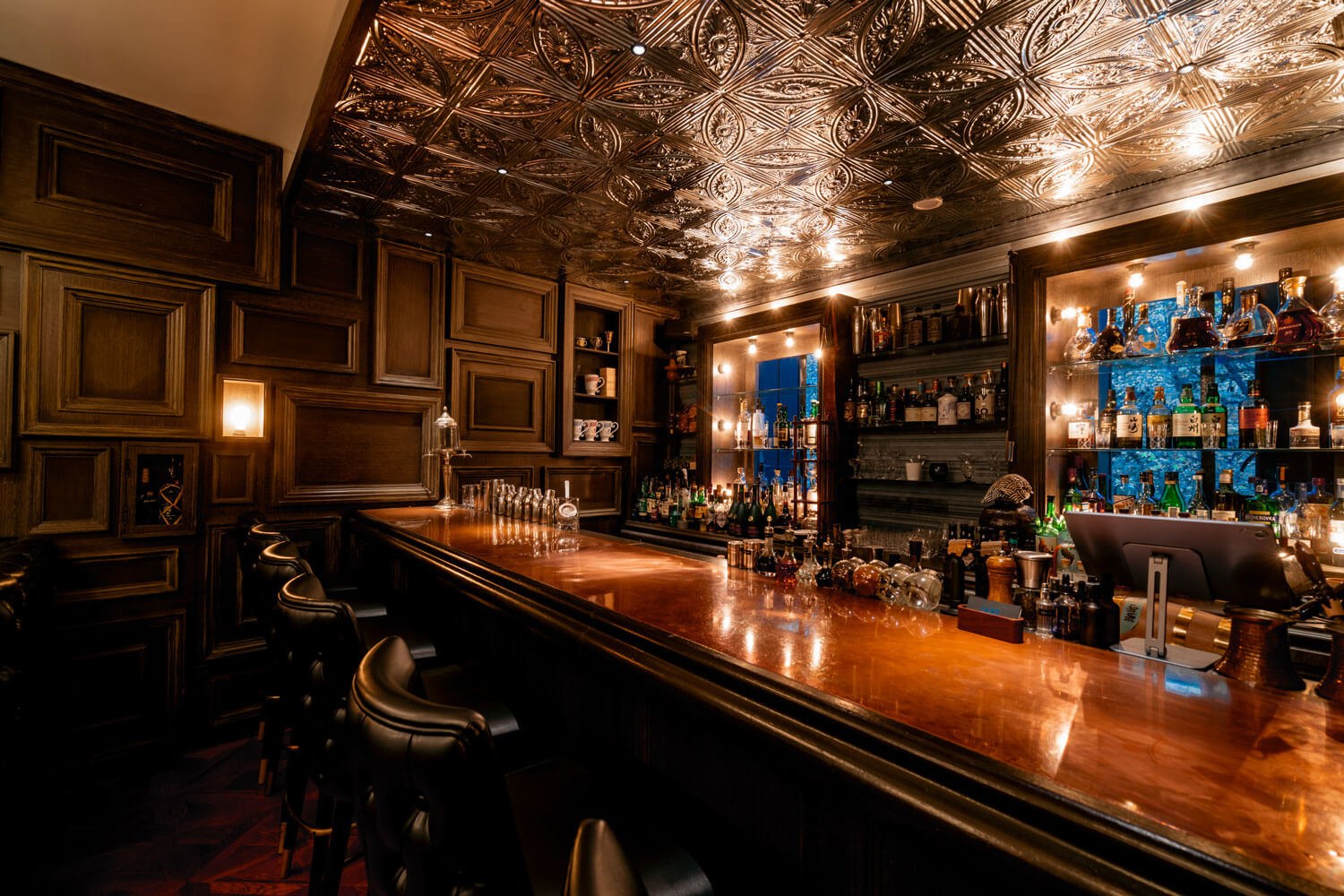
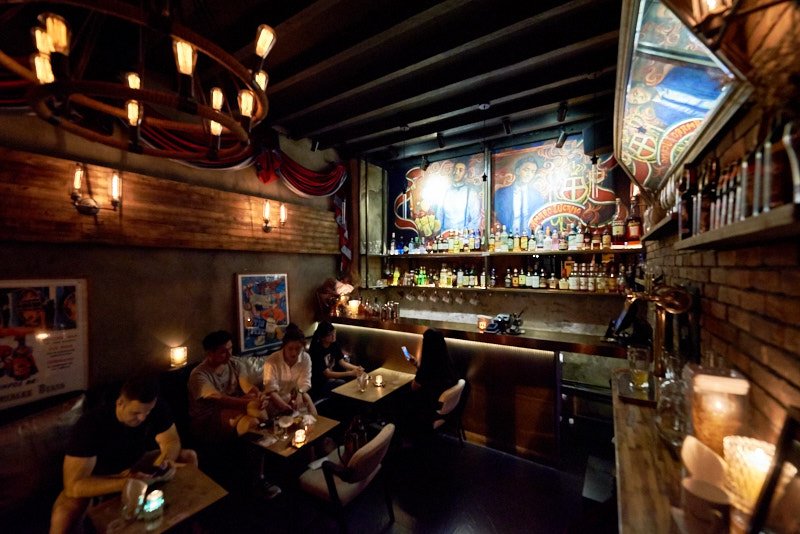
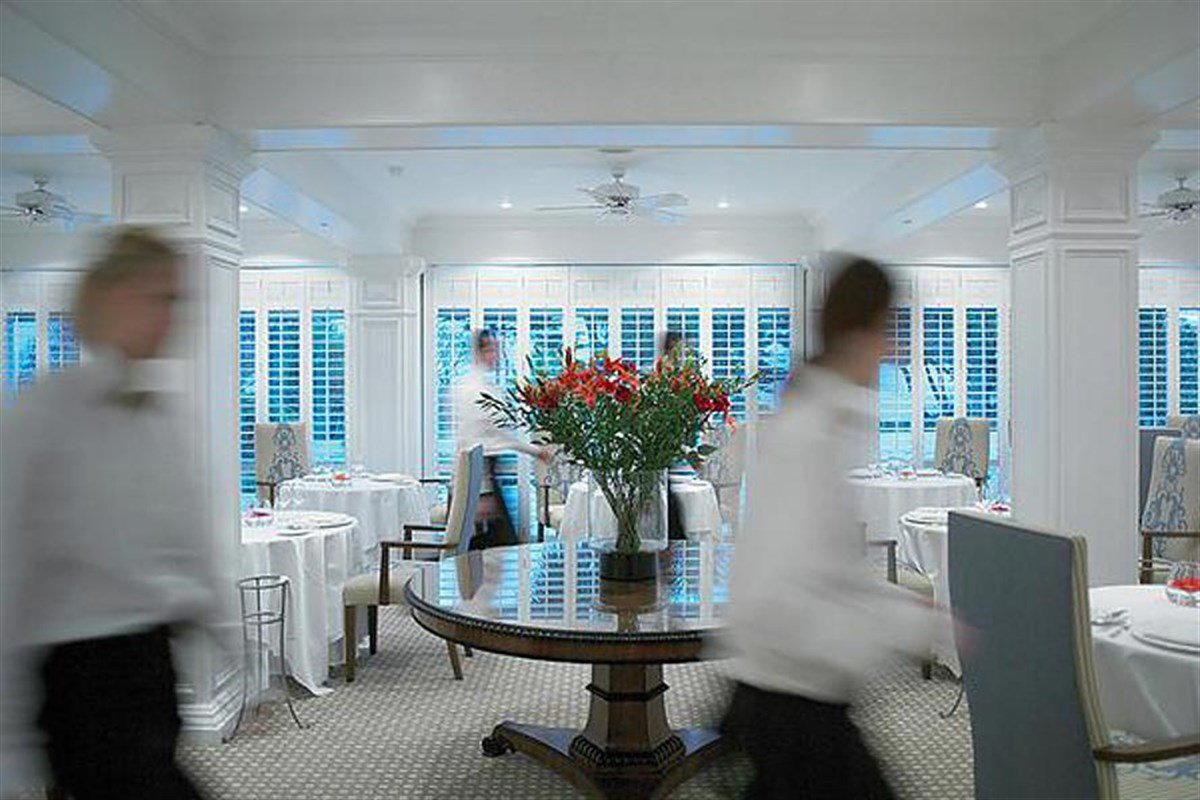
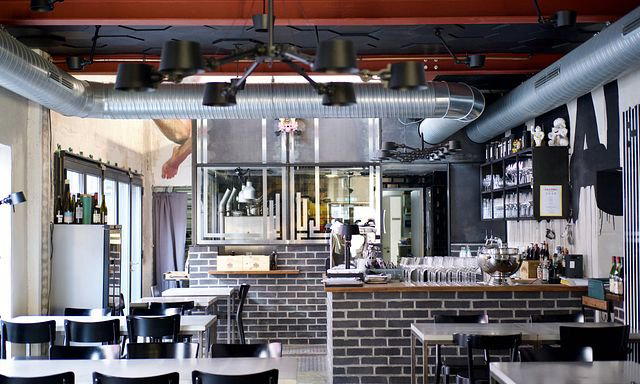
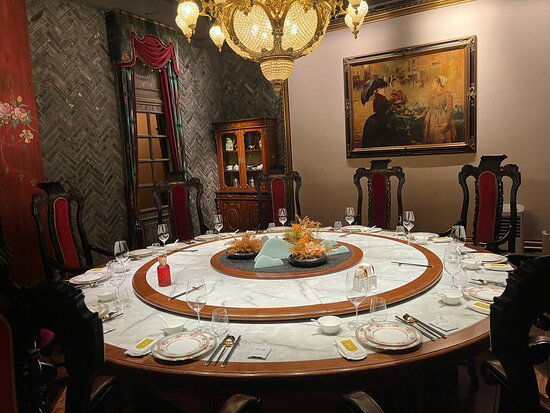
Nostalgic atmosphere with velvet tufted chairs, vintage blue brick walls, and art pieces from around the world.
Tags
Vibe
Best For
Experience
Sourcing
At the Table
- Dress Code
- Smart Casual
- Noise Level
- Quiet
- Service Style
- Upscale Casual
- Meal Pacing
- Leisurely
- Capacity
- Small
- Kitchen
- Traditional
- Menu Format
- A la carte
- Wine Program
- Curated
Signature Dishes
- mouldy tofu
- wine-scented fermented mandarin fish
- Anhui-style braised pork trotter
Know before you go
Know Before You Go
- Getting there
- 18 Yuyuan Rd (E), 久光 Jing'An, Shanghai, China, 200041
Planning details
Location
18 Yuyuan Rd (E), 久光 Jing'An, Shanghai, China, 200041 · Directions
Recognition and awards
Also consider
Also Consider
- Fu He Hui, Vegetarian, ¥¥¥¥
- Ming Court, Cantonese, ¥¥¥
- Polux, French, ¥¥
- Royal China Club, Chinese, Cantonese, ¥¥¥
- Scarpetta, Italian, ¥¥¥
Restaurant context
At ¥¥¥, Wan Yan sits in the same price band as Royal China Club, Ming Court, and Scarpetta, but it is not competing for the same diner. Wan Yan's Hui cuisine focus is regionally specific in a way that those venues are not, and its cross-panel awards record (two Michelin Plates, one Black Pearl Diamond) gives it a stronger critical foundation than most of its price-tier peers. If your goal is to cover regional Chinese diversity in Shanghai, Wan Yan is the more purposeful booking. If you want Cantonese at this price point, Ming Court is the more recognisable option with its own credentials.
Fu He Hui operates at ¥¥¥¥ and targets a completely different diner profile: vegetarian, design-forward, and priced as a destination experience. It is not an alternative to Wan Yan so much as a separate ambition at a higher spend. Polux at ¥¥ is the obvious choice if budget is the primary filter, but French bistro cooking and Hui cuisine serve entirely different purposes on a Shanghai itinerary.
The practical comparison comes down to intent. If you are a food-focused traveller mapping China's regional cuisines, Wan Yan is the booking Scarpetta and Royal China Club cannot replicate. If you are assembling a mixed-group dinner where cuisine type is secondary to ambiance and name recognition, Ming Court or Royal China Club will feel more immediately legible to the table. For solo explorers or couples specifically interested in Anhui cooking, Wan Yan is the clearer call at this price tier.
Explore Shanghai
Around this place
Discover more on Pearl
Unlock the full Wan Yan (Changning) guide in Pearl, including awards, comparisons, FAQs, planning details, and nearby places.
Compare Wan Yan (Changning)
| Venue | Location | Cuisine | Awards | Price |
|---|---|---|---|---|
| Wan Yan (Changning) | Shanghai | Hui Cuisine | 2025 Michelin Plate2025 Black Diamond 1 Diamond2024 Michelin Plate | ¥¥¥ |
| Fu He Hui | Shanghai | Vegetarian | 2026 Asia's 50 Best Restaurants · #112026 OAD Top Restaurants in Asia Ranked · #562026 Black Pearl 2 DiamondMichelin Guide Shanghai Jiangsu Zhejiang 20262026 La Liste Top Restaurants2025 Asia's 50 Best Restaurants · #152025 OAD Top Restaurants in Asia Ranked · #592025 World's 50 Best Restaurants · #64We're Smart World Top Restaurants 2025 | ¥¥¥¥ |
| Ming Court | Shanghai | Cantonese | 2025 OAD Top Restaurants in Asia Ranked · #1692025 Black Diamond 1 Diamond2025 Michelin 1 Star2024 OAD Top Restaurants in Asia Ranked · #1602024 Michelin 1 Star2023 OAD Top Restaurants in Asia Highly Recommended | ¥¥¥ |
| Polux | Shanghai | French | 2026 OAD Casual in Asia Ranked · #101Michelin Guide Shanghai Jiangsu Zhejiang 20262025 OAD Casual in Asia Ranked · #782025 Michelin Bib Gourmand2024 OAD Casual in Asia Ranked · #652024 OAD Top Restaurants in Asia Ranked · #2632024 Michelin Bib Gourmand2023 OAD Top Restaurants in Asia Recommended | ¥¥ |
| Royal China Club | Shanghai | Chinese, Cantonese | 2026 Michelin Plate2025 OAD Casual in Europe Ranked · #216The Good Food Guide 20252025 Michelin Plate2024 OAD Casual in Europe Ranked · #2142024 Michelin Plate2023 OAD Casual in Europe Highly Recommended | ¥¥¥ |
| Scarpetta | Shanghai | Italian | Michelin Guide Shanghai Jiangsu Zhejiang 20262025 Wine Spectator Best of Award of Excellence2025 Michelin Plate2024 Michelin Plate | ¥¥¥ |









How Wan Yan Shanghai compares with similar nearby venues.
FAQ
Frequently Asked Questions
Is the tasting menu worth it at Wan Yan (Changning)?
If Hui cuisine is your focus, yes. Wan Yan holds a Michelin Plate for two consecutive years (2024, 2025) and a Black Pearl 1 Diamond (2025), which at the ¥¥¥ price point positions it as a credentialed, mid-to-upper-tier commitment rather than a casual spend. Hui cuisine's reliance on preserved ingredients and slow-cooked technique is a specific format — if that approach interests you, the credentials justify the price. If you want Shanghainese or Cantonese, look elsewhere.
How far ahead should I book Wan Yan (Changning)?
Book at least one to two weeks ahead for weekday visits; weekend tables at award-recognised Shanghai restaurants at the ¥¥¥ tier typically fill faster. Wan Yan's Michelin Plate and Black Pearl recognition increase demand, so erring toward earlier is safer. No direct booking link is available in the current record, so plan to reserve via a hotel concierge or a platform like Dianping.
Does Wan Yan (Changning) handle dietary restrictions?
Hui cuisine is built around preserved meats, freshwater fish, and slow-cooked proteins, which makes strict vegetarian or vegan adaptation structurally difficult at a specialist restaurant. No dietary accommodation policy is documented in the current record. Communicate restrictions clearly at time of booking and confirm directly with the restaurant before arrival.
What are alternatives to Wan Yan (Changning) in Shanghai?
For regional Chinese cuisine at a comparable tier in Shanghai, options include Fu He Hui (plant-based Chinese, Michelin-starred, higher price point) and Royal China Club (Cantonese, more accessible format). If you want to compare Hui cuisine in a different context, Ru Yuan in Hangzhou operates closer to the cuisine's Anhui origins. Wan Yan is the more practically located option for visitors based in central Shanghai.
What should a first-timer know about Wan Yan (Changning)?
Hui cuisine is one of China's eight canonical regional traditions and is less familiar to international visitors than Cantonese or Shanghainese cooking — expect preserved ingredients, braised preparations, and earthy flavour profiles rather than the brighter, sweeter notes of local Shanghai food. The restaurant sits at 18 Yuyuan Rd (E) in the Jing'An district, convenient from most central Shanghai hotels. No English-language website is listed, so arriving with a translation app is practical.
Is Wan Yan (Changning) worth the price?
At ¥¥¥, Wan Yan sits in a tier where two consecutive Michelin Plates and a Black Pearl 1 Diamond (2025) provide meaningful external validation. For a specialist Hui cuisine restaurant in Shanghai, that combination of credentials at this price point is reasonable value compared to Michelin-starred alternatives that cost significantly more. The question is whether Hui cuisine's format matches what you want from the meal.
Is Wan Yan (Changning) good for a special occasion?
Yes, with caveats about format fit. The credential set (Michelin Plate 2024–2025, Black Pearl 1 Diamond 2025) and ¥¥¥ pricing make it appropriate for a considered occasion dinner. It works better for guests who have some interest in regional Chinese cuisine than for a group expecting a familiar fine-dining format. For a larger group celebrating, confirm private dining availability directly before booking.