Numata Sou
Huangpu, Shanghai
Restaurant in Shanghai, China
 Book with Pearl
The Read
Price
$200–300per person
Dress
Smart Casual
Why go
Numata Sou is a sensible Bund-area booking for diners who want a focused, Michelin-recognised meal without chasing a louder hotel or waterfront scene. It works better for small parties and flexible diners than for groups needing a fully mapped menu, budget, and format in advance.
About Numata Sou
Book Numata Sou if you want a Shanghai restaurant with Michelin Plate (2026) recognition and a smart casual dress code. Plan it as a flexible Shanghai booking rather than a restaurant to choose for a specific cuisine, chef, dish, menu format, price point, or room setup.
The useful read here is restraint. This is not the place to over-plan around a specific plate or service style.
Choose it for a Michelin Plate Shanghai booking, not a fully pre-scripted night out
Numata Sou's strongest signal is its Michelin Plate (2026) recognition. That gives diners a reason to consider it, while leaving cuisine, chef, service format, ambience, and occasion fit as points to check before booking.
If you prefer to compare menus, prices, dietary accommodations, or seating arrangements before deciding, make those questions part of the reservation process rather than assuming the answers in advance.
Who should book, and who should cross-shop
Book Numata Sou if the brief is simple: a Shanghai restaurant with Michelin Plate (2026) recognition and a smart casual dress code. Cross-shop naturally with Meet the Bund (Zhongshan Dong Er Road), Celestial Court, The Drawing Room, 日式料理, or The St. Regis Brasserie depending on the kind of meal you want to compare.
For wider planning, use our full Shanghai restaurants guide rather than treating this as the default answer for every occasion. If the night needs a hotel base, bar plan, or non-restaurant itinerary around dinner, pair the restaurant search with our full Shanghai hotels guide, our full Shanghai bars guide, and our full Shanghai experiences guide.
Planning details
- Location
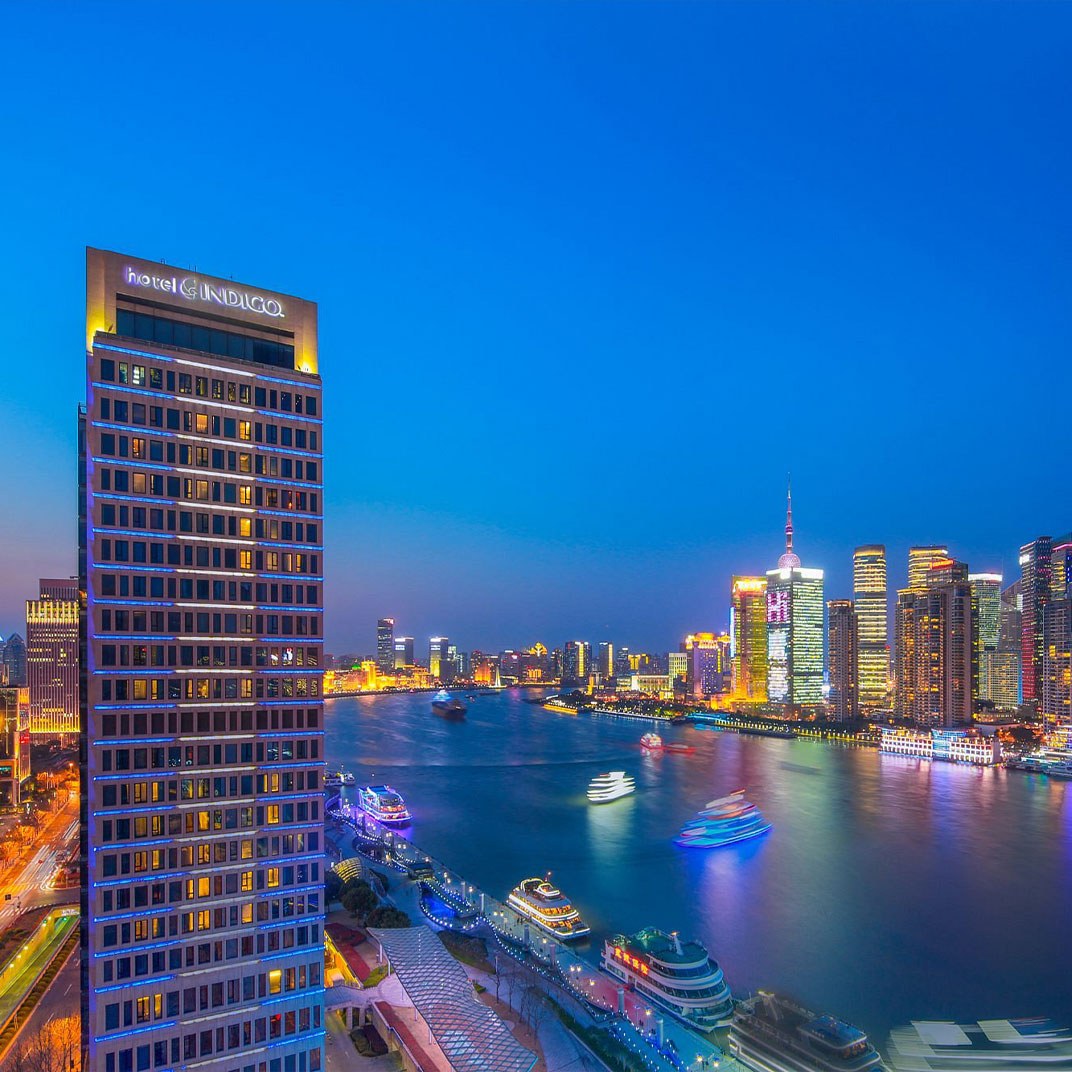
- 1F, N1 Building, The Bund Finance Centre, 558 Zhongshan Dong Er Road, Huangpu, Shanghai, Shanghai Municipality, CHN
- Website
- guide.michelin.com/en/shanghai-municipality/shanghai/restaurant/numata-sou-1215509
- Phone
- +86 21 6366 7900
Venue details
Ambiance
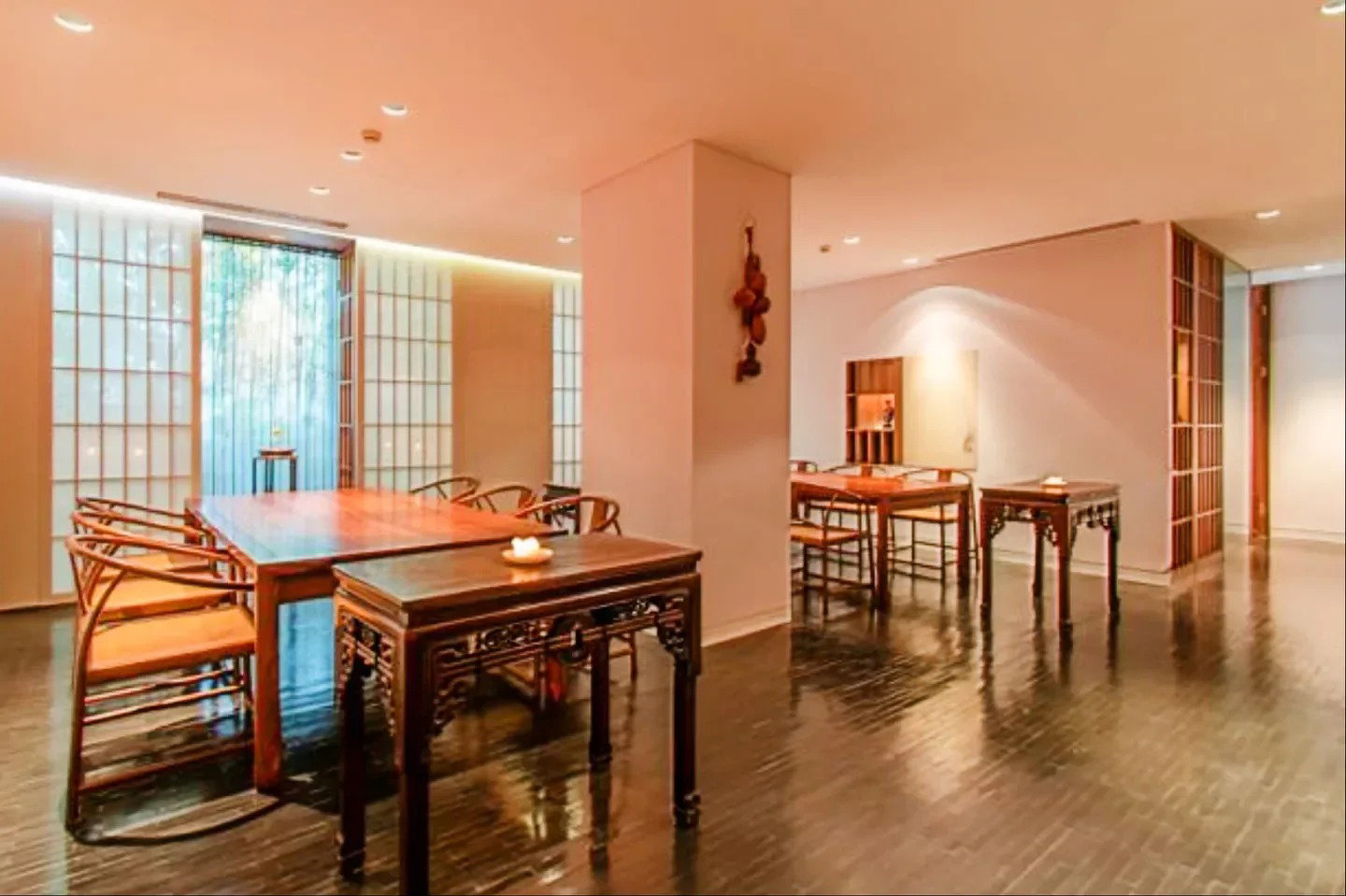
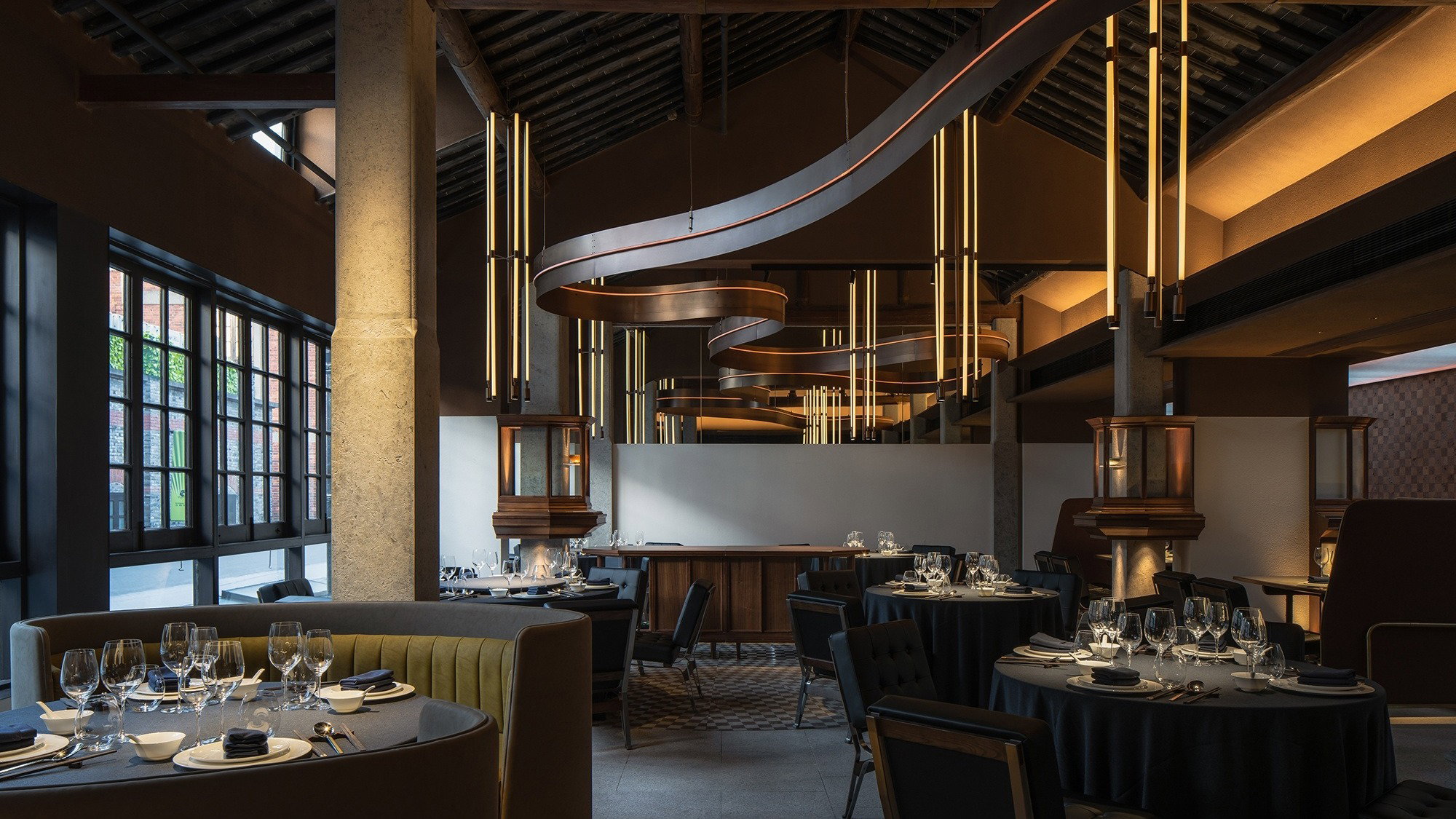
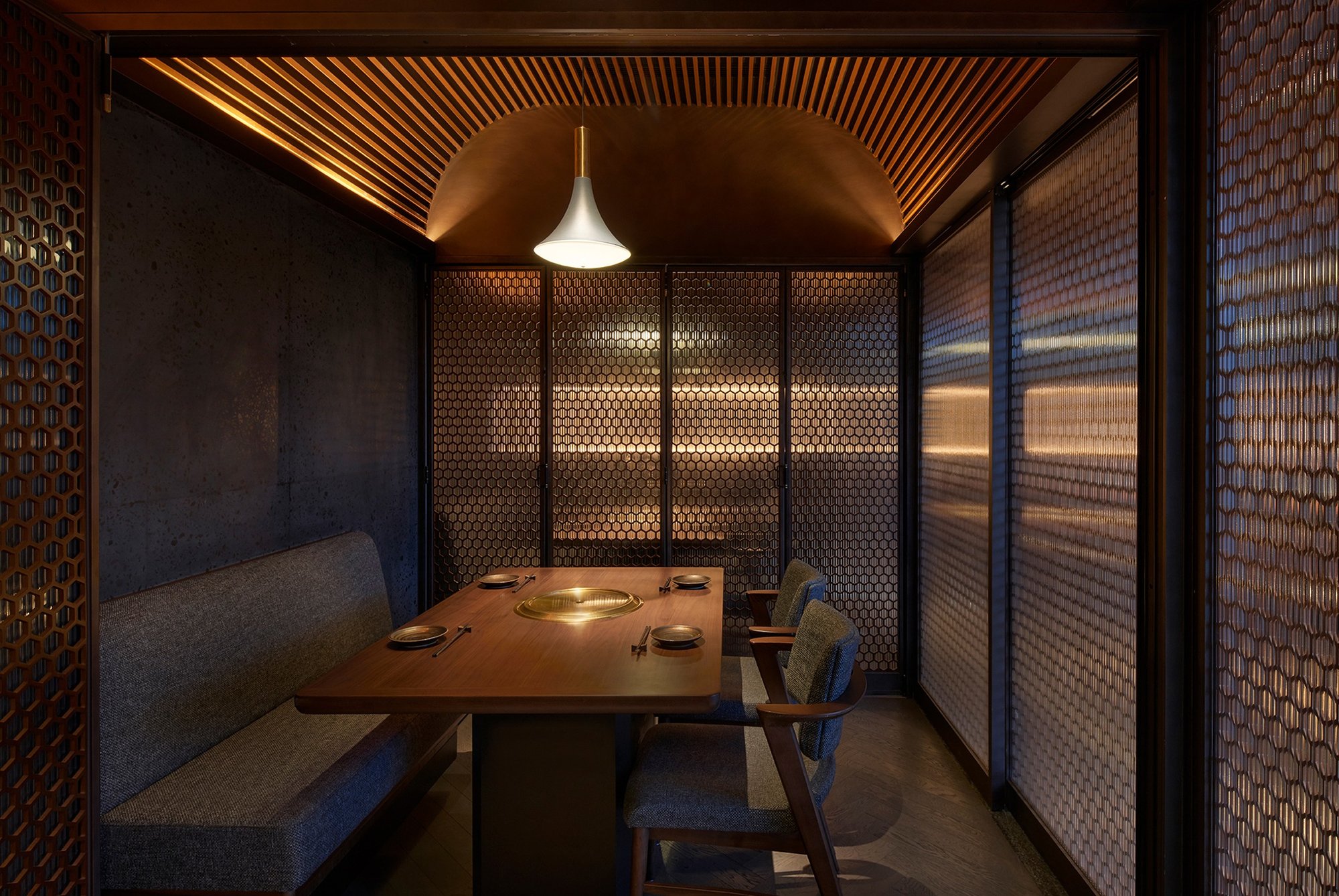
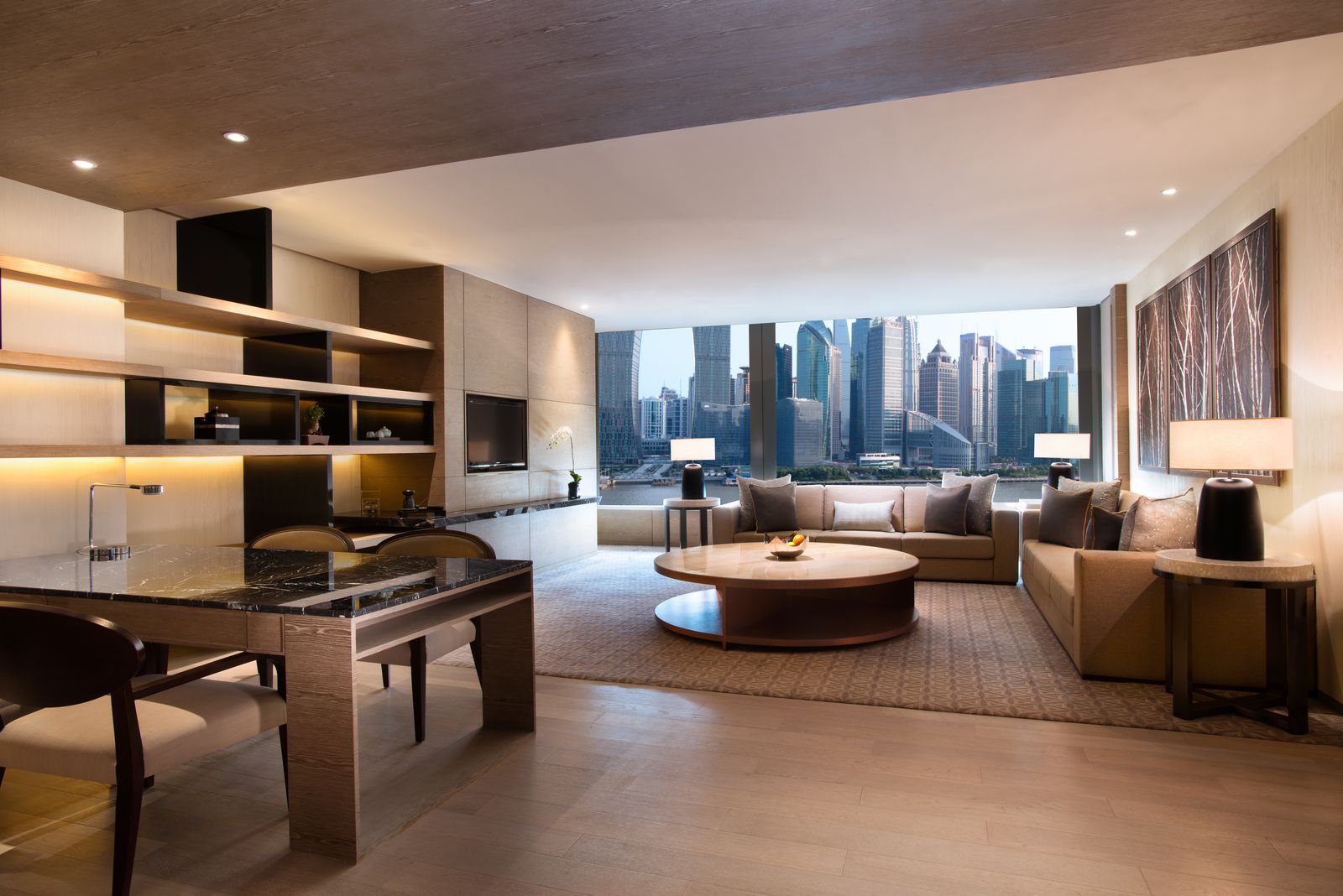
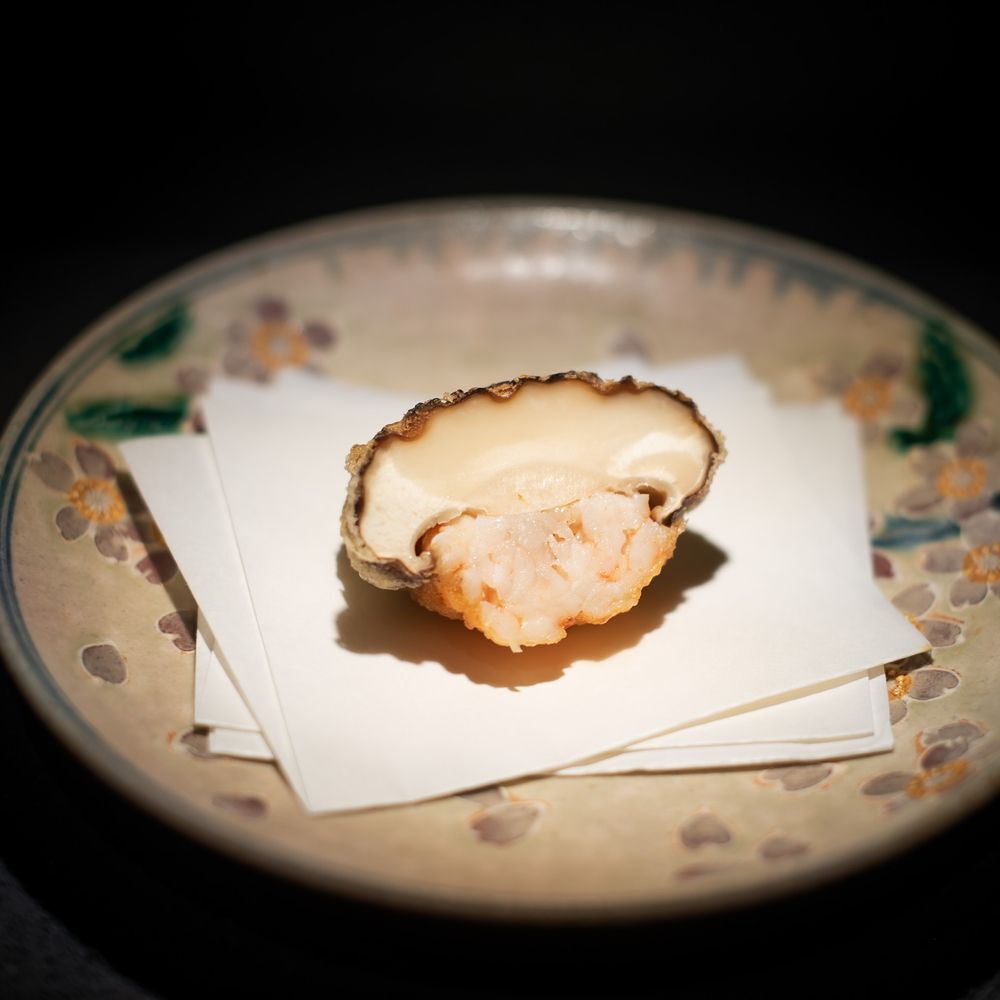
Refined and hushed counter-only setting with a modern minimalist Japanese aesthetic, focused lighting on the frying and plating, and a calm, ceremonious atmosphere typical of high-end tempura omakase.
Tags
Vibe
Best For
Experience
Sourcing
At the Table
- Dress Code
- Smart Casual
- Noise Level
- Quiet
- Service Style
- Formal
- Meal Pacing
- Leisurely
- Capacity
- Intimate
- Kitchen
- Seasonal
- Menu Format
- Tasting menu, Omakase, Counter dining, Set menu
- Drinks Focus
- Sake, Wine
- Dietary
- Pescatarian friendly
- Opened
- 2023
Signature Dishes
7 itemsKnow before you go
Know Before You Go
- Getting there
- 1F, N1 Building, The Bund Finance Centre, 558 Zhongshan Dong Er Road, Huangpu, Shanghai, Shanghai Municipality, CHN
Planning details
Location
1F, N1 Building, The Bund Finance Centre, 558 Zhongshan Dong Er Road, Huangpu, Shanghai, Shanghai Municipality, CHN · Directions
guide.michelin.com/en/shanghai-municipality/shanghai/restaurant/numata-sou-1215509
Also consider
Also Consider
- Meet the Bund (Zhongshan Dong Er Road), Notable alternative
- The Drawing Room, Notable alternative
- Celestial Court, Notable alternative
- The St. Regis Brasserie, Notable alternative
- 日式料理, Notable alternative
Restaurant context
How Numata Sou compares in Shanghai
Numata Sou is the better choice when the brief is a focused, lower-friction dinner near the Bund. Meet the Bund (Zhongshan Dong Er Road) is the stronger cross-shop for diners who want a more explicit Bund dining statement, while Celestial Court is the safer pick when Cantonese formality matters more than discovery.
The Drawing Room reads as the better alternative for a room-led occasion, while The St. Regis Brasserie is easier to understand for hotel guests who want a familiar brasserie format. If the priority is Japanese dining specifically, compare Numata Sou with 日式料理, then choose based on which location and room style better fit the night.
For value, Numata Sou is appealing if external recognition and a Bund-area address are enough to justify the booking without a heavily published menu. For higher-certainty occasions, the named hotel and Cantonese peers give diners more predictable context before committing.
Explore Shanghai
Around this place
Discover more on Pearl
Unlock the full Numata Sou guide in Pearl, including awards, comparisons, FAQs, planning details, and nearby places.
Compare Numata Sou
| Venue | Location | Awards |
|---|---|---|
| Numata Sou | Shanghai | No published awards |
| Meet the Bund (Zhongshan Dong Er Road) | Shanghai | No published awards |
| The Drawing Room | Shanghai | No published awards |
| Celestial Court | Shanghai | No published awards |
| The St. Regis Brasserie | Shanghai | No published awards |
| 日式料理 | Shanghai | No published awards |
How Numata Sou Shanghai compares with similar nearby venues.
FAQ
Frequently Asked Questions
What should a first-timer know about Numata Sou?
Numata Sou is in Shanghai, has a smart casual dress code, and has Michelin Plate (2026) recognition.
What are alternatives to Numata Sou in Shanghai?
For comparison, consider 日式料理, The St. Regis Brasserie, Meet the Bund (Zhongshan Dong Er Road), Celestial Court, or The Drawing Room. Numata Sou stands out for Michelin Plate (2026) recognition and a smart casual dress code.
Is Numata Sou good for a special occasion?
It may be, depending on menu, price, seating, and group arrangements. Its Michelin Plate (2026) recognition and smart casual dress code make it worth considering.