

Narisawa
¥¥¥¥ · Innovative · Huangpu, Shanghai
Restaurant in Shanghai, China
 Book with Pearl
The Read
Satoyama Counter Philosophy
Price
$200–300per person
Dress
Formal
Why go
Narisawa Shanghai is not a replica of its Tokyo namesake: it's a seasonal set-menu restaurant built on Chinese ingredients interpreted through Japanese satoyama technique. The head chef has 10-plus years within the Narisawa system, and the tableside "Bread of the Forest" remains the signature course. At ¥¥¥¥, it's among Shanghai's more seriously constructed tasting-menu experiences.
About Narisawa
Narisawa Shanghai: Verdict
If you're expecting a direct replica of the Tokyo original, reset that expectation now. Narisawa Shanghai is its own proposition: a seasonal set menu built around Chinese ingredients, interpreted through the satoyama philosophy of the Tokyo mothership, and executed by a head chef who has worked within the Narisawa system for over a decade. That continuity matters. This is not a licensed brand drop: it's a considered extension with genuine culinary depth. Book it if you want one of Shanghai's more intellectually coherent tasting-menu experiences. If you want familiar Cantonese or Shanghainese cooking, look elsewhere.
What You're Actually Booking
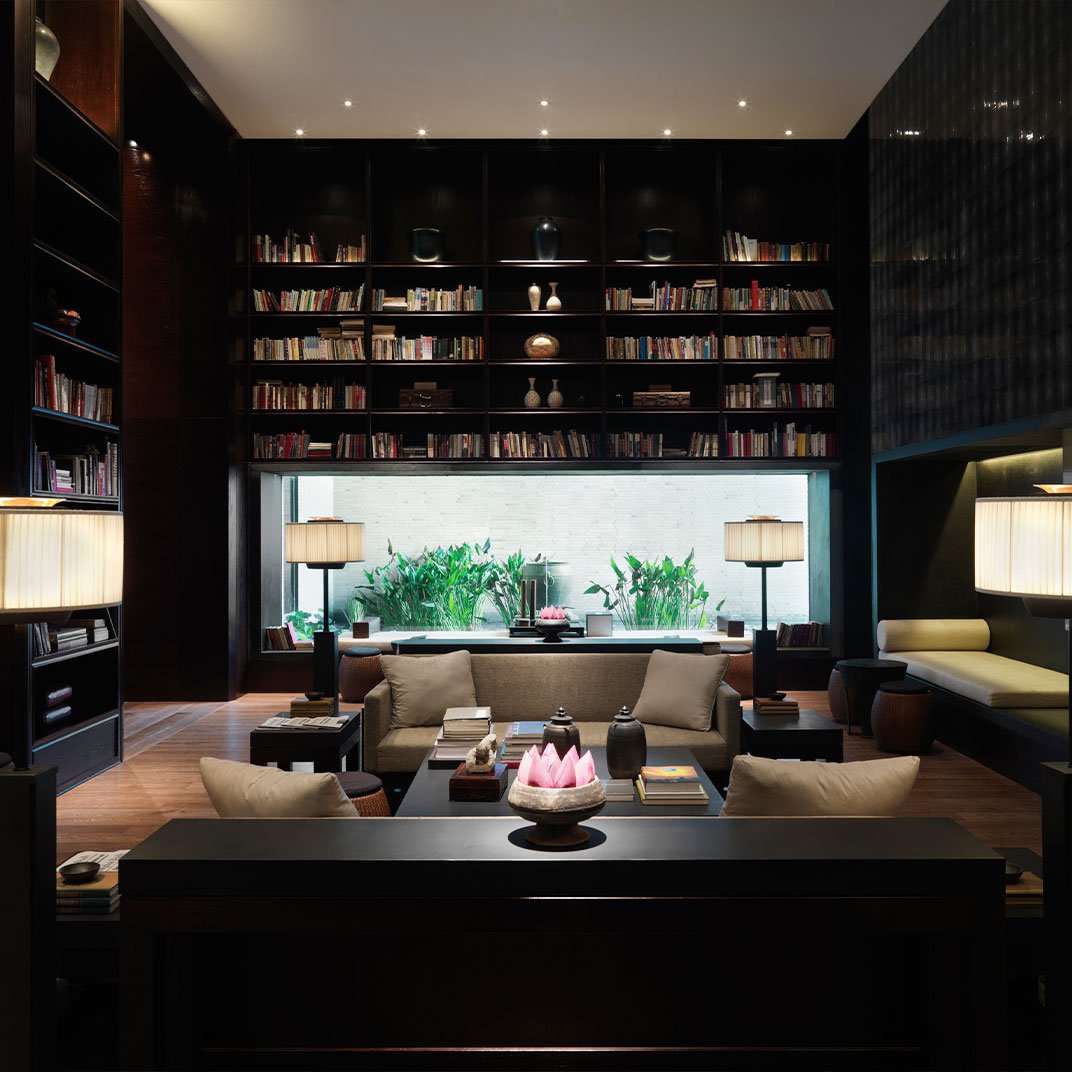
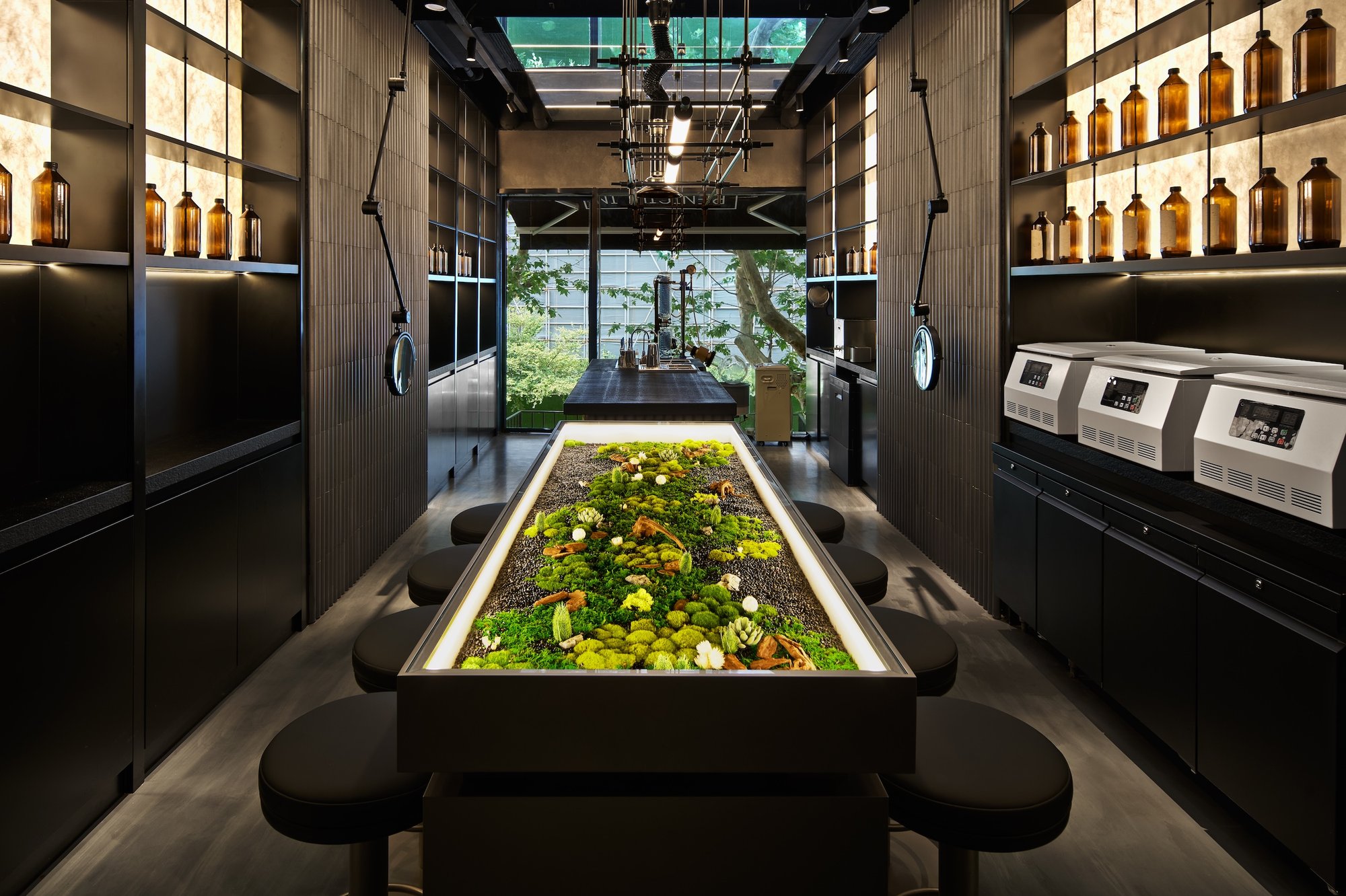
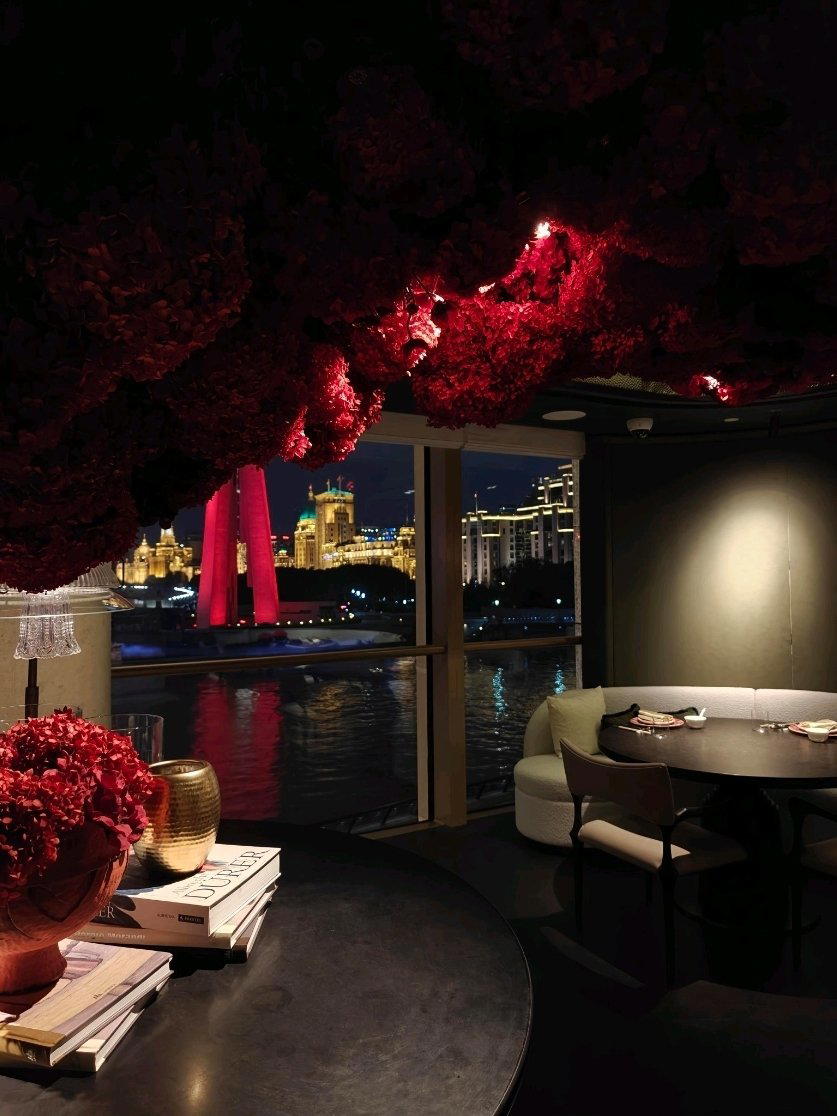
The room is the first signal that something different is happening here. The visual language references the natural world: expect materials and design cues that evoke forest, soil, and seasonal change rather than the polished minimalism of Shanghai's more corporate fine-dining rooms. That aesthetic is not accidental: satoyama cuisine, the philosophy originating with chef-owner Yoshihiro Narisawa in Tokyo, is built on the idea of connecting diners visually and conceptually to the landscapes that produce their food. In Shanghai, that connection is rerouted through Chinese terrain, local produce, regional ingredients, a menu that shifts with the seasons.
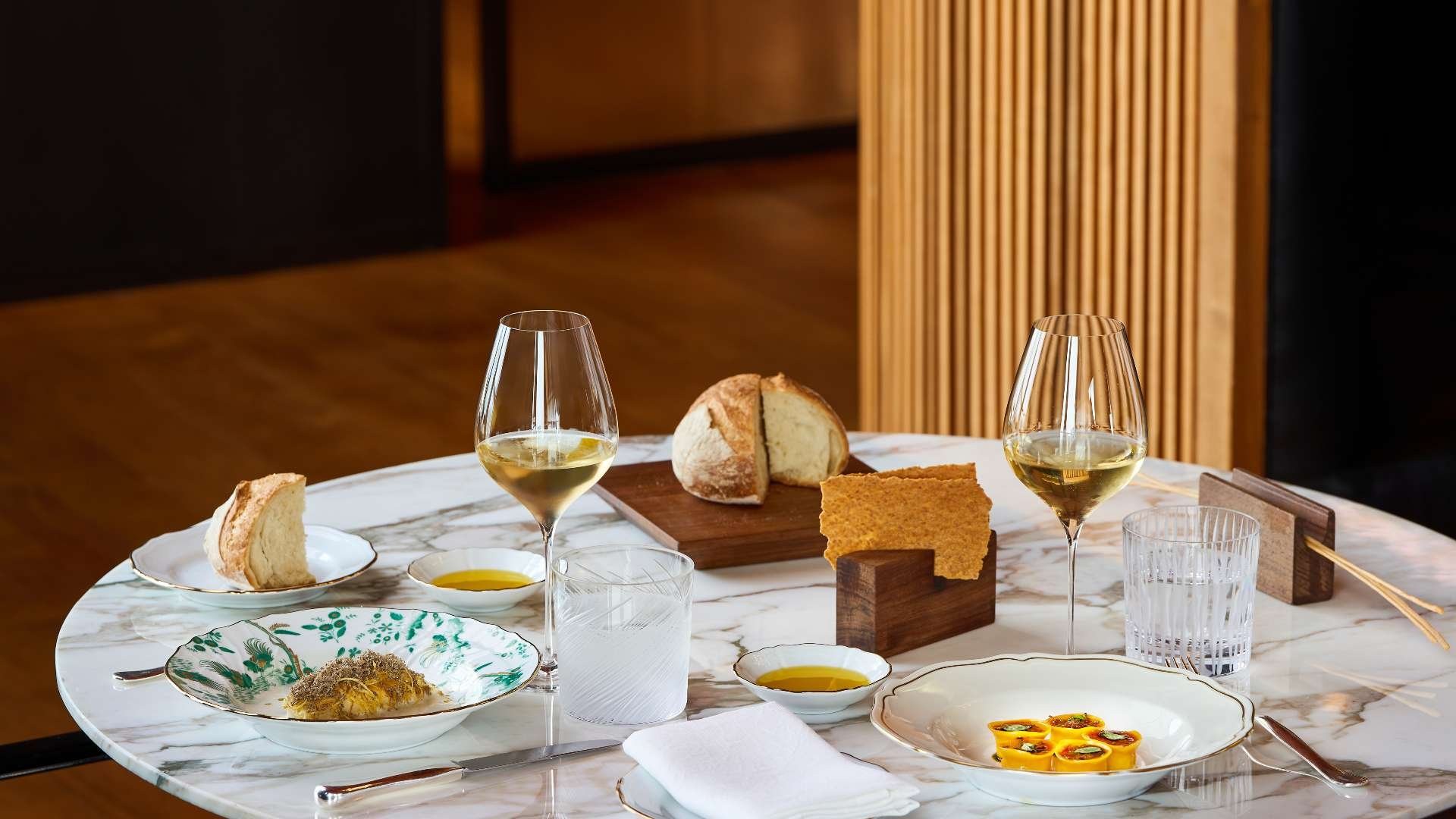
The centrepiece that returning diners most frequently cite is the "Bread of the Forest", fermented dough baked tableside in a stone pot, infused with seasonal produce. A recent iteration has featured white tea or kumquat. If you've been once and didn't order around it, that's the anchor on a return visit. It's the dish that communicates the venue's entire thesis in a single course: Japanese technique, Chinese ingredient, theatrical presentation, genuine flavour logic. Compared to the more austere presentations you'll find at Taian Table, Narisawa's tableside theatre gives you more to watch without sacrificing the cooking's seriousness.
Set menu format is fixed, you're not selecting à la carte, so arrive with dietary considerations flagged in advance. The kitchen's sourcing is rooted in Chinese produce with Japanese-inflected technique, which means the menu reads differently each season. A spring visit and an autumn visit are materially different experiences, which is worth knowing if you're weighing a second booking. For this category of cooking elsewhere in the region, Ru Yuan in Hangzhou and Chef Tam's Seasons in Macau operate in adjacent territory, though neither blends Japanese and Chinese traditions in quite this way.
Drinks and the Bar Program
At this price tier (¥¥¥¥), the drinks program should match the kitchen's ambition, and at Narisawa Shanghai, the pairing structure is designed to complement the seasonal menu rather than run parallel to it. Expect wine pairings constructed around the menu's Japanese-Chinese axis, which in practice means you'll encounter sake alongside European bottles, and possibly Chinese spirits or teas at certain courses. If you're used to the standard Burgundy-forward pairing menus at Shanghai's French-influenced fine-dining rooms, the approach here is more adventurous and better aligned with what's on the plate. For diners who come primarily for a serious cocktail program, this is not that venue, the drinks exist in service of the food. If a destination bar experience is your priority, Shanghai's bar scene has stronger standalone options. But as a pairing-led dinner with considered beverage choices, the drinks here hold their weight.
Booking and Logistics
Booking is relatively accessible by the standards of Shanghai's leading tasting-menu restaurants. You're not competing for seats weeks out the way you might for the most in-demand spots in the city's innovative dining tier. Plan a week to ten days ahead for a weekend table; weeknight availability is generally easier. The ¥¥¥¥ price position puts this in Shanghai's leading spending tier, comparable to Fu He Hui and 8½ Otto e Mezzo Bombana, and above the ¥¥¥ tier that covers restaurants like Xin Rong Ji (West Nanjing Road). Factor in a beverage pairing and you're committing to a serious dinner spend. For that spend, you're getting a kitchen with a verifiable lineage, a signature dish with real technical craft behind it, and a seasonal menu with genuine change between visits.
If you're building a broader Shanghai dining itinerary, our full Shanghai restaurants guide covers the range of options across price tiers and cuisine types. For innovative tasting-menu cooking specifically, 102 House is worth comparing on ambiance and format. If the Narisawa philosophy connects with the kind of chef-driven, produce-focused dining you seek at an international level, Le Bernardin in New York and Lazy Bear in San Francisco operate with comparable intentionality in their respective contexts.
Planning details
- Location
- Shanghai, China
- Website
- narisawa-shanghai.com
- Phone
- +86 186 1605 6980
The take
The Take
The Vibe
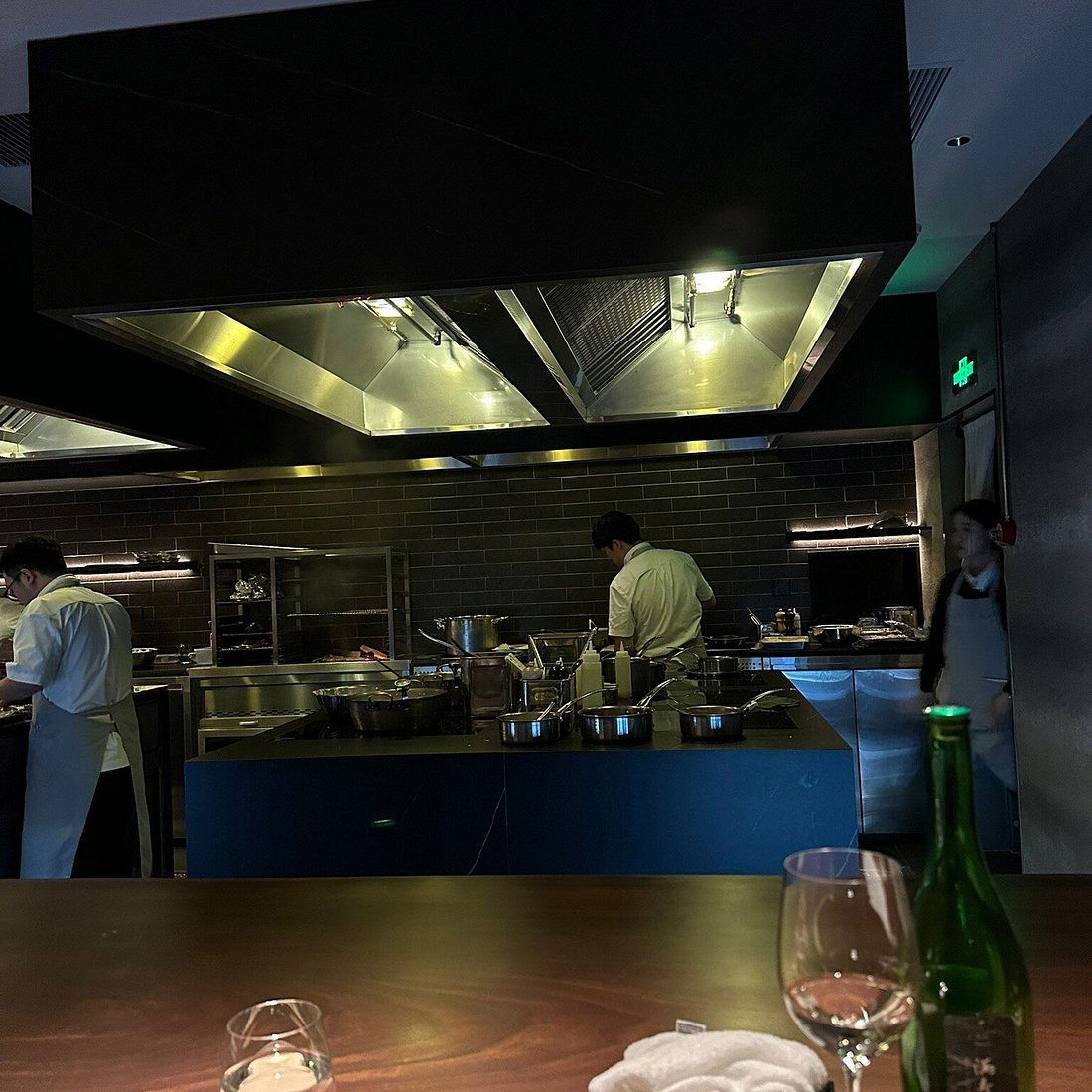
Narisawa presents a restrained, minimalist room that keeps the focus squarely on the cuisine. The interior leans toward Japanese minimalism, spare, material-driven and deliberately quiet, so that the ritual of dining becomes the central event. That quiet confidence supports the restaurant's intellectual proposition: a satoyama-inspired approach translated through local Chinese ingredients. The atmosphere feels serious without theatrics; attention is guided to the table, to seasonal produce and precise technique, rather than to the room itself. Guests encounter a refined, contemplative space where subtle design and culinary purpose align.
Best For
This is a restaurant for occasions that require framing: milestone dinners, anniversaries and other celebratory or business meals where coherence and craft matter. Positioned in the ¥¥¥¥ tier, Narisawa treats Japanese culinary philosophy and local Chinese sourcing as complementary, elevating a dinner into a considered experience. The room’s restraint and focused atmosphere suit guests who prioritize a serious, memorable meal over spectacle. If you’re marking a significant date or hosting an important visitor, this is the kind of place where the food and the setting are designed to give the occasion gravity and resolution.
Ordering Tips
The kitchen emphasizes seasonality and the satoyama concept reinterpreted with Chinese produce, so ask staff about what’s showcasing the current harvest and which dishes highlight local ingredients. Signature items to look for include Bread of the Forest, Botan Shrimp, Blowfish with Black Truffle, Wagyu Beef and Matcha Warabi Mochi: they represent the house’s approach to texture, terroir and finish. If you want the clearest sense of the restaurant’s philosophy, request guidance from service on the dishes that best reflect the season and the kitchen’s current priorities.
Venue details
Ambiance
Low-key, minimalist interior with low ceilings and dark color scheme; oppressive atmosphere noted by some critics, though designed to reflect Tokyo's aesthetic; open kitchen with audible preparation sounds.
Tags
Vibe
Best For
Experience
Sourcing
Accessibility
At the Table
- Dress Code
- Formal
- Noise Level
- Quiet
- Service Style
- Formal
- Meal Pacing
- Extended Experience
- Capacity
- Small
- Kitchen
- Seasonal
- Menu Format
- Tasting menu, Omakase
- Drinks Focus
- Sake, Wine
- Dietary
- Vegetarian friendly, Vegan options, Gluten-free options, Allergy accommodating
Signature Dishes
- Bread of the Forest
- Botan Shrimp
- Blowfish with Black Truffle
- Wagyu Beef
- Matcha Warabi Mochi
Know before you go
Know Before You Go
- Getting there
- Shanghai, China
Planning details
Location
Recognition and awards

Also consider
Also Consider
- Fu He Hui: Vegetarian, ¥¥¥¥
- Ming Court: Cantonese, ¥¥¥
- Royal China Club: Chinese, Cantonese, ¥¥¥
- Scarpetta: Italian, ¥¥¥
- Yè Shanghai: Shanghainese, ¥¥
Restaurant context
At ¥¥¥¥, Narisawa sits in the same spending tier as Fu He Hui, which is the stronger choice if you want a vegetarian tasting menu with deep philosophical coherence and a well-documented track record in Shanghai's fine-dining circuit. For that price, Fu He Hui arguably delivers a more complete and singular experience within its chosen cuisine. Narisawa's edge is its Japan-China hybrid identity and the theatrical tableside elements: if that cross-cultural format interests you more than a pure Chinese vegetarian menu, Narisawa wins the comparison.
Step down to the ¥¥¥ tier and you have sharply different options. Ming Court and Royal China Club both deliver confident Cantonese cooking at lower spend: book those if you want traditional Chinese technique over innovative tasting-menu format. Scarpetta at ¥¥¥ is the right call if the evening calls for Italian rather than anything in the Japanese-Chinese innovative space. None of these are direct competitors to Narisawa's format, but they're the alternatives worth knowing if the full ¥¥¥¥ commitment feels like more than the occasion requires.
For pure value, Yè Shanghai at ¥¥ is a different kind of dinner entirely: Shanghainese classics in a more accessible room at a fraction of the price. It won't compete with Narisawa on technique or ambition, but if you're feeding a group or want a relaxed rather than structured evening, it's the sensible alternative. The decision comes down to format: if you want a purposeful, course-by-course experience with a clear culinary thesis, Narisawa is worth the premium over the ¥¥¥ tier. If you want flexibility and familiarity, spend less and book elsewhere.
Explore Shanghai
Around this place
Discover more on Pearl
Unlock the full Narisawa guide in Pearl, including awards, comparisons, FAQs, planning details, and nearby places.
Compare Narisawa
| Venue | Location | Cuisine | Awards | Price |
|---|---|---|---|---|
| Narisawa | Shanghai | ¥¥¥¥ · Innovative | 2026 OAD Top Restaurants in Asia RecommendedMichelin Guide Shanghai Jiangsu Zhejiang 20262025 Michelin 1 Star | |
| Fu He Hui | Shanghai | Vegetarian | 2026 Asia's 50 Best Restaurants · #112026 OAD Top Restaurants in Asia Ranked · #562026 Black Pearl 2 DiamondMichelin Guide Shanghai Jiangsu Zhejiang 20262026 La Liste Top Restaurants2025 Asia's 50 Best Restaurants · #152025 OAD Top Restaurants in Asia Ranked · #592025 World's 50 Best Restaurants · #64We're Smart World Top Restaurants 2025 | ¥¥¥¥ |
| Ming Court | Shanghai | Cantonese | 2025 OAD Top Restaurants in Asia Ranked · #1692025 Black Diamond 1 Diamond2025 Michelin 1 Star2024 OAD Top Restaurants in Asia Ranked · #1602024 Michelin 1 Star2023 OAD Top Restaurants in Asia Highly Recommended | ¥¥¥ |
| Royal China Club | Shanghai | Chinese, Cantonese | 2026 Michelin Plate2025 OAD Casual in Europe Ranked · #216The Good Food Guide 20252025 Michelin Plate2024 OAD Casual in Europe Ranked · #2142024 Michelin Plate2023 OAD Casual in Europe Highly Recommended | ¥¥¥ |
| Scarpetta | Shanghai | Italian | Michelin Guide Shanghai Jiangsu Zhejiang 20262025 Wine Spectator Best of Award of Excellence2025 Michelin Plate2024 Michelin Plate | ¥¥¥ |
| Yè Shanghai | Shanghai | Shanghainese | 2025 OAD Top Restaurants in Asia Ranked · #2092025 Michelin Plate2024 OAD Top Restaurants in Asia Ranked · #2162024 Michelin Plate2023 OAD Top Restaurants in Asia Highly Recommended | ¥¥ |





.png?width=1200&quality=80)


How Narisawa Shanghai compares with similar nearby venues.
FAQ
Frequently Asked Questions
What should I wear to Narisawa?
At ¥¥¥¥ and with a room designed around deliberate natural materials and a composed atmosphere, this is not a jeans-and-sneakers situation. Dress as you would for a serious special-occasion dinner: polished but not necessarily black-tie. The kitchen takes the meal seriously; the room expects the same from guests.
How far ahead should I book Narisawa?
Booking is more accessible than Shanghai's hardest-to-get tasting-menu tables, but at ¥¥¥¥ with a seasonal set menu format and limited covers, you should not leave it to the last week. Two to three weeks out is a reasonable target for most dates; more for weekends or peak dining periods.
Does Narisawa handle dietary restrictions?
The menu is built around a seasonal set format using primarily Chinese ingredients interpreted through Japanese technique, which means the kitchen is working within a defined structure rather than an à la carte flexibility. Reach out directly when booking: restrictions that require structural menu changes may be harder to accommodate here than at à la carte alternatives like Yè Shanghai.