
Mao Long
Shanghainese · Da Pu Qiao, Shanghai
Restaurant in Shanghai, China
 Book with Pearl
The Read
Wok-Fire Shanghainese
Price
$30–50per person
Dress
Casual
Why go
Mao Long holds back-to-back Michelin Bib Gourmand awards (2024 and 2025) for Shanghainese cooking at a ¥¥ price point on Jinxian Road in the former French Concession. It is the right booking for a relaxed dinner or low-key special occasion where food quality matters and budget is a real consideration. For formal private dining or a deep drinks program, step up to the ¥¥¥ tier instead.
About Mao Long
Who Should Book Mao Long
Mao Long on Jinxian Road is the right call if you want honest, mid-budget Shanghainese cooking with a Michelin credential behind it. At the ¥¥ price point, it holds consecutive Michelin Bib Gourmand awards for 2024 and 2025, which means Michelin's inspectors found it worth the money two years running. If your occasion is a relaxed dinner with someone who appreciates regional Chinese cooking — a date, a family meal, or a low-key celebration where the food matters more than the room — this address on Jinxian Road in the former French Concession delivers. If you need a formal private dining room or a wine-forward table for a business dinner, look elsewhere.
The Venue
Jinxian Road sits inside the former French Concession, one of Shanghai's most walkable and restaurant-dense neighbourhoods. The street itself is quiet by Shanghai standards, which already sets a different register from the louder, more performative dining rooms further north along Huaihai Road. Mao Long reads, by all available signals, as a neighbourhood restaurant that takes its cooking seriously: the kind of place where the ambient energy stays at a level that lets a table of two actually talk. For a special occasion that does not require spectacle, that is a feature rather than a limitation.
The cuisine is Shanghainese, a category that covers braised and red-cooked preparations, freshwater ingredients, and a general preference for sweet-savoury balance that distinguishes it sharply from Cantonese or Sichuan cooking. If you are coming from outside China, note that Shanghainese food rewards diners who engage with the kitchen's own cadence rather than requesting Western-style modifications. Dishes in this tradition are typically designed as a table-sharing format, so the experience works well with two or more people who can order across several plates. That said, solo diners can eat well here, more on that below.
On the editorial angle of drinks: the ¥¥ price band at a Bib Gourmand Shanghainese restaurant almost certainly means the drinks program is direct rather than deep. Shanghainese neighbourhood restaurants at this tier typically offer house baijiu, local beer, and perhaps a short list of Chinese rice wines or yellow wine (huangjiu), which is the traditional pairing format for this style of cooking. Huangjiu, particularly Shaoxing-style, works well with the braised and red-cooked dishes that define the cuisine, the mild oxidative character of the wine mirrors the depth of the sauce without competing with it. Do not come to Mao Long expecting a sommelier-driven wine program; do come expecting the kind of drinks that actually belong on the table with this food. For serious wine-with-Chinese-food experiences in Shanghai, venues in the ¥¥¥ and ¥¥¥¥ tier are better equipped. Mao Long's drinks value is in the authenticity of the pairing tradition, not the depth of the list.
Two consecutive Bib Gourmand recognitions from Michelin carry a specific meaning: inspectors found the cooking good enough to recommend, at a price point that represents strong value. This is not a starred restaurant chasing technical complexity; it is a restaurant doing regional cooking well and charging fairly for it. That framing should guide your expectations. Compare it to other Shanghainese options in the neighbourhood: Fu 1015, Fu 1039, and Fu 1088 all operate in the former French Concession with Shanghainese menus at higher price bands. If budget is a constraint and a Michelin credential matters to you, Mao Long is the more accessible entry point. If you want the full-service, heritage-room experience, the Fu series charges more and delivers more on ambiance.
For those exploring the broader category, Lao Zheng Xing and Cheng Long Hang (Huangpu) are also worth considering as Shanghainese alternatives in Shanghai. Further afield, Liu Yuan Pavilion in Hong Kong and Shanghai Cuisine in Beijing represent how the regional tradition travels to other Chinese cities. If you are building a broader trip itinerary, Xin Rong Ji in Beijing, Xin Rong Ji in Chengdu, and Ru Yuan in Hangzhou are all worth cross-referencing for regional Chinese cooking at different price points. If the low score is a concern, the Michelin signal provides the stronger counter-evidence.
Practical Details
Reservations: Easy to book, no advance-booking difficulty signals in the data, and the ¥¥ price tier at this address suggests walk-ins may be possible, though booking ahead is always sensible for weekend evenings. Dress: No dress code on record; smart casual is appropriate for the neighbourhood. Budget: ¥¥, mid-range for Shanghai; expect a comfortable spend without the premium pricing of starred or upper-tier Chinese restaurants. Address: 134 Jinxian Road, Luwan District, Shanghai. Getting there: Jinxian Road is accessible on foot from South Shaanxi Road metro station (Lines 1 and 10). Phone/Website: Not available in current data, check a local booking platform or map app for current contact details.
For more on eating and drinking in the city, see our full Shanghai restaurants guide, our Shanghai bars guide, our Shanghai hotels guide, our Shanghai wineries guide, and our Shanghai experiences guide.
Planning details
- Location
- 134 Jinxian Rd, Lu Wan Qu, Shanghai, China, 200041
- Phone
- +86 21 6256 1167
The take
The Take
The Vibe
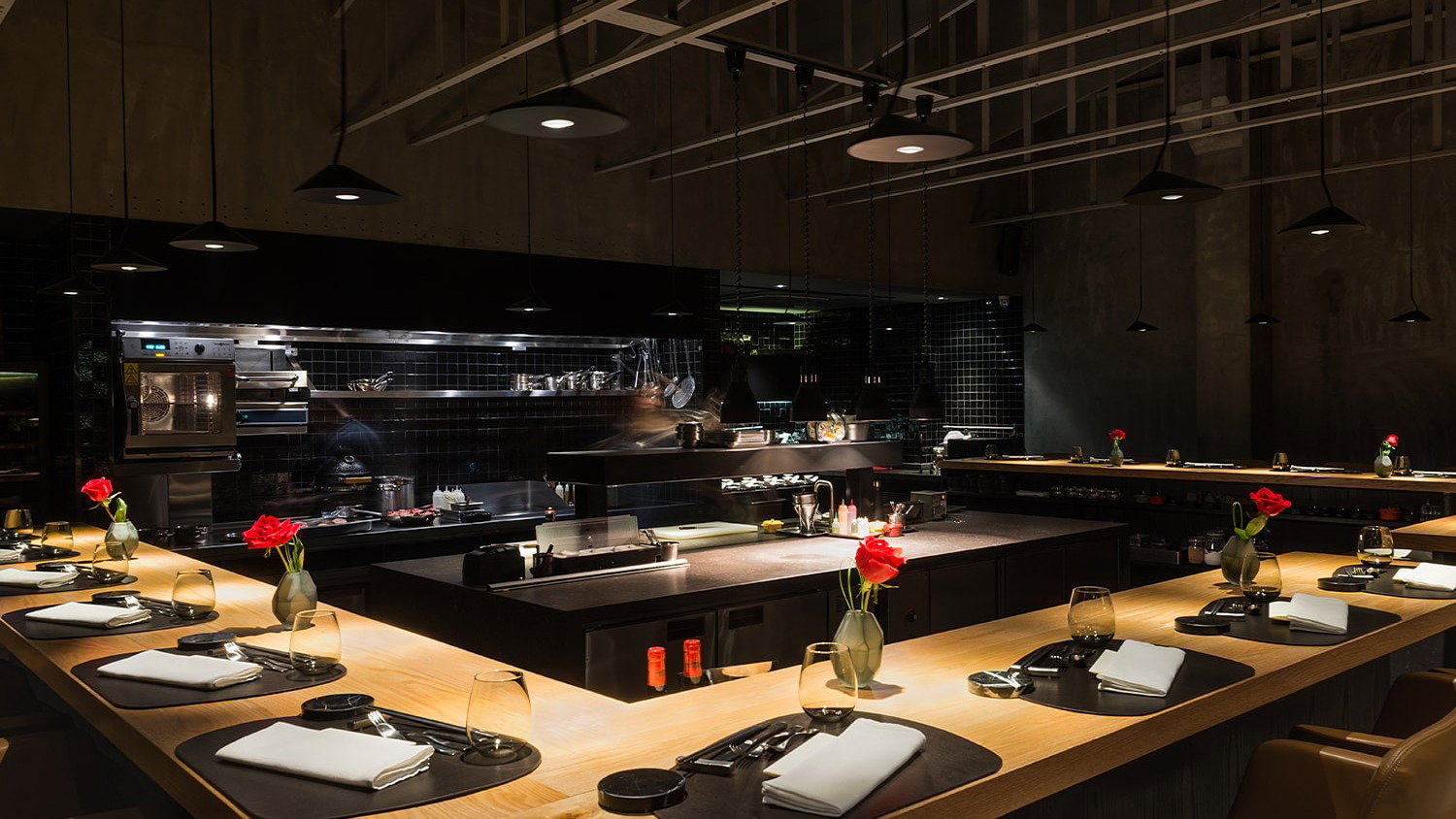
Mao Long announces itself as a kitchen-first neighborhood restaurant in Shanghai’s former French Concession. The dining room lives in service of the woks: you hear carbon‑steel on iron and burners at full throttle before fragrances settle, and that kinetic energy shapes the venue’s personality. It occupies a middle register between cheap canteen and formal tasting menu, favouring technical, wok‑hei driven cooking over theatrical formality. Michelin’s consecutive Bib Gourmand nods to steady execution rather than showmanship, so the overall impression is energetic and culinary‑focused—a place where the heat and rhythm of the stoves are part of the experience.
Best For
Mao Long suits diners who want authentic, technically confident Shanghainese food without the trappings of fine dining. Its mid‑price positioning and repeated Bib Gourmand recognition make it a reliable choice for neighborhood meals with friends and family, and for groups seeking value and consistent execution. It’s less about formal service or curated tasting formats and more about robust, wok‑driven dishes served in an approachable environment. If you prioritize straightforward, high‑quality cooking and an active kitchen atmosphere, Mao Long delivers that balance.
Ordering Tips
Build a meal around the kitchen’s strengths: red‑braised and wok‑seared preparations. Start with the house signatures — Braised Pork with Peppers, Stir‑fried Pork Kidneys, and the Soup with Bamboo Shoots and Chinese Ham — to sample the textures and wok‑hei that define the place. The Bib Gourmand signals strong value, so share several dishes family‑style rather than ordering à la carte for one. Expect bold, savory flavors and efficient, no‑frills service; pair richer mains with a lighter soup or vegetable dish to balance the table.
Venue details
Ambiance
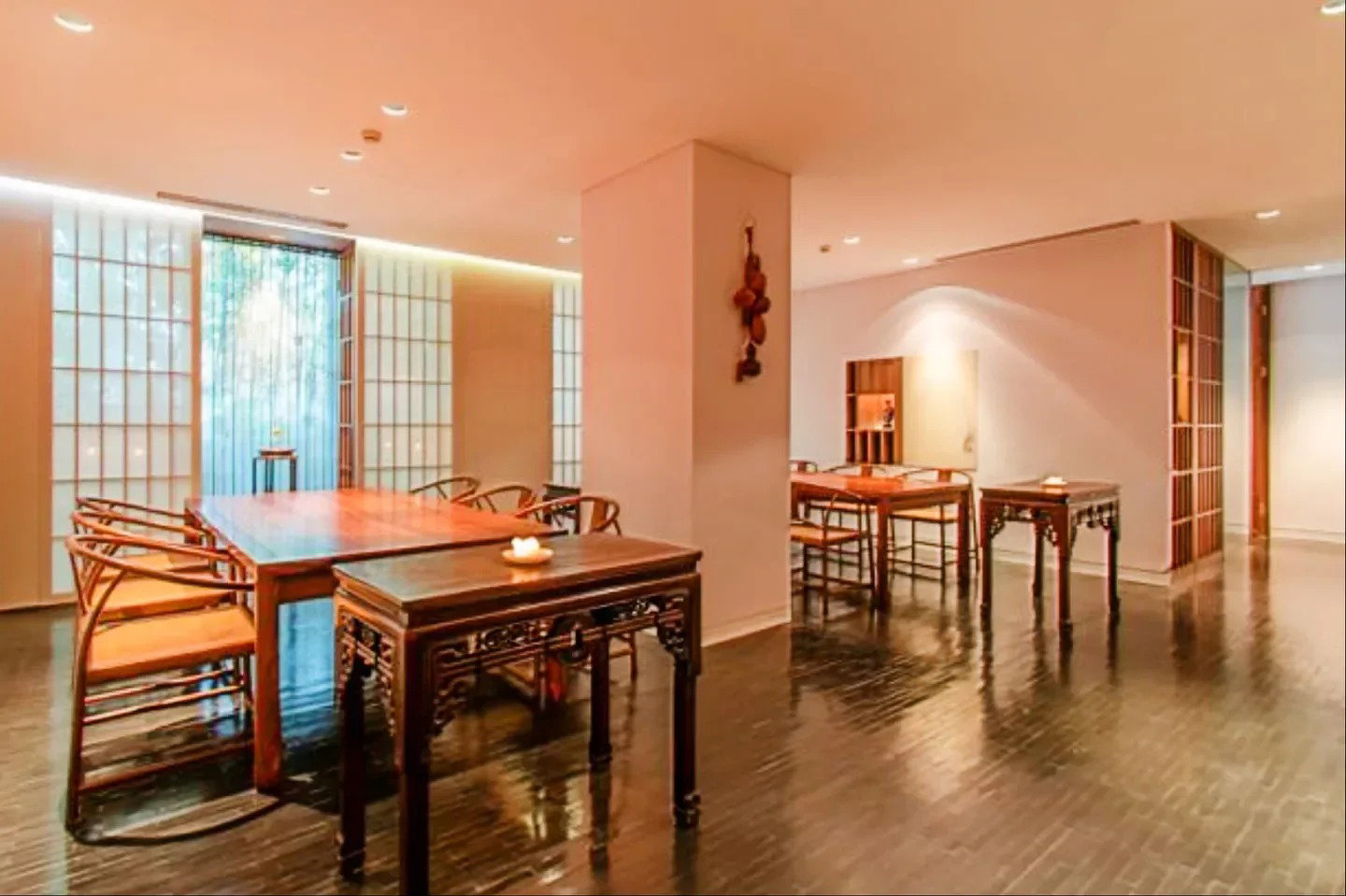
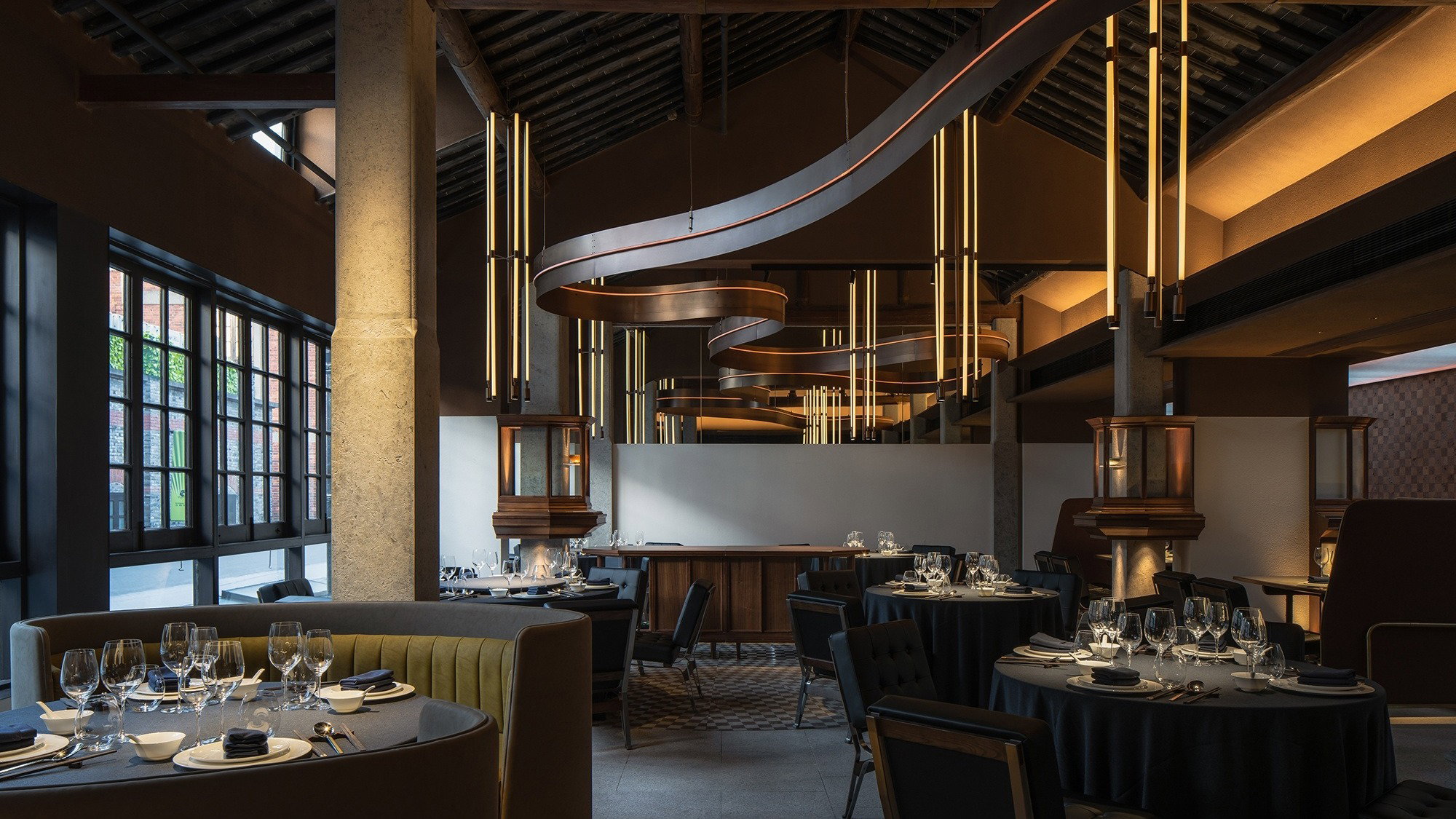
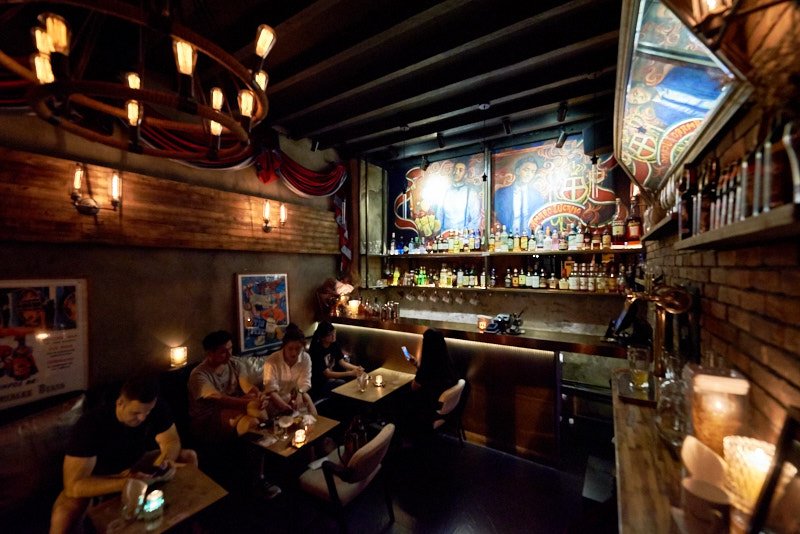
Intimate, no-frills setting with original residential décor; warm and nostalgic atmosphere that captures local Shanghai flavor despite being a popular tourist destination.
Tags
Vibe
Best For
Experience
At the Table
- Dress Code
- Casual
- Noise Level
- Conversational
- Service Style
- Casual
- Meal Pacing
- Standard
- Capacity
- Small
- Kitchen
- Traditional
- Menu Format
- A la carte, Family style
- Drinks Focus
- Chinese tea, Traditional Chinese beverages
Signature Dishes
- Braised Pork with Peppers
- Stir-fried Pork Kidneys
- Soup with Bamboo Shoots and Chinese Ham
Know before you go
Know Before You Go
- Getting there
- 134 Jinxian Rd, Lu Wan Qu, Shanghai, China, 200041
Planning details
Location
134 Jinxian Rd, Lu Wan Qu, Shanghai, China, 200041 · Directions
Recognition and awards
Also consider
Also Consider
- Fu He Hui, Vegetarian, ¥¥¥¥
- Ming Court, Cantonese, ¥¥¥
- Polux, French, ¥¥
- Royal China Club, Chinese, Cantonese, ¥¥¥
- Scarpetta, Italian, ¥¥¥
Restaurant context
How It Compares
Within Shanghai's mid-range tier, Mao Long's closest direct comparison is Polux, the French bistro also priced at ¥¥. Polux serves a different cuisine entirely, but the two venues occupy the same value bracket and both carry credible credentials. Choose Mao Long if you want regional Chinese cooking with a Michelin Bib Gourmand behind it; choose Polux if you want European bistro cooking. Neither is a difficult booking.
Step up to the ¥¥¥ tier and you are looking at Ming Court, Royal China Club, and Scarpetta. Ming Court and Royal China Club both serve Cantonese rather than Shanghainese cooking, so the comparison is partly about cuisine preference. If you are specifically after Shanghainese food, Mao Long at ¥¥ with a Bib Gourmand is a stronger choice than crossing into Cantonese at ¥¥¥. If the occasion warrants higher spend and you want Chinese cooking with more service polish and room presence, Royal China Club is the practical upgrade path.
At the top of the Shanghai peer set here sits Fu He Hui at ¥¥¥¥, a vegetarian Chinese restaurant operating at a completely different register of price, formality, and concept. Fu He Hui is the booking for a significant occasion where budget is secondary and a plant-based tasting menu format works for your group. Mao Long is the booking when you want Michelin-verified quality at a price that does not require justification.
Explore Shanghai
Around this place
Discover more on Pearl
Unlock the full Mao Long guide in Pearl, including awards, comparisons, FAQs, planning details, and nearby places.
Compare Mao Long
| Venue | Location | Cuisine | Awards | Price |
|---|---|---|---|---|
| Mao Long | Shanghai | Shanghainese | Michelin Guide Shanghai Jiangsu Zhejiang 20262025 Michelin Bib Gourmand2024 Michelin Bib Gourmand | ¥¥ |
| Fu He Hui | Shanghai | Vegetarian | 2026 Asia's 50 Best Restaurants · #112026 OAD Top Restaurants in Asia Ranked · #562026 Black Pearl 2 DiamondMichelin Guide Shanghai Jiangsu Zhejiang 20262026 La Liste Top Restaurants2025 Asia's 50 Best Restaurants · #152025 OAD Top Restaurants in Asia Ranked · #592025 World's 50 Best Restaurants · #64We're Smart World Top Restaurants 2025 | ¥¥¥¥ |
| Ming Court | Shanghai | Cantonese | 2025 OAD Top Restaurants in Asia Ranked · #1692025 Black Diamond 1 Diamond2025 Michelin 1 Star2024 OAD Top Restaurants in Asia Ranked · #1602024 Michelin 1 Star2023 OAD Top Restaurants in Asia Highly Recommended | ¥¥¥ |
| Polux | Shanghai | French | 2026 OAD Casual in Asia Ranked · #101Michelin Guide Shanghai Jiangsu Zhejiang 20262025 OAD Casual in Asia Ranked · #782025 Michelin Bib Gourmand2024 OAD Casual in Asia Ranked · #652024 OAD Top Restaurants in Asia Ranked · #2632024 Michelin Bib Gourmand2023 OAD Top Restaurants in Asia Recommended | ¥¥ |
| Royal China Club | Shanghai | Chinese, Cantonese | 2026 Michelin Plate2025 OAD Casual in Europe Ranked · #216The Good Food Guide 20252025 Michelin Plate2024 OAD Casual in Europe Ranked · #2142024 Michelin Plate2023 OAD Casual in Europe Highly Recommended | ¥¥¥ |
| Scarpetta | Shanghai | Italian | Michelin Guide Shanghai Jiangsu Zhejiang 20262025 Wine Spectator Best of Award of Excellence2025 Michelin Plate2024 Michelin Plate | ¥¥¥ |







.png?width=1200&quality=80)


How Mao Long Shanghai compares with similar nearby venues.
FAQ
Frequently Asked Questions
Does Mao Long handle dietary restrictions?
Nothing in the available data confirms how Mao Long handles specific dietary requests. That said, traditional Shanghainese cooking is heavily meat- and seafood-forward, so vegetarians and those avoiding pork or shellfish should confirm options directly before booking. At the ¥¥ price tier, the menu is likely concise, which makes it easier to ask about substitutions in person.
Can I eat at the bar at Mao Long?
No bar seating is documented for Mao Long. Shanghainese restaurants at this price tier on Jinxian Road typically run table service rather than counter or bar formats, so a walk-in table is the more realistic option for a casual solo meal.
Is Mao Long good for solo dining?
Yes — a Michelin Bib Gourmand at ¥¥ pricing makes Mao Long a low-commitment solo option in the French Concession. You're not locked into a multi-course format or a steep per-head spend, and the neighbourhood is easy to walk from most central Shanghai hotels. Solo diners at mid-budget Shanghainese spots in this area generally seat quickly, though confirming walk-in availability ahead of peak meal times is sensible.
What is Mao Long known for?
Mao Long is primarily known for Shanghainese in Shanghai.