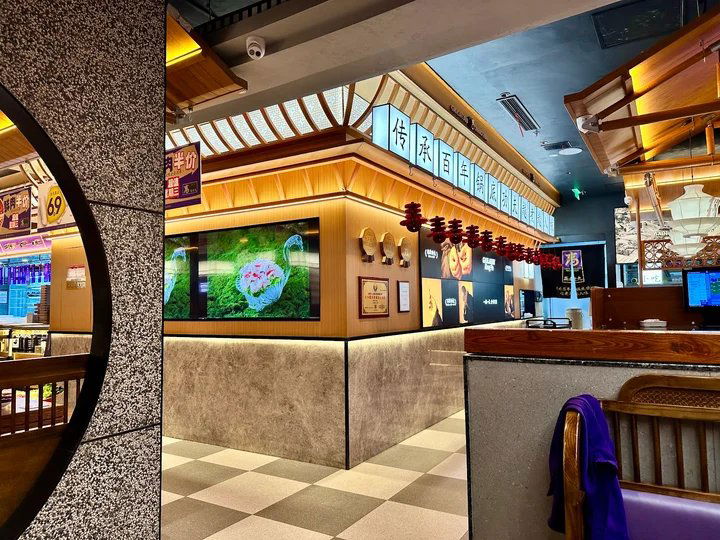

Lu Bo Lang
Shanghainese · Lan Ni Du, Shanghai
Restaurant in Shanghai, China
 Book with Pearl
The Read
Classical Shanghainese Continuity
Price
$20–30per person
Chef
Lu Yaming
Dress
Smart Casual
Why go
Lu Bo Lang holds back-to-back Michelin Bib Gourmand recognition (2024 and 2025) for traditional Shanghainese cooking in Huangpu at a ¥¥ price point. The room is quiet and considered rather than energetic, making it a strong choice for conversation-focused meals or solo dining. Booking is straightforward, and the price-to-quality ratio is the main reason to choose it over pricier Shanghai alternatives.
About Lu Bo Lang
Should You Book Lu Bo Lang?
If you are comparing Lu Bo Lang to Shanghai's newer wave of Shanghainese restaurants, such as Fu 1088 or Fu 1015, the calculus is direct: Lu Bo Lang trades on institutional credibility and accessible pricing rather than contemporary refinement. Two consecutive Michelin Bib Gourmand awards (2024 and 2025) confirm it delivers consistent quality at a price point that doesn't require budgeting anxiety. At ¥¥, this is one of Shanghai's more approachable Bib Gourmand restaurants, and for a returning visitor who already has one meal here under their belt, the question is simply whether to go deeper into the menu or try a peer. The honest answer: go deeper.
The Restaurant
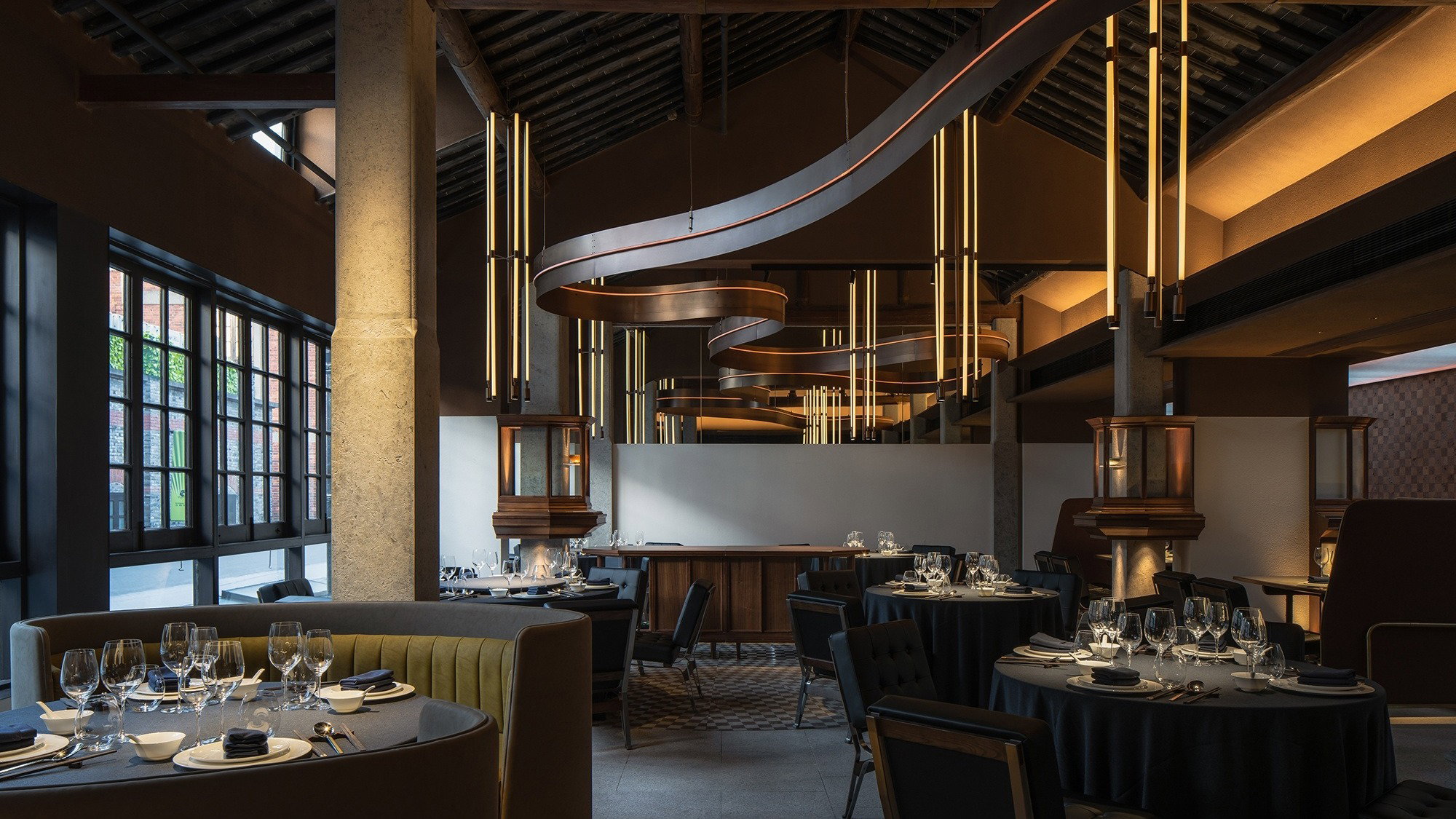
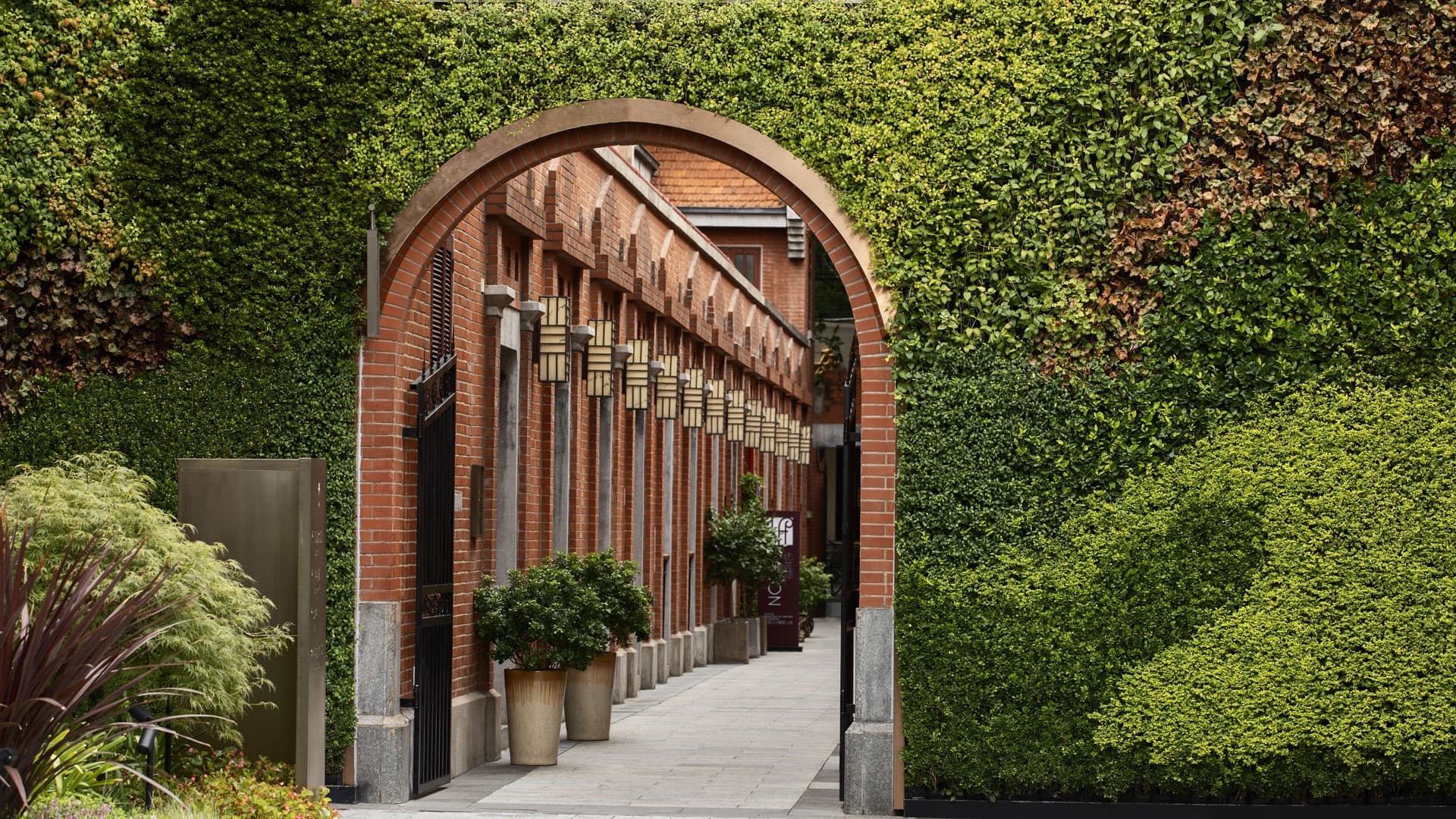
Lu Bo Lang sits in the Huangpu district, one of Shanghai's most historically dense neighbourhoods. The restaurant has operated long enough to become a reference point in conversations about traditional Shanghainese cooking, and that institutional weight is felt in the room. The atmosphere here is composed rather than energetic — the ambient sound level stays at a conversational register even when the dining room fills, which makes it a more comfortable setting than the louder, trendier alternatives drawing crowds elsewhere in the city. If you ate here once and remember the room as quietly purposeful, that reading is accurate and consistent.
The sensory register matters for planning. Shanghainese cuisine at this level involves careful, low-noise service rituals — dishes arrive without theatrical presentation, and the room doesn't perform for you. That suits groups who want to talk across the table, and it suits solo diners who are paying attention to the food. It is not the place to bring someone who needs the energy of a buzzing room to enjoy a meal.
The Counter and Bar Experience
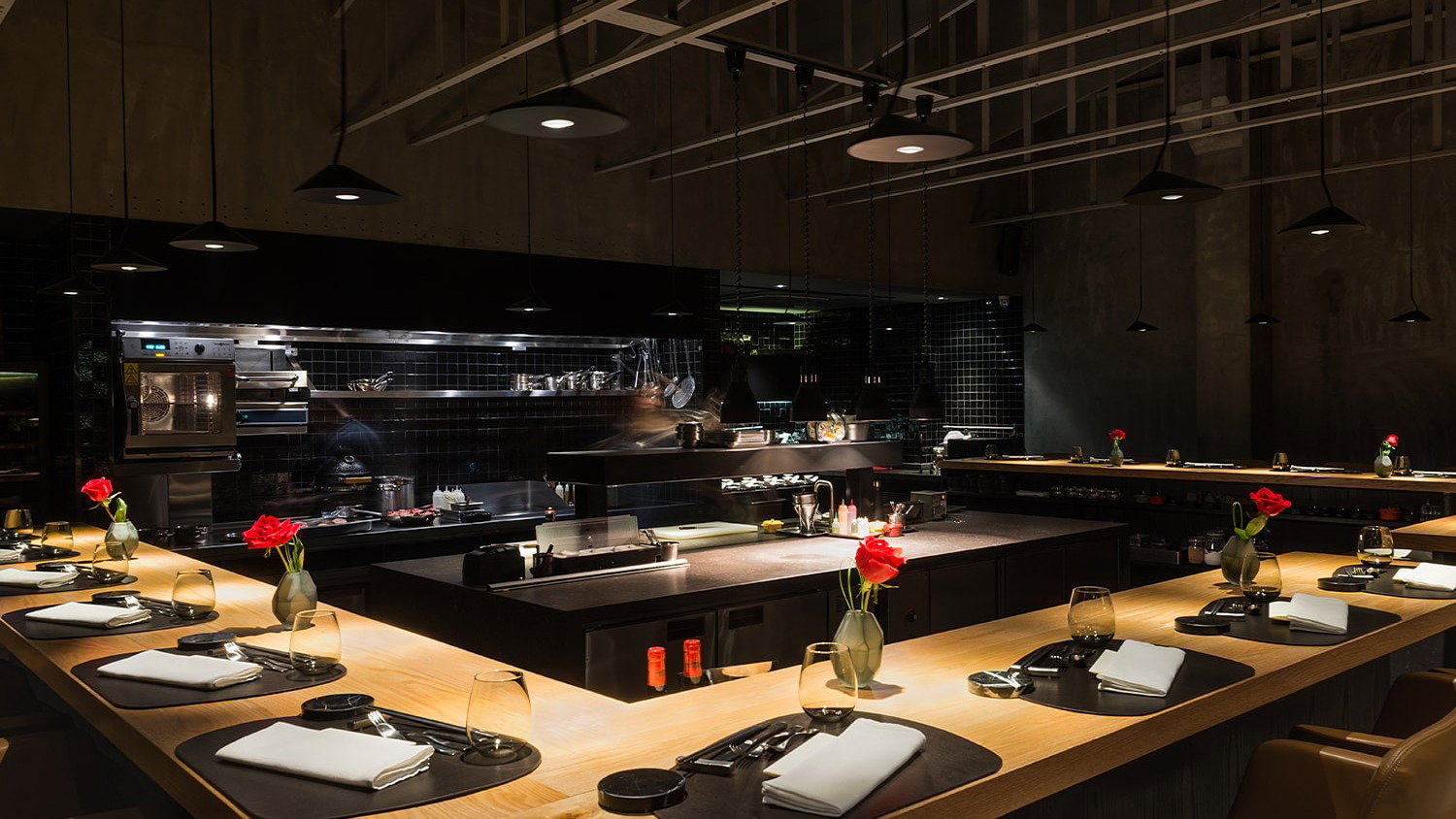
The editorial angle worth pressing into here is seating configuration. For returning visitors, bar or counter seating, where available, shifts Lu Bo Lang from a standard table-service experience into something more instructive. Counter proximity to the kitchen at Shanghainese restaurants of this type tends to surface details that table diners miss: the sequencing of a hongshao preparation, the timing decisions that make or break a braised dish. If your first visit was at a standard table, requesting counter or kitchen-adjacent seating on a return visit is the most efficient way to get more from the same restaurant. This is a general principle of the format, and it applies directly here.
Chef Lu Yaming leads the kitchen, and the cuisine is anchored in traditional Shanghainese technique. For those comparing this to other traditional practitioners in the region, Lao Zheng Xing and Cheng Long Hang (Huangpu) occupy a similar Shanghainese register, with overlapping strengths in braised and slow-cooked preparations. Lu Bo Lang's Bib Gourmand recognition distinguishes it from both on the credential side, though the practical quality gap will depend on the specific dishes ordered.
For travellers using Shanghai as a base for broader regional comparison, it is worth noting that Shanghainese cooking appears in strong forms elsewhere in China. Shanghai Cuisine in Beijing and Liu Yuan Pavilion in Hong Kong provide useful reference points for understanding how the cuisine travels. Within the East China region, Ru Yuan in Hangzhou is worth a separate visit if itinerary allows.
Planning Your Visit
Reservations: Booking is rated Easy, meaning walk-in access is more realistic here than at higher-demand venues, though advance booking is still advisable for weekends and peak dinner slots. Budget: ¥¥, positioning this comfortably below the ¥¥¥ and ¥¥¥¥ tier competitors in the same city. For context, Shanghai's Bib Gourmand tier typically represents meals where the price-to-quality ratio is the primary draw rather than the prestige of a full Michelin star. Dress: No dress code is specified in available data, but the Huangpu location and institutional setting suggest smart casual is appropriate. Showing up underdressed in a historic neighbourhood restaurant in Shanghai tends to feel out of place. Group size: The room suits pairs and small groups of four; larger parties should confirm table availability in advance.
How It Compares
Also Worth Considering in the Region
If you are building a broader itinerary across China's dining cities, Xin Rong Ji (Xinyuan South Road) in Beijing and Xin Rong Ji in Chengdu represent the strongest comparisons at a higher price tier. For occasion dining elsewhere in the region, Chef Tam's Seasons in Macau and Imperial Treasure Fine Chinese Cuisine in Guangzhou and Dai Yuet Heen in Nanjing cover the high-end Chinese dining tier across different cities. For more on Shanghai specifically, see our full Shanghai restaurants guide, our full Shanghai hotels guide, our full Shanghai bars guide, our full Shanghai wineries guide, and our full Shanghai experiences guide. The newer Fu-family restaurants (Fu 1039) are worth reviewing if you want to compare the traditional and contemporary ends of Shanghai's Shanghainese dining spectrum before committing to a booking.
Planning details
- Location
- China, Shanghai, Huangpu, 四牌楼 邮政编码: 200010
- Phone
- +86 21 6328 0602
The take
The Take
The Vibe
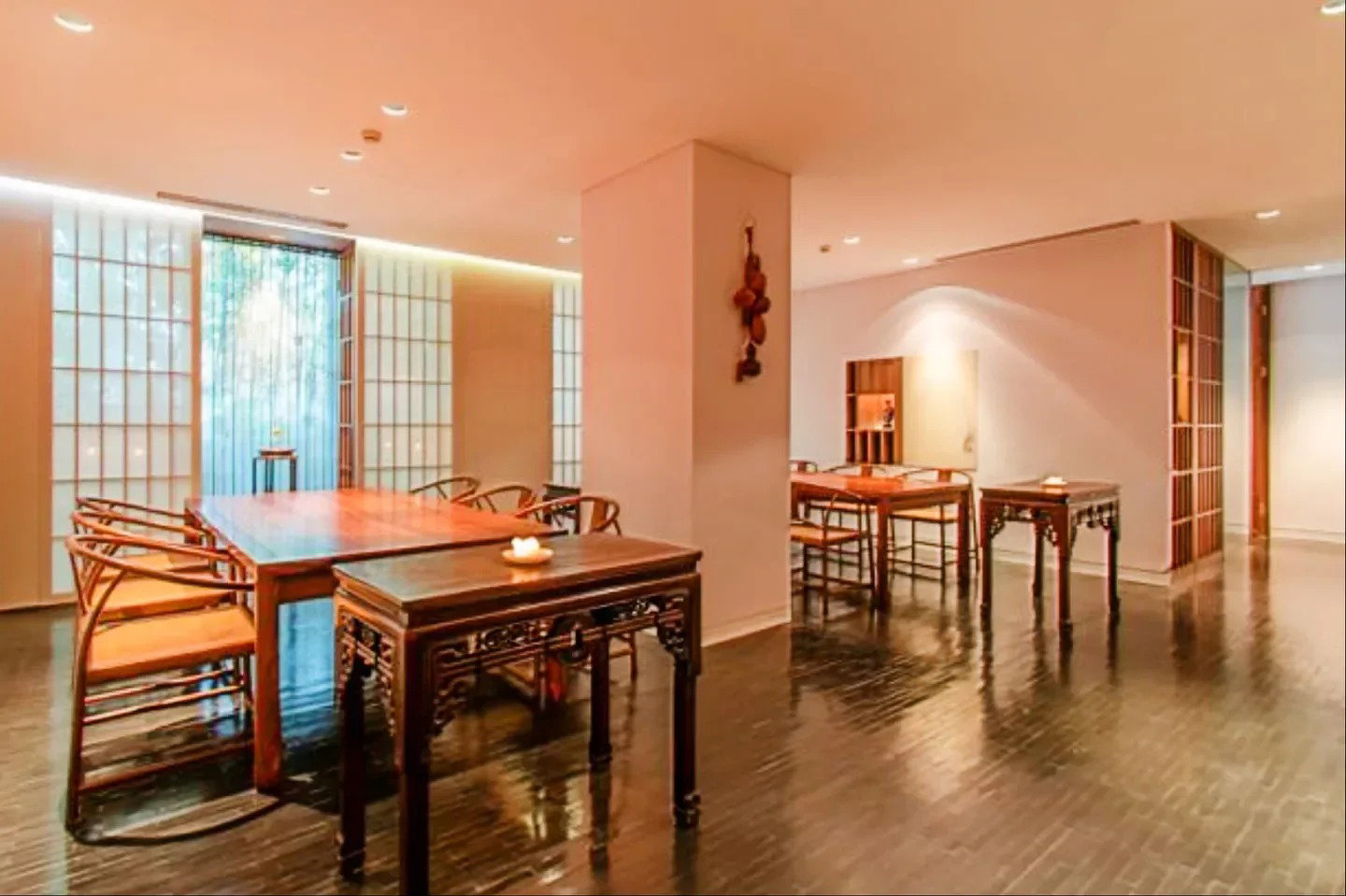
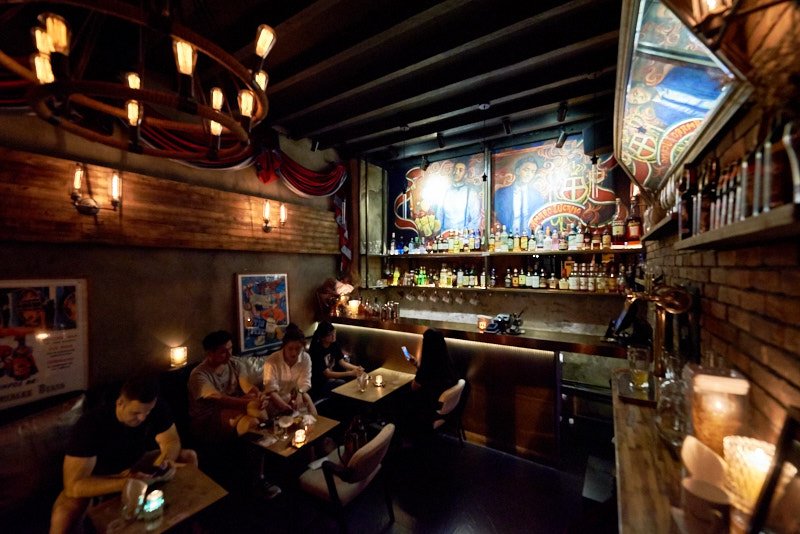
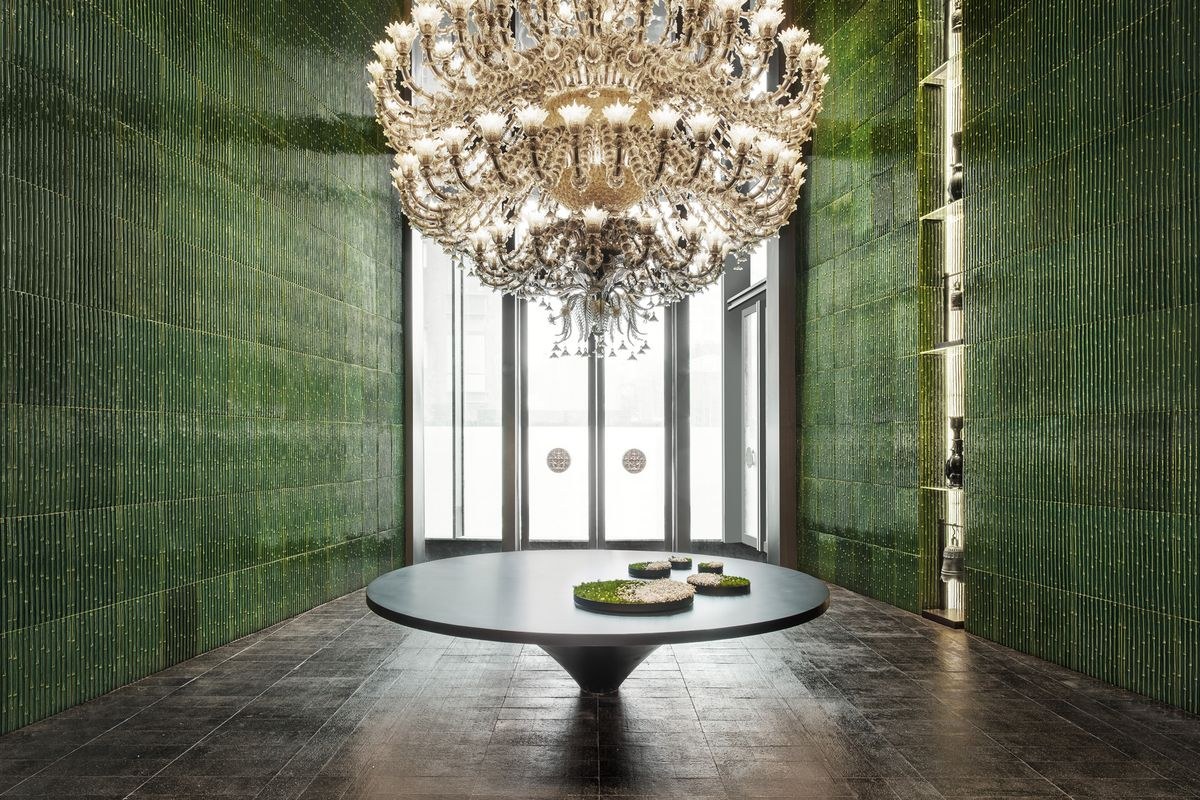
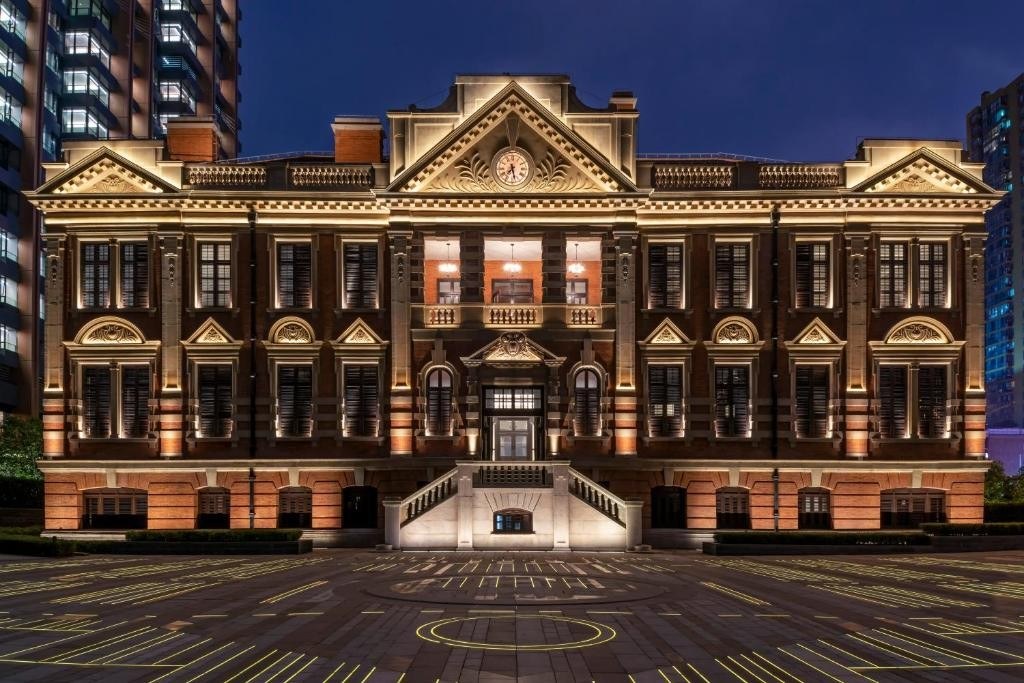
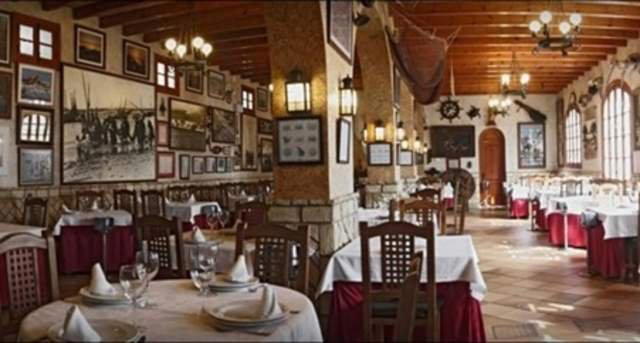
Lu Bo Lang presents a classical Shanghainese sensibility that deliberately resists the city's chase for novelty. The dining room follows a recognizable local grammar—tiered rooms, carved wood screens and an interior palette of dark lacquer and warm lantern light—that reads as restrained and ceremonious rather than flashy. The kitchen operates within a traditional register, and the Michelin Bib Gourmand recognition underscores a confident, well-honed approach. Overall, the restaurant feels elegant and warm: a place where heritage and careful service create a composed, charming atmosphere rooted in Shanghai’s pre-war merchant aesthetic.
Best For
This is a strong choice for business dinners, family gatherings and group dining where a reliable, classical Shanghainese meal is the objective. The tiered dining rooms and provision for large family tables make it comfortable for multi-course sharing and celebratory meals, while the restrained décor and steady service rhythm suit more formal conversations. Because it occupies the mid-range, Bib-recognized bracket, it also works for special occasions that favor traditional flavors and composed service over theatrical tasting menus or avant-garde cuisine.
Ordering Tips
Lean into the restaurant’s signature Shanghainese items and share plates family-style: the shrimp–scallop–crab-roe xiaolongbao, dongpo pork and crab-roe lion’s head meatball are highlighted specialties, alongside pastries like turnip pastry, eyebrow pastry and osmanthus glutinous rice cake. The kitchen favors the city’s sweet-savory seasoning logic, so balance rich braised dishes with lighter, steamed or sauced items. Given the family-table layout, ordering multiple specialties to pass around is the practical way to experience the breadth of Lu Bo Lang’s classical repertoire.
Venue details
Ambiance
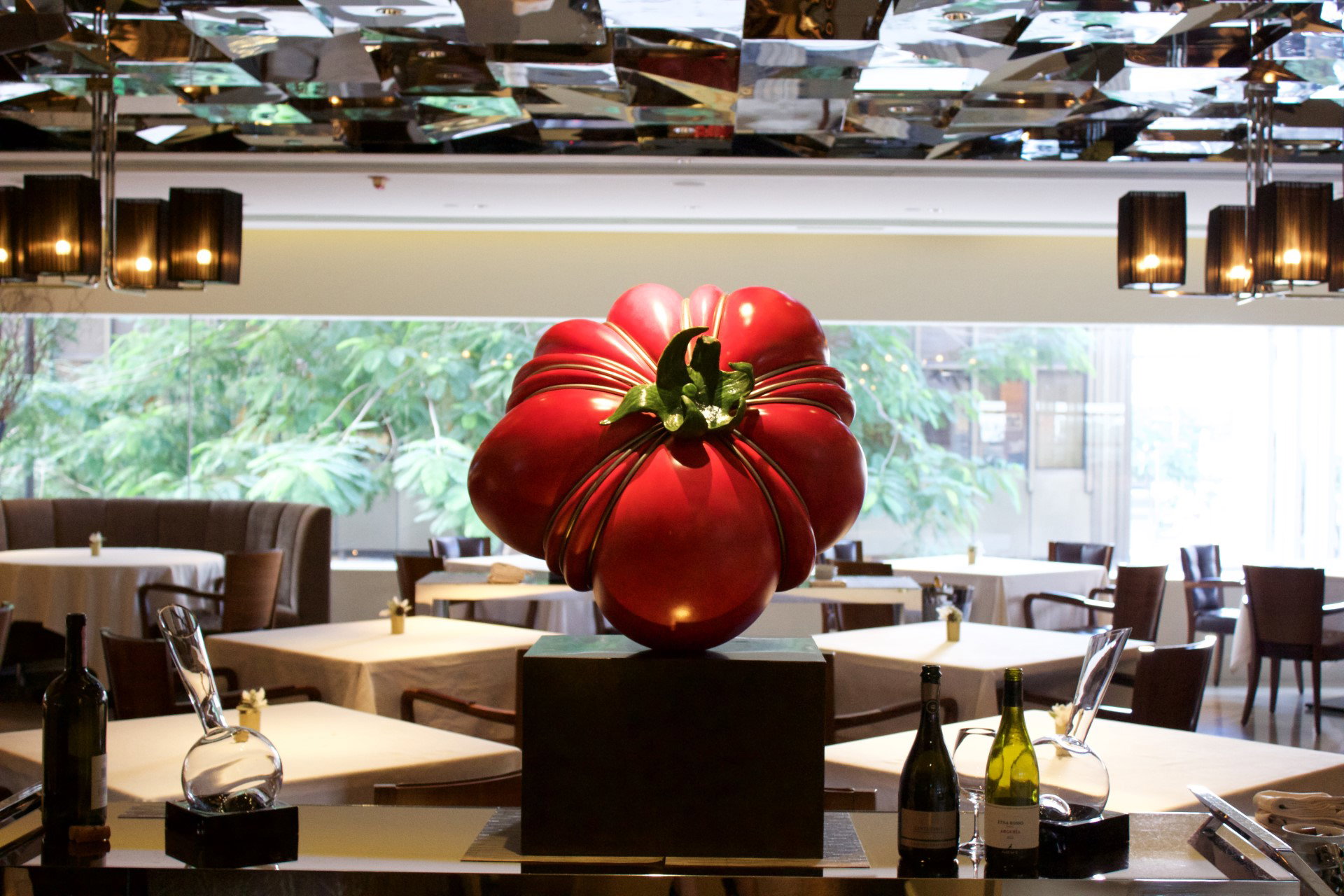
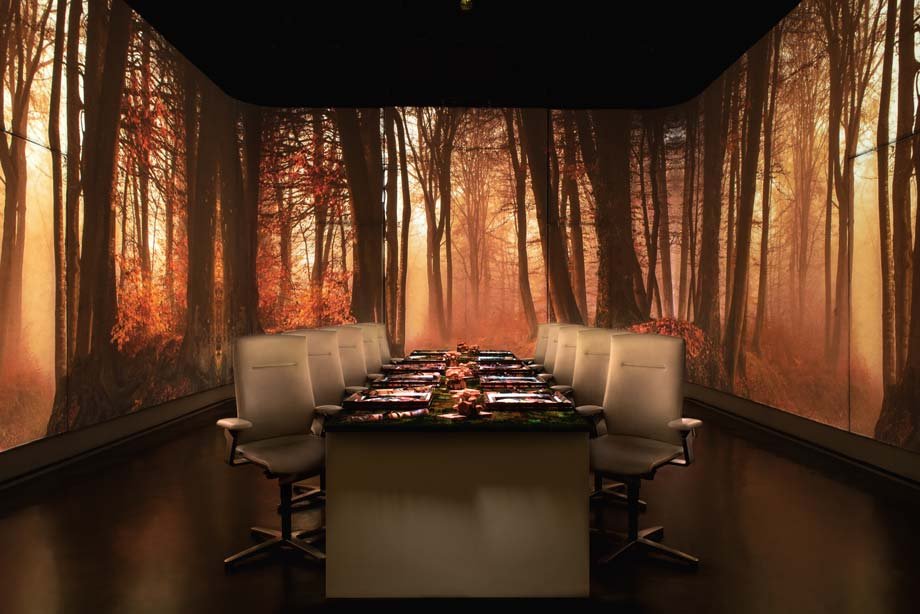
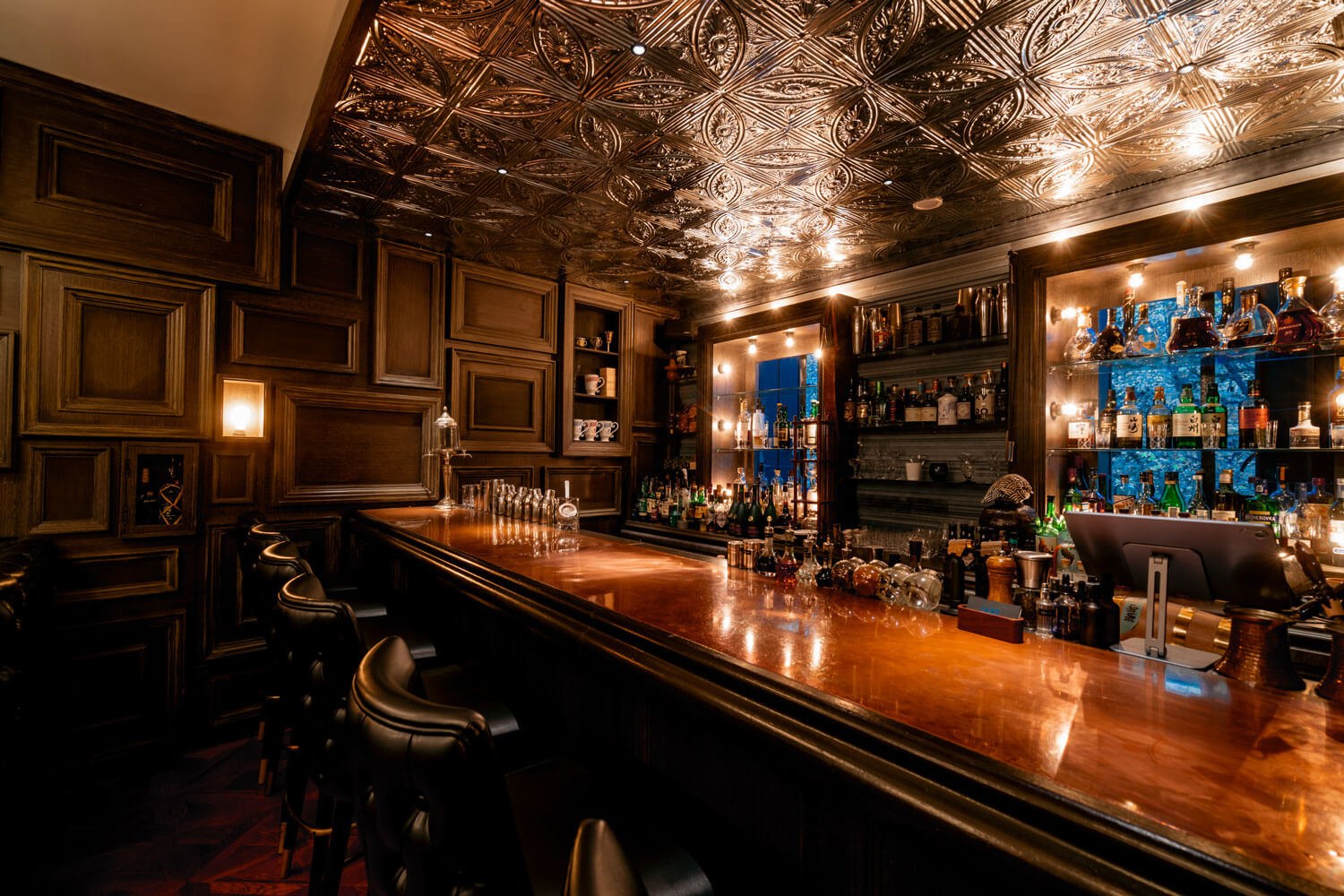
Classic Chinese pavilion with traditional decor, wavy silvery ceiling panels, subtle green lighting, and views of Yu Garden pond from upstairs.
Tags
Vibe
Best For
Experience
View
At the Table
- Dress Code
- Smart Casual
- Noise Level
- Lively
- Service Style
- Upscale Casual
- Meal Pacing
- Standard
- Capacity
- Large
- Kitchen
- Traditional
- Menu Format
- A la carte, Small plates
- Wine Program
- Standard
- Dietary
- Vegetarian friendly, Vegan options, Gluten-free options
- Private Dining
- Available
Signature Dishes
- turnip pastry
- osmanthus glutinous rice cake
- eyebrow pastry
- shrimp scallop crab roe xiaolongbao
- dongpo pork
- crab roe lion’s head meatball
Know before you go
Know Before You Go
- Getting there
- China, Shanghai, Huangpu, 四牌楼 邮政编码: 200010
Planning details
Location
China, Shanghai, Huangpu, 四牌楼 邮政编码: 200010 · Directions
Recognition and awards
Also consider
Also Consider
- Fu He Hui, Vegetarian, ¥¥¥¥
- Ming Court, Cantonese, ¥¥¥
- Polux, French, ¥¥
- Royal China Club, Chinese, Cantonese, ¥¥¥
- Scarpetta, Italian, ¥¥¥
Restaurant context
At ¥¥, Lu Bo Lang sits well below most of its credentialed Shanghai peers on price. Ming Court (Cantonese, ¥¥¥) and Royal China Club (Cantonese, ¥¥¥) both operate at a higher service tier and price point, with more elaborate room presentations and broader wine programmes. If the occasion calls for formal Chinese dining with table service polish, either of those two is the better booking. Lu Bo Lang is the right choice when you want Michelin-recognised quality without the ¥¥¥ spend commitment.
Fu He Hui (Vegetarian, ¥¥¥¥) is a completely different proposition, a vegetarian fine-dining restaurant at the top of Shanghai's price tier. It belongs in a separate consideration set. Polux (French, ¥¥) matches Lu Bo Lang on price tier and is the more direct comparison for a casual meal, but it serves French cuisine, so the choice between them comes down entirely to what you want to eat rather than to any quality or value differential. Scarpetta (Italian, ¥¥¥) steps up a price tier and out of the Chinese cuisine category entirely.
Within the Shanghainese category specifically, Lu Bo Lang's Bib Gourmand credential is the clearest reason to choose it over unrecognised alternatives at the same price. If budget allows stepping up, Fu 1088 and Fu 1015 represent the more refined end of traditional Shanghainese cooking in Shanghai. For a first or second visit to the city where you want a reliable, well-priced, Michelin-validated Shanghainese meal without complicated booking logistics, Lu Bo Lang is the most practical answer.
Explore Shanghai
Around this place
Discover more on Pearl
Unlock the full Lu Bo Lang guide in Pearl, including awards, comparisons, FAQs, planning details, and nearby places.
Compare Lu Bo Lang
| Venue | Price | Booking Difficulty | Awards |
|---|---|---|---|
| Lu Bo Lang | ¥¥ | Easy | 2025 Michelin Bib Gourmand2024 Michelin Bib Gourmand |
| Fu He Hui | ¥¥¥¥ | Unknown | 2026 Asia's 50 Best Restaurants · #112026 OAD Top Restaurants in Asia Ranked · #562026 Black Pearl 2 DiamondMichelin Guide Shanghai Jiangsu Zhejiang 20262026 La Liste Top Restaurants2025 Asia's 50 Best Restaurants · #152025 OAD Top Restaurants in Asia Ranked · #592025 World's 50 Best Restaurants · #64We're Smart World Top Restaurants 2025 |
| Ming Court | ¥¥¥ | Unknown | 2025 OAD Top Restaurants in Asia Ranked · #1692025 Black Diamond 1 Diamond2025 Michelin 1 Star2024 OAD Top Restaurants in Asia Ranked · #1602024 Michelin 1 Star2023 OAD Top Restaurants in Asia Highly Recommended |
| Polux | ¥¥ | Unknown | 2026 OAD Casual in Asia Ranked · #101Michelin Guide Shanghai Jiangsu Zhejiang 20262025 OAD Casual in Asia Ranked · #782025 Michelin Bib Gourmand2024 OAD Casual in Asia Ranked · #652024 OAD Top Restaurants in Asia Ranked · #2632024 Michelin Bib Gourmand2023 OAD Top Restaurants in Asia Recommended |
| Royal China Club | ¥¥¥ | Unknown | 2026 Michelin Plate2025 OAD Casual in Europe Ranked · #216The Good Food Guide 20252025 Michelin Plate2024 OAD Casual in Europe Ranked · #2142024 Michelin Plate2023 OAD Casual in Europe Highly Recommended |
| Scarpetta | ¥¥¥ | Unknown | Michelin Guide Shanghai Jiangsu Zhejiang 20262025 Wine Spectator Best of Award of Excellence2025 Michelin Plate2024 Michelin Plate |







.png?width=1200&quality=80)


What to weigh when choosing between Lu Bo Lang and alternatives.
FAQ
Frequently Asked Questions
Is Lu Bo Lang good for a special occasion?
It works for a low-key celebration, particularly if the group values traditional Shanghainese cooking over spectacle. The Michelin Bib Gourmand recognition for 2024 and 2025 adds credibility without the price tag of a starred venue. For a more formal occasion with a higher-spend expectation, Fu 1088 or Fu He Hui would be better fits.
What should I wear to Lu Bo Lang?
Nothing in the venue record specifies a dress code, and at a ¥¥ price point in a neighbourhood-facing Shanghainese context, a neat casual approach is a safe read. Treat it like a well-regarded local restaurant rather than a formal dining room.
Is Lu Bo Lang worth the price?
At ¥¥, it is one of the more affordable ways to eat at a Michelin-recognised venue in Shanghai, and back-to-back Bib Gourmand awards in 2024 and 2025 confirm the value case holds. If you are comparing on price-to-quality ratio, Lu Bo Lang is harder to argue against than most alternatives at this tier. The case weakens only if you want a contemporary Shanghainese experience rather than a traditional one.
Is Lu Bo Lang good for solo dining?
Booking is rated Easy, which makes this a practical solo option without the stress of competitive reservations. Shanghainese menus are typically structured around shared dishes, so solo diners should be prepared to order selectively or accept smaller portions of fewer dishes.